Comfort Insoles
Experience ultimate comfort with our selection of high-quality comfort insoles. Whether you're on your feet all day or simply looking to enhance the cushioning and support of your shoes, these insoles are designed to provide exceptional relief and alleviate discomfort. With a variety of styles and materials to choose from, you can find the perfect fit for your needs. Step into a world of comfort and support with our range of comfort insoles that will keep you feeling great from morning to night.
Sort

Why softer cushioning is not always more comfortable
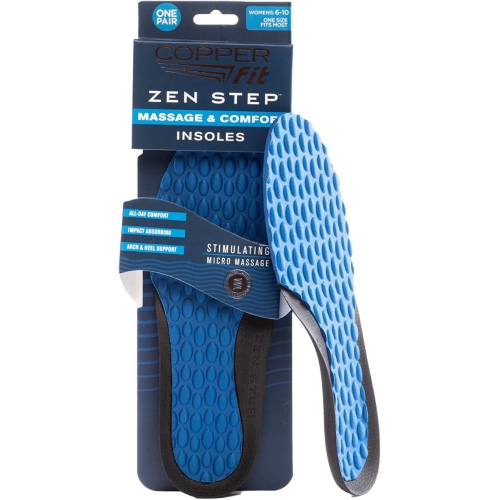
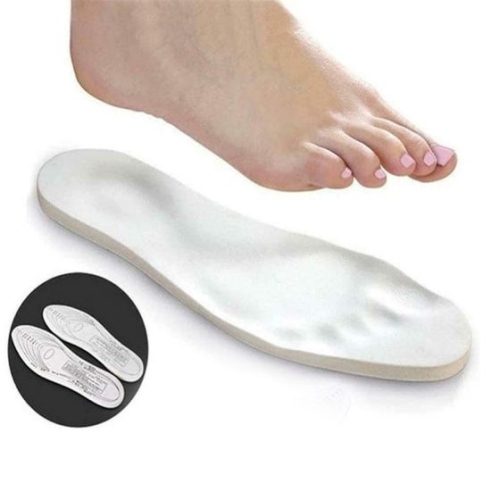
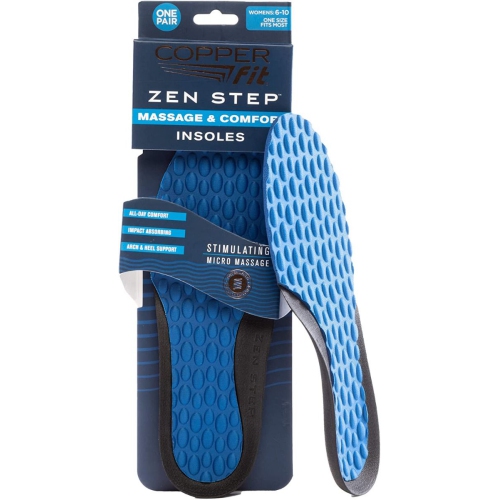
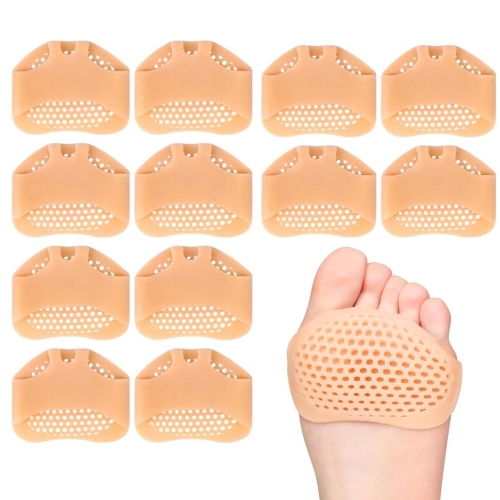
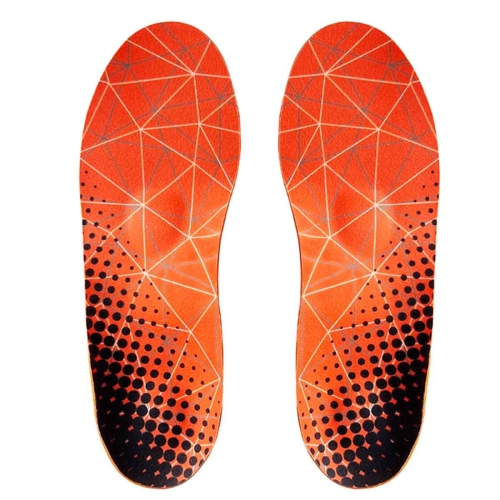
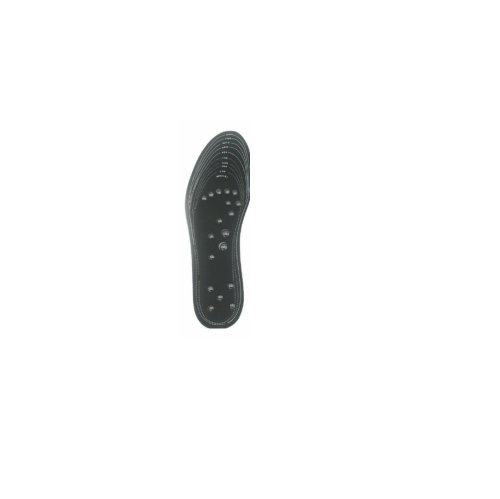
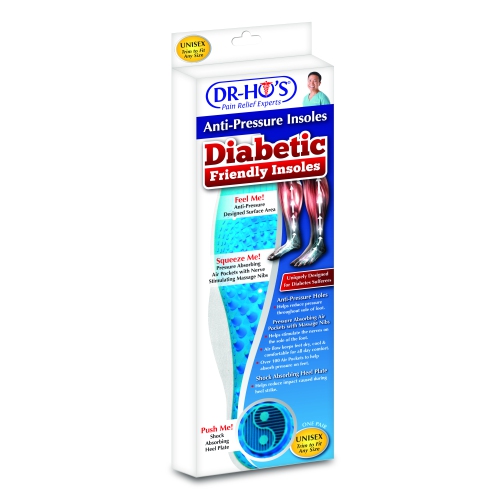
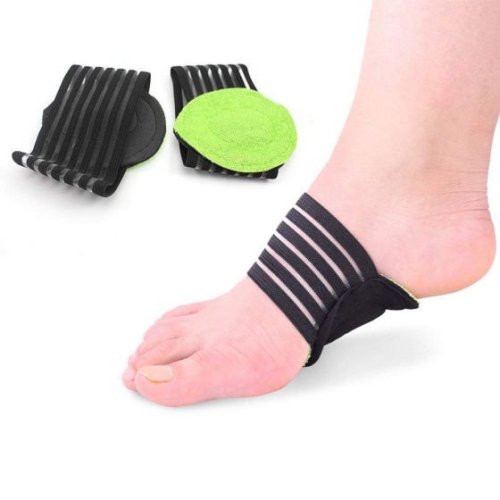
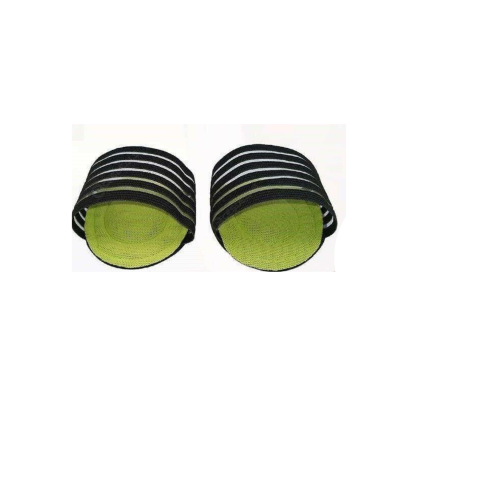
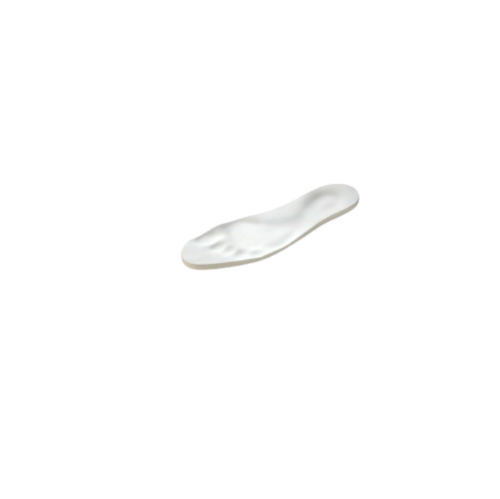
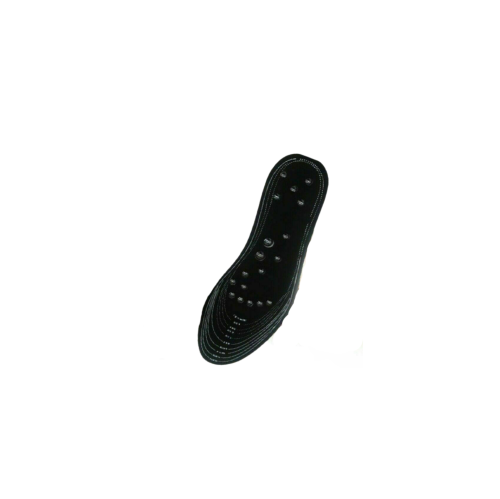
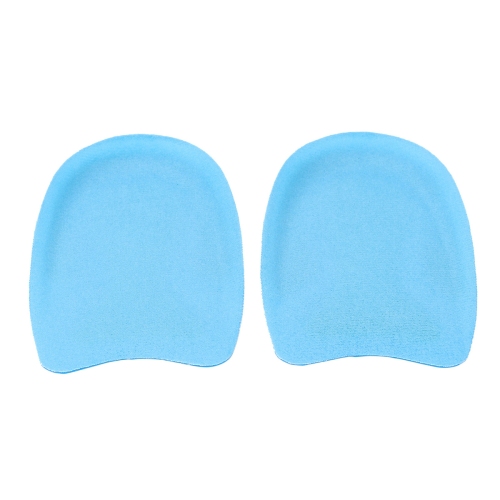
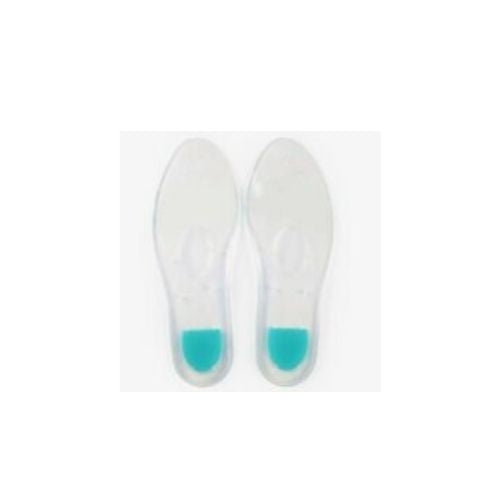
Comfort insoles are removable inserts that add cushioning inside shoes, helping soften the feel of each step and making everyday walking or standing more comfortable. They sit beneath the foot and may combine a padded surface with a shaped heel or arch area, depending on their design. For someone spending a shift on a shop floor, walking between appointments, or standing at a kitchen counter, that extra layer can make firm footwear feel less forgiving underfoot. The main distinction is between cushioning and support: a soft insert primarily adds padding, while a more structured insole helps cradle the heel and support the arch. Some designs offer both, but the softest option is not necessarily the most comfortable for every foot. Memory foam moulds to the contours of the foot under pressure, creating a close, cushioned feel that suits many everyday uses, although it can gradually flatten with wear. Other cushioning foams vary in density, with firmer versions often retaining more of their shape when loaded. Gel sections can provide cushioning at contact points such as the heel or ball of the foot, while a firmer base can give an insert more structure. Fabric top layers affect how the surface feels against socks, and moisture-wicking covers or perforated designs may help manage perspiration when paired with suitable footwear. Material choice also changes how much space an insert occupies and how flexible it feels as the shoe bends. A thin foam layer may suit a close-fitting everyday shoe, whereas a thicker, contoured design generally needs more interior room. Comfort insoles can be useful for commuters, retail staff, travellers, and anyone who wants additional padding in otherwise well-fitting footwear. Their purpose is to improve the feel of the shoe, not to correct every source of discomfort or turn a poorly fitting pair into a good fit. General comfort inserts are also different from custom orthotics, which are made to address an individual’s assessed needs.
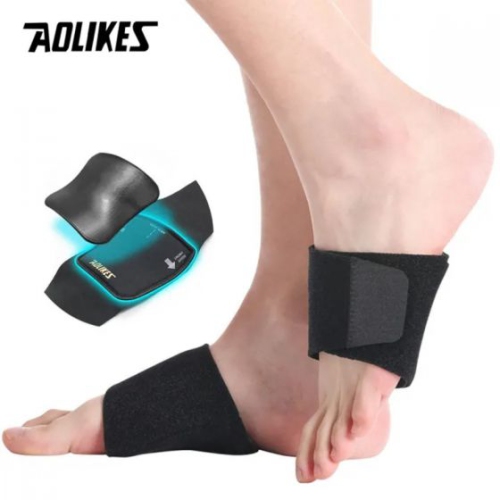
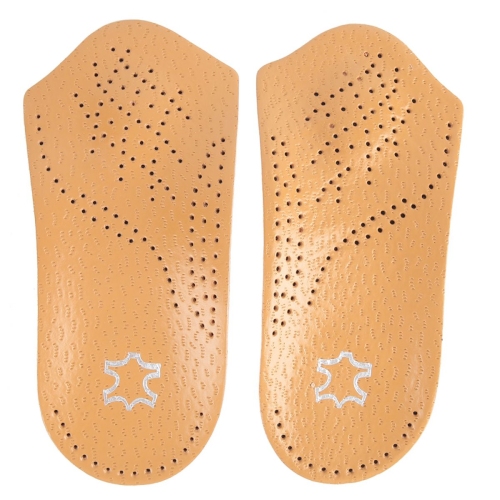
A comfortable fit depends on the relationship between the foot, the insole, and the shoe rather than the size printed on the package alone. Full-length insoles extend from the heel to the toes, providing cushioning across the footbed, while three-quarter-length designs leave more room at the front of the shoe. Heel cushions concentrate padding at the rear rather than covering the whole sole. Each format changes the fit differently, so shoe depth, toe room, and the shape of the heel all matter. In footwear with a removable factory liner, replacing that liner may provide a better fit than stacking another layer on top; the footwear and insole care directions should determine what is appropriate. Adding too much thickness can crowd the toes, press the top of the foot against the upper, or lift the heel high enough to cause slipping. An insert should lie flat without curling at the edges, bunching beneath the arch, or sliding forward during a walk. Trim-to-fit designs allow adjustment within the marked size range, but only inserts specifically intended for trimming should be cut. Where directed, an existing liner can serve as a template, with small cuts helping preserve the intended shape. Arch placement is equally important: a raised section should meet the arch comfortably rather than feel like a hard lump in the wrong spot. Everyday trainers, dress shoes, and work boots can require different thicknesses and profiles, even when they belong to the same person. Trying the fit with the socks normally worn with those shoes gives a more realistic sense of space and grip. A short period of wear can help reveal pressure points before a full day on foot. Persistent rubbing, numbness, or increased discomfort is not a sign to keep pushing through. Comfort insoles should complement secure footwear with adequate width and toe room, and ongoing pain, reduced sensation, or an existing foot condition warrants advice from a qualified healthcare professional.
Intended use helps distinguish a pleasant first impression from comfort that lasts through the day. Standing at a service counter places different demands on an insert than walking through a large airport or taking a brisk lunchtime stroll. For extended standing, cushioning that compresses moderately without flattening completely may feel more dependable than a very soft layer that quickly loses its loft. For walking, flexibility through the forefoot and a stable fit within the shoe help the insert move naturally without folding or shifting. A heel cup may help centre the heel, though its depth needs to work with the shoe’s existing shape. People choosing inserts specifically for repeated running impacts can also explore Running Insoles, where secure fit and compatibility with running footwear are particularly relevant. Whatever the activity, durability depends on material density, construction, frequency of wear, and the pressure placed on the insert. Visible compression, cracked foam, separating layers, or a heel area that no longer rebounds can indicate that cushioning has deteriorated. Uneven wear is worth noticing as well, especially if the shoes themselves are worn down or no longer hold the foot securely. Care should follow the manufacturer’s directions, since some materials tolerate gentle hand cleaning while others should only be wiped with a damp cloth. Removing suitable inserts from shoes after wear allows both surfaces to air out, and letting them dry fully before use helps keep the interior fresh. Machine washing, soaking, and direct heat can damage foams, adhesives, or shaped components unless explicitly permitted. Regularly checking for grit beneath the liner and smoothing it back into position can prevent small irritations from becoming a daily nuisance. As a practical gift, comfort insoles make the most sense when the recipient’s shoe size, footwear style, and preference for softness or support are known. For personal use or gifting, a well-matched insert should feel like part of the shoe: comfortable underfoot, secure through each step, and unobtrusive enough to let the wearer focus on the day ahead.
A comfortable fit depends on the relationship between the foot, the insole, and the shoe rather than the size printed on the package alone. Full-length insoles extend from the heel to the toes, providing cushioning across the footbed, while three-quarter-length designs leave more room at the front of the shoe. Heel cushions concentrate padding at the rear rather than covering the whole sole. Each format changes the fit differently, so shoe depth, toe room, and the shape of the heel all matter. In footwear with a removable factory liner, replacing that liner may provide a better fit than stacking another layer on top; the footwear and insole care directions should determine what is appropriate. Adding too much thickness can crowd the toes, press the top of the foot against the upper, or lift the heel high enough to cause slipping. An insert should lie flat without curling at the edges, bunching beneath the arch, or sliding forward during a walk. Trim-to-fit designs allow adjustment within the marked size range, but only inserts specifically intended for trimming should be cut. Where directed, an existing liner can serve as a template, with small cuts helping preserve the intended shape. Arch placement is equally important: a raised section should meet the arch comfortably rather than feel like a hard lump in the wrong spot. Everyday trainers, dress shoes, and work boots can require different thicknesses and profiles, even when they belong to the same person. Trying the fit with the socks normally worn with those shoes gives a more realistic sense of space and grip. A short period of wear can help reveal pressure points before a full day on foot. Persistent rubbing, numbness, or increased discomfort is not a sign to keep pushing through. Comfort insoles should complement secure footwear with adequate width and toe room, and ongoing pain, reduced sensation, or an existing foot condition warrants advice from a qualified healthcare professional.
Intended use helps distinguish a pleasant first impression from comfort that lasts through the day. Standing at a service counter places different demands on an insert than walking through a large airport or taking a brisk lunchtime stroll. For extended standing, cushioning that compresses moderately without flattening completely may feel more dependable than a very soft layer that quickly loses its loft. For walking, flexibility through the forefoot and a stable fit within the shoe help the insert move naturally without folding or shifting. A heel cup may help centre the heel, though its depth needs to work with the shoe’s existing shape. People choosing inserts specifically for repeated running impacts can also explore Running Insoles, where secure fit and compatibility with running footwear are particularly relevant. Whatever the activity, durability depends on material density, construction, frequency of wear, and the pressure placed on the insert. Visible compression, cracked foam, separating layers, or a heel area that no longer rebounds can indicate that cushioning has deteriorated. Uneven wear is worth noticing as well, especially if the shoes themselves are worn down or no longer hold the foot securely. Care should follow the manufacturer’s directions, since some materials tolerate gentle hand cleaning while others should only be wiped with a damp cloth. Removing suitable inserts from shoes after wear allows both surfaces to air out, and letting them dry fully before use helps keep the interior fresh. Machine washing, soaking, and direct heat can damage foams, adhesives, or shaped components unless explicitly permitted. Regularly checking for grit beneath the liner and smoothing it back into position can prevent small irritations from becoming a daily nuisance. As a practical gift, comfort insoles make the most sense when the recipient’s shoe size, footwear style, and preference for softness or support are known. For personal use or gifting, a well-matched insert should feel like part of the shoe: comfortable underfoot, secure through each step, and unobtrusive enough to let the wearer focus on the day ahead.
Top selling and popular products
-
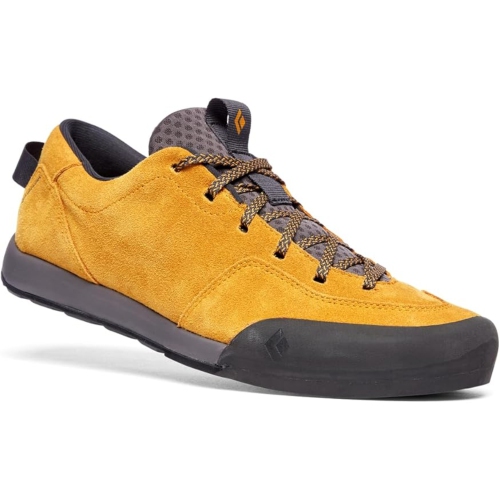 Your price for this item is $170.05
 -
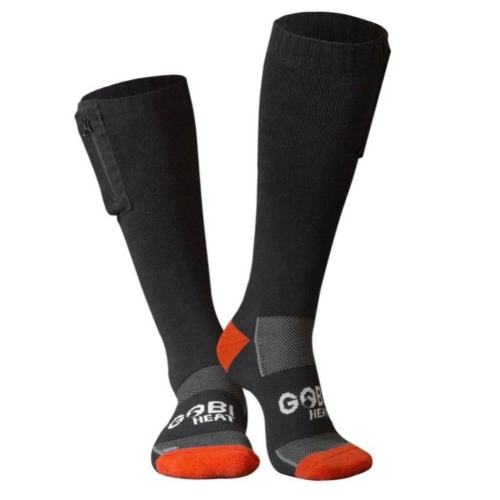 Your price for this item is $250
 -
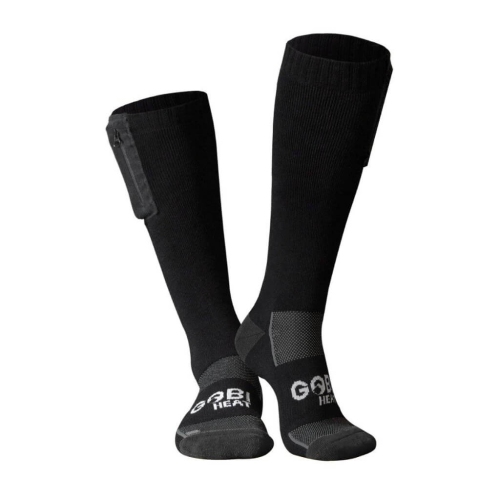 Your price for this item is $250
 -
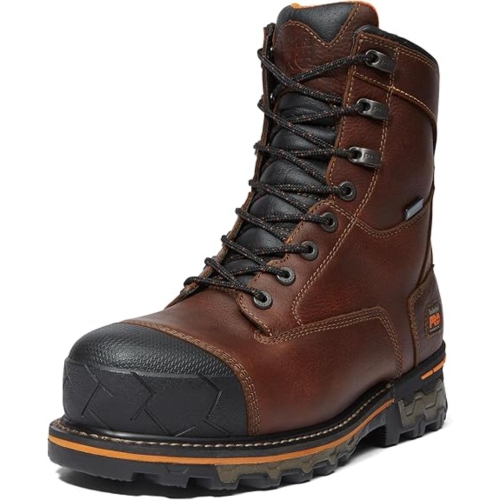 Your price for this item is $379.05
 -
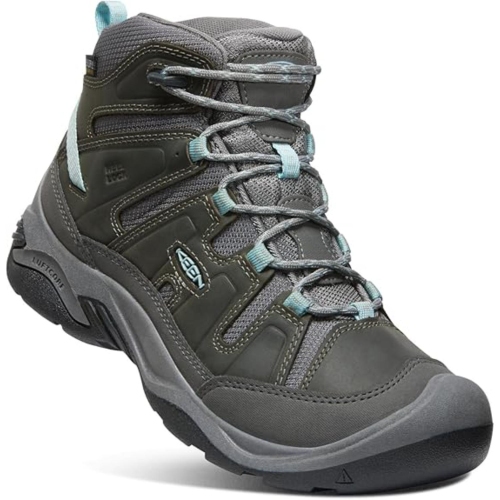 Your price for this item is $160.55
 -
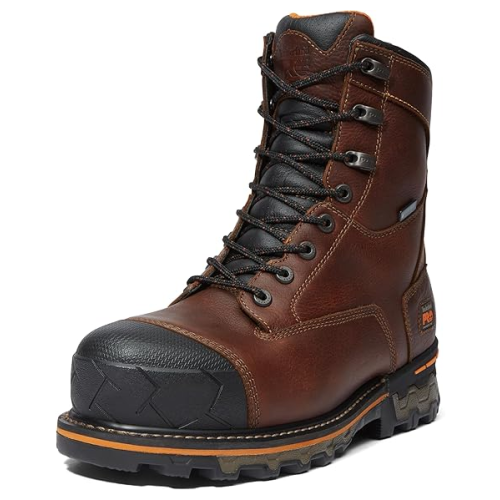 Your price for this item is $350.55
 -
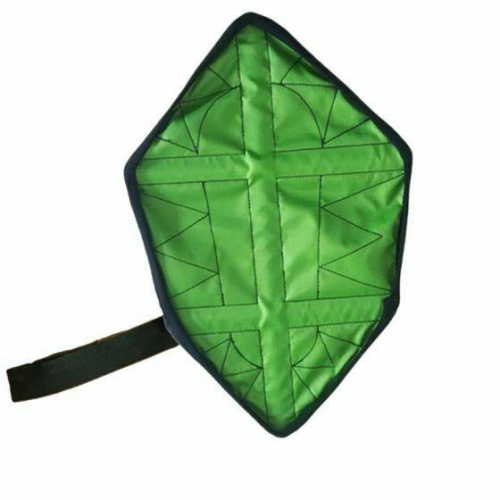 Your price for this item is $55
 -
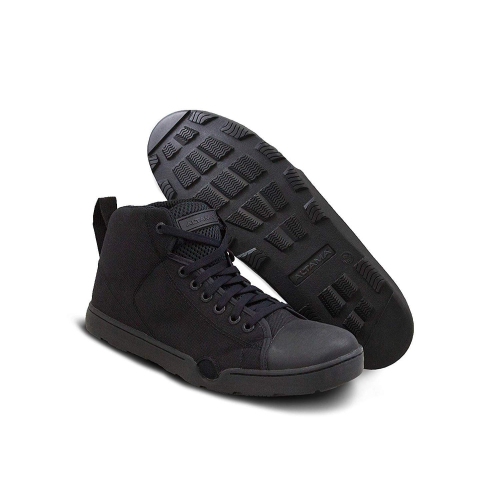 Your price for this item is $328.21
Discover more categories related to Comfort Insoles
Top Collections:
Pokemon Centers, Kindle Devices, Best Budget Office Chairs, Apple iPhones 16, Canon G7X Cameras, iPhone 15 Apple, Alarm Clock, Refurbished Apple Laptops, Flip Phones, Best Laptops for Writers
Some products may be subject to Environmental Handling Fees
(EHF) depending on your province.
Learn more about EHFs.