Running Insoles
Enhance your running experience with the perfect pair of running insoles. Designed to provide optimal support and comfort, these insoles can help reduce fatigue and improve overall performance during your runs. Whether you're a seasoned marathoner or just starting your fitness journey, finding the right running insoles can make all the difference. Explore a variety of options tailored to meet your specific needs and elevate your running game to the next level.
Sort
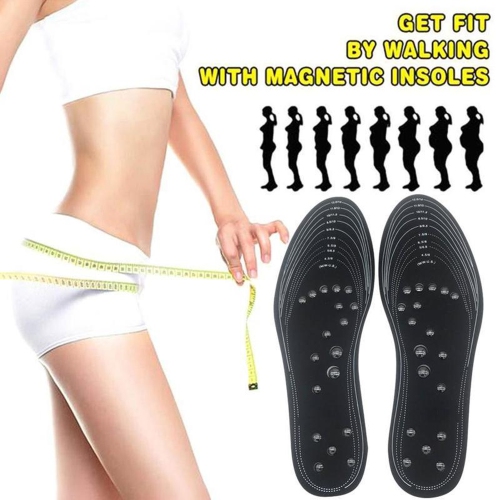
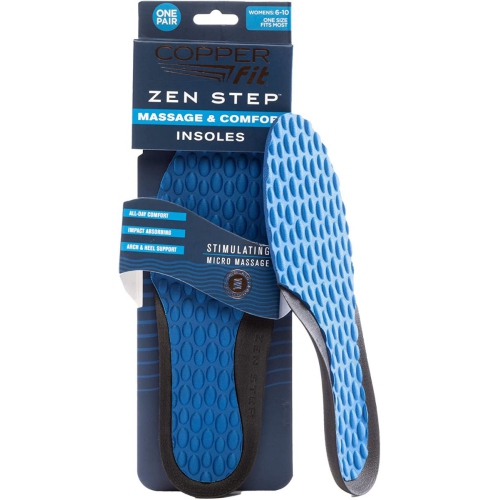

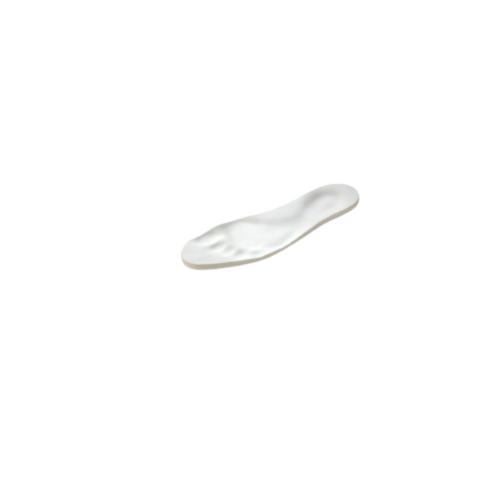
Running comfort depends on more than soft cushioning
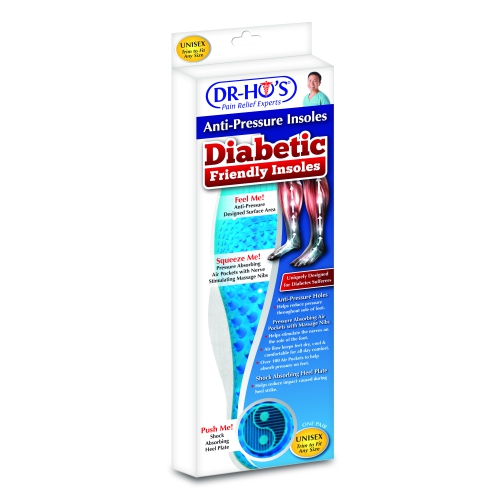
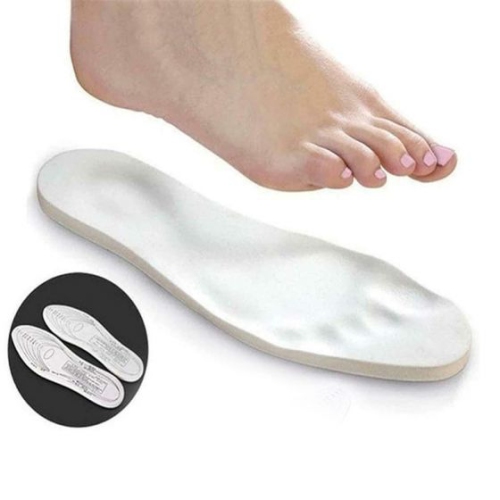
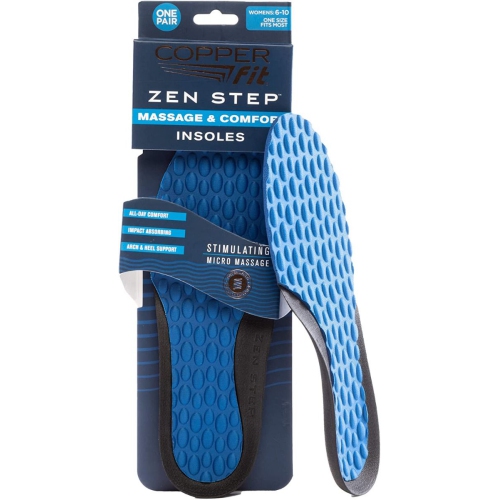
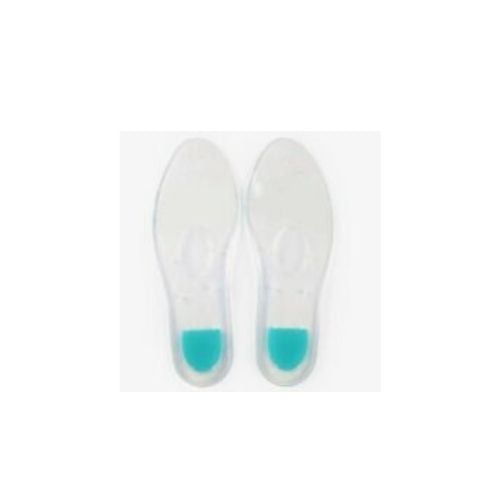
Running insoles are removable shoe inserts designed to provide cushioning, contoured support or a more secure fit inside running footwear. The right running insoles depend on arch shape, the level of support that feels comfortable, the space inside the shoe and the type of running they will be used for. Flexible cushioning and structured support serve different purposes: a soft insert adds padding underfoot, while a shaped support layer provides a firmer platform beneath the arch and heel. Some designs combine both, with a supportive base and softer material at key contact points. Arch height is a useful starting point, but it does not tell the whole story. Feet with similar arches can move differently, and a low arch does not automatically require the firmest available support. A well-matched contour should feel like broad, comfortable contact beneath the foot rather than a narrow ridge pressing into the arch. Likewise, a high arch does not necessarily need a rigid insert; cushioning, contour and personal comfort all matter. Heel cups vary in depth and shape, with deeper designs intended to cradle the heel rather than leave it sitting on a flat pad. Common cushioning materials include ethylene-vinyl acetate, often called EVA, polyurethane foam and gel, sometimes combined in layers. EVA can provide lightweight cushioning, while polyurethane is often used where a more resilient, substantial feel is desired. Gel sections add cushioning in targeted areas but do not necessarily provide arch support on their own. Firmer shells made from moulded plastic or composite materials give some insoles their structure. The balance between these components matters more than softness alone. An insert that feels plush when squeezed between two fingers may feel quite different after several kilometres, especially if it compresses enough to change how the foot sits in the shoe. Support should remain comfortable through the running stride, not simply feel noticeable while standing still.
Fit involves the entire shoe, not just the length printed on the insole packaging. Running footwear needs enough room for the foot, socks and insert without crowding the toes or lifting the heel too high against the collar. A thick, heavily cushioned insole can take up substantial space in a close-fitting shoe, while a lower-profile design may suit footwear with less internal depth. Width also matters: an insert that is too narrow can leave the edges of the foot unsupported, and one that is too wide may curl against the sides of the shoe. Many running insoles are designed to replace the removable factory footbed rather than sit on top of it. Stacking the two can make the shoe cramped and change where the heel and arch rest. The original footbed can provide a useful outline for trim-to-fit styles, provided the insole’s care and fitting directions allow trimming. Usually, any trimming is limited to the forefoot; cutting into a shaped heel cup or support shell can affect the fit and function. Designs with fixed sizing need to match the foot and shoe without that adjustment. The arch contour should meet the arch in the right place, and the heel should sit fully within the heel cup. Running socks are part of this fit, too: a combination that feels roomy with thin socks may become restrictive with a thicker pair. During movement, the toes should retain room to spread, the heel should remain comfortably seated and the insert should lie flat without sliding or bunching. A short walk and an easy run can reveal pressure points that are not obvious while standing. New support may feel different, but sharp pressure, numbness, rubbing or a forced change in stride are not signs to push through. Insoles also cannot make up for shoes that are the wrong size or have a worn-out midsole, even when the replacement insert feels softer at first.
Intended use helps distinguish between otherwise similar running insoles. A runner spending most sessions on a treadmill may prefer a different underfoot feel from someone moving over uneven trails, while a longer run can make small fit issues more noticeable than a brief jog. Some runners favour a flexible insert that preserves the feel of their shoes; others prefer a more defined heel cup and arch contour. Neither preference makes one design universally better, and the most comfortable match should work with the shoe rather than overwhelm it. For footwear used mainly for everyday walking, commuting or long periods on the feet, Comfort Insoles provide a related option, although an everyday cushioning design may not offer the same fit or structure as an insert intended for running. Care and construction influence how well any insole holds up. Fabric top covers can help manage moisture and reduce direct friction, but they still need regular airing and cleaning. Removing inserts from shoes after use allows both surfaces to dry more thoroughly. Cleaning methods vary by material, so the manufacturer’s directions take priority; many designs call for gentle wiping with mild soap and a damp cloth rather than soaking or machine washing. Thorough air-drying away from direct heat helps protect foam, adhesives and shaped components. Durability depends on running distance, body weight, footwear fit, materials and how frequently the same pair is used. There is no single replacement interval that suits every runner. Flattened cushioning, a damaged cover, cracks in a support shell, curling edges or a change in the way an insert sits inside the shoe can signal wear. Persistent foot pain or recurring discomfort deserves assessment by a qualified health professional rather than repeated changes of cushioning alone. Off-the-shelf running insoles can adjust comfort and fit, but they are not a substitute for a diagnosis or a prescribed orthotic when one is needed.
Top selling and popular products
-
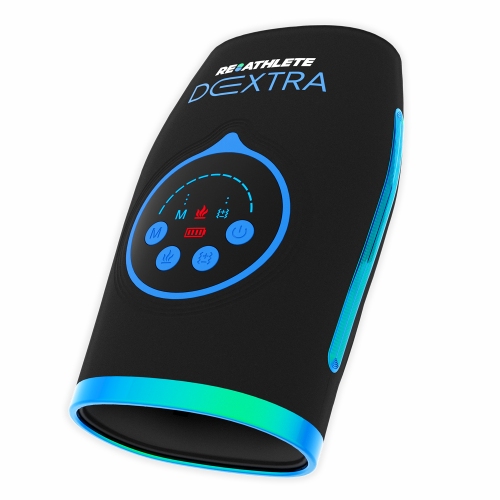 Your price for this item is $199.99
-
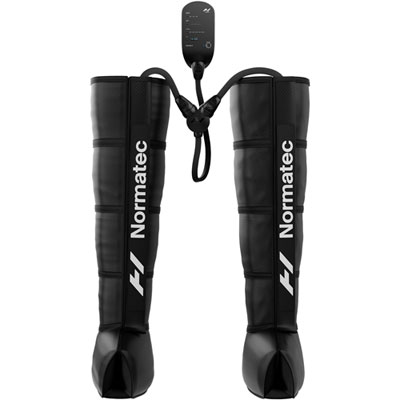 Your price for this item is $919.99
-
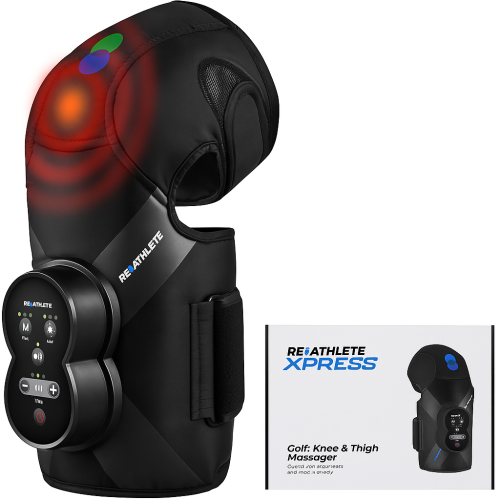 Your price for this item is $119.99
-
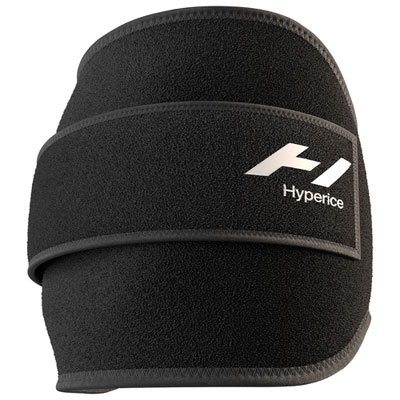 Your price for this item is $269.99
-
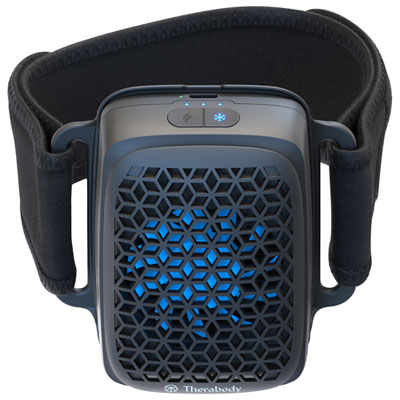 Your price for this item is $149.99
-
 Your price for this item is $149.99
-
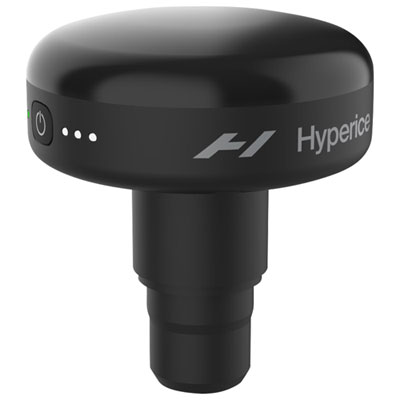 Your price for this item is $59.97
-
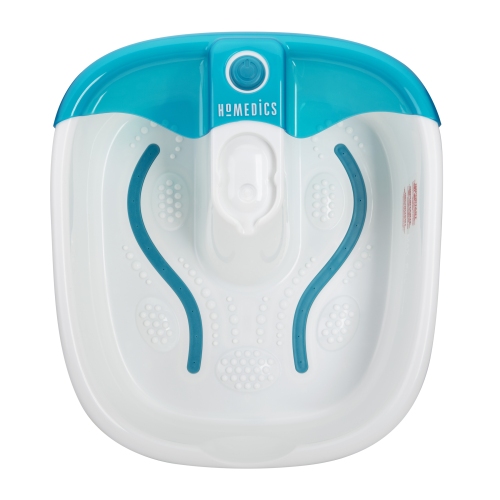 Your price for this item is $39.99
Discover more categories related to Running Insoles
Top Collections:
Best Black Friday Deals This Year, Best Black Friday Deals On Electronics, Kindle Devices, Best Black Friday Deals On Apple Products, Best Budget Office Chairs, Best Cameras for Sports Photography, Dyson Airwrap, Canon G7X Cameras, Best Laptops for Writers, Samsung Galaxy Phones
Some products may be subject to Environmental Handling Fees
(EHF) depending on your province.
Learn more about EHFs.