Insoles for Feet
Whether you're an athlete looking for added support during intense workouts or someone who spends long hours on their feet, finding the right insoles can make all the difference. Designed to provide comfort, cushioning, and stability, insoles are a simple yet effective solution to alleviate foot pain and enhance overall foot health. At Best Buy, we offer a wide range of insoles for feet to suit various needs and preferences. From gel inserts to orthotic options, our selection features top-quality products that prioritize your comfort and well-being. With the right pair of insoles, you can step confidently into each day, ensuring your feet receive the care they deserve.
Sort
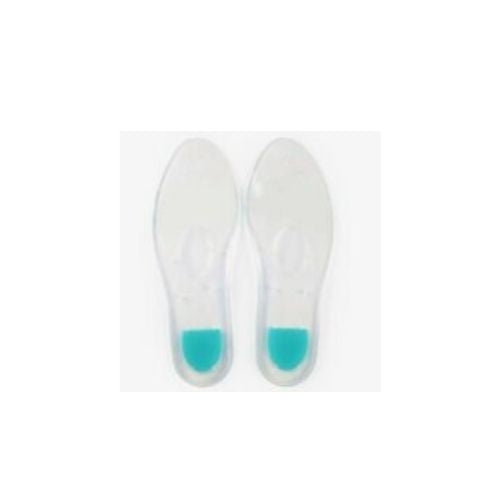
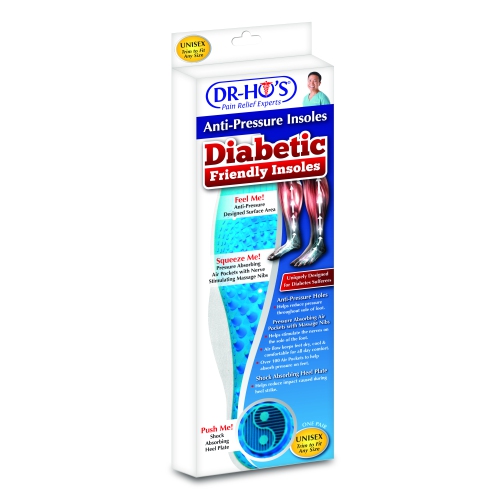
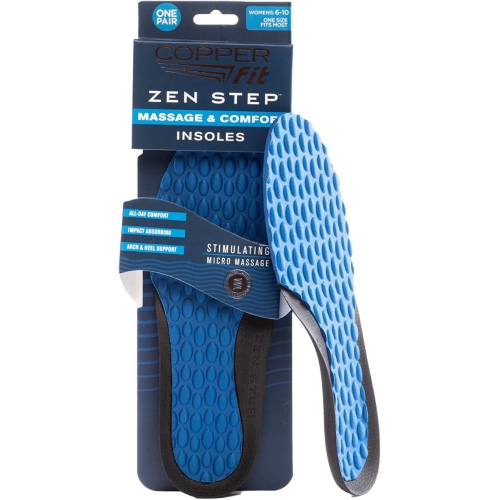
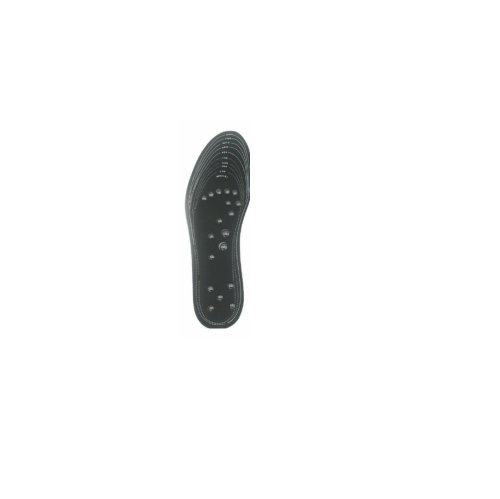
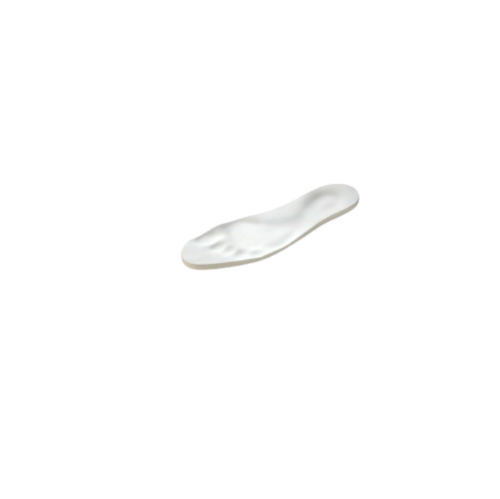
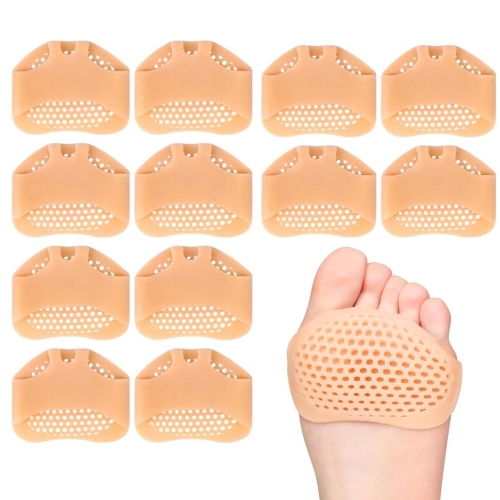
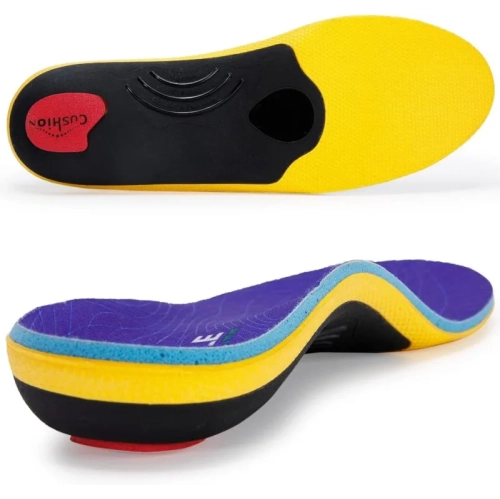
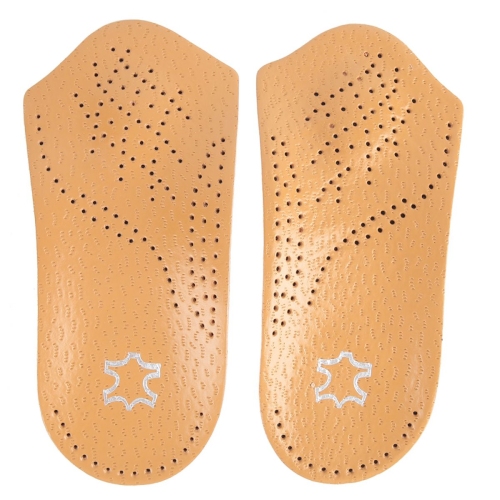

Better comfort starts with the right support and fit
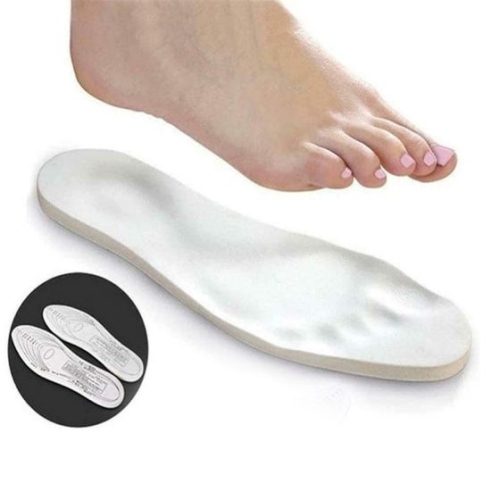
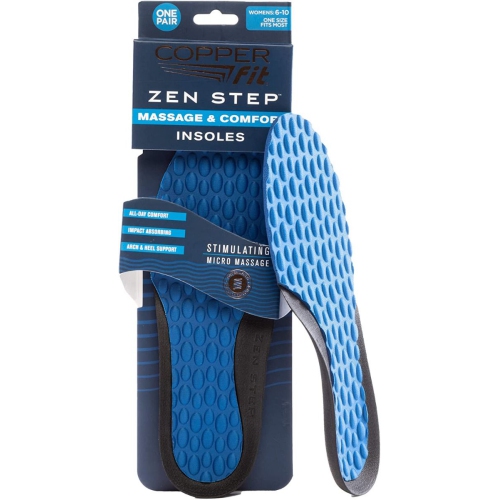
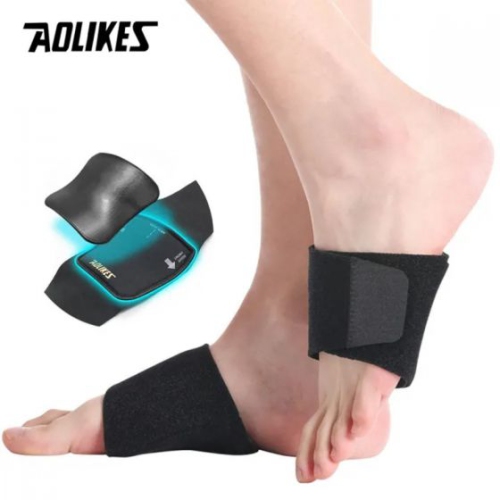
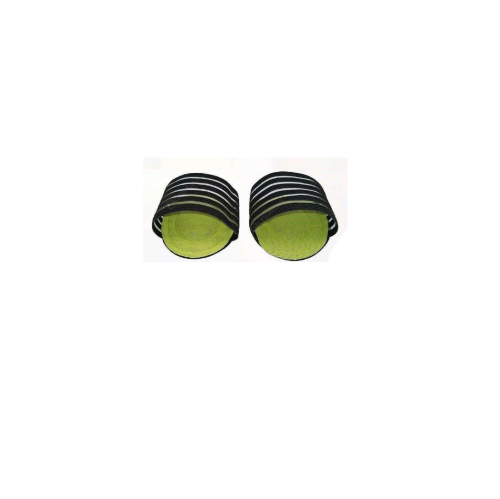
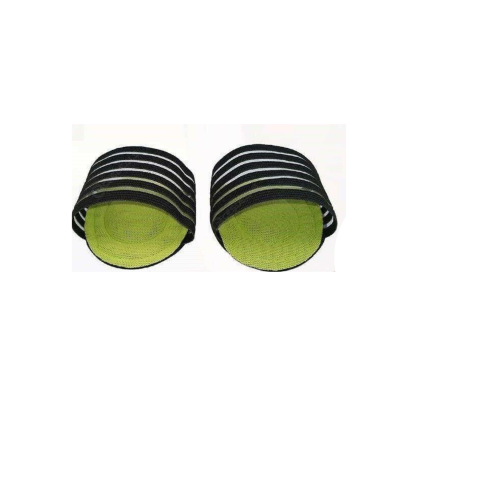
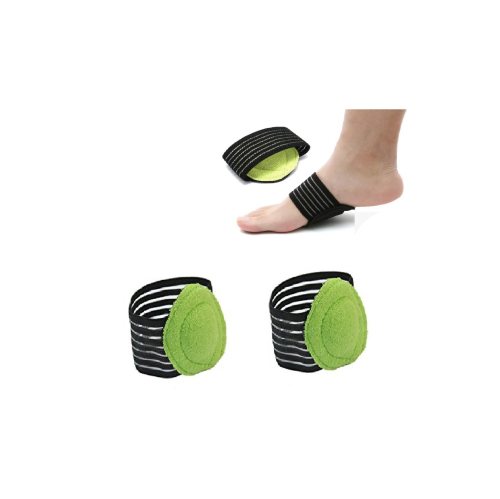
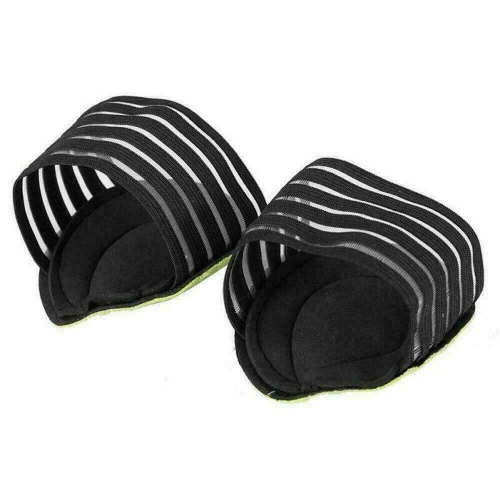
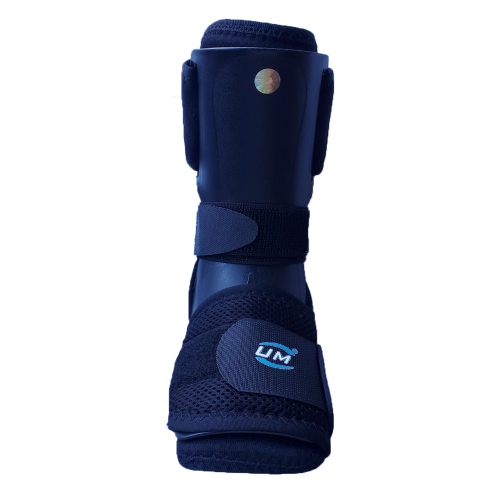
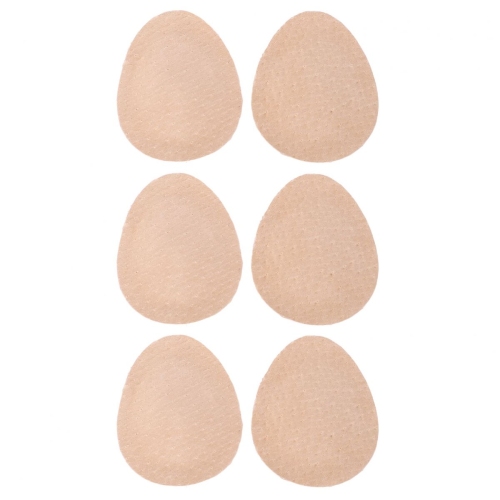
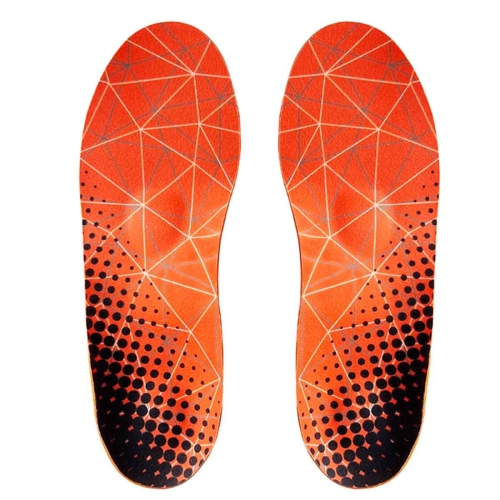
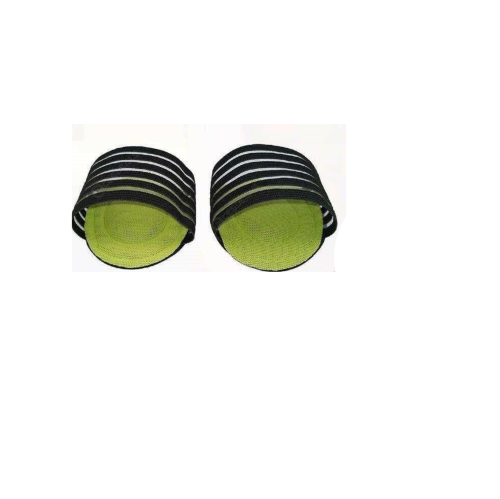
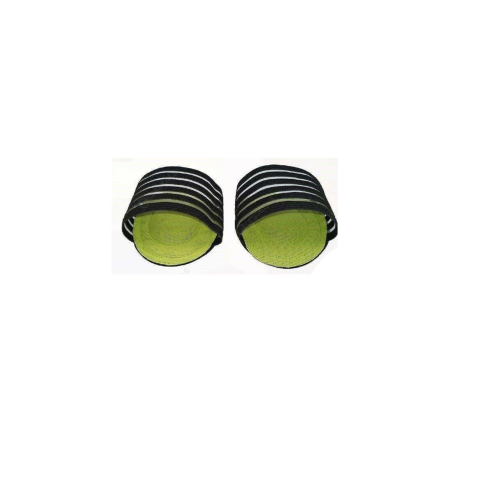
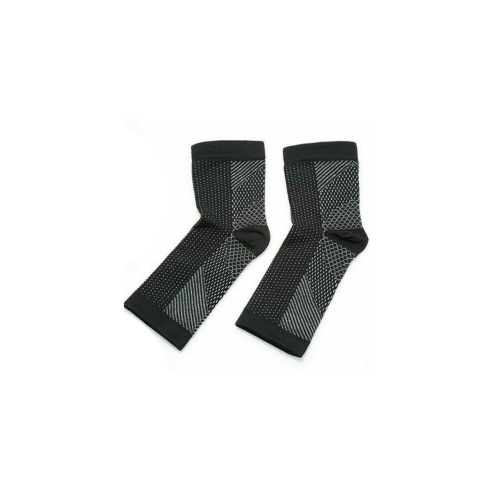
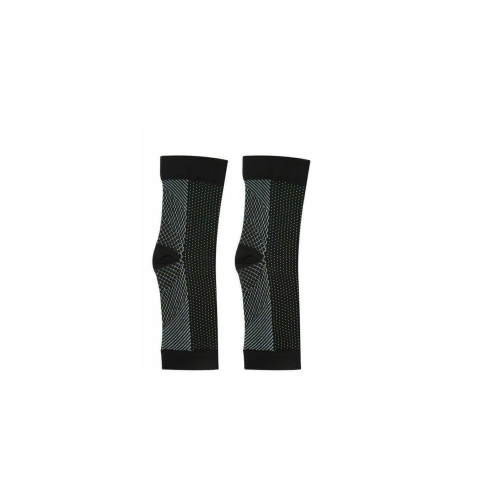
Insoles for feet can make everyday footwear feel more supportive, cushioned, and comfortable, whether you spend long hours standing, walk to work, exercise regularly, or simply want a softer step during the cooler months. An insole sits inside a shoe to add cushioning, help distribute pressure, or provide structure beneath the arch and heel. The right choice depends on your foot shape, the way you move, and the footwear you plan to use. A soft, shock-absorbing insert may be a practical option for general fatigue, especially for people who work on hard floors or spend much of the day walking. A more structured orthotic-style insole may be better suited to someone looking for additional arch support or a steadier feel underfoot. Some designs support the full length of the foot, while others leave room in the toe box or are shaped to fit specific types of footwear. For a broad selection of everyday options, explore Comfort Insoles. When comparing styles, consider the materials as well as the shape: foam can feel lightweight and cushioned, gel can soften heel impact, and firmer support materials can provide a more stable platform. A deep heel cup may help keep the foot centred, while a contoured arch can encourage more even weight distribution. Insoles are not one-size-fits-all in function, even when they are sold in a range of standard shoe sizes, so matching the design to your needs is an important part of finding a comfortable fit.
Arch height is one of the most useful starting points when choosing insoles for feet. People with low arches or flat feet may prefer a rigid or semi-rigid design with noticeable structural support, while those with high arches often benefit from a higher-profile shape that cradles the heel and fills the space beneath the arch. If your feet tend to ache after standing or walking, look for cushioning that runs through the heel and forefoot, with enough support to prevent the foot from sinking too deeply into the shoe. Anyone experiencing discomfort associated with the plantar fascia may wish to consider an insole with a stable heel area, supportive arch contour, and cushioning that helps reduce pressure during each step. Forefoot discomfort can sometimes be eased by a design with a metatarsal pad or carefully shaped front section, although the correct placement and level of support will vary from person to person. Shoe compatibility matters just as much as foot shape. Thick insoles may work well in roomy running shoes, hiking footwear, work boots, or casual shoes with removable liners, but they can make snug footwear feel cramped. For dress shoes, slim sneakers, or boots with limited interior space, a low-profile or three-quarter-length design may be easier to wear. Check whether the original footbed can be removed, measure the available space, and compare the insole’s length and width with your shoe. A heel that slips, toes that feel compressed, or a tight upper can be signs that the combination is not suitable.
Comfort often improves when new insoles are introduced gradually. Start by wearing them for a short period at home or during an easy outing, then increase the time as your feet adjust. This is especially helpful with firm orthotic-style designs, which may feel noticeably different from the flat liner that came with your shoes. Follow the care instructions for cleaning and drying, and allow moisture to evaporate between uses so the materials retain their shape and feel fresh. Insoles can be moved between compatible shoes, but frequent switching may be inconvenient, and a design that works in a roomy winter boot may not fit comfortably in a low-cut casual shoe. During cooler weather, supportive insoles can add a layer of cushioning inside everyday boots and walking shoes, while breathable options may feel better in footwear used indoors or during activity. They can also be a thoughtful gift for someone who enjoys walking, travels often, works long shifts, coaches a team, or spends weekends on the trail. A pair may be especially useful for a student carrying a heavy routine between classes, a relative who enjoys exploring new neighbourhoods, or anyone preparing for a trip that involves extended time on their feet. Since comfort preferences are personal, a gift recipient may appreciate a style with adjustable support, a trimmable shape, or a removable footbed that makes sizing easier. If pain is persistent, severe, follows an injury, or is accompanied by numbness or swelling, professional medical advice is appropriate; insoles can improve the feel and support of footwear, but they are not a substitute for assessment or treatment. With the right combination of arch shape, cushioning, size, and shoe fit, insoles for feet can become a simple part of a more comfortable daily routine.
Arch height is one of the most useful starting points when choosing insoles for feet. People with low arches or flat feet may prefer a rigid or semi-rigid design with noticeable structural support, while those with high arches often benefit from a higher-profile shape that cradles the heel and fills the space beneath the arch. If your feet tend to ache after standing or walking, look for cushioning that runs through the heel and forefoot, with enough support to prevent the foot from sinking too deeply into the shoe. Anyone experiencing discomfort associated with the plantar fascia may wish to consider an insole with a stable heel area, supportive arch contour, and cushioning that helps reduce pressure during each step. Forefoot discomfort can sometimes be eased by a design with a metatarsal pad or carefully shaped front section, although the correct placement and level of support will vary from person to person. Shoe compatibility matters just as much as foot shape. Thick insoles may work well in roomy running shoes, hiking footwear, work boots, or casual shoes with removable liners, but they can make snug footwear feel cramped. For dress shoes, slim sneakers, or boots with limited interior space, a low-profile or three-quarter-length design may be easier to wear. Check whether the original footbed can be removed, measure the available space, and compare the insole’s length and width with your shoe. A heel that slips, toes that feel compressed, or a tight upper can be signs that the combination is not suitable.
Comfort often improves when new insoles are introduced gradually. Start by wearing them for a short period at home or during an easy outing, then increase the time as your feet adjust. This is especially helpful with firm orthotic-style designs, which may feel noticeably different from the flat liner that came with your shoes. Follow the care instructions for cleaning and drying, and allow moisture to evaporate between uses so the materials retain their shape and feel fresh. Insoles can be moved between compatible shoes, but frequent switching may be inconvenient, and a design that works in a roomy winter boot may not fit comfortably in a low-cut casual shoe. During cooler weather, supportive insoles can add a layer of cushioning inside everyday boots and walking shoes, while breathable options may feel better in footwear used indoors or during activity. They can also be a thoughtful gift for someone who enjoys walking, travels often, works long shifts, coaches a team, or spends weekends on the trail. A pair may be especially useful for a student carrying a heavy routine between classes, a relative who enjoys exploring new neighbourhoods, or anyone preparing for a trip that involves extended time on their feet. Since comfort preferences are personal, a gift recipient may appreciate a style with adjustable support, a trimmable shape, or a removable footbed that makes sizing easier. If pain is persistent, severe, follows an injury, or is accompanied by numbness or swelling, professional medical advice is appropriate; insoles can improve the feel and support of footwear, but they are not a substitute for assessment or treatment. With the right combination of arch shape, cushioning, size, and shoe fit, insoles for feet can become a simple part of a more comfortable daily routine.
Top selling and popular products
-
 Your price for this item is $170.05
 -
 Your price for this item is $250
 -
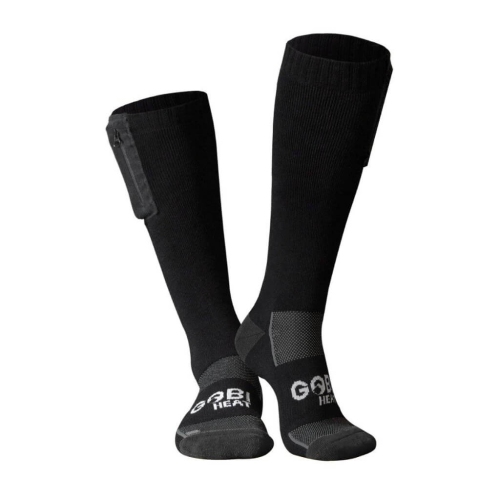 Your price for this item is $250
 -
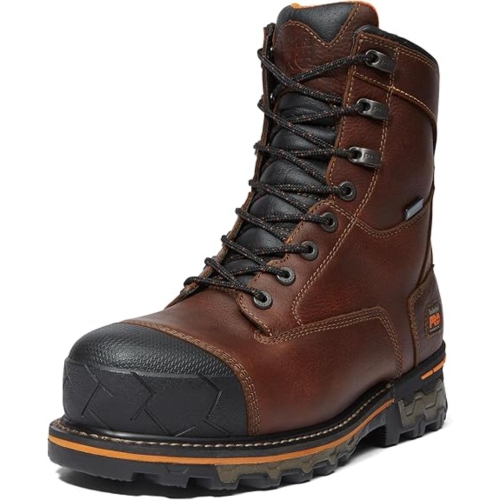 Your price for this item is $379.05
 -
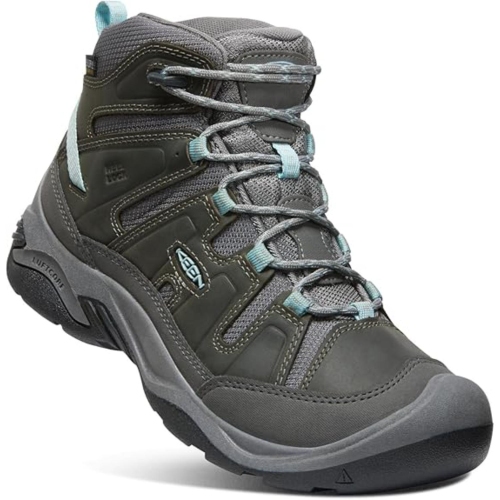 Your price for this item is $160.55
 -
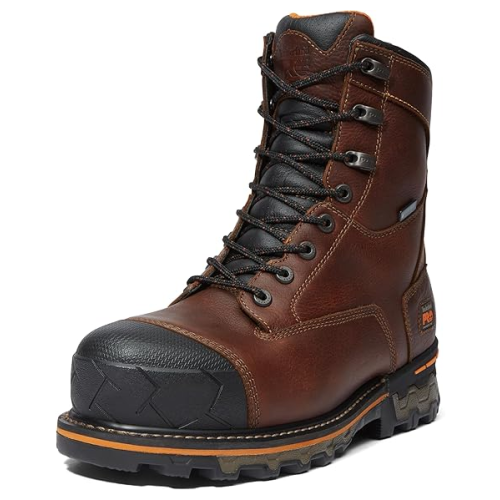 Your price for this item is $350.55
 -
 Your price for this item is $55
 -
 Your price for this item is $328.21
Discover more categories related to Insoles for Feet
Top Collections:
Pokemon Centers, Kindle Devices, Best Budget Office Chairs, Apple iPhones 16, Canon G7X Cameras, iPhone 15 Apple, Alarm Clock, Refurbished Apple Laptops, Flip Phones, Best Laptops for Writers
Some products may be subject to Environmental Handling Fees
(EHF) depending on your province.
Learn more about EHFs.