Heel Support Insoles
Discover the perfect solution for enhancing comfort and stability with heel support insoles. Whether you're on your feet all day at work, hitting the trails for a run, or simply looking to improve everyday comfort, these insoles are designed to provide the necessary support and cushioning your feet crave. Explore a variety of options tailored to fit different shoe types and sizes, ensuring that you find the ideal match for your lifestyle needs. Elevate your footwear experience with heel support insoles that help keep you moving confidently and comfortably throughout your day.
Sort
Why softer heel cushioning does not always mean better support
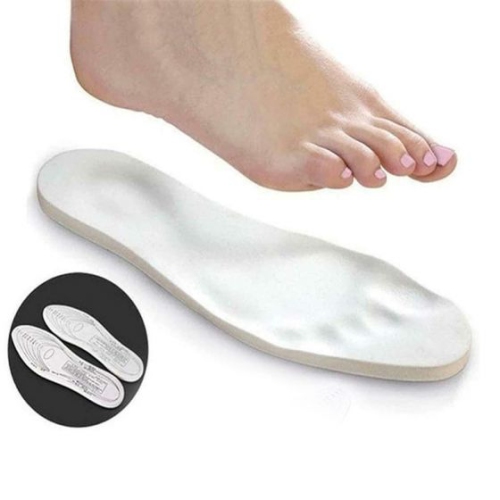
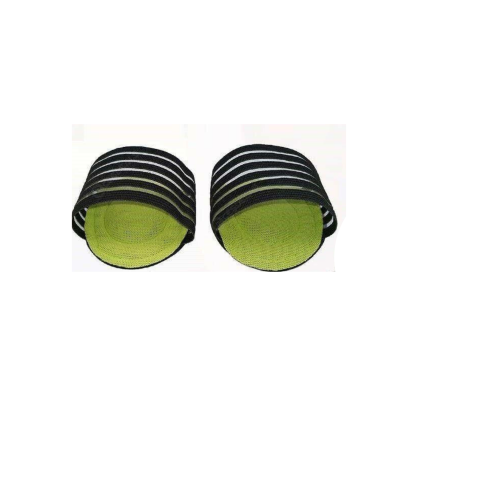
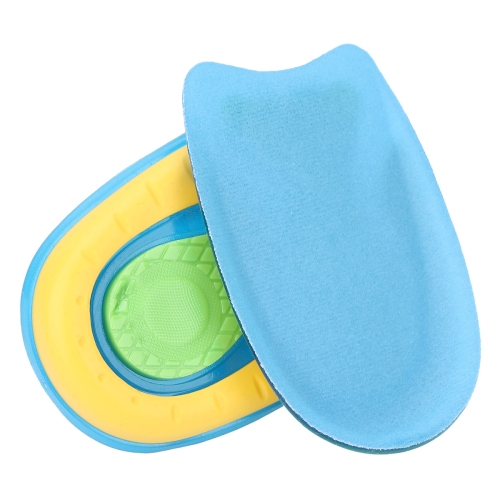
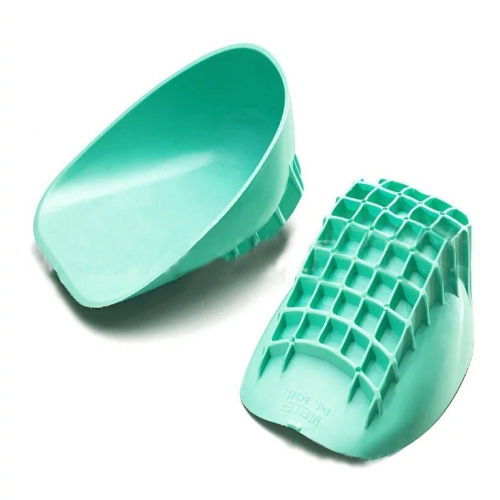
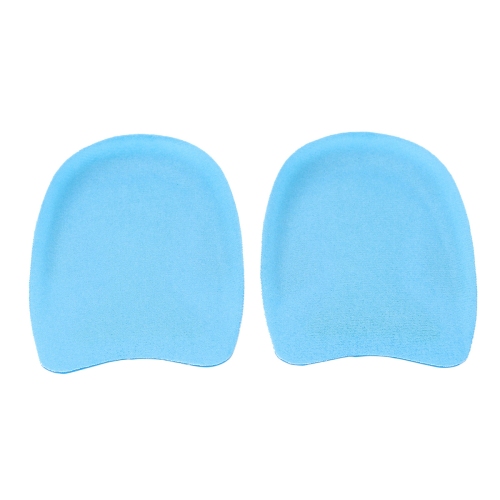
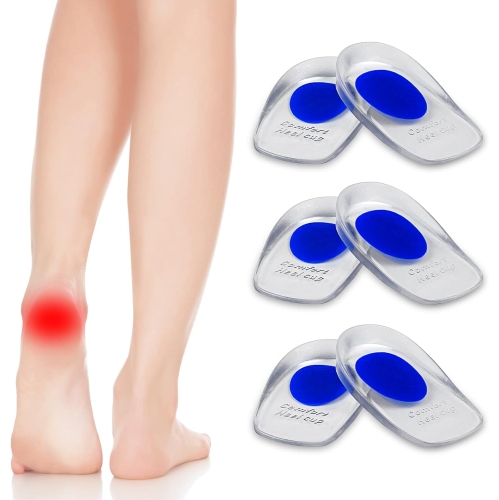
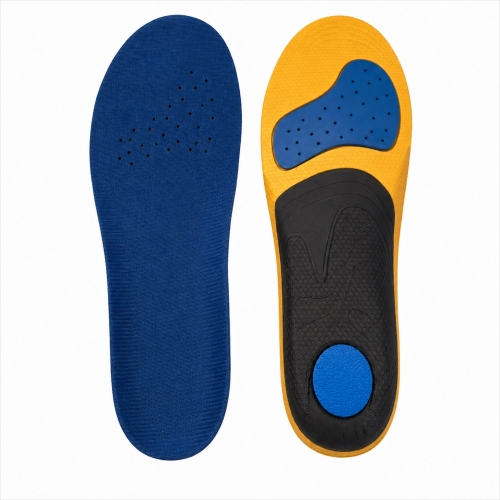
Heel support insoles are shoe inserts designed to cushion the heel, distribute pressure and help keep the rear of the foot more stable inside footwear. Depending on their shape and construction, they may help ease discomfort associated with plantar fasciitis, heel spurs, flat feet or the everyday strain of standing and walking. They do not remove heel spurs or replace an assessment of persistent foot pain, and the right level of support varies from one person to another. For someone spending a shift at a service counter, the priority may be cushioning against a hard floor; for someone walking across a large campus, a secure heel cup and supportive arch may matter just as much. A contoured heel cup cradles the back of the foot, while an arch section helps spread the load beyond the heel alone. These features serve different purposes, which is why a soft insert and a structured orthotic-style insole can feel quite different even when both are intended for heel comfort. Gel cushioning offers a yielding feel under the heel, and foam can provide a broader layer of padding through the shoe. EVA foam is commonly used for its light weight and cushioning, while memory foam moulds to the shape of the foot under pressure. Firmer components add structure and can help an insert maintain its shape during use. More softness is not automatically more support: a plush surface may feel comfortable at first but still needs to work with the foot, the shoe and the activity. Breathable fabric covers, textured undersides and smooth edges are also useful details, helping manage moisture, limit shifting and reduce rubbing. The thickness, depth of the heel cup and balance between cushioning and firmness all influence how an insole feels during an ordinary day, from the first walk to the bus stop to the last trip down a hallway.
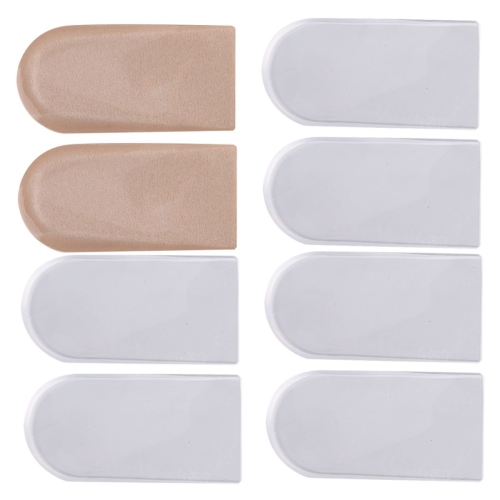
Fit involves more than matching the size printed on a shoe. Full-length heel support insoles extend beneath the entire foot, combining heel cushioning with a surface that reaches the toes. Three-quarter-length designs leave more room at the front of the shoe, while separate heel cups concentrate cushioning and containment around the heel itself. A heel cup does not necessarily provide arch support, so the distinction matters when comparing designs. Footwear depth is another consideration: adding a thick insert to a shallow shoe can crowd the toes, press the top of the foot against the upper or lift the heel above the shoe’s secure fit. Shoes with removable footbeds often make it easier to accommodate a replacement insole without taking up extra space. Unless the manufacturer specifies otherwise, stacking a new full-length insert over an existing one can change the fit in unwanted ways. The heel should sit centred in the cup, with the arch contour meeting the foot comfortably rather than creating a hard ridge underneath it. Sizing charts and trimming instructions help distinguish between an insert designed to fit as supplied and one with a forefoot section that can be cut to size. Only designated trimming areas should be altered; cutting a structured heel or arch section can affect its function. Everyday walking shoes, work footwear and athletic shoes also place different demands on an insert. Long periods of standing may call for a balance of cushioning and steady support, while brisk walking adds repeated heel contact and movement within the shoe. For activity-specific options, the Running Insoles collection focuses on inserts intended for running footwear. An insole still needs to suit the shoe it will be worn in, with enough room for the foot to move naturally and enough hold to prevent slipping. A familiar pair of socks can also make a difference when checking the fit, since thick seams or extra padding may change the space available.
Daily use and care affect how well heel support insoles retain their shape and feel. Cushioning materials gradually compress, and a fabric cover can wear differently from the support layer beneath it. Flattened padding, cracked edges, a distorted heel cup or a new tendency to slide are signs that an insert deserves a closer look. There is no single replacement schedule that suits every wearer: hours of use, walking distance, body weight, footwear fit and material construction all play a part. Someone wearing the same inserts through long shifts may notice changes sooner than someone using them for occasional errands. Checking both insoles together can reveal uneven wear, though the pattern alone cannot diagnose a foot or walking problem. Cleaning should follow the care directions for the material. Many inserts can be wiped with a damp cloth and mild soap, but soaking, machine washing or tumble drying may damage foam, adhesives or shaped components unless specifically permitted. Allowing insoles to dry fully before putting them back into shoes helps keep the fabric surface comfortable, and direct heat can distort some materials. A secure, clean fit matters as much as the initial softness underfoot. When changing to a more structured insole, shorter periods of wear may feel more manageable than immediately using it for an entire shift or lengthy walk. A supportive contour can feel unfamiliar, but sharp pressure, numbness, blisters or worsening discomfort are not signs to push through. Persistent heel pain, pain following an injury or symptoms that limit normal walking warrant advice from a qualified healthcare professional. People with diabetes, reduced foot sensation or circulation concerns should seek individual advice before changing inserts. For everyday comfort, heel support insoles work best as part of a well-fitting footwear setup, providing cushioning and structure without crowding the shoe or forcing the foot into an uncomfortable position.
Top selling and popular products
-
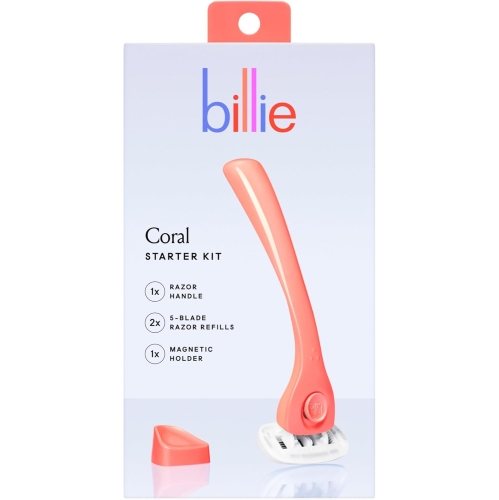 Your price for this item is $14.99
-
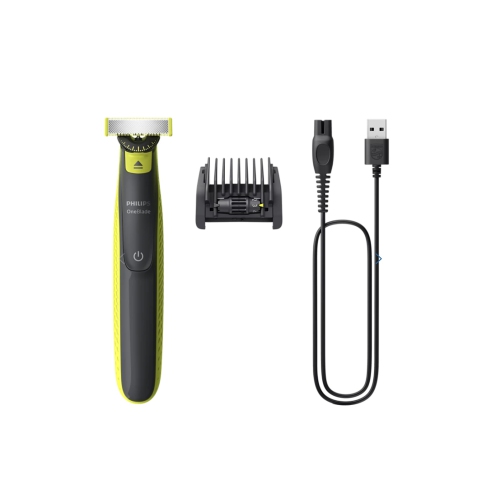 Your price for this item is $31
-
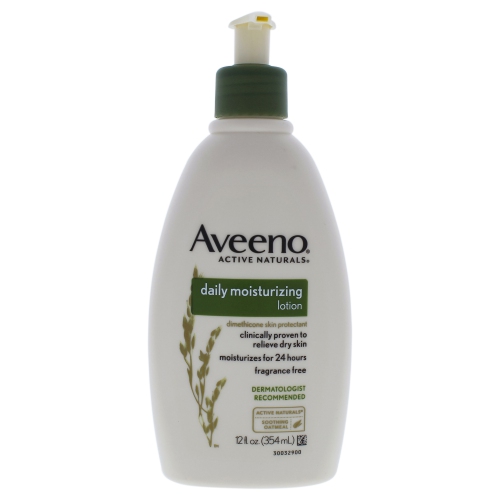 Your price for this item is $23.88
-
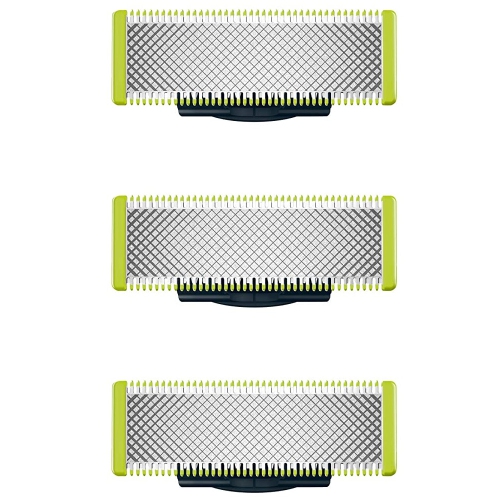 Your price for this item is $59.99
-
 Your price for this item is $39.99
-
 Your price for this item is $24.99
-
 Your price for this item is $24.99
-
 Your price for this item is $23.83
Discover more categories related to Heel Support Insoles
Top Collections:
Best Black Friday Deals This Year, Best Black Friday Deals On Electronics, Kindle Devices, Best Black Friday Deals On Apple Products, Best Budget Office Chairs, Best Cameras for Sports Photography, Dyson Airwrap, Canon G7X Cameras, Best Laptops for Writers, Samsung Galaxy Phones
Some products may be subject to Environmental Handling Fees
(EHF) depending on your province.
Learn more about EHFs.