Crib With Changing Table
Cribs with changing tables are a popular choice for parents looking for a convenient and space-saving solution for their baby’s nursery. These cribs come with an attached changing table, allowing parents to quickly and easily change their baby’s diaper without having to move them from one location to another. Here are some great options available.
Sort
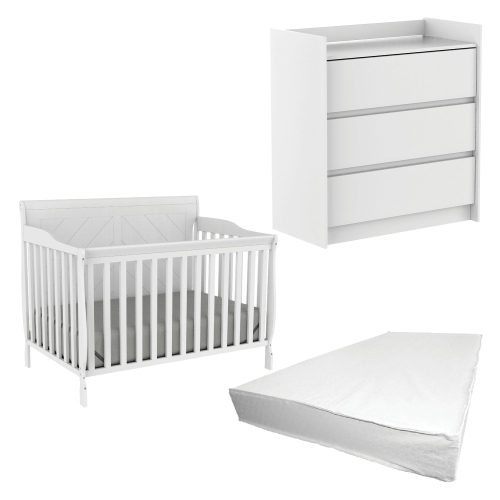
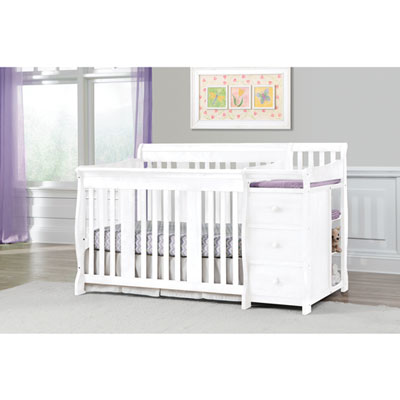
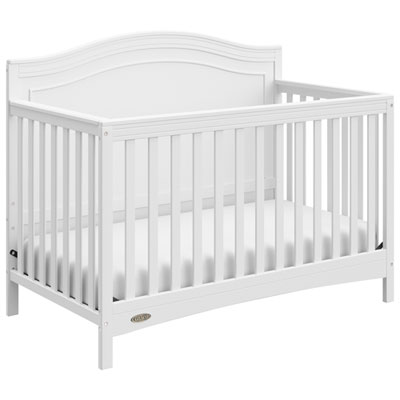
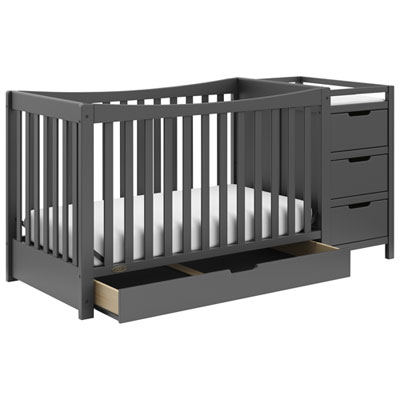

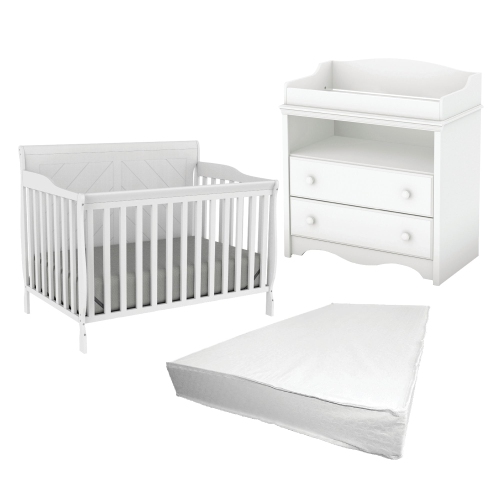
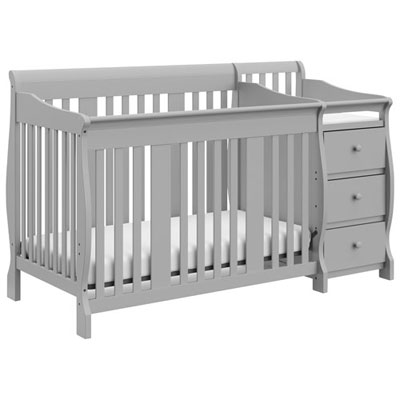
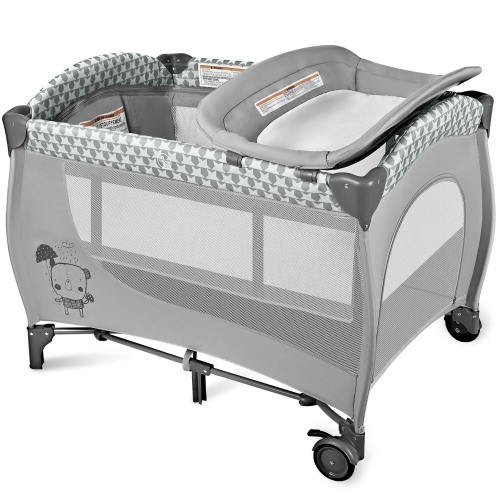
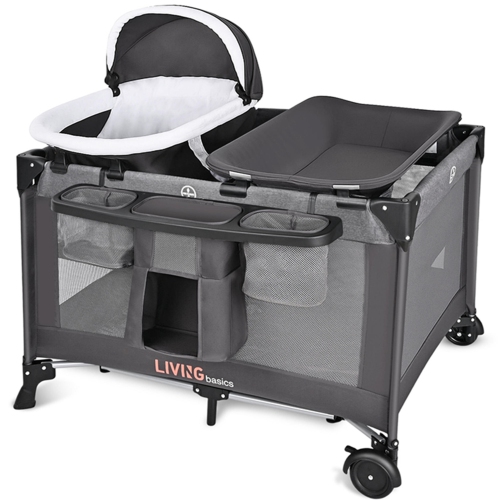
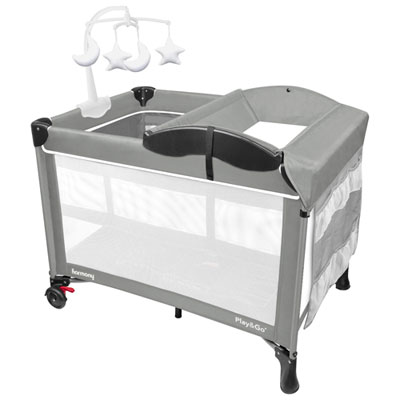
How one nursery unit supports sleep, changes and storage
A crib with a changing table combines two everyday nursery essentials in one coordinated piece of furniture. The crib provides a dedicated sleep space, while the attached changing area keeps nappies, wipes, clothing and other frequently used items close at hand. This arrangement can be especially useful in a smaller bedroom, shared nursery or compact apartment where every bit of floor space matters. Instead of walking across the room for supplies during a late-night change, caregivers can keep the essentials in shelves, drawers or compartments beside the crib. Many combination designs also include a convertible crib that can transition through different stages as a child grows, although the exact configurations vary. Some may convert from a crib to a toddler bed, day bed or another bed style, while others are designed primarily for the early nursery years. Prices for crib-and-changing-table combinations commonly range from about $199 to $699 CAD, depending on the materials, storage layout, conversion features and overall construction. When comparing options, begin with the available room dimensions rather than the furniture’s appearance alone. Measure the wall where the crib will sit, allow clearance for opening drawers and doors, and leave enough space to move safely around the changing area. A model that fits neatly in a nursery showroom may feel crowded once a glider, toy basket, hamper and other essentials are added. It is also helpful to consider the location of outlets, baseboards, heating vents and windows before assembly. A simple floor plan marked with the crib’s length and depth can make the decision much clearer, particularly when preparing a nursery in an older home with unusual room shapes.
The changing-table portion is most useful when it keeps supplies organized without making the sleep space feel cluttered. Open shelves provide quick visibility for nappies, burp cloths and spare outfits, while drawers can keep creams, blankets and smaller items tucked away. Look for a changing surface with raised sides or another design feature intended to help keep the changing pad in position, and confirm that the pad dimensions are compatible with the table. A changing pad should be secured according to its instructions, and a baby should never be left unattended on the surface, even for a moment. Keeping one hand on the baby while reaching for supplies, preparing the area before placing the baby down, and storing necessities within arm’s reach can make changes calmer and safer. Check the manufacturer’s weight and age limits for both the crib and the changing station, since the changing surface is generally used for a shorter period than the crib. Once a child can roll, sit or move more actively, caregivers may prefer to complete changes on a lower, more spacious surface. Families who want a longer-lasting storage solution can also compare a separate dresser and changing pad setup with Nursery Dresser Changing Tables. A separate dresser may offer more flexibility after the changing stage, but it usually takes up more floor space and does not provide the same all-in-one layout. For either arrangement, inspect the hardware, drawer movement, finish and edges, and follow every assembly step carefully. The crib mattress should fit snugly with no noticeable gaps between the mattress and frame, and only a fitted crib sheet should be used in the sleep area. Keep pillows, loose blankets, bumpers, toys and other soft items out of the crib, and place the crib away from cords, blinds and climbable furniture. If the combination unit includes a dresser-style section, secure it as directed and avoid placing heavy items where a child could pull them down later.
A crib with a changing table can be a thoughtful gift for new parents, grandparents preparing a nursery or families getting ready for a new baby, particularly when the recipient is working with a limited room layout. It can also suit caregivers who appreciate having a consistent place for the bedtime routine, the morning outfit change and the quick changes that happen throughout the day. Picture a nursery with nappies stacked on the nearest shelf, clean sleepers folded in a drawer and a soft night light casting a gentle glow across the room; a well-planned combination unit can make those small routines feel less hurried. Before giving one as a gift, it is wise to confirm the nursery dimensions, preferred finish and available space, since these pieces can be substantial and may require careful assembly. Families should also consider whether they expect to use the same furniture for more than one child, whether storage needs will grow, and how easily the room could be rearranged during cooler months when windows may stay closed and indoor spaces become busier. A convertible design may offer added value over time, but conversion kits, mattress requirements and weight limits should be reviewed before purchase rather than assumed. Finish, colour and style matter too: a neutral look can work with changing décor, while drawers and shelves should be easy to open quietly during overnight care. Above all, choose a setup that supports safe sleep, comfortable access and realistic daily habits. The best crib-and-changing-table arrangement is one that fits the room without crowding it, keeps essential supplies organized, and gives caregivers a dependable place for the repeated, ordinary moments that fill a baby’s first years.
The changing-table portion is most useful when it keeps supplies organized without making the sleep space feel cluttered. Open shelves provide quick visibility for nappies, burp cloths and spare outfits, while drawers can keep creams, blankets and smaller items tucked away. Look for a changing surface with raised sides or another design feature intended to help keep the changing pad in position, and confirm that the pad dimensions are compatible with the table. A changing pad should be secured according to its instructions, and a baby should never be left unattended on the surface, even for a moment. Keeping one hand on the baby while reaching for supplies, preparing the area before placing the baby down, and storing necessities within arm’s reach can make changes calmer and safer. Check the manufacturer’s weight and age limits for both the crib and the changing station, since the changing surface is generally used for a shorter period than the crib. Once a child can roll, sit or move more actively, caregivers may prefer to complete changes on a lower, more spacious surface. Families who want a longer-lasting storage solution can also compare a separate dresser and changing pad setup with Nursery Dresser Changing Tables. A separate dresser may offer more flexibility after the changing stage, but it usually takes up more floor space and does not provide the same all-in-one layout. For either arrangement, inspect the hardware, drawer movement, finish and edges, and follow every assembly step carefully. The crib mattress should fit snugly with no noticeable gaps between the mattress and frame, and only a fitted crib sheet should be used in the sleep area. Keep pillows, loose blankets, bumpers, toys and other soft items out of the crib, and place the crib away from cords, blinds and climbable furniture. If the combination unit includes a dresser-style section, secure it as directed and avoid placing heavy items where a child could pull them down later.
A crib with a changing table can be a thoughtful gift for new parents, grandparents preparing a nursery or families getting ready for a new baby, particularly when the recipient is working with a limited room layout. It can also suit caregivers who appreciate having a consistent place for the bedtime routine, the morning outfit change and the quick changes that happen throughout the day. Picture a nursery with nappies stacked on the nearest shelf, clean sleepers folded in a drawer and a soft night light casting a gentle glow across the room; a well-planned combination unit can make those small routines feel less hurried. Before giving one as a gift, it is wise to confirm the nursery dimensions, preferred finish and available space, since these pieces can be substantial and may require careful assembly. Families should also consider whether they expect to use the same furniture for more than one child, whether storage needs will grow, and how easily the room could be rearranged during cooler months when windows may stay closed and indoor spaces become busier. A convertible design may offer added value over time, but conversion kits, mattress requirements and weight limits should be reviewed before purchase rather than assumed. Finish, colour and style matter too: a neutral look can work with changing décor, while drawers and shelves should be easy to open quietly during overnight care. Above all, choose a setup that supports safe sleep, comfortable access and realistic daily habits. The best crib-and-changing-table arrangement is one that fits the room without crowding it, keeps essential supplies organized, and gives caregivers a dependable place for the repeated, ordinary moments that fill a baby’s first years.
Top selling and popular products
-
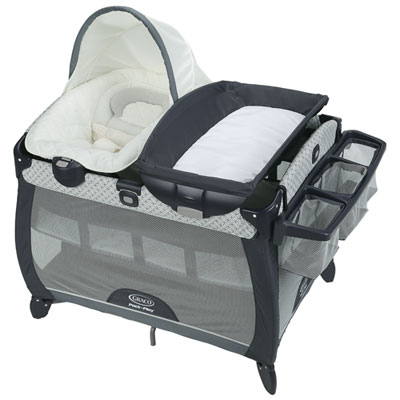 Your price for this item is $419.99
 -
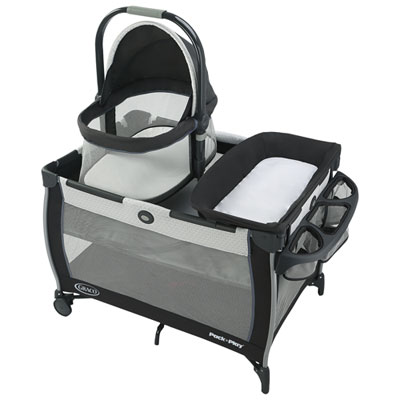 Your price for this item is $399.99
 -
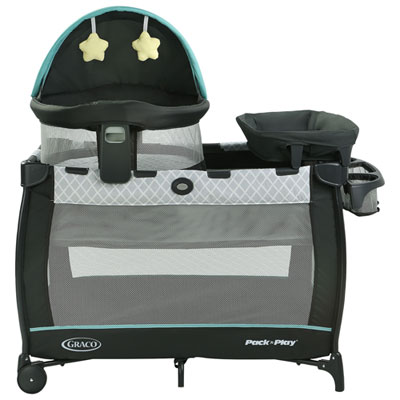 Your price for this item is $299.99
 -
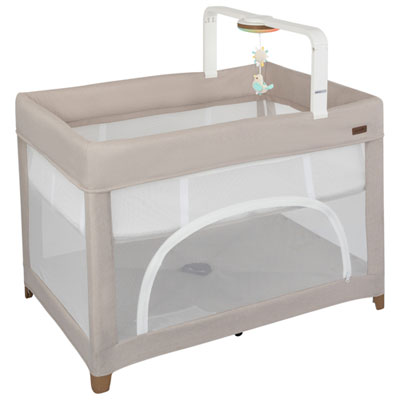 Your price for this item is $359.98
 -
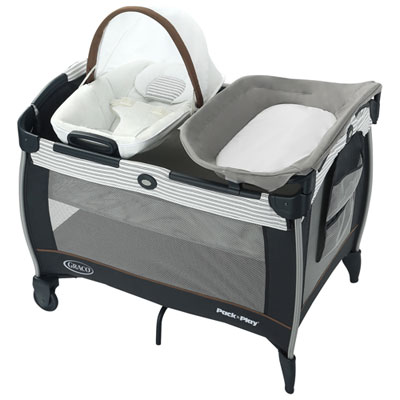 Your price for this item is $309.99
 -
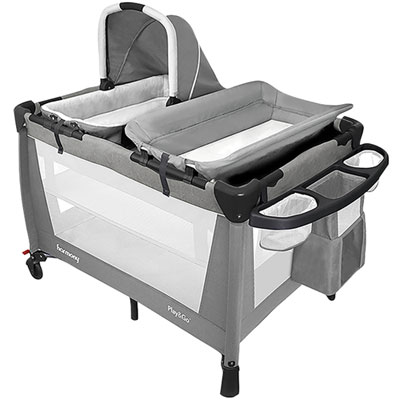 Your price for this item is $299.99
 -
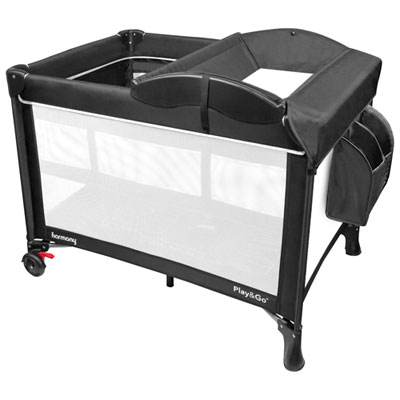 Your price for this item is $139.99
 -
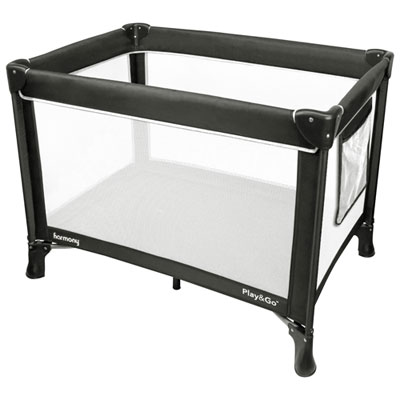 Your price for this item is $79.99
Discover more categories related to Crib With Changing Table


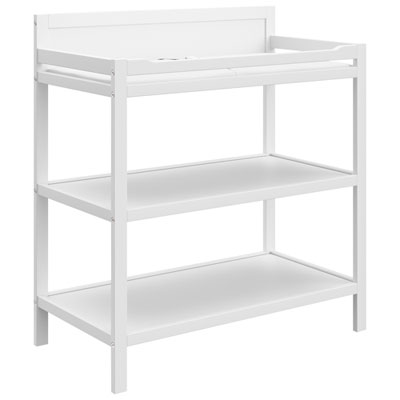
Top Collections:
Pokemon Centers, Kindle Devices, Best Budget Office Chairs, Apple iPhones 16, Canon G7X Cameras, iPhone 15 Apple, Alarm Clock, Refurbished Apple Laptops, Flip Phones, Best Laptops for Writers
Some products may be subject to Environmental Handling Fees
(EHF) depending on your province.
Learn more about EHFs.