Feeding Booster Seats
When it comes to making mealtime a breeze for your little one, feeding booster seats is a game-changer. These versatile seats provide the perfect solution for bringing your child up to the table, ensuring they can comfortably join in on family dinners and activities. With various features such as adjustable heights, secure harnesses, and easy-to-clean materials, feeding booster seats offer both functionality and convenience.
Sort
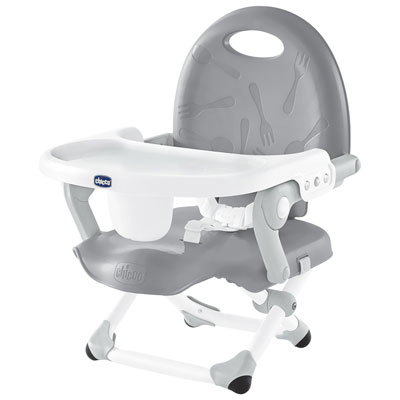
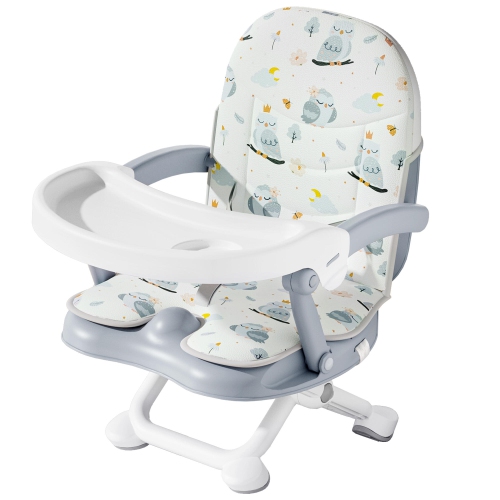
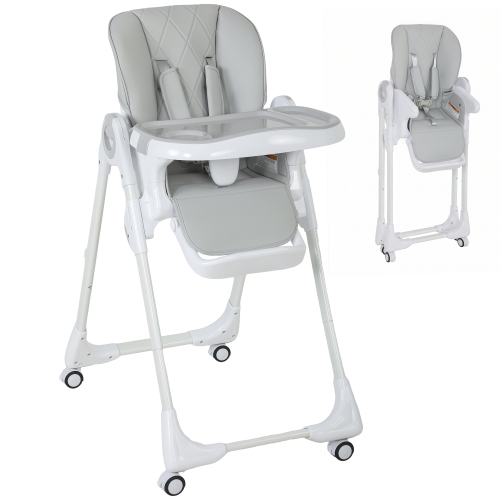
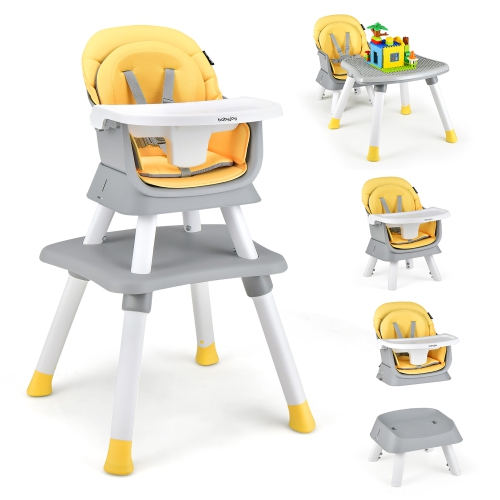
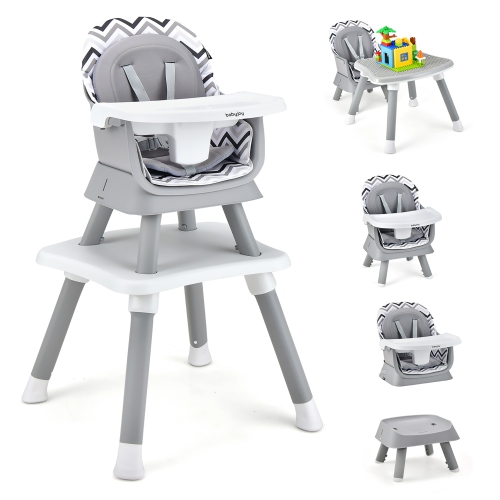
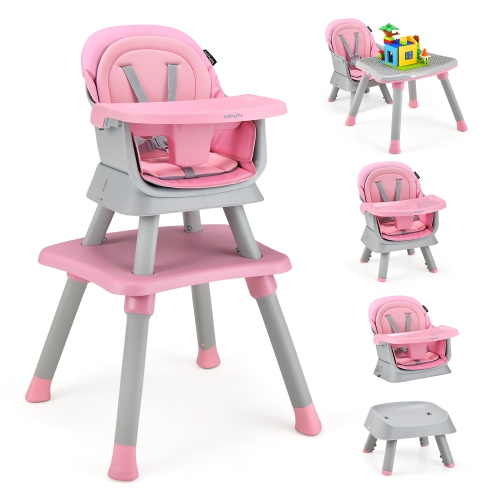
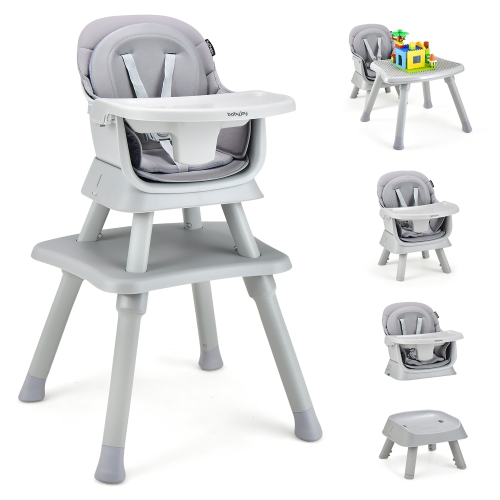
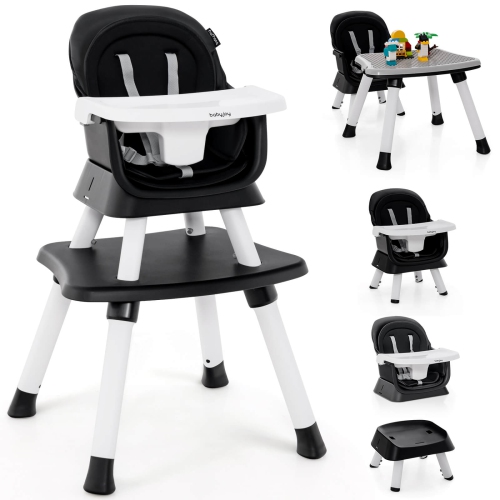
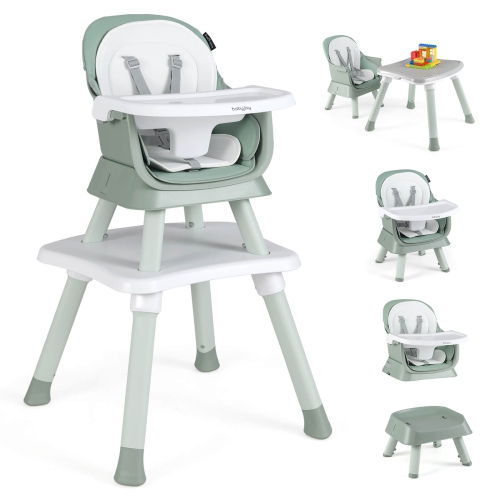
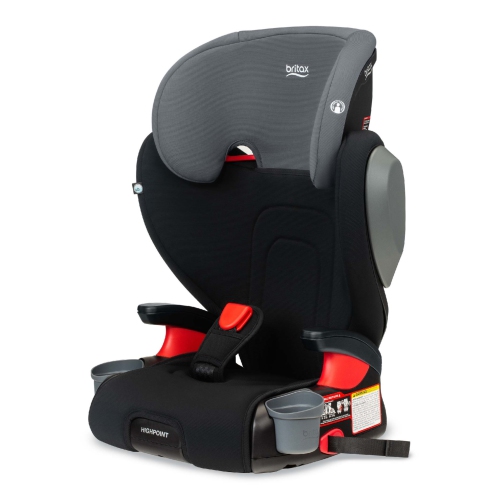
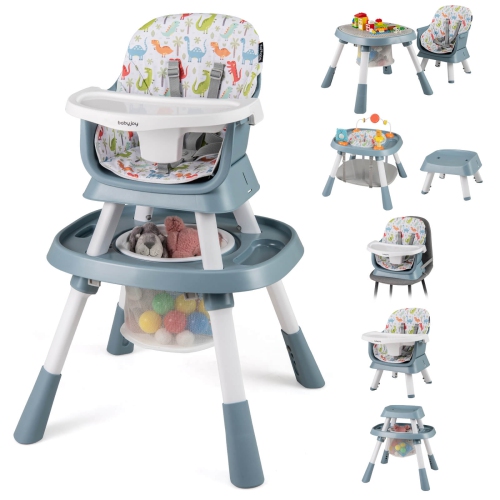
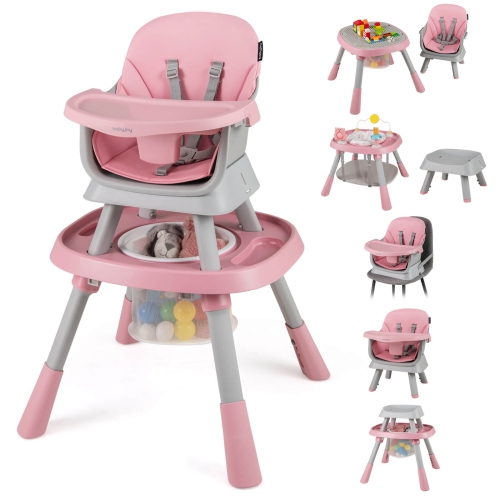
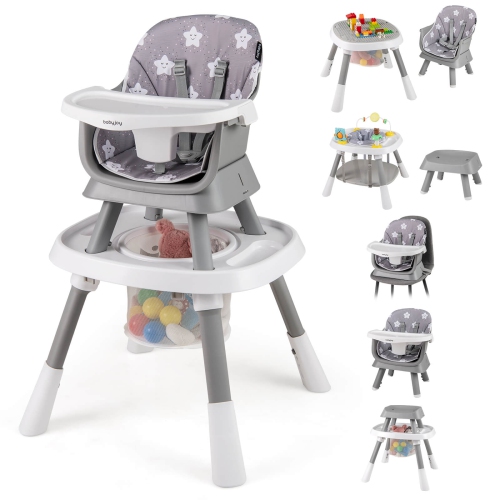
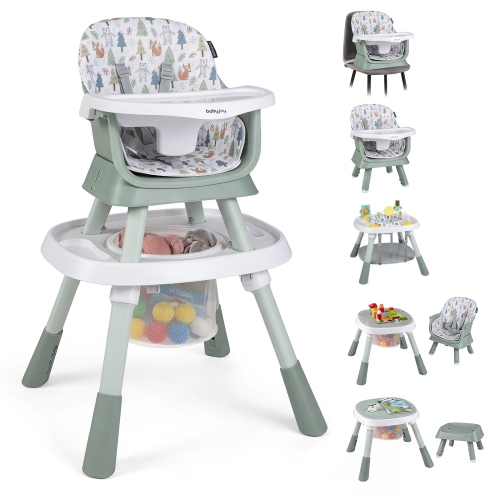
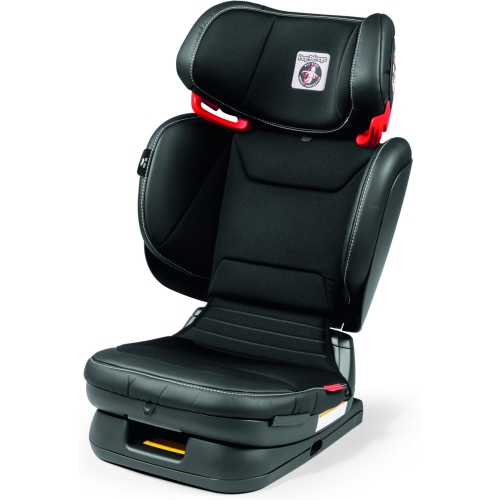
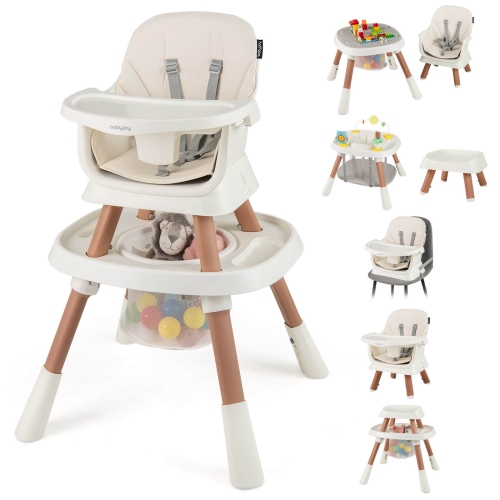
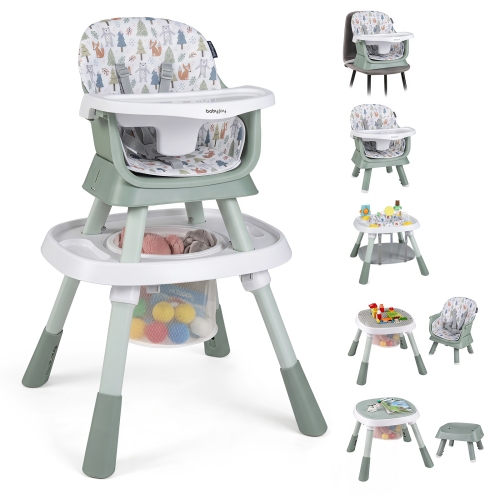
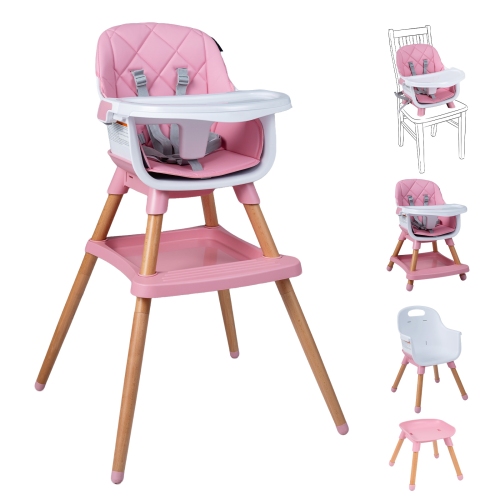
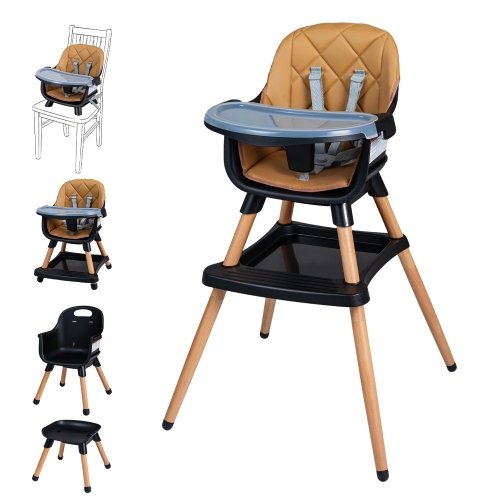
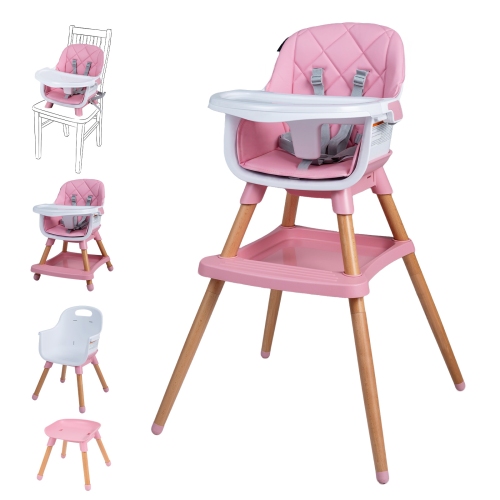
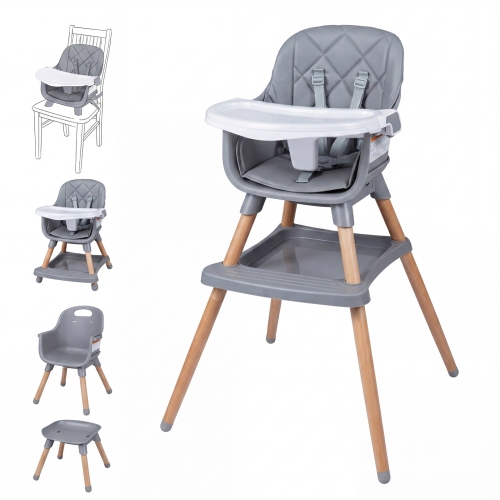
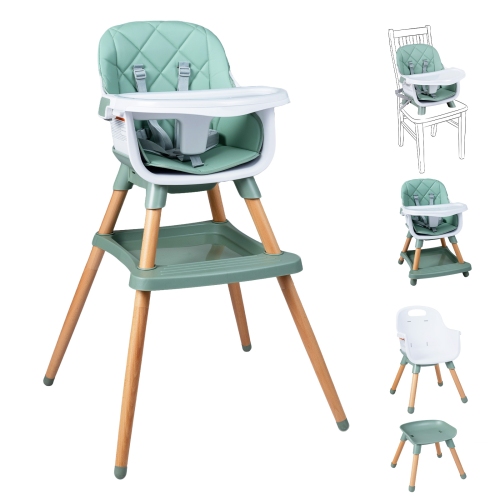
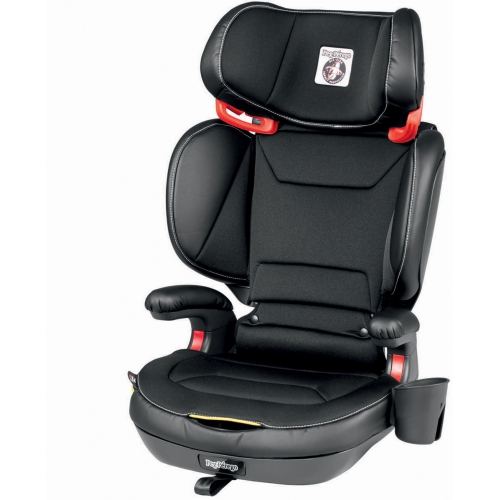
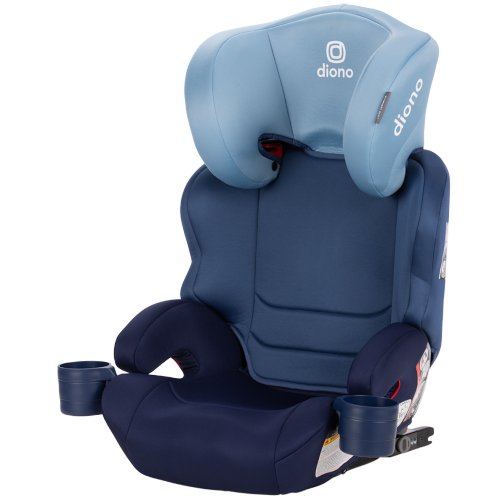
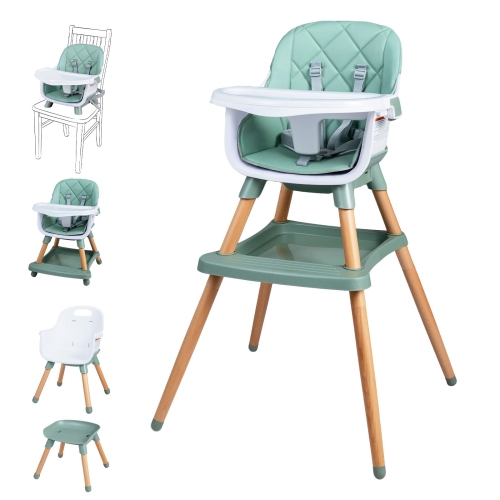
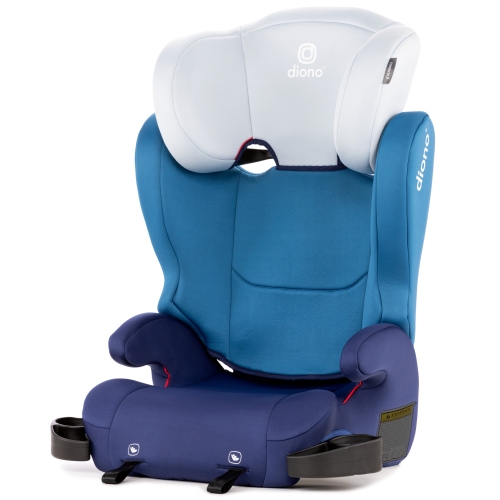
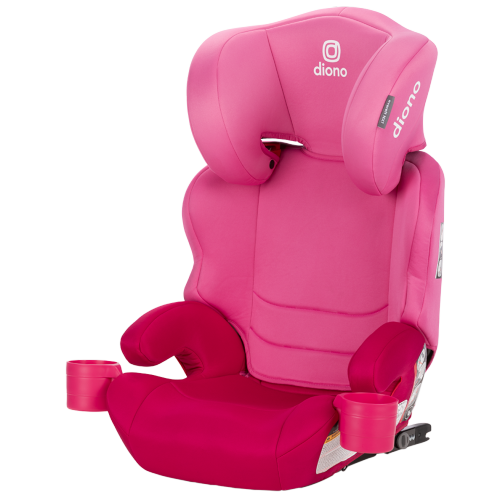
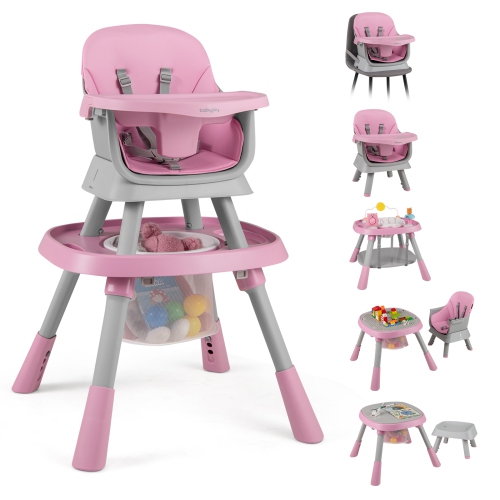

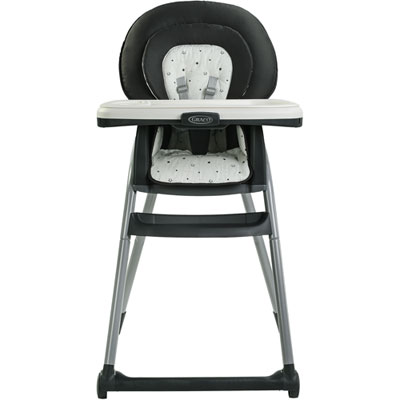
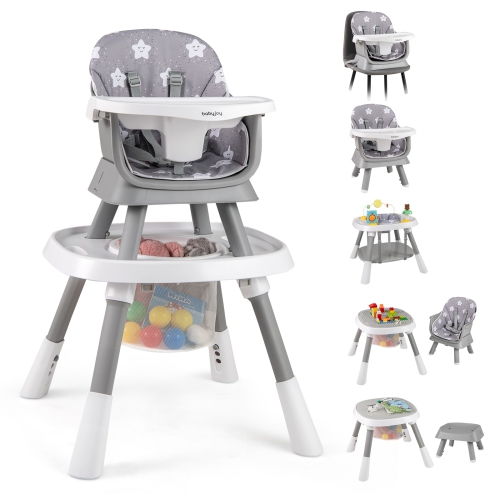
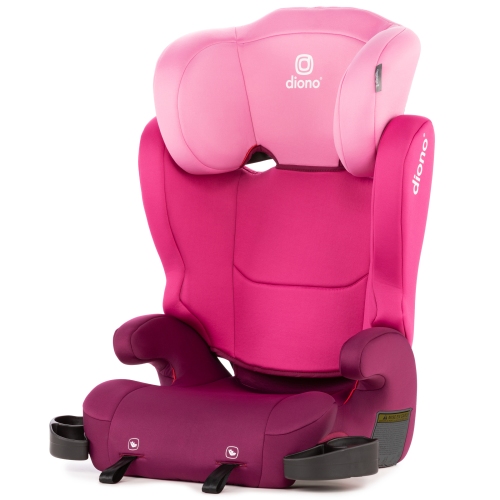
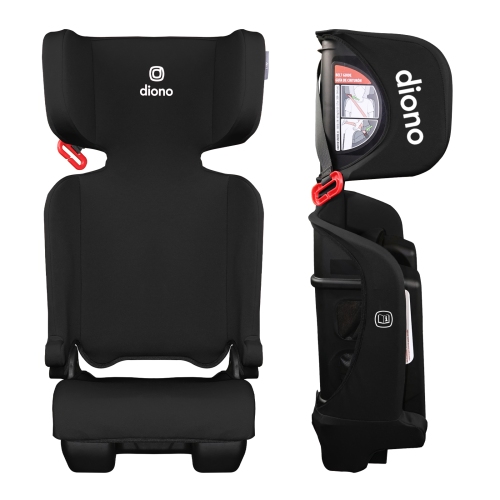
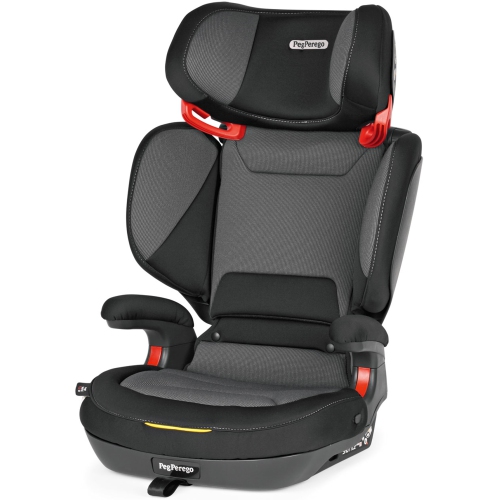
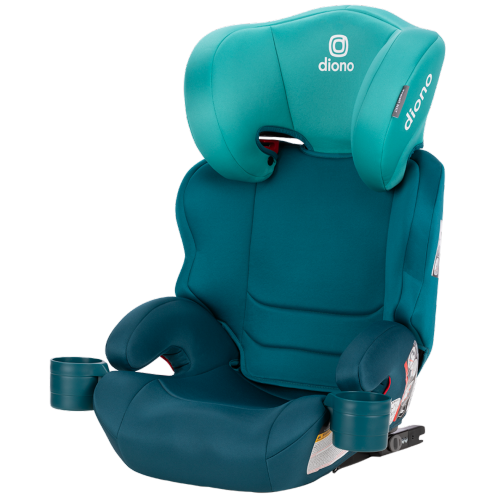
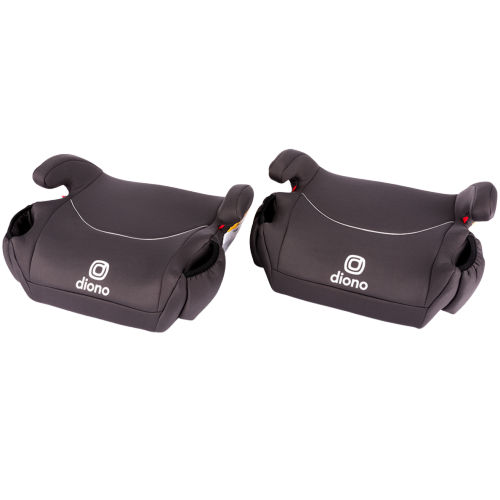
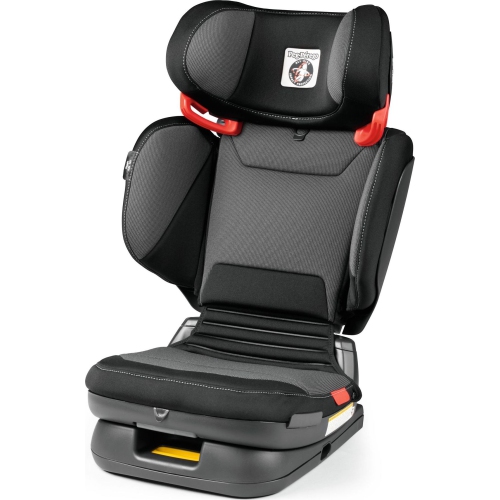
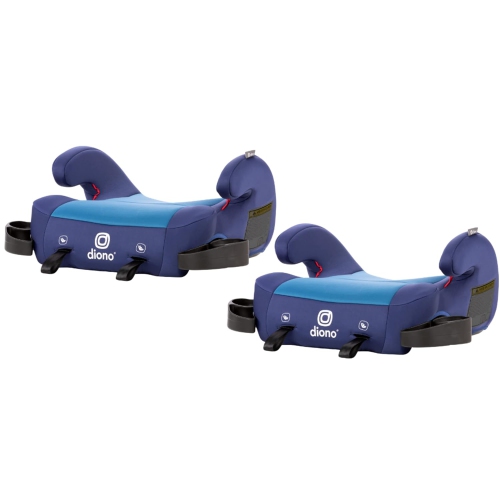
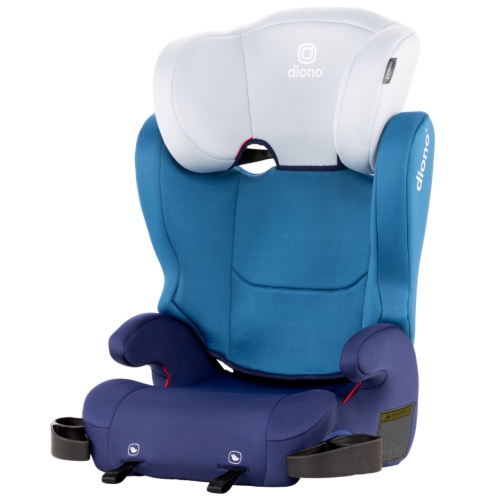
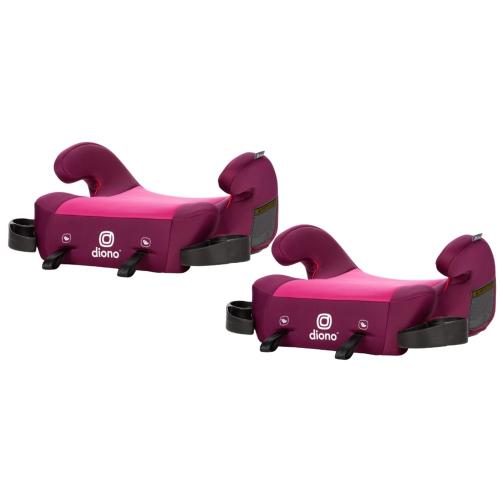
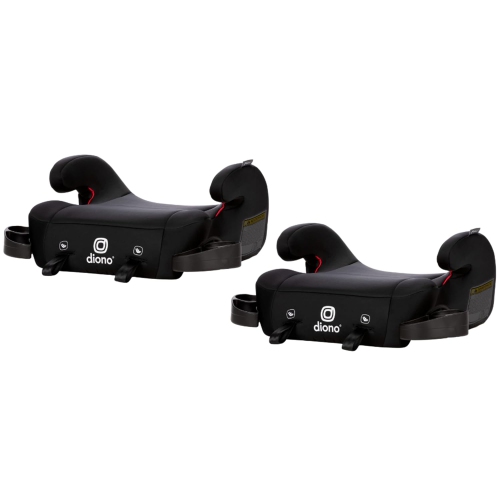
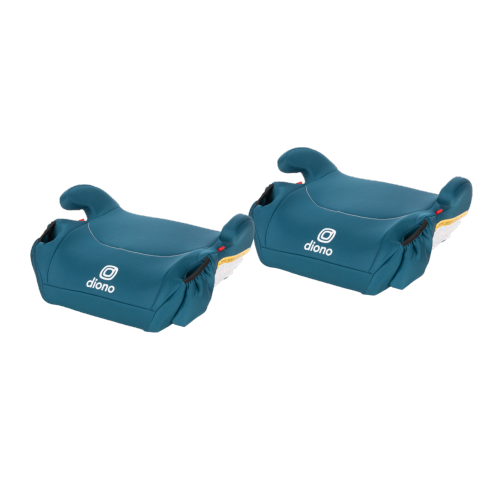
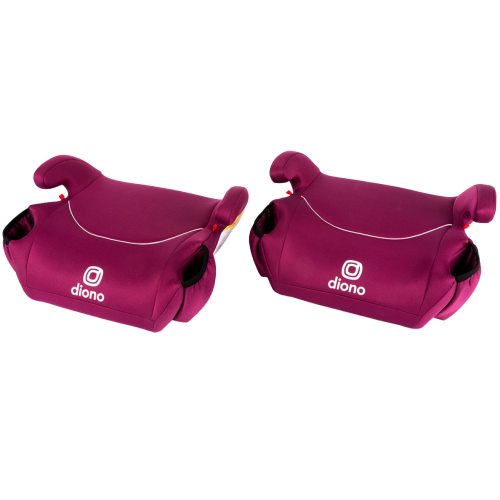

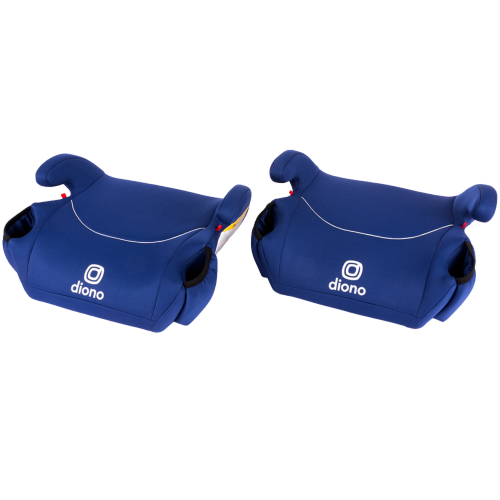
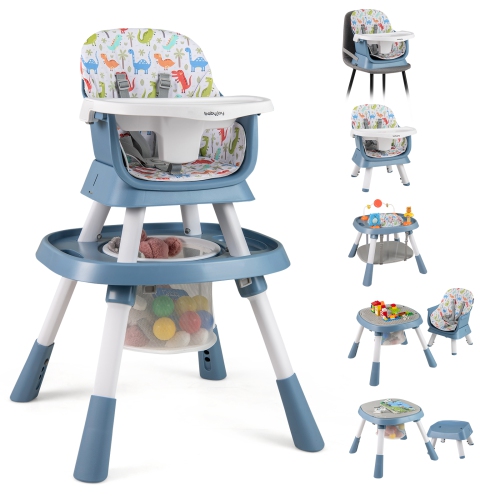
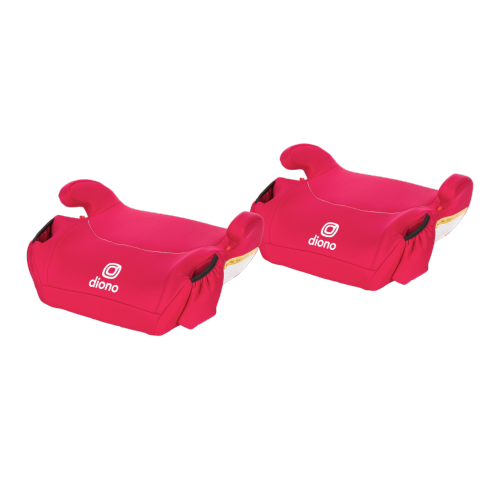
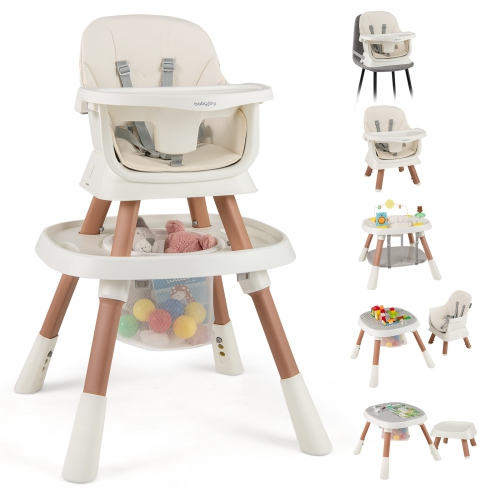
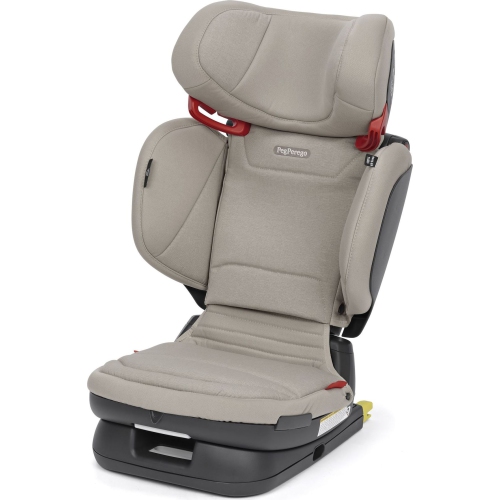
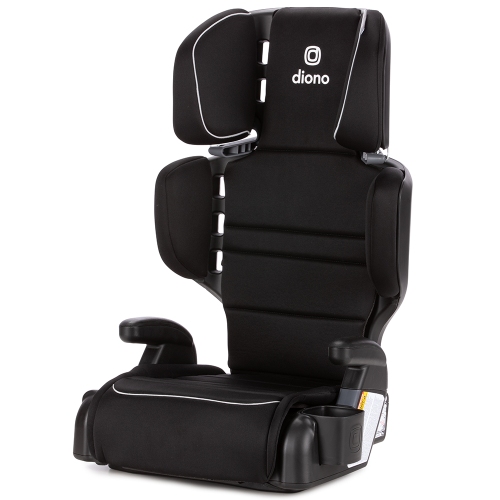

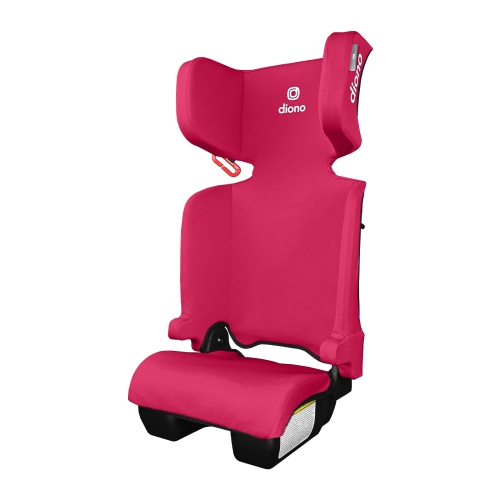
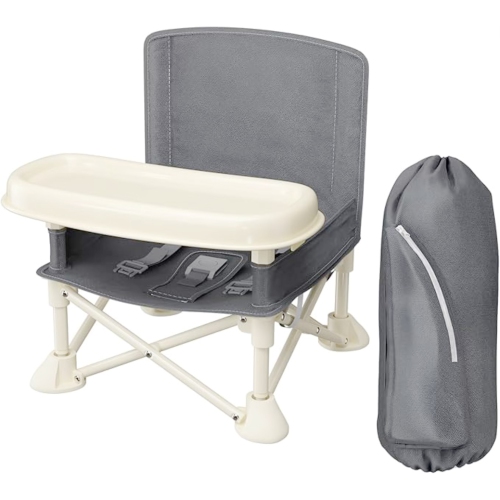
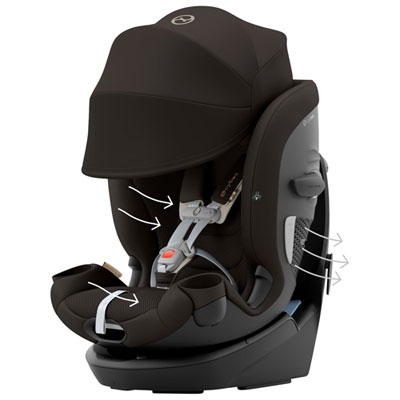
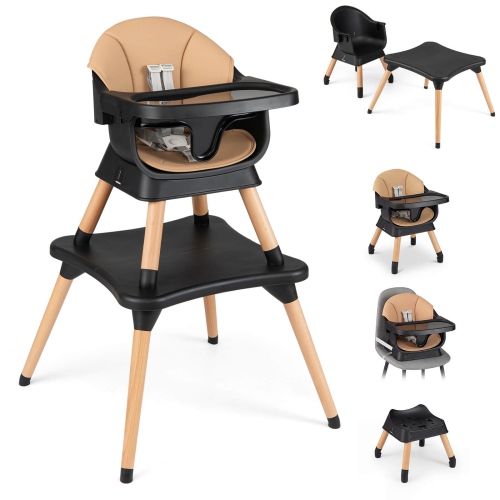

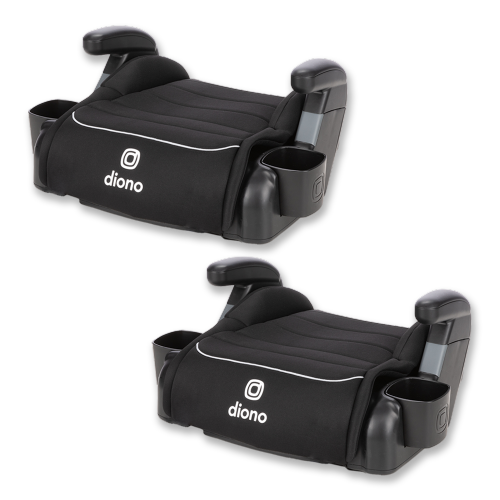
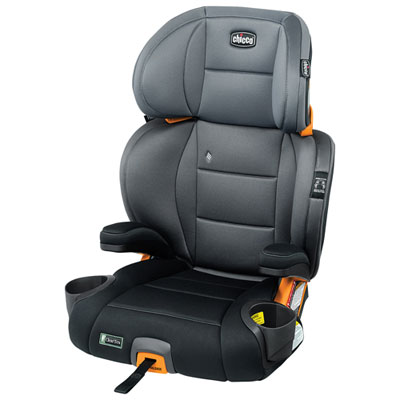
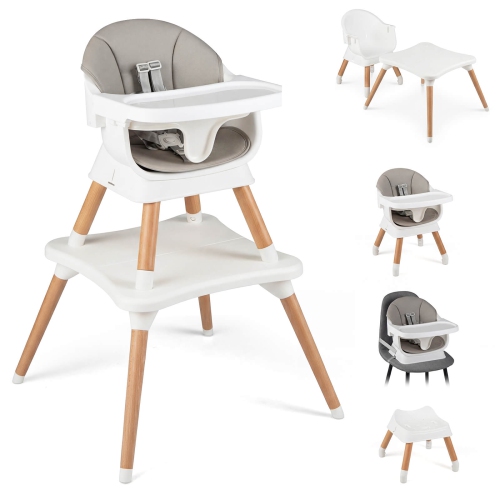
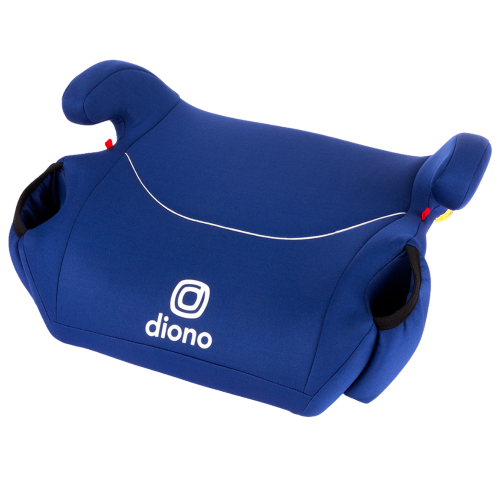

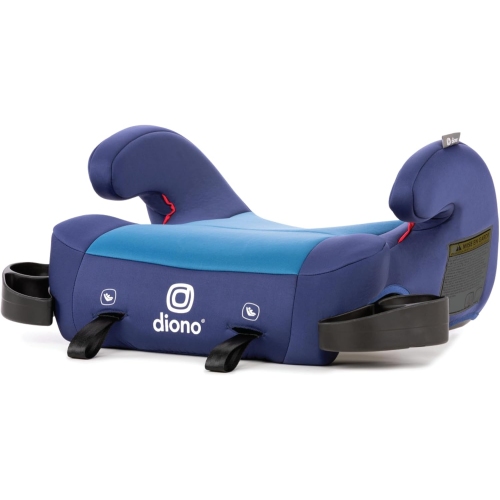
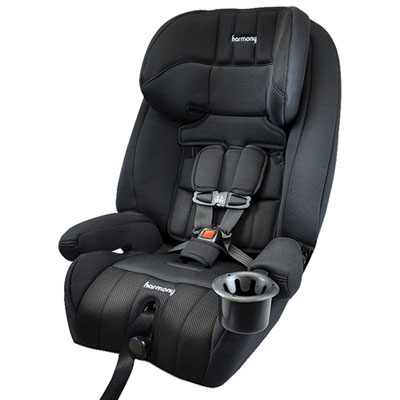
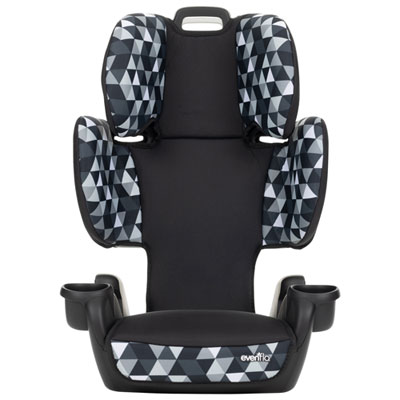
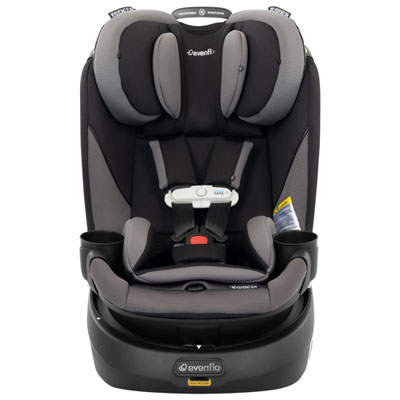
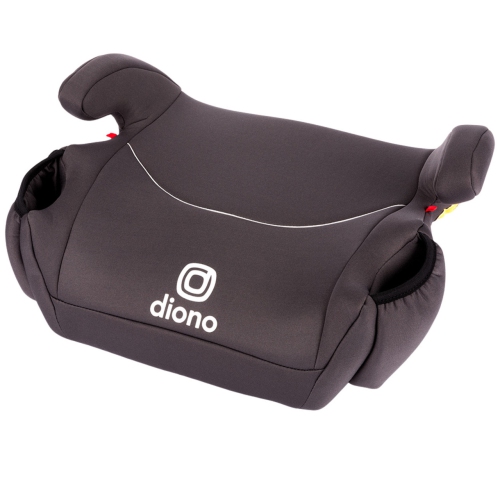
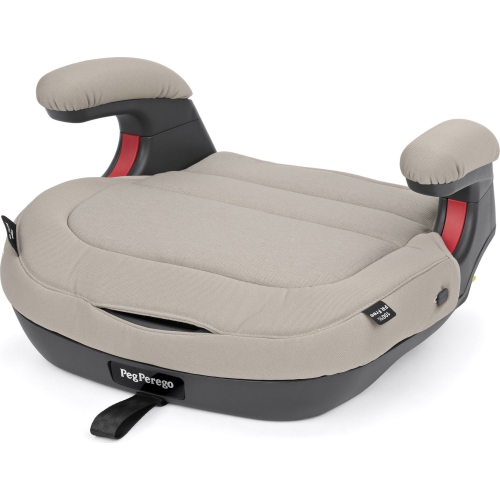

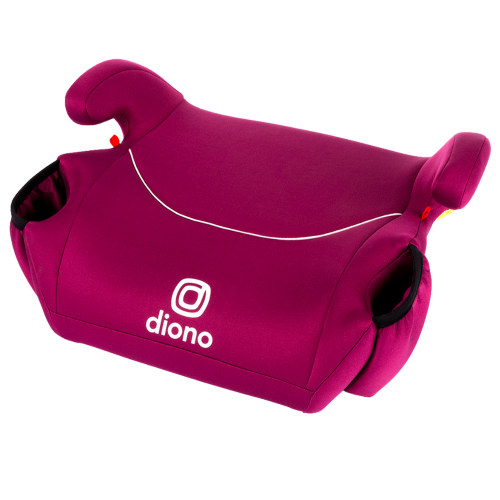
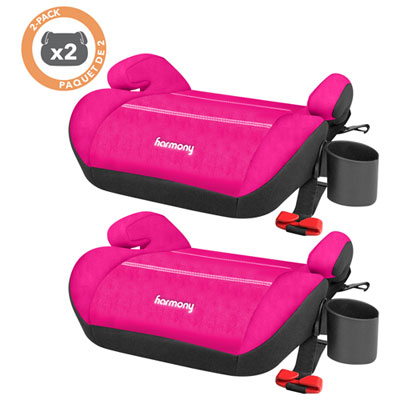
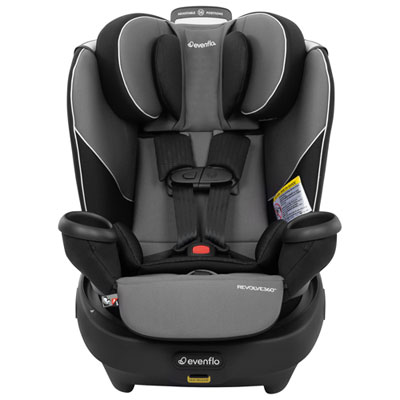
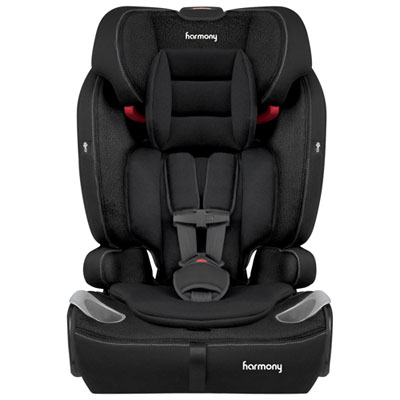
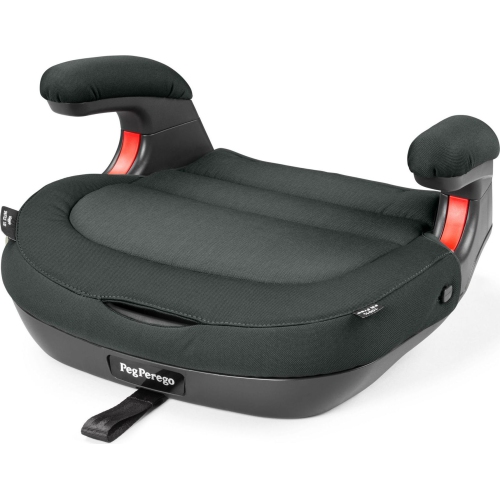
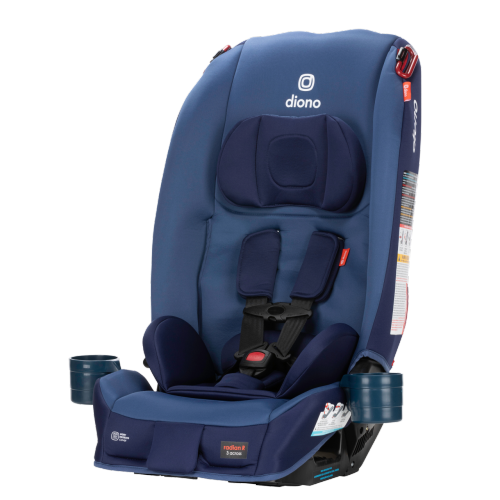
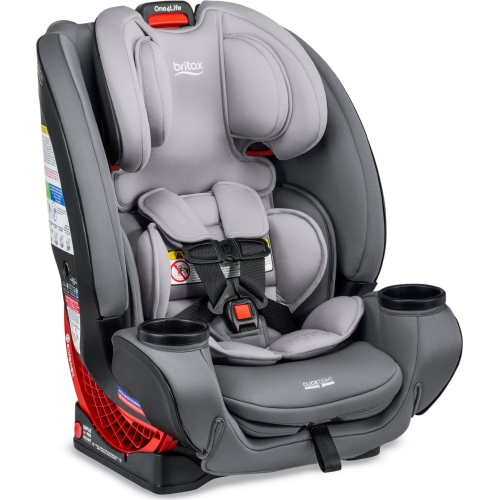
A place at the table without another high chair
Feeding booster seats give children who meet the seat’s developmental and size requirements a supported place to sit during meals, usually by attaching to a compatible adult dining chair. They bridge the gap between a standalone high chair and sitting directly on a dining chair, bringing a child closer to a suitable eating surface without adding another full-sized piece of furniture around the table. For families sharing a compact kitchen or dining nook, that smaller footprint can make everyday meals easier to arrange. A feeding booster with its own tray provides a defined space for a bowl, spoon, and finger foods, while a tray-free configuration can let a child join the family table when the fit is appropriate. Some designs allow the tray or insert to be removed as a child grows, although each configuration has its own limits and instructions. Readiness depends on more than age: a child needs the head control and sitting ability required by the manufacturer, along with a suitable fit within the stated height and weight limits. A feeding booster is not a substitute for the additional support a younger baby may need, and padding alone does not make a seat suitable for a child who is not ready to use it. These seats are intended for supervised eating and related seated activities, not sleeping or use as a vehicle restraint. Around the table, a well-fitted seat can support familiar routines, from practising with a spoon to sharing a snack with a sibling. Parents, grandparents, and other caregivers may use one for regular meals or keep a separate seat at a home the child visits often. As a baby shower or first-birthday gift, a feeding booster seat is most useful when its intended age range, chair compatibility, and storage needs match the receiving household, rather than being chosen by appearance alone.
Fit involves both the child and the chair underneath the booster. Dining chairs vary in seat width, depth, back shape, and cushioning, so a booster that works on one chair may not attach correctly to another. The manufacturer’s chair requirements establish the appropriate dimensions and surfaces; a stable chair with a compatible seat and back is essential. Thick upholstery, unusual curves, or an open chair back can affect attachment, and straps should never be improvised to compensate for an unsuitable fit. Chair-attachment straps secure the booster to the adult chair, while the child restraint keeps the child positioned within the booster; these serve different purposes and should be used as directed every time. A removable tray is an eating surface, not a replacement for a restraint. The child should be able to sit upright without slumping or having to reach excessively for food. Seat height, back support, and tray position all influence that posture. Where suitable foot support is part of the approved setup, it can help provide a more stable sitting position; makeshift cushions or added accessories should not alter the seat’s fit. Adjustable height settings can help accommodate different table arrangements, but there still needs to be comfortable clearance for the child’s legs. A deep tray may contain scattered peas and cereal, while a flatter eating surface may fit more easily beneath a table edge, depending on the design. Adults should remain close and attentive throughout the meal, with hot drinks, sharp utensils, tablecloth edges, and other hazards out of reach. Placement also matters because a child who can push against a table or nearby surface may cause a chair to tip. A booster should never be placed on a countertop or table. Floor use is appropriate only when the seat is expressly designed for that configuration, following its separate instructions. These practical details matter whether the seat stays at the same dining spot every day or moves between approved chairs.
Materials and construction shape how a feeding booster seat feels, cleans up, and holds up to repeated use. Moulded plastic shells often have smooth surfaces that can be wiped after meals, while removable foam inserts or fabric padding may provide a different seating feel. The useful distinction is not simply soft versus firm, but how the parts fit together and how easily food can be removed from seams, buckle openings, and the space beneath an insert. Mashed banana, dried oatmeal, and crumbs tend to find those small gaps. A detachable tray can simplify clearing the table, especially when it lifts off without spilling what is left behind. Dishwasher-safe components can reduce handwashing, but that designation applies only to the parts and rack positions identified by the manufacturer. Other trays, inserts, straps, and covers may need wiping, handwashing, or a specified machine-wash cycle. Fabric should be fully dry before reassembly, and cleaning products should be suitable for the seat’s materials and used according to the care instructions. Durability also depends on secure buckles, intact stitching, sound attachment points, and adjustment mechanisms that lock properly. Regular checks can reveal frayed straps, cracks, or loose parts before the next meal. For households that put the seat away between uses, overall dimensions and the shape of the folded seat matter as much as its weight. A carrying handle, contained straps, or a tray that stores within the seat can make transport tidier, provided those features are part of the design. Families who frequently eat away from home can also explore Travel Booster Seats for seating designed with packing and carrying in mind. Even a compact portable seat still needs a compatible chair at its destination, so restaurant seating and a relative’s dining chairs cannot be assumed to work. At home or away, the most useful feeding booster is one that fits the child, attaches correctly, and is straightforward enough to clean and set up for the next meal.
Top selling and popular products
-
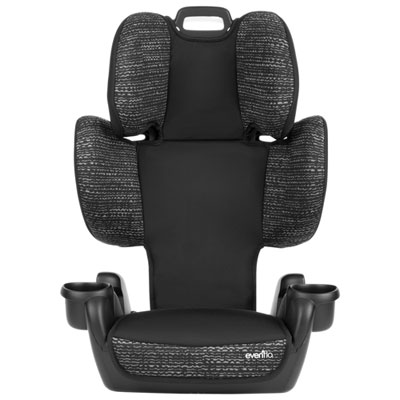 Your price for this item is $119.99
-
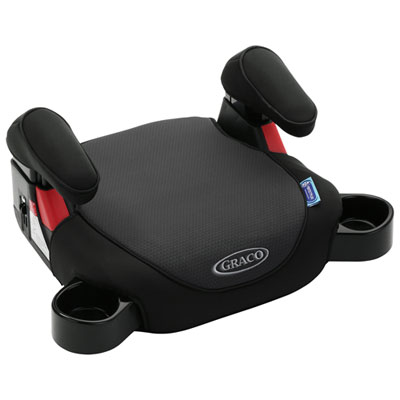 Your price for this item is $69.99
-
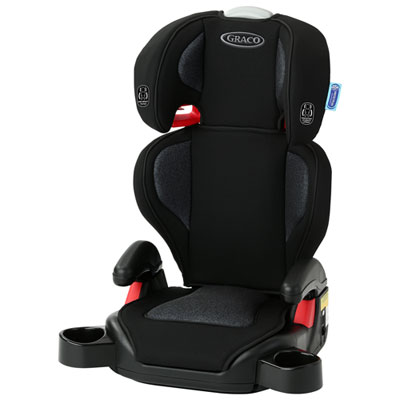 Your price for this item is $129.99
-
 Your price for this item is $999.99
-
 Your price for this item is $99.99
-
 Your price for this item is $399.99
-
 Your price for this item is $109.99
-
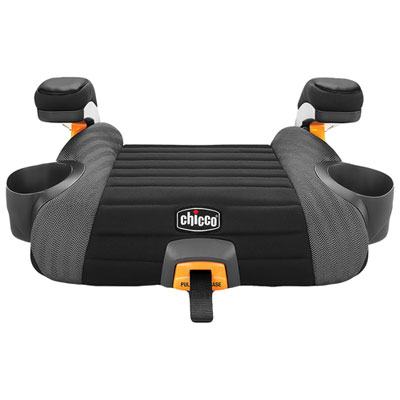 Your price for this item is $109.99
Discover more categories related to Feeding Booster Seats
Top Collections:
Pokemon Centers, Pokémon 30th Celebration Cards, Best Budget Office Chairs, Kindle Devices, Best Cameras for Sports Photography, Canon G7X Cameras, Best Black Friday Deals On Electronics, Best Laptops for Writers, iPhone 15 Apple, Jackery Power Stations
Some products may be subject to Environmental Handling Fees
(EHF) depending on your province.
Learn more about EHFs.