Feeding Supplies
Discover a wide range of feeding supplies designed to make mealtime easier and more enjoyable for both parents and little ones. From innovative bottles to practical high chairs, these essentials cater to every stage of your child's development. Ensure a seamless feeding experience with products that prioritize safety, convenience, and comfort. Whether you're at home or on the go, find everything you need to keep your baby well-fed and happy. Explore options that suit various preferences and lifestyles, all crafted with quality materials to support your growing family.
Sort
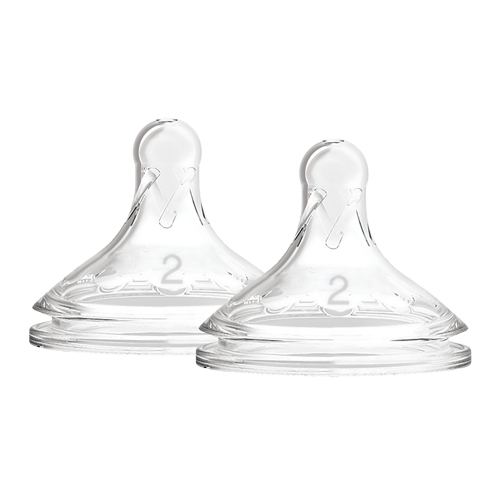
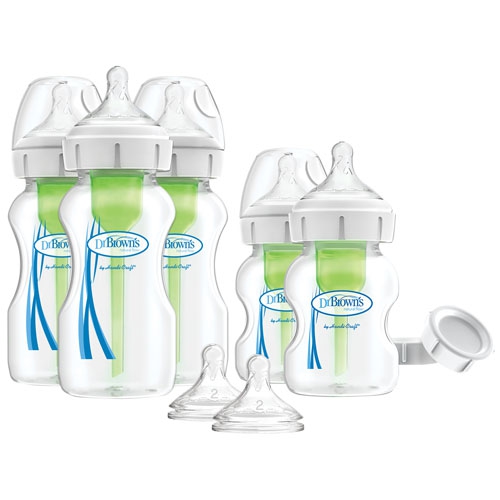
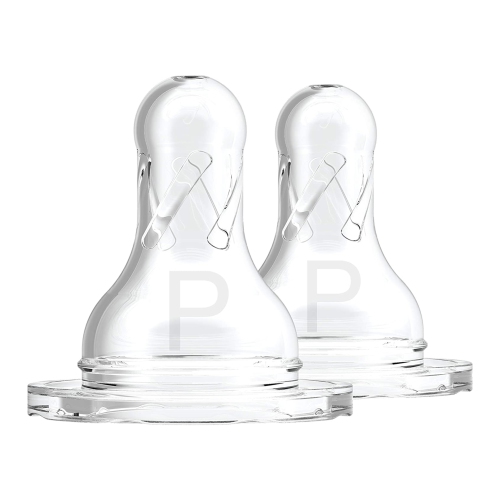
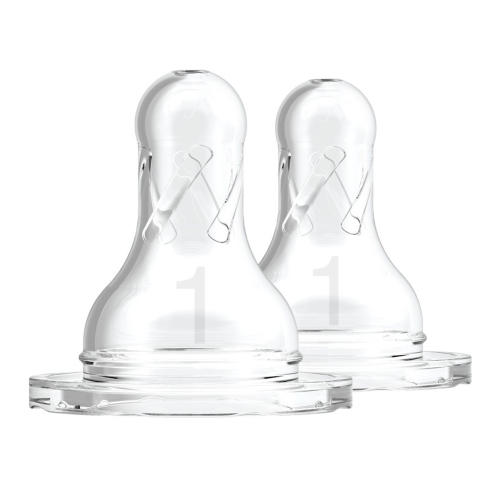



From first feeds to growing independence, practical support
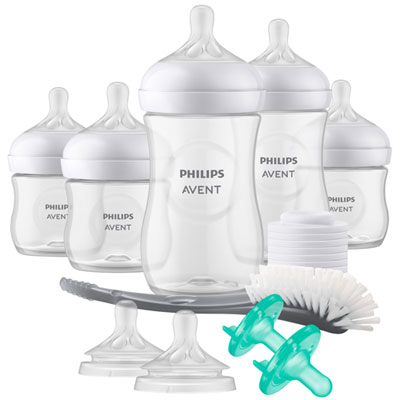
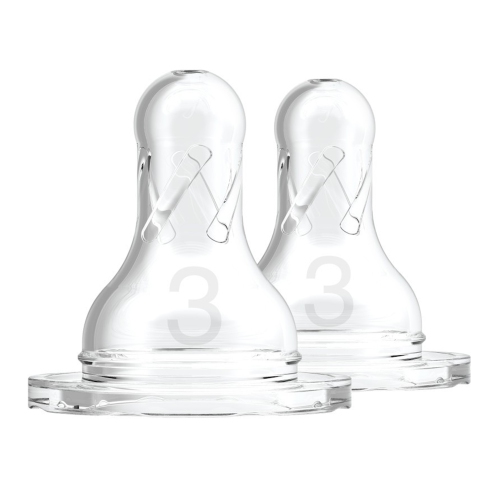
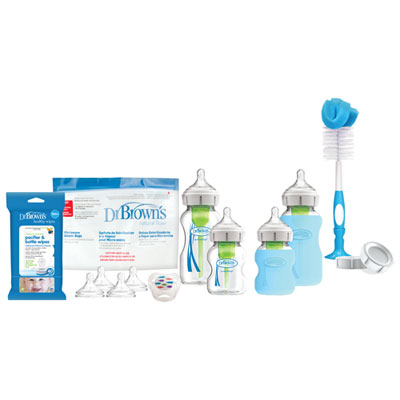
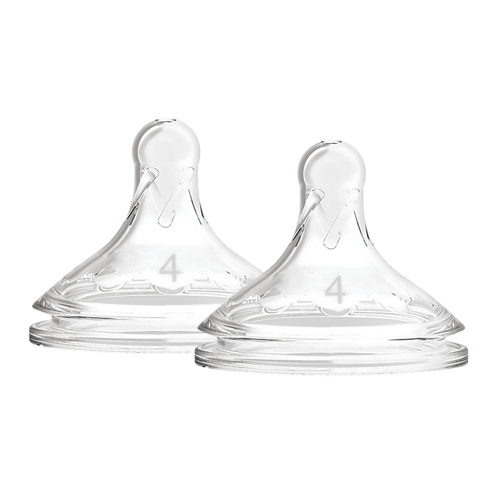
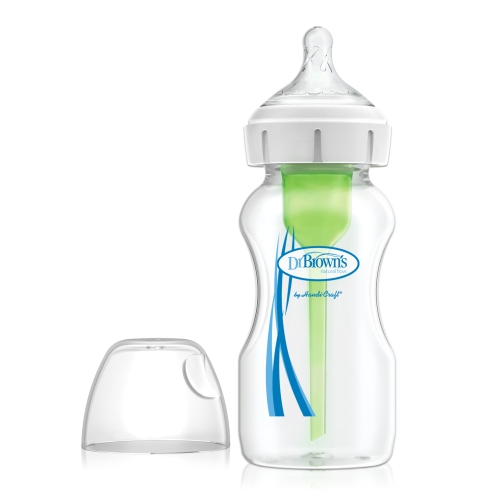
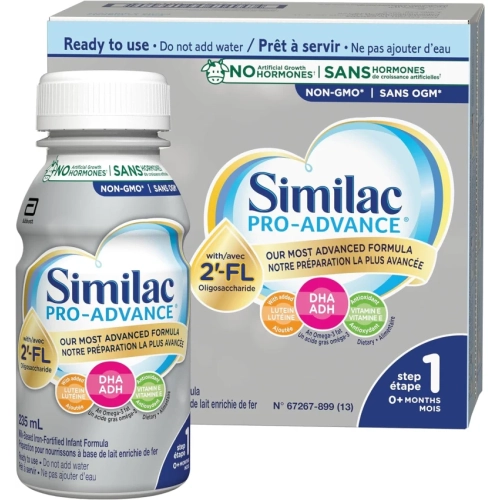
Feeding supplies can support many stages of family life, from a newborn’s first feeds to a toddler learning to eat independently. For new and expecting parents, choosing the right essentials often comes down to comfort, routine, and how feeding will fit into everyday life. Bottle feeding may be part of a baby’s entire feeding journey or used alongside breastfeeding, and having dependable supplies ready can make overnight feeds, visits with family, and outings feel more manageable. When comparing Feeding Bottles, consider the bottle’s shape, capacity, materials, ease of cleaning, and how comfortably it can be held by both caregiver and child. Nipple flow is another important detail: newborns typically need a slower flow, while older babies may be ready for a faster option as their feeding patterns develop. Every baby is different, so a style that works beautifully for one child may not suit another. Features designed to help reduce swallowed air can be useful for babies who are prone to fussiness, while wide openings and simple components can make washing and preparing feeds less tiring. It is worth checking that bottles, nipples, caps, and other parts fit together properly, and that replacement pieces are easy to find. For families who move between home, childcare, and visits with grandparents, a small collection of consistently compatible supplies can be especially convenient. Feeding accessories can also make thoughtful gifts for baby showers, new parents, or families preparing for a new stage, particularly when they are practical, easy to store, and suited to the child’s age.
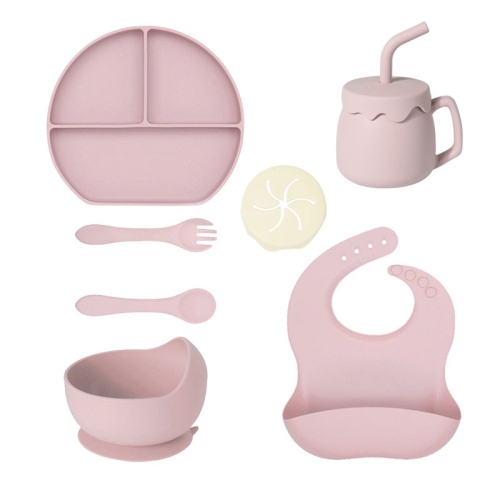
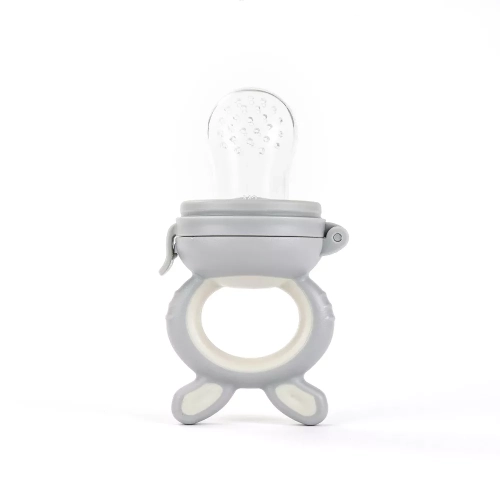
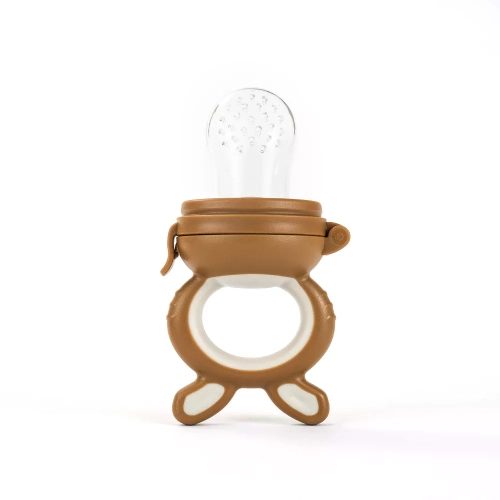
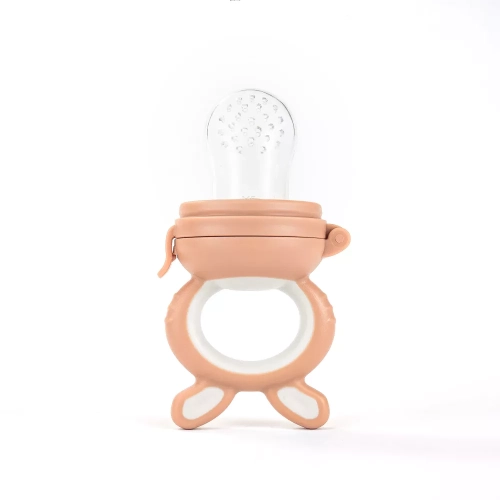
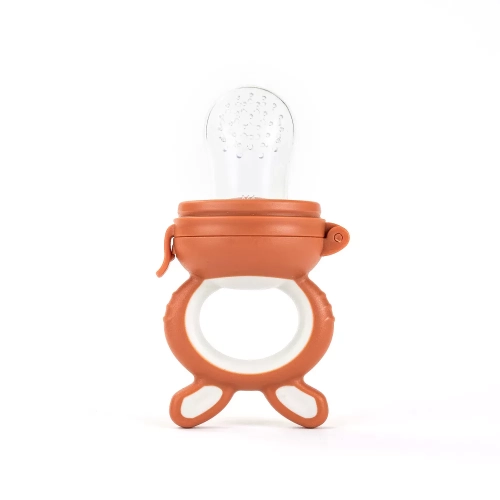
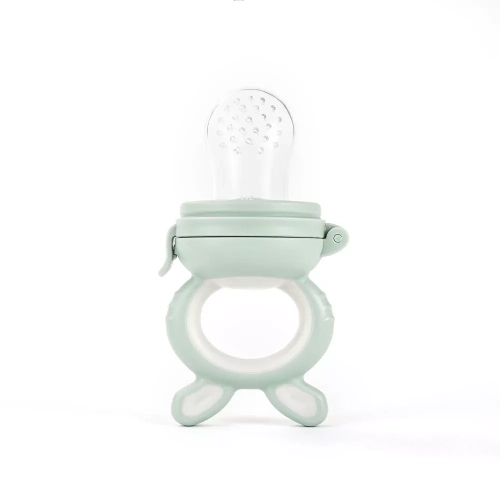
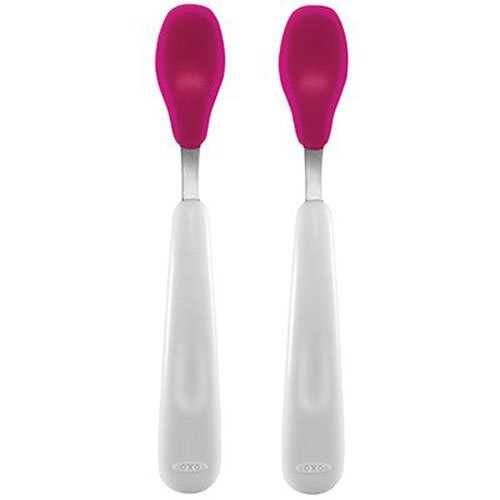
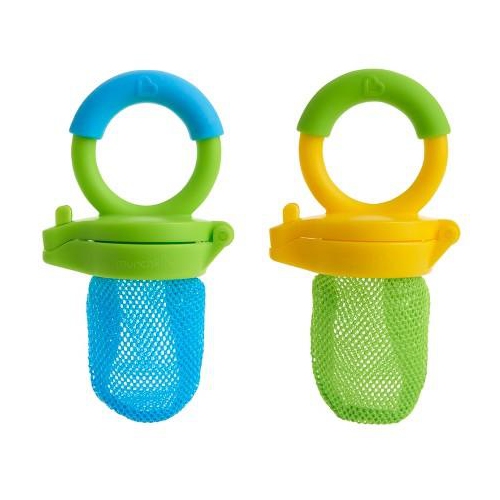
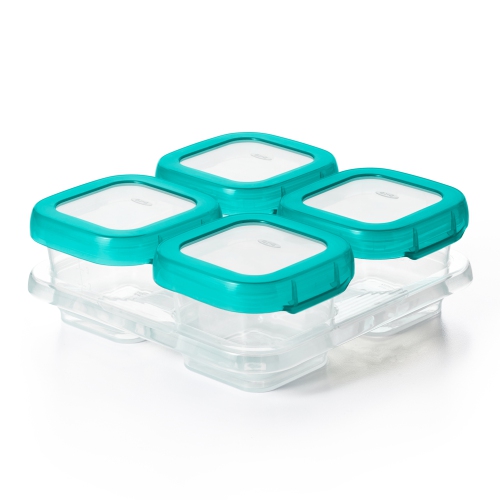
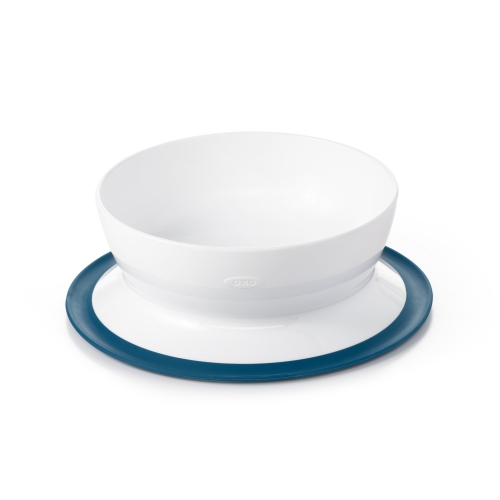
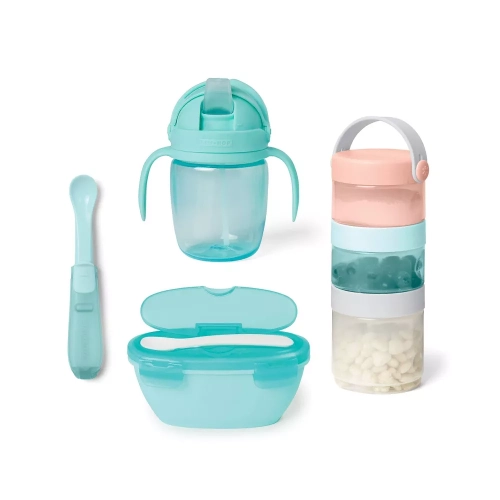
As babies grow, feeding supplies often shift from caregiver-led feeding to hands-on exploration. Soft spoons, shallow bowls, divided plates, suction dishes, training cups, and easy-grip utensils can help children practise reaching, scooping, sipping, and bringing food to their mouths. A plate with separate sections may be helpful when a child prefers foods kept apart, while a bowl with a stable base can reduce spills on a high-chair tray or kitchen table. Look for rounded edges, comfortable handles, and materials intended for repeated food use. Supplies that are straightforward to wash are particularly valuable because early self-feeding can be delightfully messy: a spoon may land on the floor, a cup may be tipped over, and a few bites may end up on sleeves rather than in a mouth. Protective bibs, washable mats, and spare utensils can help keep the focus on learning rather than on every little spill. Food feeders and teething-friendly feeding accessories may also be used to introduce new textures under close adult supervision, but caregivers should always follow age guidance and safe feeding practices. Children should be seated upright and watched throughout meals, with foods prepared in an age-appropriate way. A feeding set can be a useful gift for a first birthday or for a child beginning to explore solid foods, especially when it includes coordinated pieces that can grow with changing routines. During the warmer months, portable cups and compact containers can be handy for park visits, travel, or meals away from home; during cooler months, easy-to-clean supplies can simplify family meals indoors and make childcare packing more predictable.
The term feeding supplies can also refer to equipment used for medically prescribed enteral feeding. This type of feeding delivers nutrition through a tube for people who cannot take enough food or drink by mouth, and it should always be planned with guidance from a qualified healthcare professional. Depending on an individual’s needs, a care plan may involve a gastrostomy tube, gastrojejunostomy tube, or nasogastric tube, along with specialized formula, feeding bags, extension sets, connectors, syringes, pumps, or a stand and carrying system. The exact supplies, connection type, feeding schedule, cleaning routine, and storage requirements vary widely, so families should follow the instructions provided by their clinical team and confirm compatibility before purchasing replacement components. Caregivers may value organized storage for clean supplies, a reliable way to transport equipment between home and appointments, and clear labelling that helps distinguish prepared items from those that have already been used. Medical feeding equipment is not interchangeable with infant feeding accessories, and questions about tube placement, formula, pump settings, flushing, or signs of discomfort should be directed to a healthcare provider or home-care service. Whether shopping for a new baby, supporting a growing child, or helping a family manage a prescribed feeding routine, the best choices are those that match the user’s age, feeding method, daily schedule, and care requirements. Taking a little time to check measurements, materials, cleaning instructions, replacement availability, and intended use can make feeding supplies more comfortable, practical, and dependable from one meal to the next.
As babies grow, feeding supplies often shift from caregiver-led feeding to hands-on exploration. Soft spoons, shallow bowls, divided plates, suction dishes, training cups, and easy-grip utensils can help children practise reaching, scooping, sipping, and bringing food to their mouths. A plate with separate sections may be helpful when a child prefers foods kept apart, while a bowl with a stable base can reduce spills on a high-chair tray or kitchen table. Look for rounded edges, comfortable handles, and materials intended for repeated food use. Supplies that are straightforward to wash are particularly valuable because early self-feeding can be delightfully messy: a spoon may land on the floor, a cup may be tipped over, and a few bites may end up on sleeves rather than in a mouth. Protective bibs, washable mats, and spare utensils can help keep the focus on learning rather than on every little spill. Food feeders and teething-friendly feeding accessories may also be used to introduce new textures under close adult supervision, but caregivers should always follow age guidance and safe feeding practices. Children should be seated upright and watched throughout meals, with foods prepared in an age-appropriate way. A feeding set can be a useful gift for a first birthday or for a child beginning to explore solid foods, especially when it includes coordinated pieces that can grow with changing routines. During the warmer months, portable cups and compact containers can be handy for park visits, travel, or meals away from home; during cooler months, easy-to-clean supplies can simplify family meals indoors and make childcare packing more predictable.
The term feeding supplies can also refer to equipment used for medically prescribed enteral feeding. This type of feeding delivers nutrition through a tube for people who cannot take enough food or drink by mouth, and it should always be planned with guidance from a qualified healthcare professional. Depending on an individual’s needs, a care plan may involve a gastrostomy tube, gastrojejunostomy tube, or nasogastric tube, along with specialized formula, feeding bags, extension sets, connectors, syringes, pumps, or a stand and carrying system. The exact supplies, connection type, feeding schedule, cleaning routine, and storage requirements vary widely, so families should follow the instructions provided by their clinical team and confirm compatibility before purchasing replacement components. Caregivers may value organized storage for clean supplies, a reliable way to transport equipment between home and appointments, and clear labelling that helps distinguish prepared items from those that have already been used. Medical feeding equipment is not interchangeable with infant feeding accessories, and questions about tube placement, formula, pump settings, flushing, or signs of discomfort should be directed to a healthcare provider or home-care service. Whether shopping for a new baby, supporting a growing child, or helping a family manage a prescribed feeding routine, the best choices are those that match the user’s age, feeding method, daily schedule, and care requirements. Taking a little time to check measurements, materials, cleaning instructions, replacement availability, and intended use can make feeding supplies more comfortable, practical, and dependable from one meal to the next.
Top selling and popular products
-
 Your price for this item is $23.97
 -
 Your price for this item is $19.99
 -
 Your price for this item is $30.11
 -
 Your price for this item is $59.99
 -
 Your price for this item is $71.93
 -
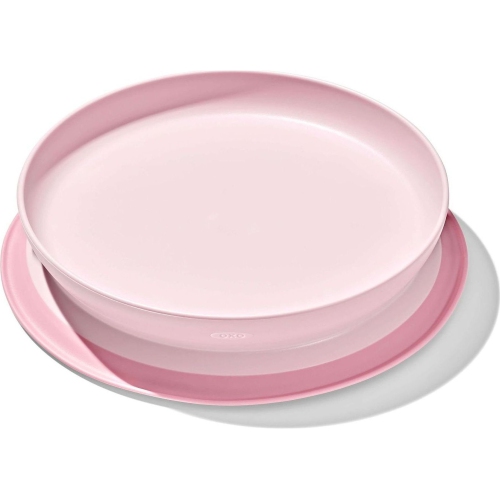 Your price for this item is $19.99
 -
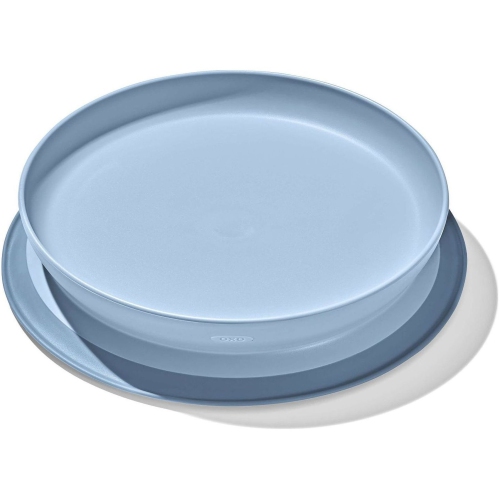 Your price for this item is $19.99
 -
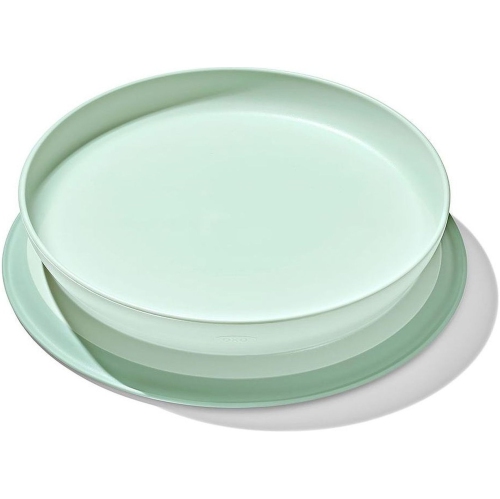 Your price for this item is $19.99
Discover more categories related to Feeding Supplies
Top Collections:
Pokemon Centers, Kindle Devices, Best Budget Office Chairs, Apple iPhones 16, Canon G7X Cameras, iPhone 15 Apple, Alarm Clock, Refurbished Apple Laptops, Flip Phones, Best Laptops for Writers
Some products may be subject to Environmental Handling Fees
(EHF) depending on your province.
Learn more about EHFs.