Rear Facing Car Seats
A rear-facing car seat is a great way to keep your baby safe in the event of a crash. These seats are designed to protect infants and toddlers from the force of a collision by providing a secure, comfortable environment. They are also designed to be easy to use and install, making them a great choice for parents who want to ensure their child’s safety. Here are some great options.
Sort
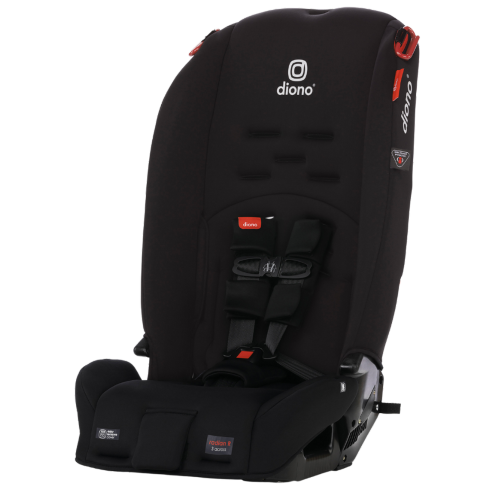
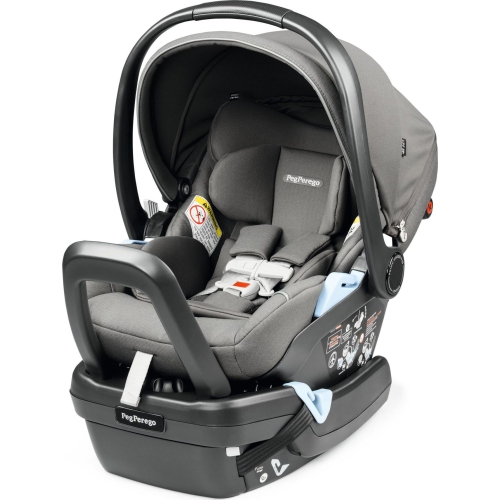

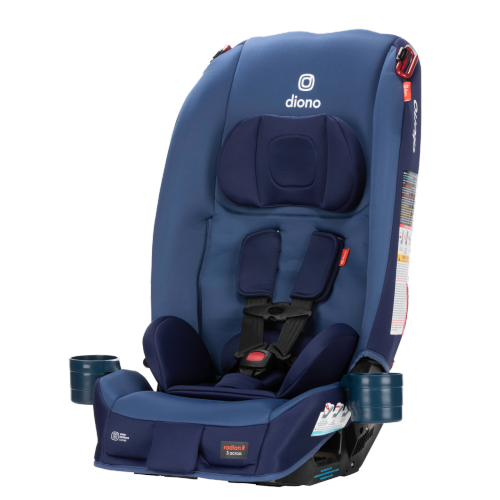
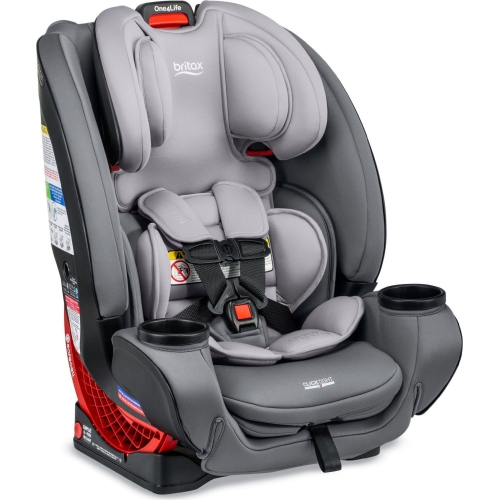
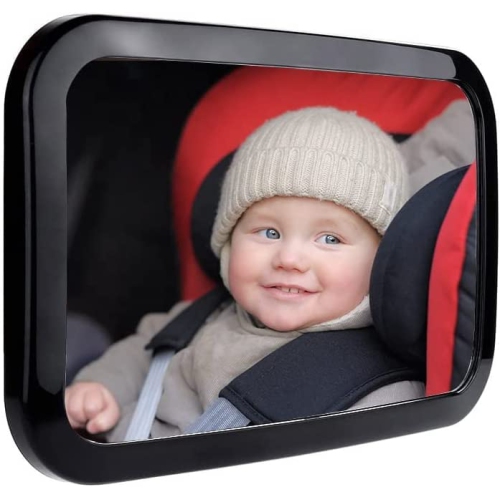
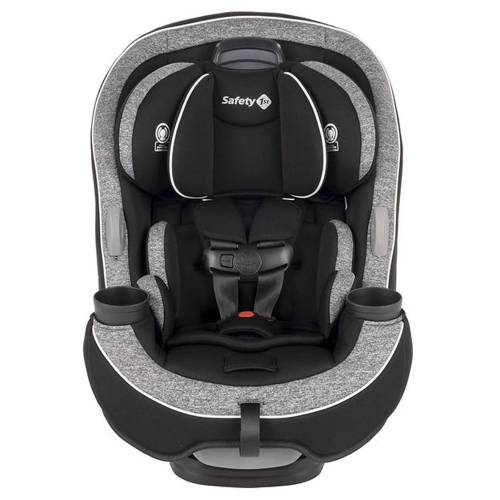
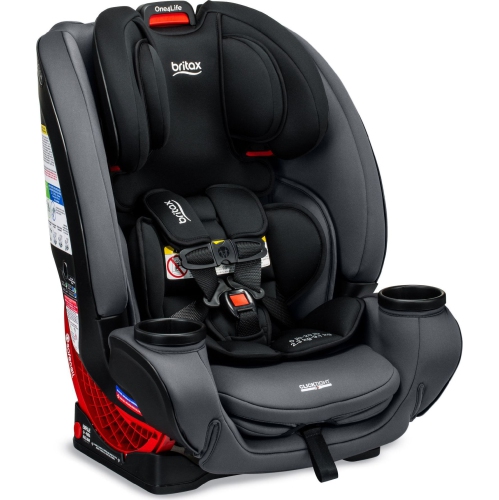
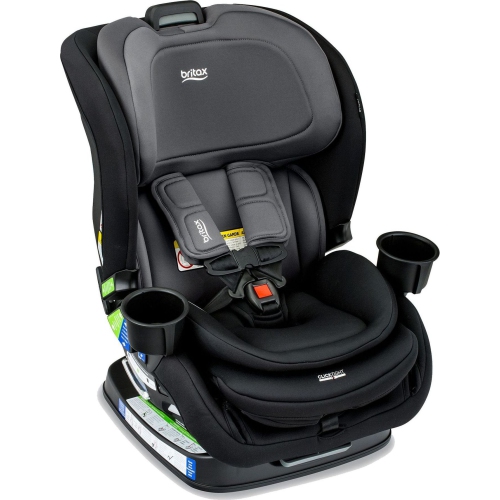
Why rear-facing fit depends on more than age
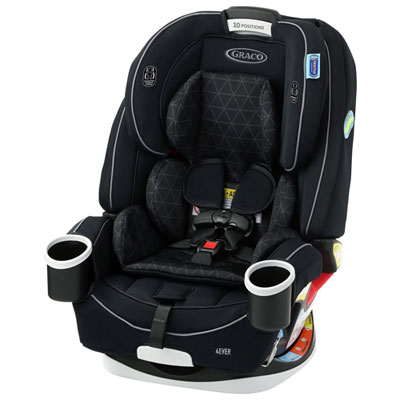
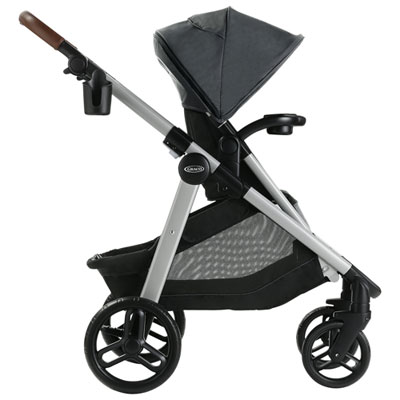
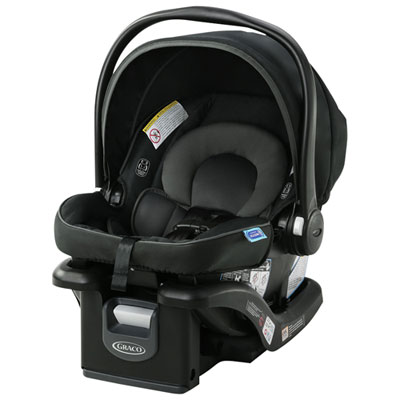
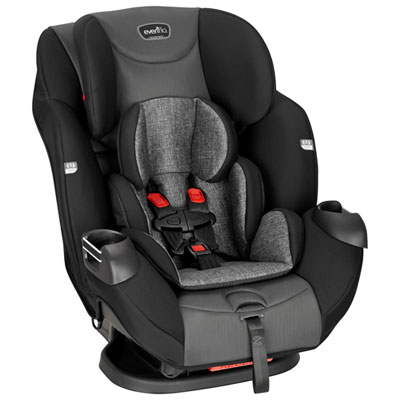
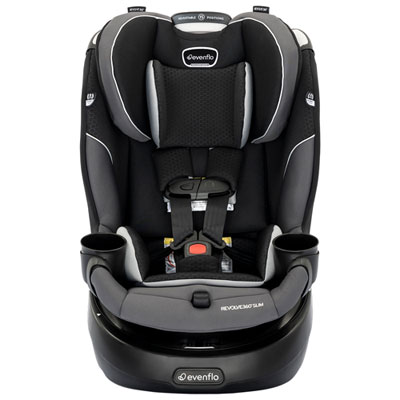
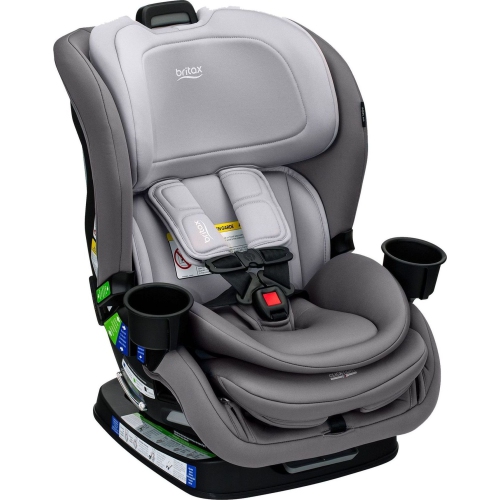
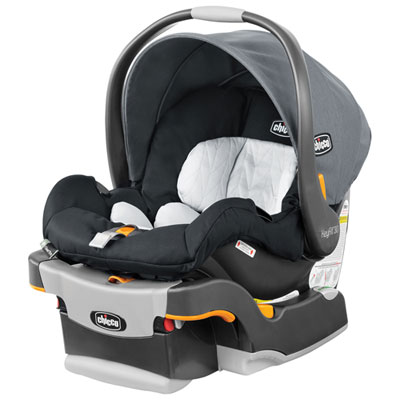
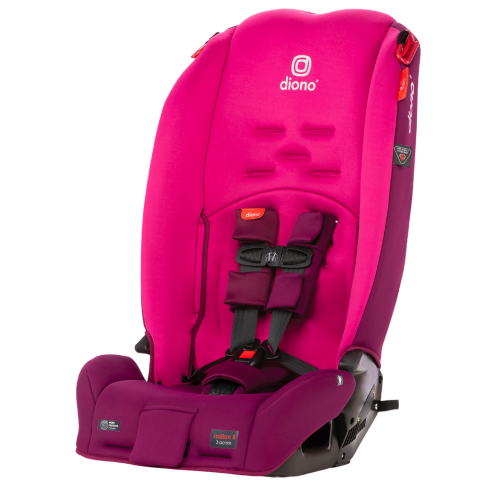
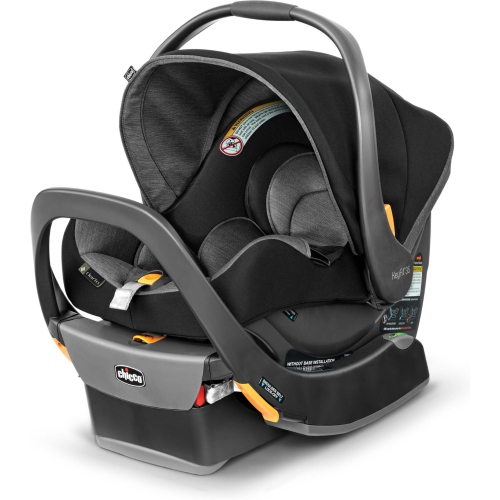
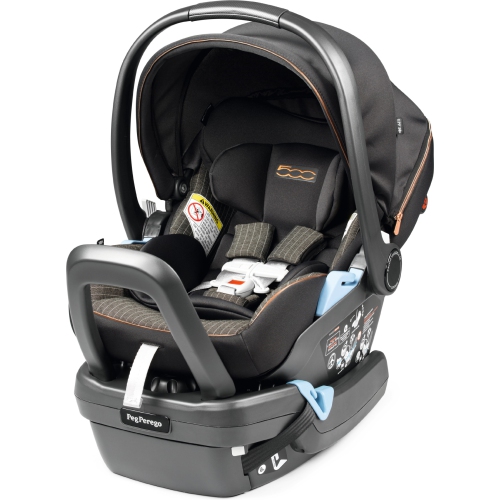
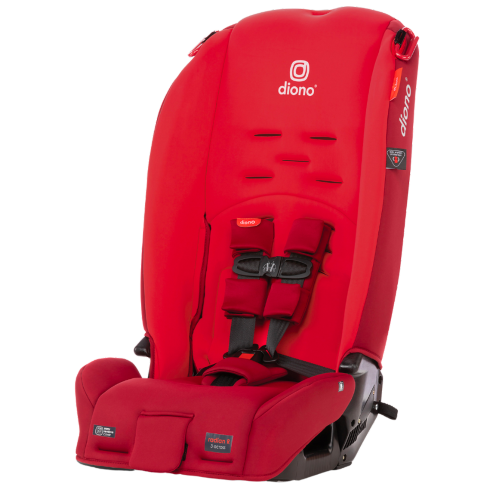
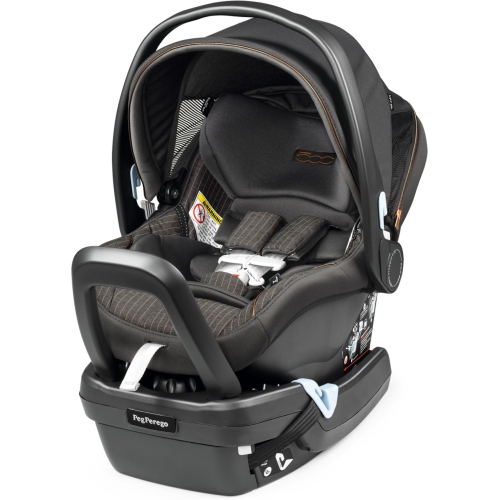
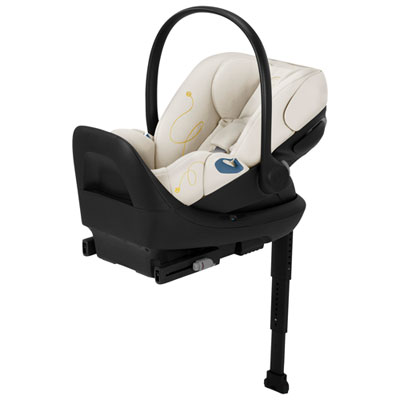
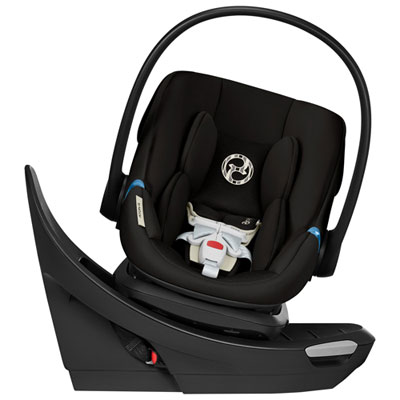
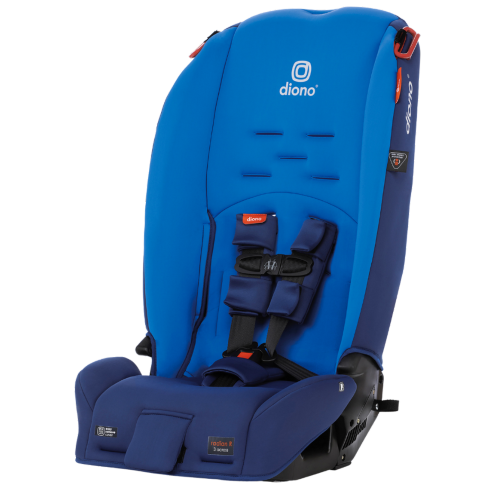
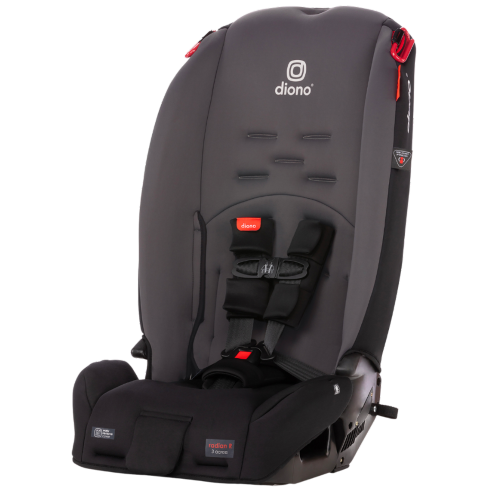
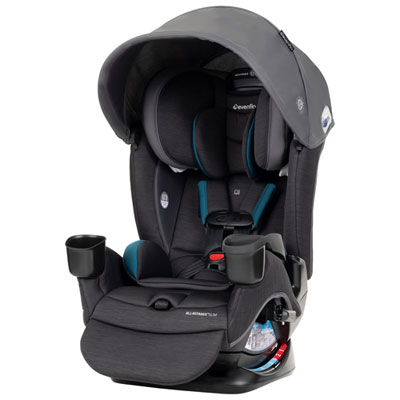
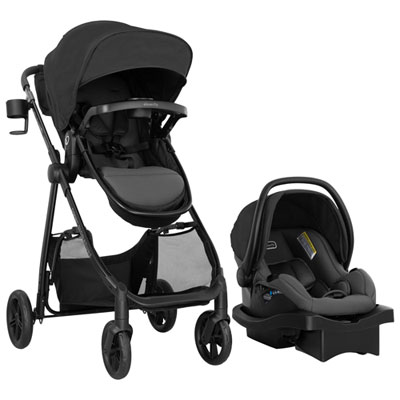
Rear-facing car seats support a young child’s head, neck, and spine by helping distribute crash forces across the back of the seat. Designed for the earliest stages of travel, they suit everything from a newborn’s first ride home to a toddler’s daily trips to child care. The right fit depends on a child’s height and weight, the seat’s stated limits, and the space inside the vehicle—not age alone. Children should remain rear-facing until they reach the maximum rear-facing height or weight limit specified by the manufacturer, whichever comes first, while also meeting any other fit requirements in the manual. An infant-only seat typically has a removable carrier and a base that stays installed in the vehicle, making it convenient for families who want to move between the car and a compatible stroller without unbuckling their baby. A convertible car seat stays in the vehicle and can transition from rear-facing to forward-facing use when the child meets the appropriate requirements. Some all-in-one designs accommodate additional stages, although each mode has its own fit and installation rules. These differences matter in everyday use: a removable carrier can simplify a short trip, while a convertible design may better suit a family focused on extended rear-facing use. Within the broader Car Seats category, rear-facing designs serve babies and young children who still need this protective orientation. A toddler resting their feet against the vehicle seat or sitting with bent legs has not necessarily outgrown a rear-facing seat; the manufacturer’s limits and clearance requirements determine that. Seats intended for use in Canada should carry the National Safety Mark, and families also need to follow their province’s or territory’s child passenger safety requirements. For expectant parents, grandparents, and other regular caregivers, a seat matched to both the child and the vehicle is a practical foundation for everyday travel.
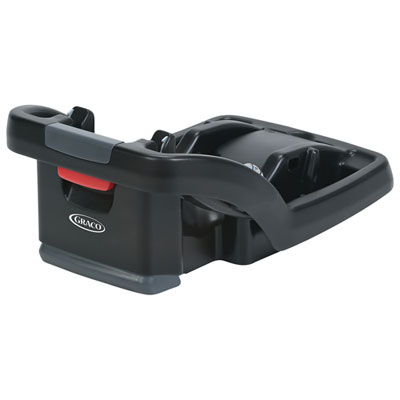
Vehicle fit can make a noticeable difference to how comfortably a rear-facing car seat works for the whole family. A compact car may have limited front-to-back space, particularly when a tall adult occupies the seat ahead of the child. Larger vehicles can present their own challenges, including contoured cushions, narrow seating positions, or restricted access to a third row. The seat’s width, permitted recline positions, and installation requirements are more useful than a general description such as compact or spacious. Newborns need the manufacturer-specified recline angle to help maintain an open airway, while some seats permit a more upright rear-facing position as a child grows. A built-in angle indicator can make that distinction easier to see. Rear-facing seats belong in the back seat, and must never be placed in front of an active frontal airbag. The most suitable rear seating position is one where the car seat can be installed correctly according to both the vehicle and car seat manuals. Installation generally uses either the Universal Anchorage System, known as UAS, or the vehicle’s seat belt; both should not be used together unless explicitly permitted by both manufacturers. UAS has weight limits, so a seat belt installation may become necessary as a child grows. When checked at the belt path, a correctly secured seat should move less than 2.5 cm (1 inch) from side to side or front to back. Features such as accessible belt paths, clearly marked routing, and approved built-in belt-tightening mechanisms can make regular use more manageable, especially when caregivers transfer a seat between vehicles. An additional compatible base may be useful for an infant carrier that travels in more than one car. Stroller compatibility also needs confirmation rather than assumption, including whether an approved adapter is required. For families fitting several children across one row, each seat needs a correct, independent installation without neighbouring seats interfering with buckles or positioning.
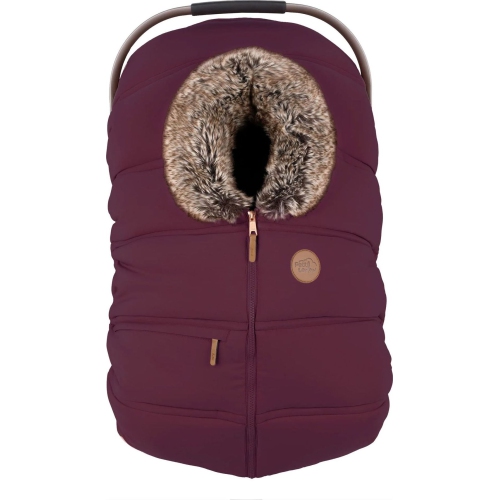
Materials and adjustment features shape the daily experience of using rear-facing car seats, from fastening a small baby’s harness to cleaning up after a spilled drink. Many designs combine a rigid shell with energy-absorbing materials and a padded fabric cover, but the construction, padding, and permitted accessories vary. Soft upholstery can make the seating surface pleasant without replacing the need for a secure harness fit. For rear-facing use, harness straps generally sit at or just below the child’s shoulders, following the seat manual, with the chest clip at armpit level and no excess webbing that can be pinched at the shoulder. An adjustable headrest and harness can accommodate growth, while accessible controls are helpful when several caregivers share the daily buckle-up routine. Infant inserts should be used only as directed, including any stated removal point; extra head supports, cushions, or strap covers should not be added unless approved by the car seat manufacturer for that seat. During cooler weather, thin, close-fitting layers allow the harness to sit securely against the child. Bulky coats and snowsuits can compress in a crash and leave the harness too loose, so warmth is better added over the properly fastened harness with a blanket kept clear of the face. Care requirements are worth considering before a seat becomes part of a busy routine. Removable covers can make small messes easier to manage, but machine washing is appropriate only when the instructions allow it. Harness webbing, buckles, and the shell may each require different cleaning methods, and soaking straps or using harsh cleaners can damage components. Durability also involves the seat’s service life, not simply whether the fabric still looks tidy. The expiry date, recall status, missing parts, and crash history all matter, especially for a seat passed between households. Registering a seat helps the manufacturer communicate safety notices. As a gift for growing families, a car seat is most useful when chosen with the caregivers so the fit, handling, and intended use match their needs. Although an infant carrier makes transitions convenient, it is intended for travel rather than routine sleep outside the vehicle; a baby who falls asleep should be moved to an appropriate firm, flat sleep surface after arrival.
Vehicle fit can make a noticeable difference to how comfortably a rear-facing car seat works for the whole family. A compact car may have limited front-to-back space, particularly when a tall adult occupies the seat ahead of the child. Larger vehicles can present their own challenges, including contoured cushions, narrow seating positions, or restricted access to a third row. The seat’s width, permitted recline positions, and installation requirements are more useful than a general description such as compact or spacious. Newborns need the manufacturer-specified recline angle to help maintain an open airway, while some seats permit a more upright rear-facing position as a child grows. A built-in angle indicator can make that distinction easier to see. Rear-facing seats belong in the back seat, and must never be placed in front of an active frontal airbag. The most suitable rear seating position is one where the car seat can be installed correctly according to both the vehicle and car seat manuals. Installation generally uses either the Universal Anchorage System, known as UAS, or the vehicle’s seat belt; both should not be used together unless explicitly permitted by both manufacturers. UAS has weight limits, so a seat belt installation may become necessary as a child grows. When checked at the belt path, a correctly secured seat should move less than 2.5 cm (1 inch) from side to side or front to back. Features such as accessible belt paths, clearly marked routing, and approved built-in belt-tightening mechanisms can make regular use more manageable, especially when caregivers transfer a seat between vehicles. An additional compatible base may be useful for an infant carrier that travels in more than one car. Stroller compatibility also needs confirmation rather than assumption, including whether an approved adapter is required. For families fitting several children across one row, each seat needs a correct, independent installation without neighbouring seats interfering with buckles or positioning.
Materials and adjustment features shape the daily experience of using rear-facing car seats, from fastening a small baby’s harness to cleaning up after a spilled drink. Many designs combine a rigid shell with energy-absorbing materials and a padded fabric cover, but the construction, padding, and permitted accessories vary. Soft upholstery can make the seating surface pleasant without replacing the need for a secure harness fit. For rear-facing use, harness straps generally sit at or just below the child’s shoulders, following the seat manual, with the chest clip at armpit level and no excess webbing that can be pinched at the shoulder. An adjustable headrest and harness can accommodate growth, while accessible controls are helpful when several caregivers share the daily buckle-up routine. Infant inserts should be used only as directed, including any stated removal point; extra head supports, cushions, or strap covers should not be added unless approved by the car seat manufacturer for that seat. During cooler weather, thin, close-fitting layers allow the harness to sit securely against the child. Bulky coats and snowsuits can compress in a crash and leave the harness too loose, so warmth is better added over the properly fastened harness with a blanket kept clear of the face. Care requirements are worth considering before a seat becomes part of a busy routine. Removable covers can make small messes easier to manage, but machine washing is appropriate only when the instructions allow it. Harness webbing, buckles, and the shell may each require different cleaning methods, and soaking straps or using harsh cleaners can damage components. Durability also involves the seat’s service life, not simply whether the fabric still looks tidy. The expiry date, recall status, missing parts, and crash history all matter, especially for a seat passed between households. Registering a seat helps the manufacturer communicate safety notices. As a gift for growing families, a car seat is most useful when chosen with the caregivers so the fit, handling, and intended use match their needs. Although an infant carrier makes transitions convenient, it is intended for travel rather than routine sleep outside the vehicle; a baby who falls asleep should be moved to an appropriate firm, flat sleep surface after arrival.
Top selling and popular products
-
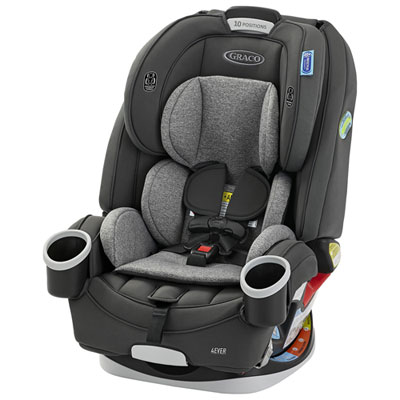 Your price for this item is $539.99
 -
 Your price for this item is $509.99
 -
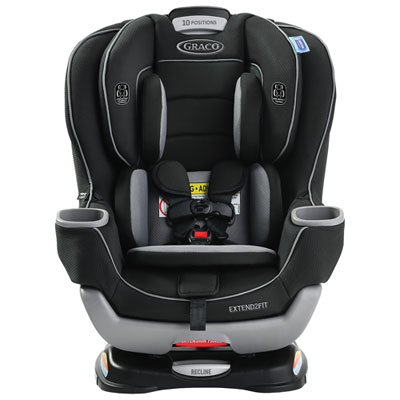 Your price for this item is $299.99
 -
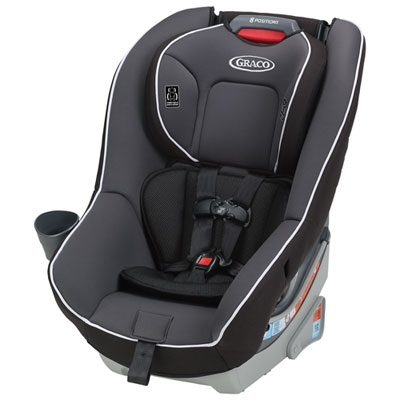 Your price for this item is $359.99
 -
 Your price for this item is $459.99
 -
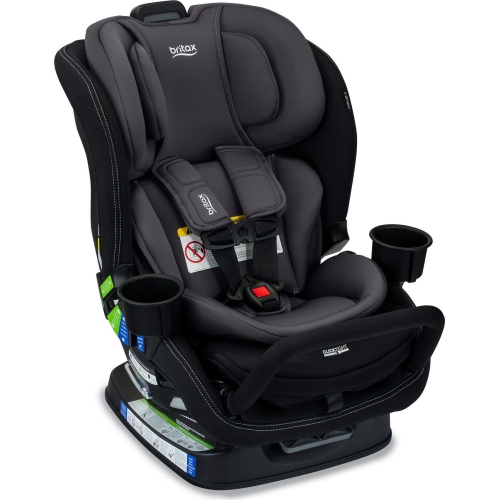 Your price for this item is $549.97
 -
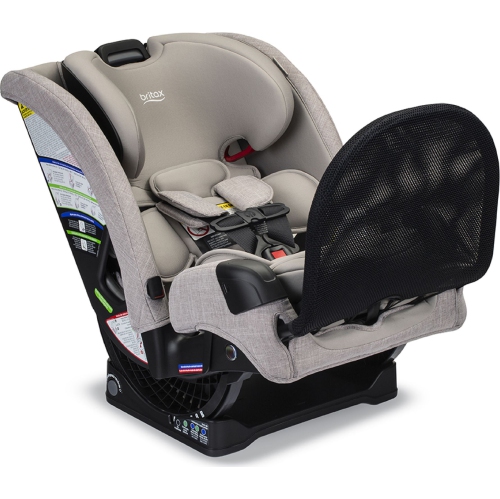 Your price for this item is $729.95
 -
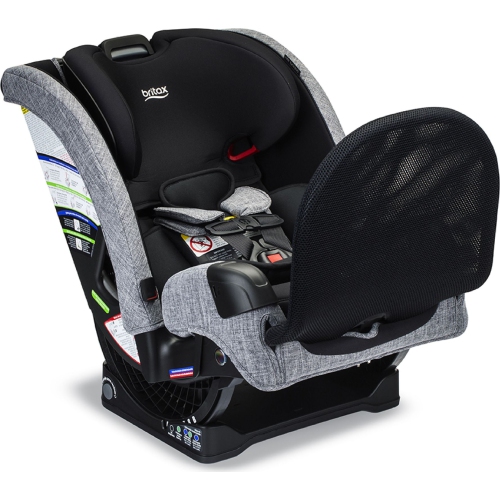 Your price for this item is $729.99
Discover more categories related to Rear Facing Car Seats
Top Collections:
Pokemon Centers, Kindle Devices, Best Budget Office Chairs, Apple iPhones 16, Canon G7X Cameras, iPhone 15 Apple, Alarm Clock, Refurbished Apple Laptops, Flip Phones, Best Laptops for Writers
Some products may be subject to Environmental Handling Fees
(EHF) depending on your province.
Learn more about EHFs.