High Back Car Seats
High-back car seats are an essential safety feature for children in the car. They provide additional support and protection, especially for young children, and are designed to keep the child in a safe and secure position. If you're looking for a car seat for your child, it's important to consider a high-back option. Here are some of the great options.
Sort
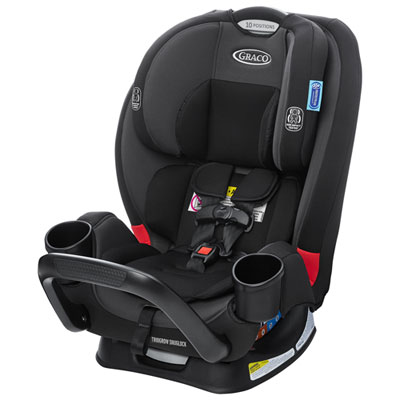

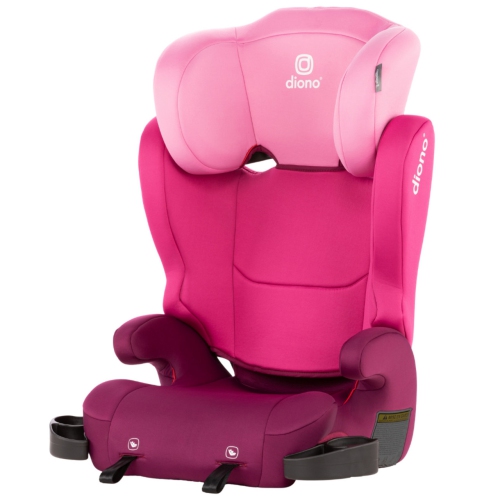
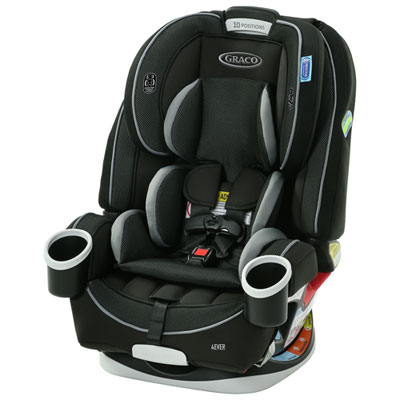
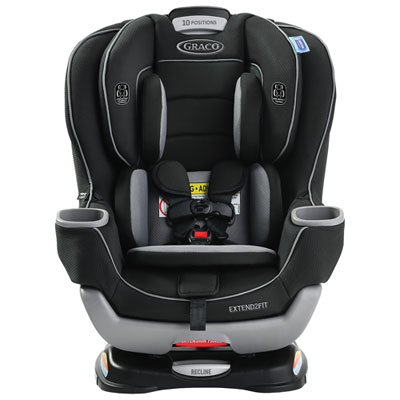
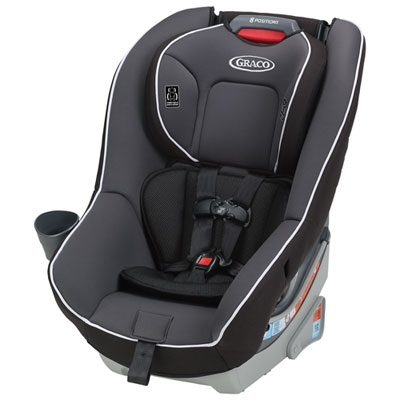
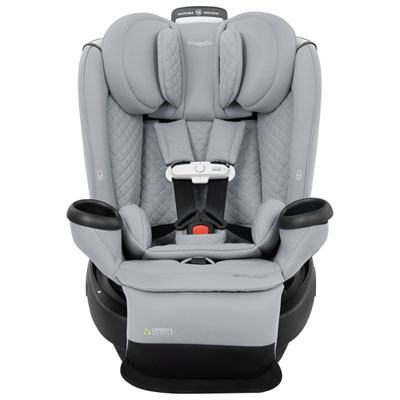
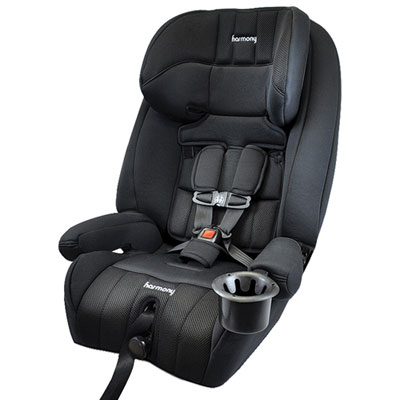
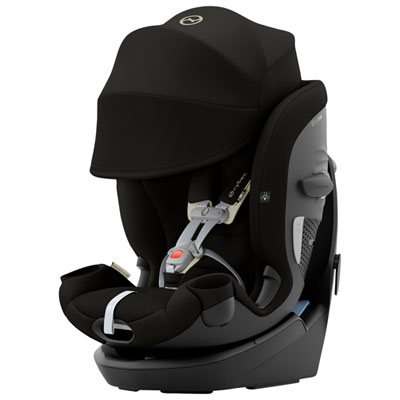
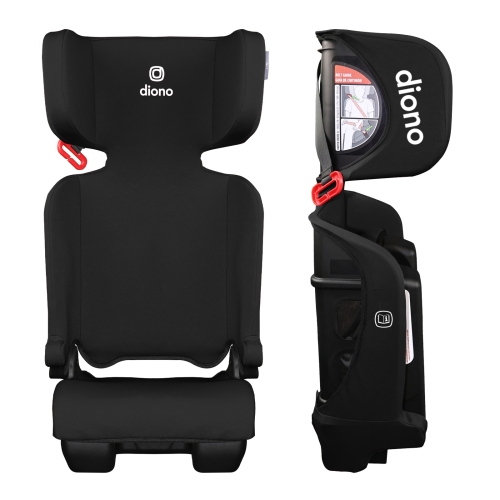
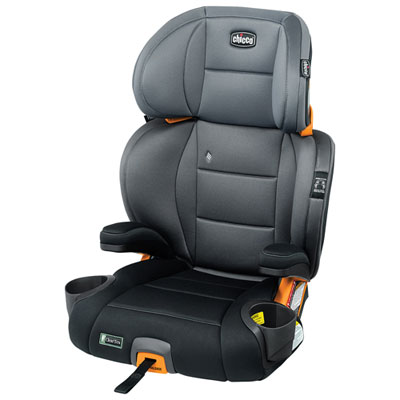
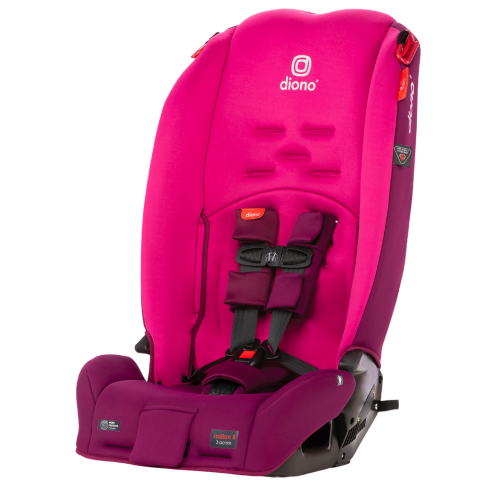
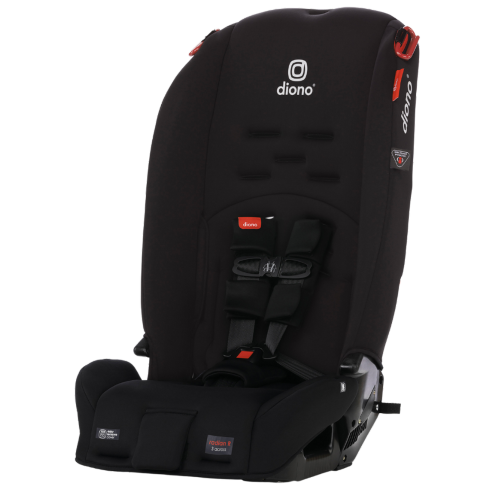
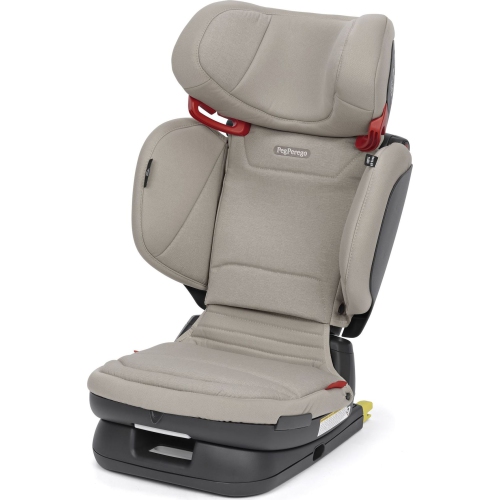
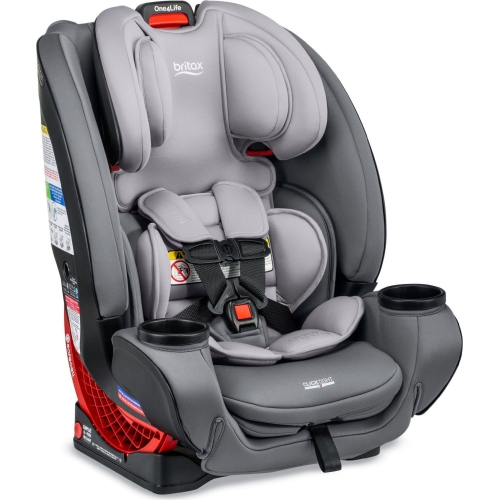
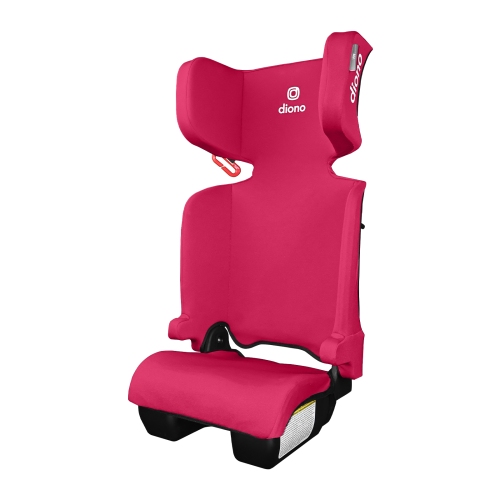
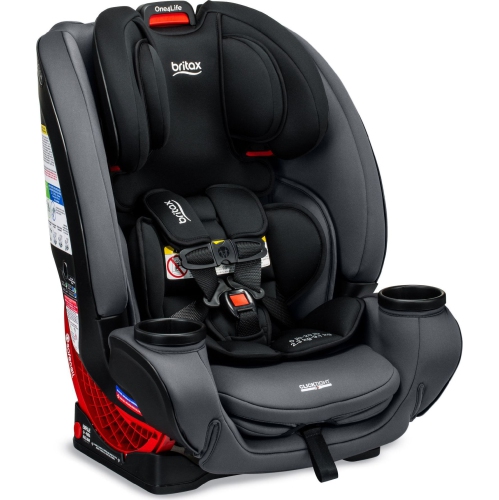
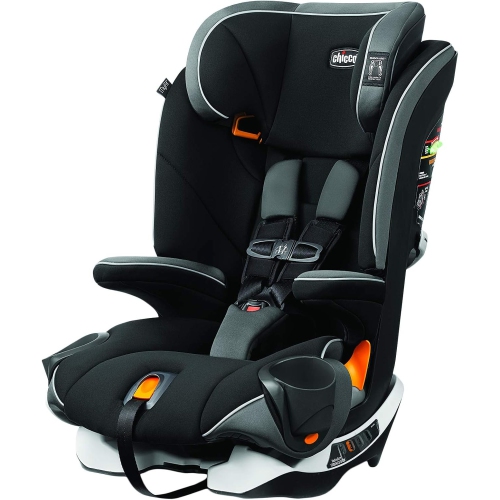
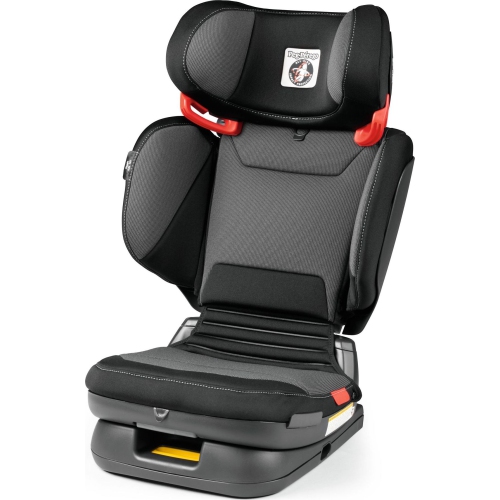
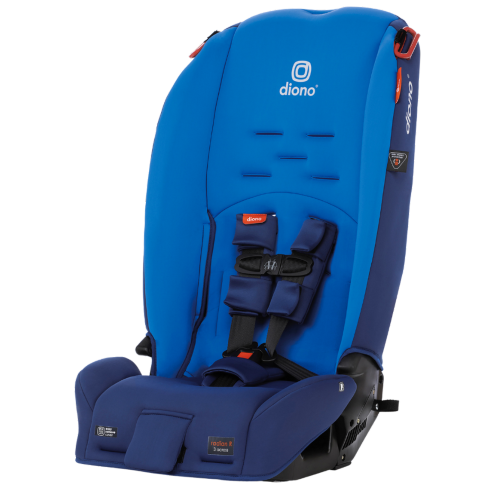
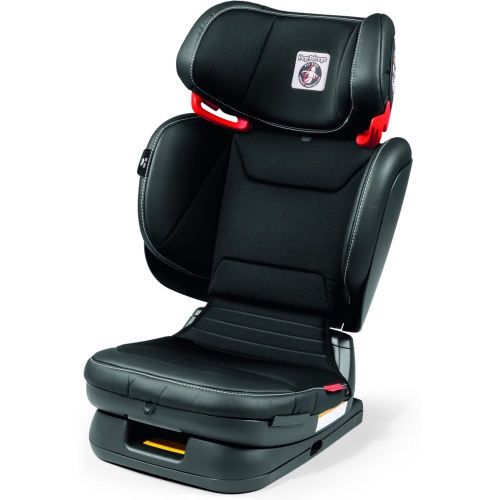
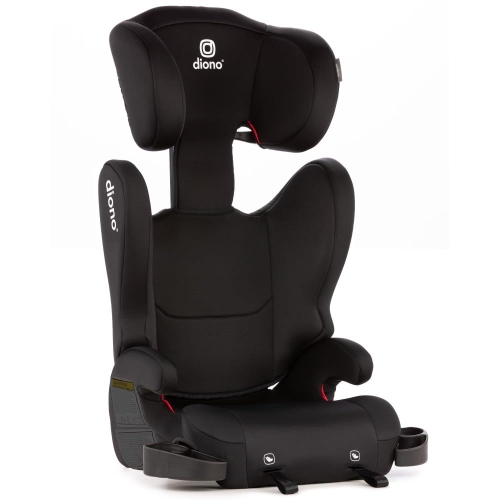
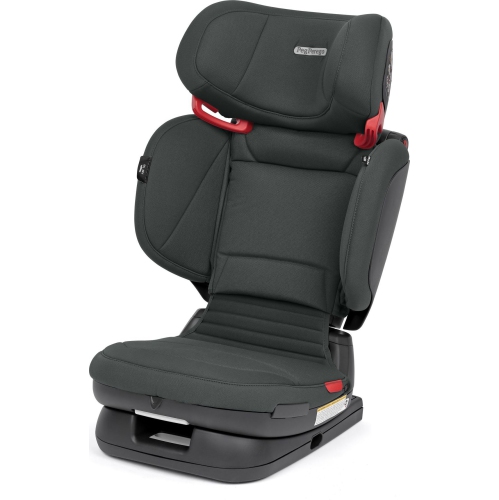
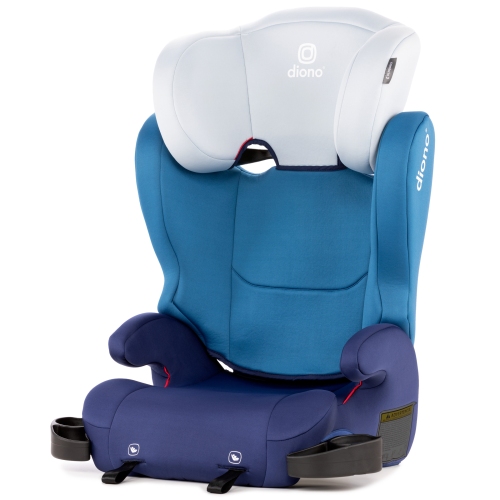
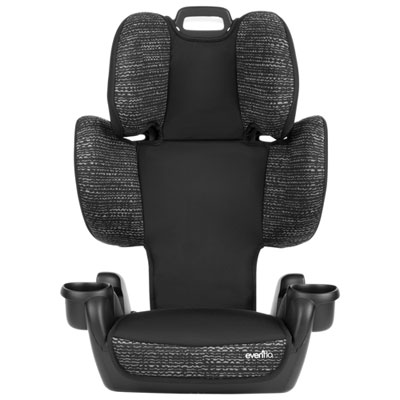
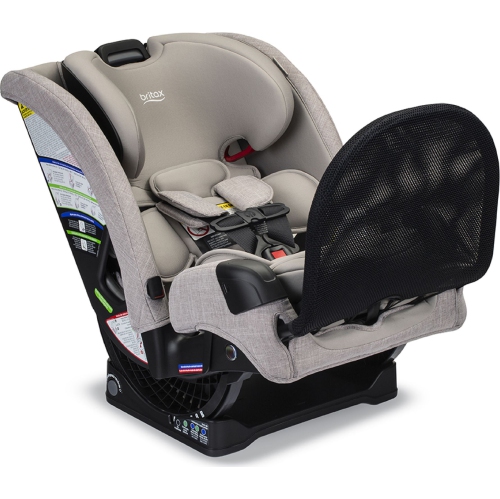
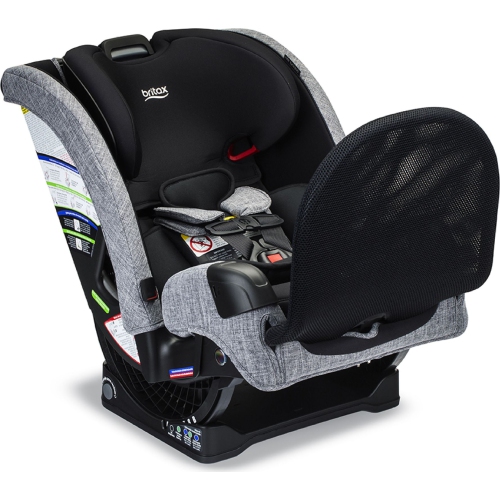
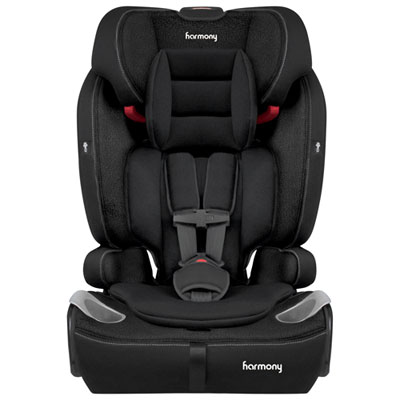
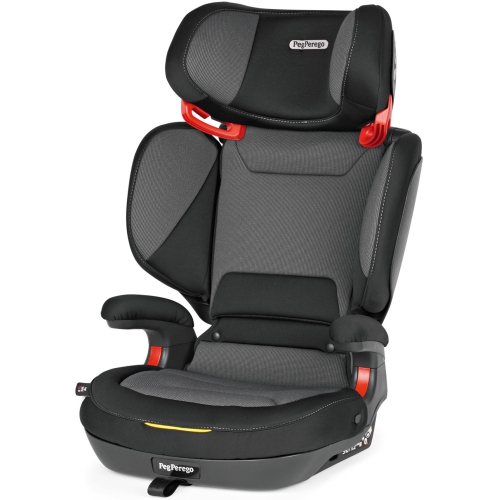
Proper belt fit, comfort and readiness for growing children
High back car seats, also called high-back booster seats, help position a vehicle’s seat belt so it fits a growing child more safely and comfortably. They are generally intended for children who have outgrown a forward-facing car seat with an internal harness but are not yet large enough for the vehicle seat belt to fit properly on its own. The right time to move to a booster depends on the child’s height, weight, developmental readiness and the limits listed by the seat manufacturer, so age alone should not determine the transition. Many children use a high-back booster through the early school years, and some continue using one as they grow because it provides helpful belt guidance and support. A properly positioned lap belt should lie low across the upper thighs or hips, never across the stomach, while the shoulder belt should cross the chest and rest near the centre of the shoulder and collarbone. The booster should allow the child to sit upright with their back against the vehicle seat, knees bending naturally at the edge of the cushion and feet supported as much as possible. High-back designs can be especially useful for children who tend to lean, slump or fall asleep during longer drives, since the back and side supports can encourage a more stable seating position. They can also be a practical choice when a vehicle’s seat back or head restraint does not provide adequate support around the child’s head and neck. Always check the vehicle owner’s manual and the car seat instructions together, as compatibility, seating positions and installation requirements can vary.
Choosing a high back car seat starts with finding a model that suits both the child and the vehicle. Check the approved height and weight range, the width of the base, the shape of the vehicle seat and the available space beside other passengers or car seats. Adjustable headrests and shoulder-belt guides can provide room to accommodate growth, while padded seating, breathable covers and supportive side wings can make everyday rides more pleasant. Some seats include UAS or LATCH connectors to help secure the booster when it is unoccupied, or to add stability as the child climbs in and out; these connectors do not replace the vehicle seat belt for restraining the child, and their use must follow the instructions for both the seat and the vehicle. Other high-back boosters are secured only by the seat belt, which can be a convenient option when the seat is moved between vehicles. For families with more than one driver, grandparents, shared-care arrangements or regular carpooling, weight and simple belt routing may matter as much as padding and adjustability. A seat that is easy to move, clean and identify at a glance can make busy school runs less stressful. Look for clear belt paths, accessible adjustment points and removable covers that can be cleaned according to the manufacturer’s directions. A high-back booster may also be a thoughtful gift for a child who is ready to move beyond a harnessed seat, provided the giver confirms the child’s measurements and the family’s vehicle needs first. Families comparing more premium materials, finishes or additional comfort features may also wish to browse High End Car Seats while keeping fit and correct use as the first priorities.
Daily comfort and correct use are particularly important during the cooler months, when children may wear bulky jackets, snowsuits or layered clothing in the vehicle. Thick outerwear can create extra space between the child and the belt, so it is safer to remove a bulky coat before buckling up and place a blanket over the secured harness or seat belt if needed. The belt should lie flat and remain snug without twists, and the child should not tuck the shoulder belt behind their back or under their arm. Before each trip, take a quick look at the belt position, the headrest height and the child’s posture, especially after the seat has been moved or the vehicle has been cleaned. Avoid placing a booster in a seating position that does not have a usable lap-and-shoulder belt, unless the manufacturer and vehicle instructions specifically allow it. Keep the booster’s registration and instruction information available, follow all applicable Canadian and provincial or territorial requirements, and replace the seat after a collision or when it reaches its stated expiry or service limit. As children grow, reassess the fit rather than relying on a familiar routine: they are usually ready to use the vehicle seat belt without a booster only when they can sit all the way back against the seat, keep their knees comfortably bent at the edge, maintain that position for the entire ride and achieve a proper lap-and-shoulder belt fit. With the right match for the child, vehicle and daily routine, a high-back car seat can provide dependable belt positioning and reassuring support for school trips, family drives and longer journeys.
Choosing a high back car seat starts with finding a model that suits both the child and the vehicle. Check the approved height and weight range, the width of the base, the shape of the vehicle seat and the available space beside other passengers or car seats. Adjustable headrests and shoulder-belt guides can provide room to accommodate growth, while padded seating, breathable covers and supportive side wings can make everyday rides more pleasant. Some seats include UAS or LATCH connectors to help secure the booster when it is unoccupied, or to add stability as the child climbs in and out; these connectors do not replace the vehicle seat belt for restraining the child, and their use must follow the instructions for both the seat and the vehicle. Other high-back boosters are secured only by the seat belt, which can be a convenient option when the seat is moved between vehicles. For families with more than one driver, grandparents, shared-care arrangements or regular carpooling, weight and simple belt routing may matter as much as padding and adjustability. A seat that is easy to move, clean and identify at a glance can make busy school runs less stressful. Look for clear belt paths, accessible adjustment points and removable covers that can be cleaned according to the manufacturer’s directions. A high-back booster may also be a thoughtful gift for a child who is ready to move beyond a harnessed seat, provided the giver confirms the child’s measurements and the family’s vehicle needs first. Families comparing more premium materials, finishes or additional comfort features may also wish to browse High End Car Seats while keeping fit and correct use as the first priorities.
Daily comfort and correct use are particularly important during the cooler months, when children may wear bulky jackets, snowsuits or layered clothing in the vehicle. Thick outerwear can create extra space between the child and the belt, so it is safer to remove a bulky coat before buckling up and place a blanket over the secured harness or seat belt if needed. The belt should lie flat and remain snug without twists, and the child should not tuck the shoulder belt behind their back or under their arm. Before each trip, take a quick look at the belt position, the headrest height and the child’s posture, especially after the seat has been moved or the vehicle has been cleaned. Avoid placing a booster in a seating position that does not have a usable lap-and-shoulder belt, unless the manufacturer and vehicle instructions specifically allow it. Keep the booster’s registration and instruction information available, follow all applicable Canadian and provincial or territorial requirements, and replace the seat after a collision or when it reaches its stated expiry or service limit. As children grow, reassess the fit rather than relying on a familiar routine: they are usually ready to use the vehicle seat belt without a booster only when they can sit all the way back against the seat, keep their knees comfortably bent at the edge, maintain that position for the entire ride and achieve a proper lap-and-shoulder belt fit. With the right match for the child, vehicle and daily routine, a high-back car seat can provide dependable belt positioning and reassuring support for school trips, family drives and longer journeys.
Top selling and popular products
-
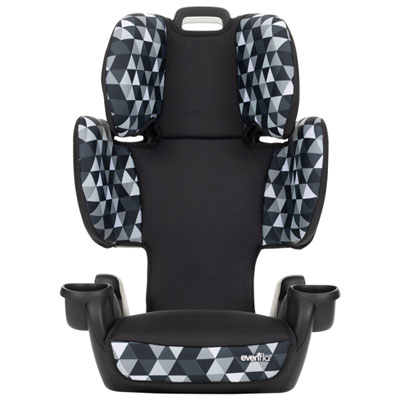 Your price for this item is $119.99
 -
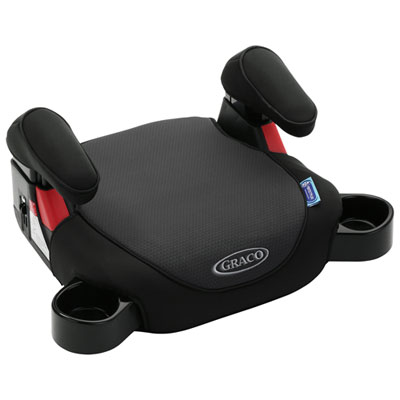 Your price for this item is $69.99
 -
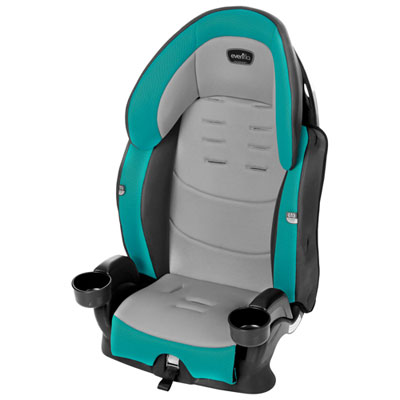 Your price for this item is $169.99
 -
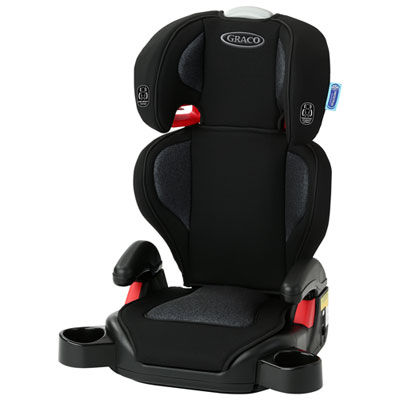 Your price for this item is $129.99
 -
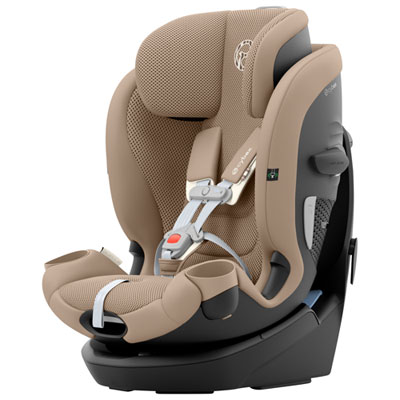 Your price for this item is $999.99
 -
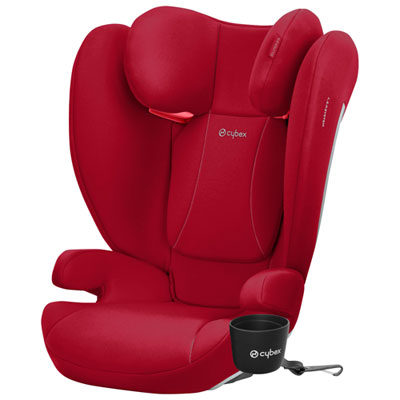 Your price for this item is $99.99
 -
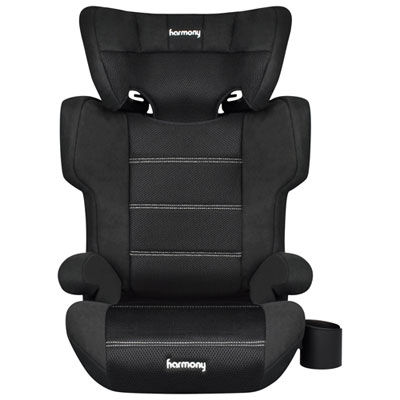 Your price for this item is $99.99
 -
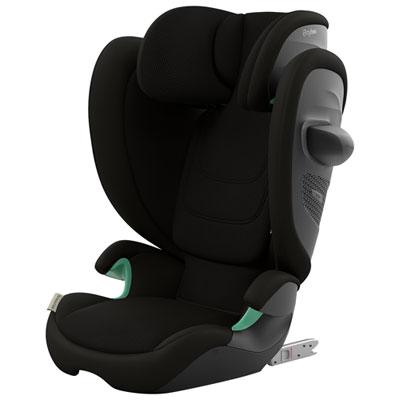 Your price for this item is $399.99
Discover more categories related to High Back Car Seats
Top Collections:
Pokemon Centers, Kindle Devices, Best Budget Office Chairs, Apple iPhones 16, Canon G7X Cameras, iPhone 15 Apple, Alarm Clock, Refurbished Apple Laptops, Flip Phones, Best Laptops for Writers
Some products may be subject to Environmental Handling Fees
(EHF) depending on your province.
Learn more about EHFs.