Graco Strollers
If you'e looking for a convenient way to transport your little one while on the go, this selection of strollers offers a variety of features to suit your lifestyle and needs. Whether you're looking for lightweight, compact options for easy maneuverability or rugged models designed to handle rough terrain, we have the perfect stroller to keep your child comfortable and safe during outings. Explore this range of strollers with innovative designs and practical functionalities to make every stroll a breeze.
Sort

The stroller details that make everyday outings smoother
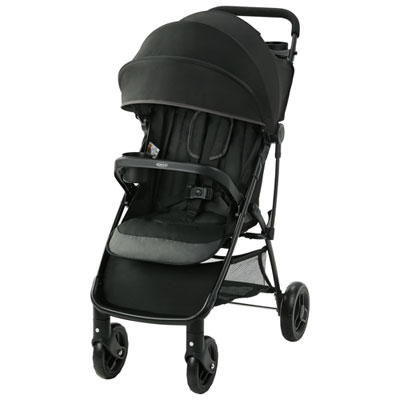
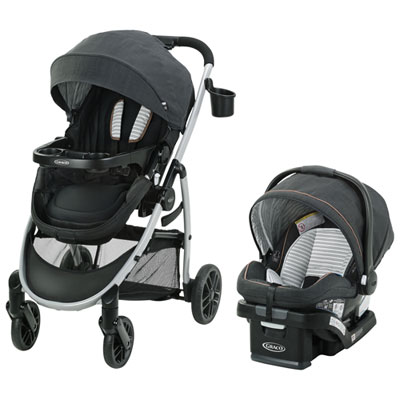
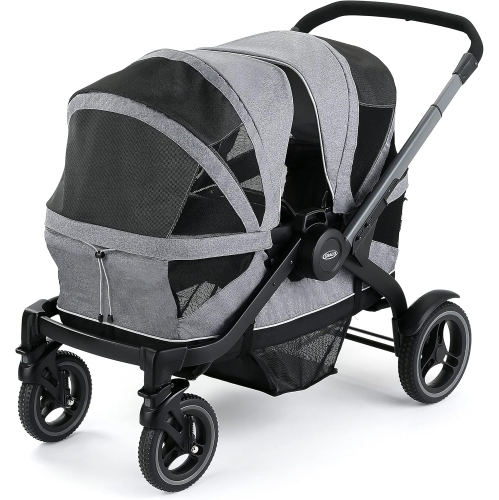
Strollers give babies and young children a comfortable place to ride while helping parents and caregivers move through everyday outings with less to carry. A walk to the library, a trip through a shopping centre, or the journey from a parking space to a childcare entrance can each call for a different balance of size, storage, and manoeuvrability. Full-size designs often offer roomy seating and generous baskets, while lightweight designs place more emphasis on easy lifting and a smaller folded shape. Travel systems pair a stroller with a compatible infant car seat, making it possible to move the seat between its vehicle base and stroller attachment according to the manufacturer’s instructions. Compatibility is specific: an infant car seat should only be attached to a stroller approved for that pairing, with the correct adapter when one is required. For families with two young children, double strollers offer seating arrangements that may place riders beside one another or one behind the other. Some expandable designs can accommodate a growing family, although additional seating depends on the frame’s approved configurations and limits. Beyond the overall format, the feel of a stroller matters in small, repeated moments. A handle that sits comfortably in the caregiver’s hands, a brake that is straightforward to engage, and a fold that fits into a vehicle’s cargo area can make daily routines smoother. Storage needs are equally personal: a diaper bag, a change of clothes, and a small snack container take up space quickly. Basket access can also change when the seat is reclined, so both capacity and opening size matter. Families exploring different design approaches can find broader context on the Stroller Brands page, while keeping their attention on the seating, handling, and transport features that suit their own routines. The most practical fit is often the one that handles familiar spaces well, from a narrow apartment entrance to the spot reserved for it beside the front door.
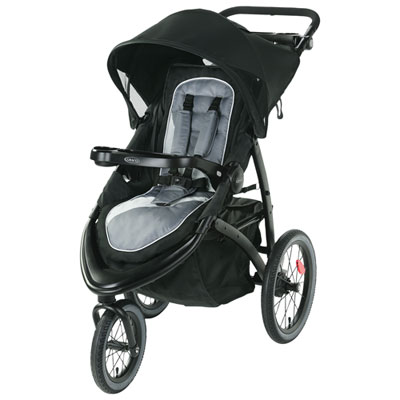
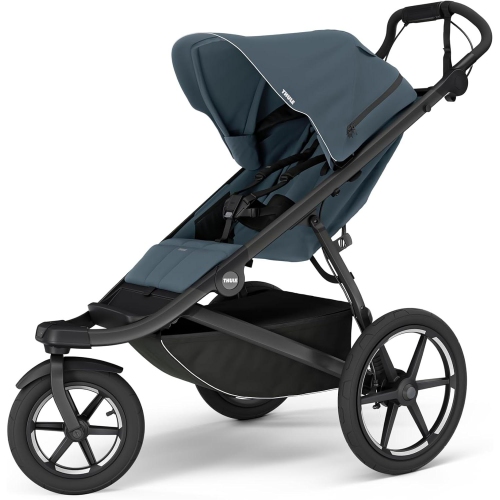
A child’s age, size, and stage of development shape which stroller seating arrangements are appropriate. A young infant needs support and positioning that meet the manufacturer’s requirements; a reclining seat alone does not necessarily make a stroller suitable from birth. Some designs accept an approved bassinet or infant car seat, while others are intended for children who have reached a stated age or can sit with sufficient control. Weight and height limits apply to each seating position and attachment, not simply to the stroller as a whole. As children grow, useful comfort details can include an adjustable footrest, supportive padding, and a harness that adjusts securely without bulky gaps. A five-point harness helps keep a child positioned in the seat, and it should be fastened and adjusted as directed whenever the stroller is in use. Recline settings can support different riding positions, but a stroller seat is not a substitute for an approved infant sleep space. Fabrics and construction also influence the daily experience. Woven synthetic upholstery is common because it can offer a practical balance of strength, weight, and ease of cleaning, while mesh panels may provide visibility or airflow on designs that include them. Frame materials, joint construction, and wheel assemblies all contribute to how solid or lightweight the stroller feels. Larger wheels may handle uneven pavement more comfortably, while smaller wheels can help keep a compact stroller easier to store. Suspension, where included, can soften some of the movement over sidewalk joints, but it does not make every stroller suitable for every surface or activity. Jogging requires a stroller specifically designed for that use, along with adherence to the stated child-readiness and operating requirements. For ordinary errands, turning through shop aisles, crossing a doorway threshold, and steering around a crowded lift are more relevant tests of handling than a sporty appearance. Caregiver fit deserves the same attention as child comfort, particularly when adults of different heights share pushing duties or when stride length brings feet close to the rear axle.
Stroller durability comes from both construction and regular care, especially around the moving parts that see repeated use. Folding hinges, wheel mounts, harness adjusters, and brakes should remain in good working order, with checks and maintenance carried out according to the manual. Crumbs collect in seat seams, dust settles around wheel hubs, and drink spills can work their way beneath removable padding. Cleaning methods vary by component: some fabric sections can be removed for washing, while others require spot cleaning with a mild solution. Care labels and manufacturer instructions take priority over a general cleaning routine, and all cleaned parts should dry fully before the stroller is folded or stored. Wheels may need debris removed, but lubricants or replacement parts should only be used where approved. A stroller that folds neatly is useful only if it can also be lifted, carried, and stored comfortably by the person using it. Folded dimensions matter in a compact vehicle, and stroller weight becomes especially noticeable when stairs sit between the home and the street. A standing fold can be convenient in a hallway where that feature is included; a secure fold lock can help keep the frame closed during transport. Everyday safety also depends on how accessories and storage are used. Bags belong in designated storage areas within their stated limits rather than hanging from the handle, where added weight can affect stability. Cup holders, trays, ride-along boards, and other attachments need to be compatible with the stroller and used as directed. These practical details make strollers a thoughtful group gift for expectant parents or a useful contribution from grandparents, provided the family’s preferences, vehicle space, and intended use are understood beforehand. A caregiver who mostly walks from home may value a different combination of features than one who regularly folds a stroller for car trips. Matching those patterns with appropriate child support, manageable dimensions, and straightforward care helps a stroller earn its place in everyday family life.
Top selling and popular products
-
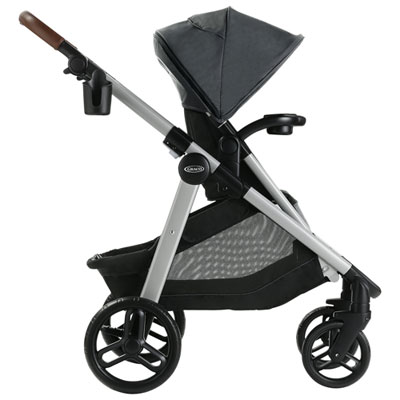 Your price for this item is $939.99
-
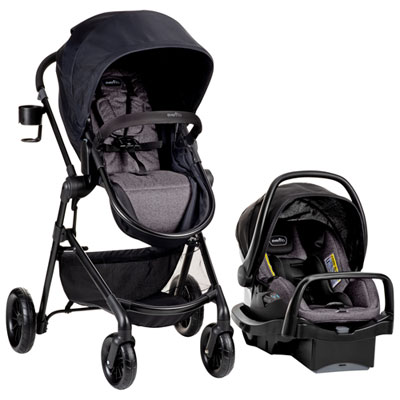 Your price for this item is $529.99
-
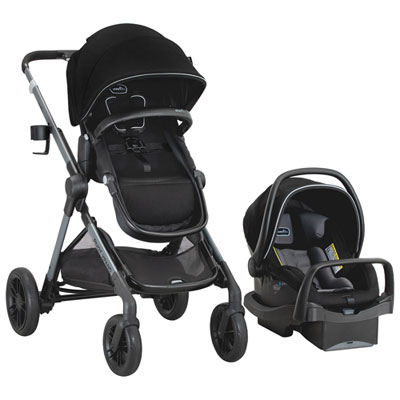 Your price for this item is $599.99
-
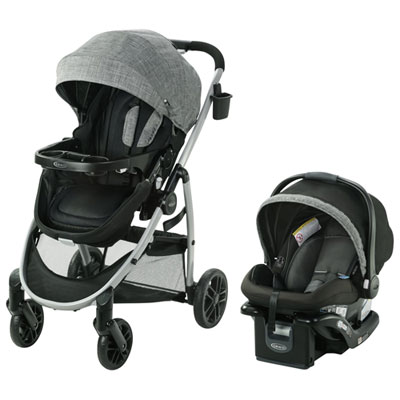 Your price for this item is $759.99
-
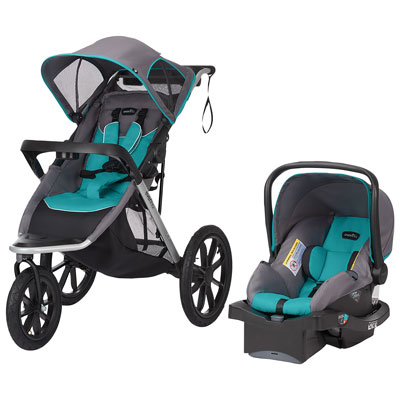 Your price for this item is $479.99
-
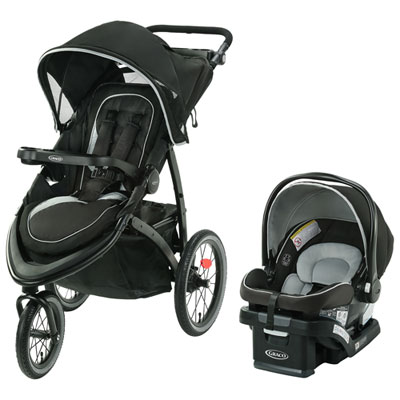 Your price for this item is $699.99
-
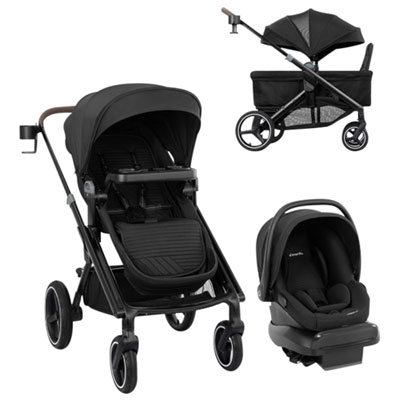 Your price for this item is $899.99
-
 Your price for this item is $449.99
Discover more categories related to Graco Strollers
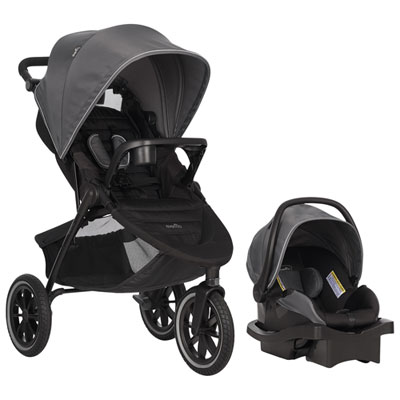
Top Collections:
Pokemon Centers, Best Budget Office Chairs, Kindle Devices, Best Cameras for Sports Photography, Pokémon 30th Celebration Cards, Best Laptops for Writers, Canon G7X Cameras, iPhone 15 Apple, Best Cell Phones Under $300, Apple iPhones 16
Some products may be subject to Environmental Handling Fees
(EHF) depending on your province.
Learn more about EHFs.