High Chairs for 12 Month Old
A high chair is a great tool for parents to have. It's a place for your baby to sit and eat, and it's also a place where you can put your baby when you're cleaning up around the house or doing other tasks. A high chair can help keep your baby safe and secure, while also keeping them comfortable and entertained. Here are some of the best high chairs for your 12-month-old baby.
Sort




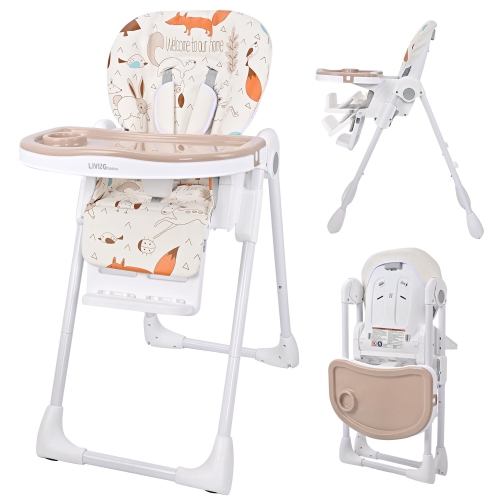
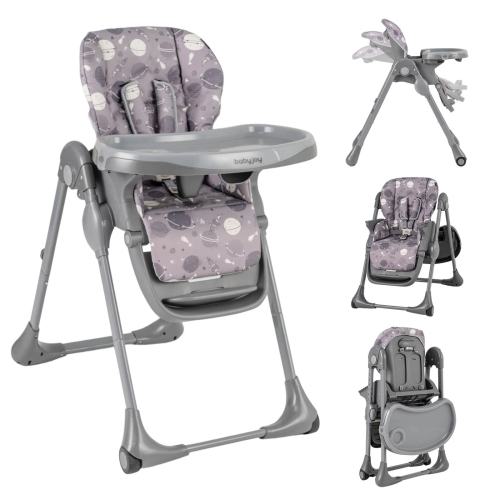

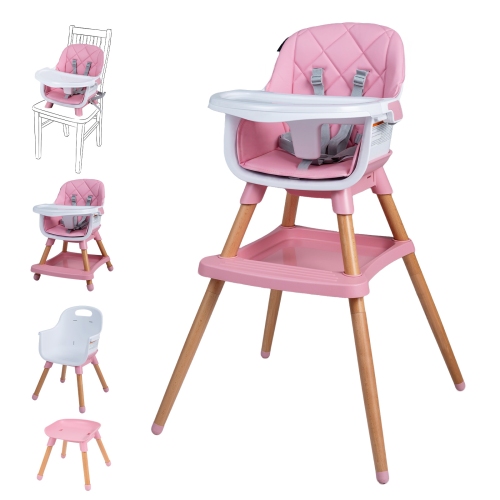
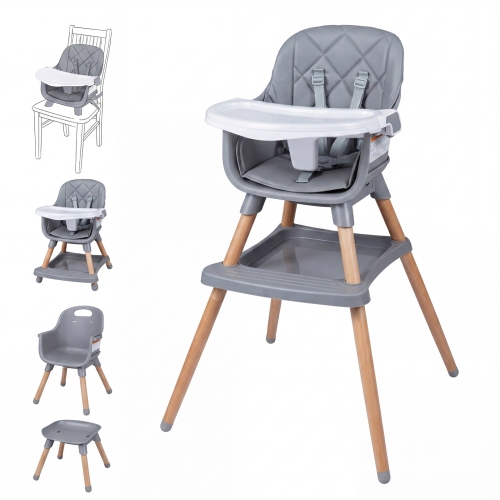
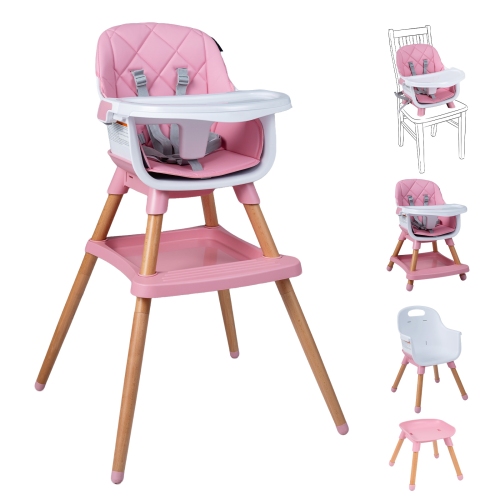
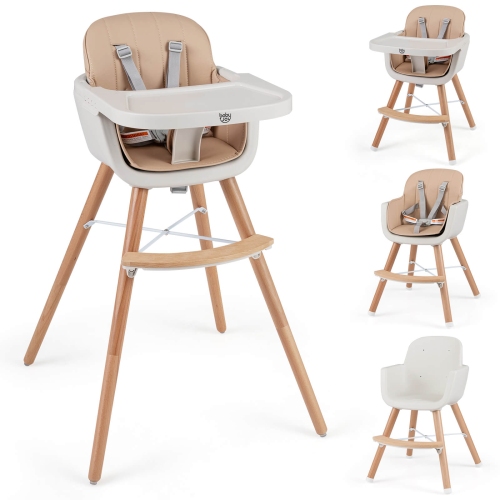
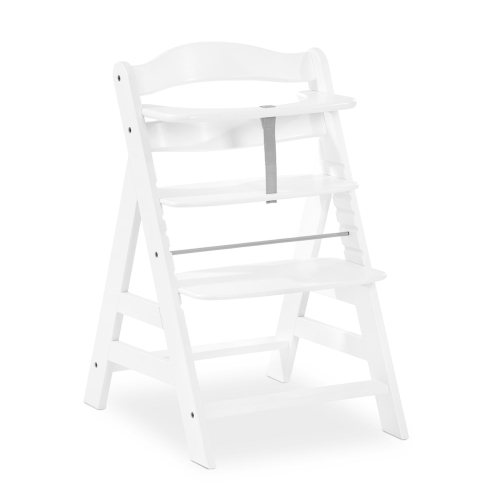
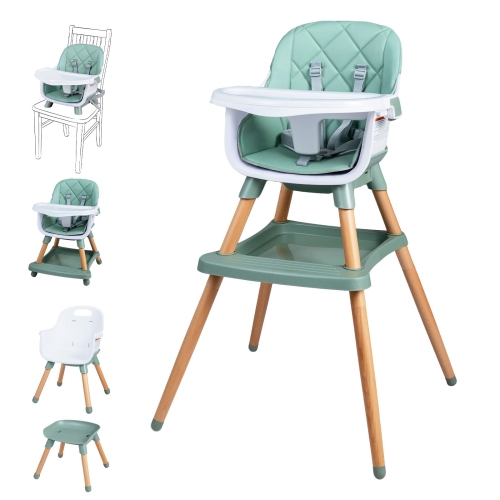
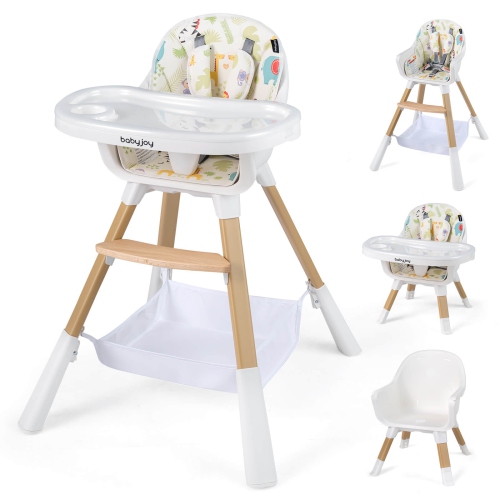
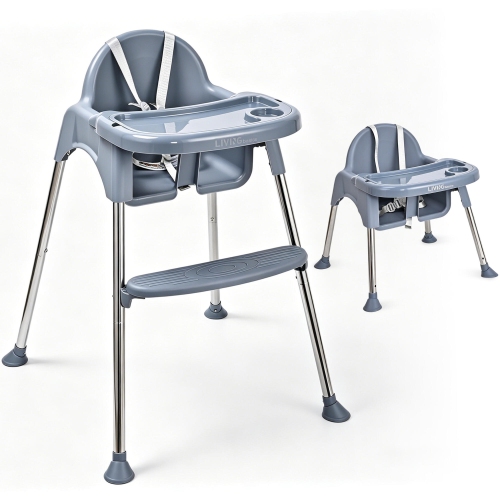
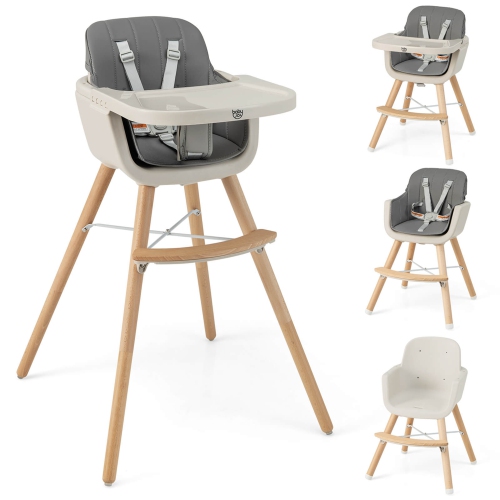


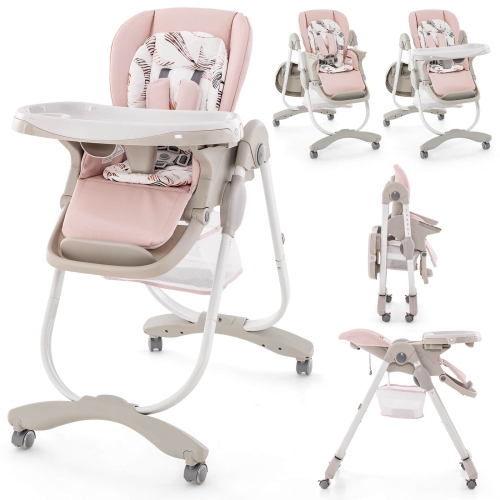
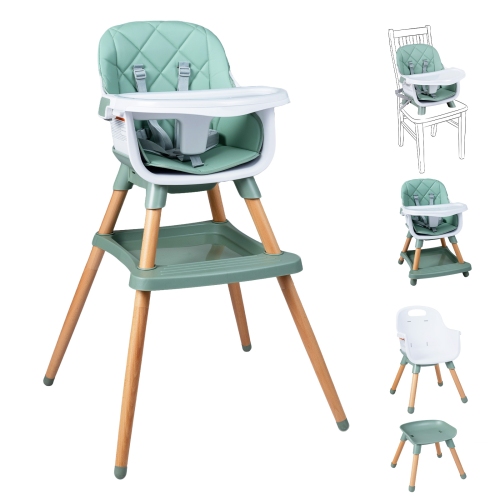

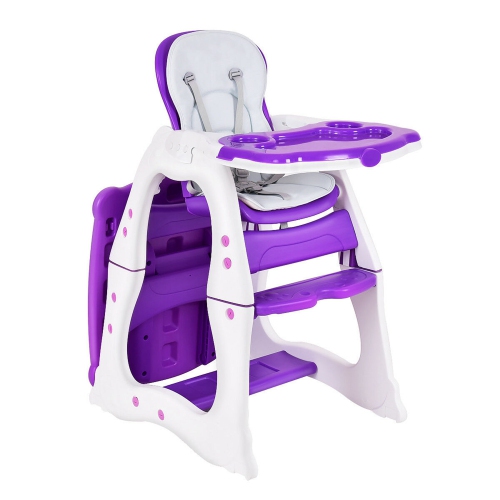
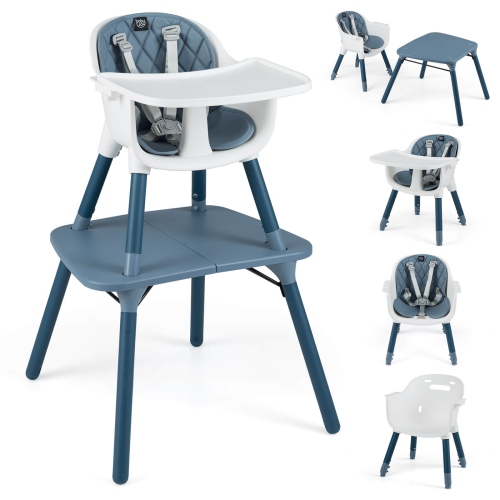


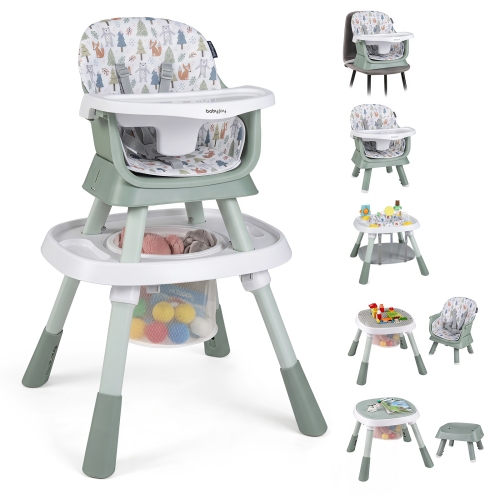
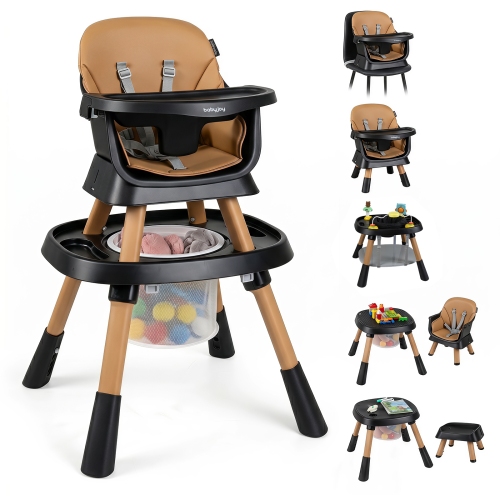
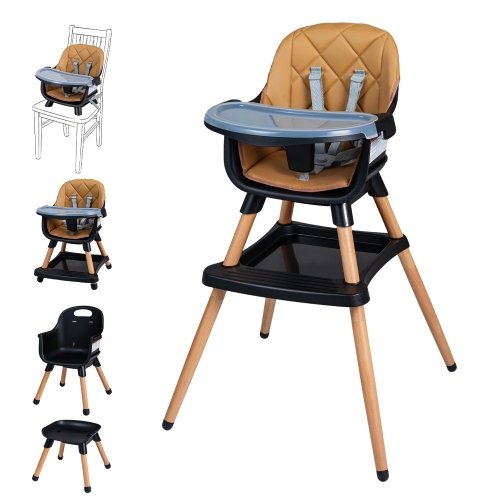
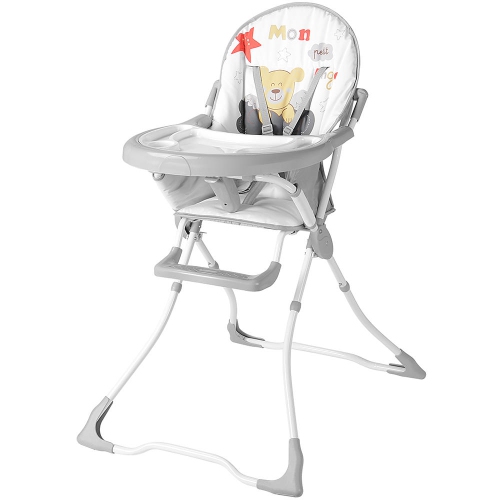


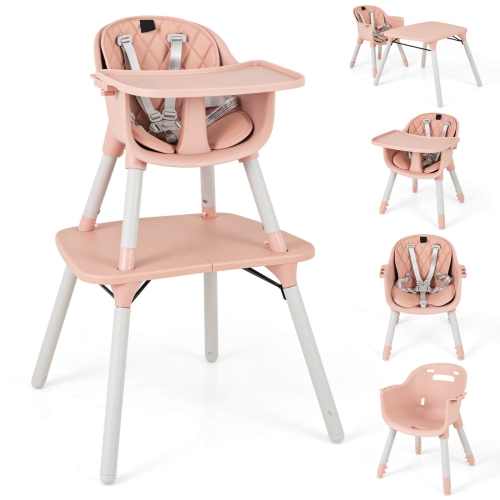

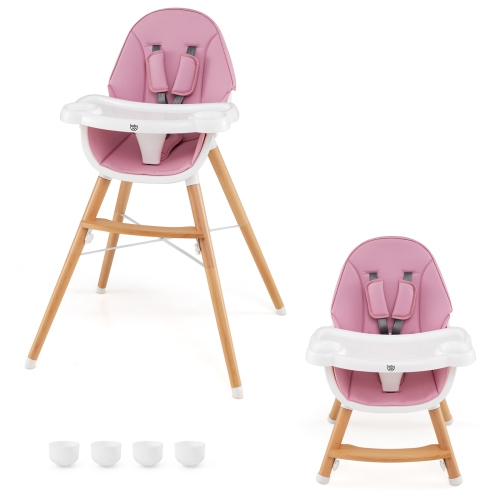
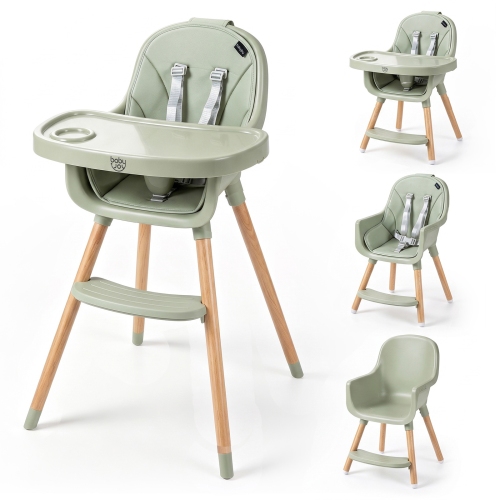
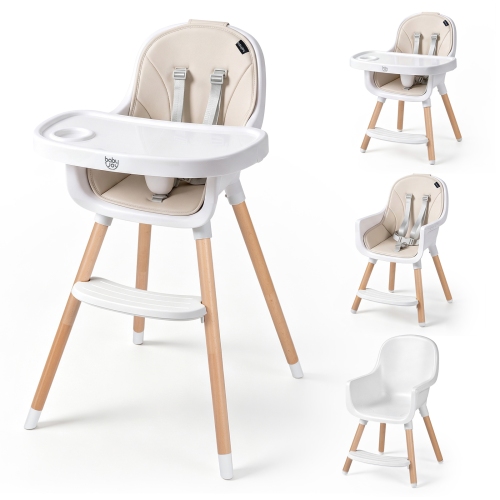

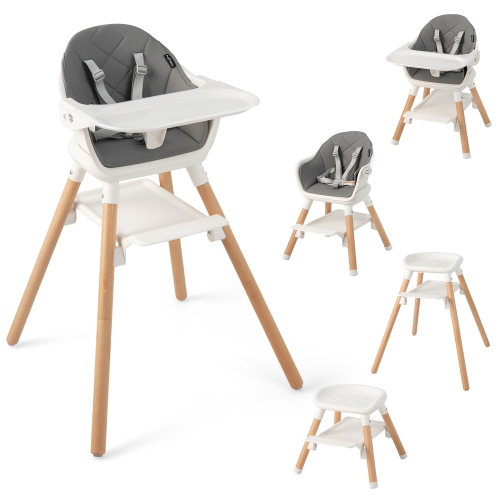
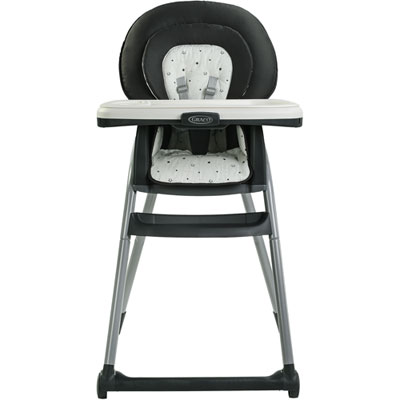
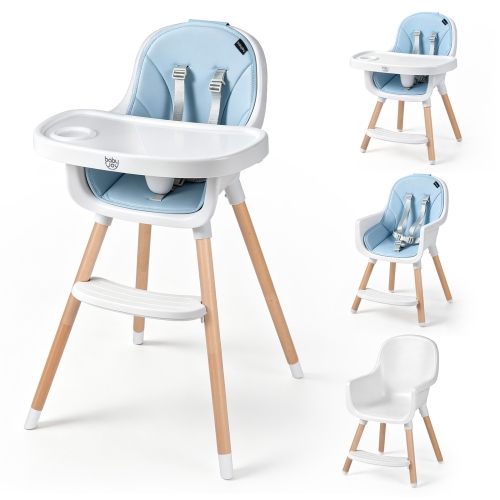

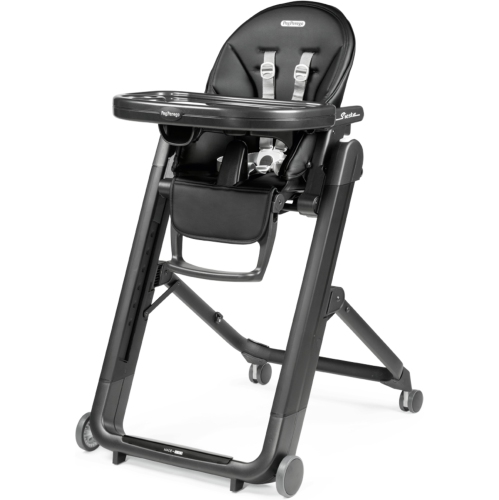
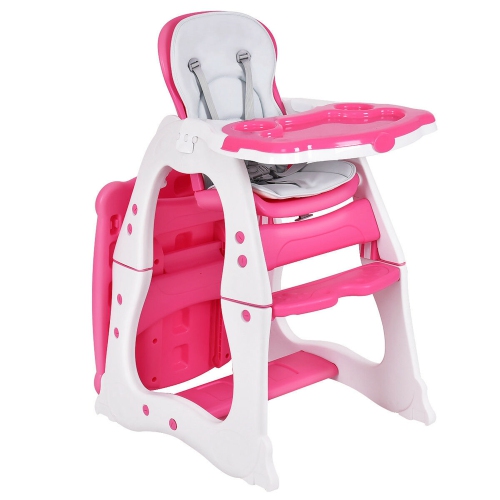



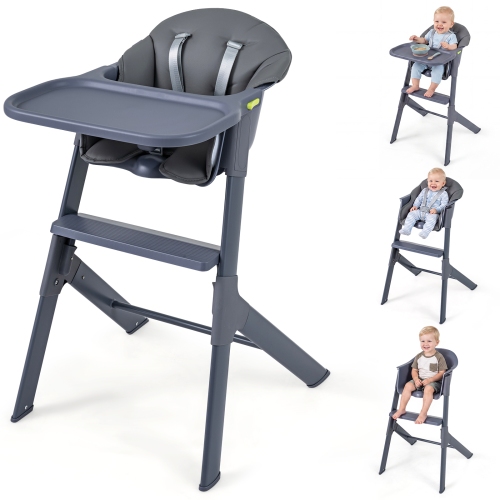
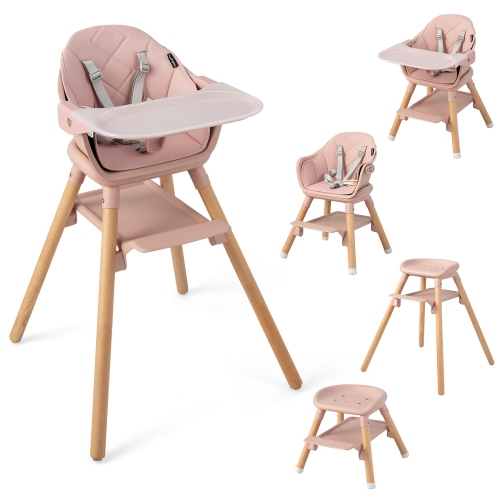

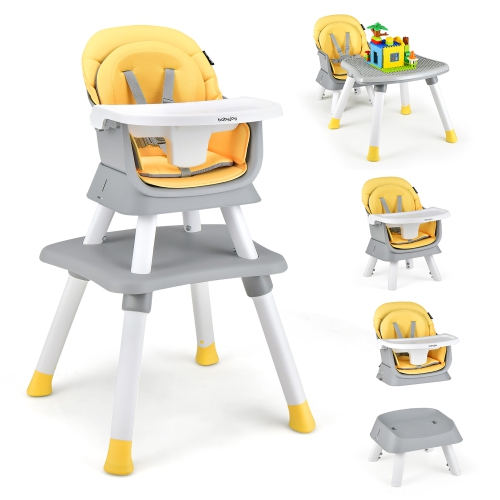

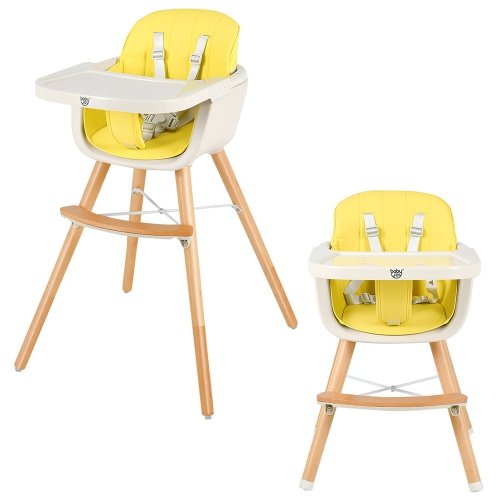


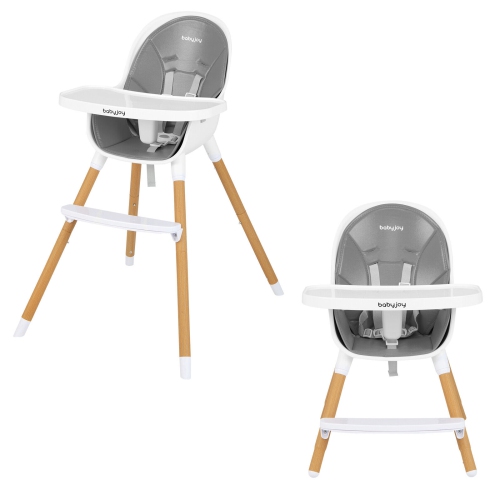

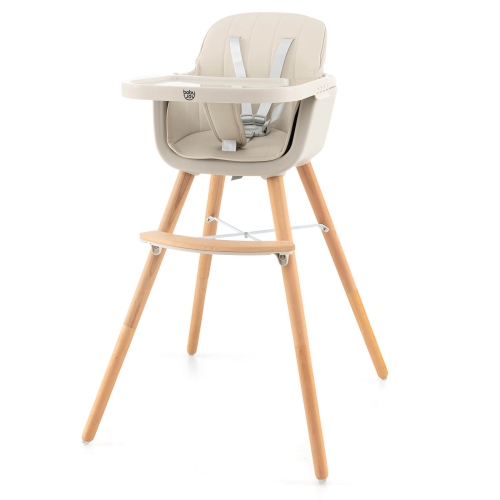
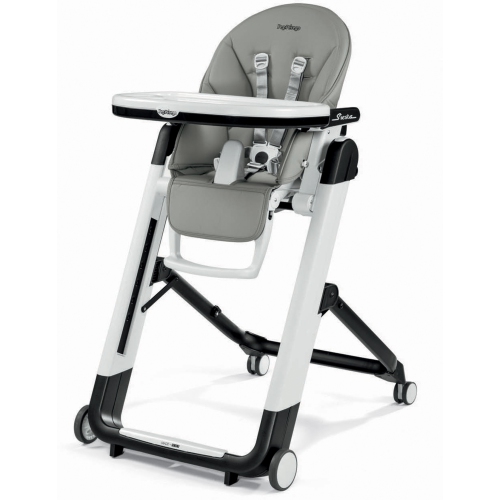
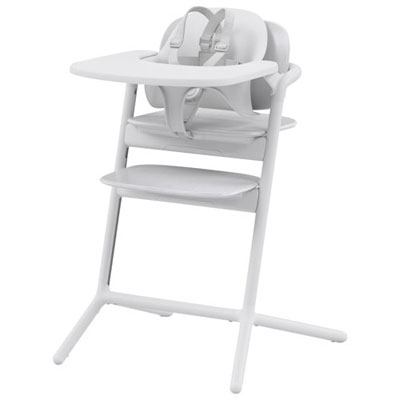
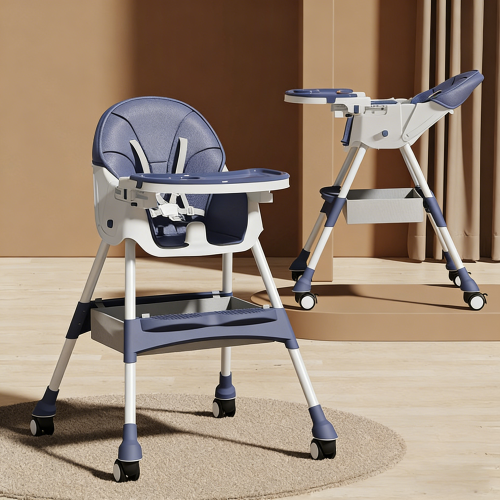
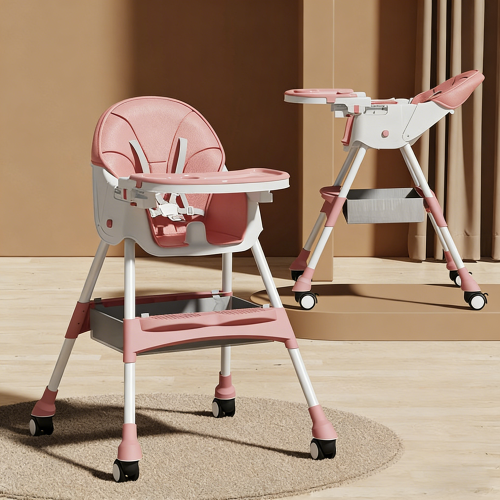
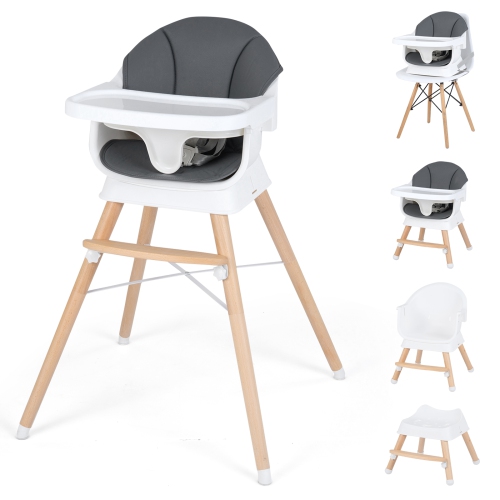
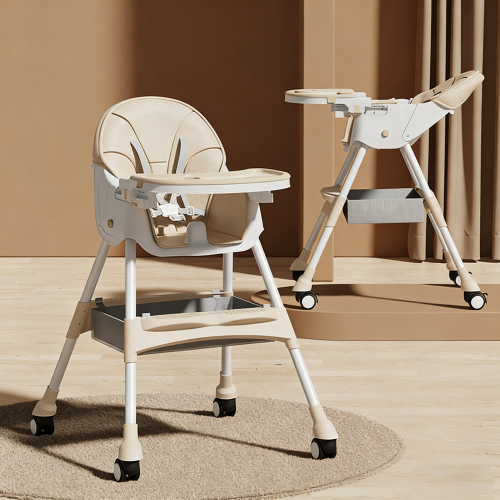

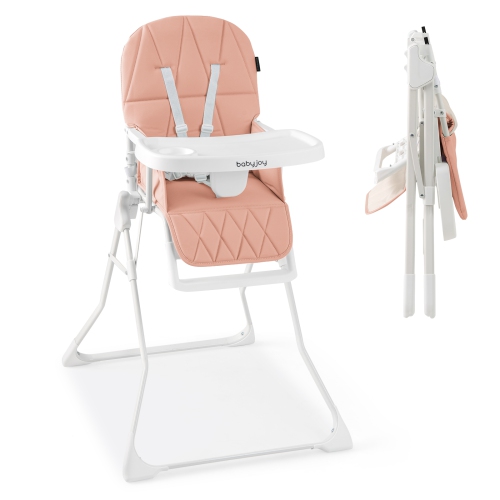
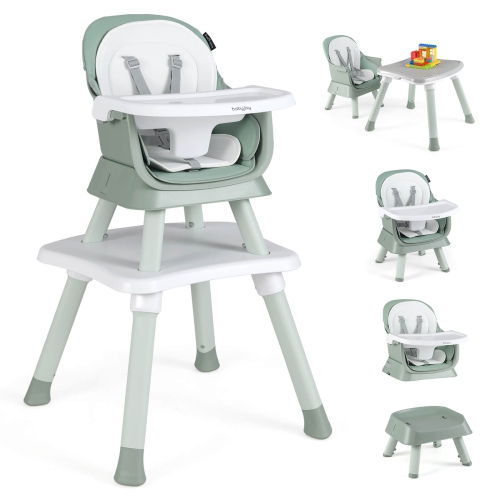
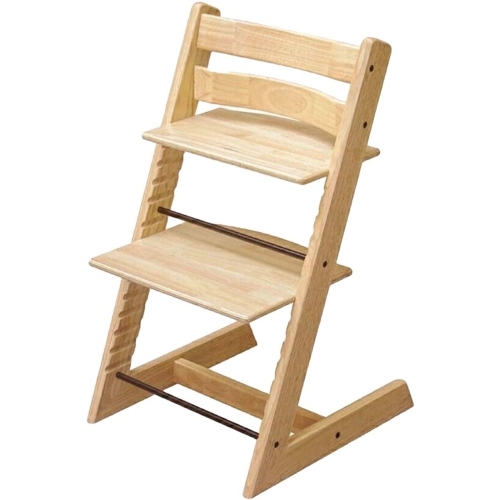

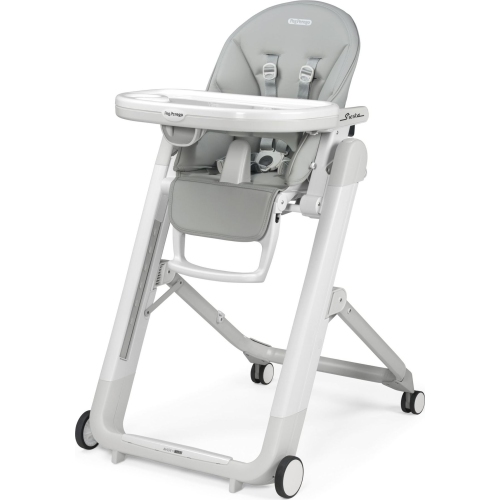




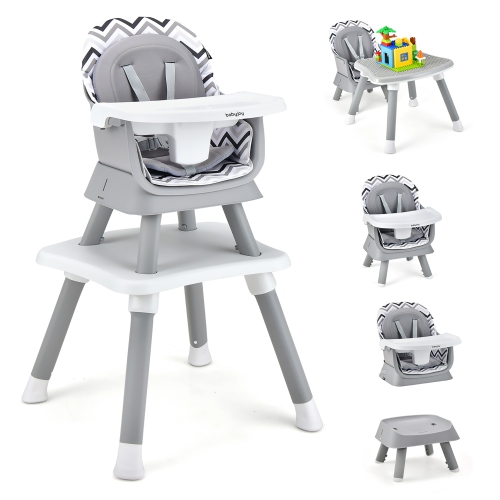

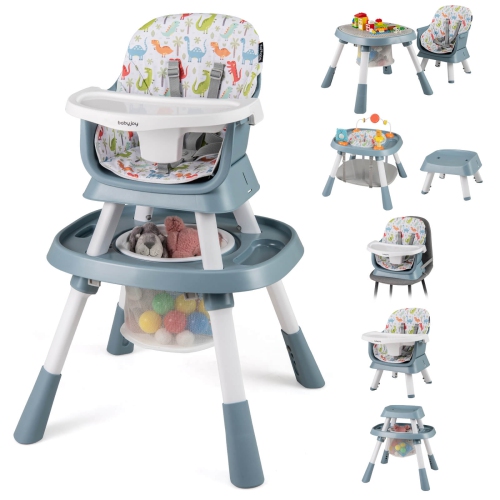
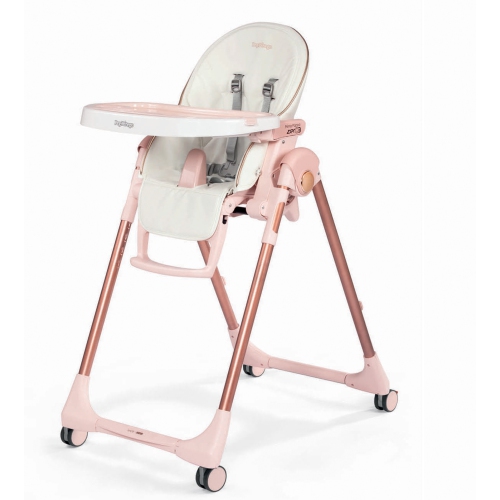

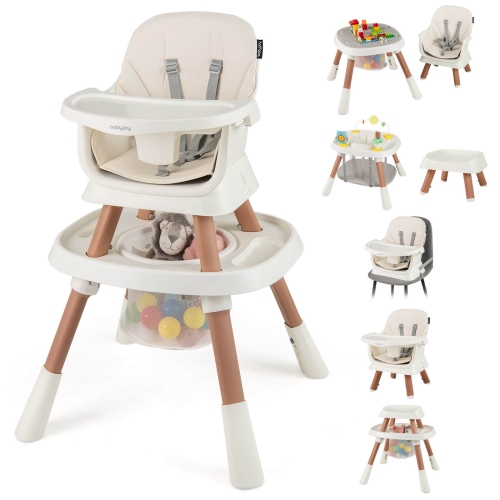


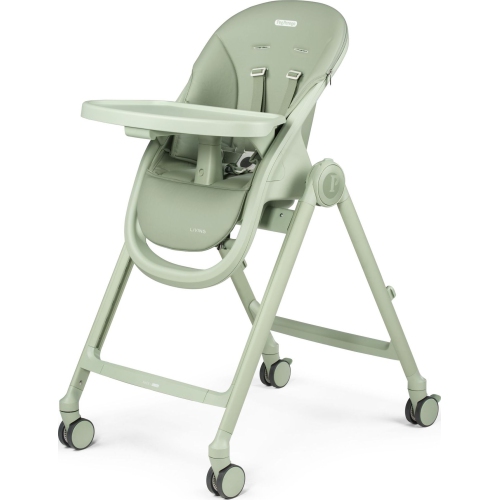
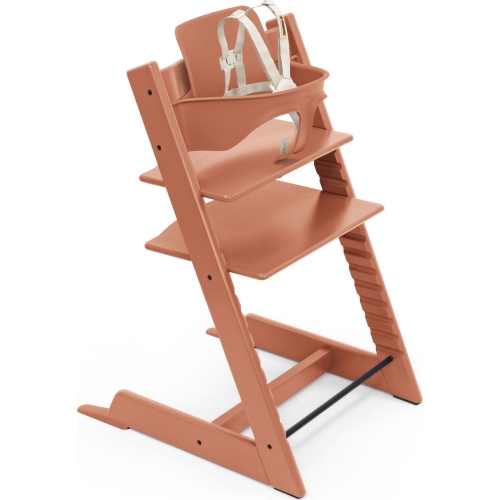


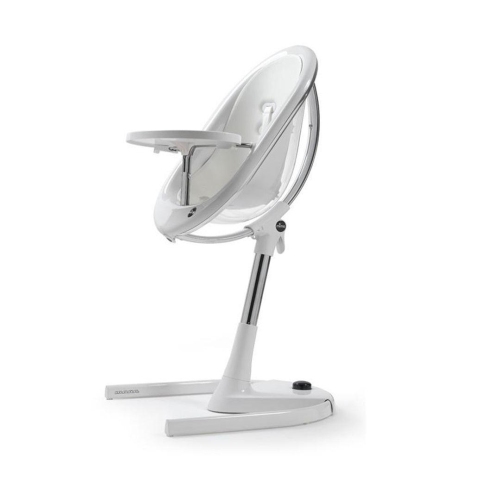


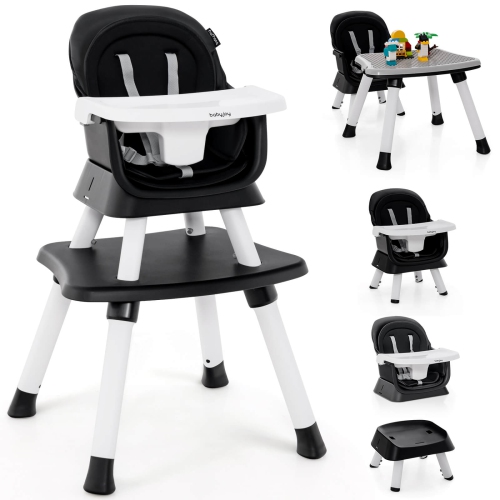


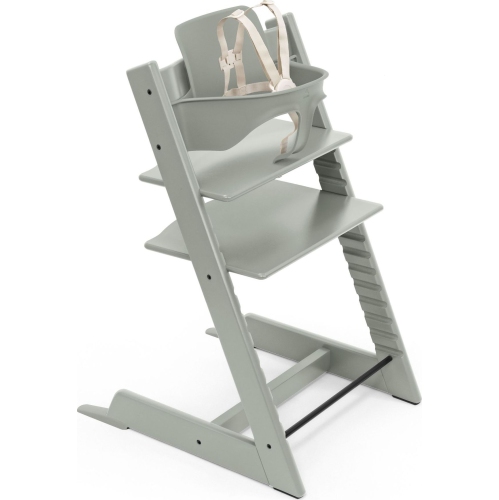
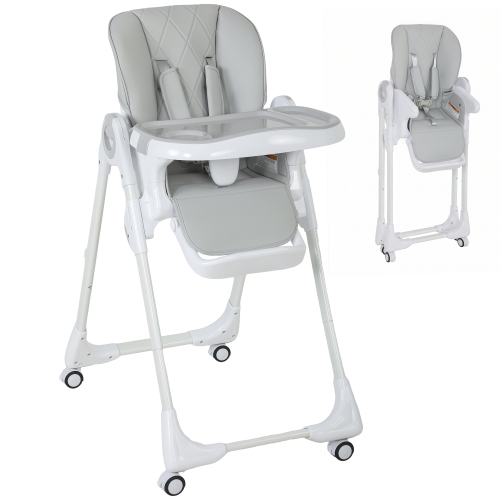


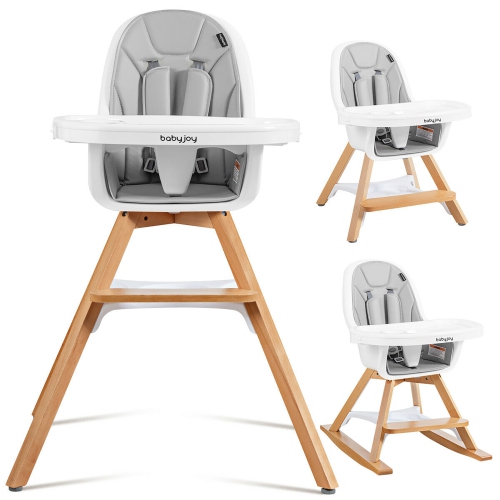


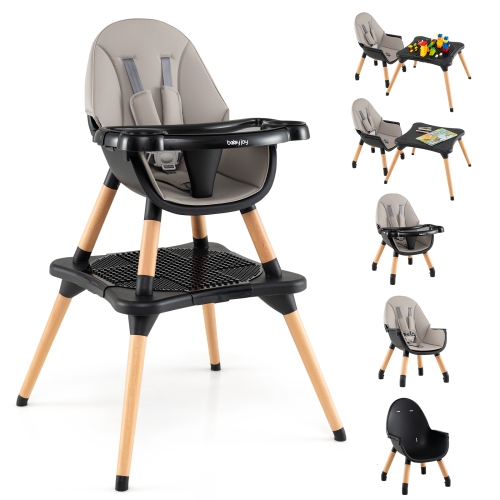




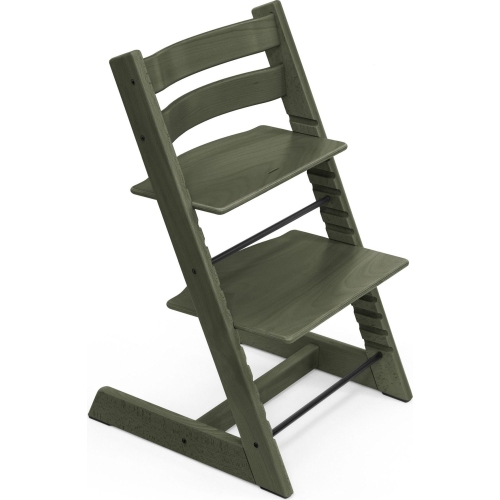

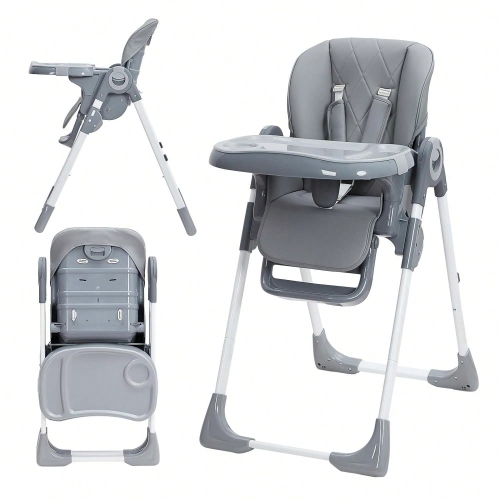

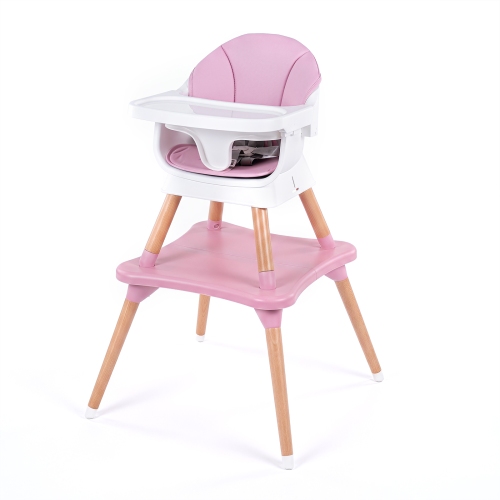
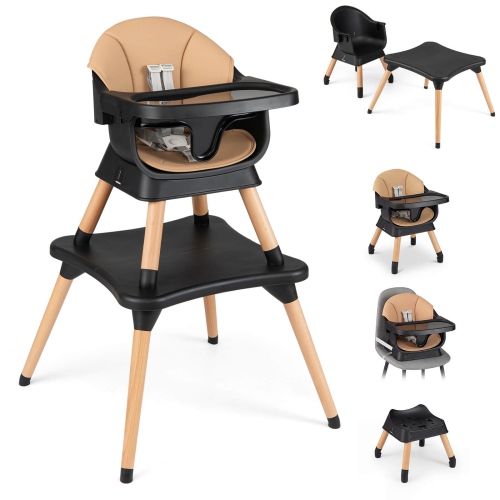
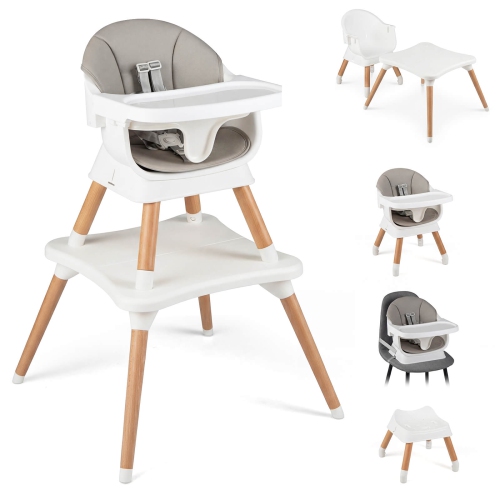


Why a well-fitting seat matters at every meal
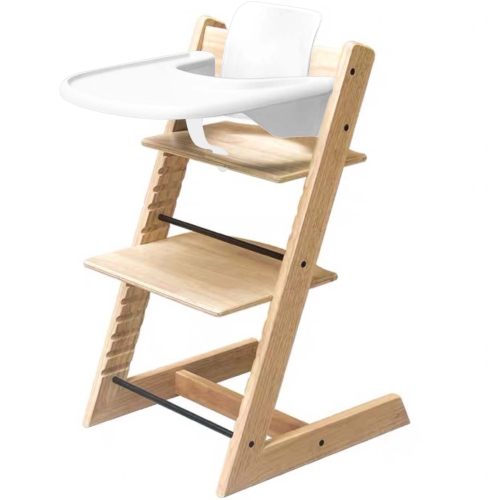
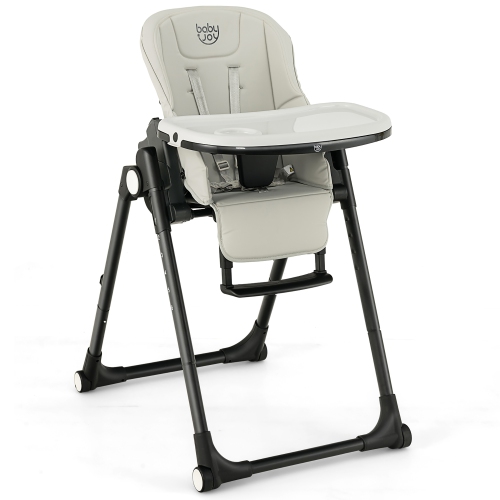
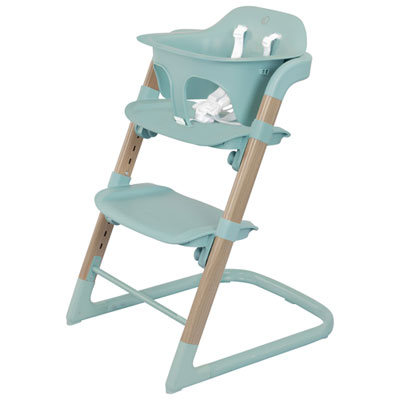
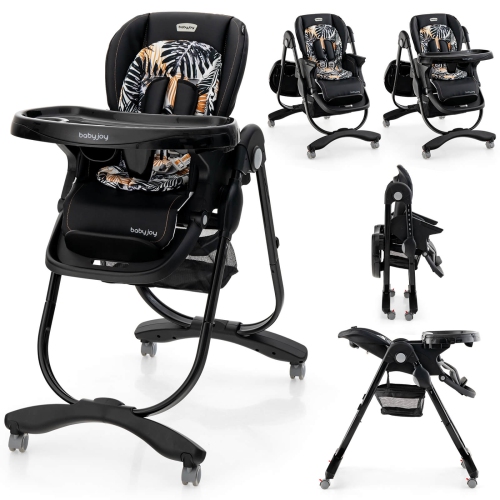
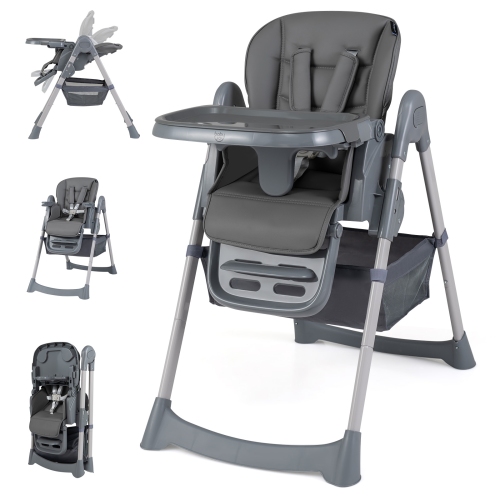
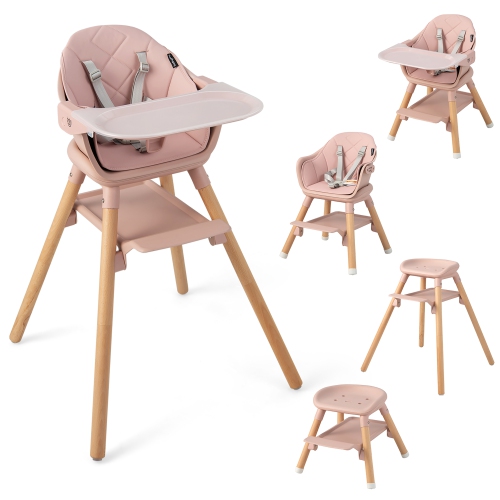
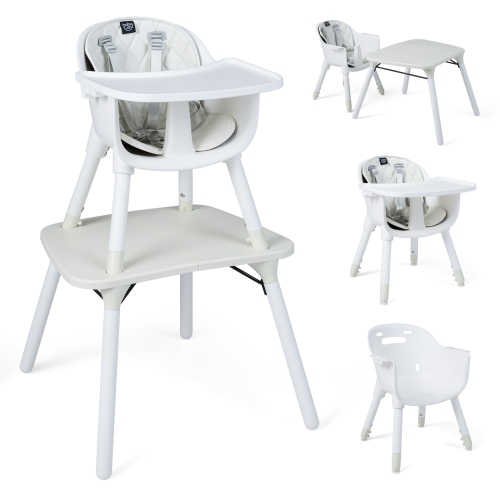
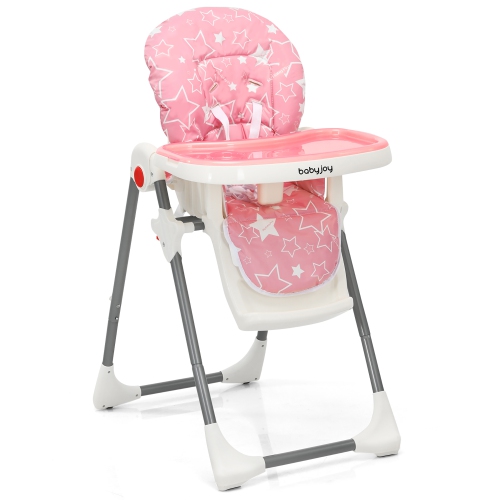
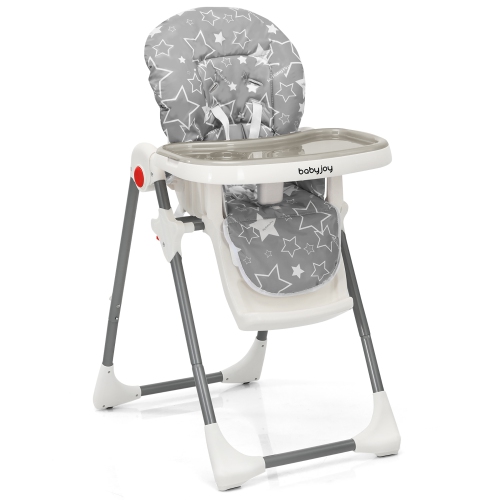
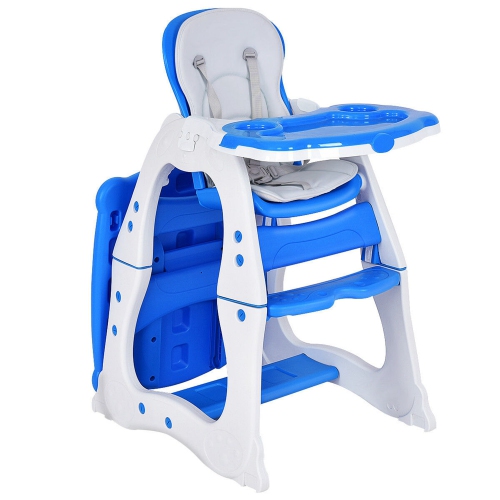
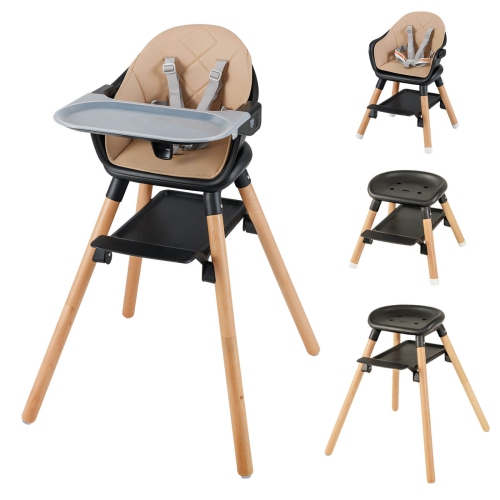
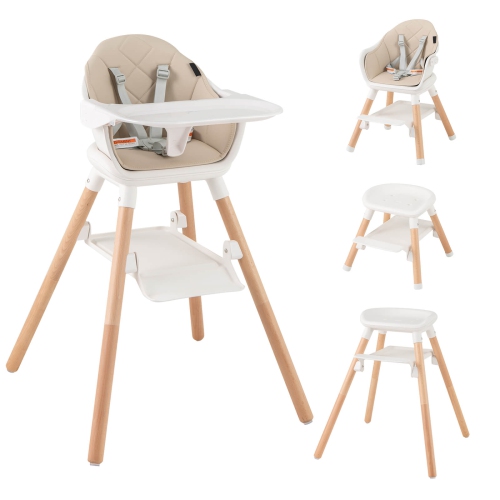
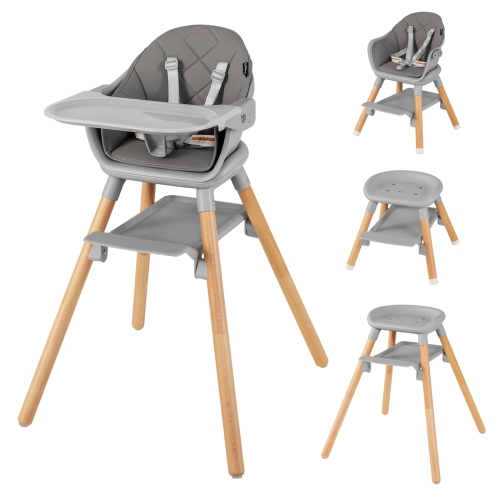
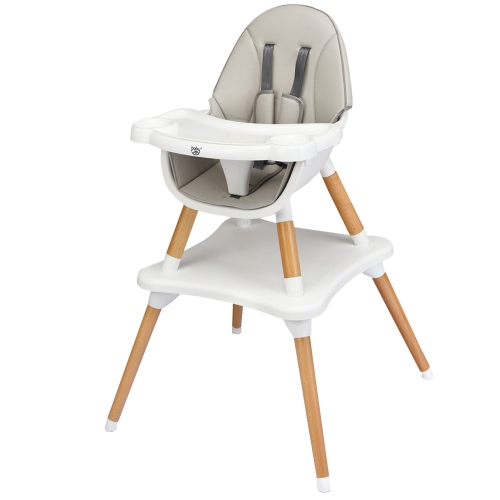
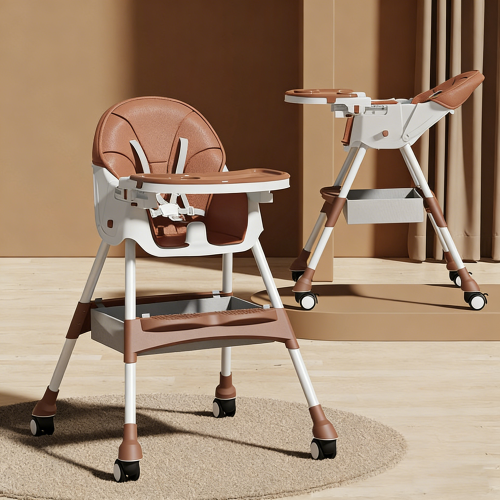
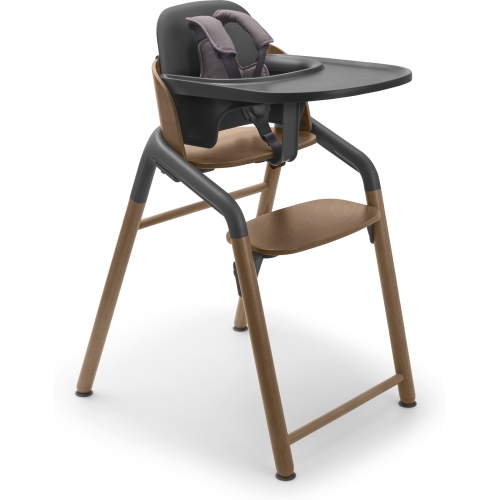
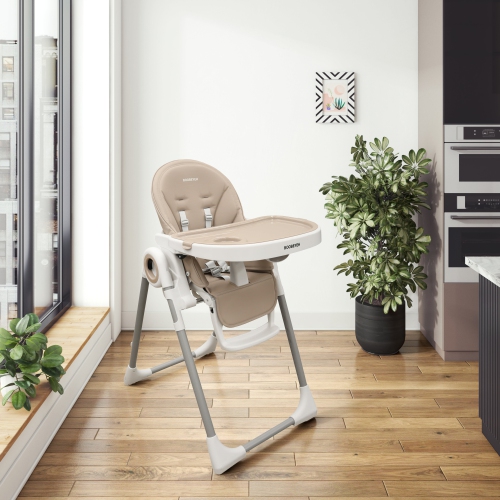
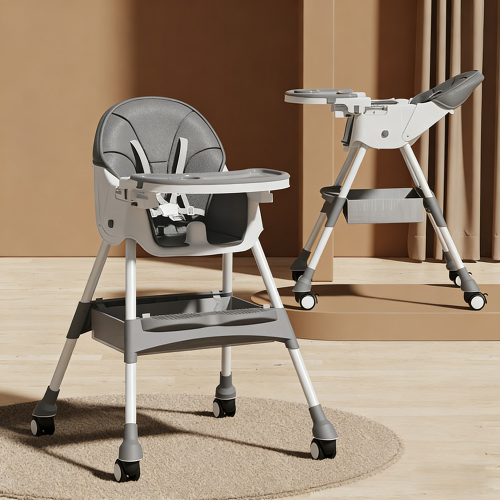
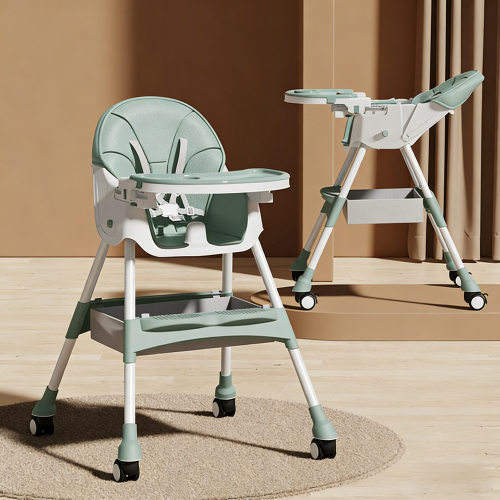
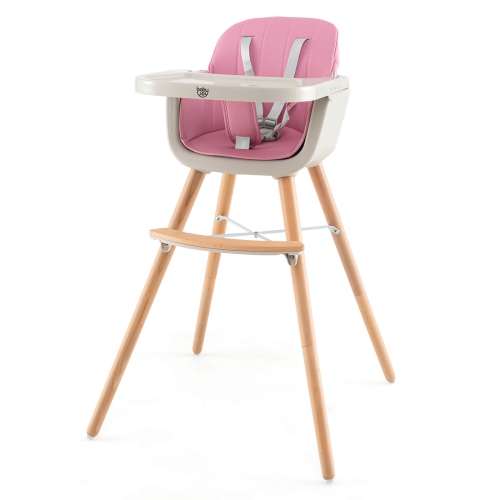
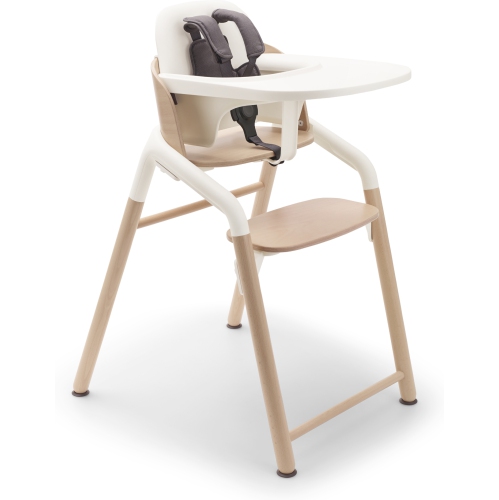
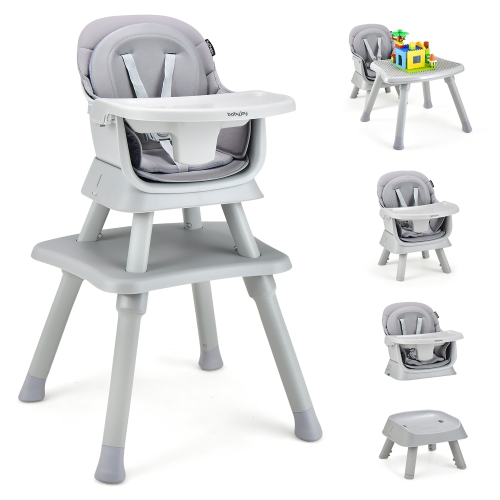
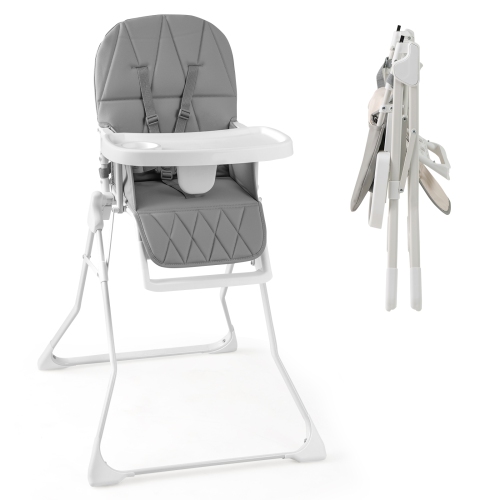
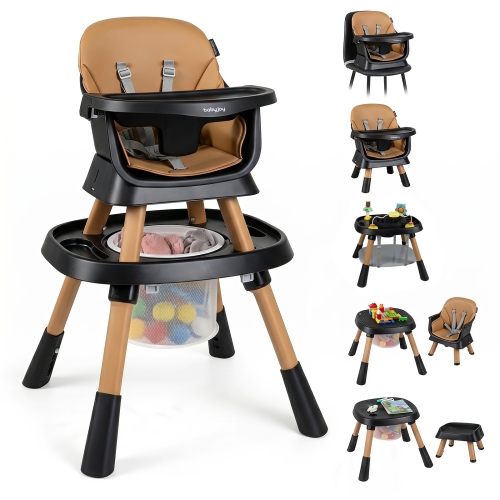
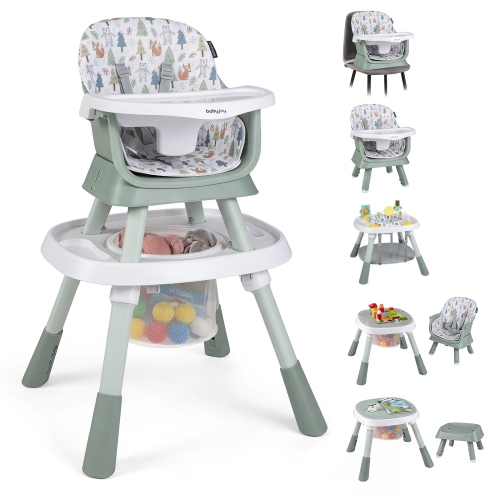
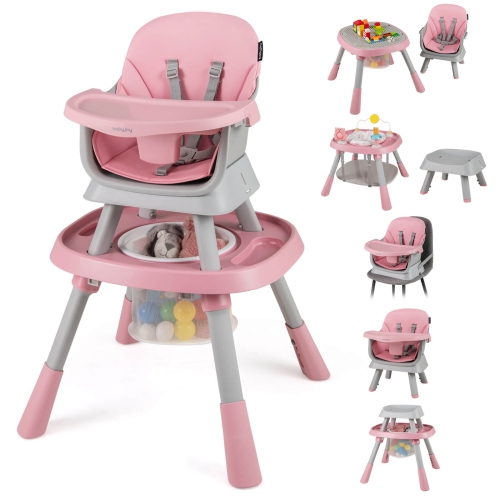
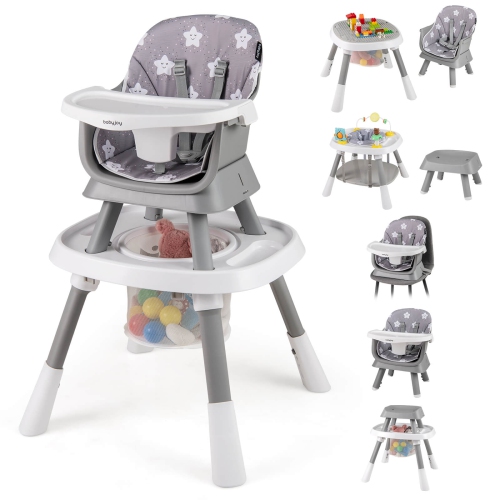
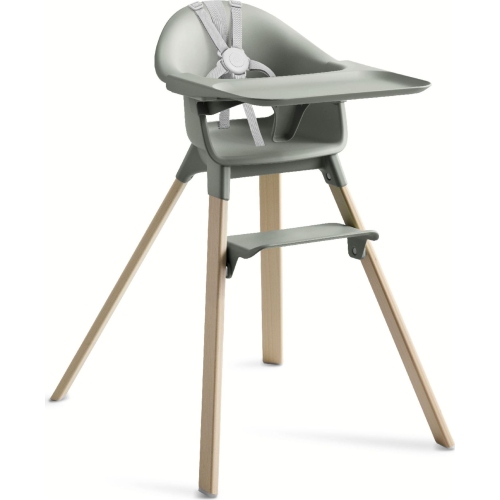
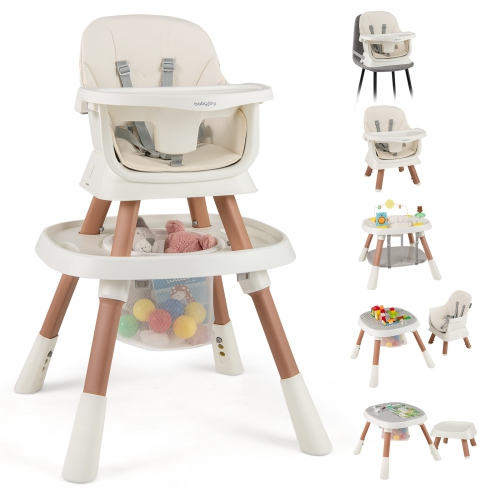
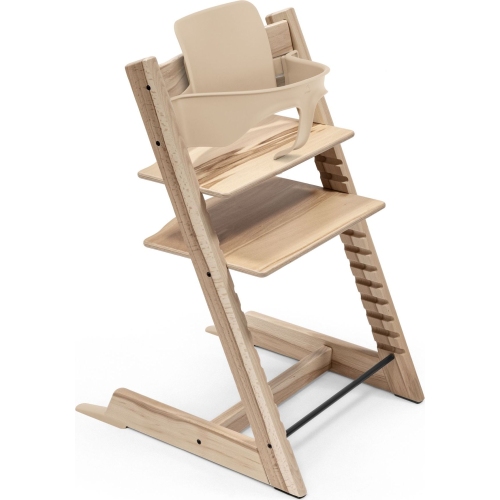
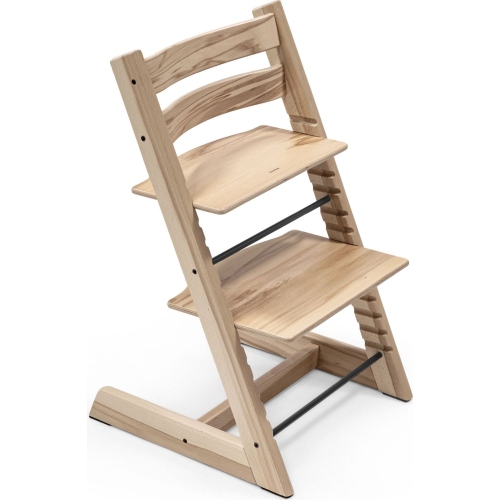
High chairs for a 12-month-old give growing babies a dedicated place to join family meals while practising the wonderfully messy business of feeding themselves. Around this age, many children are picking up soft pieces of food, reaching for a spoon, and drinking from a small cup, so seating needs to accommodate movement without sacrificing support. A five-point harness, an adjustable footrest, and easy-to-clean surfaces are useful features to look for, alongside a stable base and a seat that fits the child’s size. Age alone does not determine whether a chair is suitable: the manufacturer’s developmental requirements, weight limits, and instructions remain important, even when a child has reached their first birthday. A well-fitting seat supports an upright position without leaving a baby slumped sideways or sliding forwards. A footrest that can be positioned beneath the feet provides support rather than leaving the legs dangling, while an adjustable tray can help bring food within comfortable reach. The tray should leave enough room for the child’s body without sitting so far away that every spoonful disappears into their lap. Restraints are essential even when the tray is attached, because a tray is not a substitute for a harness. High chairs are intended for supervised mealtimes, not sleeping or unsupervised play, and an adult should remain close throughout feeding. For a child who likes to lean towards a sibling or twist around to watch the kitchen, secure restraint adjustment and a stable chair matter more than decorative details. Upright seating is also important when food is being served; a reclining feature, where present, does not mean that position is appropriate for eating. Whether breakfast means oatmeal on a spoon or soft fruit spread across the tray, a chair with suitable support and reachable food space helps make the daily routine more comfortable for both the child and the caregiver.
Materials and construction have a noticeable effect on how a high chair handles repeated meals, spills, and cleaning. Moulded plastic seats and trays often have smooth surfaces that wipe down readily, while wooden high chairs bring a furniture-like appearance that can sit comfortably alongside a dining table. Metal frames can offer sturdy support, although joints, hinges, and the spaces around adjustment mechanisms deserve attention when comparing designs. The simplest-looking seat is not always the easiest to clean: seams, deep corners, exposed fasteners, and the gap beneath a seat cushion can collect crumbs or hold onto sauce. A removable tray can make it easier to carry the mess to the sink, and a separate tray insert may simplify cleanup between meals. Dishwasher suitability varies, so removable parts should only go in the dishwasher when the manufacturer permits it. Padded seats can add comfort, but their practicality depends on whether the covering wipes clean, the cushion detaches, or the fabric requires washing and drying. After a meal involving mashed sweet potato or yoghurt, those differences become much more noticeable than they are in a product photograph. Harness straps also need regular care, particularly where food gathers around buckles and adjustment points; cleaning them according to the chair’s instructions helps preserve their condition. Wooden surfaces generally benefit from prompt wiping and thorough drying rather than soaking, while plastic trays should be checked for damage that could make cleaning more difficult. Durability includes more than the frame itself: secure hardware, intact straps, working locks, and replacement parts supported by the manufacturer can all influence how well a chair serves a household over time. Accessories such as cushions, footrests, or tray attachments should be intended or approved for that chair rather than improvised to change the fit. A practical finish and straightforward cleaning routine can make a real difference when the same seat is used for breakfast, lunch, dinner, and the snacks in between.
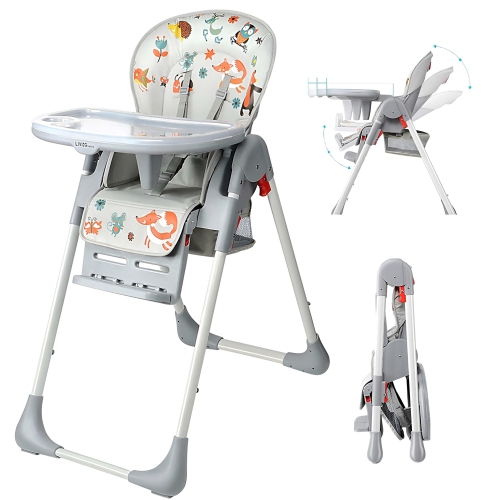
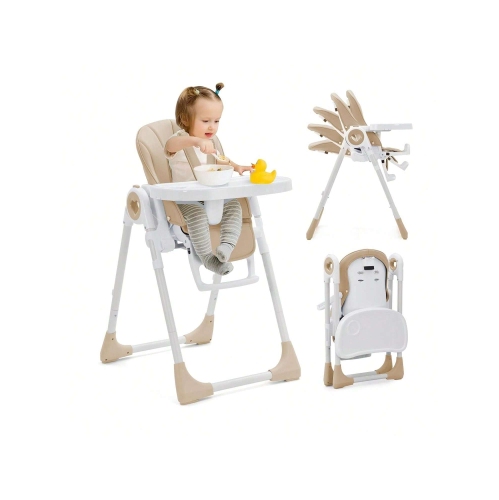
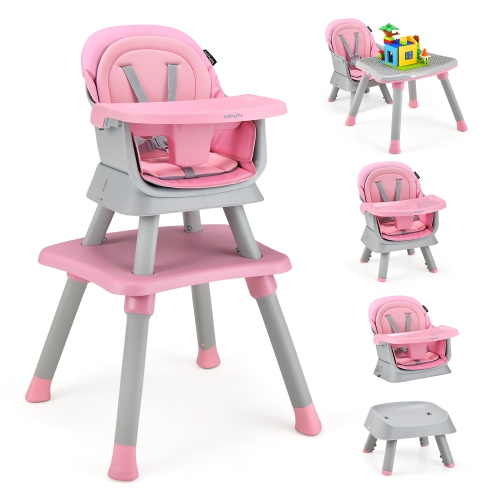
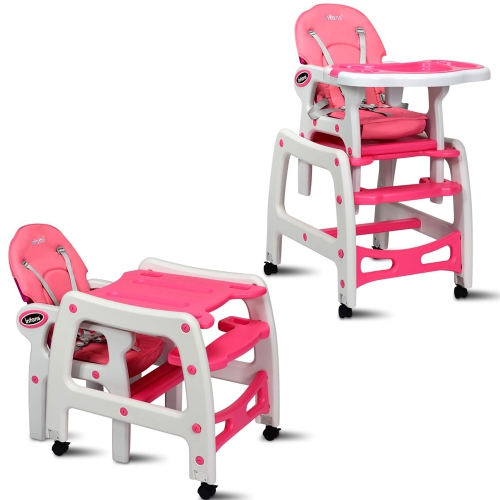
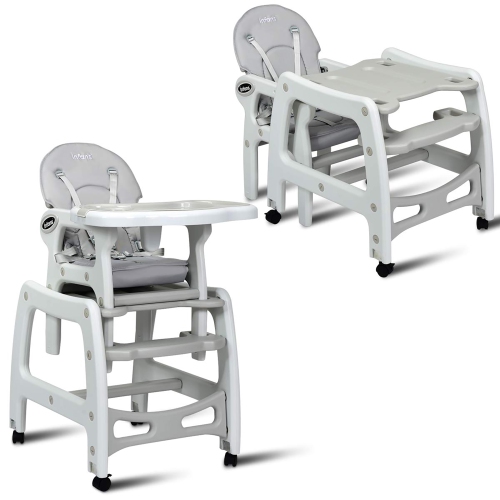
The right high chair also needs to fit the room and the way meals happen at home. A wide base may provide stability, but its full footprint matters in a compact kitchen, especially where chair legs extend beyond the seat and into a walkway. Seat height, tray height, and clearance beneath the dining table are useful measurements when a child will eat alongside the family. Some designs allow the tray to be removed for table use, provided the manufacturer permits that arrangement and the child remains properly restrained. Table edges, tablecloths, hot dishes, cords, and other reachable hazards still need to stay out of reach, and positioning should prevent the child from pushing against nearby surfaces and tipping the chair. Folding high chairs can suit shared dining spaces or a grandparent’s home where the seat is put away between visits. Secure folding locks, manageable weight, and a storage shape that fits the available space are more useful than compactness alone; folding and unfolding should happen with the child safely away from moving parts. For families hoping to use the same seating beyond the baby stage, convertible high chairs may offer adjustable seat and footrest positions or a later toddler-chair configuration. Each configuration has its own requirements, so a longer intended lifespan does not remove the need to follow the stated limits and assembly directions. Households comparing seating across nearby developmental stages may also find High Chairs for 9 Month Old relevant, although the individual child’s sitting ability and the chair’s requirements matter more than the age in a category name. As a first-birthday gift or a contribution to a caregiver’s home, a high chair is most useful when its dimensions, cleaning needs, and intended use match the recipient’s everyday routine. From a small breakfast nook to a busy family dining area, suitable seating balances supportive fit, reliable restraint, manageable maintenance, and enough flexibility for a child’s growing participation at the table.
Top selling and popular products
-
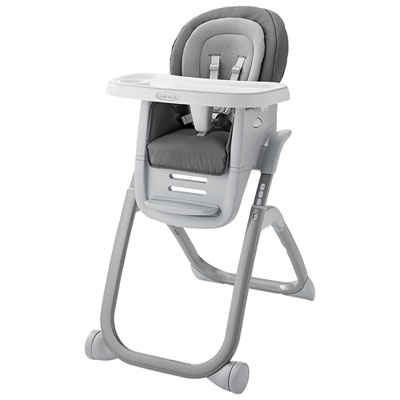 Your price for this item is $279.99
-
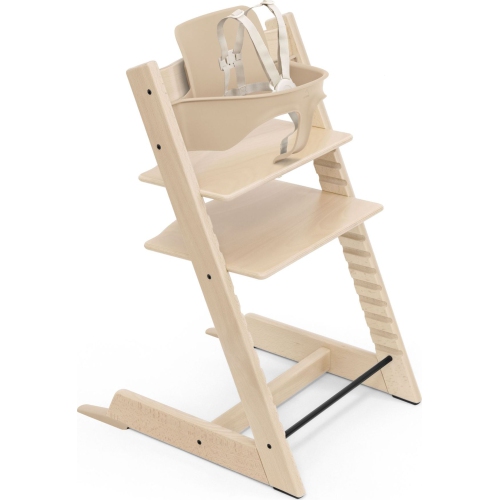 Your price for this item is $455
-
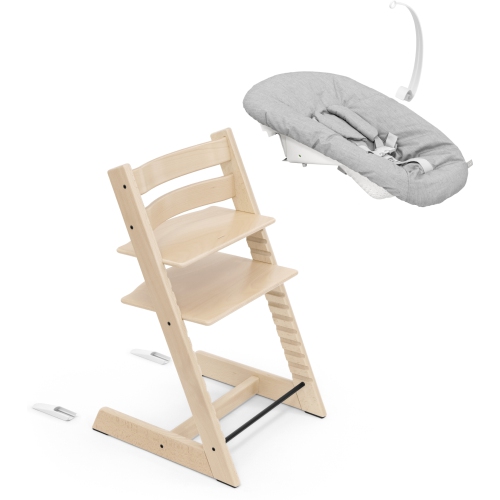 Your price for this item is $514.99
-
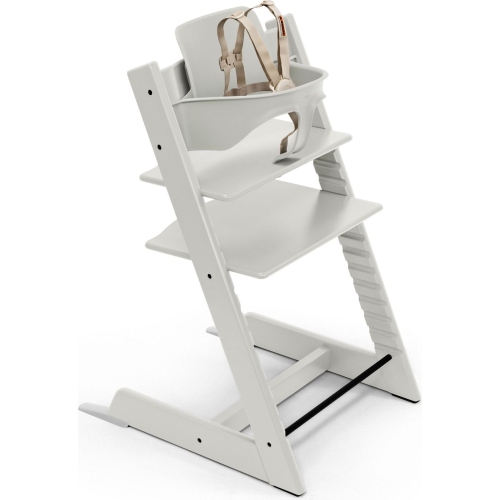 Your price for this item is $454.99
-
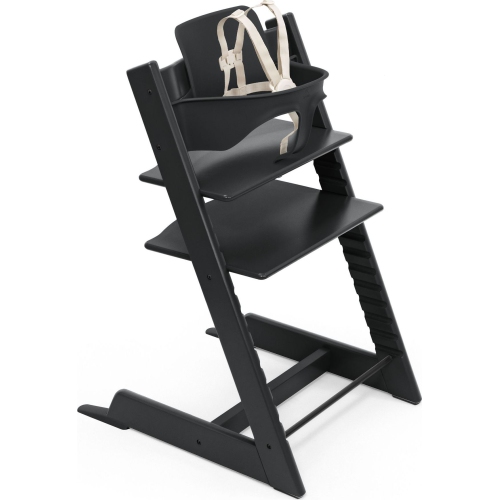 Your price for this item is $455
-
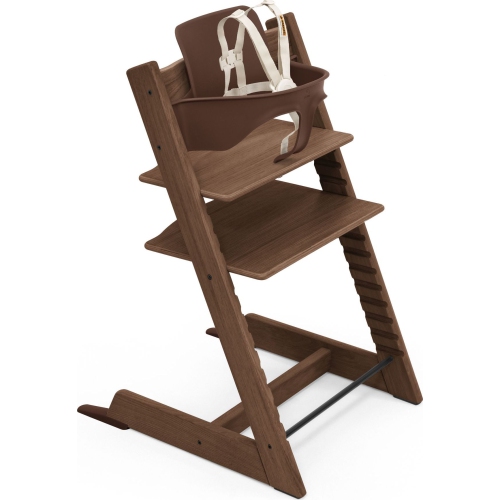 Your price for this item is $488.99
-
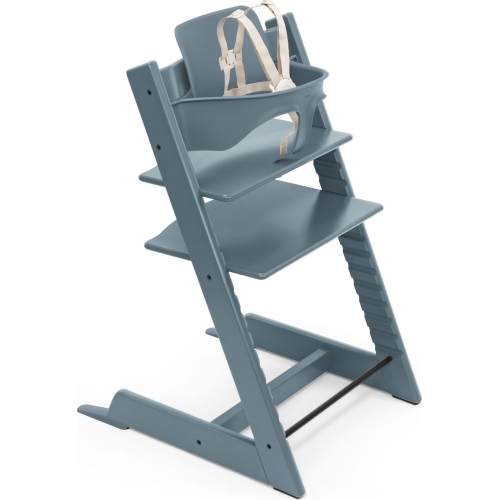 Your price for this item is $454.99
-
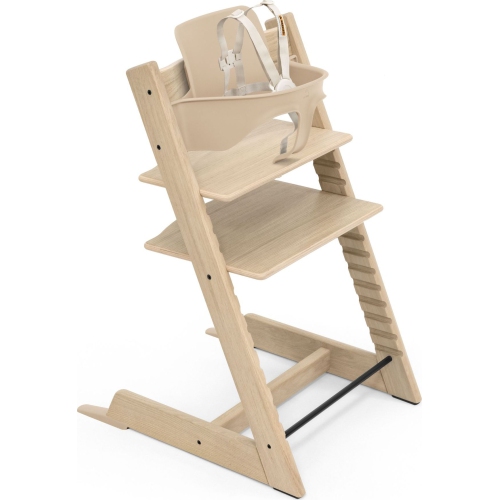 Your price for this item is $488.99
Discover more categories related to High Chairs for 12 Month Old
Top Collections:
Pokemon Centers, Best Cameras for Sports Photography, Kindle Devices, Samsung Galaxy Phones, Canon G7X Cameras, Pokémon 30th Celebration Cards, Refurbished Apple Laptops, iPhone 15 Apple, Laptops for Students, Budget Smartphones
Some products may be subject to Environmental Handling Fees
(EHF) depending on your province.
Learn more about EHFs.