High Chairs for 15 Month Old
A high chair is a great way to keep your baby safe and comfortable while you're busy doing things around the house or eating dinner with your family. But not all high chairs are created equal. Some are more sturdy than others, some are easier to clean, and some are just plain more attractive. We've rounded up our favorite high chairs for babies aged 15 months and younger.
Sort











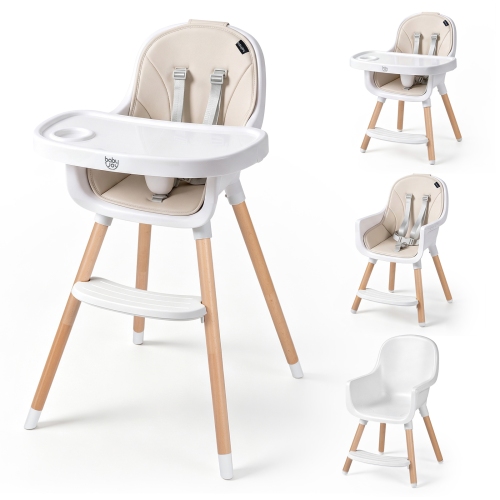

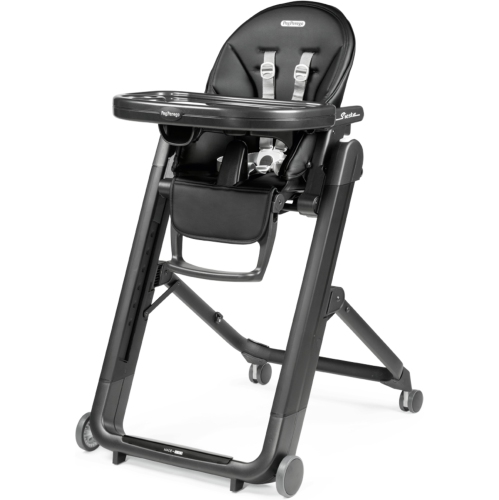
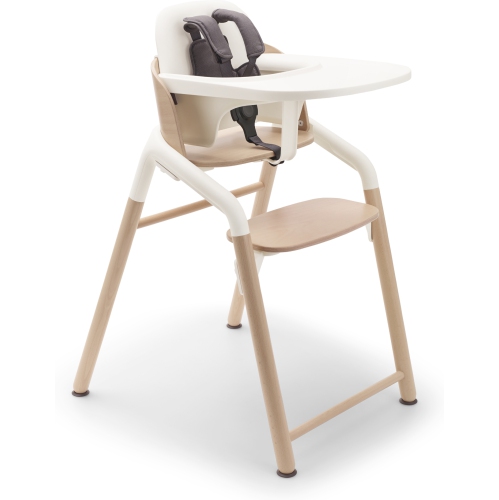


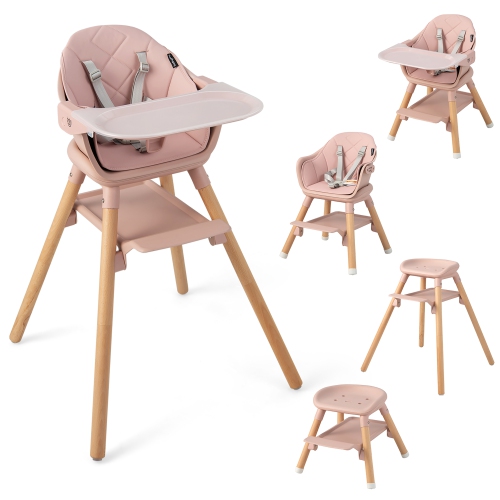





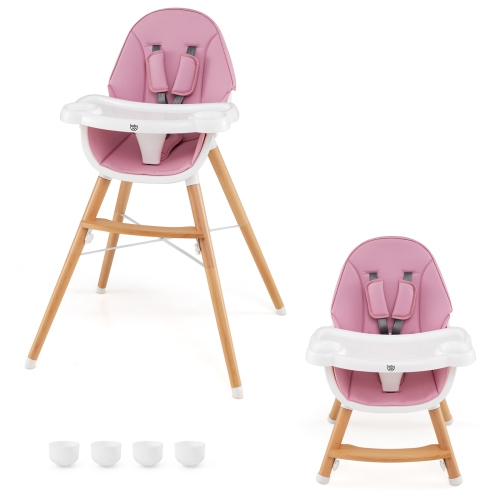

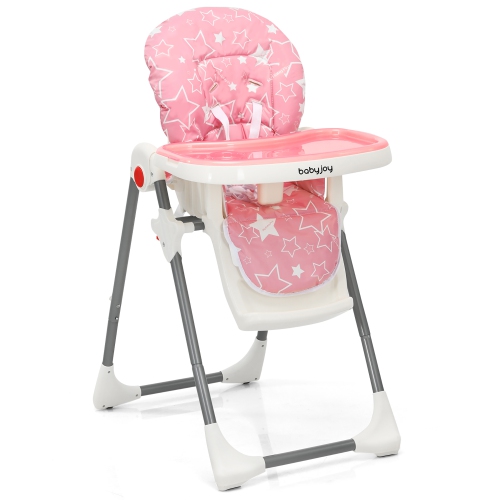
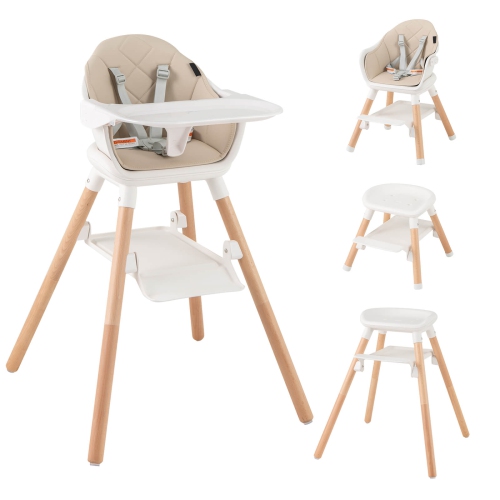
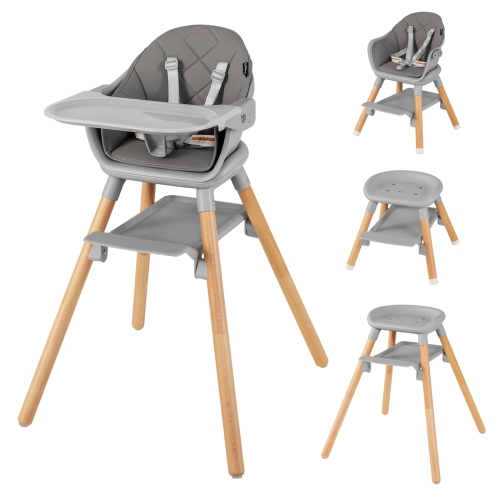



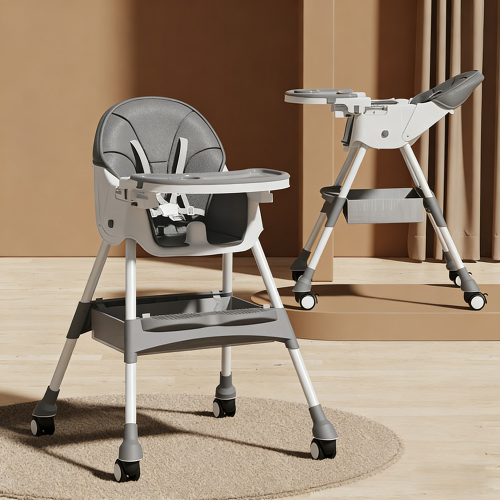
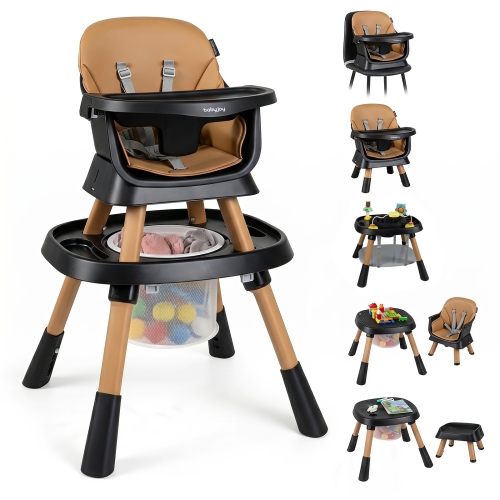
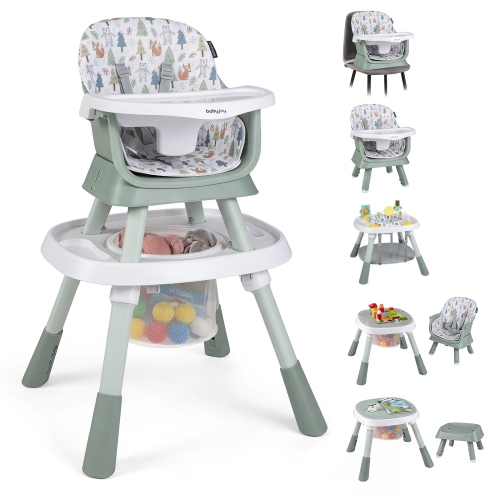
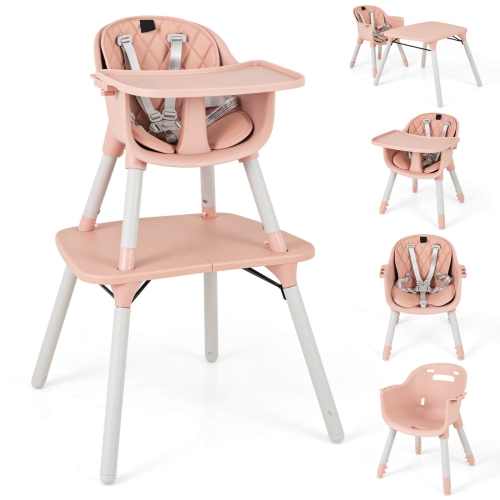

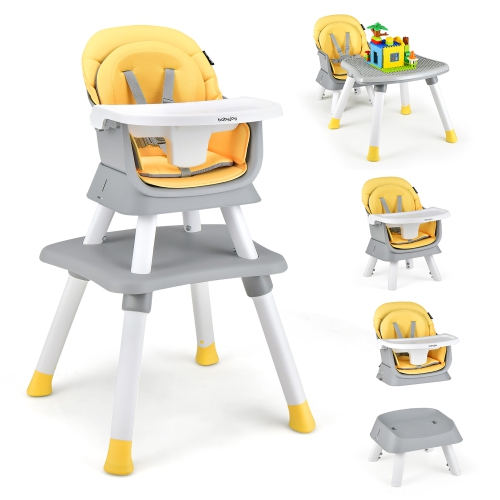
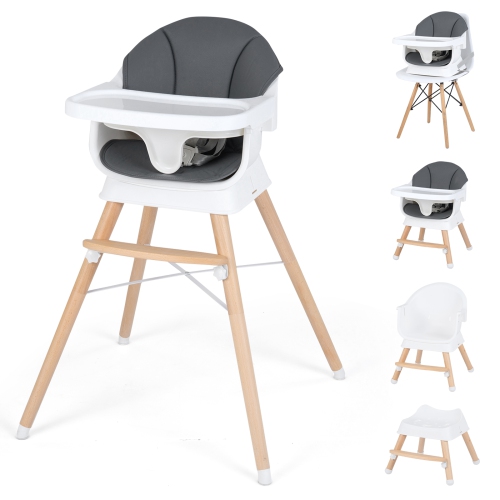


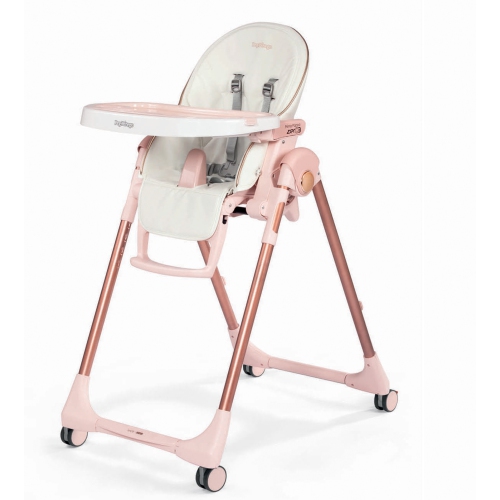
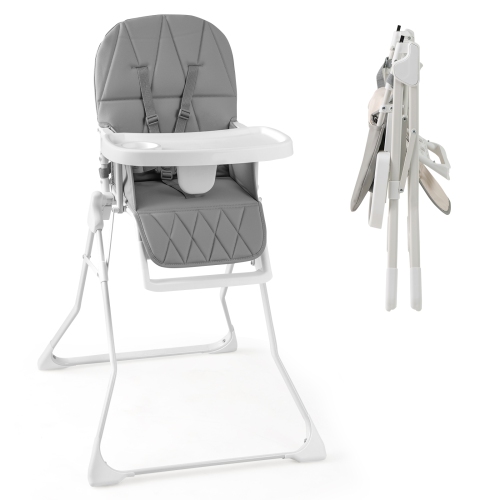




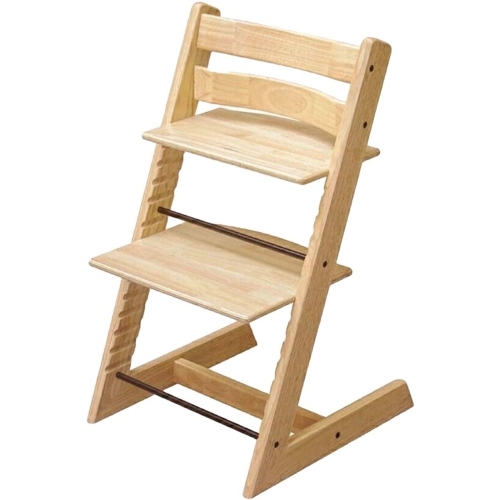
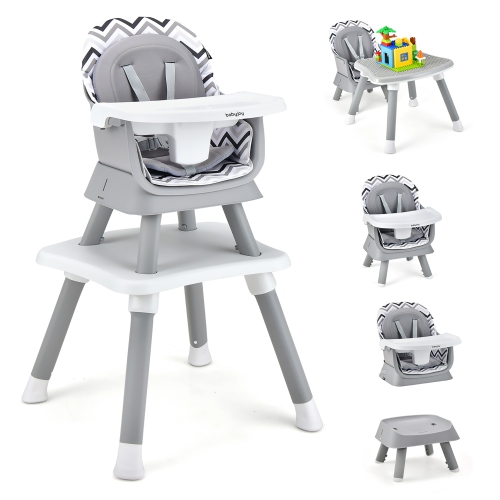
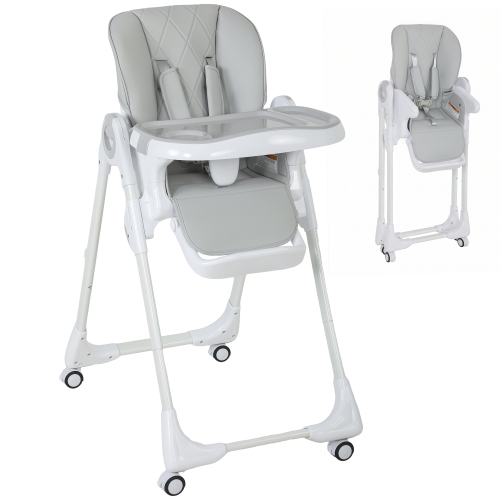
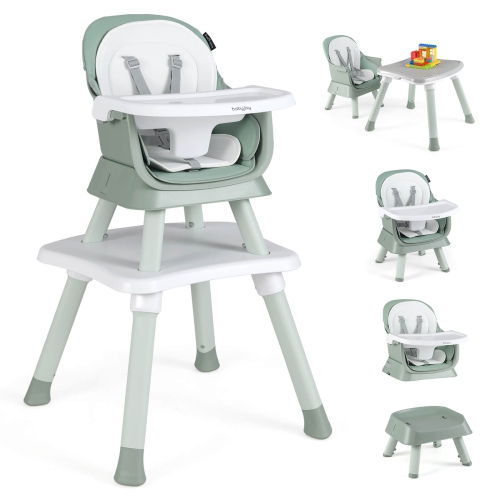

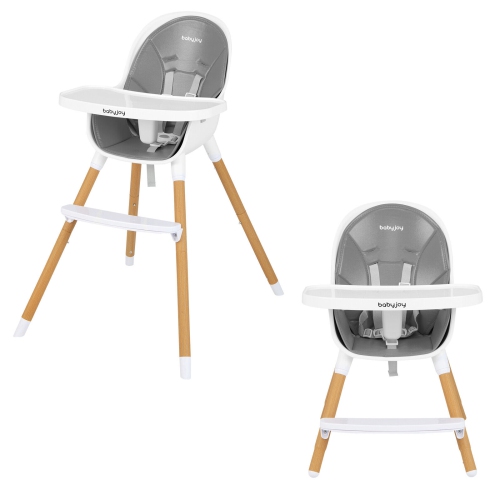


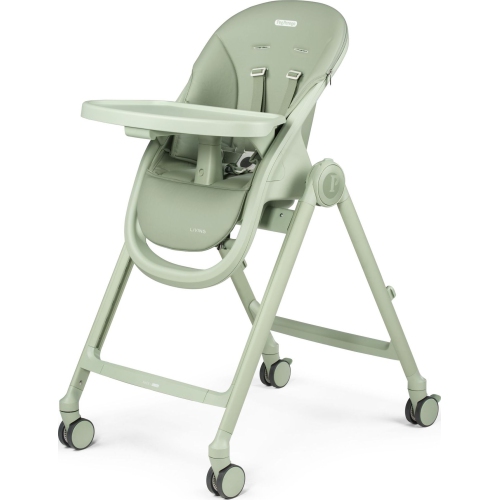
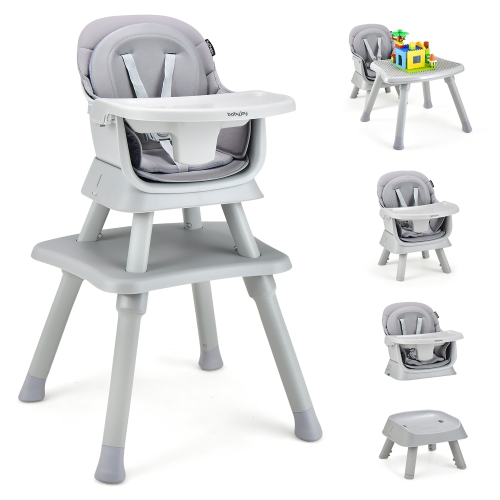
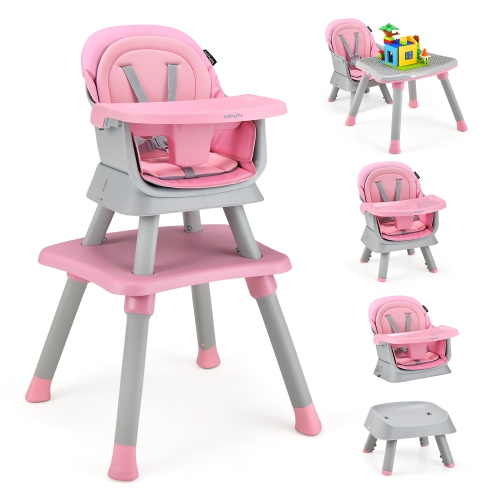

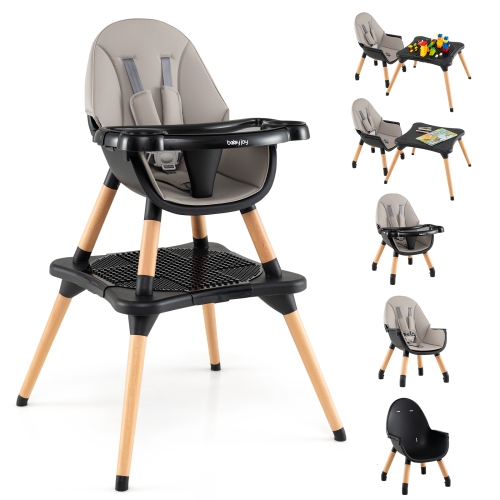
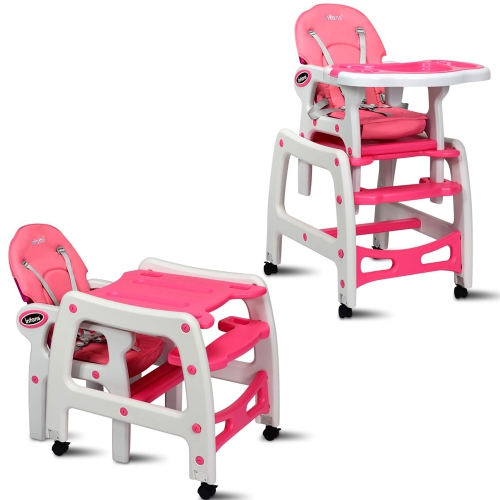

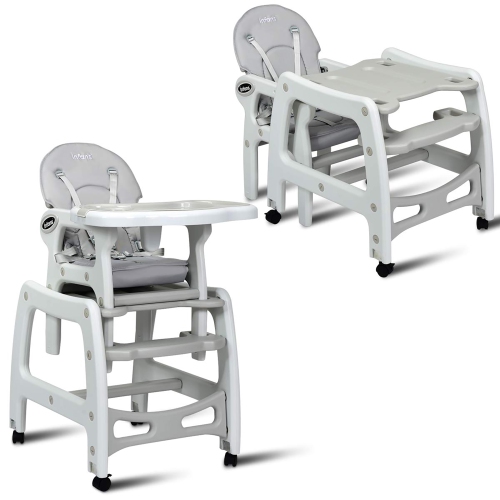


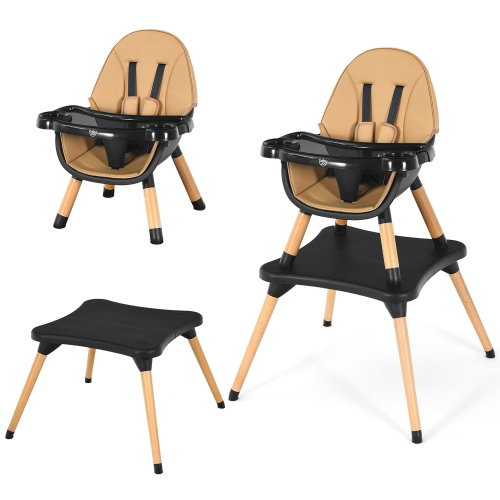




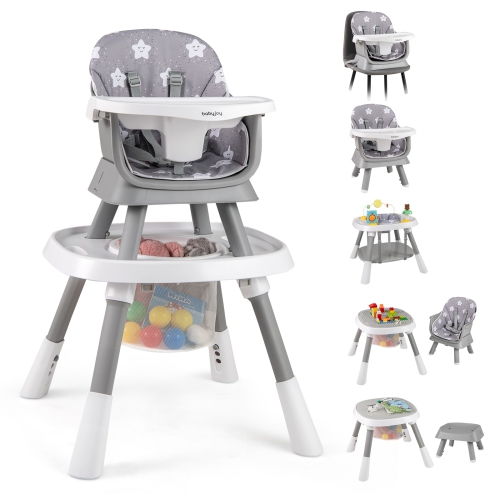

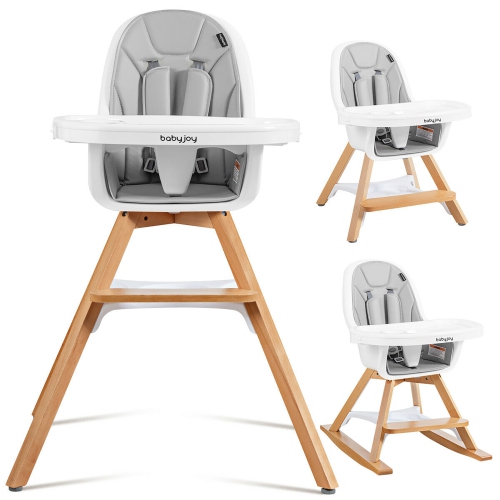
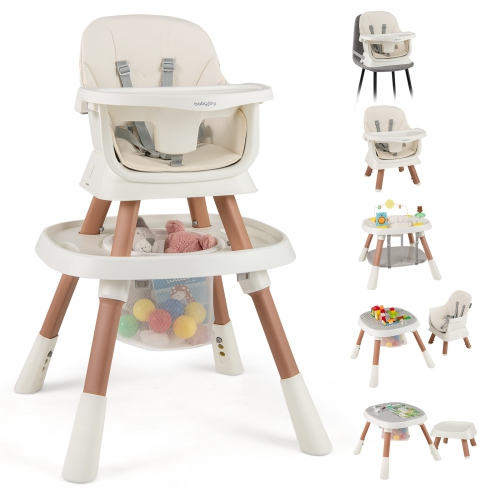

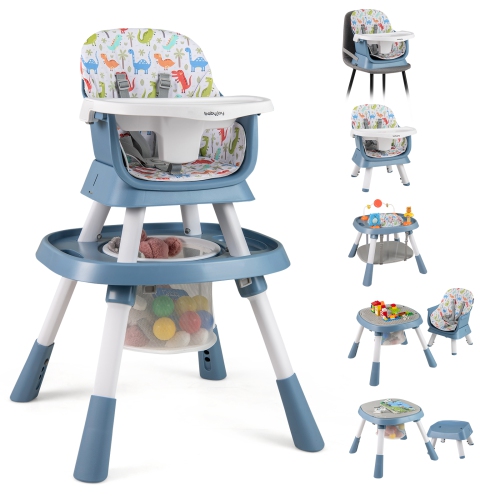







Why a good fit matters at toddler mealtimes
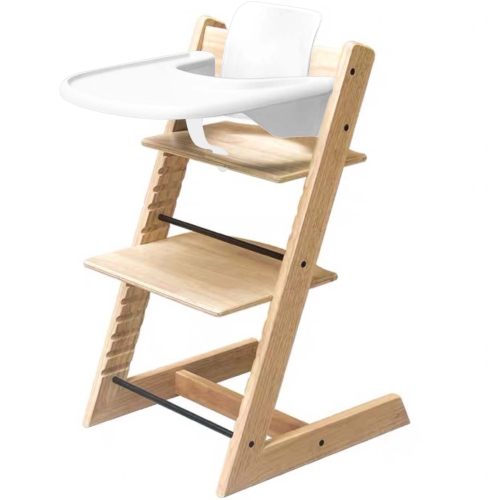
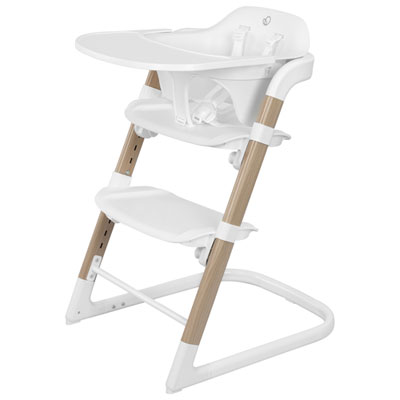
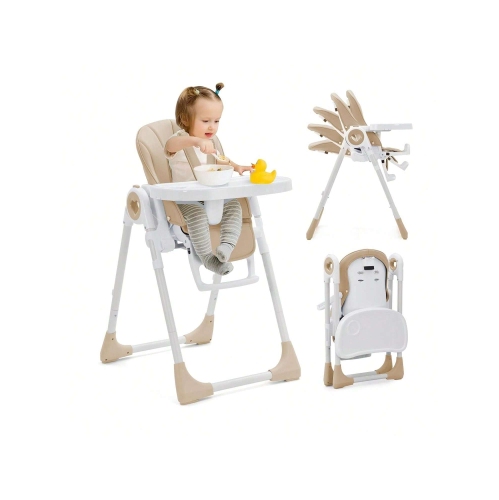
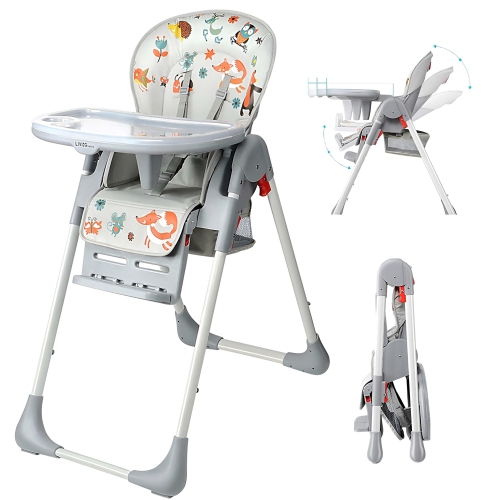
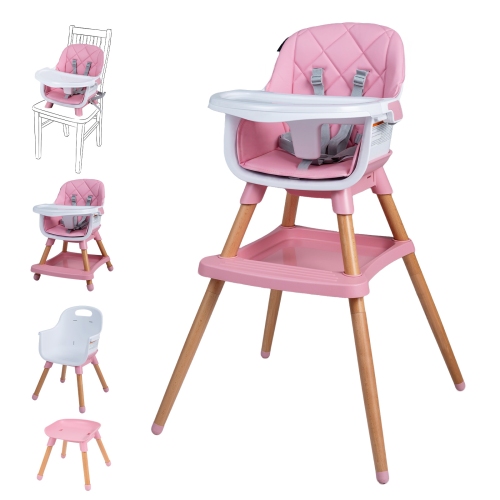
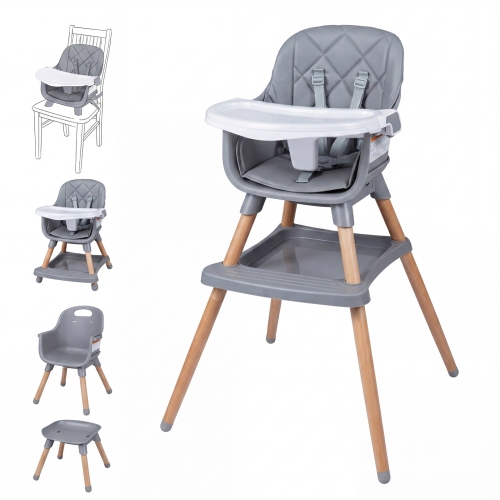
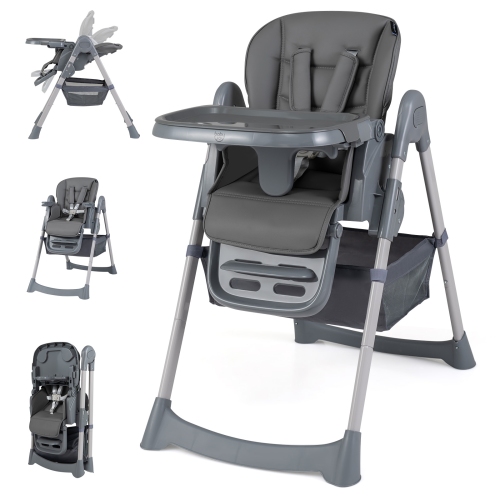
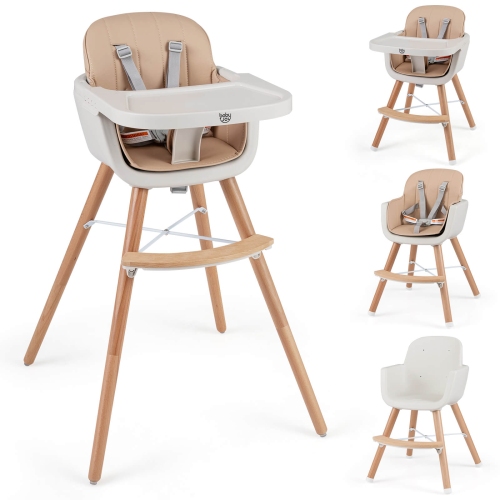
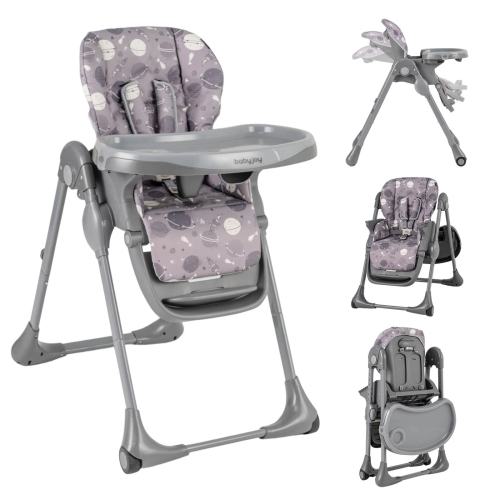
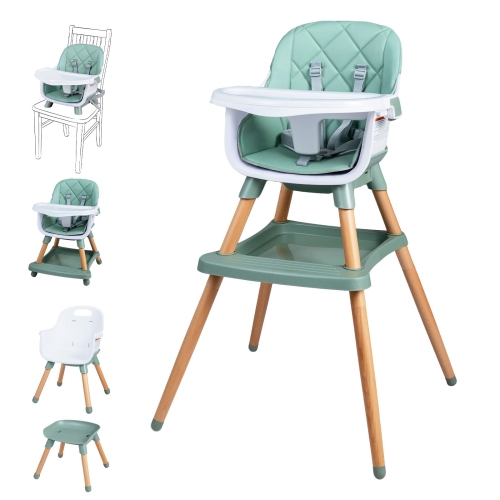
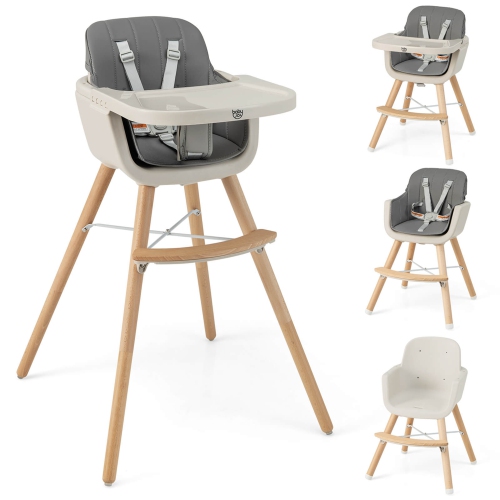
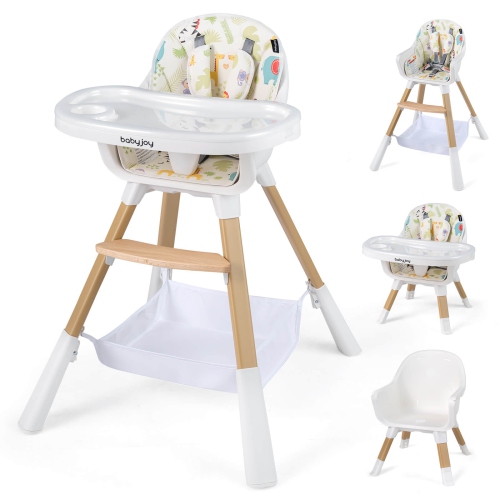
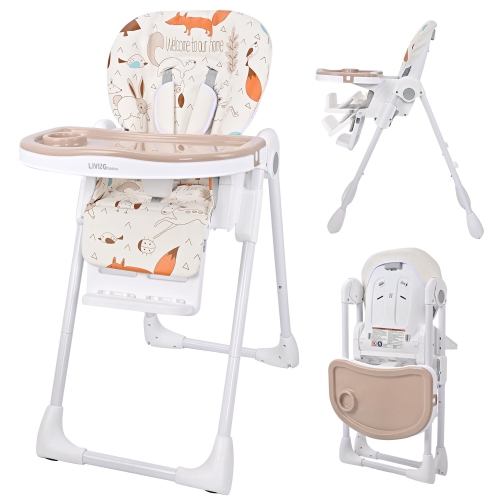
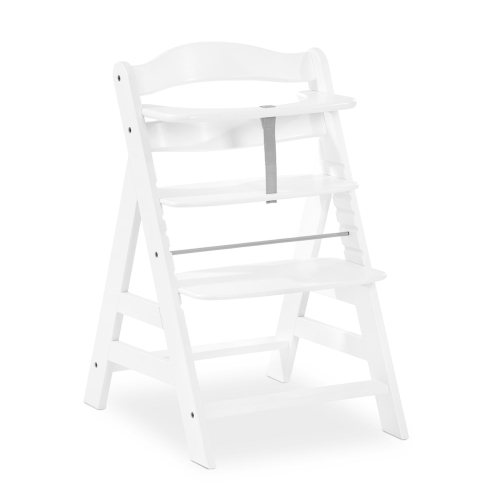
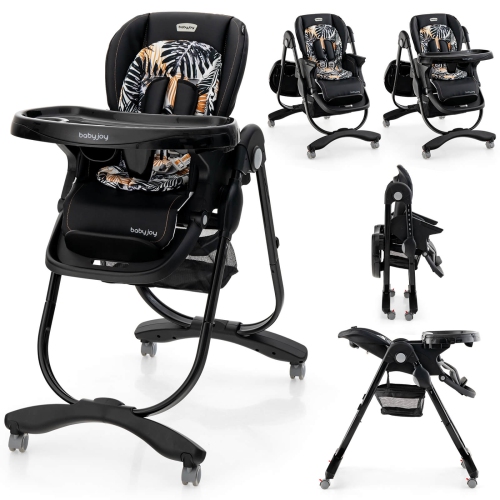
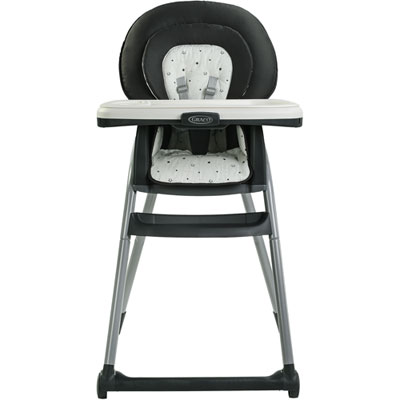
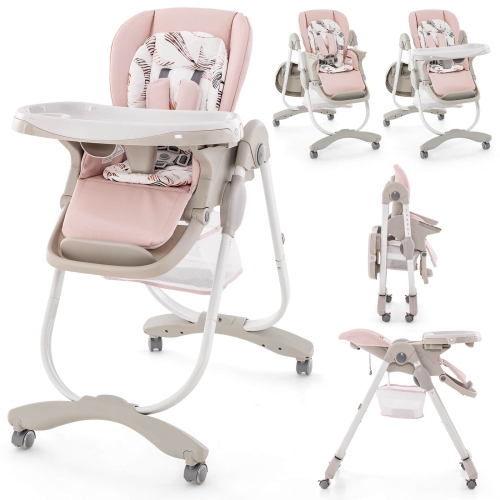
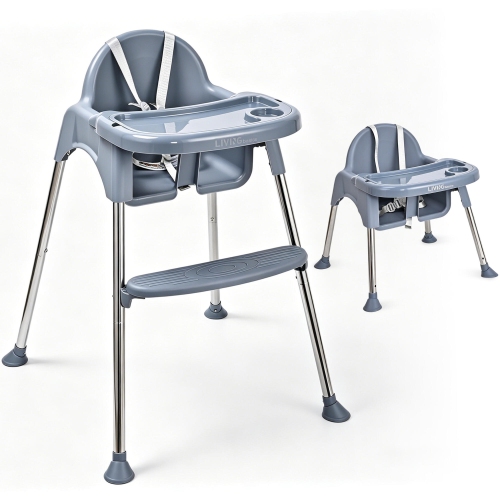
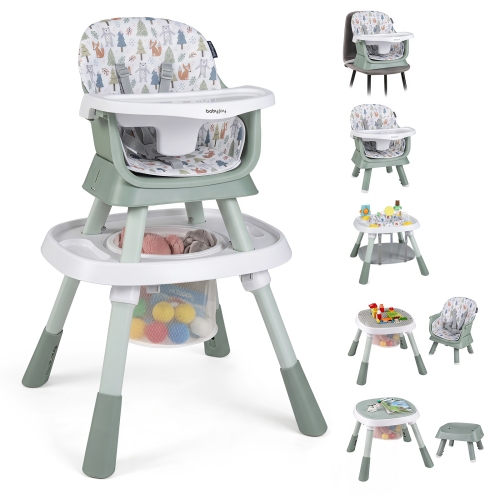
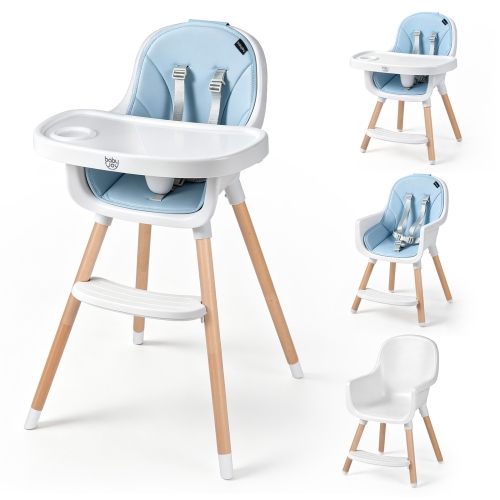
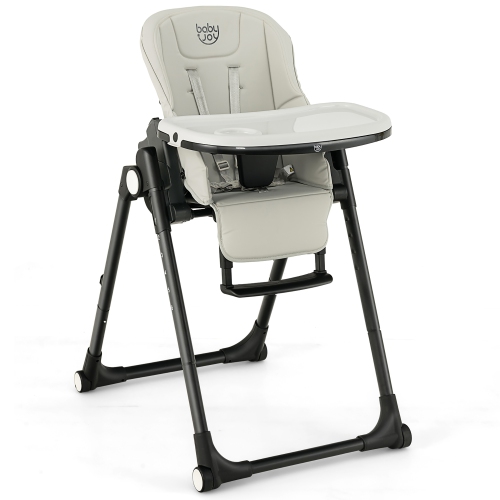
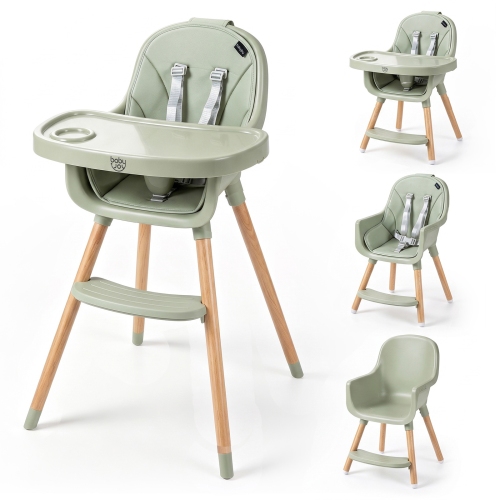
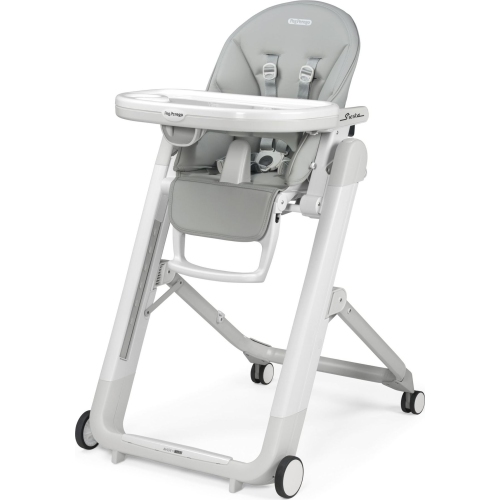
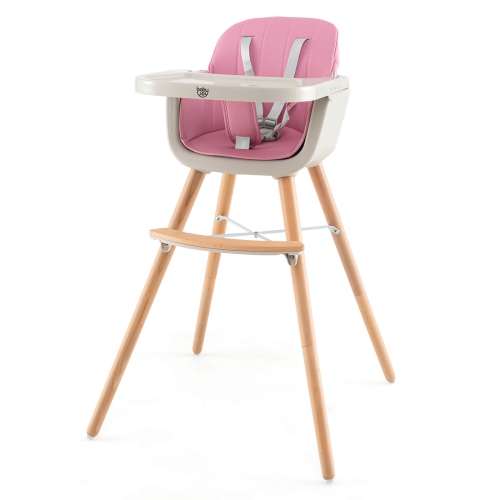
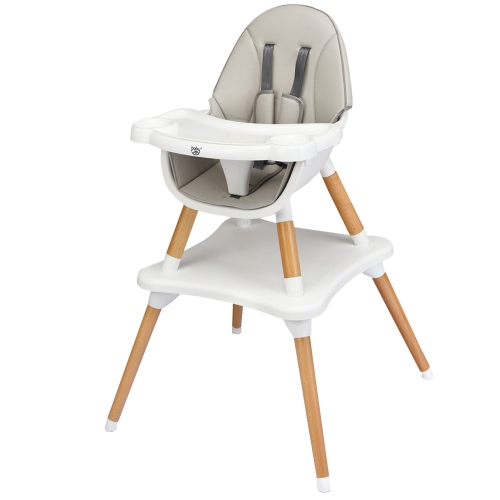
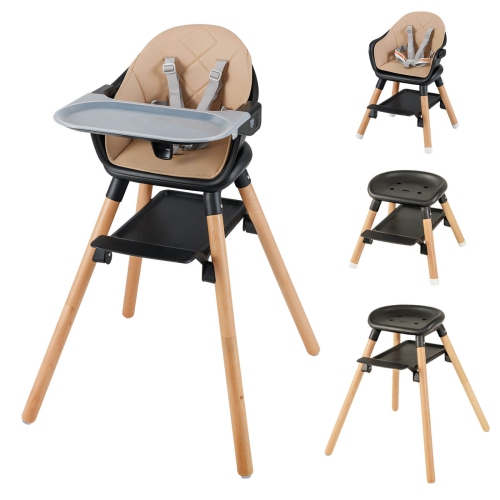
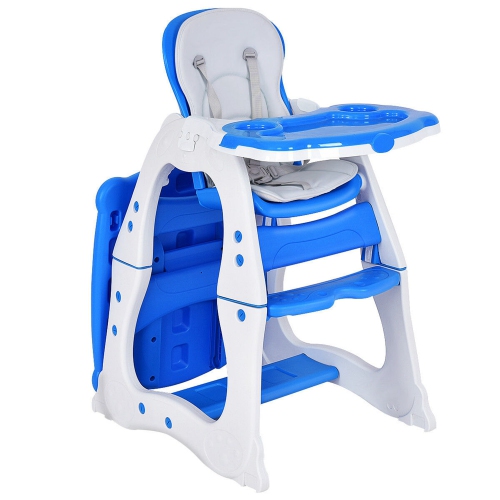
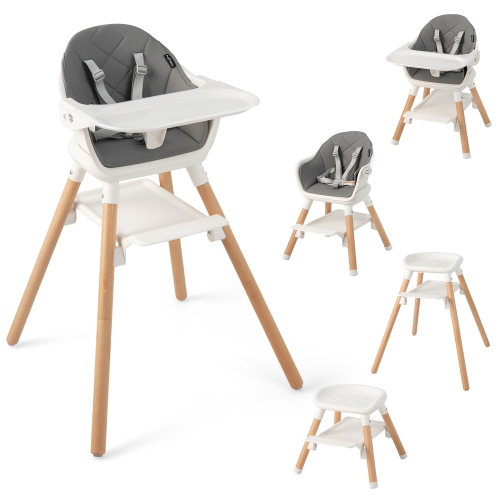
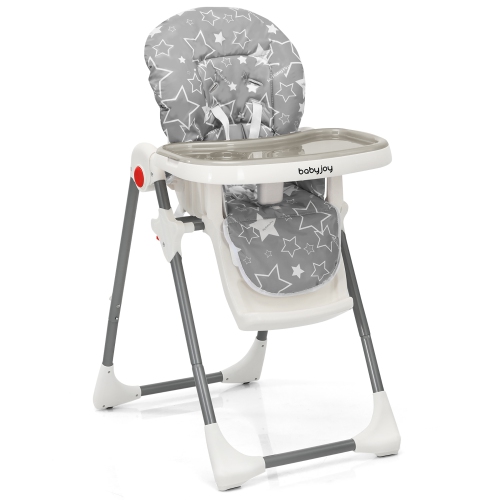
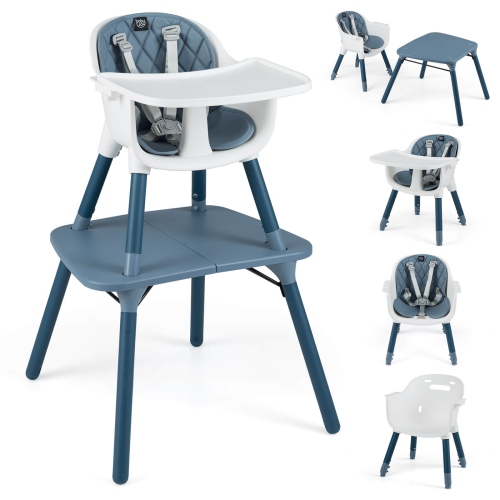
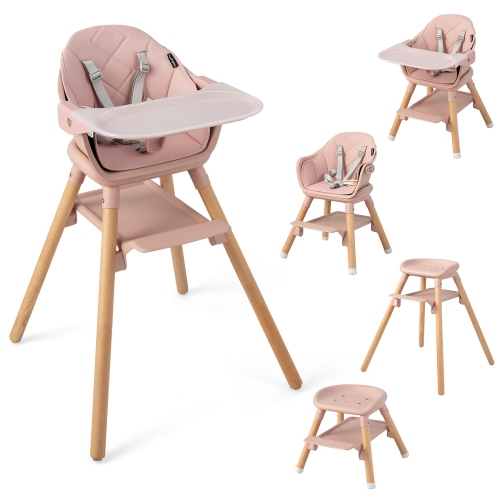
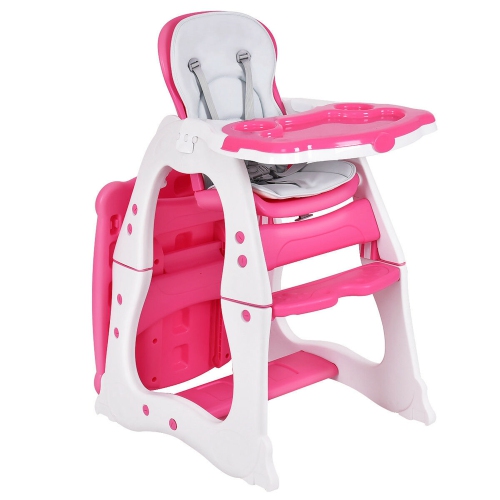
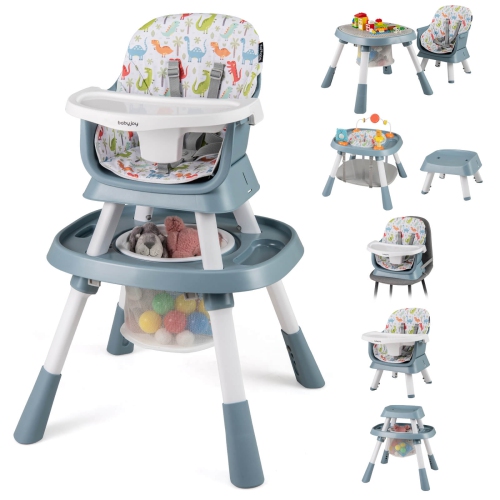
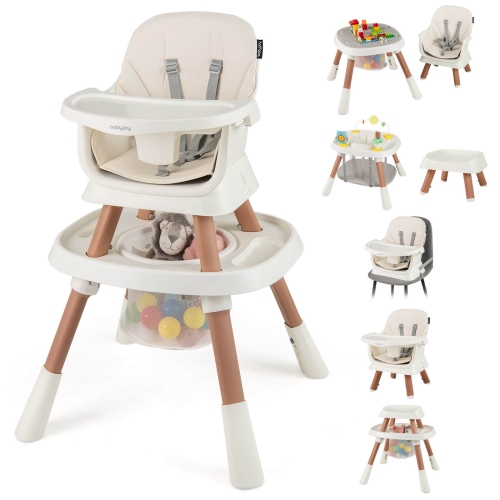
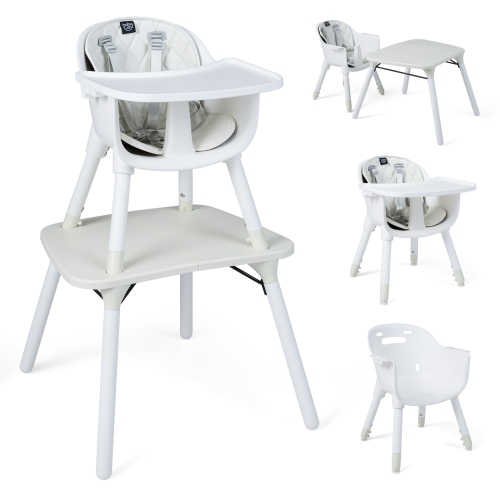
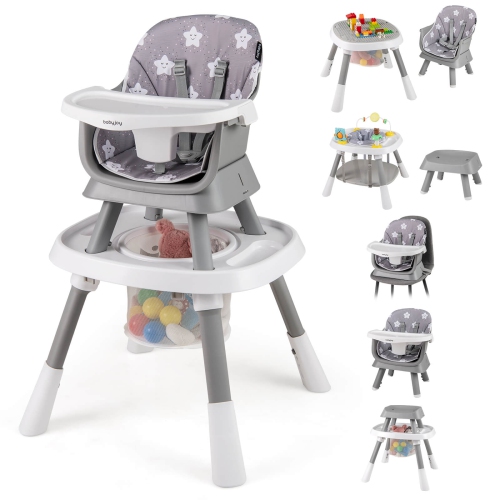
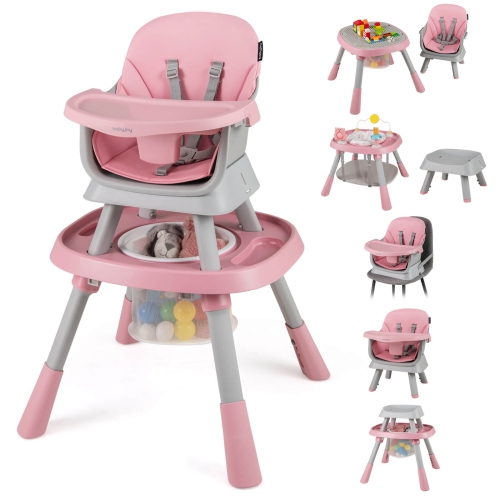
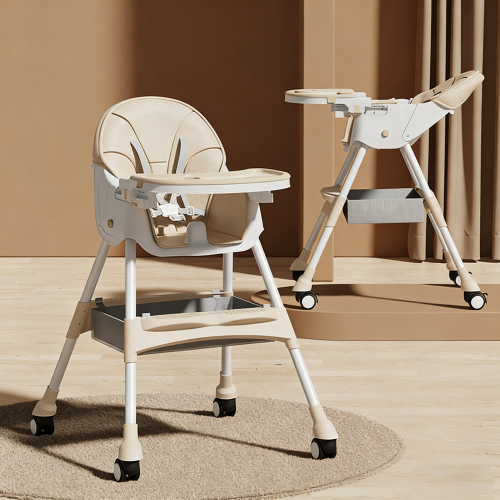
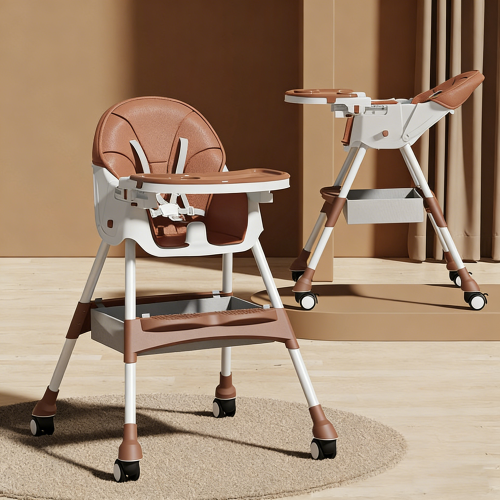
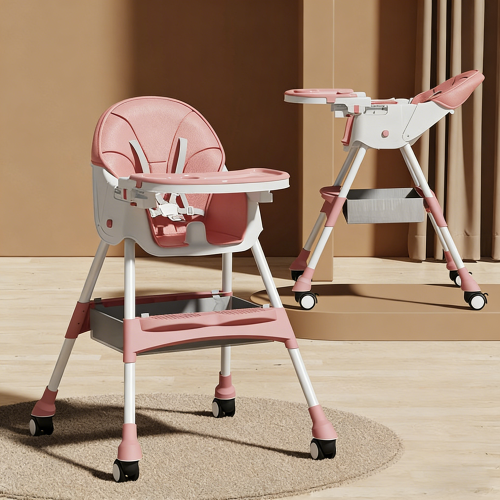
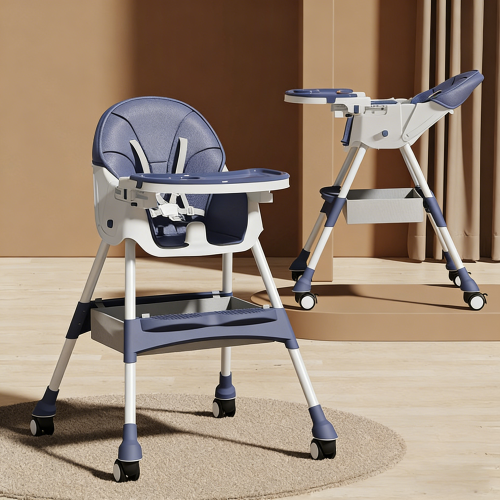
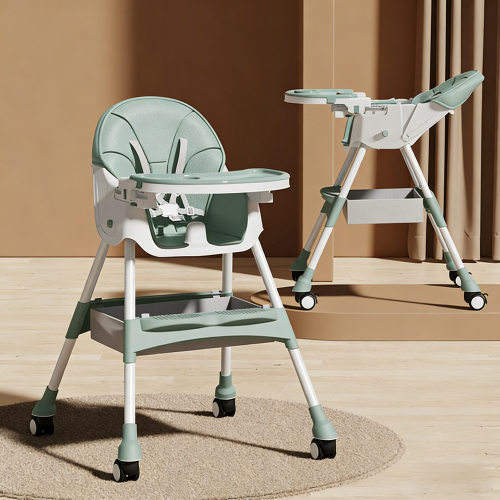
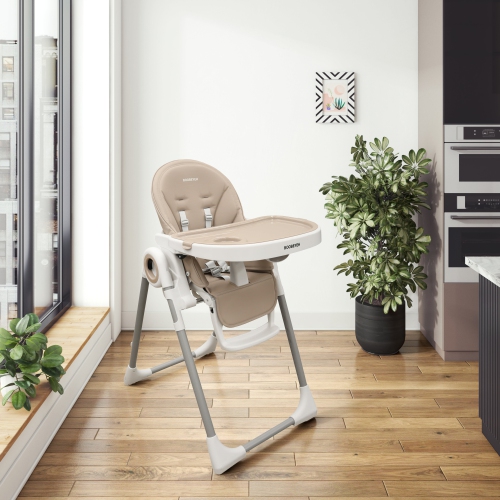
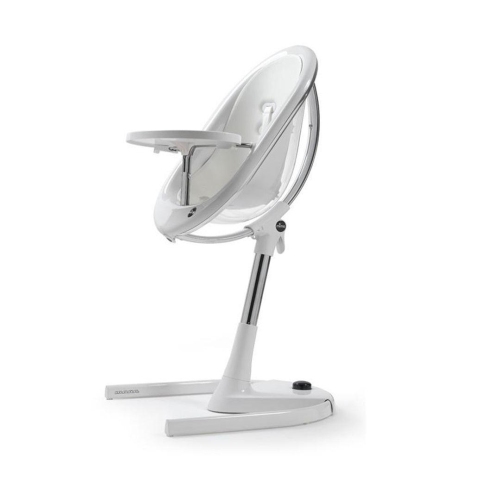
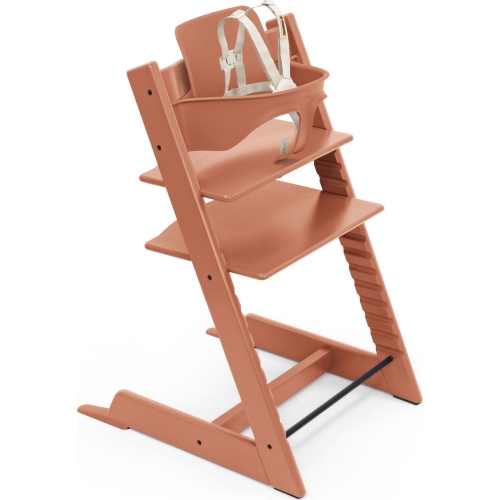
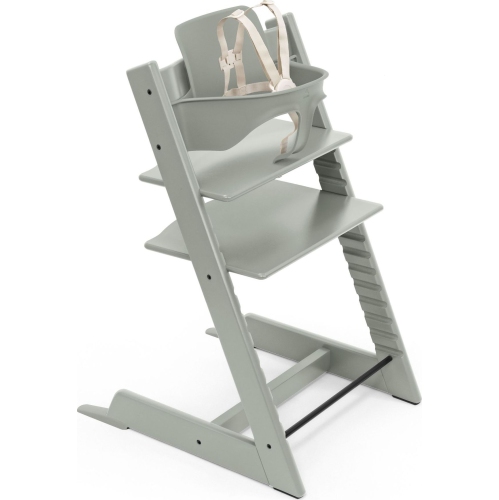
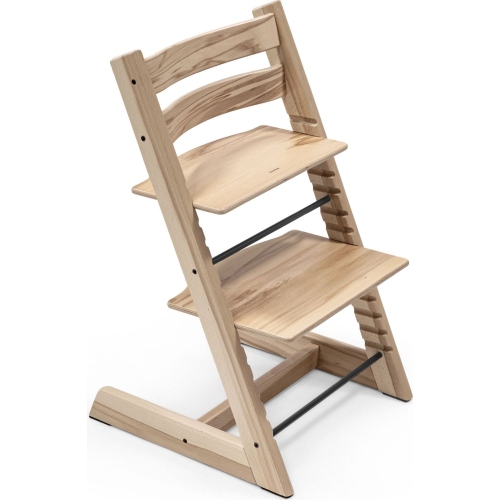
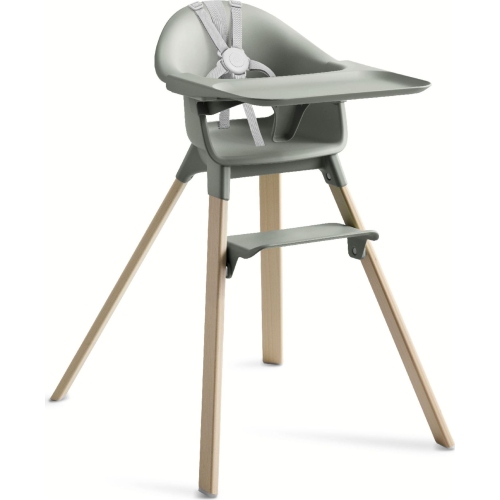
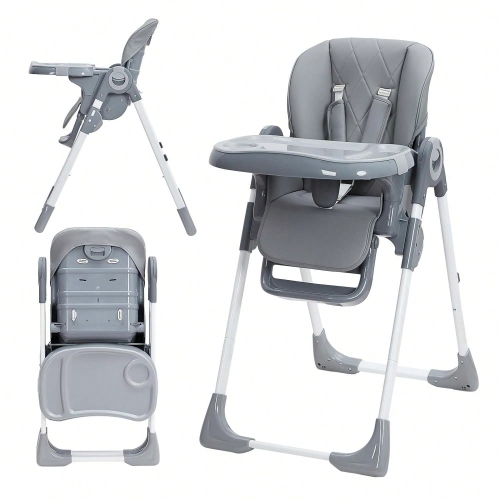
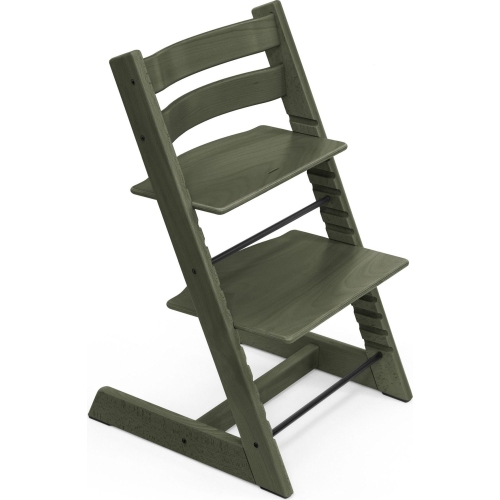
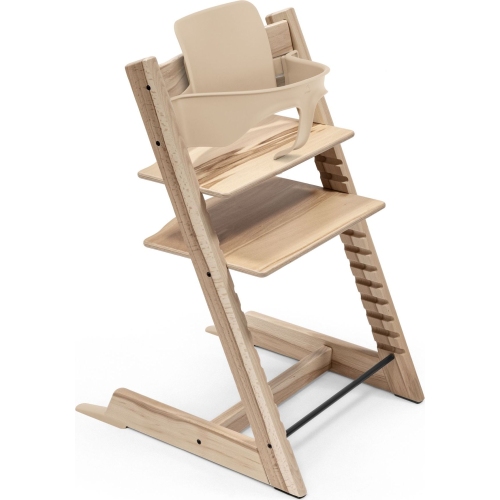
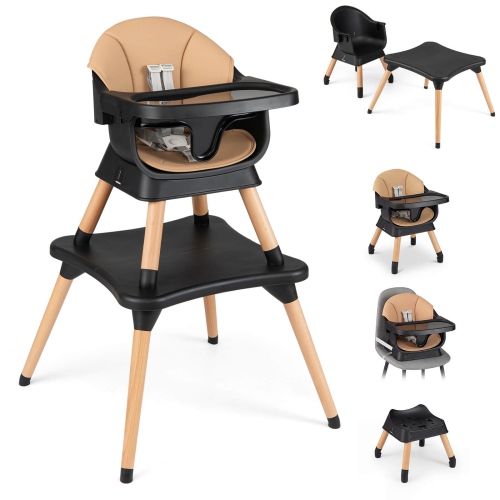
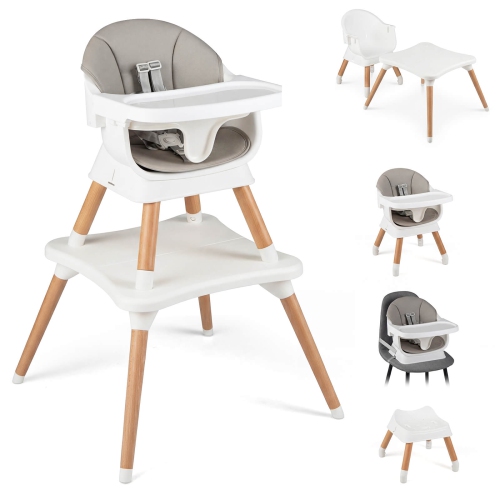
High chairs for 15-month-olds provide a dedicated place for toddlers to join family meals while practising self-feeding, handling a spoon, and drinking from a cup. At this age, a suitable chair combines stable construction, an appropriately sized seat, a secure harness, and a tray or table position that keeps food within comfortable reach. Adjustable features can be particularly useful because children of the same age may differ considerably in height, weight, and sitting proportions. A supportive backrest and an adjustable footrest help create an upright seated position, with the feet supported rather than dangling. The familiar right-angle position at the hips, knees, and ankles is a useful reference for comfortable seating, but the chair’s fit and the manufacturer’s instructions remain more important than achieving an exact angle. Seat depth matters, too: a toddler should not need to slide forward or lean sideways to reach lunch. A tray that adjusts towards or away from the body can accommodate different builds without pressing against the tummy. For active toddlers who twist around to follow a conversation or reach for a dropped spoon, a properly fitted harness is essential. A five-point harness provides restraint at the shoulders and hips, while the chair’s supplied restraint system should always be used as directed. The tray does not replace the harness, and a child should never be left unattended in a high chair. A broad, stable base, securely locked adjustments, and brakes on wheeled designs also deserve attention. Positioning the chair away from counters and other surfaces that a toddler could push against helps reduce opportunities for tipping. Age labels are only a starting point: weight limits, developmental requirements, and the fit of the individual chair determine whether it is appropriate for a particular child. These practical details make the difference between seating that simply fits into a dining area and seating that fits the toddler using it.
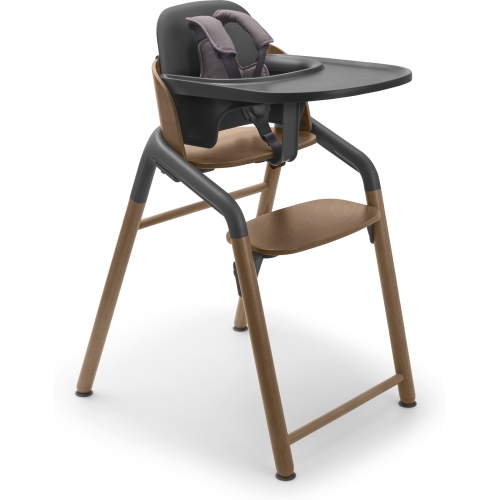
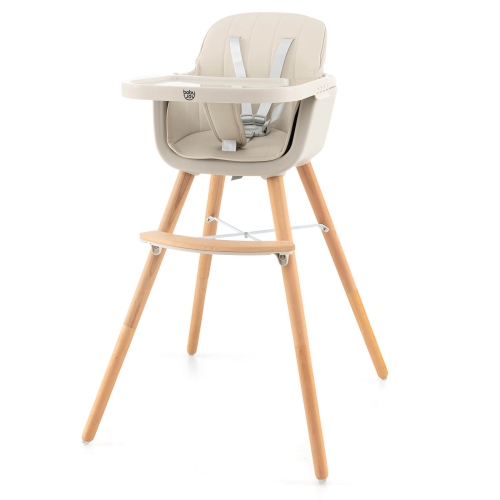
Everyday meals put high-chair materials and finishes to work. Porridge can settle around a buckle, yoghurt can spread beneath a tray insert, and soft fruit can find its way into the smallest seat seam. Smooth surfaces, accessible corners, and removable components make these ordinary messes easier to manage. Moulded plastic seats often have fewer fabric areas to wash, while padded seats can add cushioning when their shape still allows an upright, supported position. Coated seat covers may be suitable for wiping down, whereas some fabric pads can be removed for machine washing; the care instructions establish which cleaning methods are appropriate. Wooden high chairs bring a furniture-like appearance to the dining space, with finished surfaces that need cleaning and drying according to the manufacturer’s directions. Metal frames can provide a sturdy structure, although joints, hinges, and fasteners still need routine checks. No material eliminates the need for regular cleaning or inspection. A removable tray makes it easier to clear food away from the seat, and a separate tray insert can simplify the transition from a meal to cleanup. Dishwasher compatibility varies, so trays and inserts should only go into a dishwasher when specifically approved, using the stated rack position and settings. Harness straps also need attention, especially after sticky foods, but soaking or machine washing may not be suitable for every restraint. The most convenient design is often one with fewer places for food to collect and parts that are straightforward to remove and refit correctly. Durability includes more than a solid frame: tray latches should engage securely, adjustment mechanisms should hold their position, and padding should remain intact. Regular checks for loose hardware, damaged straps, or cracked components help keep a frequently used chair ready for family meals. For households serving several meals and snacks each day, accessible cleaning surfaces can be more useful than elaborate upholstery or decorative details.
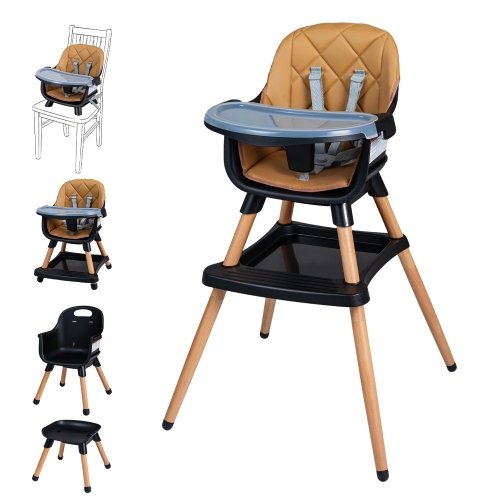
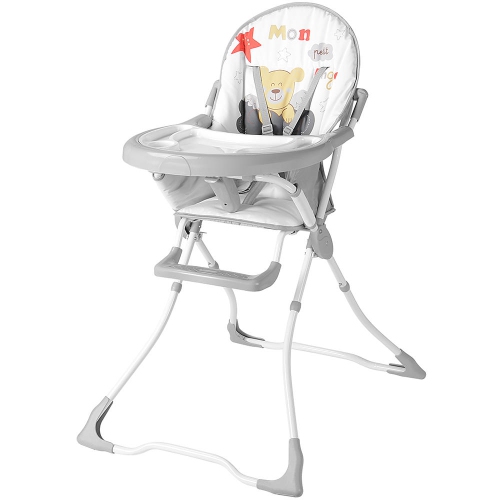
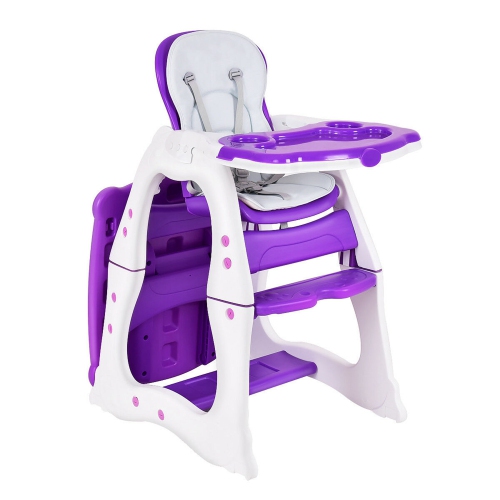
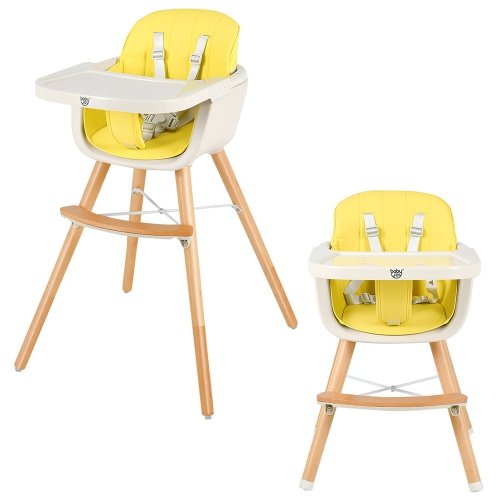
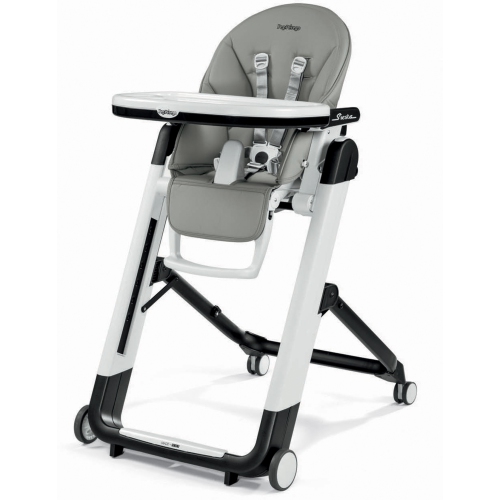
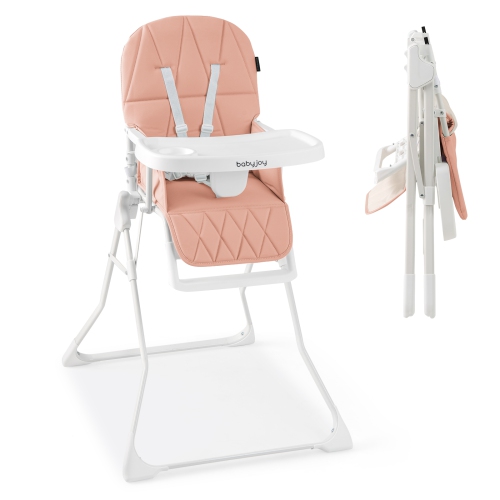
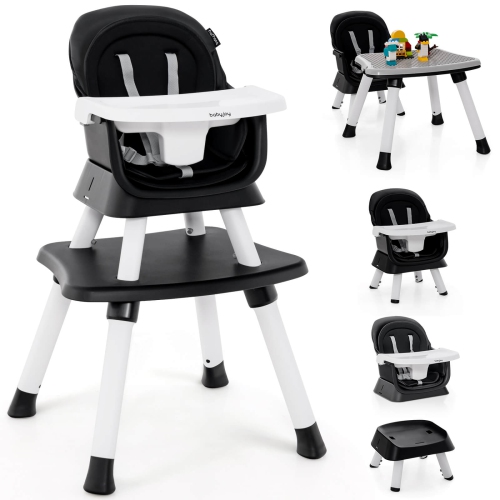
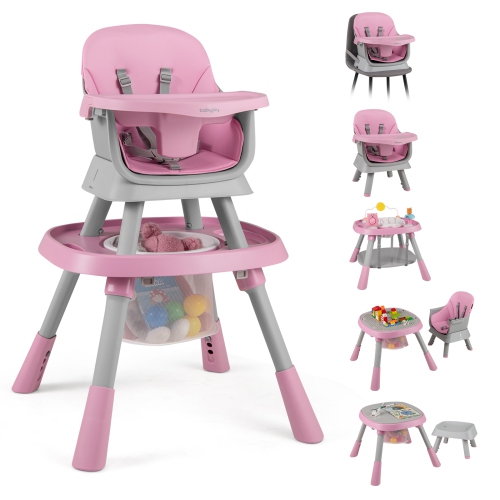
Different high-chair formats suit different dining spaces and routines. A freestanding high chair creates a dedicated feeding spot, while a folding design can be put away between meals when floor space is shared with other activities. The open footprint matters as much as the folded size: splayed legs need enough clearance for adults to walk around without catching a foot. Folding mechanisms should lock securely during use, and the chair should be stored where a toddler cannot pull it down. Height adjustment can help bring the seating position closer to different dining tables, although a chair intended for use at a table still needs adequate clearance and a suitable fit. A booster-style seat attaches to an existing adult chair and can bring a toddler closer to the family table, but it must be approved for the child’s stage and compatible with the supporting chair. Both the attachment straps and the child’s restraint need to be secured as instructed. Convertible high chairs offer another approach, with some designs changing into toddler seating or other child-sized furniture as children grow. Each configuration has its own limits and assembly requirements, so a conversion is appropriate only when the child meets those conditions. A 15-month-old may still need the full high-chair setup even when a later-stage option is included. Families furnishing spaces for younger siblings can also explore High Chairs for 9 Month Old, keeping each child’s sitting ability and measurements in mind rather than relying on age alone. For grandparents or other caregivers who host regular meals, easy-to-follow adjustments and manageable cleanup can be especially valuable. A high chair can also be a practical gift when its dimensions, care needs, and intended use match the receiving household. Whether it sits beside a compact kitchen table or a larger family dining table, a well-fitting chair gives a toddler a consistent place to take part in the meal, with supported seating and everyday maintenance kept firmly in view.
Top selling and popular products
-
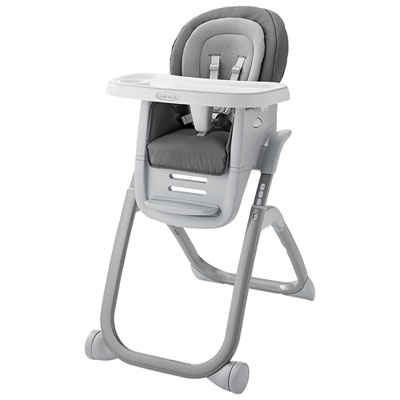 Your price for this item is $279.99
-
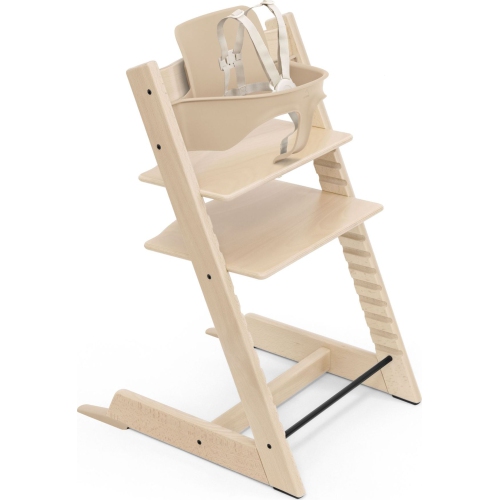 Your price for this item is $455
-
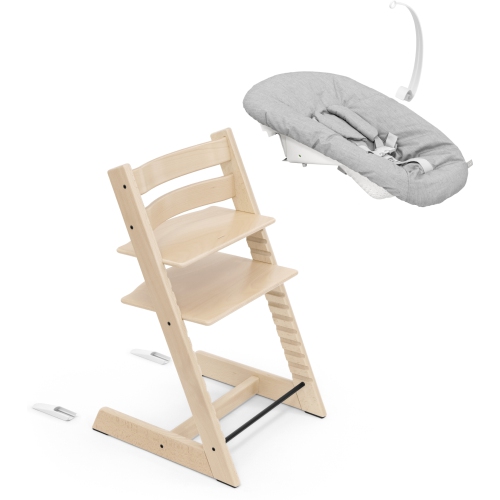 Your price for this item is $514.99
-
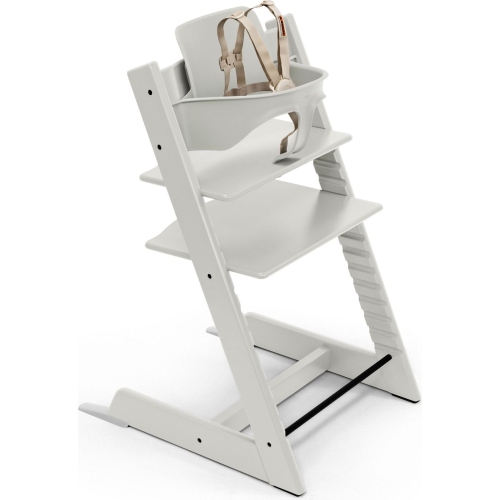 Your price for this item is $454.99
-
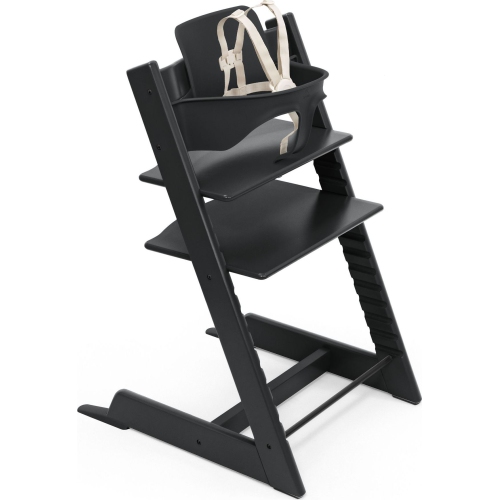 Your price for this item is $455
-
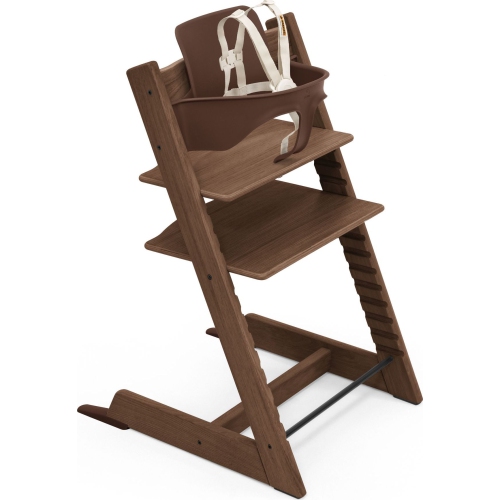 Your price for this item is $488.99
-
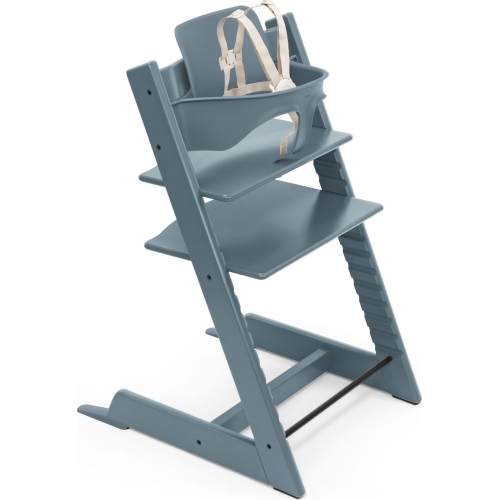 Your price for this item is $454.99
-
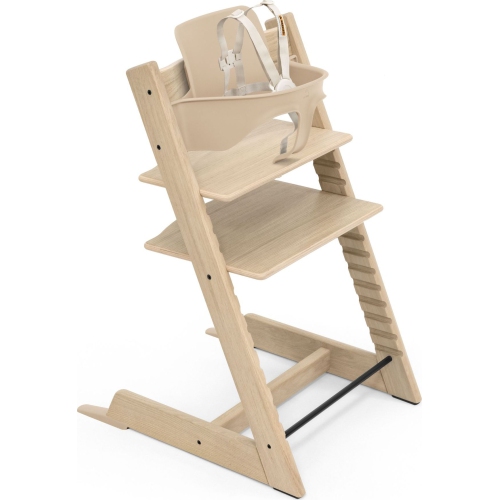 Your price for this item is $488.99
Discover more categories related to High Chairs for 15 Month Old
Top Collections:
Pokemon Centers, Best Cameras for Sports Photography, Kindle Devices, Samsung Galaxy Phones, Canon G7X Cameras, Pokémon 30th Celebration Cards, Refurbished Apple Laptops, iPhone 15 Apple, Laptops for Students, Budget Smartphones
Some products may be subject to Environmental Handling Fees
(EHF) depending on your province.
Learn more about EHFs.