Modular Strollers
Navigating the world with your little one just got easier with ultra-compact strollers, designed to offer both convenience and comfort for parents on the go. These sleek and lightweight strollers are perfect for urban adventures, travel escapades, or simply strolling through the park. They effortlessly fold into a compact size, making storage and transport a breeze. Whether you're hopping on public transit or packing for a family vacation, these strollers provide an ideal solution for busy families looking to balance style with practicality. Discover how an ultra-compact stroller can simplify your life while keeping your child snug and secure.
Sort
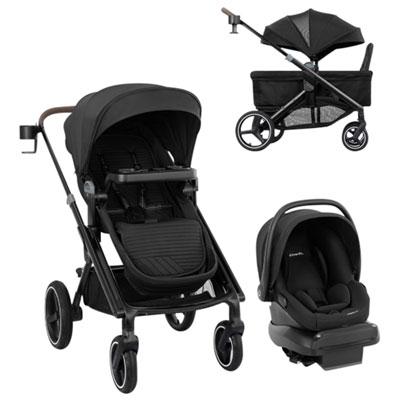
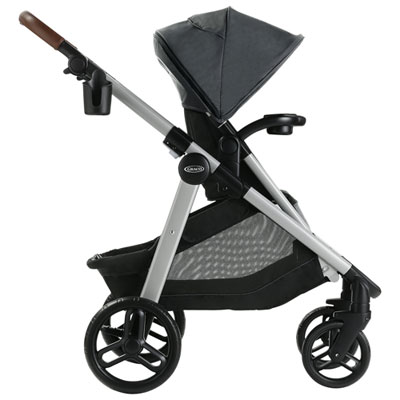
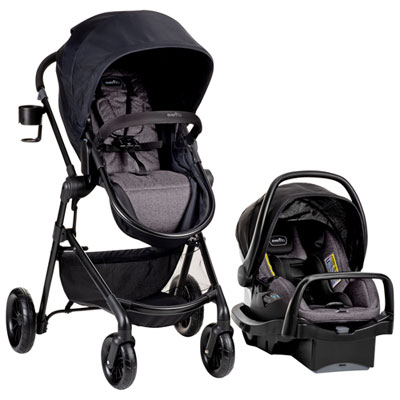
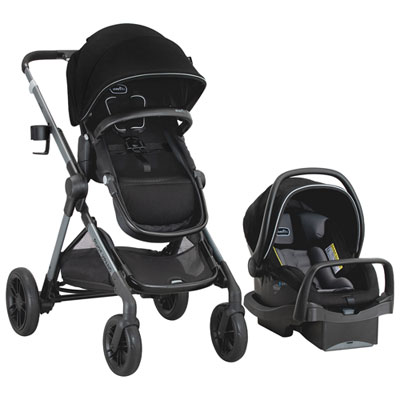
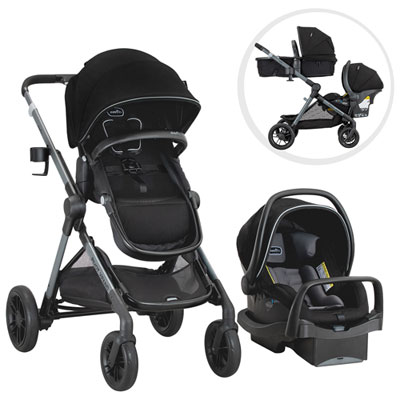
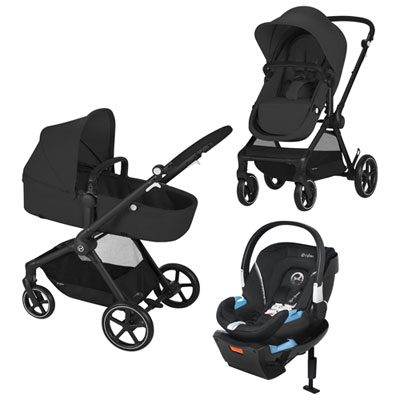
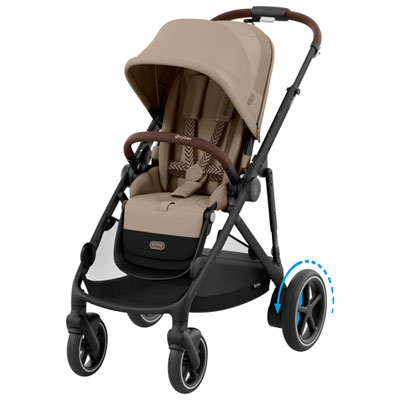
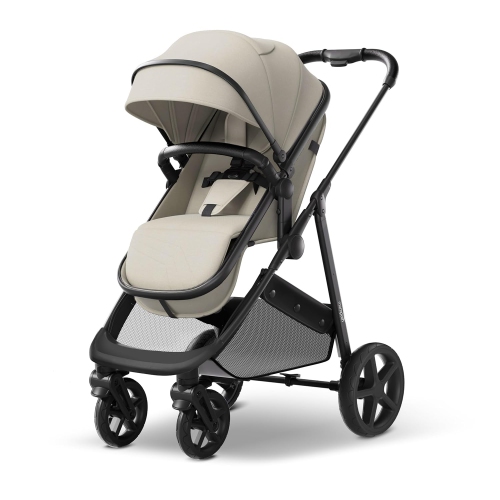

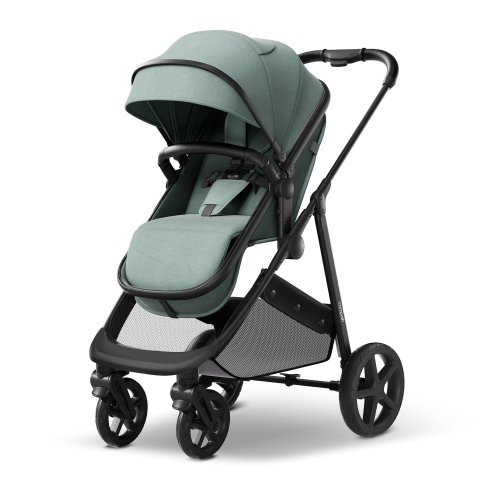
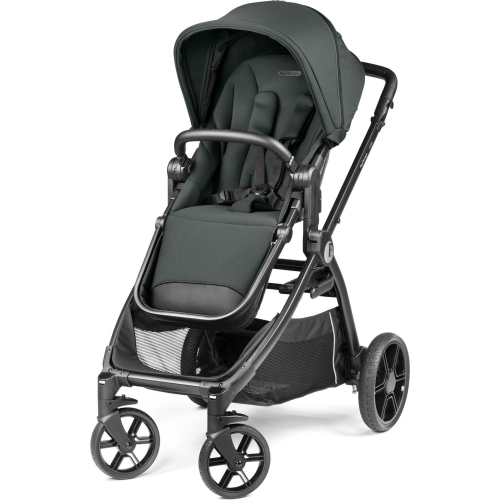
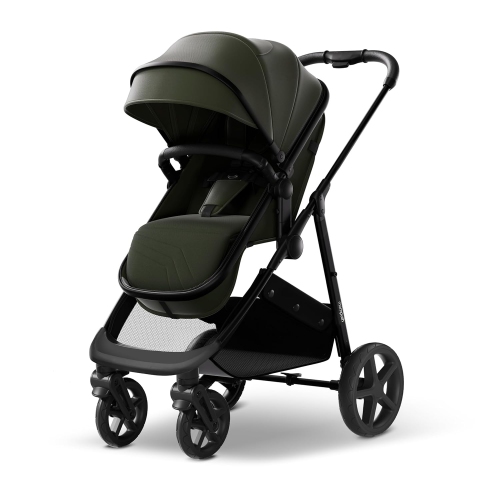
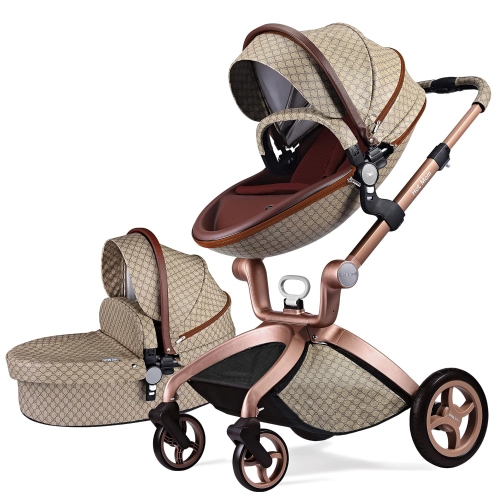
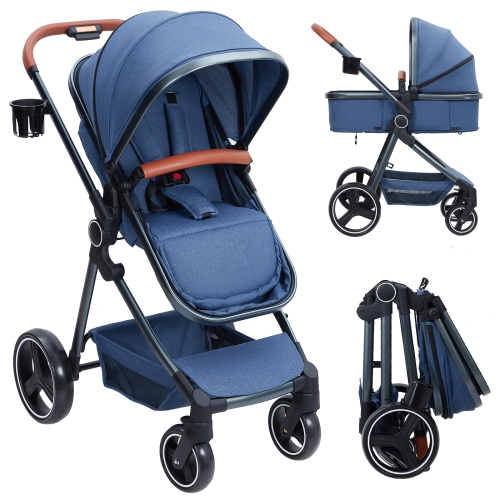
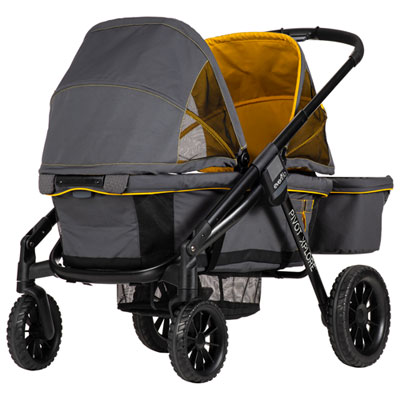
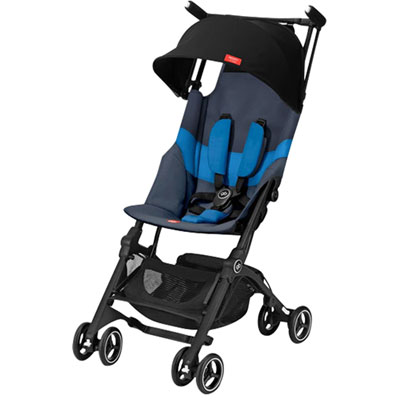
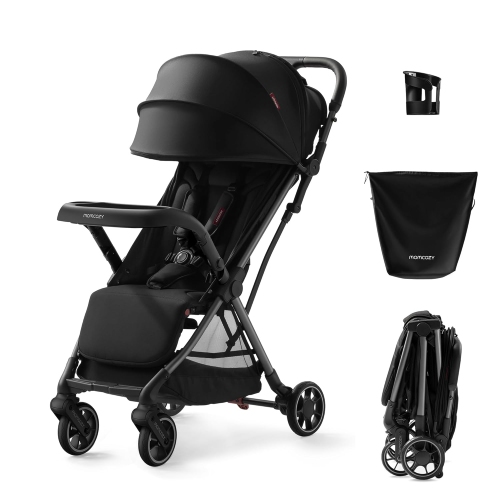
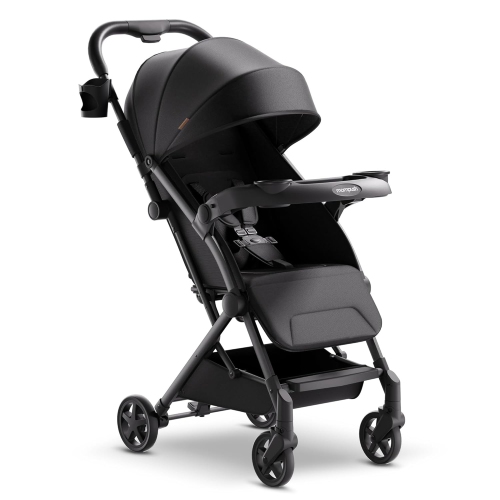
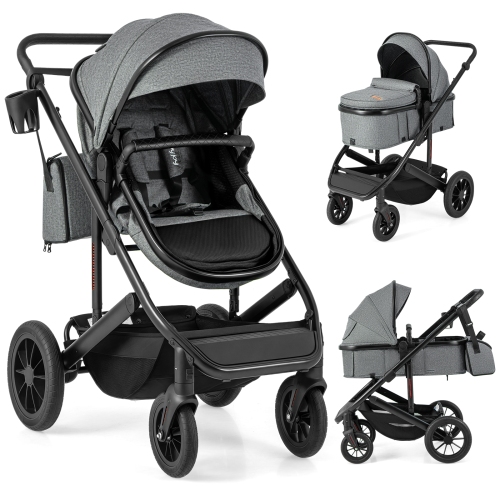
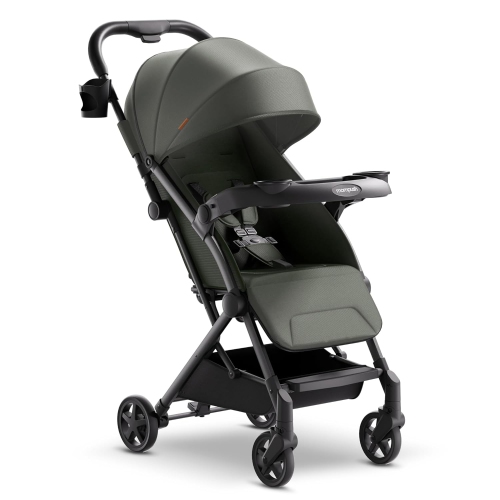
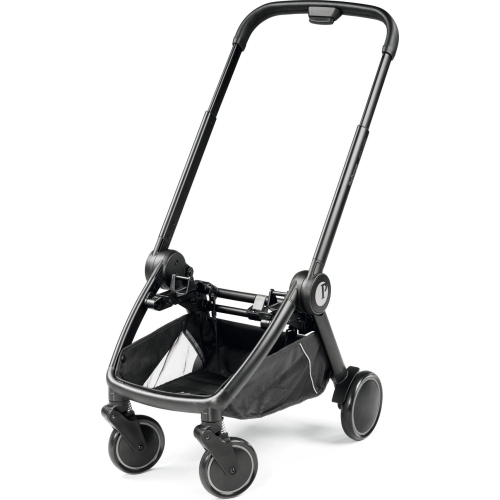
Changing seats without replacing the whole stroller
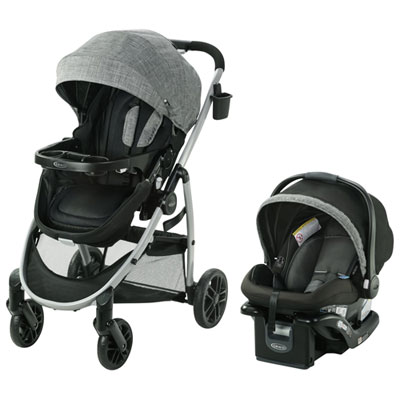
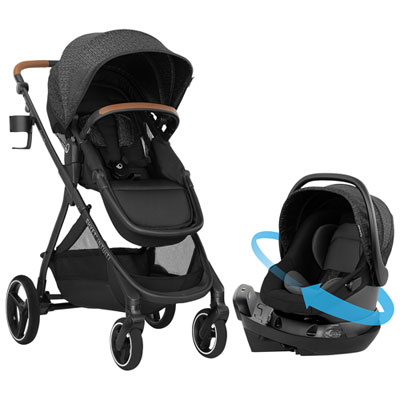
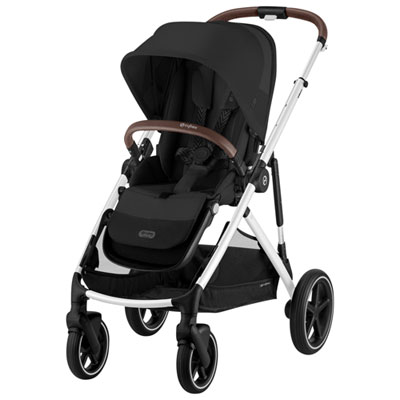
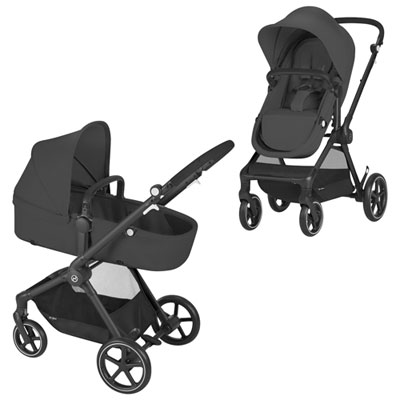
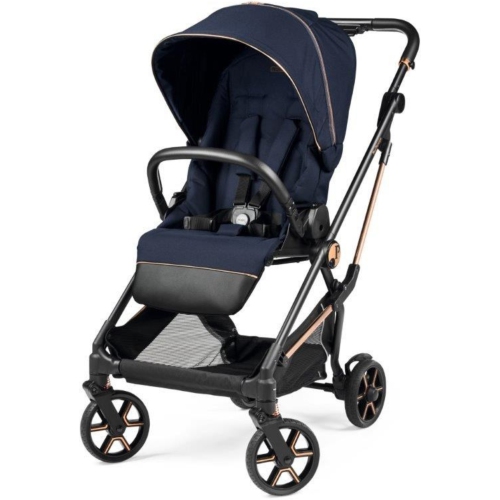
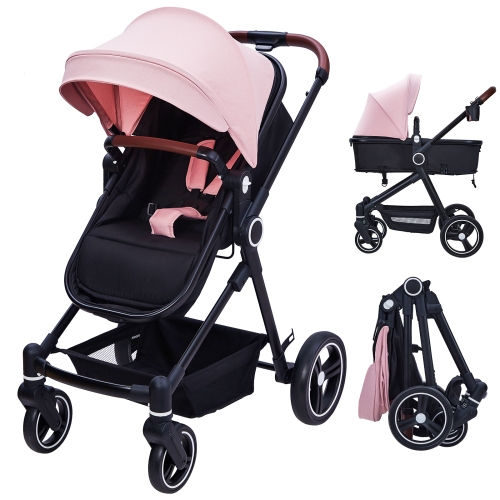
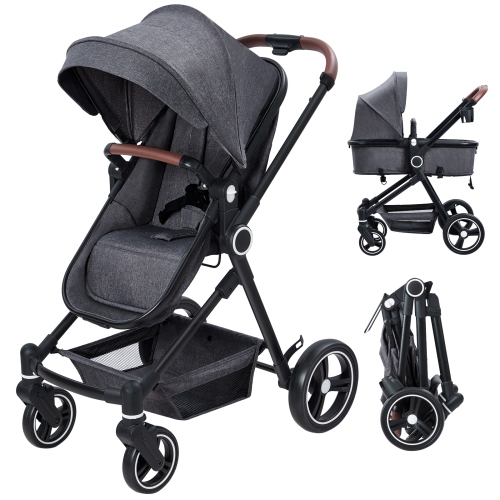
Modular strollers are baby strollers with interchangeable seating components that allow the same frame to support different stages of family life. Depending on the design, a frame may accept a bassinet, a compatible infant car seat, or a removable stroller seat that can face the parent or the direction of travel. This flexibility is the defining feature of a modular stroller: the seating arrangement can change without replacing the entire stroller. Some models also convert from a single stroller to a double with an additional seat and the required adapters, while others remain single strollers with several seating options. A reversible seat does not automatically mean a stroller can carry two children, and the number of configurations matters less than whether those arrangements suit the children using them. For a young baby, a manufacturer-approved bassinet or newborn-ready seat can provide an appropriate position for outings, subject to the stated age, weight, and developmental requirements. A reclining toddler seat is not necessarily suitable from birth, even when it appears to lie nearly flat. Compatibility with an infant car seat can make the transition from a vehicle to a short errand easier, but only the car seats and adapters approved for that stroller should be used together. Infant car seats are designed primarily for travel and should not replace a suitable sleep space after the journey. As a child grows, an adjustable harness, supportive seat, and footrest help accommodate changing proportions within the stroller’s limits. Parent-facing seating keeps a baby in view during a neighbourhood walk, while forward-facing seating gives an older child a clearer view of passing buses, dogs, and playgrounds. For siblings, the arrangement of upper and lower seats affects visibility, legroom, and access to each child. Each seating position may have its own weight limit, making the details of the approved setup especially important for children of different ages and sizes.
The everyday appeal of a modular stroller depends as much on its frame, wheels, and fold as on its seating options. A family walking along uneven pavement may appreciate larger wheels and suspension that soften bumps, while someone navigating narrow shop aisles or a small lift may place more value on a manageable width and responsive steering. Wheel size and suspension can improve comfort, but they do not make every stroller suitable for jogging, deep snow, or rough trails; intended use is determined by the manufacturer. Swivelling front wheels can help with tight turns, and a front-wheel lock, where provided, may offer steadier tracking on uneven surfaces. During cooler weather, wet leaves, slush, and grit can make footing less predictable, so a secure handlebar grip and an easily operated parking brake are practical details rather than minor extras. Adjustable handlebars can improve comfort when caregivers of different heights share the pushing, especially on longer walks. Frame weight deserves attention alongside the advertised fold: lifting a stroller into a vehicle several times a day feels different from rolling it into a ground-floor hallway. Aluminium frames are common because they offer a useful balance of strength and manageable weight, although the complete stroller’s weight also depends on its wheels, seats, and accessories. Folded dimensions should account for the configuration that will actually be stored, since some designs fold with a seat attached and others require components to be removed. A separate bassinet or additional seat also needs space in the boot or cupboard. Families whose main concern is fitting a stroller into a vehicle or smaller home may also find Foldable Strollers relevant, as modularity describes seating flexibility rather than how compactly a stroller folds. Under-seat storage adds another layer of convenience, particularly for a changing bag and a few essentials, but basket access can change when a second seat is fitted. Keeping bags within the designated storage area and respecting its weight limit helps maintain the stroller’s intended balance; heavy bags hanging from the handlebar can create a tipping risk.
Materials and finishing details influence how comfortably a modular stroller fits into daily routines and how well it handles repeated use. Seat fabrics should feel comfortable against clothing and be practical to clean after muddy shoes, spilled milk, or a snack on the way home. Removable, washable covers can simplify care, but washing methods vary, and some padding, harnesses, and inserts require spot cleaning rather than machine washing. A canopy with useful coverage helps shade a seated child, while a viewing panel can make it easier to check on them without stopping. Ventilation remains important when weather protection is fitted: a compatible rain cover should be used as directed, and a blanket should not be draped over the stroller opening because it can restrict airflow and trap heat. Cooler outings may call for an approved footmuff or other compatible accessory that leaves the harness functioning correctly, rather than bulky layers that interfere with its fit. Regular care is usually straightforward but worth keeping up with. Removing grit from wheels, wiping moisture from the frame, and allowing fabrics to dry fully before storage can help protect moving parts and reduce musty odours. Hinges, seat attachment points, harness buckles, and brakes need periodic checks according to the instructions, particularly when the stroller is frequently folded or switched between configurations. A seat should be securely locked into its approved position before a child is placed inside, and the harness should be fastened on every outing. Long-term usefulness also depends on whether the stroller’s approved accessories support the family’s plans; an extra seat, bassinet, or adapter may be separate rather than included. Modular strollers can be a thoughtful group gift for expectant parents or caregivers preparing for another child, provided the chosen design suits their storage space, transport habits, and preferred seating arrangement. The most useful flexibility is the kind that serves ordinary days: a comfortable walk to childcare, a quick stop after a car journey, or an afternoon out with siblings who still need somewhere to rest.
The everyday appeal of a modular stroller depends as much on its frame, wheels, and fold as on its seating options. A family walking along uneven pavement may appreciate larger wheels and suspension that soften bumps, while someone navigating narrow shop aisles or a small lift may place more value on a manageable width and responsive steering. Wheel size and suspension can improve comfort, but they do not make every stroller suitable for jogging, deep snow, or rough trails; intended use is determined by the manufacturer. Swivelling front wheels can help with tight turns, and a front-wheel lock, where provided, may offer steadier tracking on uneven surfaces. During cooler weather, wet leaves, slush, and grit can make footing less predictable, so a secure handlebar grip and an easily operated parking brake are practical details rather than minor extras. Adjustable handlebars can improve comfort when caregivers of different heights share the pushing, especially on longer walks. Frame weight deserves attention alongside the advertised fold: lifting a stroller into a vehicle several times a day feels different from rolling it into a ground-floor hallway. Aluminium frames are common because they offer a useful balance of strength and manageable weight, although the complete stroller’s weight also depends on its wheels, seats, and accessories. Folded dimensions should account for the configuration that will actually be stored, since some designs fold with a seat attached and others require components to be removed. A separate bassinet or additional seat also needs space in the boot or cupboard. Families whose main concern is fitting a stroller into a vehicle or smaller home may also find Foldable Strollers relevant, as modularity describes seating flexibility rather than how compactly a stroller folds. Under-seat storage adds another layer of convenience, particularly for a changing bag and a few essentials, but basket access can change when a second seat is fitted. Keeping bags within the designated storage area and respecting its weight limit helps maintain the stroller’s intended balance; heavy bags hanging from the handlebar can create a tipping risk.
Materials and finishing details influence how comfortably a modular stroller fits into daily routines and how well it handles repeated use. Seat fabrics should feel comfortable against clothing and be practical to clean after muddy shoes, spilled milk, or a snack on the way home. Removable, washable covers can simplify care, but washing methods vary, and some padding, harnesses, and inserts require spot cleaning rather than machine washing. A canopy with useful coverage helps shade a seated child, while a viewing panel can make it easier to check on them without stopping. Ventilation remains important when weather protection is fitted: a compatible rain cover should be used as directed, and a blanket should not be draped over the stroller opening because it can restrict airflow and trap heat. Cooler outings may call for an approved footmuff or other compatible accessory that leaves the harness functioning correctly, rather than bulky layers that interfere with its fit. Regular care is usually straightforward but worth keeping up with. Removing grit from wheels, wiping moisture from the frame, and allowing fabrics to dry fully before storage can help protect moving parts and reduce musty odours. Hinges, seat attachment points, harness buckles, and brakes need periodic checks according to the instructions, particularly when the stroller is frequently folded or switched between configurations. A seat should be securely locked into its approved position before a child is placed inside, and the harness should be fastened on every outing. Long-term usefulness also depends on whether the stroller’s approved accessories support the family’s plans; an extra seat, bassinet, or adapter may be separate rather than included. Modular strollers can be a thoughtful group gift for expectant parents or caregivers preparing for another child, provided the chosen design suits their storage space, transport habits, and preferred seating arrangement. The most useful flexibility is the kind that serves ordinary days: a comfortable walk to childcare, a quick stop after a car journey, or an afternoon out with siblings who still need somewhere to rest.
Top selling and popular products
-
 Your price for this item is $249.99
 -
 Your price for this item is $249.99
 -
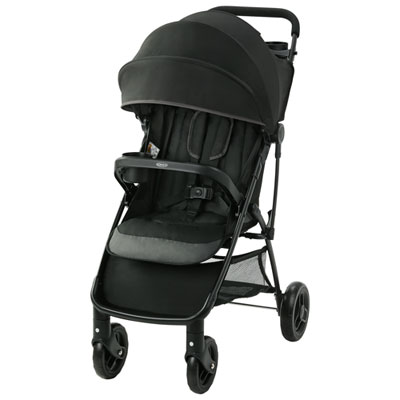 Your price for this item is $249.99
 -
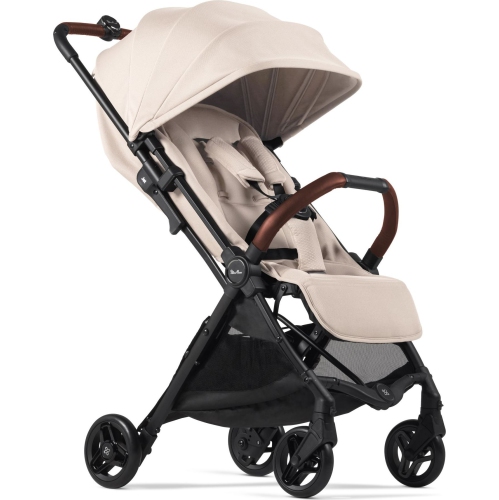 Your price for this item is $615
 -
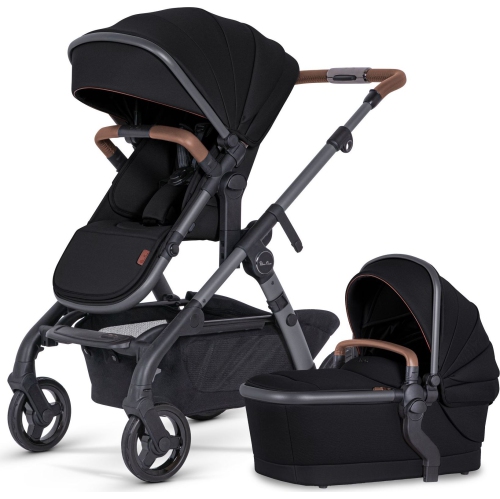 Your price for this item is $1964
 -
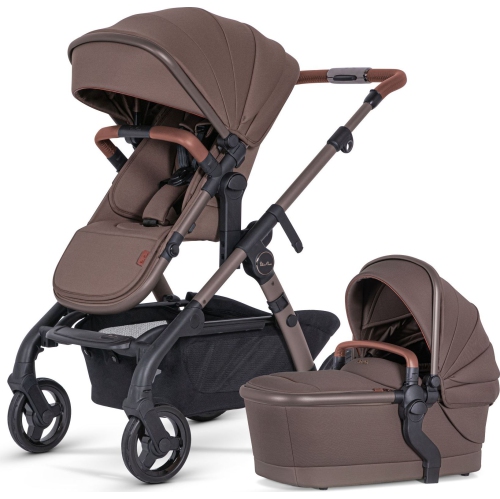 Your price for this item is $1964
 -
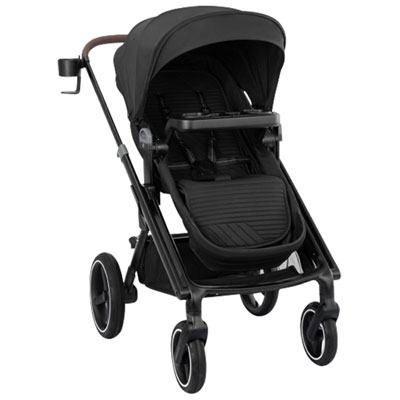 Your price for this item is $699.99
 -
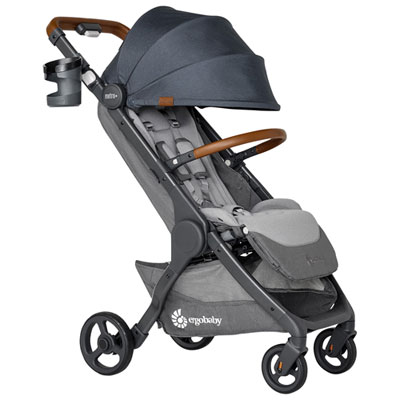 Your price for this item is $518.99
Discover more categories related to Modular Strollers
Top Collections:
Pokemon Centers, Budget 4K TVs, Kindle Devices, Canon G7X Cameras, Apple iPhones 16, iPhone 15 Apple, Laptops for Business Work, Flip Phones, Xiaomi Phones, Refurbished Apple Laptops
Some products may be subject to Environmental Handling Fees
(EHF) depending on your province.
Learn more about EHFs.