Swaddle for Babies
Creating a cozy and secure environment for your little one is essential, and finding the right swaddle can make all the difference. As a parent, you want to ensure that your baby feels safe, comfortable, and calm during those precious moments of rest. That's why we offer a wide range of swaddles for babies, designed to provide a gentle embrace while promoting better sleep and reducing startle reflexes. Whether you're a new parent or an experienced caregiver, our selection of swaddles offers various options to suit your baby's needs.
Sort


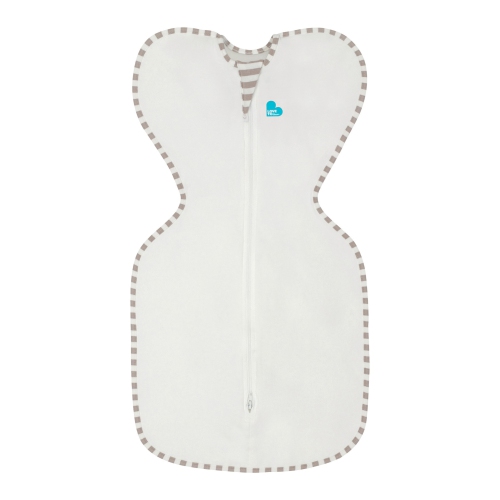


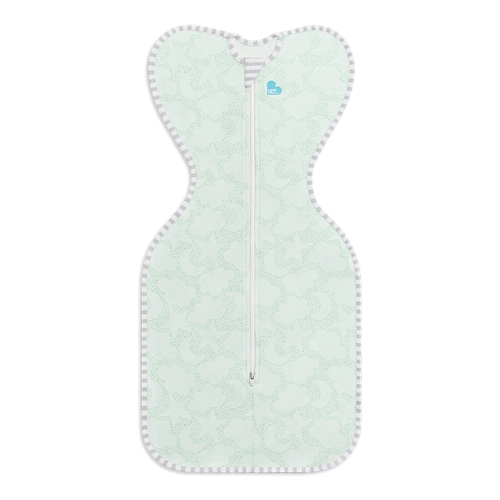
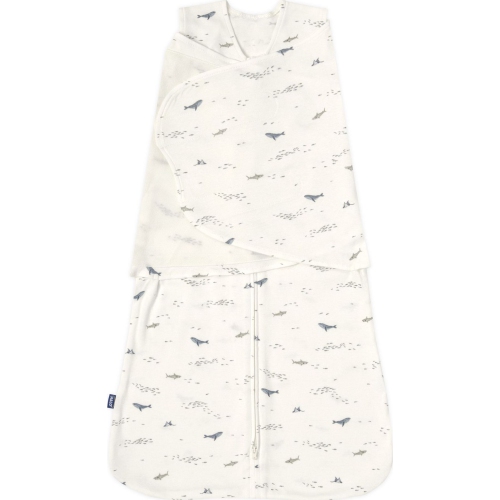
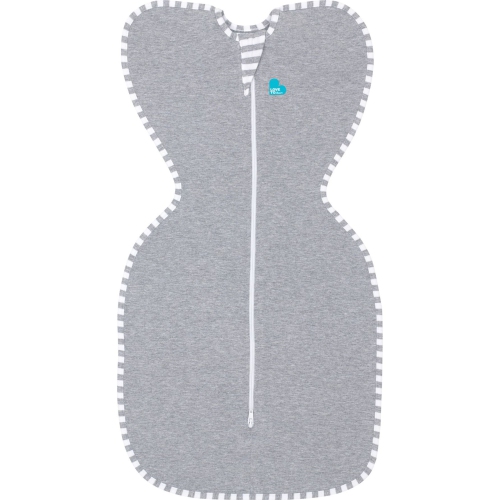
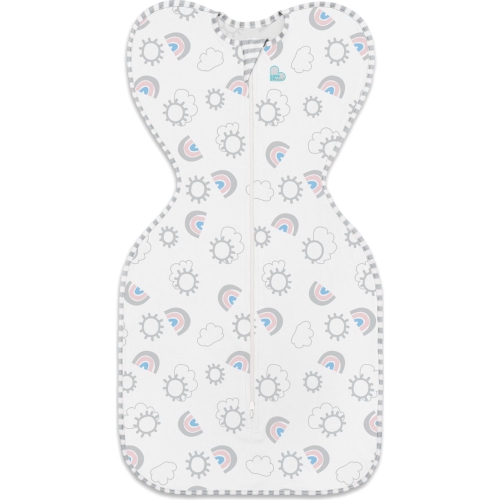
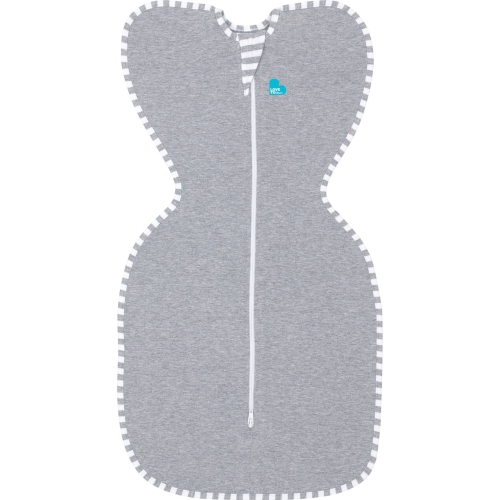
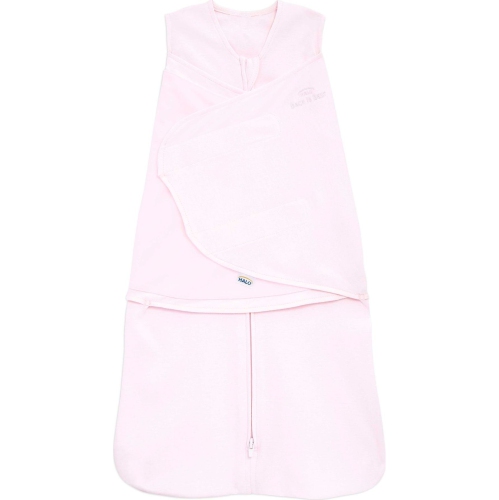
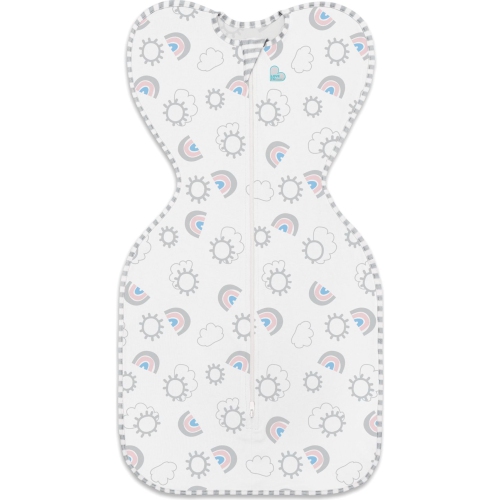



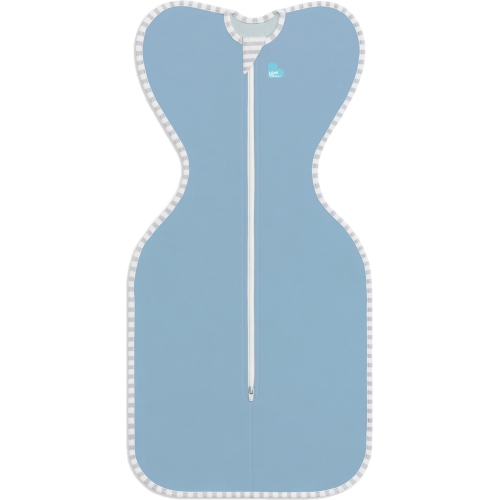
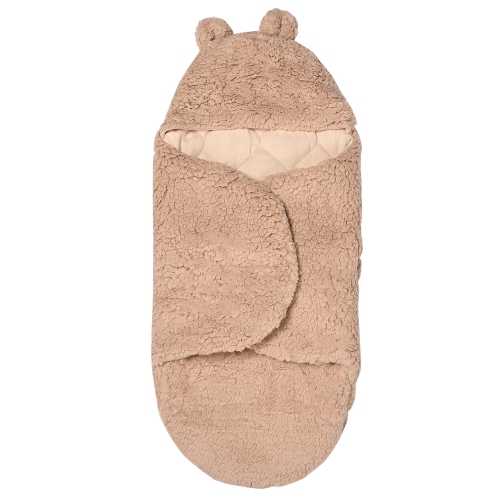


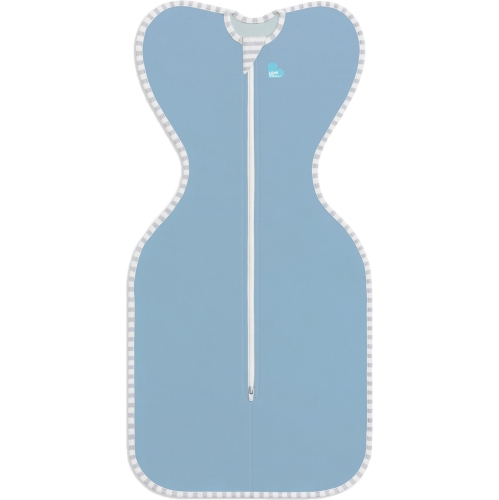
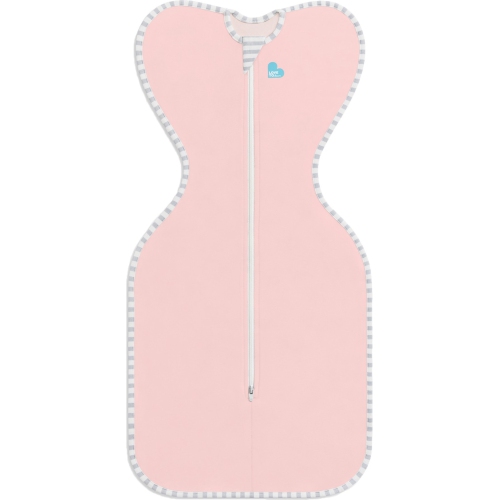
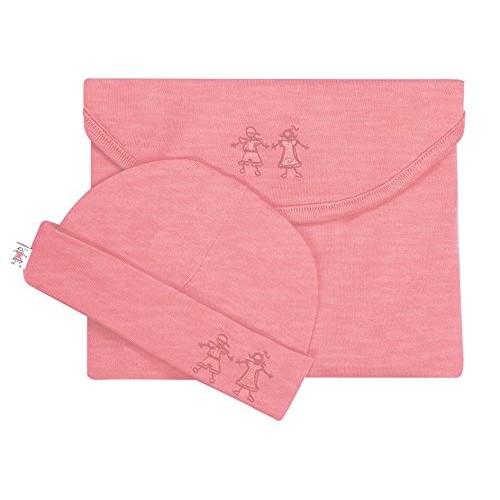
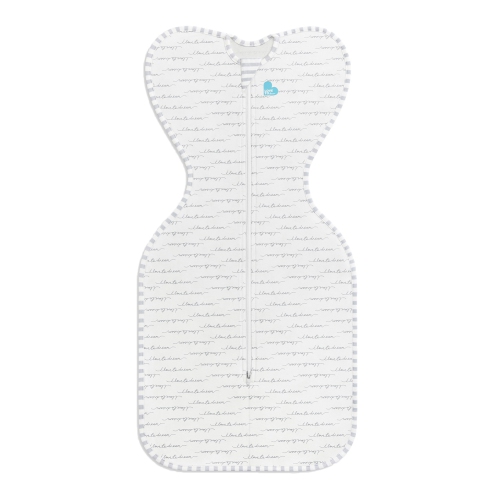
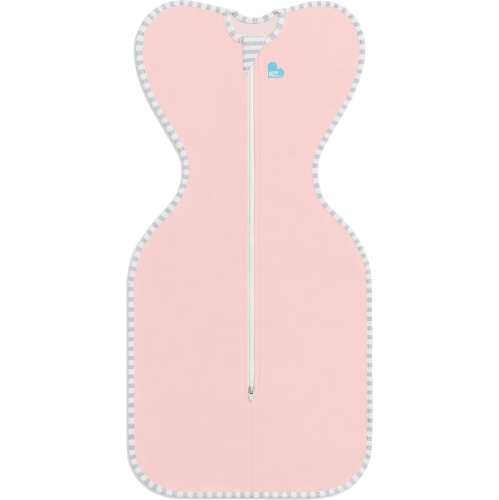
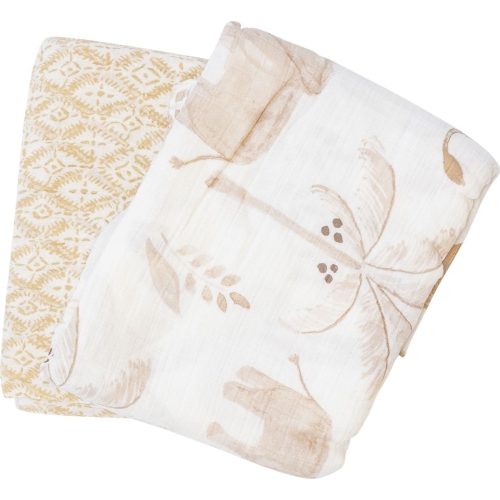
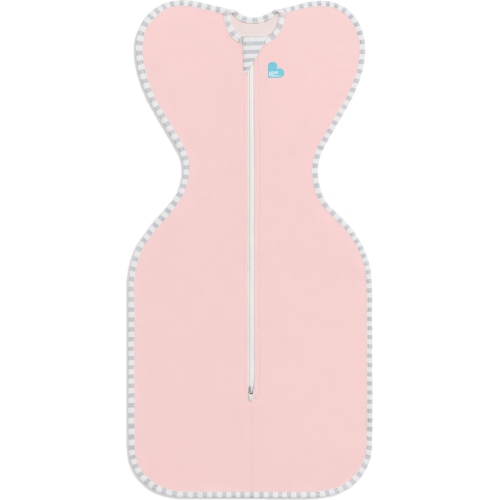

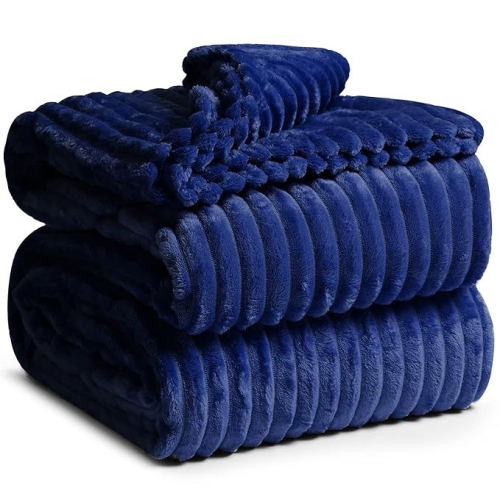
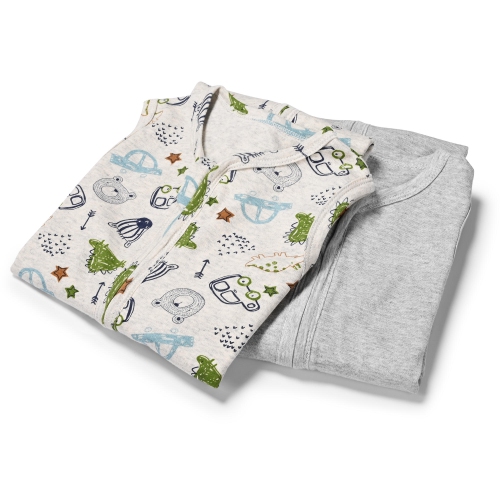
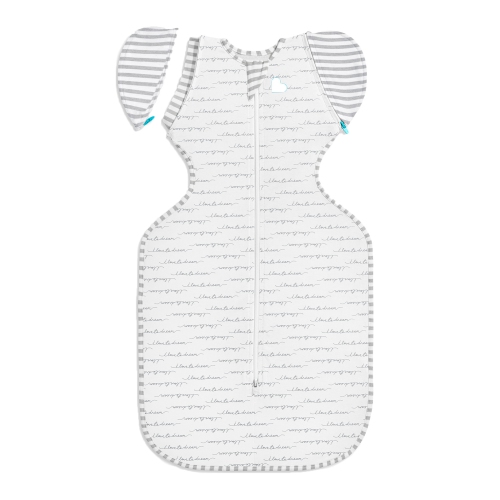
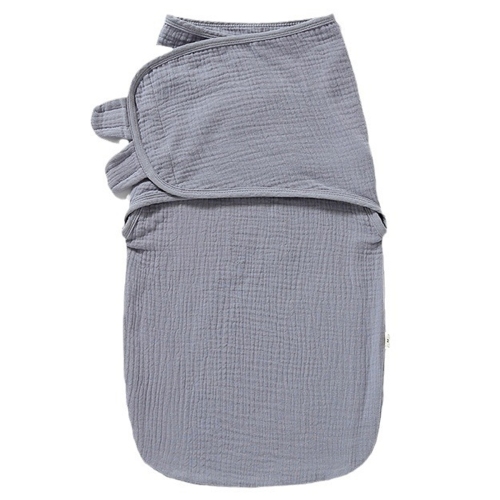
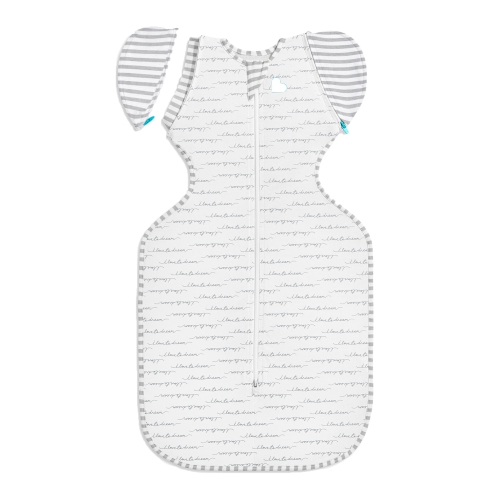

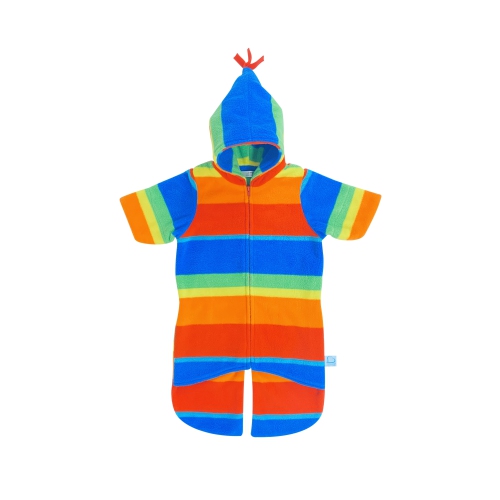
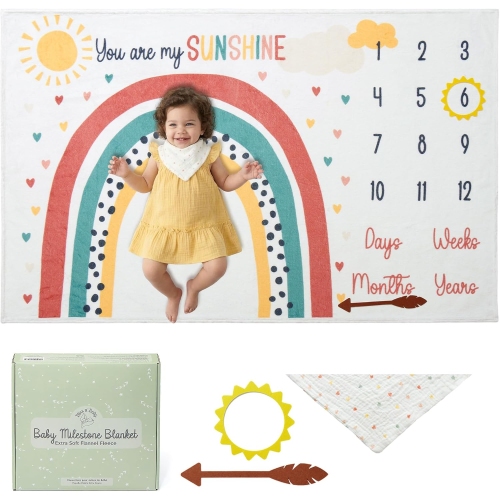


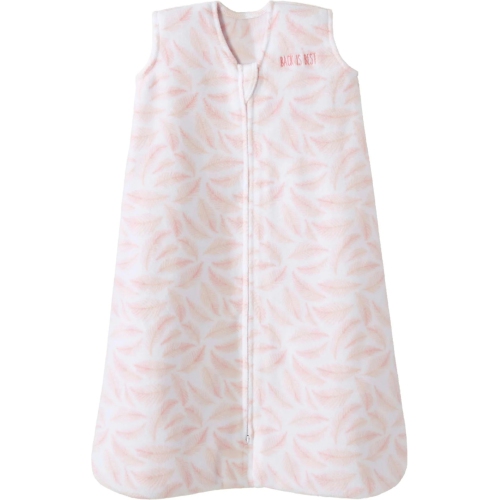


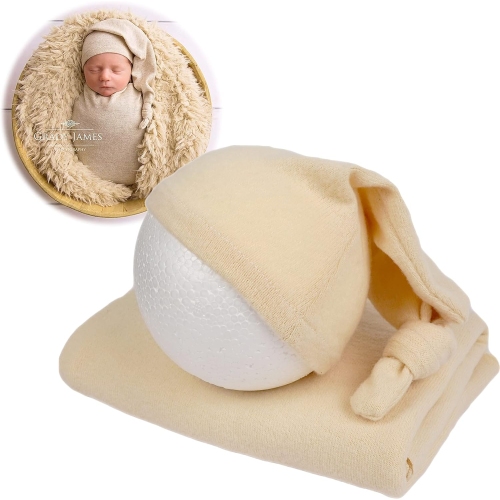
How swaddle styles differ in fit and everyday use
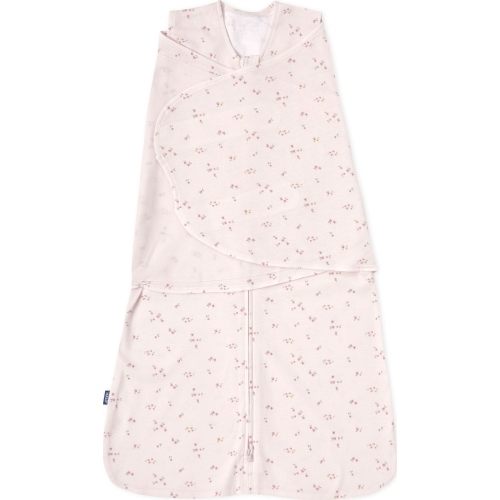
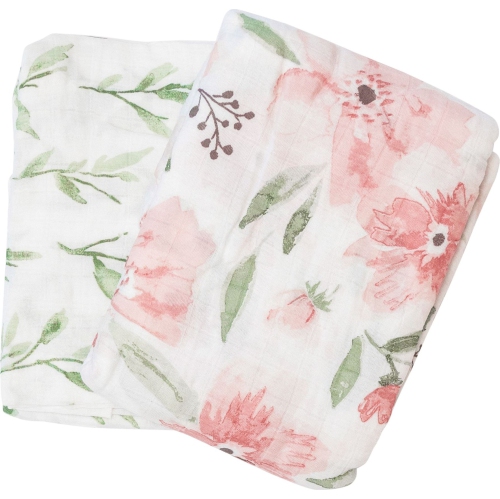
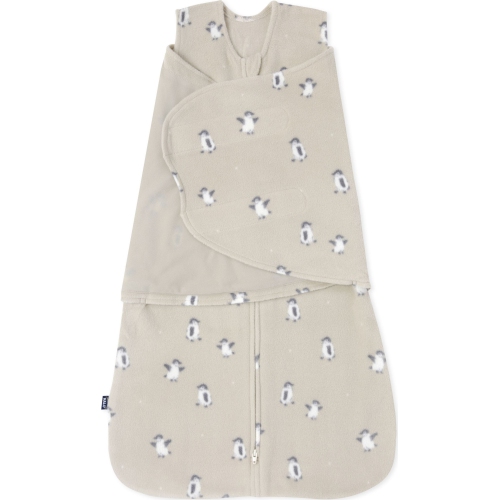
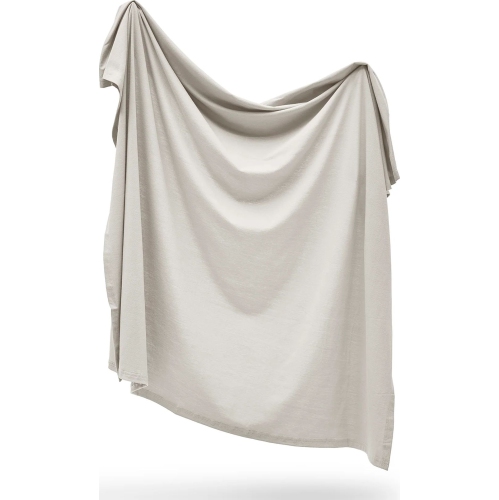
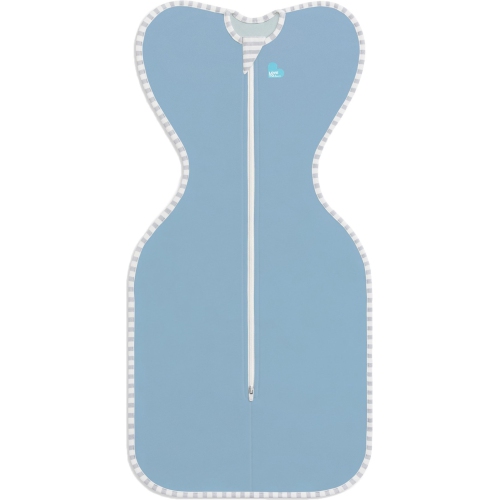
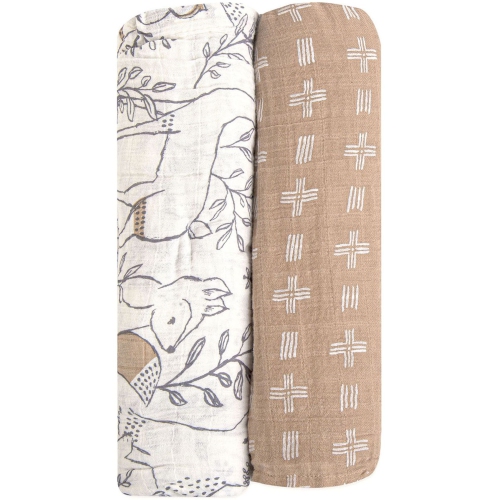
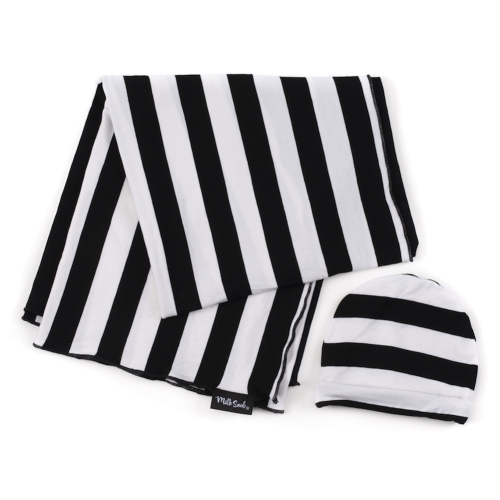
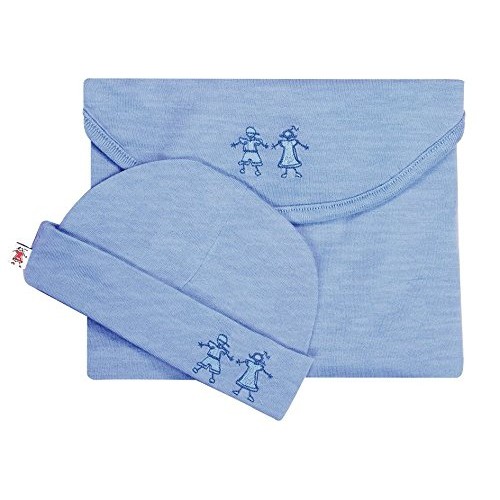
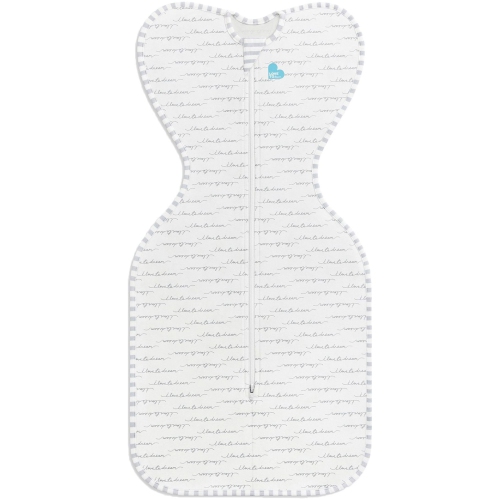
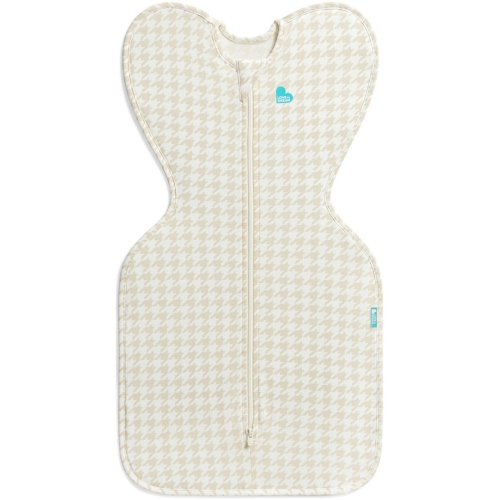
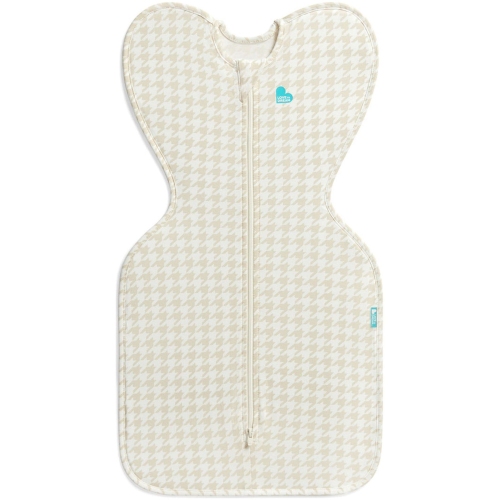
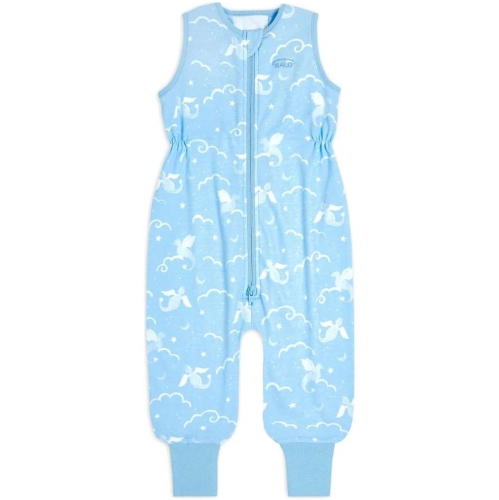
A baby swaddle is a wrap designed to hold a newborn snugly around the upper body while leaving space for the hips and legs to move. The gentle containment can help some babies feel settled and soften the sudden arm movements of the startle reflex, although every baby responds differently. Swaddles for babies generally fall into two groups: flat blankets that fold around the body and shaped wraps with built-in fastenings. A flat swaddle blanket offers flexibility in how it is folded, while a shaped wrap provides a more defined fit using fabric wings, hook-and-loop tabs, or zippers. Some designs hold the arms close to the sides; others allow a bent, arms-up position within the wrap. These differences affect how the swaddle feels and how easily a caregiver can put it on, rather than guaranteeing a particular sleep result. A baby who settles comfortably in one style may resist another, and swaddling is optional, not a requirement for newborn care. For families comparing wearable designs, Swaddle Sleep Sacks bring together the wrapping function and a shaped sleeping garment. The distinction between a swaddle and an ordinary sleep sack matters: a swaddle restricts arm movement, whereas a properly fitted, non-swaddling sleep sack leaves the arms free. A convertible label does not make every configuration suitable for every stage, so the permitted uses depend on the design and its instructions. Practical details also make a difference during repeated changes. A bottom-opening zipper may provide diaper access without fully opening the upper section, while broad fabric wings can offer adjustment within the stated size range. For a parent changing a diaper with one hand resting gently on a wriggling baby, an easy-to-grasp fastening and a clear opening can be more useful than decorative extras. Simple construction can also help different caregivers use the same wrap consistently.
Material, sizing, and construction determine much of a swaddle’s everyday feel. Cotton muslin typically has an open, lightly textured weave that folds readily, while cotton jersey offers a smoother, stretchier surface. Fabrics described as bamboo may be rayon or viscose made from bamboo, often blended with cotton or other fibres; the fibre label gives a clearer picture than the fabric name alone. Softness is worth considering, but it is only one part of comfort. Seams should lie smoothly, bindings should not feel rough against the neck, and zipper guards can help keep hardware away from delicate skin. Breathable fabric does not remove the risk of overheating, and a swaddle should not be treated as a reason to add extra layers. Fit is especially important because newborn proportions vary, even among babies of the same age. The manufacturer’s weight and length ranges are more useful than an age label by itself. A suitable fit stays secure without compressing the chest, allows comfortable breathing, and cannot ride up over the mouth or nose. The lower section needs enough room for the hips and knees to bend and for the legs to move outward naturally; wrapping the legs straight and tightly together can interfere with healthy hip development. Extra fabric is not necessarily an advantage, and sizing up for longer use can leave unsafe gaps or material that shifts. Stretch also deserves attention: a fabric that feels forgiving in the hand still needs to be secured according to its instructions, without being pulled excessively tight. For sleep, always place a swaddled baby on their back on a firm, flat, level mattress in an approved crib, cradle, or bassinet, with no pillows, toys, bumpers, or loose bedding. Swaddling does not prevent sudden infant death syndrome or make side or stomach sleeping safe. Weighted swaddles are not safe for infant sleep. Stop swaddling as soon as a baby shows signs of attempting to roll, regardless of age; this can happen earlier than expected. An arms-up swaddle still restricts movement and is not a substitute for an arms-free sleep sack at that stage.
Frequent washing is part of life with newborn textiles, so care requirements deserve as much attention as the first impression of softness. Milk dribbles, spit-up, and diaper leaks can mean a swaddle needs laundering after only a short period of use. Machine-washable fabrics and straightforward drying instructions can make it easier to keep a clean replacement ready without complicating the household laundry routine. Care labels remain important because fibre blends, stretchy panels, and fastenings may need different treatment. Closing hook-and-loop tabs before washing, when directed, can limit snagging, while keeping zippers secured as instructed can help protect the garment and neighbouring fabrics. Durability shows up in details such as reinforced seams, neatly finished edges, and closures that still hold after repeated laundering. Cotton fabrics may shrink, and stretch fabrics can lose some recovery over time, so the fit needs another look after washing rather than an assumption that it remains unchanged. Loose stitching, broken fastenings, and fabric that no longer stays securely positioned are reasons to stop using a wrap. Having more than one washable swaddle can be practical when one is in the laundry, but a large collection in a single newborn size may have a short useful life. For a baby shower or a gift welcoming a newborn, useful considerations include the family’s preferred fastening style, easy care, and sizing that suits the baby rather than colour alone. Quiet patterns and coordinated colours can complement nursery textiles, but decoration should never come at the expense of a smooth, secure design. Flat swaddle blankets may also have uses beyond wrapping, such as a clean surface for supervised floor play or a cloth over a caregiver’s shoulder during burping, provided their size and fabric suit the task. Those uses do not make them appropriate as loose blankets in an infant’s sleep space. For babies born prematurely or with medical needs, a healthcare professional can advise whether swaddling is appropriate. The most useful choice is one that fits the baby’s present stage, feels comfortable against the skin, and remains straightforward to use and care for throughout its intended lifespan.
Top selling and popular products
-
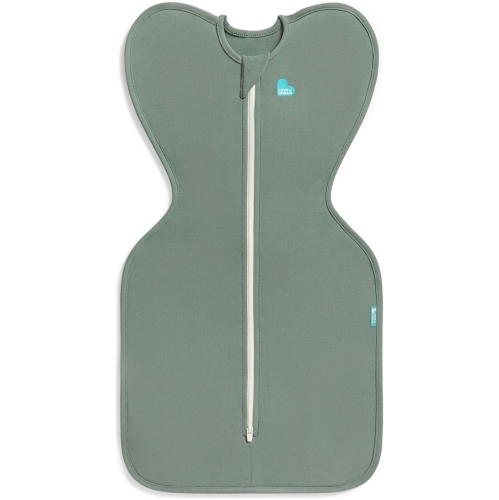 Your price for this item is $44.95
-
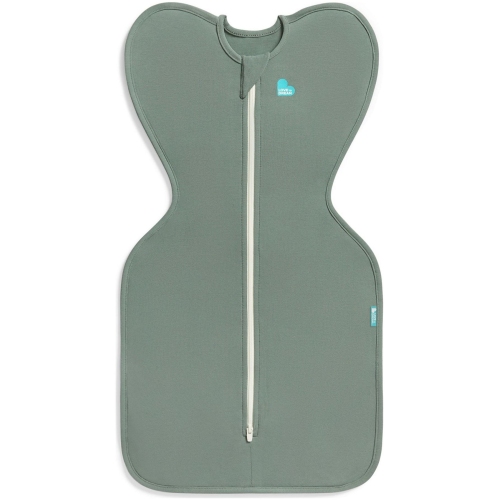 Your price for this item is $44.95
-
 Your price for this item is $44.95
-
 Your price for this item is $44.95
-
 Your price for this item is $44.95
-
 Your price for this item is $49.95
-
 Your price for this item is $49.95
-
 Your price for this item is $44.99
Discover more categories related to Swaddle for Babies
Top Collections:
Pokemon Centers, Kindle Devices, Best Cameras for Sports Photography, Pokémon 30th Celebration Cards, Canon G7X Cameras, Samsung Galaxy Phones, iPhone 15 Apple, Best Black Friday Deals On Electronics, Jackery Power Stations, Solar Generators for Home
Some products may be subject to Environmental Handling Fees
(EHF) depending on your province.
Learn more about EHFs.