Soft Swaddle Blankets for New Born Baby
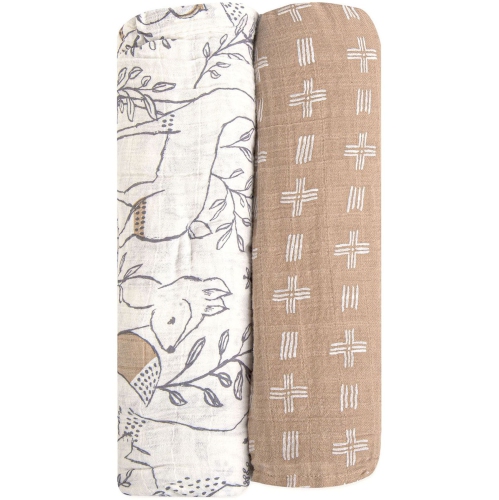
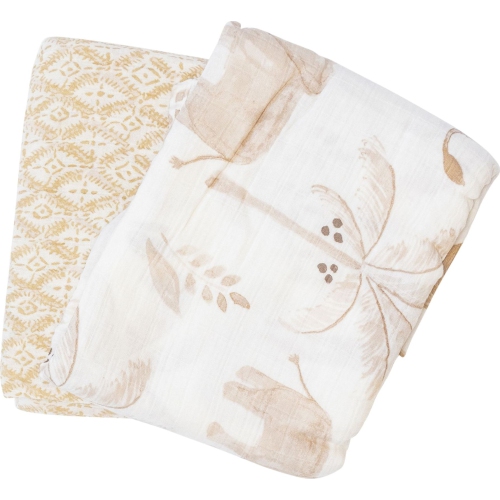
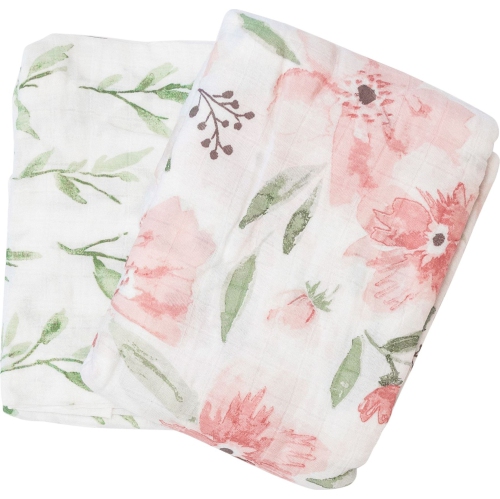
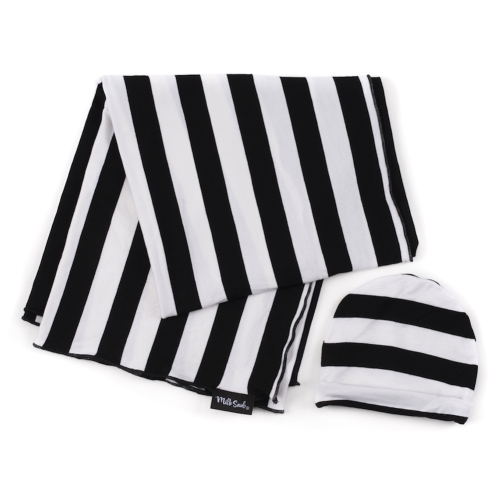
Creating a cozy and comforting environment for your newborn is essential, and soft swaddle blankets can be perfect additions to your baby's sleep routines. Designed with the utmost care and attention to detail, these swaddle blankets offer gentle support and warmth for your little one. They provide a soothing cocoon-like experience, helping to promote better sleep patterns and a sense of security. Here are some great options for you.
Sort
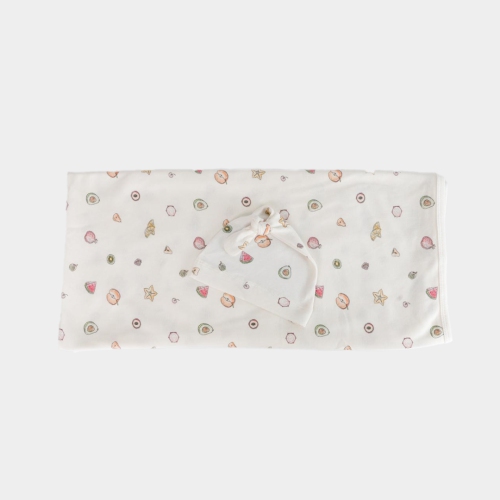
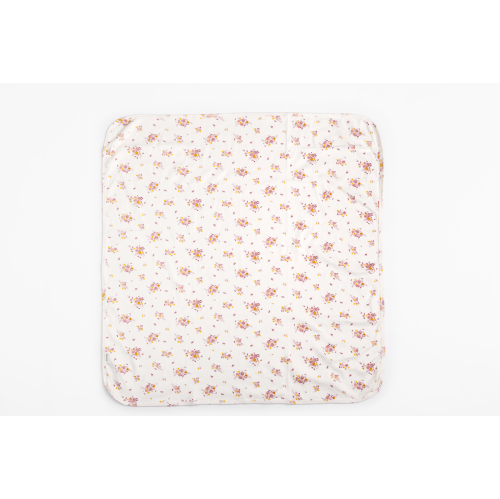
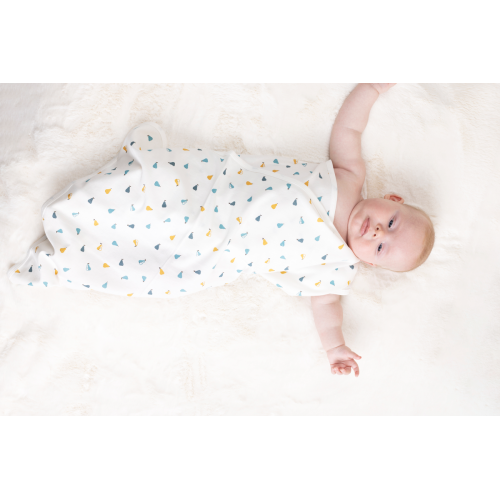

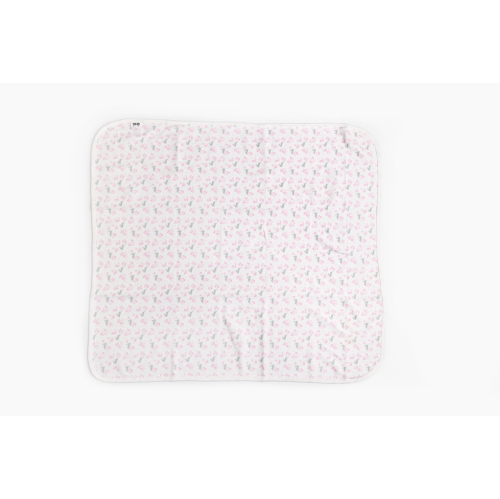
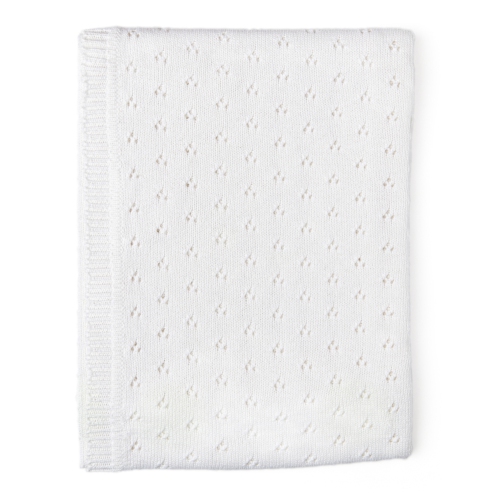
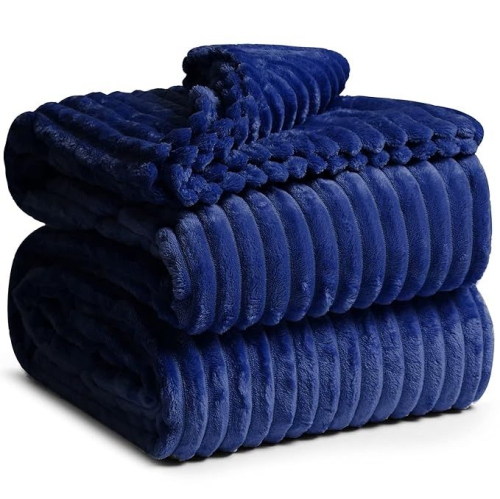
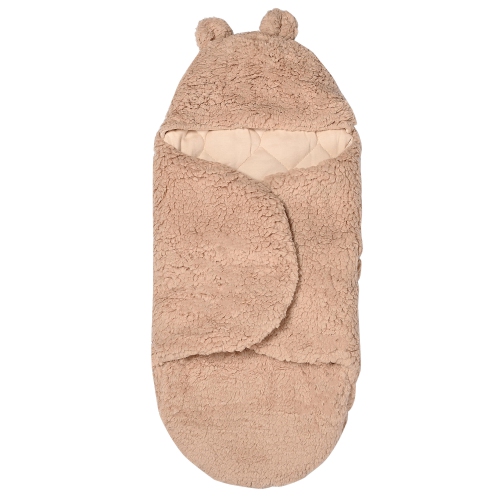
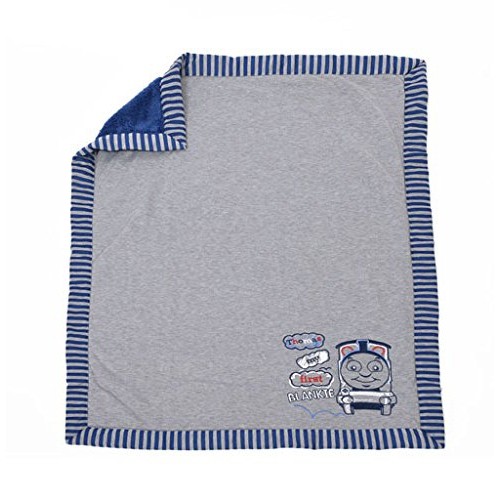
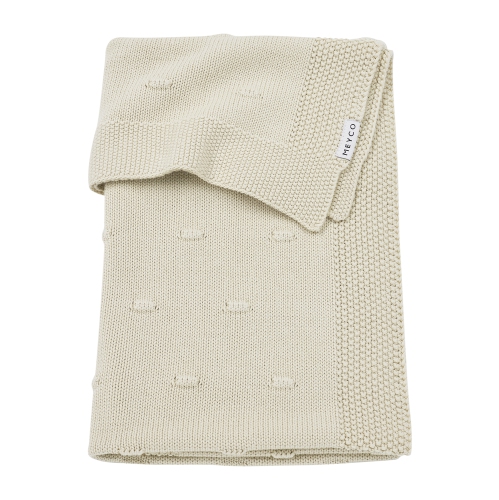
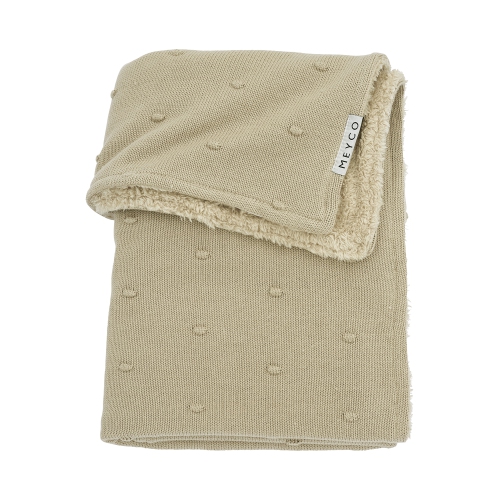
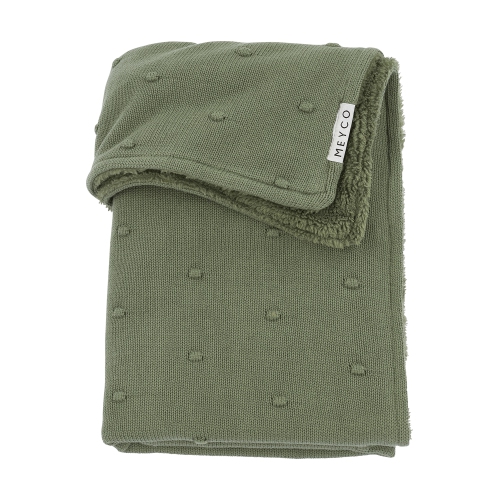
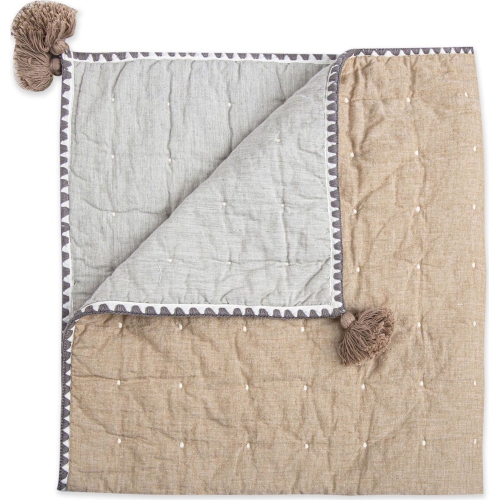
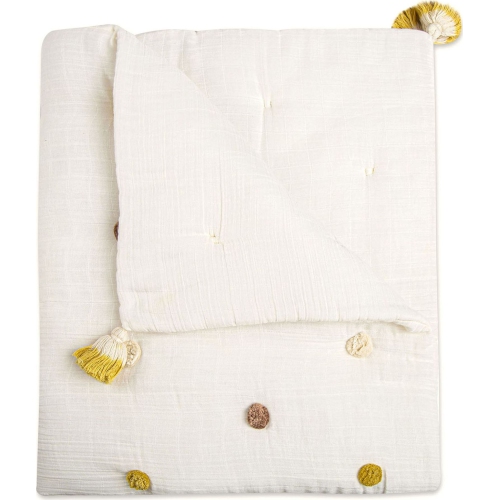
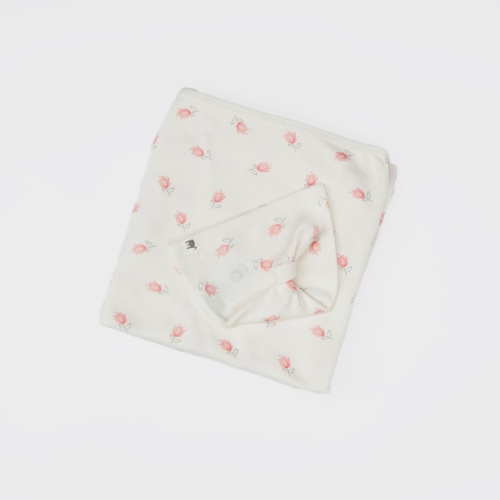
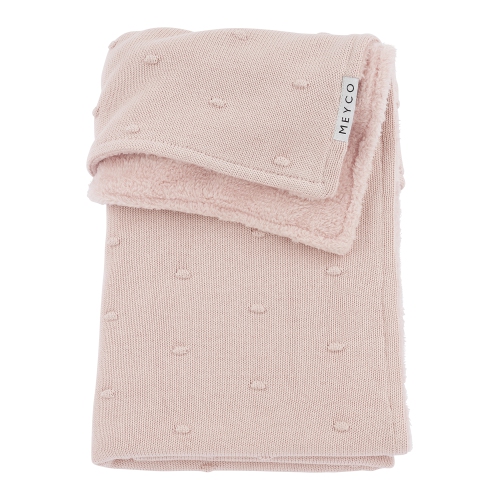
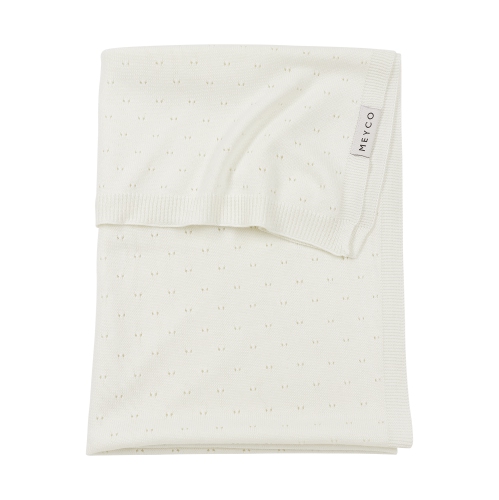
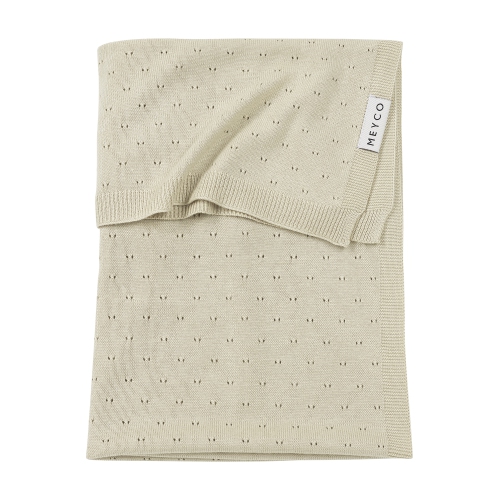
Comfort and safe-sleep considerations for newborn swaddling
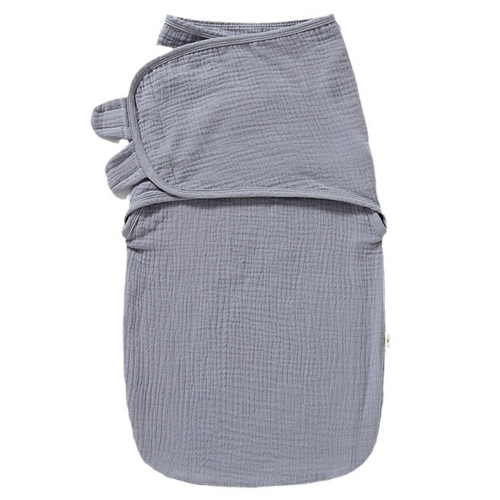
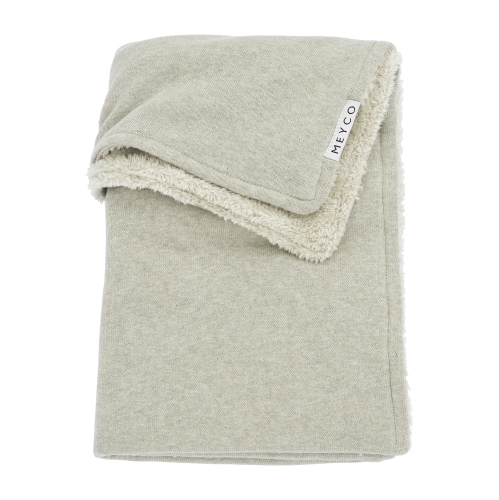
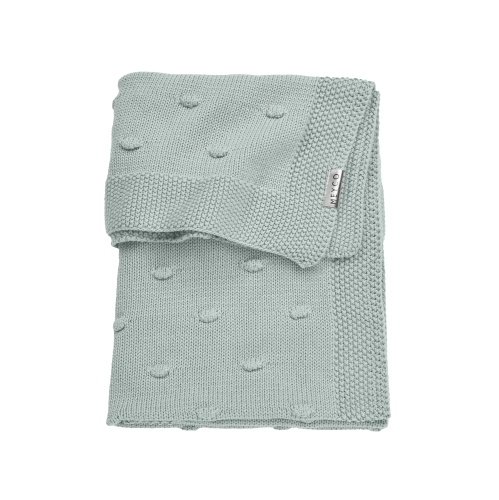
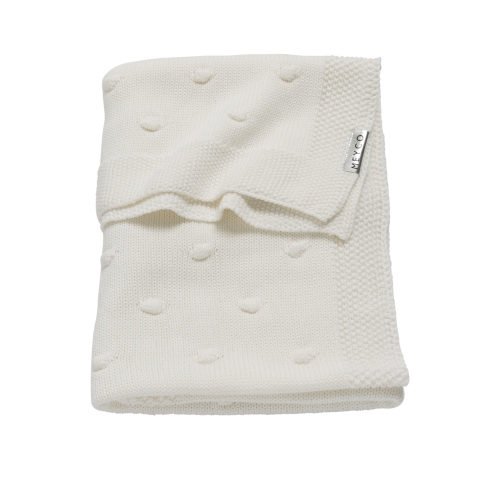
Soft swaddle blankets for newborn babies are designed to create a snug, comforting wrap during the early weeks when many infants startle easily and settle best with a gentle sense of security. A large, lightweight square can be folded around the baby’s torso with the arms positioned according to the baby’s stage and comfort, while adjustable swaddle wraps use fasteners, snaps or zippers to make the fit more consistent. Both styles can be useful in a newborn’s daily routine: a wrap may help during a supervised cuddle after feeding, a contact nap, or the calming part of a bedtime routine, while a generous muslin blanket can also be kept in a stroller or nappy bag for everyday care. An early-morning scene is familiar to many new parents: the room is quiet, the baby has just been fed, and a soft wrap helps turn a fussy transition into a few peaceful minutes of rocking. When choosing a soft swaddle blanket for a newborn baby, consider the fabric, stretch, size and fastening method together. Cotton muslin is light, breathable and easy to layer, making it a practical choice for warmer rooms or babies who tend to get warm. Bamboo-cotton blends and other smooth, flexible fabrics can offer a soft hand feel, while a slightly warmer fabric may be more suitable when indoor temperatures are cooler. The blanket should feel gentle against delicate skin, without rough seams, scratchy labels, loose threads or decorative pieces that could detach. A square that is large enough to create a secure fold is versatile, but it should not be so bulky that it becomes difficult to position the baby safely. For families building a useful collection of nursery essentials, browsing Infant Blankets can also help provide options for layering, cuddling and keeping close at hand outside the sleep space.
Fit and construction matter just as much as softness. A traditional wrap should be snug around the upper body without compressing the chest, and the lower portion should remain roomy enough for the hips and legs to bend and move naturally. The baby’s legs should be able to fall into a relaxed, frog-like position rather than being held straight together. Adjustable designs can be helpful for caregivers who are learning to swaddle, especially when different family members take turns with bedtime or overnight care. Look for clear fastening points, a neck opening that sits well below the chin, and a design that keeps fabric away from the face. The right size should allow a comfortable fit around the baby’s torso without leaving excess material that could work loose. A swaddle is not intended to replace clothing suited to the room temperature, so check the baby regularly for signs of overheating, including a hot chest, damp hair, flushed skin or unusual restlessness. In warmer conditions, a single lightweight layer may be enough; during cooler months, parents may prefer a breathable wrap over suitable sleepwear rather than adding several heavy layers. Care instructions are worth reviewing before purchase, since newborn essentials often need frequent washing after milk spills, spit-up or nappy leaks. Fabrics that wash easily and fastenings that remain secure after repeated laundering can make a noticeable difference during those tired first weeks. A two- or three-piece set can be a thoughtful gift for new parents, grandparents, friends welcoming a baby, or anyone preparing a nursery, because having a clean swaddle ready is especially helpful when one is in the laundry or packed in an overnight bag.
Safe use should remain the priority whenever a newborn is wrapped. Place a swaddled baby on their back for every sleep, on a firm, flat sleep surface with no pillows, quilts, loose blankets, toys or other soft items around them. Keep the baby’s head uncovered, and make sure the fabric stays below the chin. Swaddling should be secure enough that it cannot loosen around the face, but never tight enough to restrict breathing or movement through the chest. Check the wrap from time to time, particularly after feeding or settling, and avoid weighted swaddles or added layers that could make it difficult for the baby to move or release heat. Stop swaddling as soon as the baby shows signs of trying to roll, which may happen earlier than expected; at that point, a suitable arms-free sleep option can support the next stage of sleep development. A newborn who dislikes being wrapped may do better with one arm out, a looser transition approach, or simply being held and soothed without swaddling. Families caring for premature babies or babies with specific medical needs should follow advice from their healthcare professional. With a soft, breathable fabric, a well-considered fit and careful attention to safe-sleep practices, swaddle blankets can become a comforting part of those quiet routines that fill the newborn stage—from a post-bath cuddle in a warm room to a carefully prepared bedtime during the cooler months.
Fit and construction matter just as much as softness. A traditional wrap should be snug around the upper body without compressing the chest, and the lower portion should remain roomy enough for the hips and legs to bend and move naturally. The baby’s legs should be able to fall into a relaxed, frog-like position rather than being held straight together. Adjustable designs can be helpful for caregivers who are learning to swaddle, especially when different family members take turns with bedtime or overnight care. Look for clear fastening points, a neck opening that sits well below the chin, and a design that keeps fabric away from the face. The right size should allow a comfortable fit around the baby’s torso without leaving excess material that could work loose. A swaddle is not intended to replace clothing suited to the room temperature, so check the baby regularly for signs of overheating, including a hot chest, damp hair, flushed skin or unusual restlessness. In warmer conditions, a single lightweight layer may be enough; during cooler months, parents may prefer a breathable wrap over suitable sleepwear rather than adding several heavy layers. Care instructions are worth reviewing before purchase, since newborn essentials often need frequent washing after milk spills, spit-up or nappy leaks. Fabrics that wash easily and fastenings that remain secure after repeated laundering can make a noticeable difference during those tired first weeks. A two- or three-piece set can be a thoughtful gift for new parents, grandparents, friends welcoming a baby, or anyone preparing a nursery, because having a clean swaddle ready is especially helpful when one is in the laundry or packed in an overnight bag.
Safe use should remain the priority whenever a newborn is wrapped. Place a swaddled baby on their back for every sleep, on a firm, flat sleep surface with no pillows, quilts, loose blankets, toys or other soft items around them. Keep the baby’s head uncovered, and make sure the fabric stays below the chin. Swaddling should be secure enough that it cannot loosen around the face, but never tight enough to restrict breathing or movement through the chest. Check the wrap from time to time, particularly after feeding or settling, and avoid weighted swaddles or added layers that could make it difficult for the baby to move or release heat. Stop swaddling as soon as the baby shows signs of trying to roll, which may happen earlier than expected; at that point, a suitable arms-free sleep option can support the next stage of sleep development. A newborn who dislikes being wrapped may do better with one arm out, a looser transition approach, or simply being held and soothed without swaddling. Families caring for premature babies or babies with specific medical needs should follow advice from their healthcare professional. With a soft, breathable fabric, a well-considered fit and careful attention to safe-sleep practices, swaddle blankets can become a comforting part of those quiet routines that fill the newborn stage—from a post-bath cuddle in a warm room to a carefully prepared bedtime during the cooler months.
Top selling and popular products
-
 Your price for this item is $39.99
 -
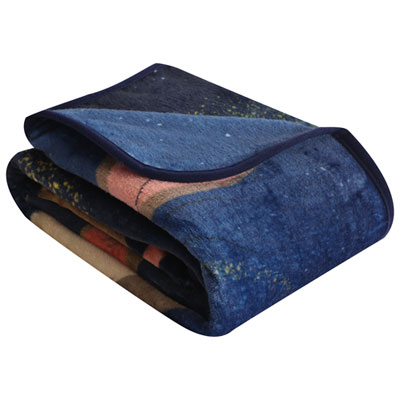 Your price for this item is $29.99
 -
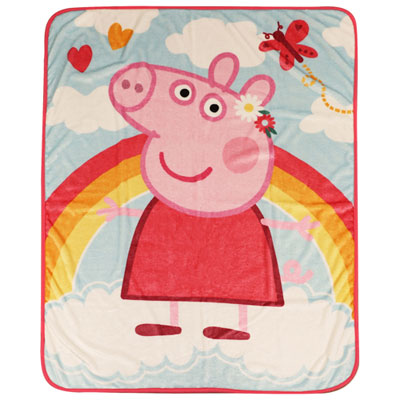 Your price for this item is $19.99
 -
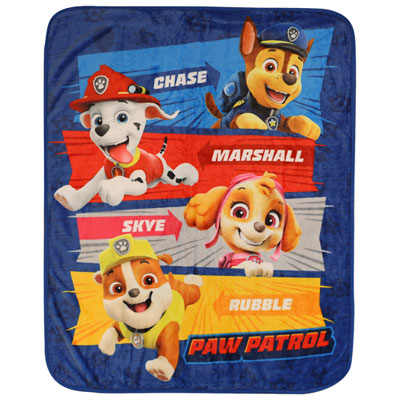 Your price for this item is $19.99
 -
 Your price for this item is $19.99
 -
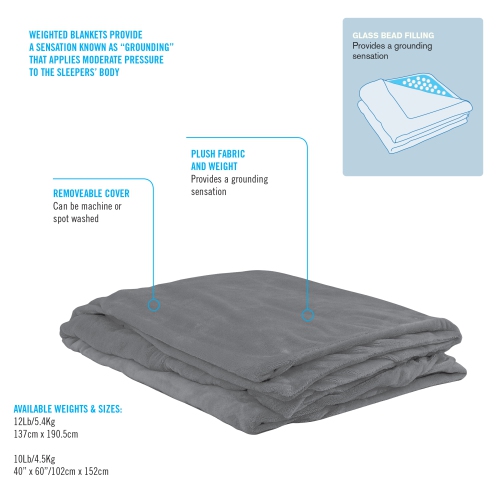 Your price for this item is $59.99
 -
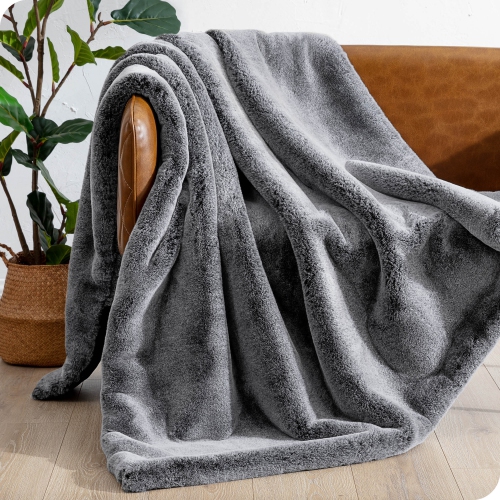 Your price for this item is $132.99
 -
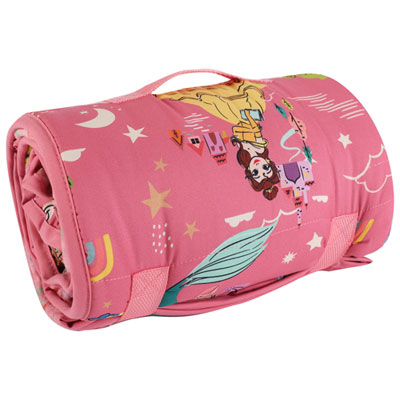 Your price for this item is $17.88
Discover more categories related to Soft Swaddle Blankets for New Born Baby
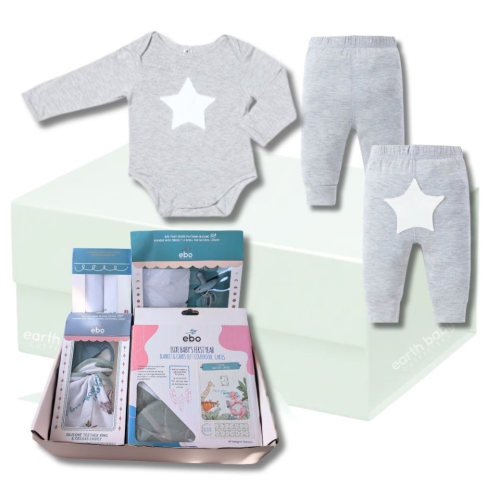
Top Collections:
Best Laptops for Video Editing, Pokemon Centers, Samsung Z Fold, Kindle Devices, Best Cell Phones Under $300, Best Laptops for Writers, Best Budget Office Chairs, Best Cell Phones Under $500, Best Laptop Computers for Students, iPhone 15 Apple
Some products may be subject to Environmental Handling Fees
(EHF) depending on your province.
Learn more about EHFs.