Wake Up Alarm Clocks
Whether you're a morning person or not, having the right alarm clock can make all the difference in starting your day off on the right foot. Our selection of wake-up alarm clocks offers a variety of features to help you rise and shine each morning. From sunrise simulation to customizable alarms, there's a perfect option for every sleep style. Say goodbye to oversleeping and hello to a more energized start to your day with our range of innovative alarm clocks.
Sort


























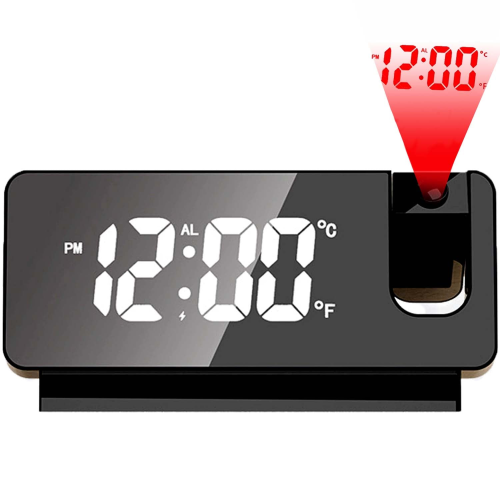
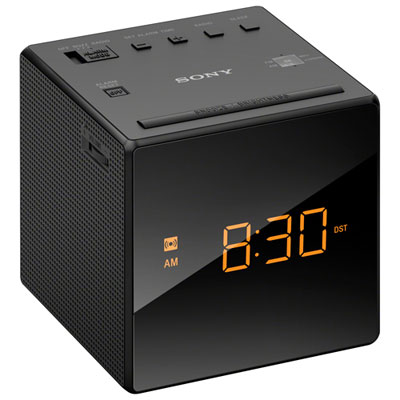

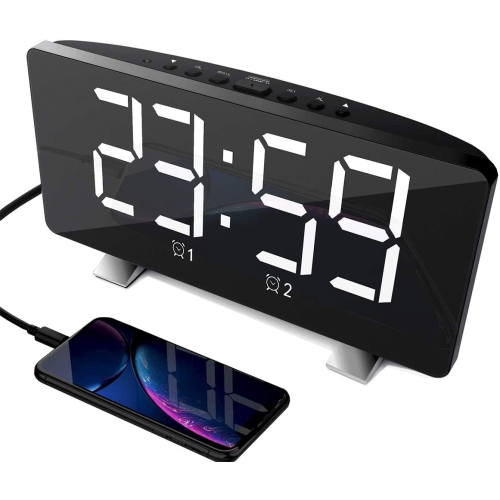

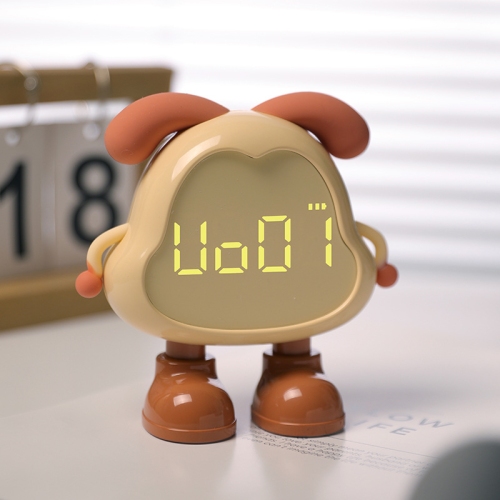


















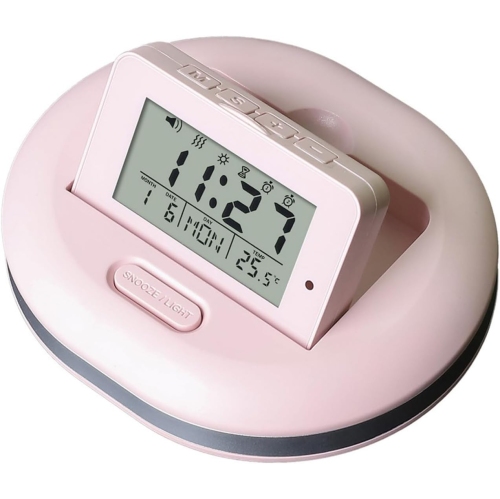

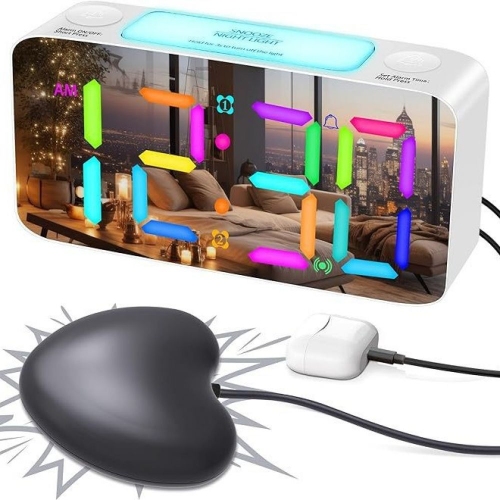
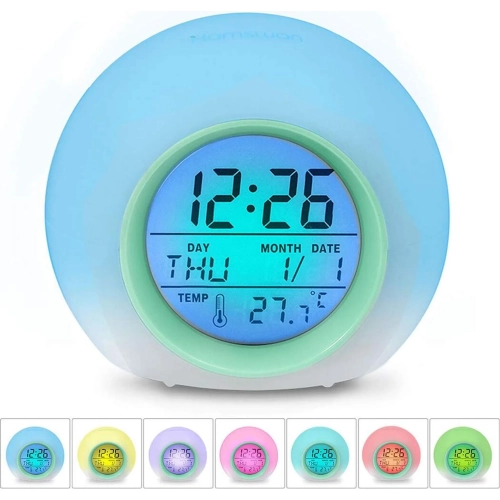

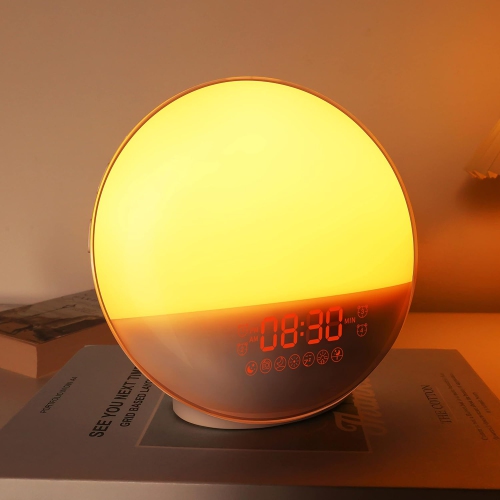







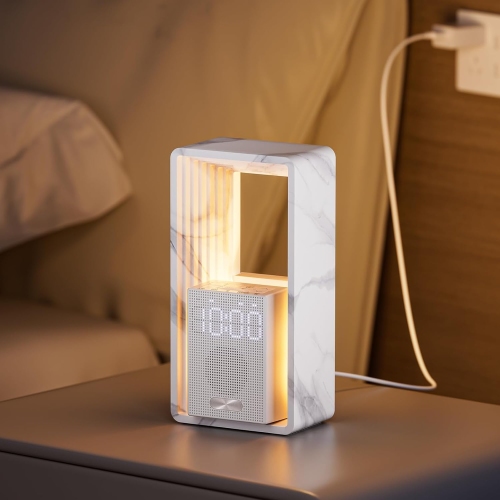
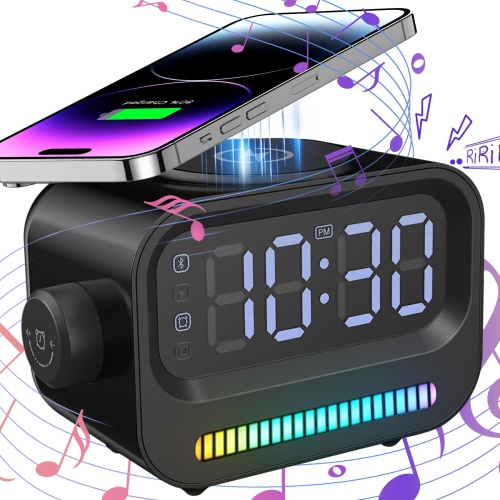


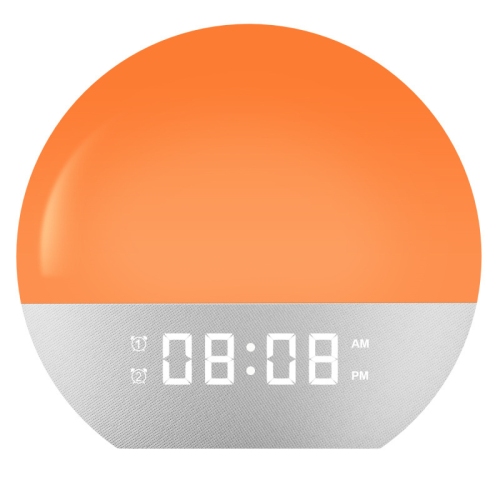
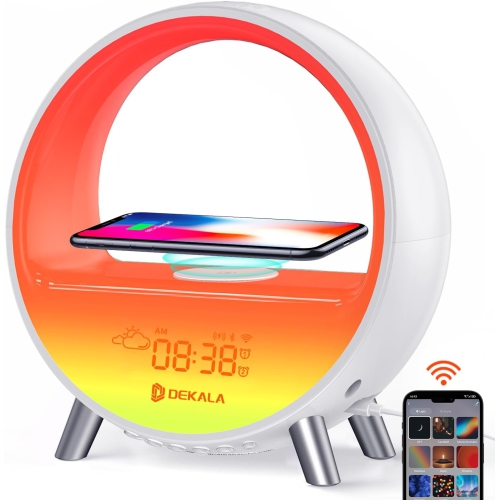












Why the way your alarm wakes you matters
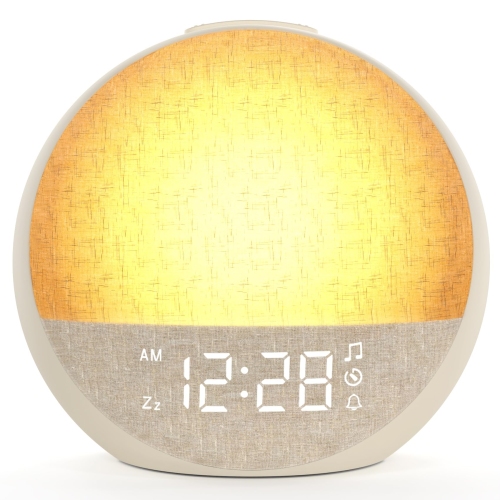
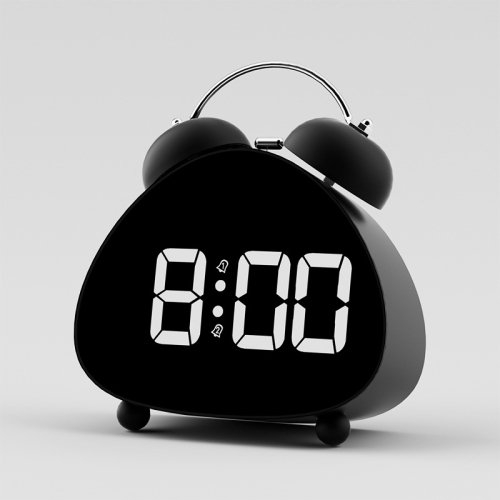
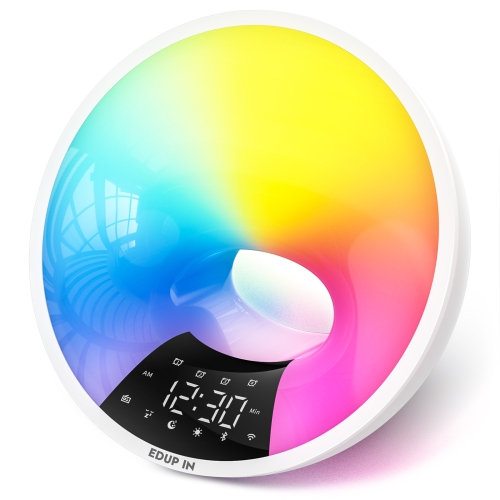
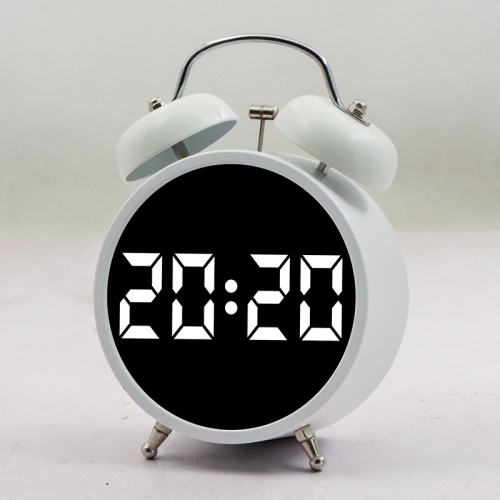
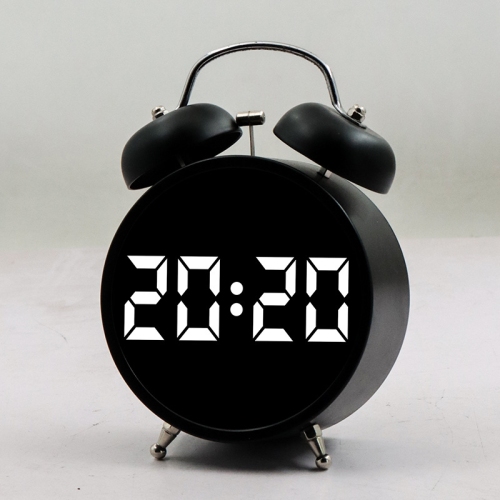
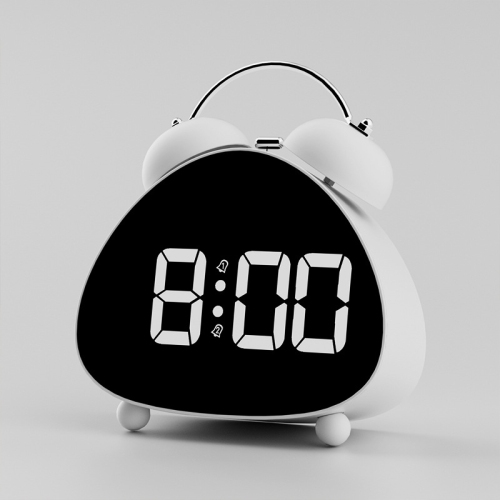
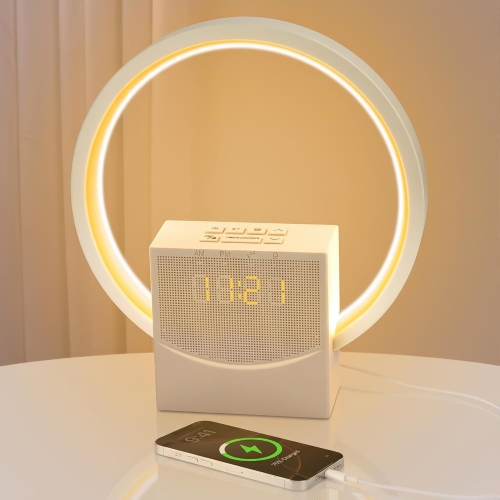
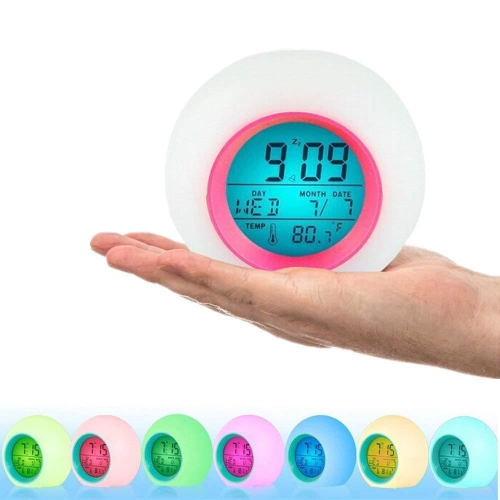
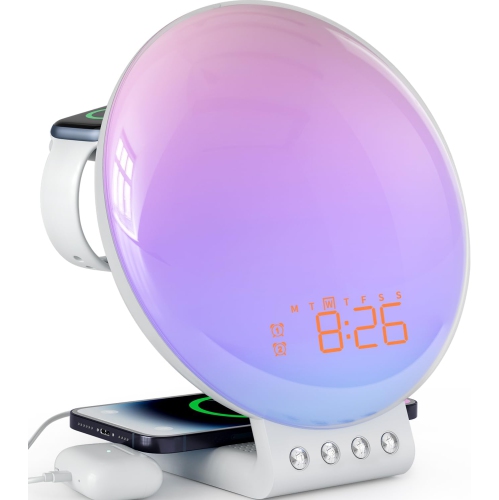
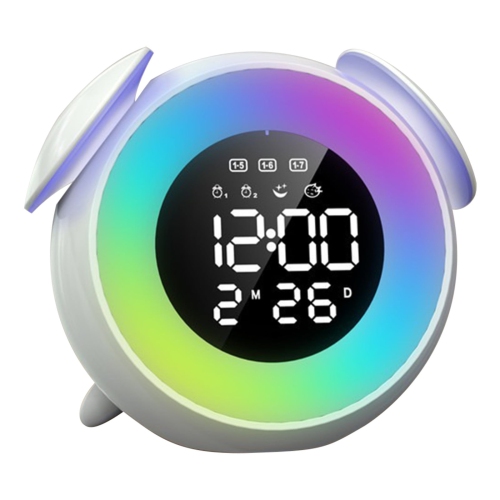
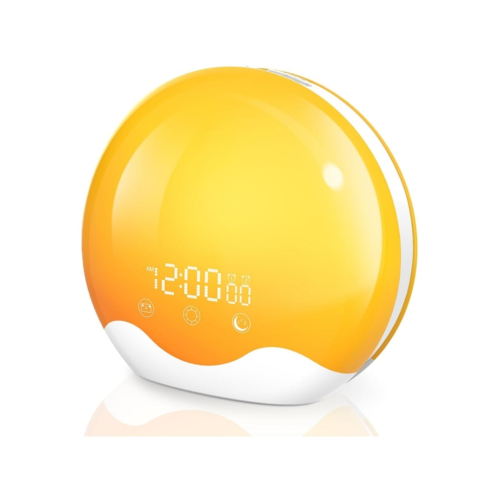
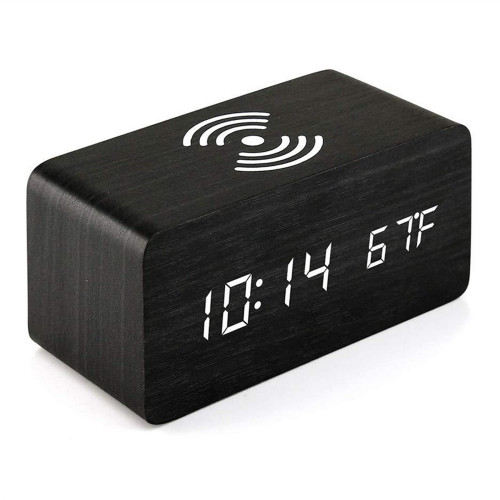
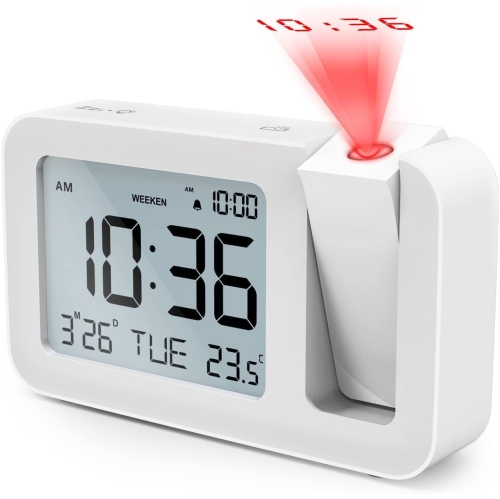
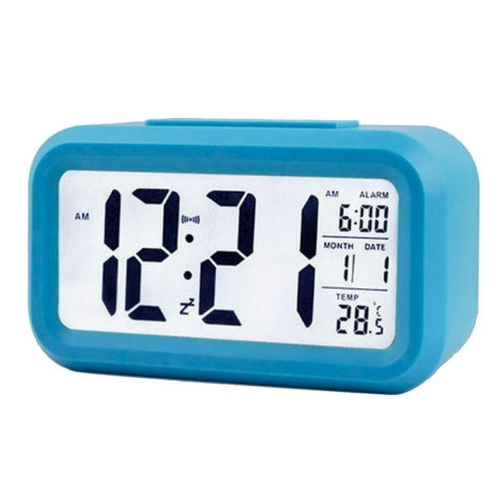
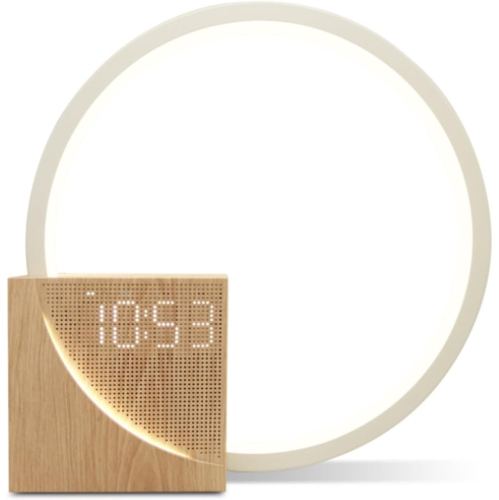
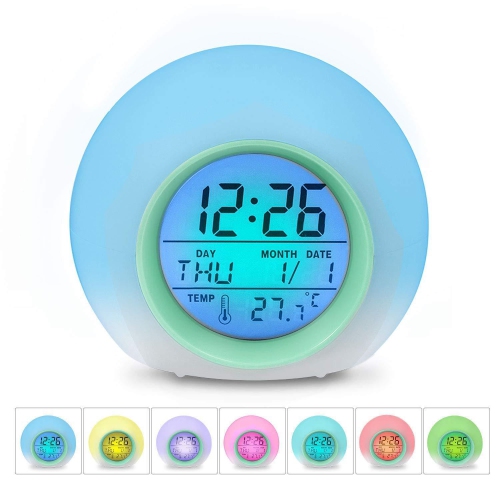
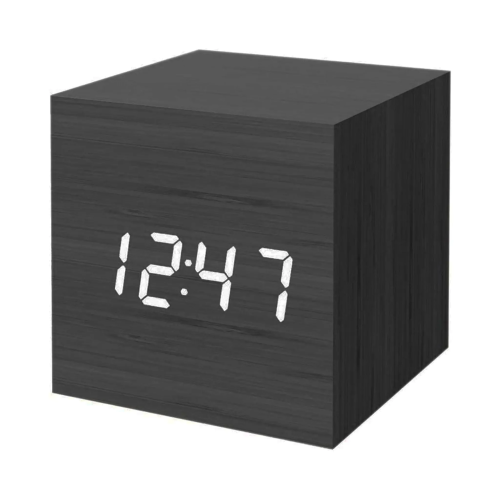
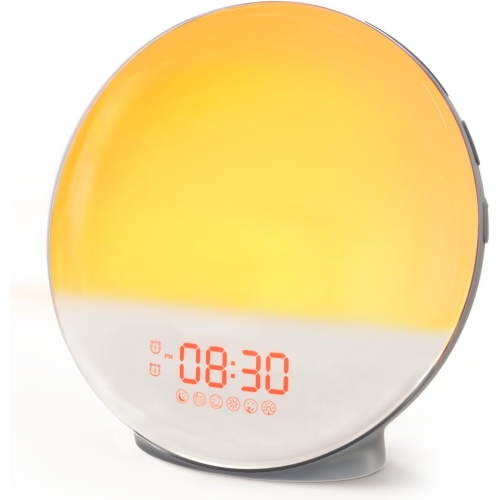
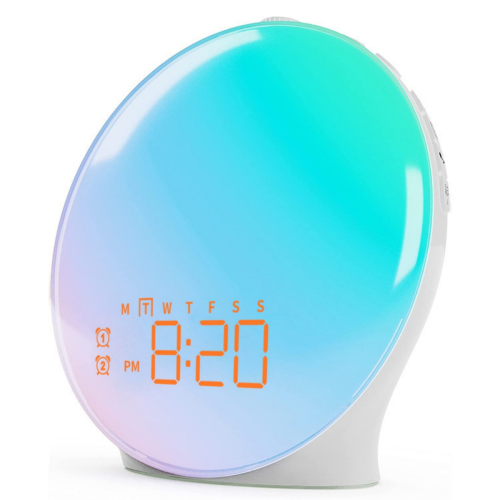
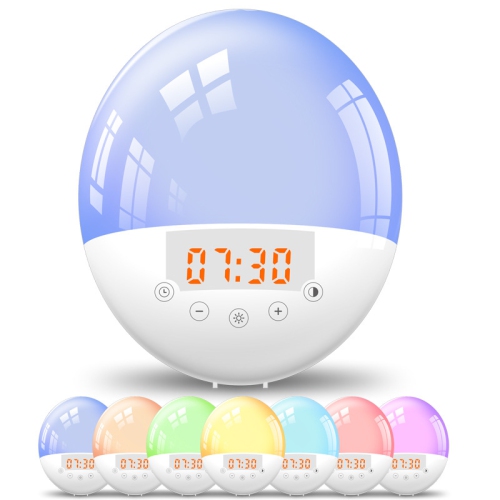
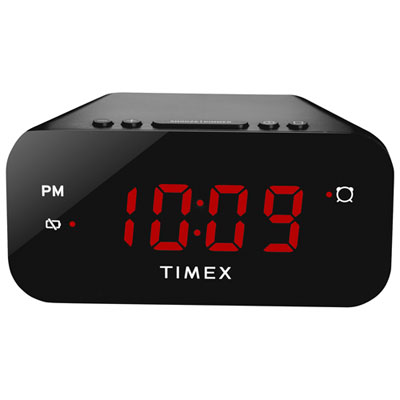
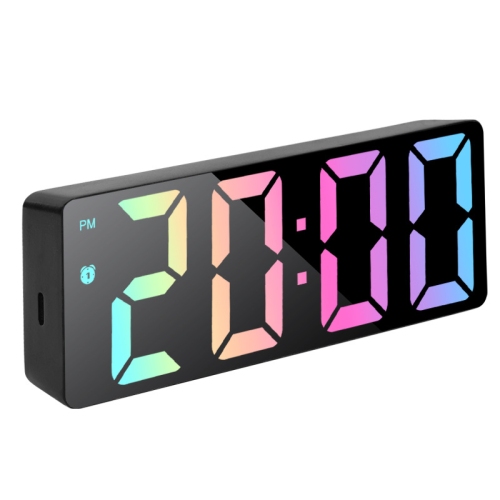
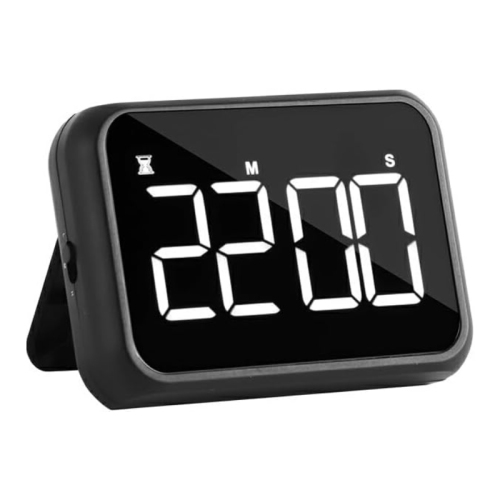
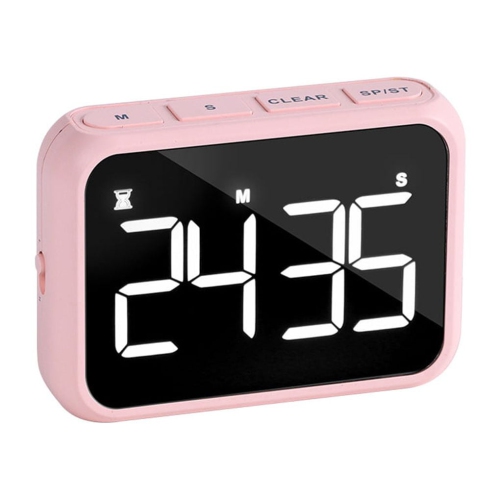
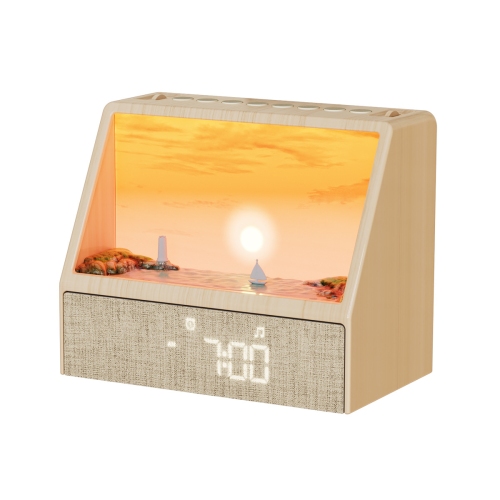
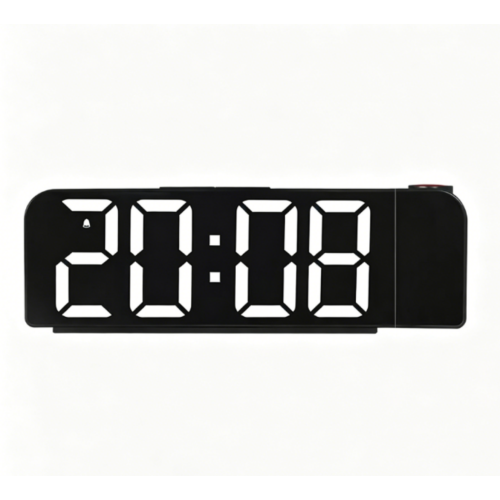
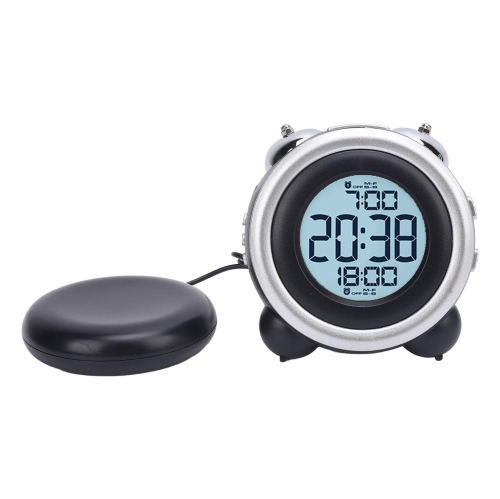
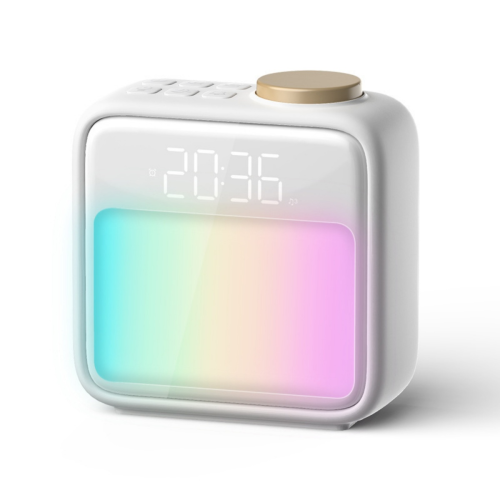
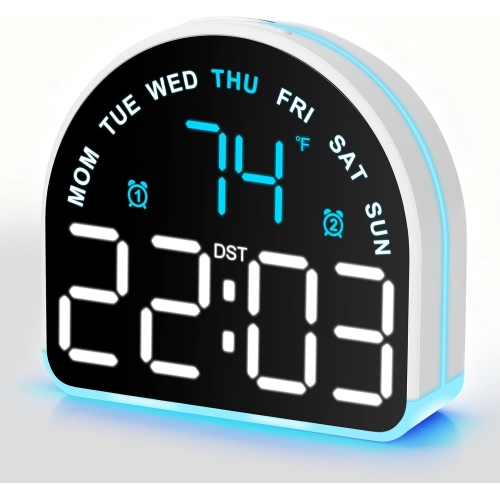
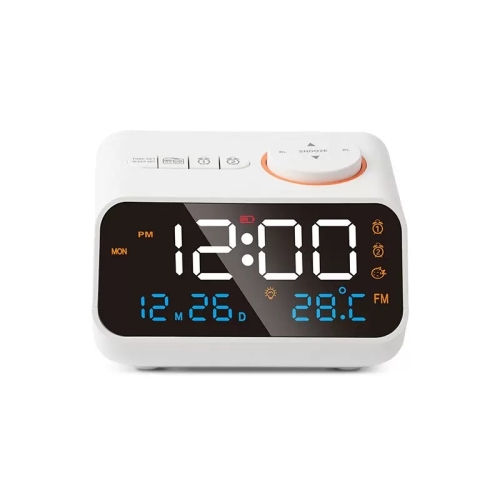
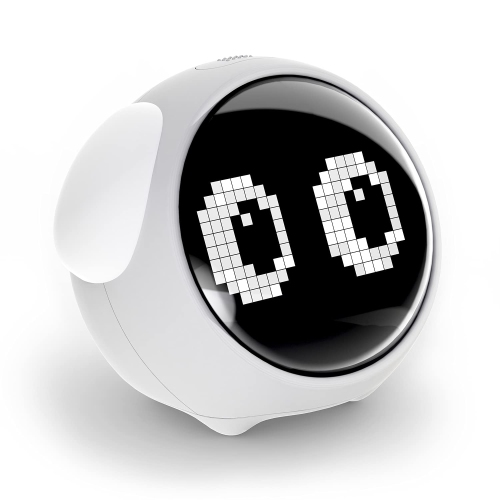
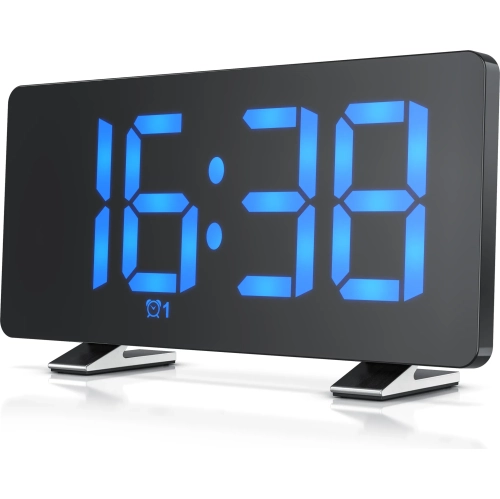
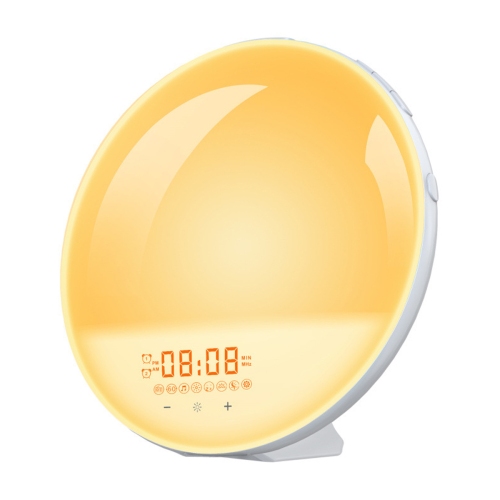
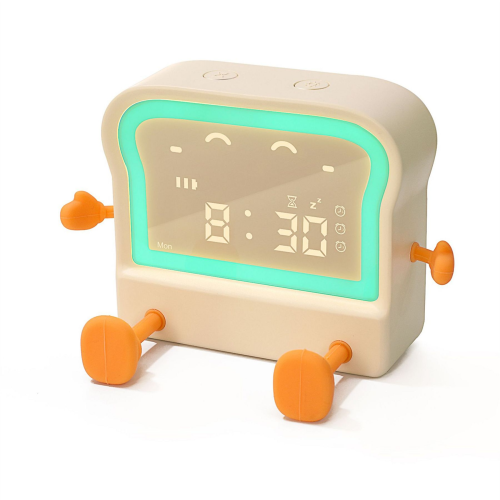
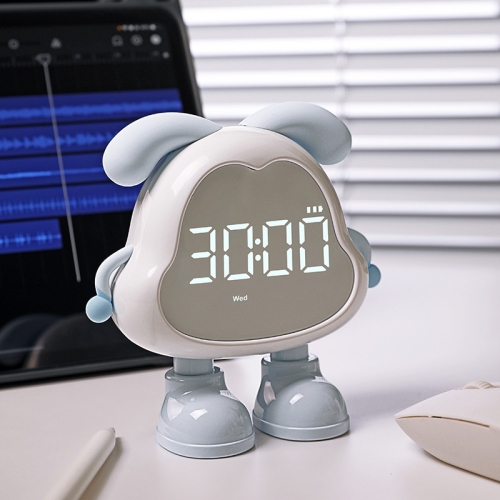
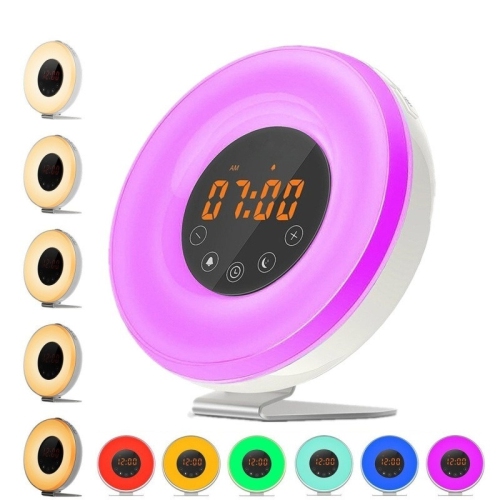
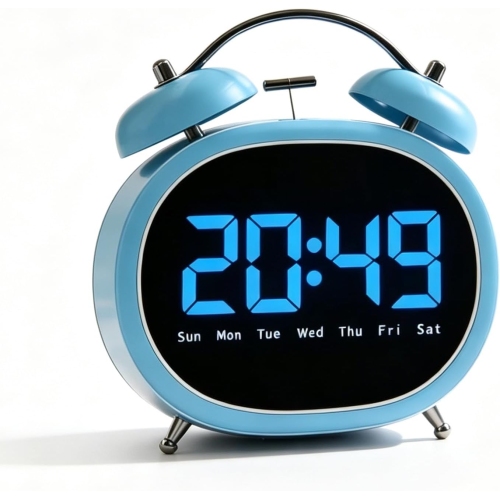
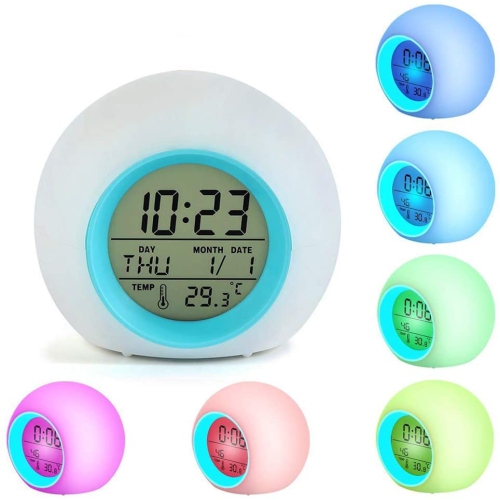
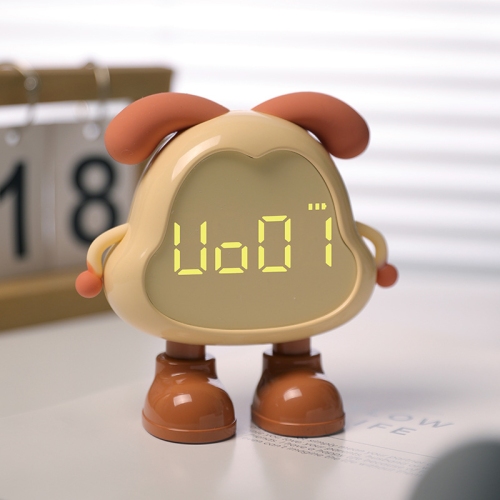
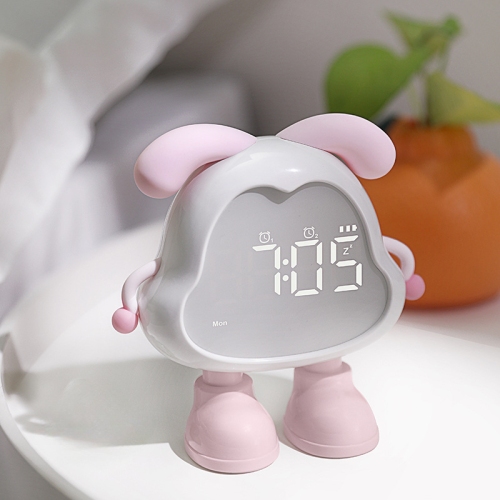
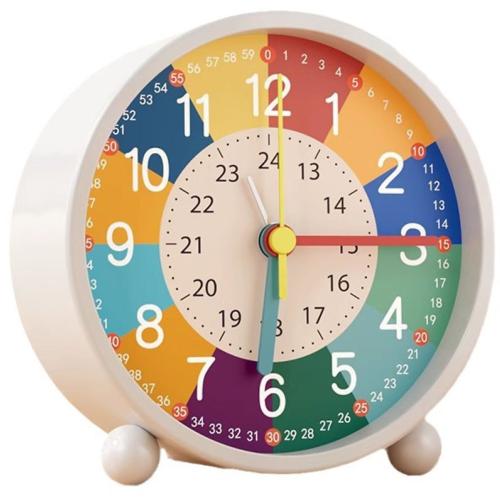
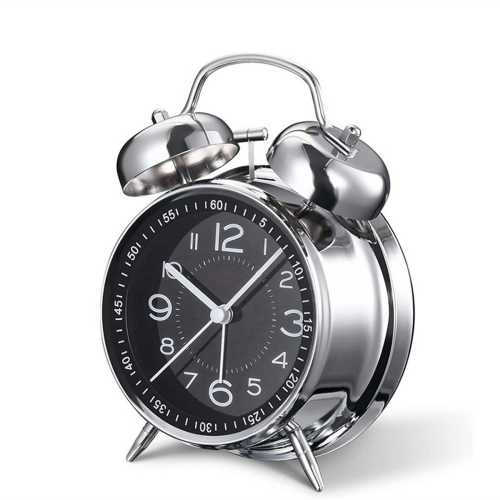
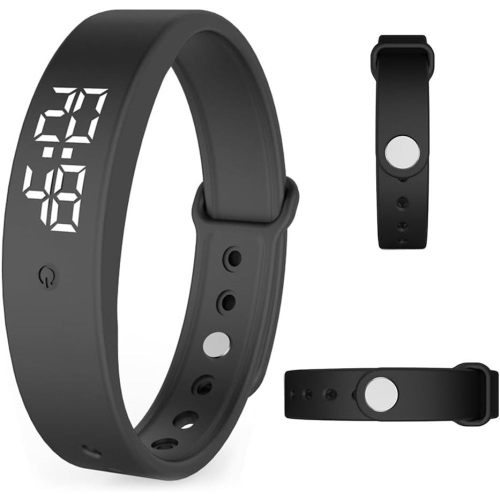
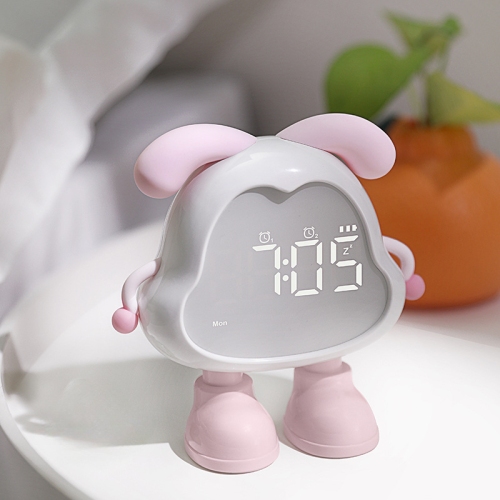
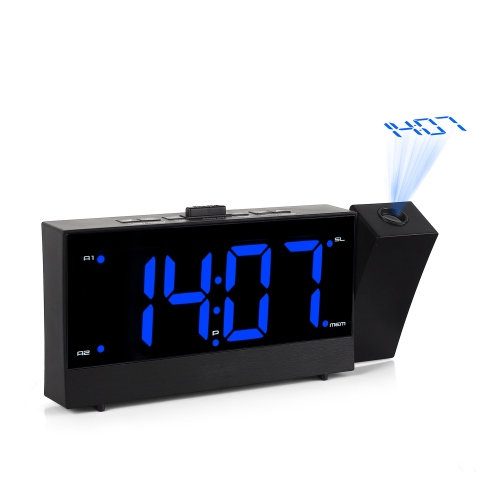
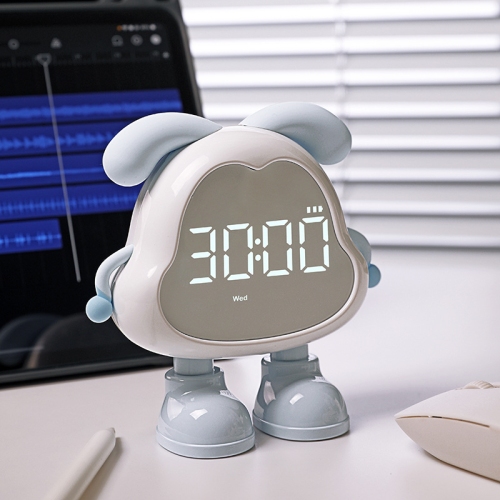
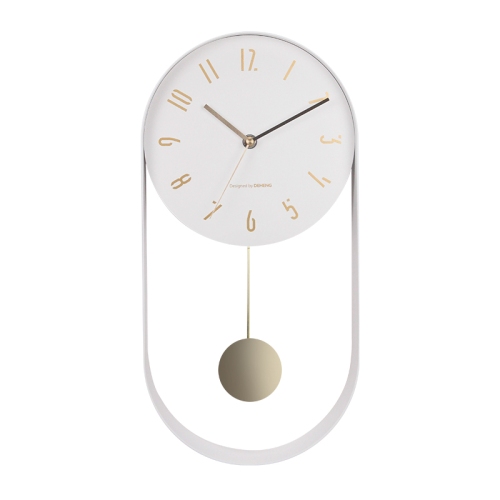
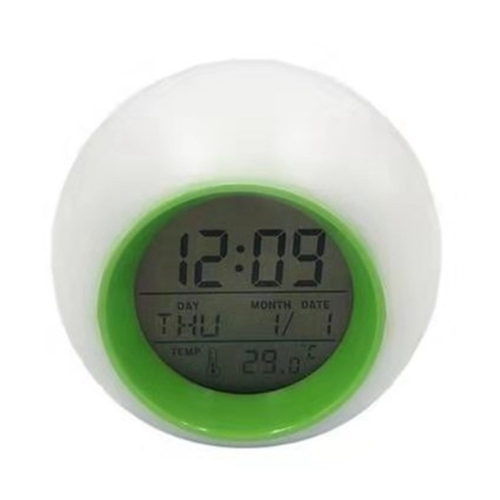
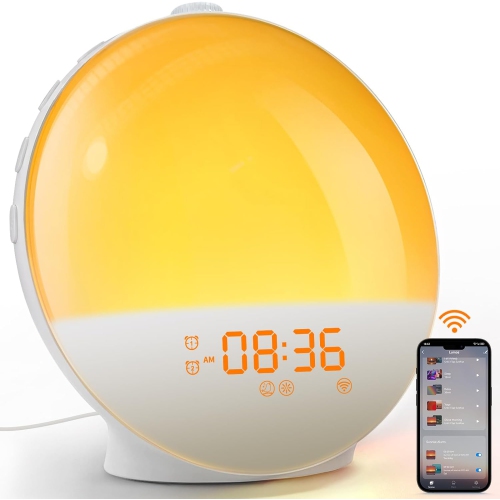
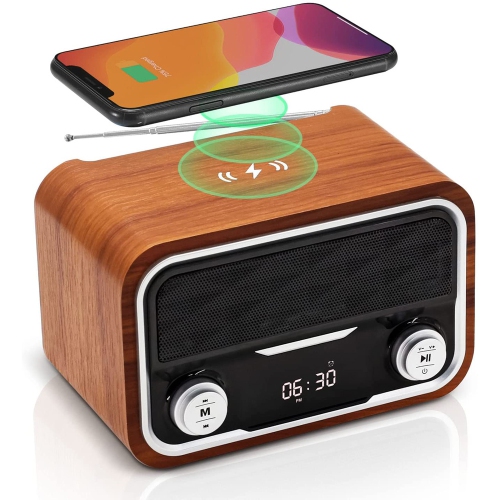
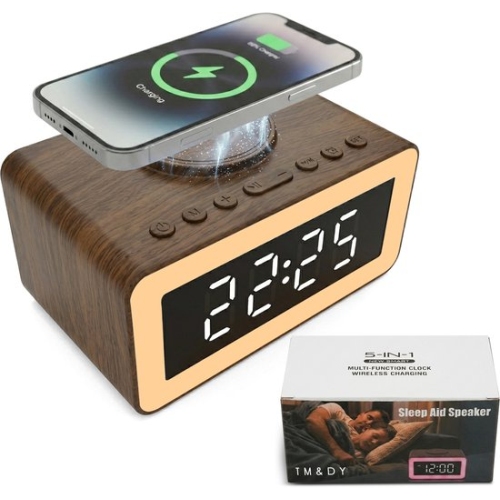
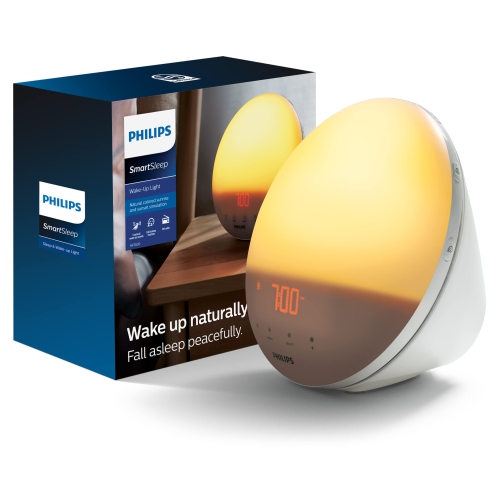
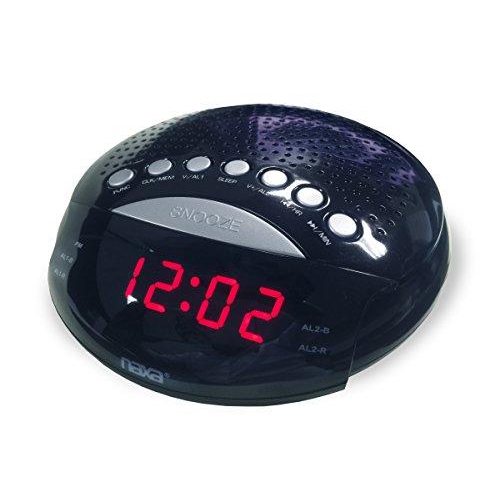
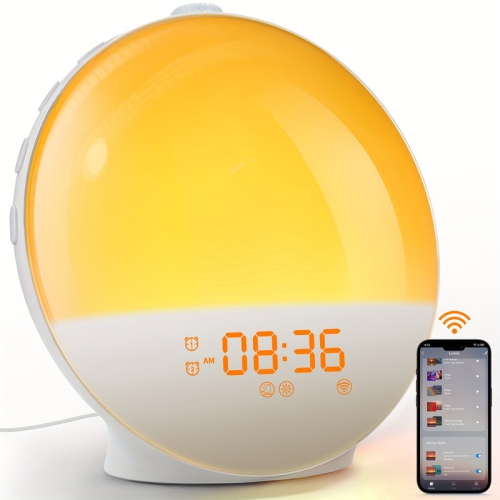
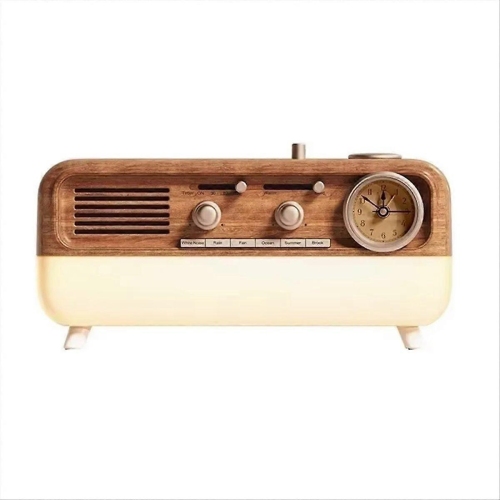
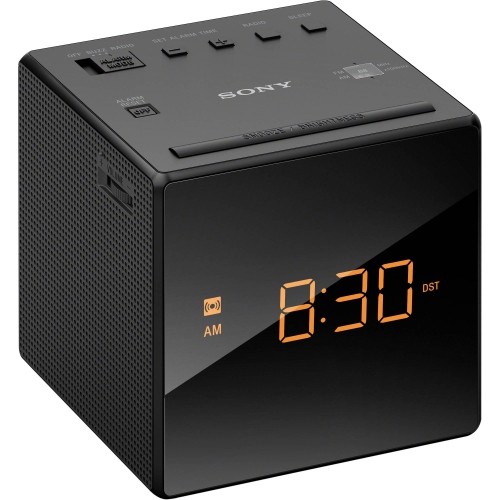
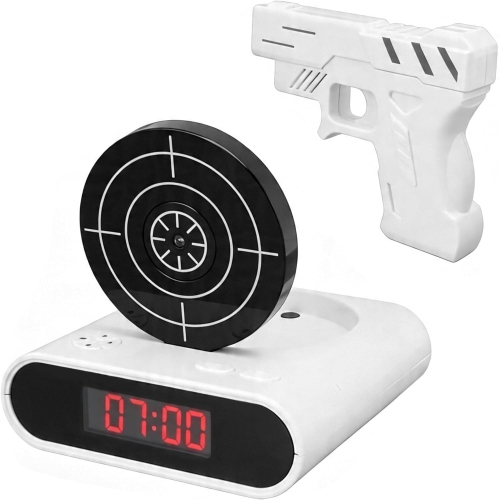
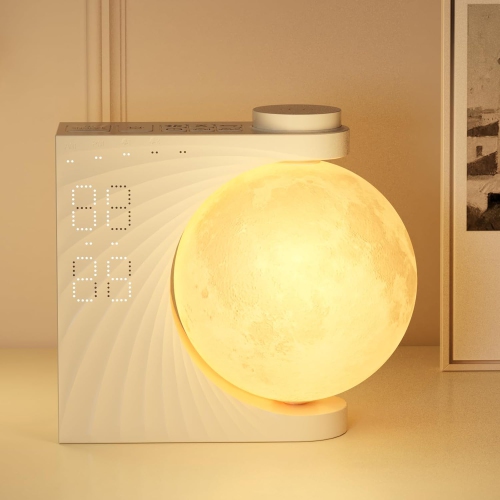
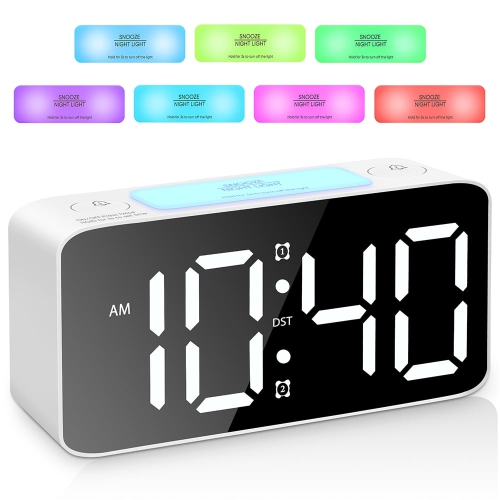
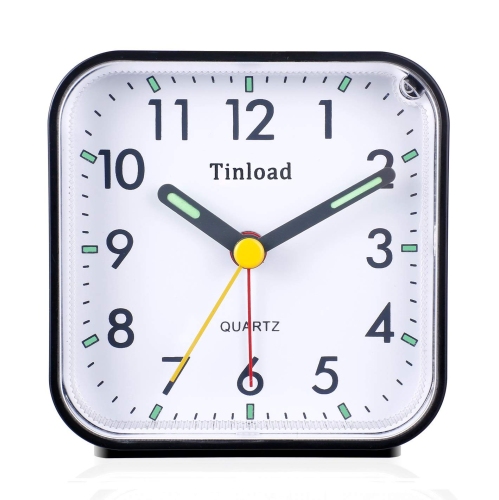
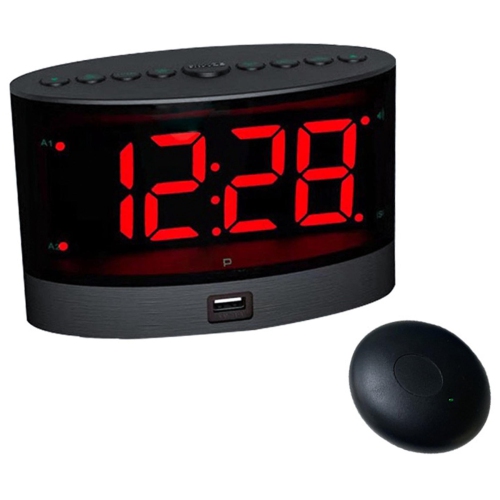
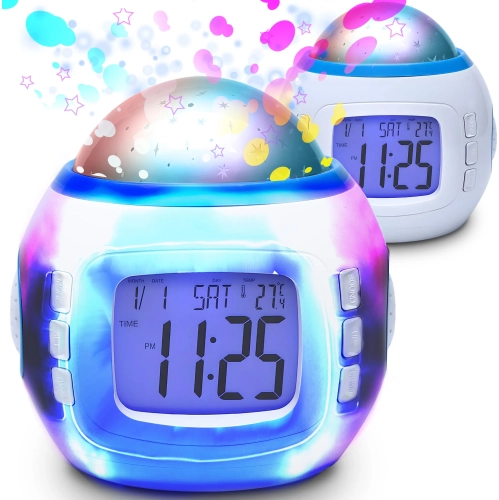
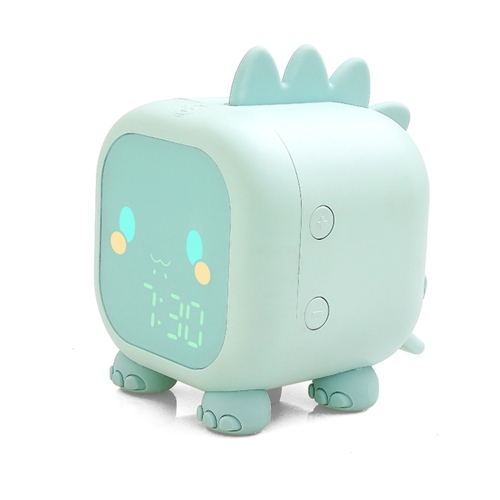
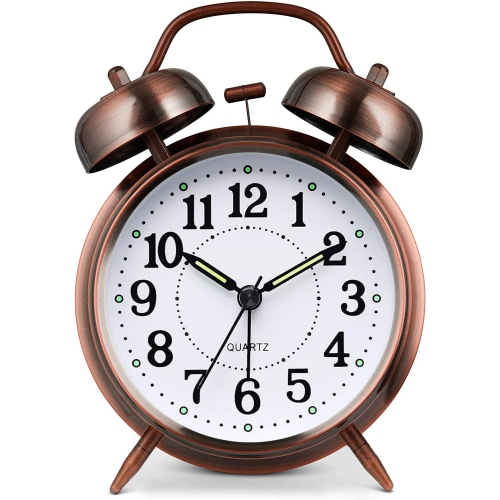
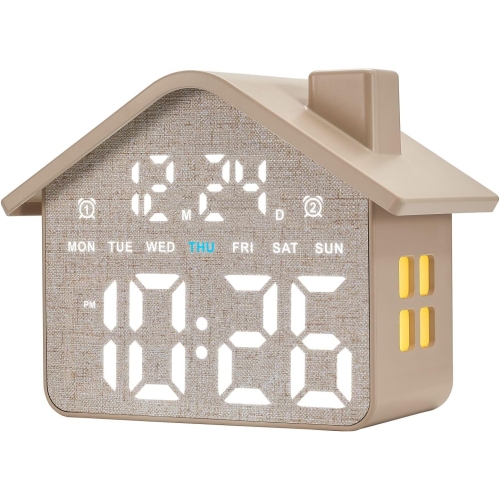
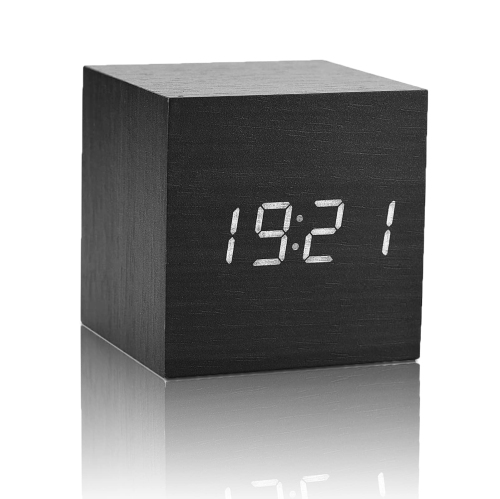
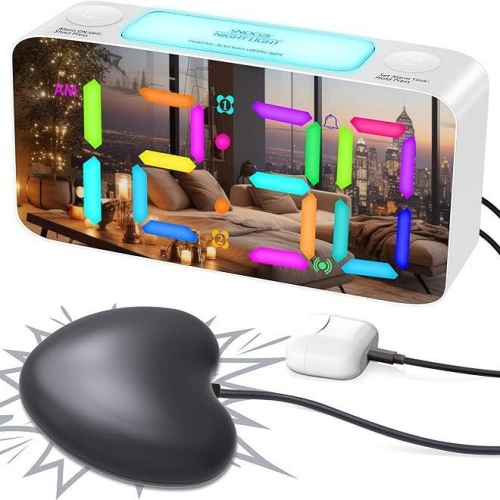
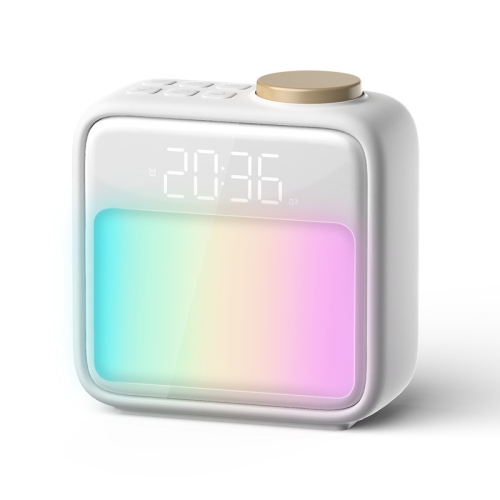
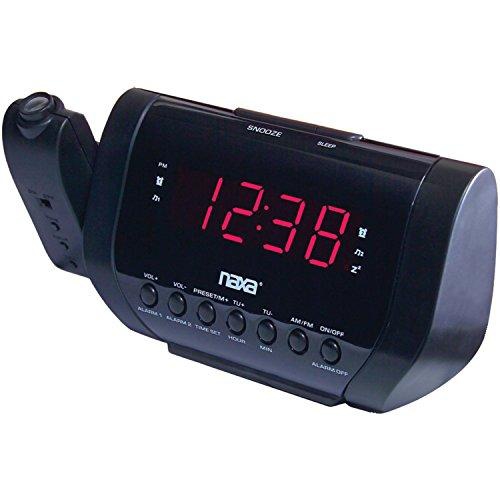
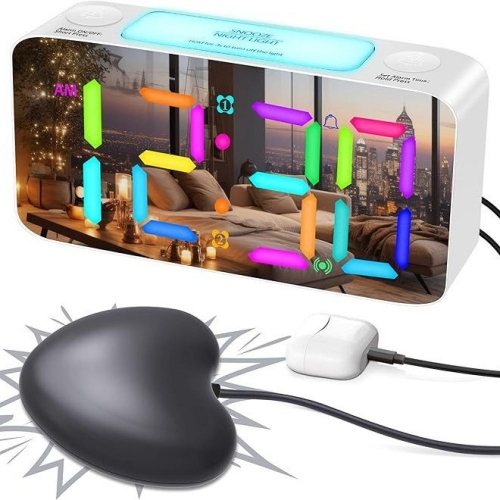
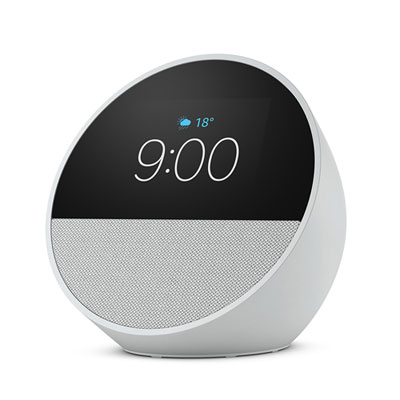
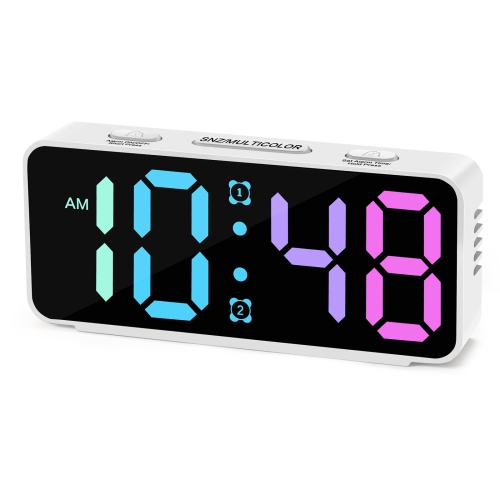
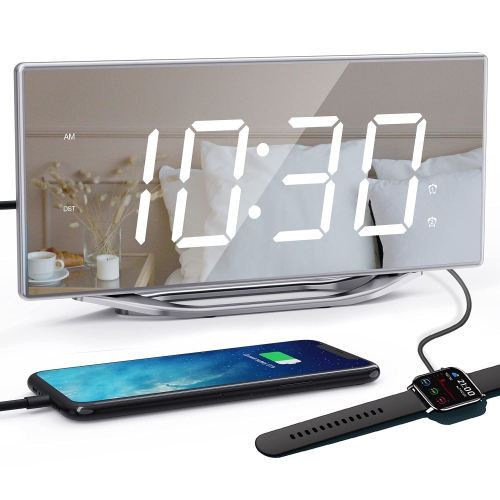
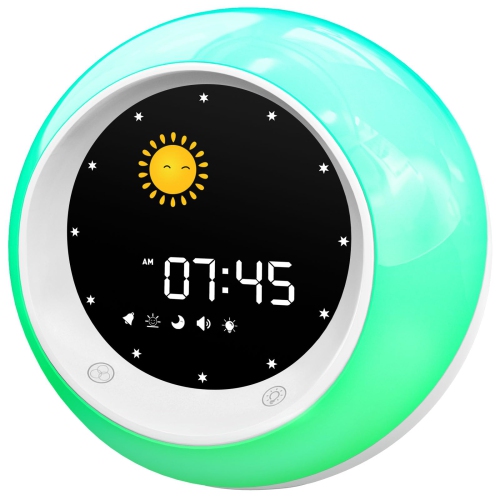
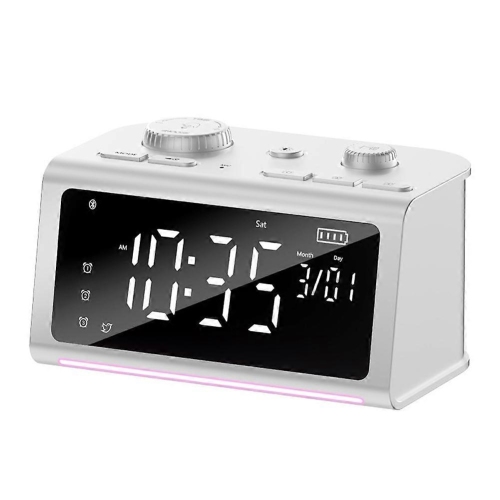
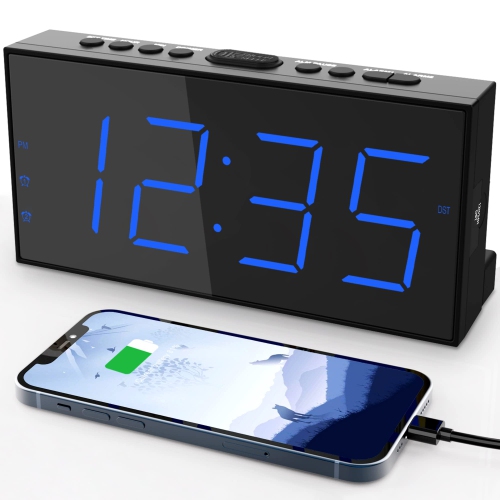
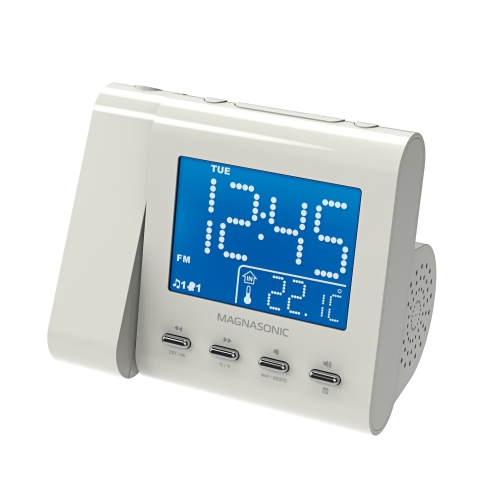
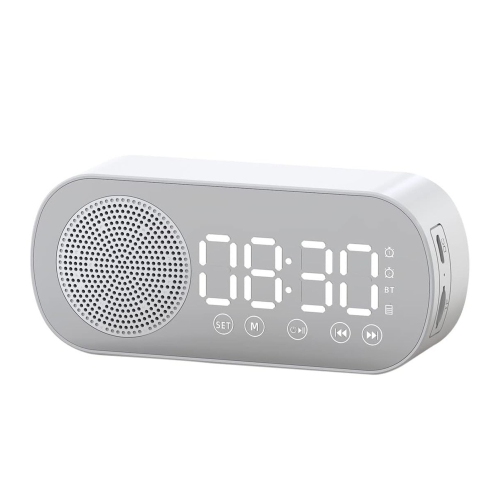
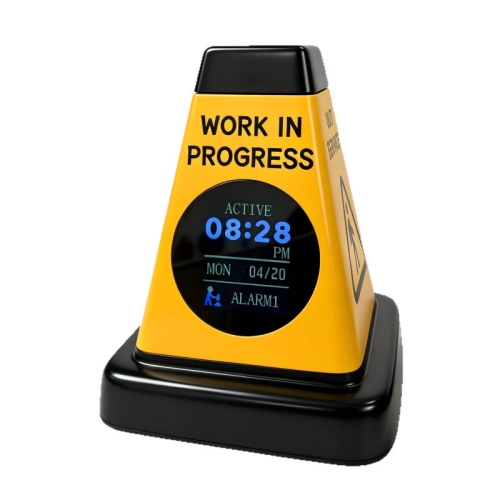
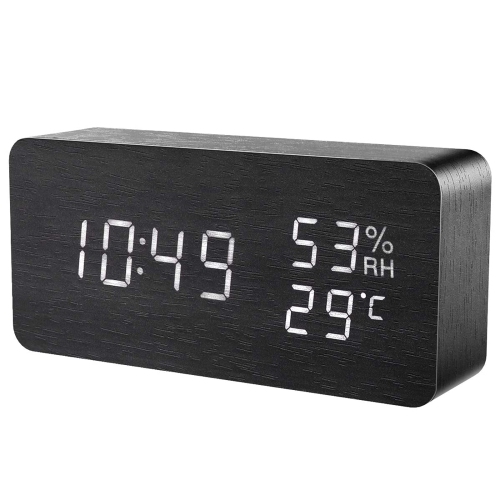
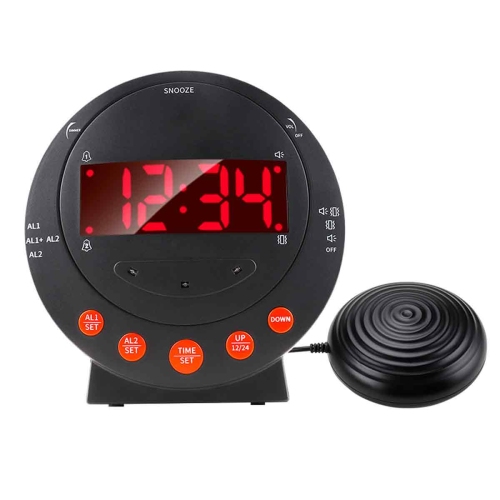
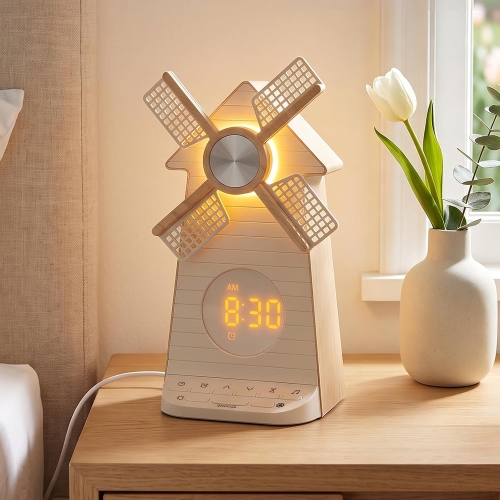
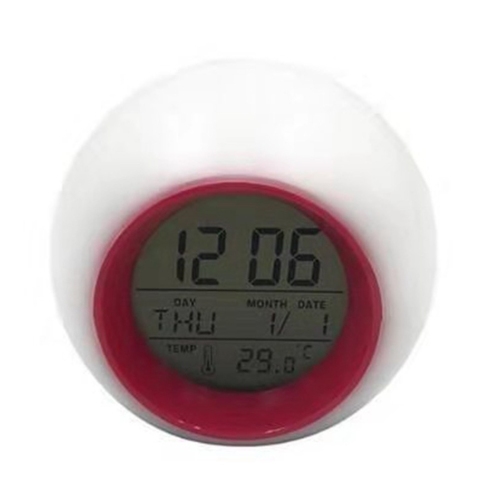
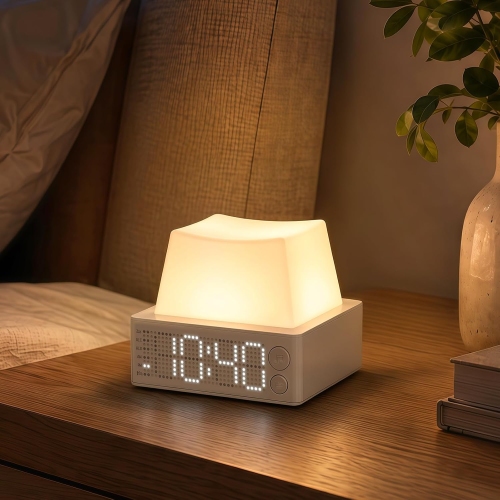
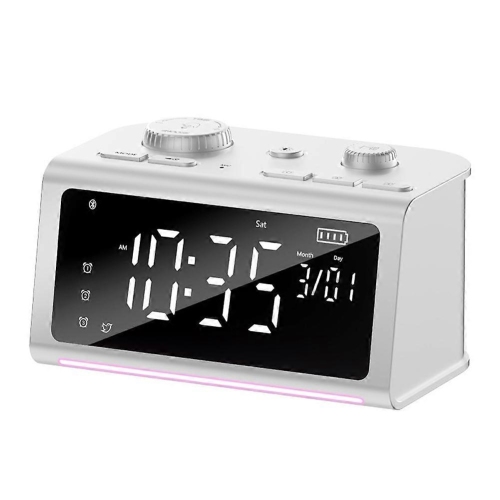
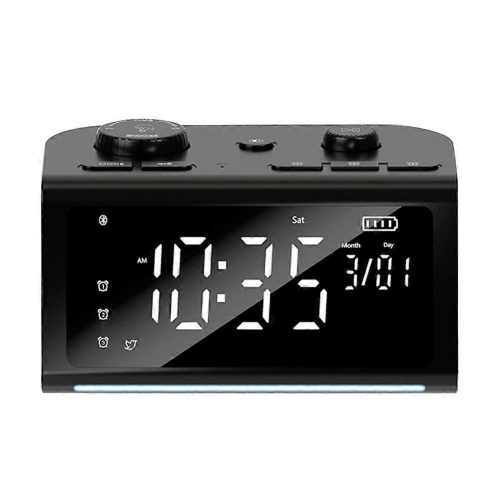
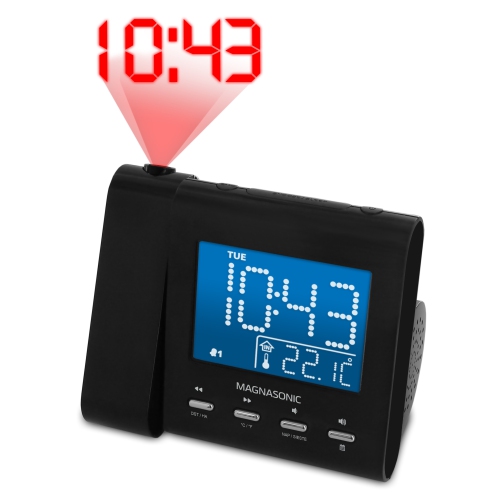
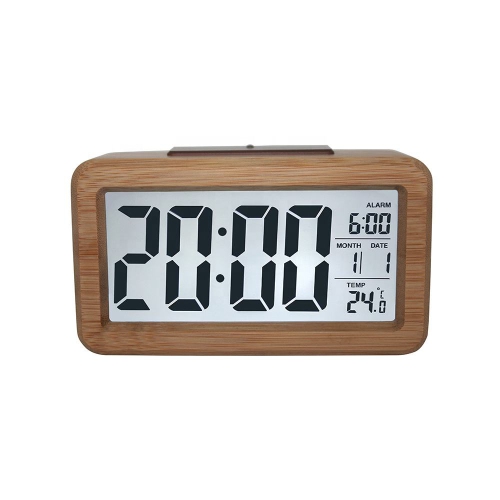
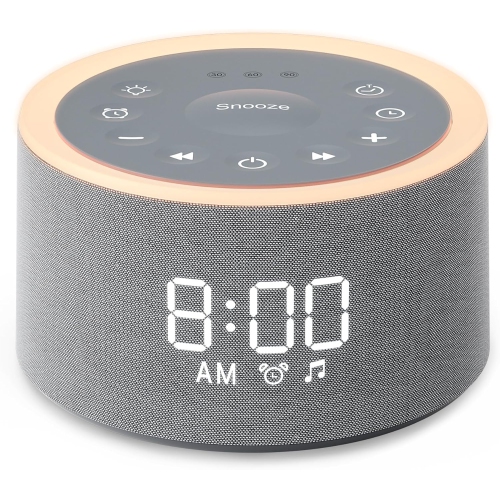
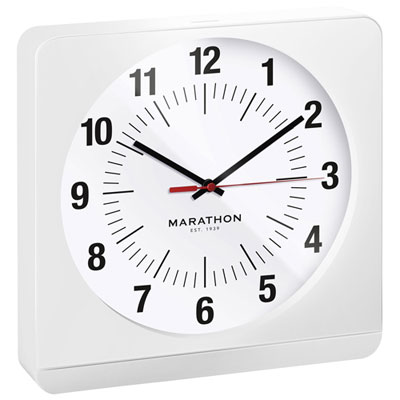
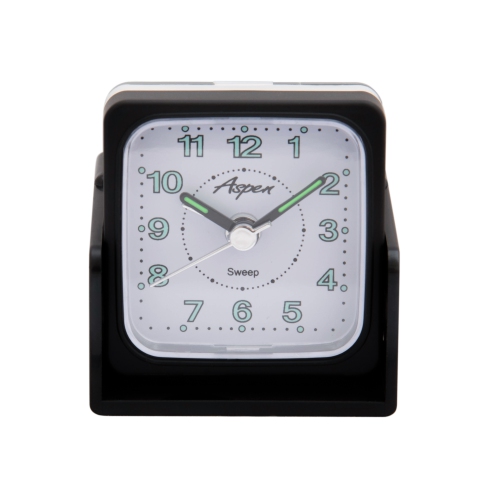
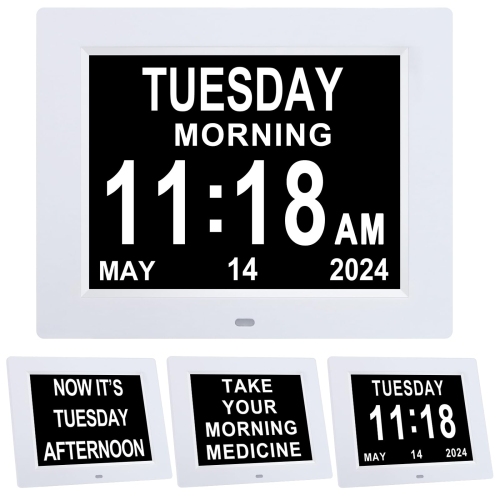
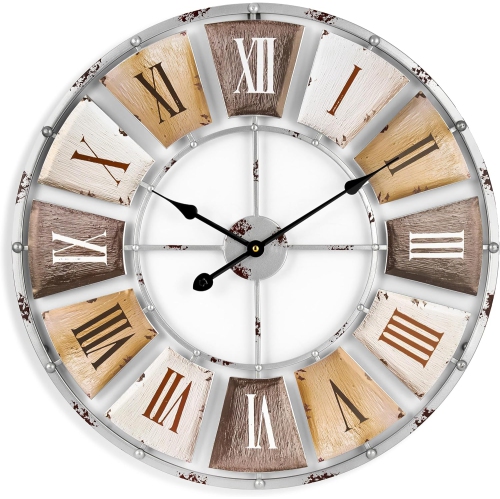
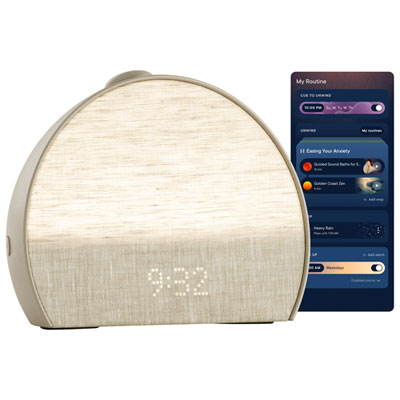
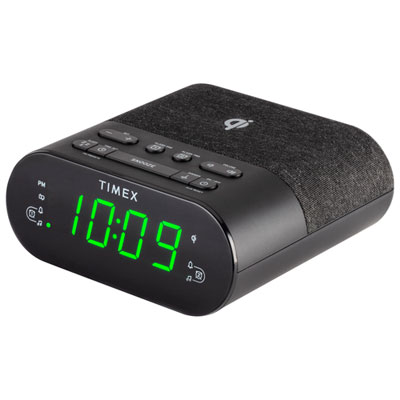
Wake-up alarm clocks provide a dedicated way to keep time and signal the start of the day, whether the morning calls for an early commute, a school run, or a slower start at home. The main differences are how they wake you, how clearly they display the time, and how easily their controls fit into a daily routine. Sunrise alarm clocks use a light that gradually brightens before the set alarm time, imitating the transition from darkness to daylight. Many pair that light with an audible alarm, offering a combination that can feel less abrupt than a sudden buzzer in a dark bedroom. Adjustable brightness and sunrise duration let the light sequence suit personal preferences, although the effect varies with placement, room lighting, and individual sensitivity to light. During the cooler months, when an early start may come before daylight, this gradual illumination can be especially appealing. Traditional digital alarm clocks focus on a clear time display and an audible signal, with options such as beeps, radio, or gradually increasing volume depending on the design. Analogue alarm clocks offer a familiar clock face with hands and hour markers; some use a bell, while others have an electronic alarm. A quiet movement may matter in a bedroom where even a soft ticking sound feels noticeable after lights out. For people who sleep through ordinary alarms, designs with louder adjustable sound, flashing alerts, or a separate vibrating attachment provide different ways to draw attention when it is time to get up. No alarm style guarantees an easier awakening for everyone, but the range of light, sound, and vibration features makes it possible to match a clock to different sleep habits. A dedicated bedside clock also keeps the time visible without needing to pick up a phone, which can be useful for anyone who prefers to leave messages and notifications outside the bedroom.
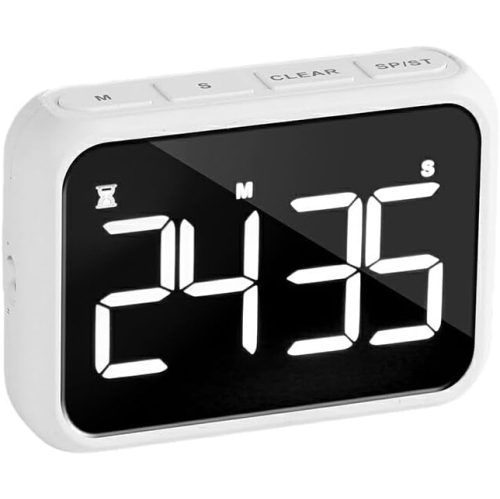
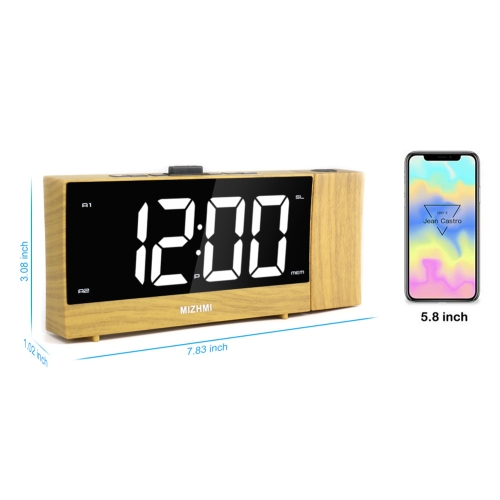
The details that matter most often become clear in everyday use: reading the display from a pillow, finding the snooze button without switching on a lamp, or changing an alarm when the next morning starts earlier than usual. Large digits and strong contrast can make a digital clock easier to read across a room, while an uncluttered analogue face offers a simple view of the time at close range. Display brightness deserves particular attention because a screen that looks comfortable in daylight may seem intense after dark. Adjustable dimming, automatic dimming, and a display-off setting serve different needs; some clocks keep the alarm active even when the screen is dark. On wake-up lights, separate controls for the time display and the main lamp allow more flexibility at bedtime. Physical buttons with distinct shapes or clear labels may be easier to use by touch than a smooth control panel, especially when the clock sits slightly behind a lamp or a glass of water. A broad, stable base helps keep it steady when the snooze button gets a sleepy tap. Overall size matters as much as screen size on a narrow bedside table, and a larger light panel needs enough open space for its glow to reach the sleeper rather than the back of a book or lampshade. Common construction materials include moulded plastic housings, metal cases, and clear display covers, with light-diffusing panels used on many sunrise designs. Smooth surfaces are generally straightforward to dust, while textured finishes and recessed buttons may need a little more attention. Routine care usually means disconnecting external power before cleaning, wiping with a soft cloth, and keeping liquids away from controls, speaker openings, and charging ports, following the manufacturer's directions. Durable construction is particularly useful in busy family bedrooms or guest rooms, but a clock is still an electronic device rather than a spill-resistant bedside accessory unless its specifications explicitly say otherwise.
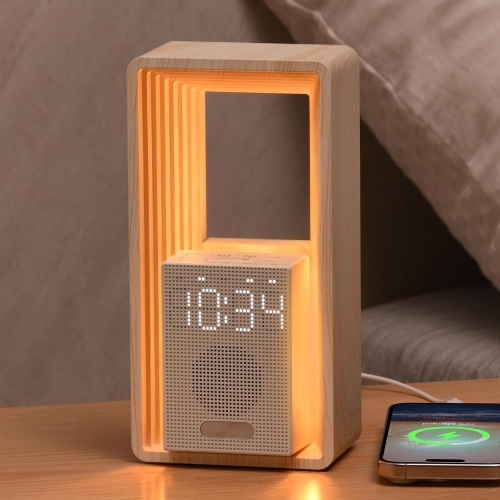
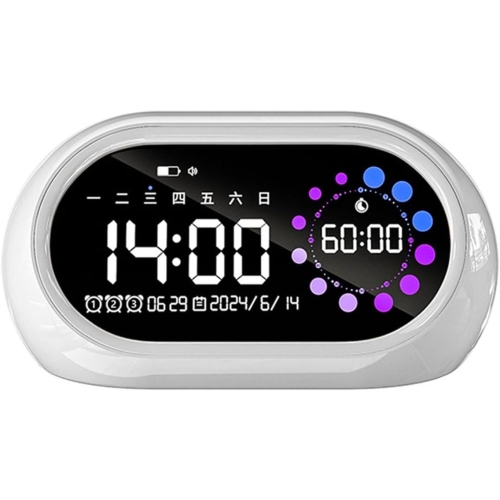
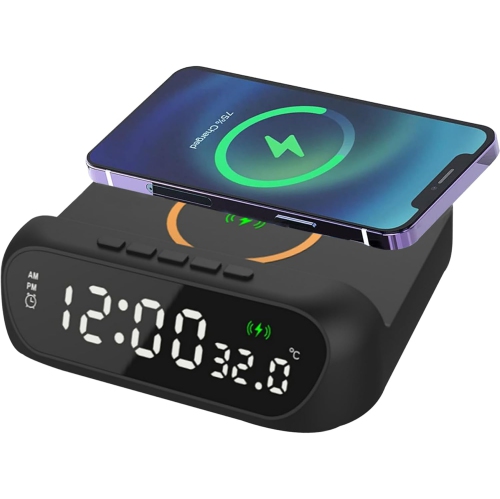
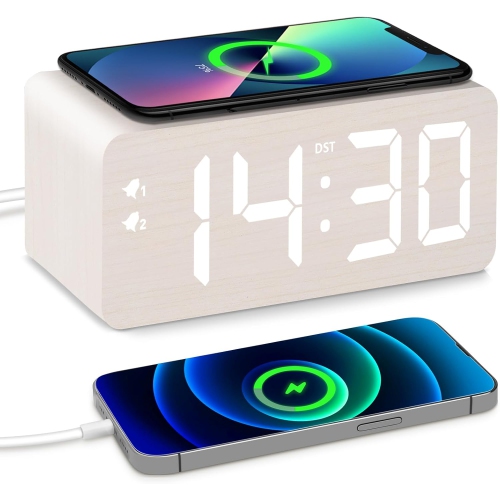
Alarm settings and power arrangements help determine how well a clock suits the household beyond its appearance. Dual alarms can support two different wake-up times, although a shared bedroom still calls for consideration of how much light or sound reaches the other sleeper. Weekday and weekend scheduling can reduce repeated adjustments, while a clearly visible alarm indicator makes it easier to confirm that the next wake-up is set. Adjustable snooze intervals, where included, offer another degree of personal control. For a student with changing class times or someone working shifts, accessible settings may be more useful than a long list of extra functions. Some wake-up clocks also include a sunset-style dimming sequence, gentle background sounds, or a radio for evening listening. These are convenience features for a bedtime routine, not treatments for sleep difficulties. Built-in phone charging can help keep a bedside surface tidy, but charging connections, wireless compatibility, and required power adapters differ between designs. Power backup is another distinction worth understanding: a backup battery may preserve the time and alarm settings during an outage without operating the light, display, or audible alarm. Battery-powered clocks, by contrast, can often function without a nearby wall socket, making them useful where outlets are awkwardly placed. For overnight stays, a cottage bedroom, or a bedside table that changes from one place to another, Portable Alarm Clocks offer a related option focused on compact size and easy transport. Secure battery compartments, protected controls, and a shape that packs neatly are practical details for travel. At home, a wake-up alarm clock can be a thoughtful gift for someone setting up a first apartment, moving into residence, or refreshing a guest bedroom, provided its sound, display, and controls suit the recipient. A straightforward clock with readable digits may be appreciated more than one that requires an app, while someone who enjoys a gradual morning routine may prefer a wake-up light. The most useful design is one that makes the time easy to see, the alarm easy to confirm, and the start of the day a little more predictable.
Top selling and popular products
-
 Your price for this item is $42.98
-
 Your price for this item is $44.99
-
 Your price for this item is $89.99
-
 Your price for this item is $114.99
-
 Your price for this item is $19.95
-
 Your price for this item is $90.96
-
 Your price for this item is $79.99
-
 Your price for this item is $45.99
Discover more categories related to Wake Up Alarm Clocks
Top Collections:
Pokemon Centers, Kindle Devices, Best Cameras for Sports Photography, Pokémon 30th Celebration Cards, Apple iPhones 16, Canon G7X Cameras, iPhone 15 Apple, Flip Phones, Samsung Galaxy Phones, Alarm Clock
Some products may be subject to Environmental Handling Fees
(EHF) depending on your province.
Learn more about EHFs.