Sense-U Baby Monitors
Ensure peace of mind and stay connected with your little one using a sense-u baby monitor. Designed to help parents keep an eye on their baby, these monitors offer reliable support whether you're in the next room or on the go. Explore a range of options that prioritize convenience and ease of use, making it simple to check in whenever you need. Discover how a sense-u baby monitor can add comfort and confidence to your daily routine.
Sort
What wearable baby monitor readings can actually tell you
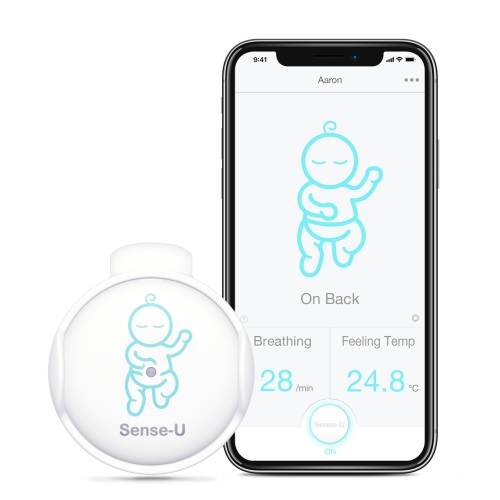
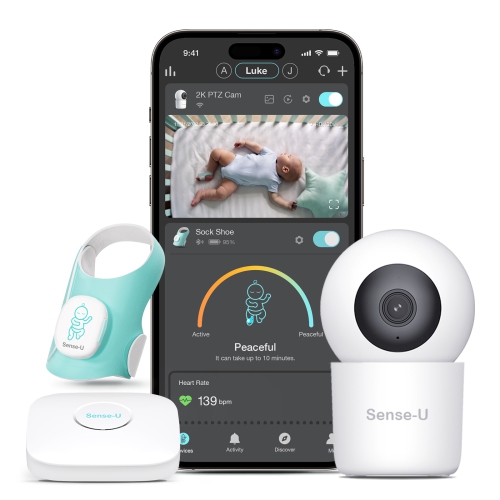
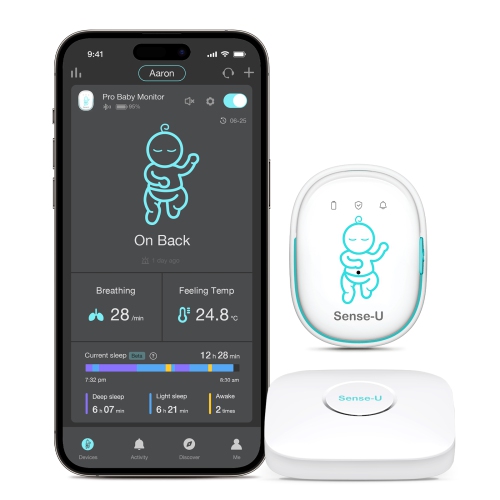
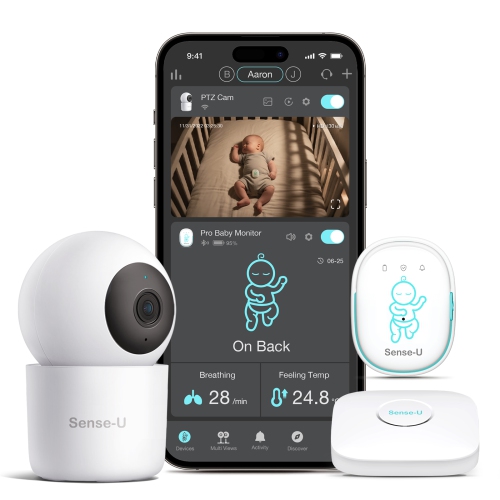
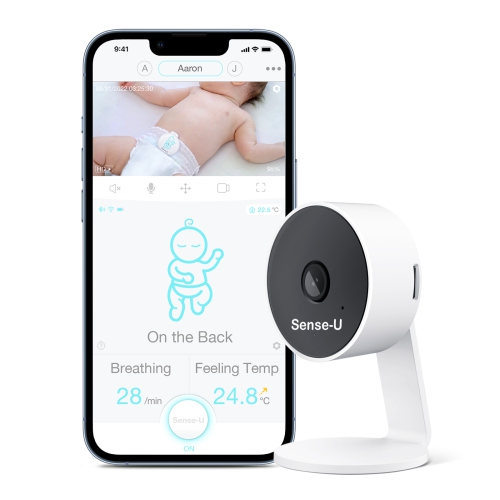
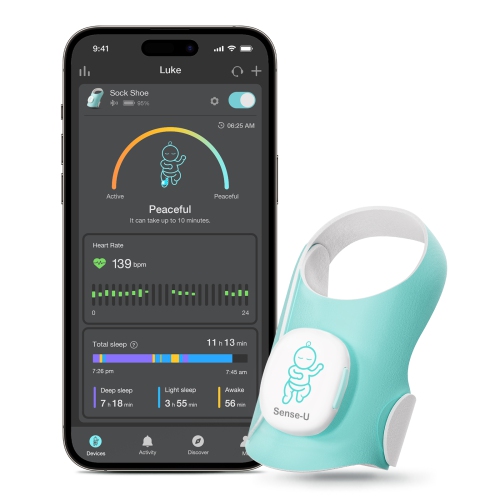
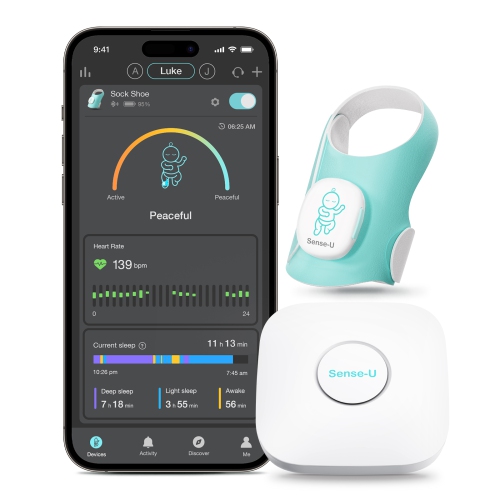
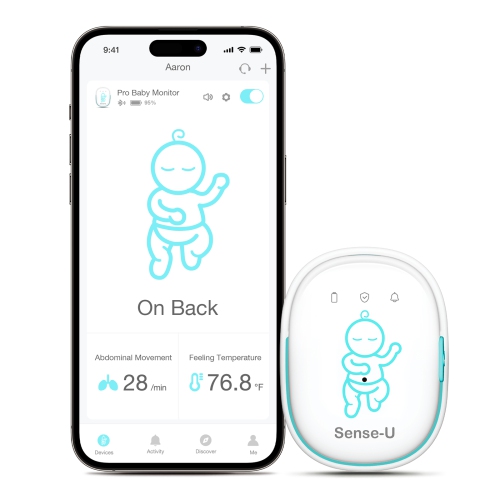
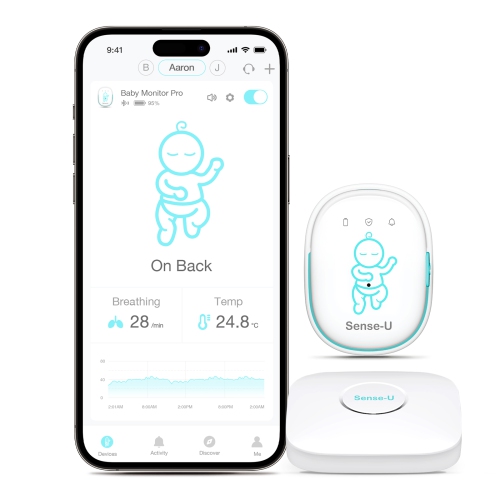
Baby monitors help parents and caregivers stay aware of a little one’s activity while moving through everyday routines, from folding laundry nearby to settling down after an evening feed. Wearable baby monitors add a different kind of information from a traditional nursery microphone or camera: depending on their design, they can track abdominal movements associated with breathing, changes in sleeping position, and temperature near the baby’s body. A compact sensor worn at the diaper waistband can keep that information close at hand through a compatible smartphone app, while some monitoring systems use a separate base station to support communication and alerts. These features serve different purposes. Movement tracking senses physical motion rather than directly measuring airflow or proving that breathing is normal. Position notifications can indicate a change in orientation, but they do not keep a baby in a particular position. Temperature readings taken near clothing or skin reflect conditions around the sensor and should not be treated as a core body temperature measurement or a substitute for a thermometer when checking for fever. Understanding those distinctions makes the information on a phone screen more meaningful during ordinary care. A caregiver preparing a bottle may appreciate a movement update, while another may find a position notification useful alongside a direct check on the baby. Not every monitor includes every feature, and the usefulness of each function depends on the baby’s age, the device’s intended use, and correct placement. These are supplementary awareness tools, not a replacement for adult supervision, medical advice, or safe sleep practices. Consumer baby monitors have not been shown to prevent sudden infant death syndrome. Babies should be placed on their backs for sleep on a firm, flat sleep surface with a fitted sheet, without pillows, loose bedding, or soft toys. A monitor does not make an otherwise unsafe sleep arrangement safe, and concerns about breathing, unusual colour, or difficulty waking require prompt attention rather than reliance on an app reading.
For a wearable monitor, fit and placement matter as much as the information it displays. The attachment needs to suit the diaper waistband and remain in the position specified by the manufacturer without pressing uncomfortably against the baby’s skin. A loose waistband, a shifted clip, or layers that interfere with the sensor can affect readings and may lead to unnecessary notifications. Diaper changes are a natural point for checking that the attachment is intact and properly positioned, particularly when moving between daytime clothing and a sleep sack. Age, weight, diaper type, and permitted wearing positions can vary between designs, so those details are more useful than assuming one attachment will suit every stage of infancy. Materials and construction also deserve attention: a smooth casing, secure fastening mechanism, clearly stated skin-contact information, and accessible cleaning instructions all contribute to everyday practicality. The device should be used only with approved attachments, without improvised straps, padding, or covers. Small components and batteries must stay inaccessible to children, and a cracked casing or damaged clip is a reason to stop using the device until it can be assessed or replaced according to its instructions. Care requirements are especially relevant around diaper changes, spit-up, and damp clothing. Water resistance is not the same as permission to immerse a sensor, and cleaning methods should match the manufacturer’s directions rather than a general routine for baby toys. Battery arrangements shape daily use as well. Rechargeable designs need time off the baby for charging, while replaceable-battery designs require the correct battery type and a securely closed compartment. Clear low-battery indicators can help caregivers plan around naps and overnight sleep, although stated battery life can vary with settings and use. Durability is less about a rugged appearance than about an attachment, housing, and power system that hold up to repeated handling. For parents, grandparents, and other regular caregivers, a straightforward fastening process and easy-to-read status indicators can make handovers simpler without adding unnecessary steps to feeding, changing, and settling.
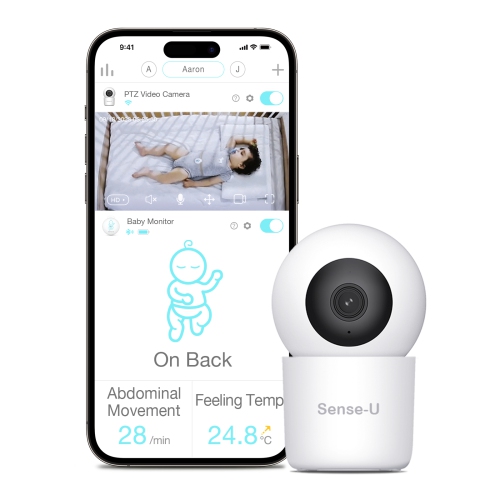
Connectivity determines how monitoring information reaches a caregiver, and the difference between a nearby connection and remote access is important. Bluetooth-based monitoring generally depends on a compatible device remaining within an effective local range; walls, floors, distance, and other wireless activity can affect that connection. A compatible Wi-Fi base station may support access farther from the nursery or outside the home, but remote functions can depend on the base station’s power, the home internet connection, and the phone’s data connection. Neither arrangement should be assumed to work without interruption. A nursery upstairs and a kitchen at the back of the house can present a different signal path from two adjoining rooms, making coverage throughout the actual living space more relevant than a range figure alone. Notification settings matter too: phone permissions, sound levels, battery-saving settings, and the way an app operates in the background can influence whether an alert is noticed. Helpful distinctions include whether a system signals lost contact, low power, or a change in the baby’s readings, and whether more than one caregiver can receive updates. Audible alerts, phone notifications, and any on-device responses vary by model and should not be assumed to share the same timing or behaviour. Wearable monitoring also differs from listening or watching. Families interested primarily in hearing cries, babbling, and waking sounds may find Sound Baby Monitors relevant, while camera-based monitoring adds a visual view of the sleep space. Any camera, base station, and power cord needs a placement that stays out of the baby’s reach and follows the manufacturer’s clearance requirements. App compatibility, account security, privacy controls, and access for additional caregivers are worth considering wherever nursery information is shared through a connected system. For a baby shower or new-parent gift, a monitor is most useful when it matches the family’s phones, home layout, and preferences about wearable devices and app use. The right fit is a system whose purpose and limits are clear, with manageable care requirements and information that supports attentive daily caregiving.
Top selling and popular products
-
 Your price for this item is $429.99
-
 Your price for this item is $499.99
-
 Your price for this item is $449.99
-
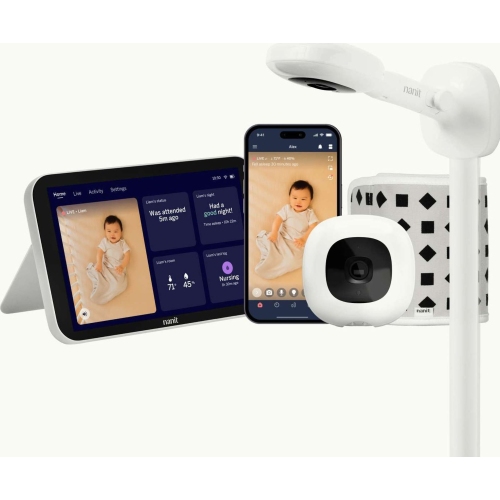 Your price for this item is $679.99
-
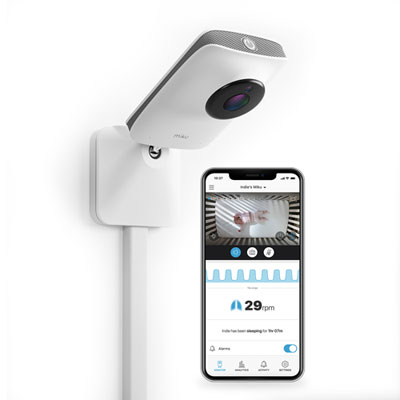 Your price for this item is $539.99
-
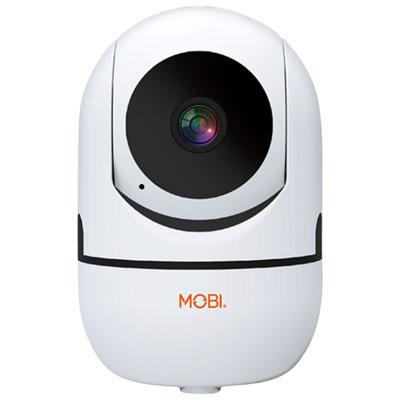 Your price for this item is $74.95
-
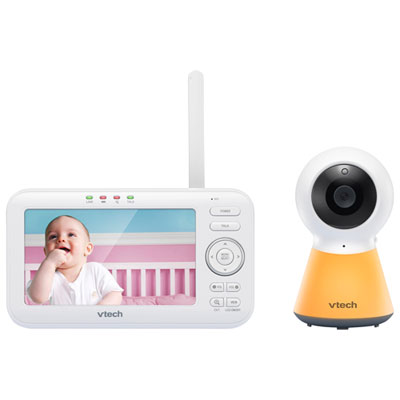 Your price for this item is $119.99
-
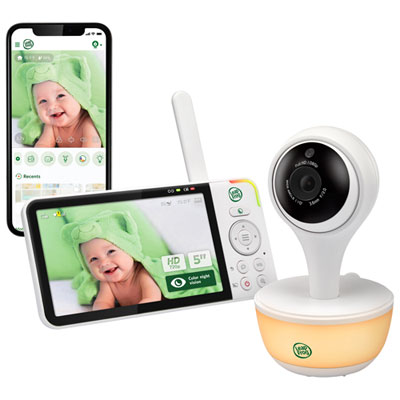 Your price for this item is $199.99
Discover more categories related to Sense-U Baby Monitors
Top Collections:
Pokemon Centers, Kindle Devices, Best Budget Office Chairs, Canon G7X Cameras, Apple iPhones 16, Samsung Galaxy Phones, Refurbished Apple Laptops, Laptops for Students, iPhone 15 Apple, Budget Smartphones
Some products may be subject to Environmental Handling Fees
(EHF) depending on your province.
Learn more about EHFs.