Handheld Learning Games for Preschoolers
Handheld learning games are a great way to keep your preschooler entertained while reinforcing learning skills. They're also a great way to help your child develop fine motor skills and hand-eye coordination. Here are some of the best handheld learning games for preschoolers available today.
Sort

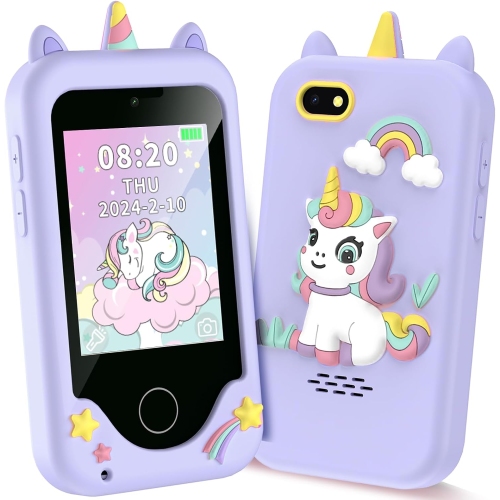
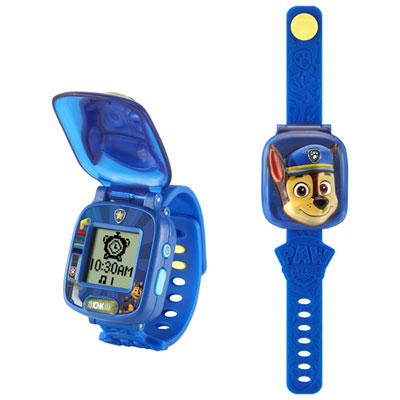
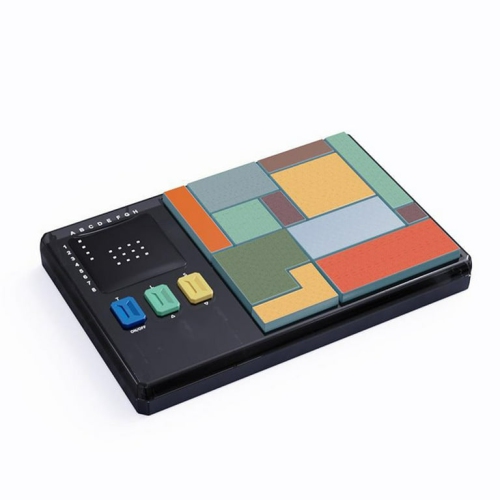

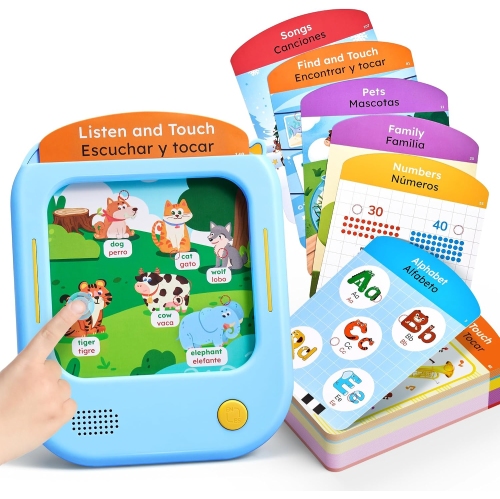





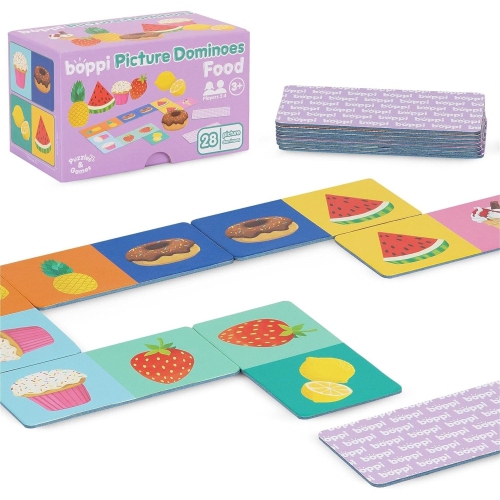
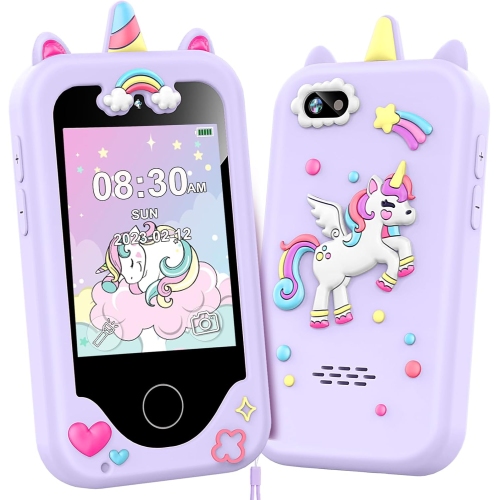


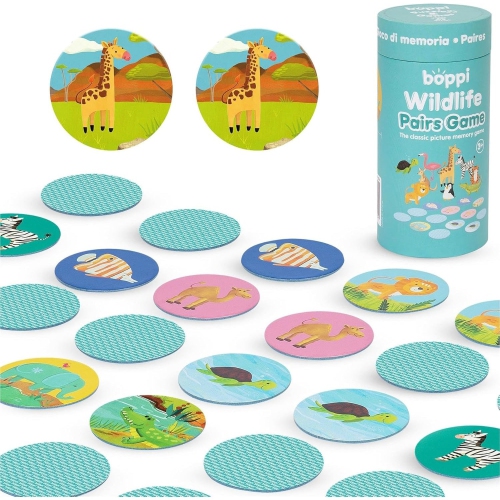
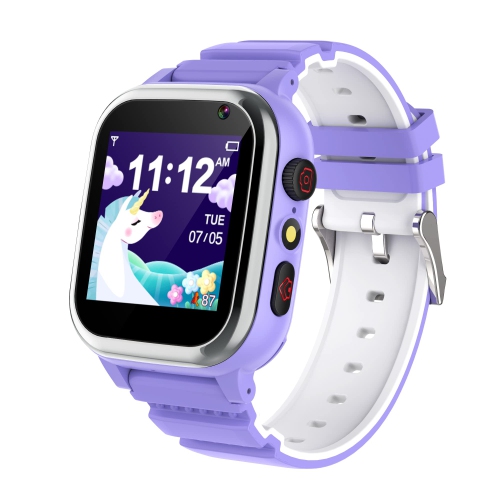









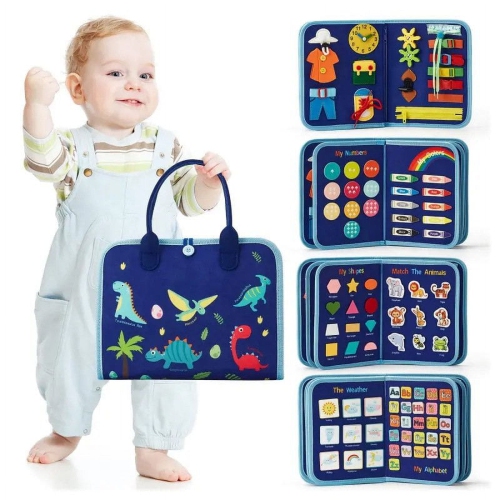
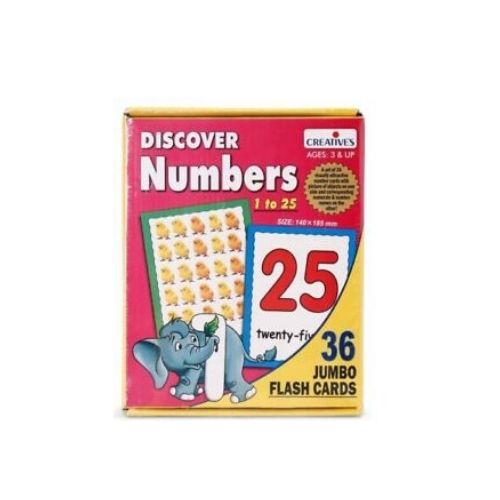

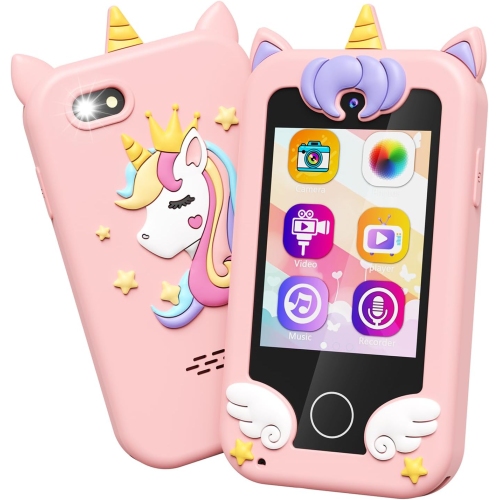
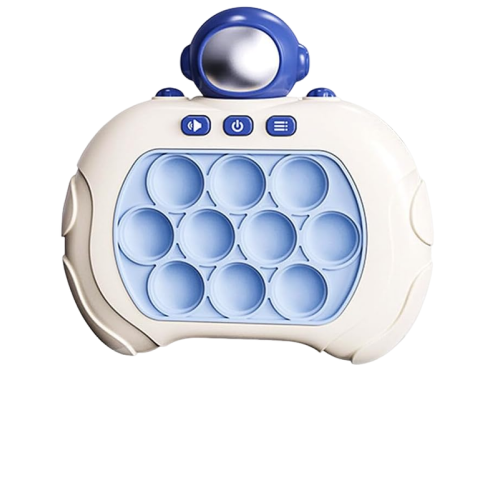

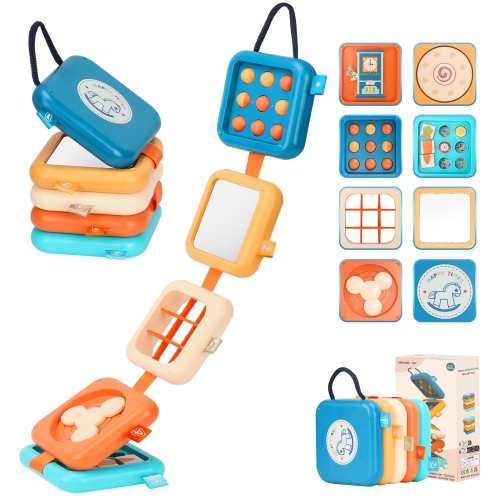


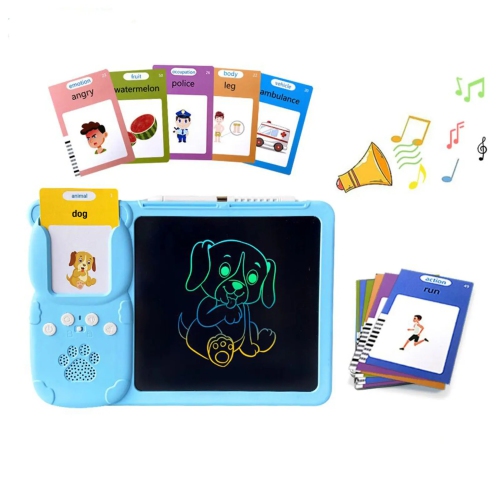

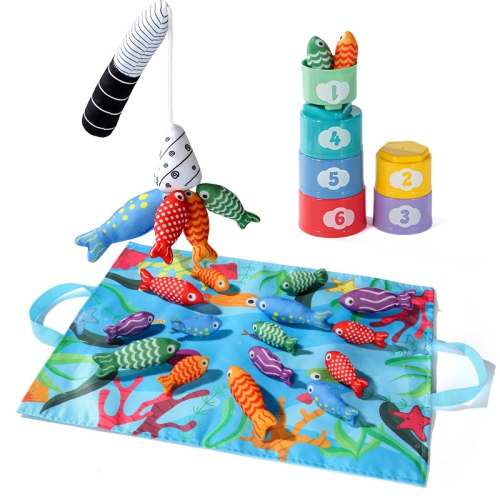

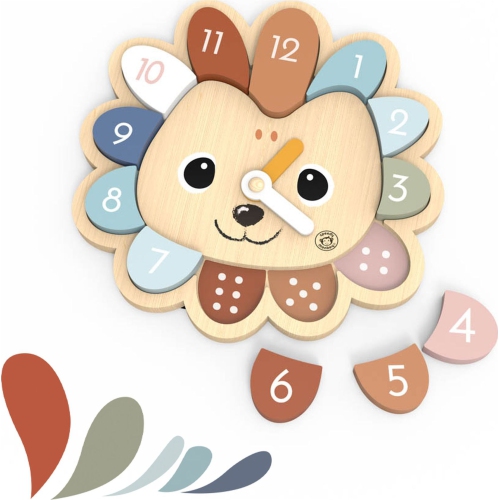

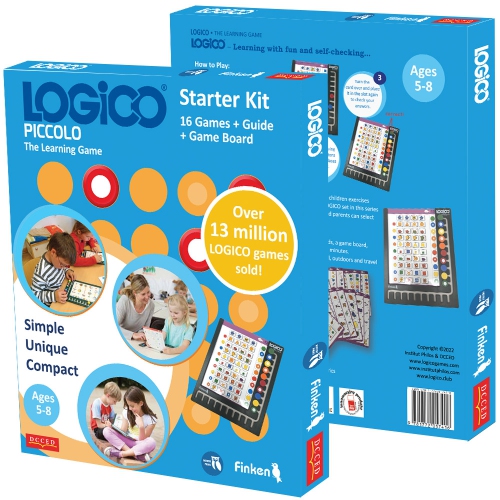
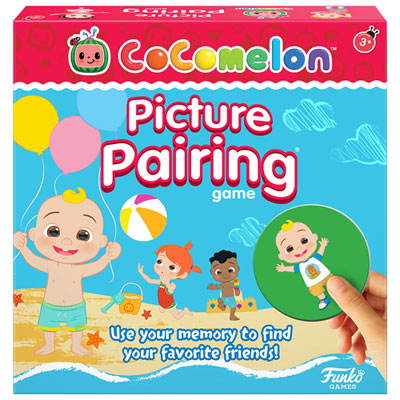
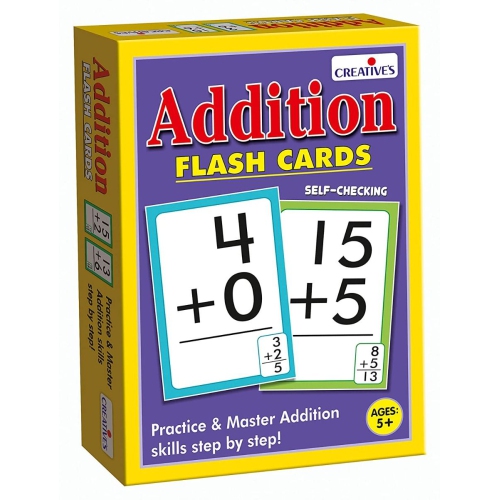
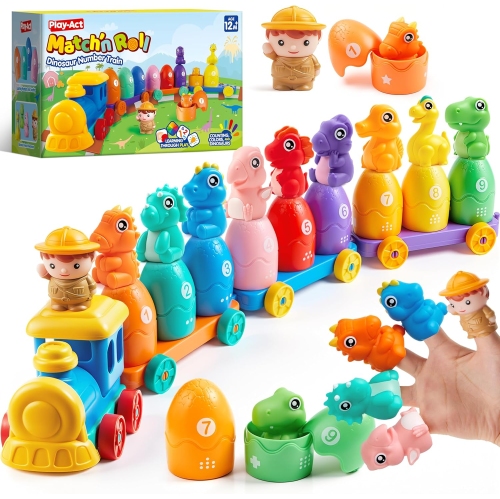
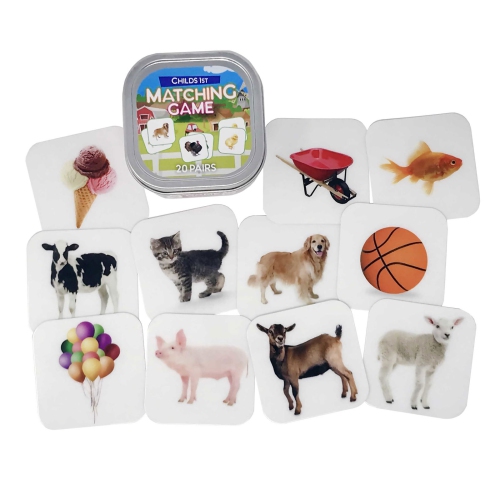
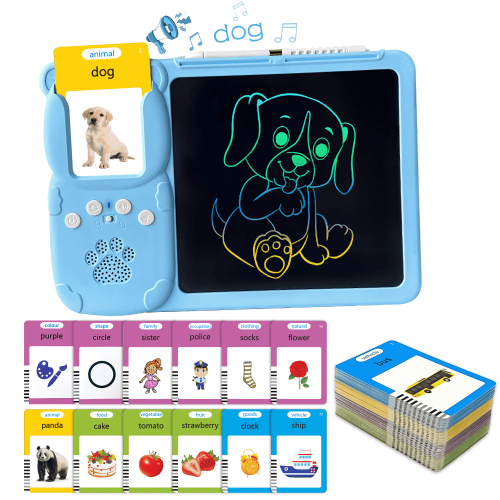
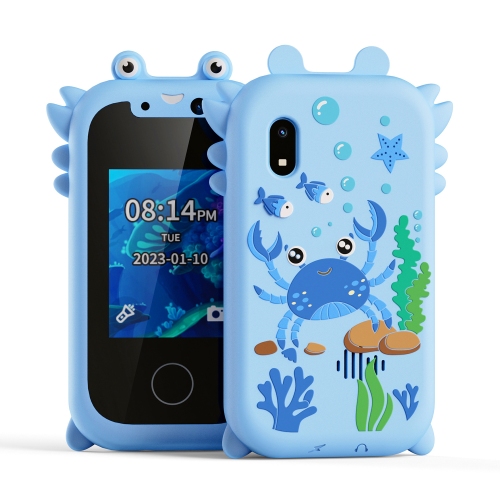
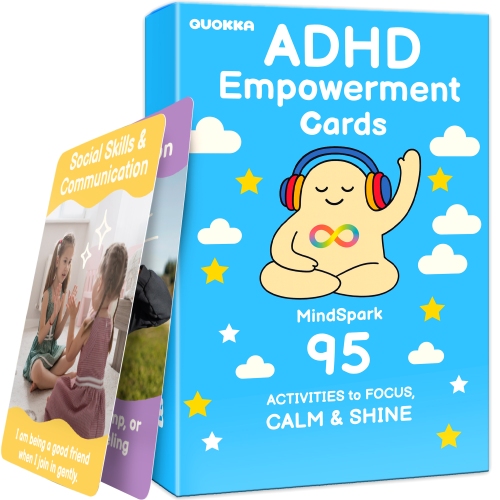





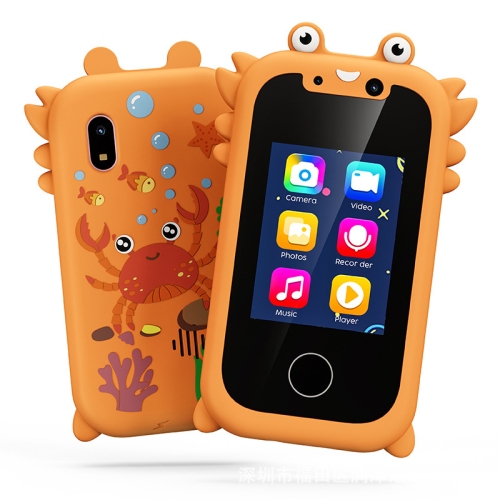
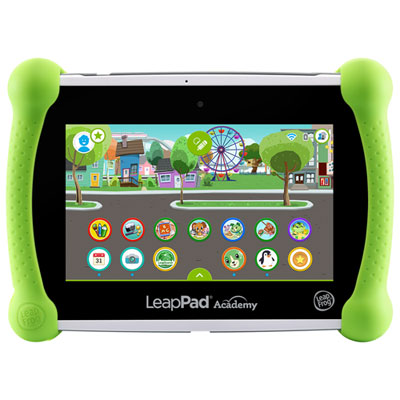
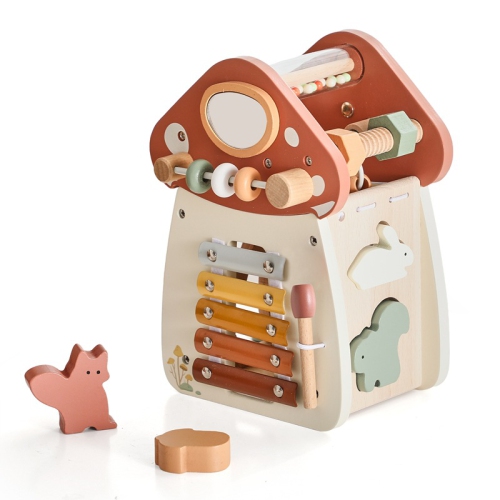
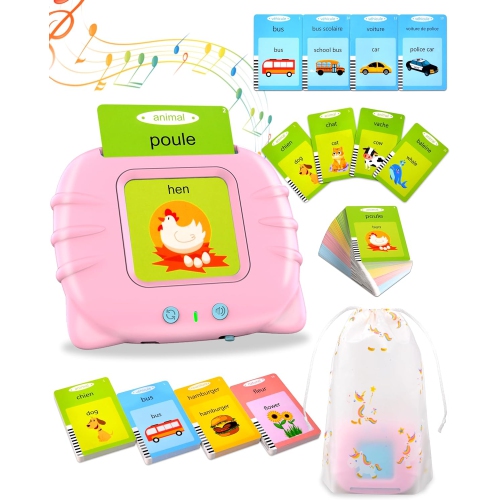

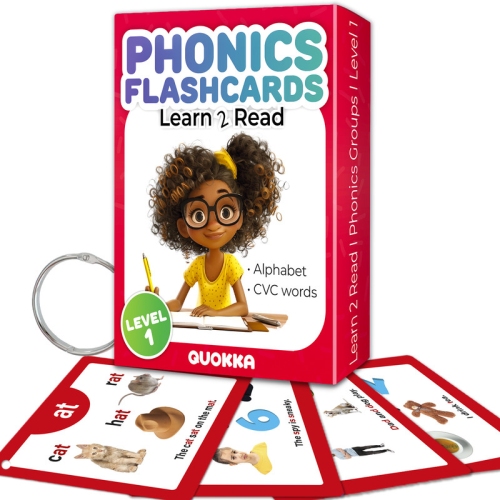
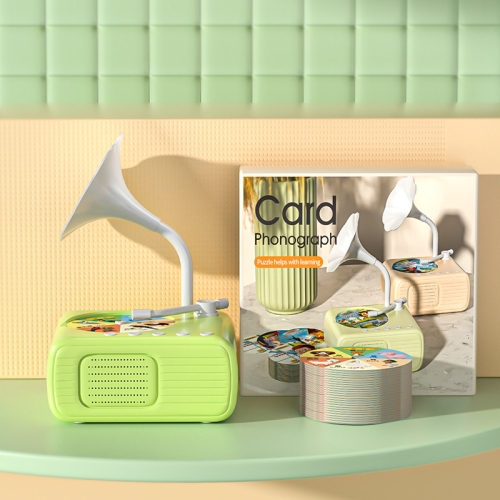
How interactive play supports early skills and growing confidence
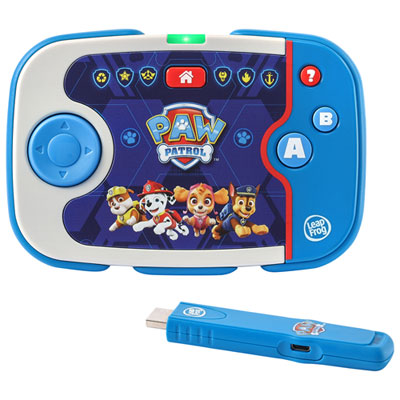
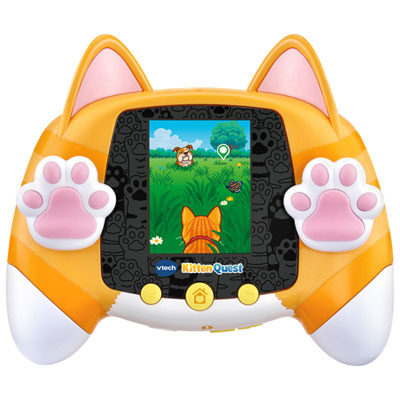
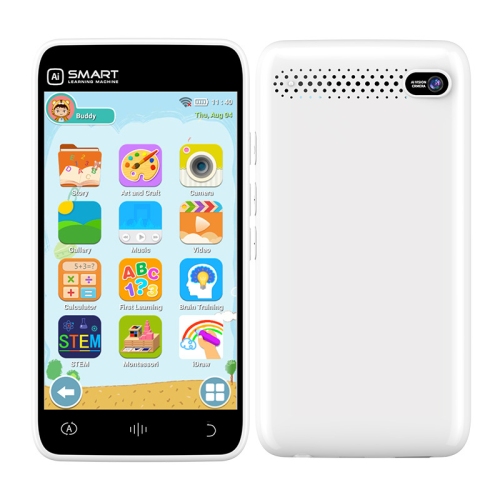
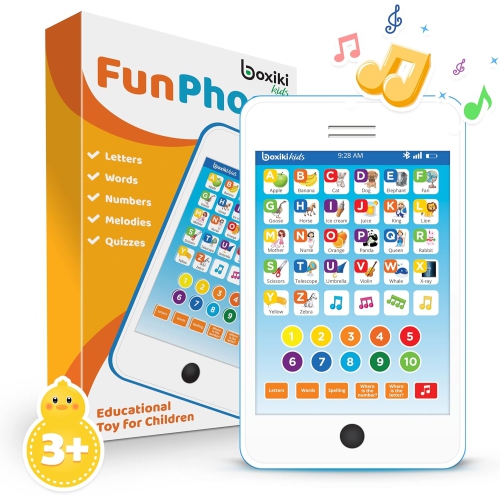
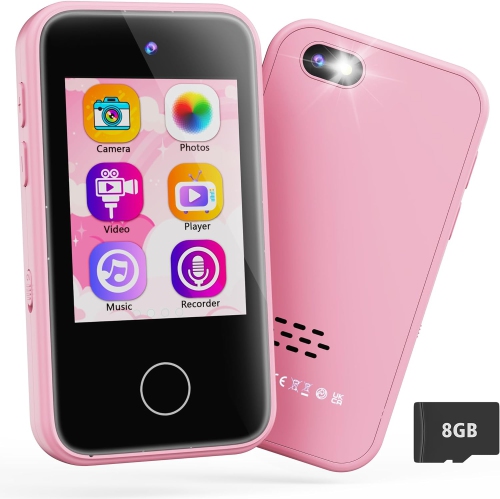
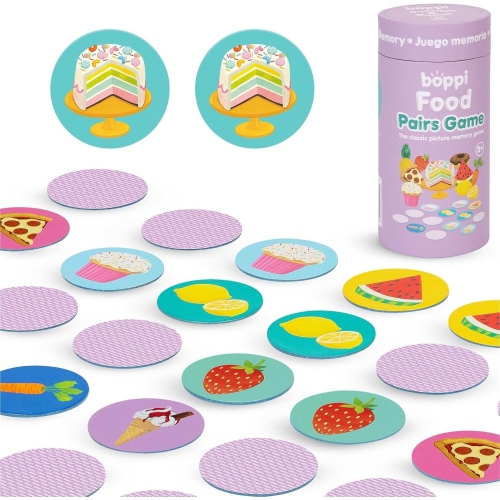
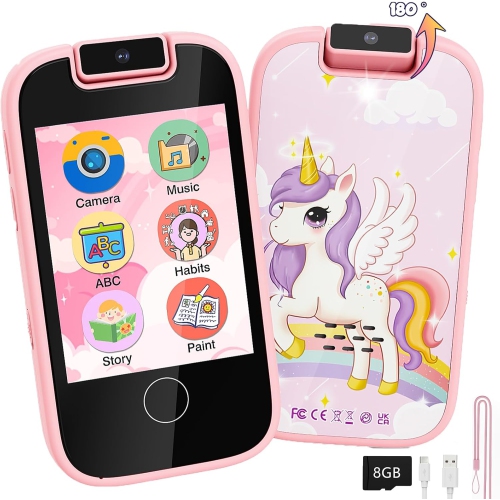
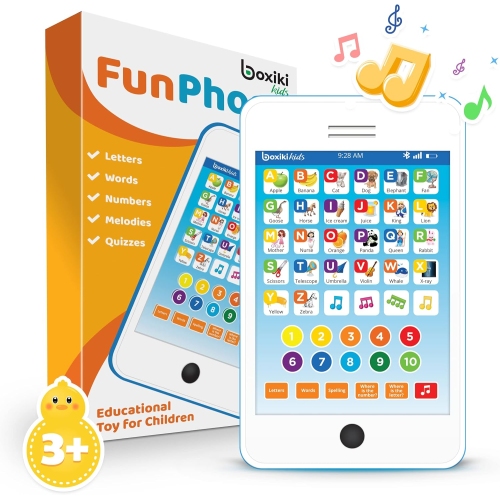
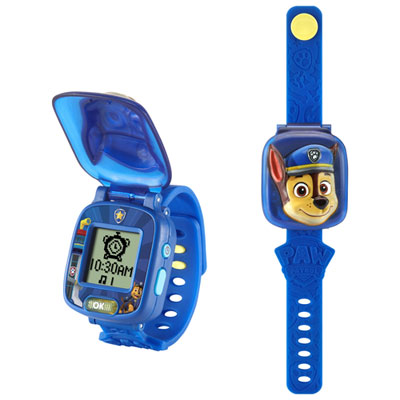
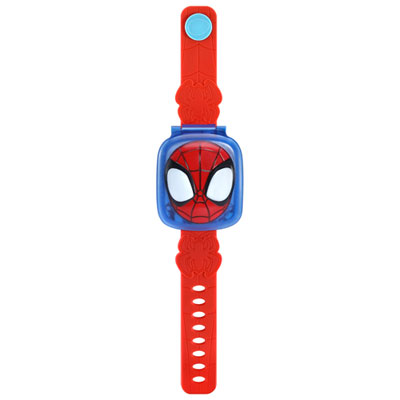
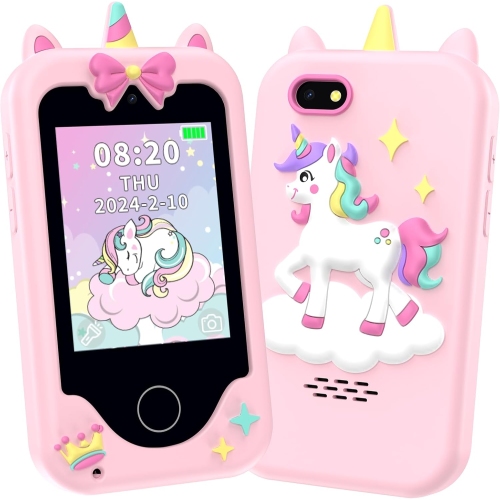
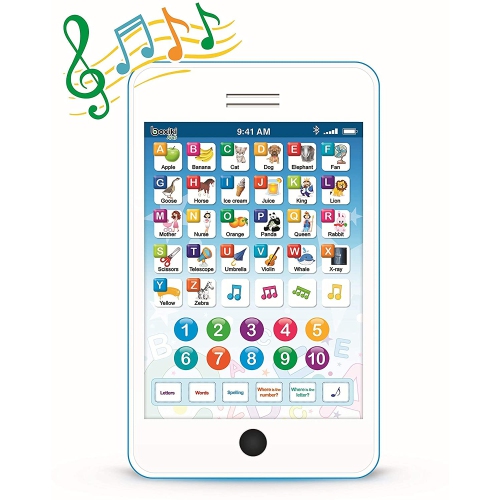
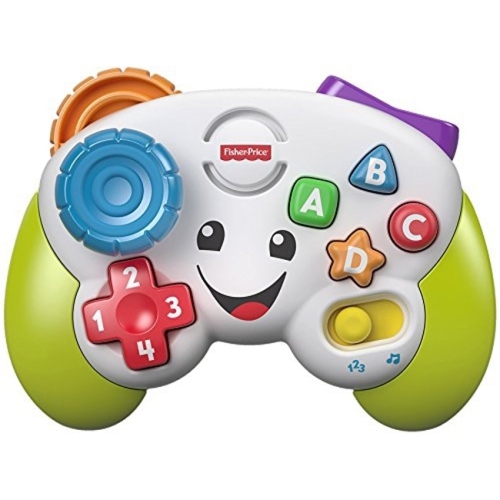
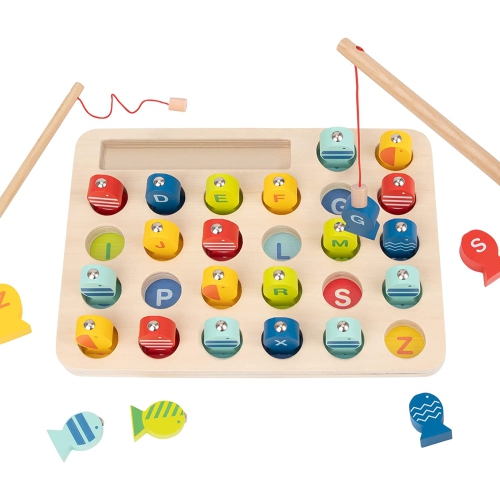
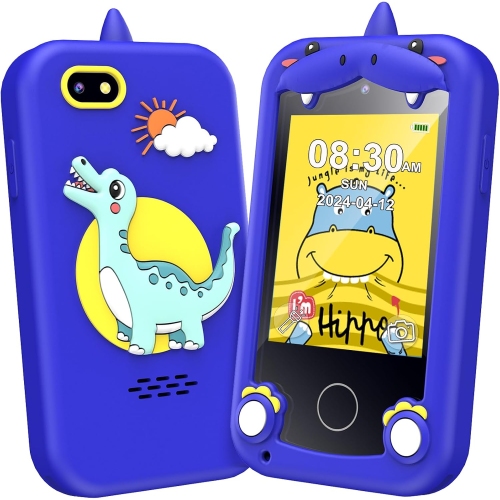
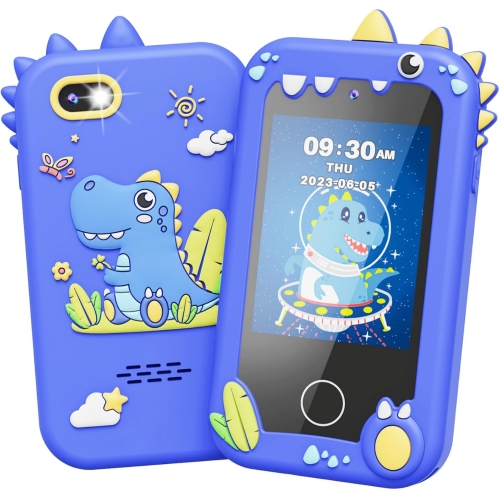
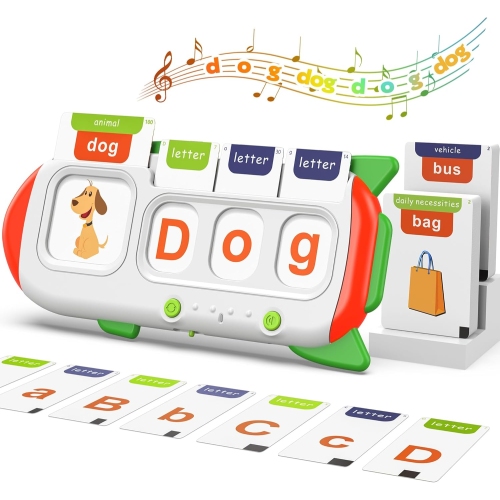
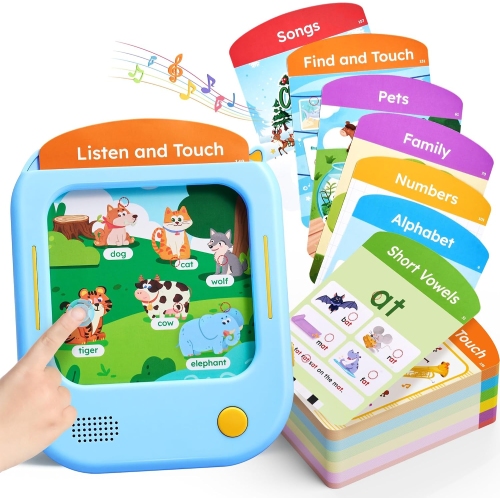
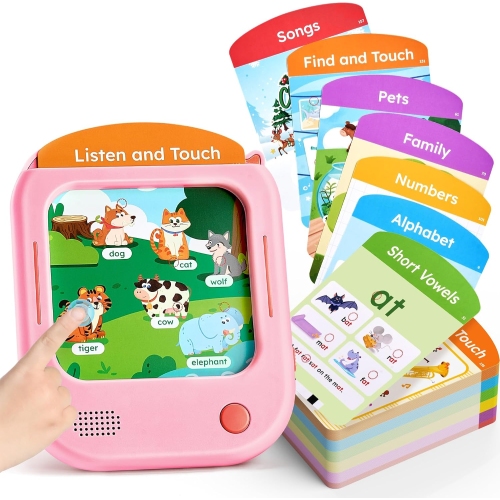
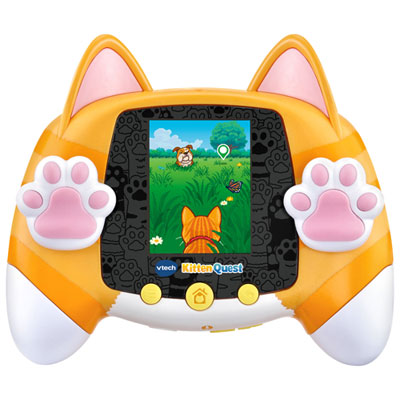
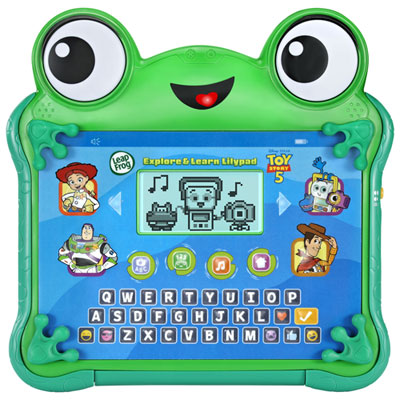
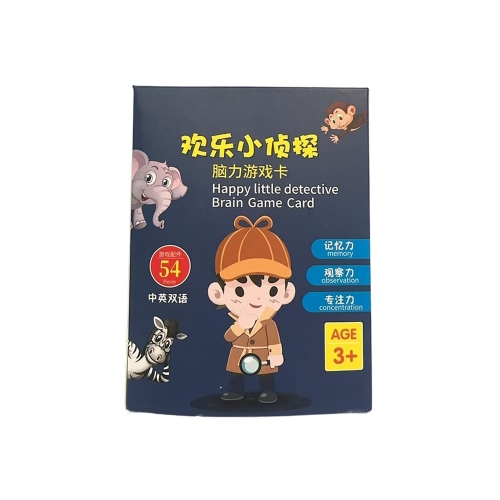
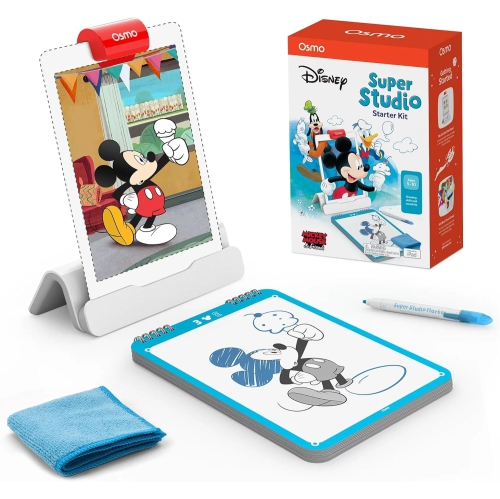
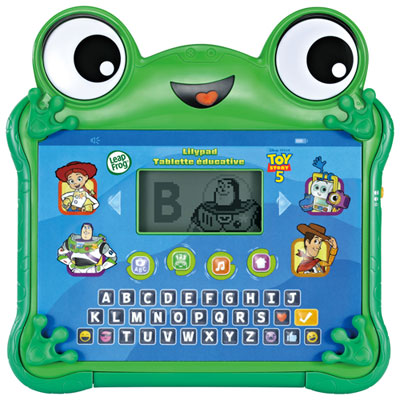
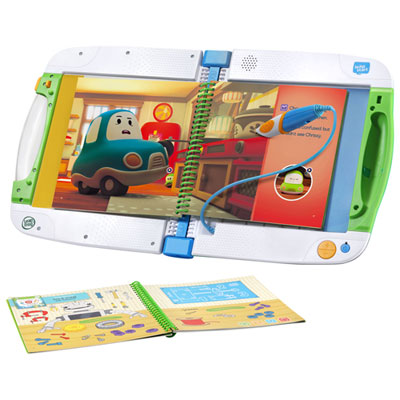
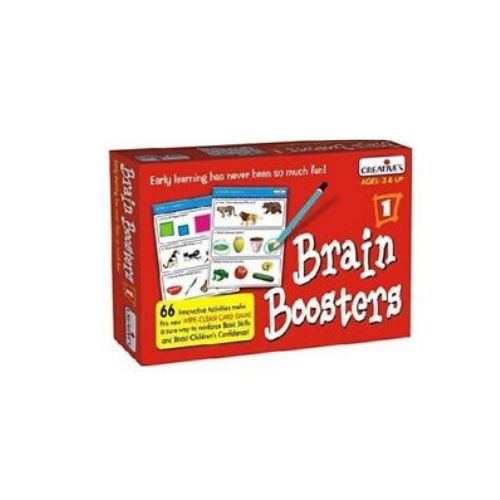
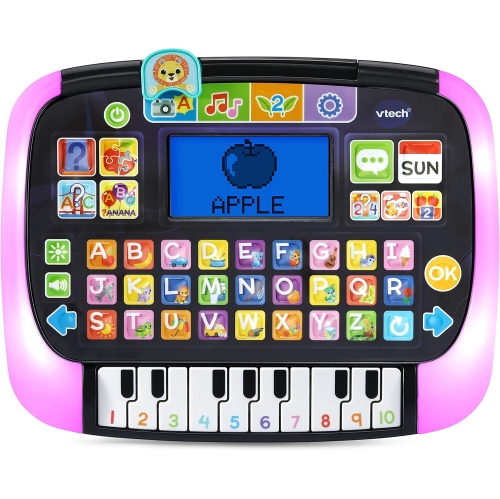
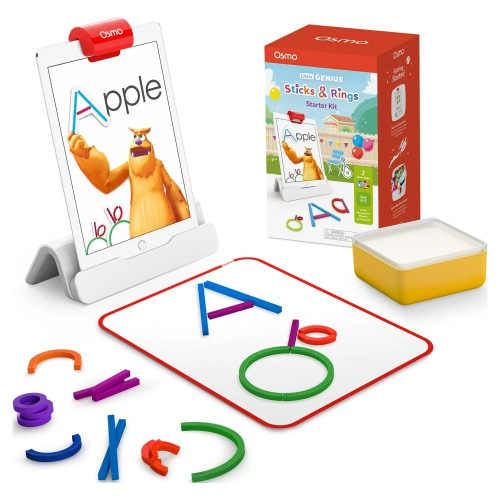
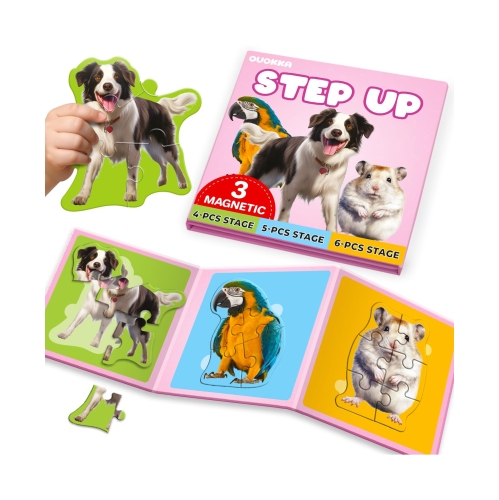
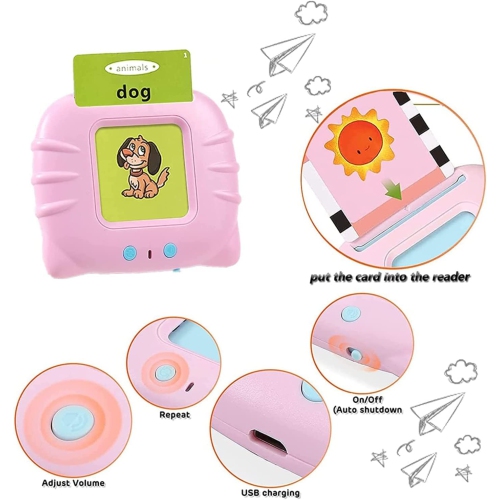
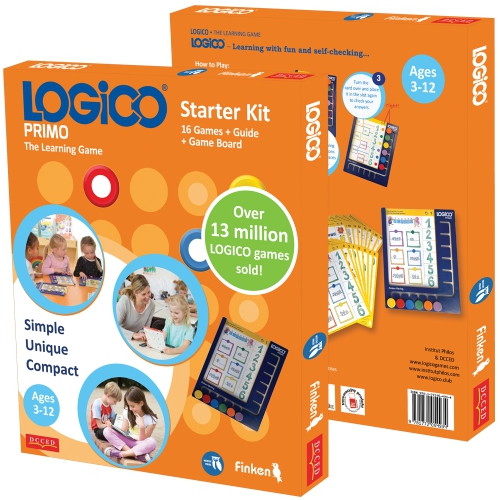
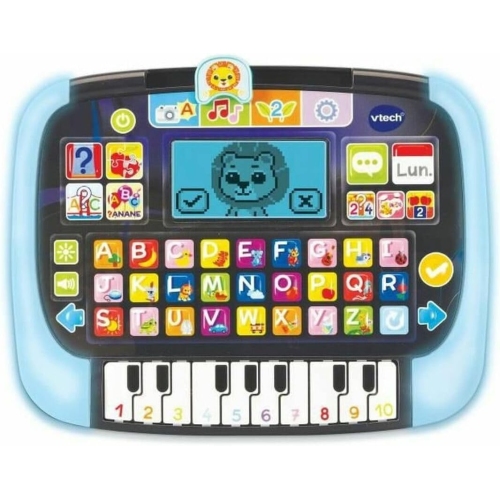
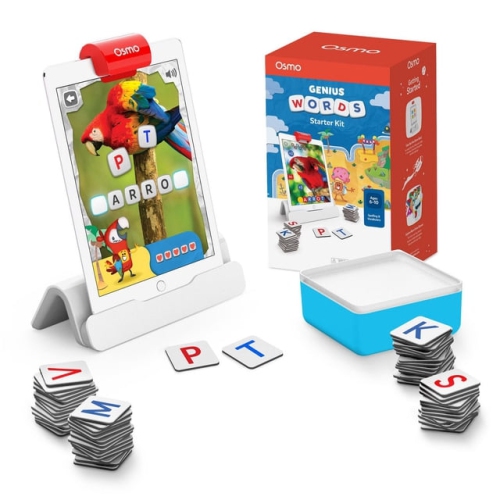
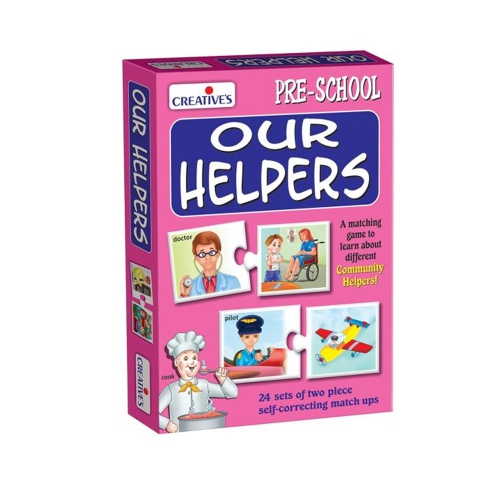
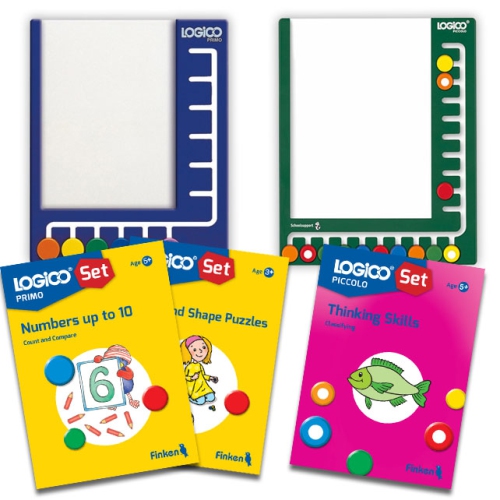
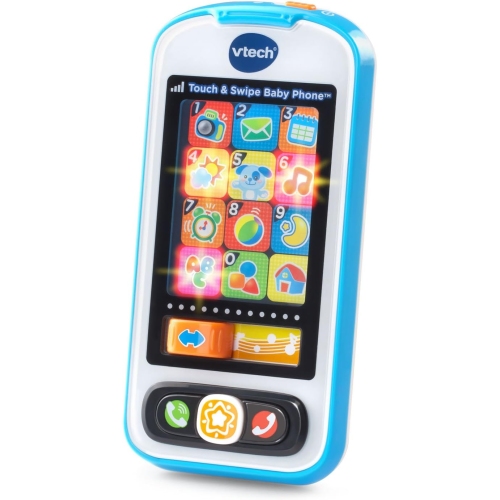
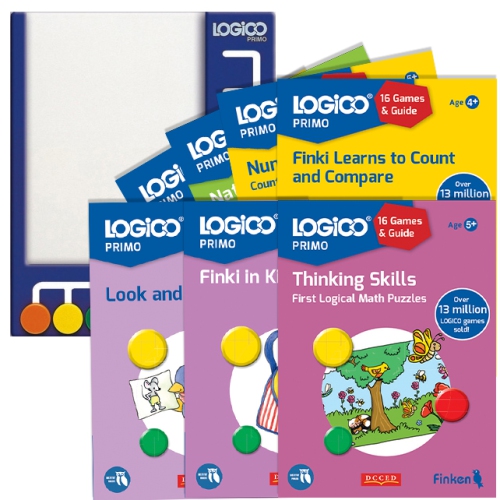
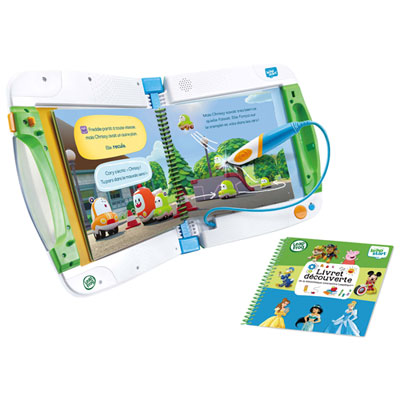
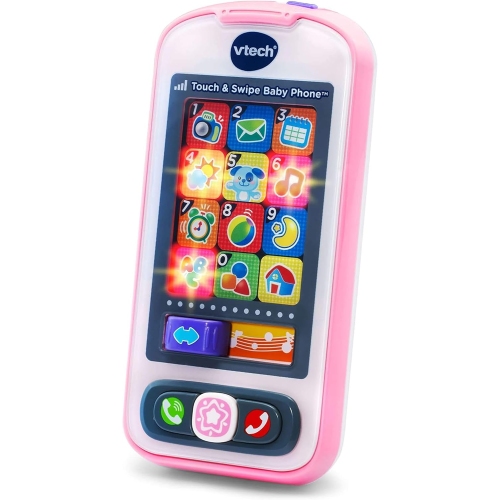
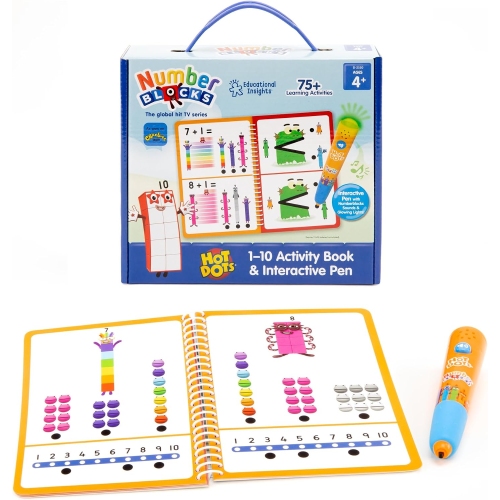
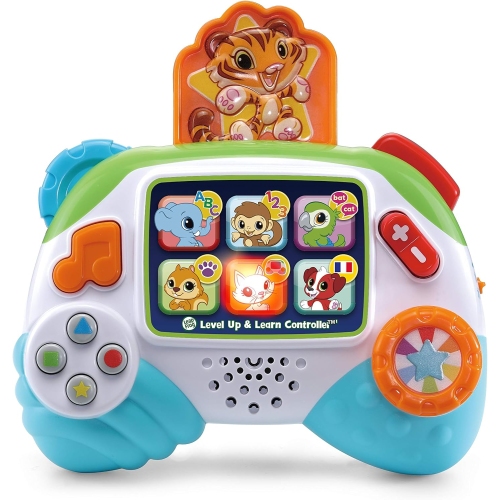
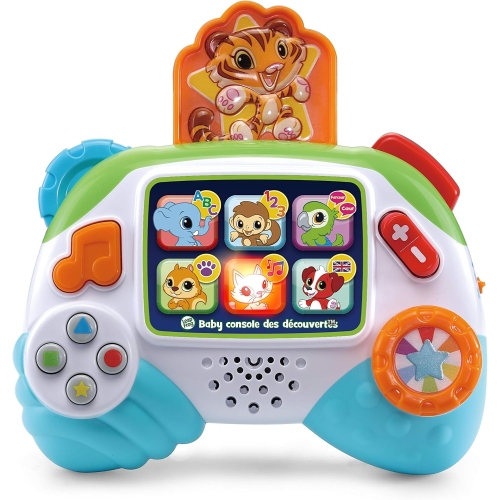
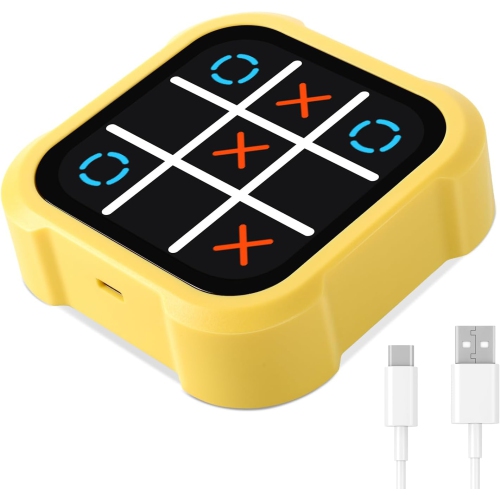
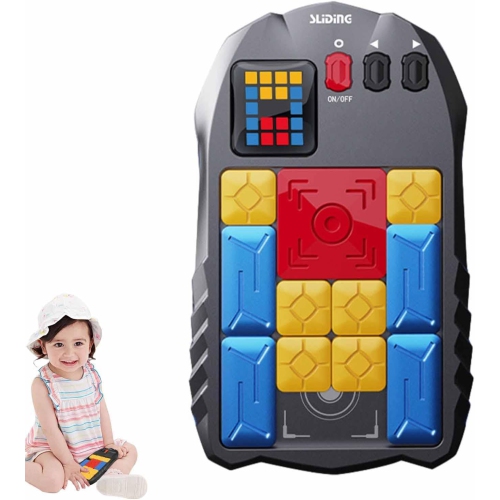
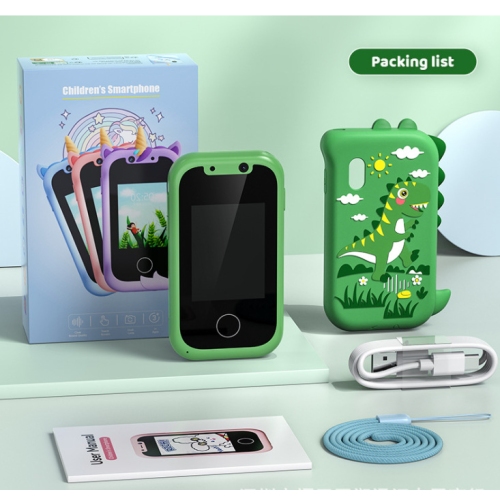
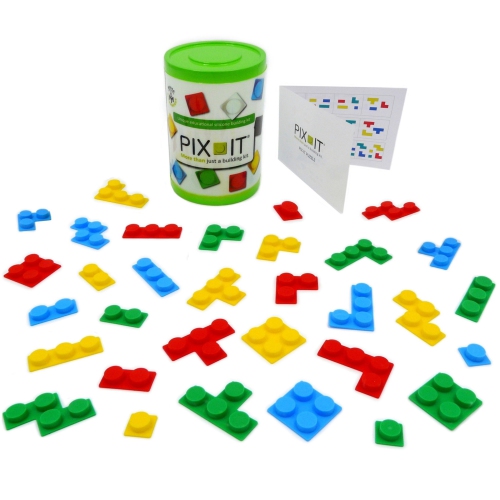
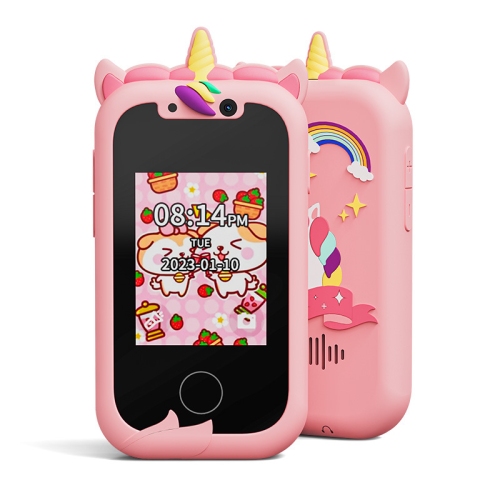
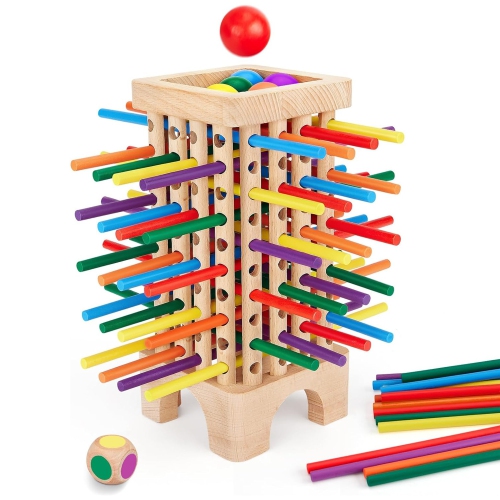
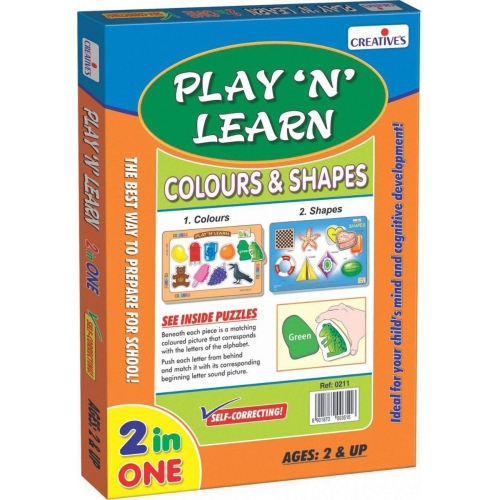
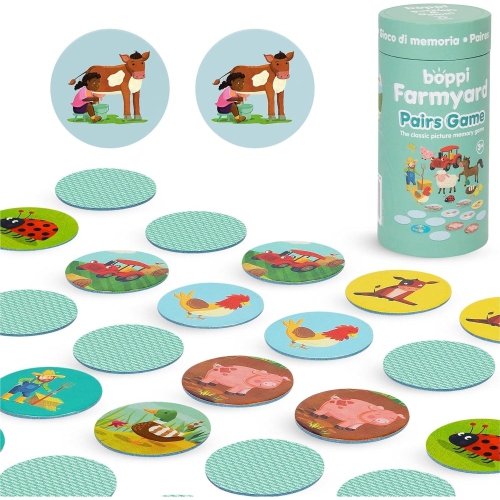
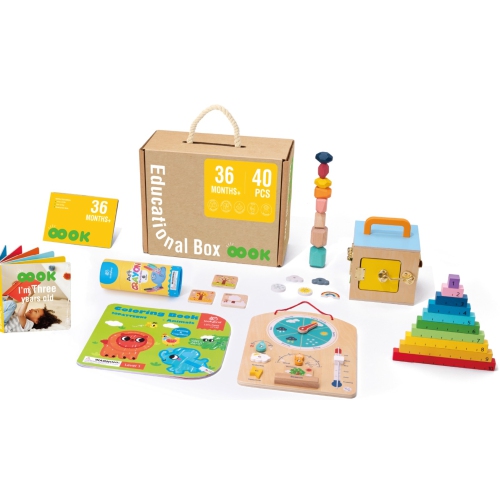
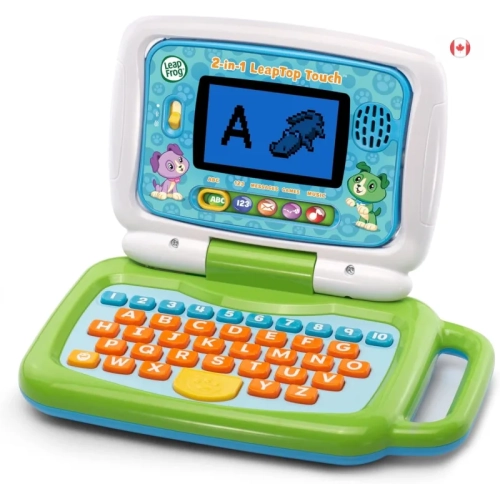
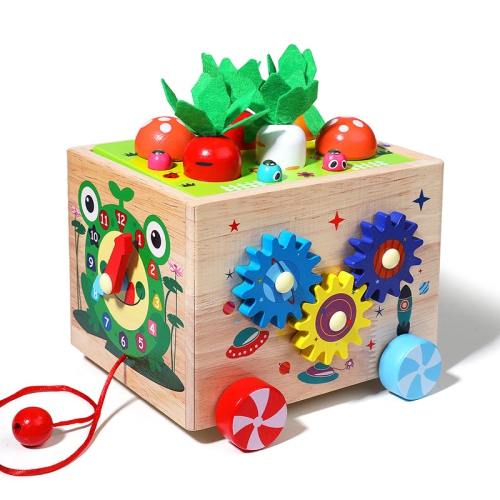
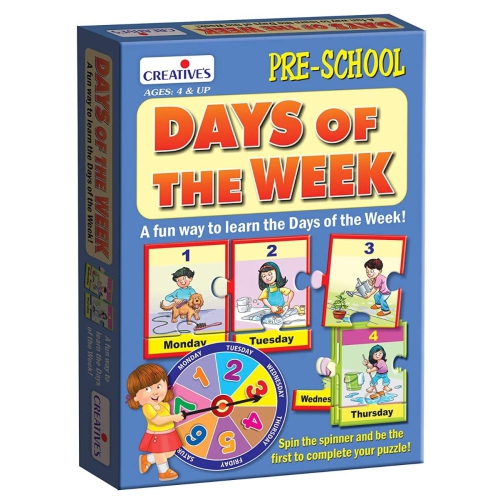
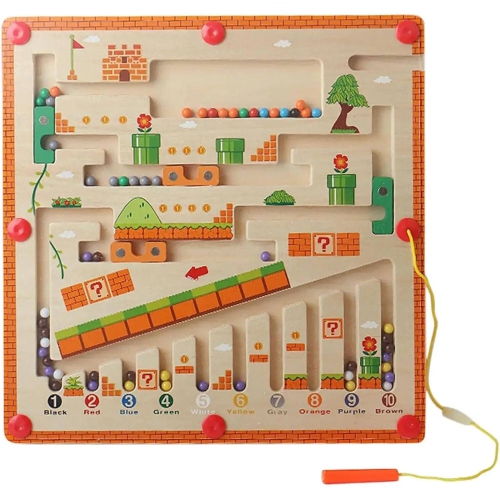
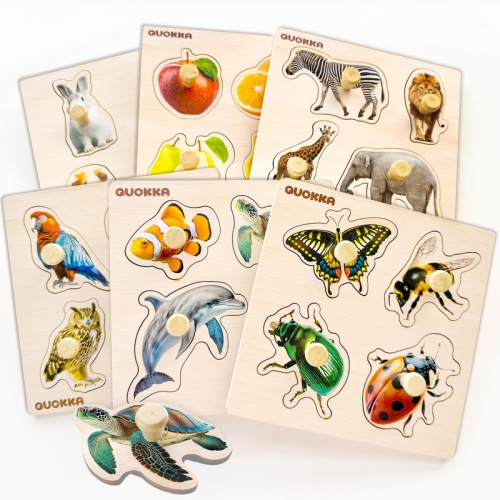
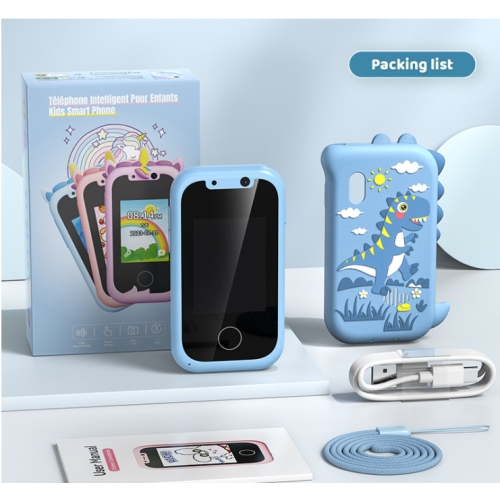
Handheld learning games for preschoolers offer a compact, engaging way for young children to practise early skills through short, interactive activities. Designed for little hands, these devices typically combine colourful screens, simple buttons, directional controls, touch features, or small built-in keyboards with games that introduce letters, numbers, shapes, colours, matching, memory, and basic problem-solving. Some activities may invite children to identify the first letter in a word, count objects, find a hidden shape, match pairs, or follow a sequence. Others may include movement prompts or sound-based challenges that encourage children to listen carefully and respond. The portable format can be especially useful during car rides, quiet time at home, visits with family, or the cooler months when indoor activities become part of the daily routine. Unlike a larger gaming system, a preschool handheld is easy to hold, pack in a small bag, and bring out for a few minutes of focused play. When browsing options, start with the recommended age range and consider whether the controls appear comfortable for the child using them. A two-year-old may benefit from large buttons, clear audio cues, and one-step instructions, while a three- or four-year-old may be ready for a wider selection of games, an ABC keyboard, counting challenges, memory puzzles, or activities that require several actions in sequence. Look for descriptions that explain the skills covered rather than relying only on bright graphics or a familiar character. Adjustable volume is helpful in the car or at home, and a headphone option can make shared spaces more comfortable. It is also worth checking whether the device uses replaceable batteries or rechargeable power, how long it is expected to run between charges, and whether the controls are simple enough for independent play. A sturdy casing and a size that fits comfortably in a small backpack can make a difference when a child carries it from room to room. For more ways to compare age-appropriate play and skill-building activities, explore Learning Games for Kids.
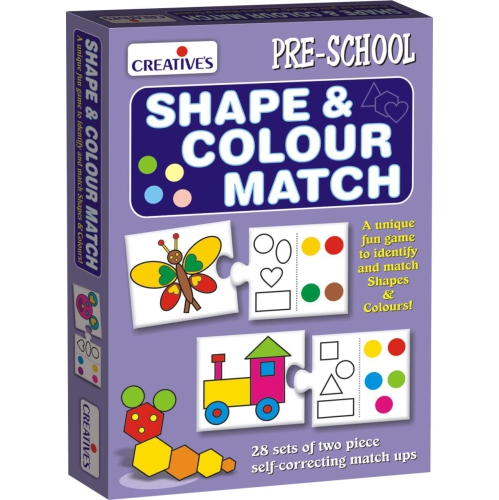
These handheld games can suit families looking for a gentle introduction to interactive technology, grandparents choosing a practical birthday present, or relatives searching for a small gift that combines play with early learning. They can also be useful for children who enjoy repeating an activity until they feel confident, since many preschoolers take pleasure in hearing the same encouraging sound, completing a familiar puzzle, and gradually moving to a new level. Repetition is often part of how young children build recognition and recall, although the best experience still includes a balance of screen-free play, reading, conversation, creative activities, and physical movement. Adults can help by choosing a game that matches the child’s current abilities instead of selecting one that is frustratingly advanced. A child learning to recognize letters may enjoy an alphabet activity, while a preschooler who already knows many letters may be more engaged by simple spelling, sound matching, or word-building challenges. Number games can support counting and quantity recognition, and shape or colour activities may reinforce concepts used in blocks, drawing, sorting, and everyday routines. Memory and focus puzzles are another useful option, particularly for children who like patterns, matching, and thoughtful trial and error. Before purchasing, consider whether the content is delivered through spoken instructions, on-screen text, music, or a combination of these formats. Clear prompts can help a child play with less assistance, while a quieter mode may be preferable for bedtime routines or shared family spaces. It is normal for preschoolers to need a short demonstration before they understand how a game works, so an adult might begin by sitting nearby, naming the skill being practised, and celebrating effort rather than only correct answers. These devices also make thoughtful gifts because they are small enough to wrap, simple to use, and suitable for many everyday settings, from a visit to relatives to a calm afternoon indoors. During the transition from warmer weather to cooler days, a handheld learning game can provide an easy activity for waiting rooms, travel, or a quiet corner after preschool. The most suitable choice is one that feels inviting, offers activities at an appropriate level, and supports the child’s curiosity without making learning feel like a lesson.
These handheld games can suit families looking for a gentle introduction to interactive technology, grandparents choosing a practical birthday present, or relatives searching for a small gift that combines play with early learning. They can also be useful for children who enjoy repeating an activity until they feel confident, since many preschoolers take pleasure in hearing the same encouraging sound, completing a familiar puzzle, and gradually moving to a new level. Repetition is often part of how young children build recognition and recall, although the best experience still includes a balance of screen-free play, reading, conversation, creative activities, and physical movement. Adults can help by choosing a game that matches the child’s current abilities instead of selecting one that is frustratingly advanced. A child learning to recognize letters may enjoy an alphabet activity, while a preschooler who already knows many letters may be more engaged by simple spelling, sound matching, or word-building challenges. Number games can support counting and quantity recognition, and shape or colour activities may reinforce concepts used in blocks, drawing, sorting, and everyday routines. Memory and focus puzzles are another useful option, particularly for children who like patterns, matching, and thoughtful trial and error. Before purchasing, consider whether the content is delivered through spoken instructions, on-screen text, music, or a combination of these formats. Clear prompts can help a child play with less assistance, while a quieter mode may be preferable for bedtime routines or shared family spaces. It is normal for preschoolers to need a short demonstration before they understand how a game works, so an adult might begin by sitting nearby, naming the skill being practised, and celebrating effort rather than only correct answers. These devices also make thoughtful gifts because they are small enough to wrap, simple to use, and suitable for many everyday settings, from a visit to relatives to a calm afternoon indoors. During the transition from warmer weather to cooler days, a handheld learning game can provide an easy activity for waiting rooms, travel, or a quiet corner after preschool. The most suitable choice is one that feels inviting, offers activities at an appropriate level, and supports the child’s curiosity without making learning feel like a lesson.
Top selling and popular products
-
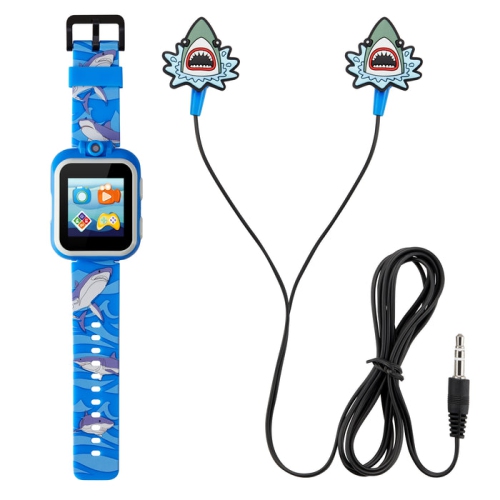 Your price for this item is $38.98
-
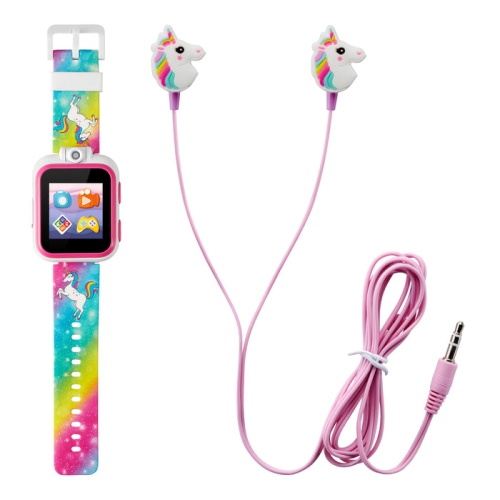 Your price for this item is $19.99
-
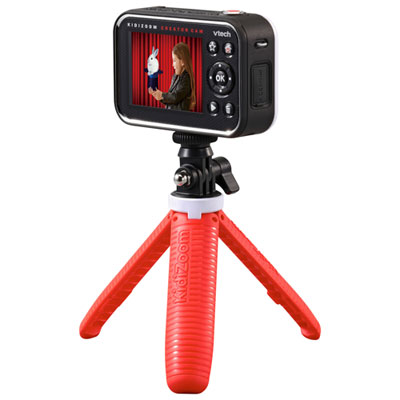 Your price for this item is $89.99
-
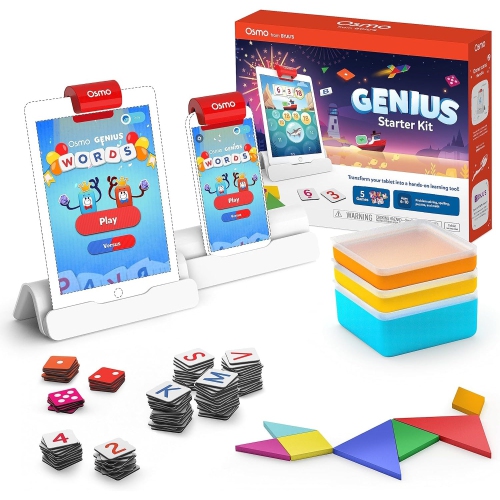 Your price for this item is $49.99
-
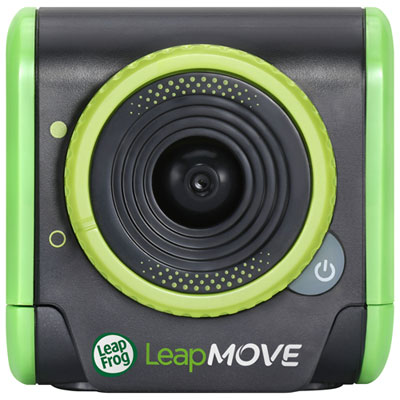 Your price for this item is $79.99
-
 Your price for this item is $79.99
-
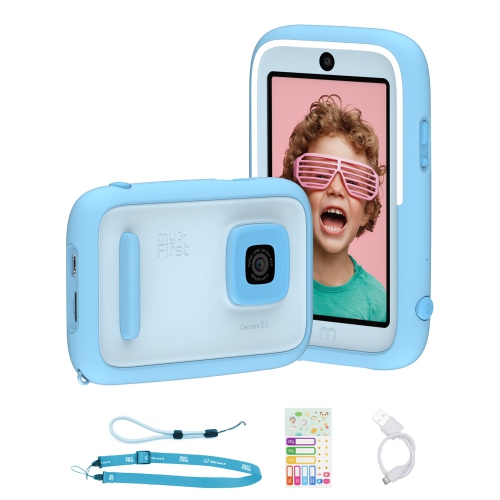 Your price for this item is $149
-
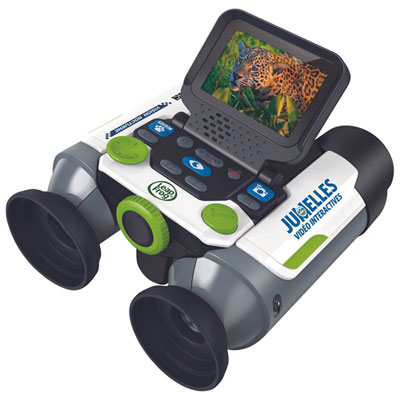 Your price for this item is $67.98
Discover more categories related to Handheld Learning Games for Preschoolers
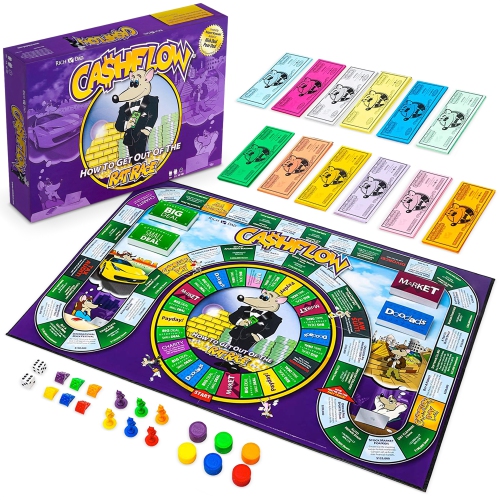

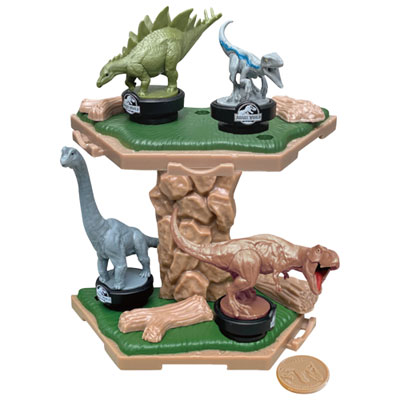
Top Collections:
Pokemon Centers, Best Cameras for Sports Photography, Kindle Devices, Samsung Galaxy Phones, Canon G7X Cameras, Pokémon 30th Celebration Cards, Refurbished Apple Laptops, iPhone 15 Apple, Laptops for Students, Budget Smartphones
Some products may be subject to Environmental Handling Fees
(EHF) depending on your province.
Learn more about EHFs.