Serums for Collagen Production
Discover a wide selection of Serums for Collagen Production designed to enhance your skincare routine and support a youthful, radiant look. Whether you're looking to refresh your complexion or target specific skin concerns, these serums are expertly formulated to help you achieve smoother, more supple skin. Explore options that fit every skin type and preference, making it easy to find the perfect addition to your daily regimen. With Serums for Collagen Production, elevating your skincare experience is just a step away.


What serum ingredients can do for fine lines
Serums for collagen production are skincare formulas chosen to support a smoother, firmer-looking complexion and soften the appearance of fine lines. Collagen is a structural protein naturally present in skin, where it contributes to strength and firmness; elastin helps skin stretch and return to shape. As collagen production changes with age and exposure to ultraviolet light, skin can develop more noticeable lines and a less supple feel. A serum cannot replace the skin’s underlying structure, but certain ingredients can support collagen-related processes or improve the appearance of skin through hydration and other effects. Vitamin C plays a role in collagen synthesis, and well-formulated topical vitamin C can help address visible signs of ageing while providing antioxidant benefits. Retinol and other topical retinoids have evidence supporting improvements in fine lines and collagen-related changes, although their strength, formulation, and tolerability matter. Peptides are short chains of amino acids used in formulas intended to improve firmness and texture; their benefits depend on the particular peptide and the finished formula, and evidence varies. Collagen listed on a label serves a different purpose. Whole collagen molecules are too large to penetrate deeply into skin, while hydrolyzed collagen consists of smaller fragments that may help moisturize the surface. Neither should be assumed to replace collagen beneath it. Supporting ingredients also influence how a serum feels and performs. Hyaluronic acid and glycerin attract water, helping skin look temporarily plumper, while niacinamide can support the skin barrier and improve the appearance of uneven tone. That immediate, hydrated finish is different from a gradual change in fine lines. Understanding this distinction makes it easier to match a formula to a specific concern, whether that is tightness after cleansing, fine creases around the mouth, or a complexion that looks less smooth beneath makeup. The most suitable serum balances its active ingredients with a comfortable texture and a routine that can be maintained consistently.
Texture, skin type, and ingredient compatibility are important considerations for these concentrated skincare formulas. A watery or gel-like serum can suit someone who prefers a barely noticeable layer beneath moisturizer, while a richer, milky texture may feel more comfortable on skin that tends to be dry. Oily skin can still benefit from hydration; a lightweight finish may simply be preferable to a formula that leaves a noticeable film. For combination skin, the aim is often a serum that feels comfortable across both a shiny forehead and drier cheeks. Labels such as non-comedogenic can help inform a choice, but they do not guarantee that a formula will suit every person. Fragrance-free options may be preferable for skin that reacts easily, although active ingredients themselves can still cause irritation. Vitamin C comes in several forms, with differences in stability and formulation requirements. L-ascorbic acid is well studied, but some formulas containing it can sting sensitive skin; vitamin C derivatives may offer a different feel, without necessarily providing identical results. Retinol strength also deserves attention, particularly when a routine already includes exfoliating acids or other potentially irritating ingredients. A higher concentration is not automatically a better match, and percentages alone do not capture how a finished formula performs. Peptide-focused serums may appeal to shoppers seeking an alternative to retinol, but their effects should not be treated as interchangeable with those of retinoids. When dryness accompanies visible lines, a serum containing humectants can work alongside a moisturizer with ingredients such as ceramides to support comfort and reduce moisture loss. When uneven tone is also a concern, Serums for Brightening may be relevant to the same routine. The overlap does not necessarily mean several serums are needed: one well-tolerated formula may address more than one concern. A comfortable finish matters in everyday use, too, especially when serum, moisturizer, sunscreen, and foundation need to sit together without a sticky feel or visible pilling.
Consistent use and proper storage help a serum remain a practical part of daily skincare. Application frequency should follow the formula’s directions rather than a universal twice-daily schedule. Some hydrating or peptide formulas are intended for morning and evening use, while retinol is commonly used at night and may need a gradual introduction. Starting one new active at a time makes it easier to identify the cause of redness, stinging, or dryness. A patch test can help reveal an immediate reaction, although it cannot rule out every sensitivity or breakout. Serums intended for the face should be kept away from the eyes unless their directions specifically allow use there, and application to the neck should account for that area’s potential sensitivity. Pregnancy is another important consideration: retinoids should be avoided during pregnancy, and anyone trying to conceive or breastfeeding should discuss appropriate skincare ingredients with a qualified healthcare professional. For routine use, a small amount spread evenly is generally more useful than repeated heavy layers; the label provides the appropriate amount and order of application. Daily broad-spectrum sunscreen with an SPF of $30 or higher is an important companion to skincare aimed at visible signs of ageing, since ultraviolet exposure contributes to collagen breakdown. Sunscreen should be applied and reapplied according to its directions. Storage also affects performance. Some active ingredients are sensitive to air and light, making protective packaging useful; tightly closing the container and following storage instructions help preserve the formula. Changes in smell, colour, or texture should be assessed against the manufacturer’s guidance, along with the expiry date or period-after-opening symbol. Expectations are best measured over time: hydration may improve relatively quickly, while visible changes in fine lines often require several weeks or months, with results varying by ingredient and individual skin. As a gift, a serum is most thoughtful when it matches the recipient’s established preferences and sensitivities rather than introducing an unfamiliar strong active. For personal use, comfort, compatibility, and realistic expectations matter more than adding extra steps.
Top selling and popular products
-
 Your price for this item is $495.1
-
 Your price for this item is $598.5
-
 Your price for this item is $116.8
-
 Your price for this item is $39.99
-
 Your price for this item is $202.68
-
 Your price for this item is $154.16
-
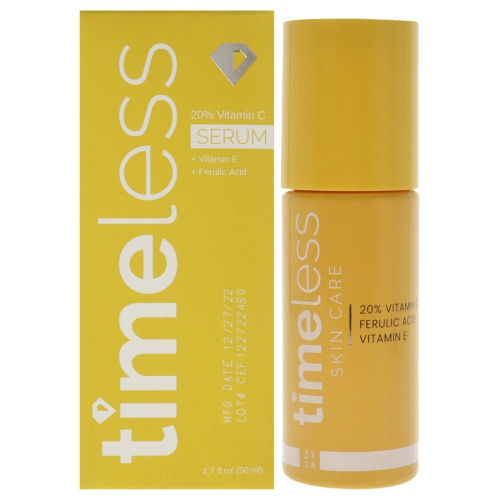 Your price for this item is $156.4
-
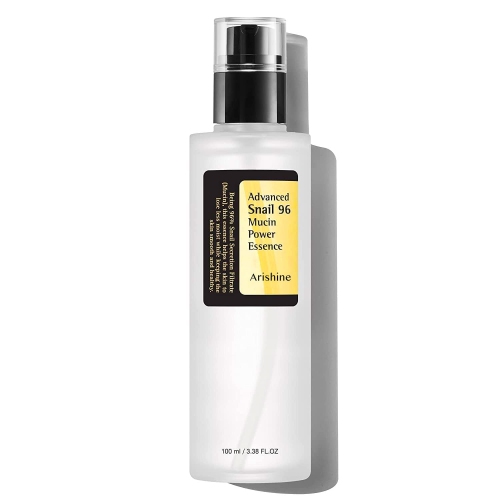 Your price for this item is $34.99
Discover more categories related to Serums for Collagen Production

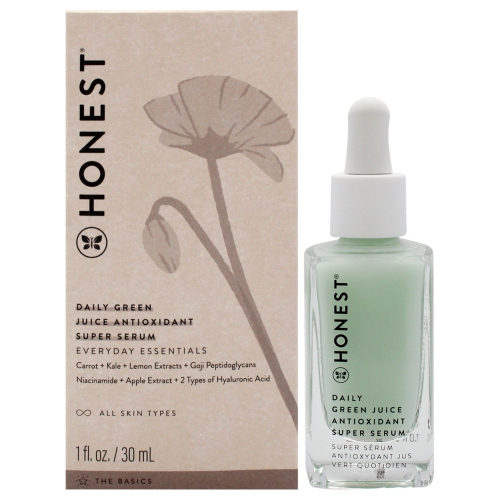

Top Collections:
Pokemon Centers, Best Cameras for Sports Photography, Kindle Devices, Samsung Galaxy Phones, Canon G7X Cameras, Pokémon 30th Celebration Cards, Refurbished Apple Laptops, iPhone 15 Apple, Laptops for Students, Budget Smartphones
Some products may be subject to Environmental Handling Fees
(EHF) depending on your province.
Learn more about EHFs.