Serums for Skin Elasticity
Serums for Skin Elasticity are designed to complement your daily skincare routine and help you achieve a more youthful, radiant look. With a variety of formulas available, these serums offer options for those seeking to enhance the appearance of firmness and smoothness in their skin. Explore our selection of Serums for Skin Elasticity to find the perfect addition to your regimen, whether you're looking to boost hydration or simply refresh your complexion.
Sort




What serums can really do for visible firmness
Serums for skin elasticity are leave-on skincare formulas designed to improve the appearance of firmness, suppleness, and fine lines. Elasticity describes the skin’s ability to return to its usual shape after being stretched, while firmness refers more broadly to how supported and taut it looks and feels. Collagen and elastin help provide that underlying structure, but a cosmetic serum cannot reproduce the lifting effects of a procedure or reverse every change associated with ageing. Its value lies in targeted ingredients, hydration, and consistent use: skin that holds moisture well often looks smoother and feels more flexible, with less emphasis on fine dehydration lines. These serums can suit adults noticing a less bouncy feel across the cheeks, fine creases around the mouth, or dryness that leaves the face feeling tight after cleansing. They can also appeal to anyone who prefers a focused treatment beneath a familiar moisturizer rather than a complicated routine. Textures range from clear, fluid gels that disappear quickly to milky emulsions with a soft, cushioned finish. A lightweight texture may feel comfortable on combination or oily skin, while a richer formula can complement a routine for dry skin. The feel matters because a serum needs to work with the products already used every day. A formula that leaves a sticky film or rolls into little beads beneath sunscreen may be less practical than one that settles evenly with a small amount. Facial serums are generally intended for the face and, when the label permits, the neck and upper chest; they are not automatically suitable for eyelids or the immediate eye area. The most useful distinction is between a temporary plumping effect from moisture and a gradual improvement in the appearance of skin texture. Both can be worthwhile, but they happen on different timelines and should not be mistaken for permanent tightening. Immediate softness is easier to notice than lasting changes in visible firmness, which depend on the formula, regular use, and individual skin.
Ingredients give elasticity-focused serums their different roles. Hyaluronic acid and glycerin are humectants, meaning they attract and hold water in the skin’s outer layers. They can help soften the look of fine lines caused by dryness, although hydration alone does not rebuild the skin’s deeper support structure. Ceramides are lipids naturally found in the skin barrier; in skincare, they help support that barrier and reduce moisture loss. This makes them useful companions to more active ingredients, especially when tightness or rough patches are part of the concern. Peptides are short chains of amino acids, and some are included in formulas intended to improve the appearance of firmness and fine lines. Copper peptides are one example, but evidence varies across peptide types and finished formulations, so the presence of a fashionable ingredient is not a guarantee of a particular result. Likewise, topical collagen mainly serves a surface-conditioning or moisturizing role rather than replacing collagen deeper in the skin. Retinol and other cosmetic retinoids are often used for visible signs of ageing, including uneven texture and fine lines, but they can cause dryness, redness, or peeling. A gentler formula or less frequent application may be more comfortable for someone new to these ingredients, following the directions on the label. Retinoids should be avoided during pregnancy; a healthcare professional can advise on suitable alternatives. Vitamin C is another ingredient found in formulas aimed at visible signs of ageing and uneven tone, while niacinamide can support the moisture barrier and improve the appearance of uneven texture. For skin that looks dull as well as less supple, Serums for Brightening address a related concern, though brightness and elasticity are distinct goals. Ingredient percentages are only part of the picture: the ingredient form, supporting ingredients, packaging, and stability all influence how a formula performs. Claims about growth factors or complex ingredient blends are best considered at the finished-formula level, since results from one formulation cannot simply be applied to another. A fragrance-free option may appeal to scent-sensitive users, but no label can guarantee that a formula will suit every person.
How a serum fits into daily life is just as important as its ingredient list. Someone wearing sunscreen and makeup each morning may prefer a fast-settling serum that leaves skin smooth rather than glossy, while someone using a richer evening cream may enjoy a watery layer underneath it. Most serums are applied after cleansing and before moisturizer, although the product’s own directions take priority, particularly for retinoids or exfoliating formulas. More is not necessarily better: excess product can feel tacky, interfere with layering, or increase irritation without improving results. Allowing each layer to settle can help limit pilling, and applying a moisturizer afterwards can support comfort and moisture retention. Daily broad-spectrum sunscreen with SPF 30 or higher remains important because ultraviolet exposure contributes to visible ageing and loss of elasticity; a firming serum is not a substitute for sun protection. Introducing one new formula at a time makes it easier to identify what is helping and what may be causing discomfort. Trying a small amount on a limited area first can reveal some reactions, though it does not rule out later sensitivity. Persistent burning, swelling, or a rash is a reason to stop using the product and seek appropriate advice. Packaging also affects everyday use and formula care. A pump can make dispensing a repeatable amount straightforward, while a dropper allows controlled application without touching the tip to the skin. Opaque or light-protective containers can be useful for light-sensitive ingredients, and keeping caps closed helps limit unnecessary exposure to air. Storage directions, expiry dates, and the period-after-opening symbol provide more useful guidance about shelf life than the bottle’s appearance alone. Marked changes in smell, colour, or consistency deserve attention, particularly if they differ from the manufacturer’s description. For a skincare gift, a recipient’s known preferences and established routine are more useful than assumptions about age or skin concerns. A comfortable texture, suitable ingredient profile, and manageable application routine give an elasticity serum a clear role: supporting hydrated, smoother-looking skin without making daily care unnecessarily complicated.
Top selling and popular products
-
 Your price for this item is $495.1
-
 Your price for this item is $598.5
-
 Your price for this item is $116.8
-
 Your price for this item is $39.99
-
 Your price for this item is $202.68
-
 Your price for this item is $154.16
-
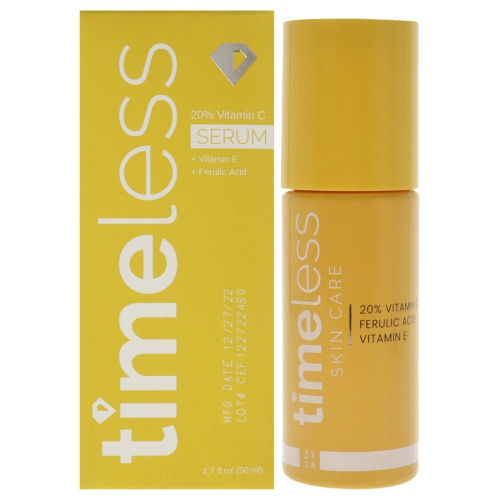 Your price for this item is $156.4
-
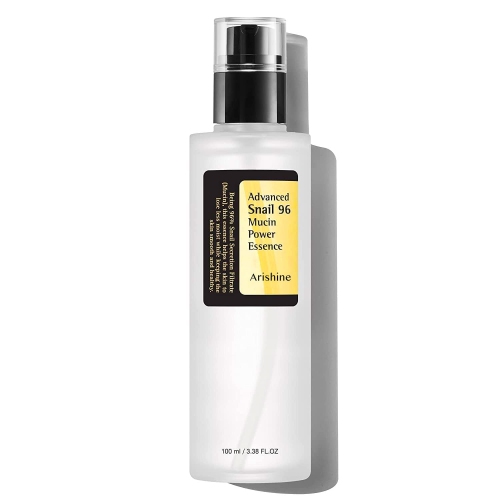 Your price for this item is $34.99
Discover more categories related to Serums for Skin Elasticity

Top Collections:
Pokemon Centers, Best Cameras for Sports Photography, Kindle Devices, Samsung Galaxy Phones, Canon G7X Cameras, Pokémon 30th Celebration Cards, Refurbished Apple Laptops, iPhone 15 Apple, Laptops for Students, Budget Smartphones
Some products may be subject to Environmental Handling Fees
(EHF) depending on your province.
Learn more about EHFs.