Portable Wall Chargers
A portable wall charger is a great way to keep your phone charged while you're on the go. These chargers are useful if you don't have a lot of space in your luggage or backpack for bulky power banks. Here are some of the best portable wall chargers for you.
Sort
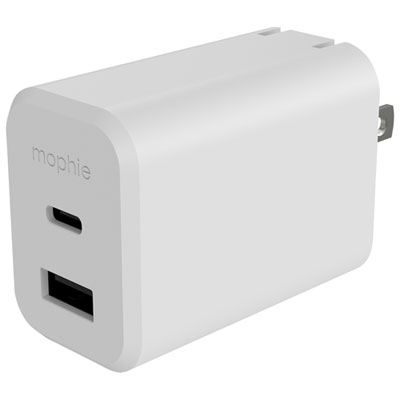
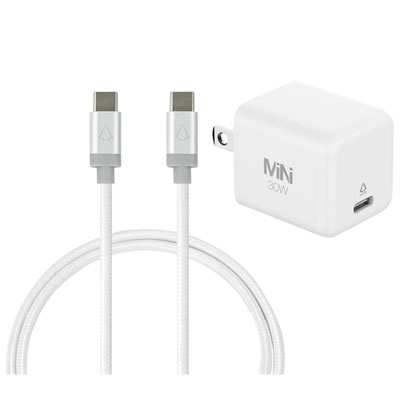
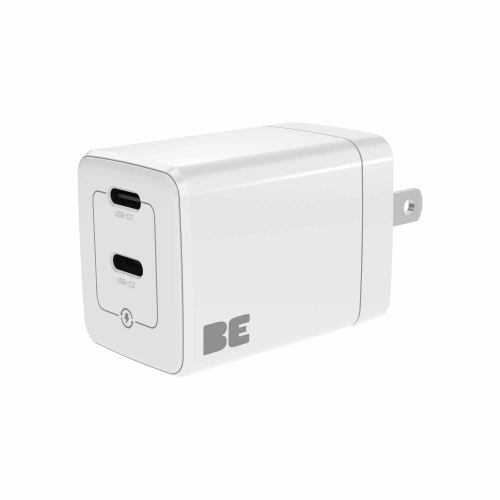
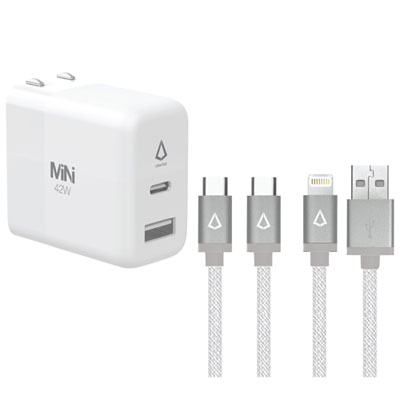
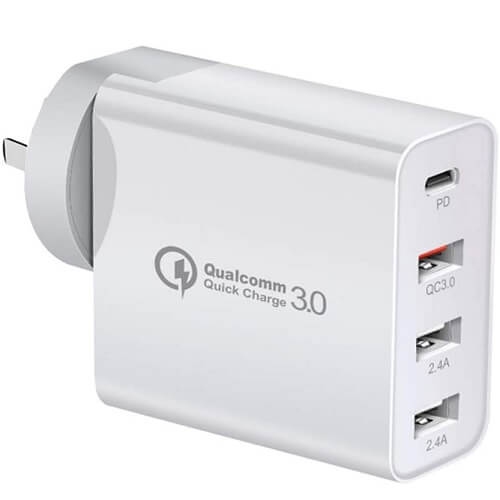
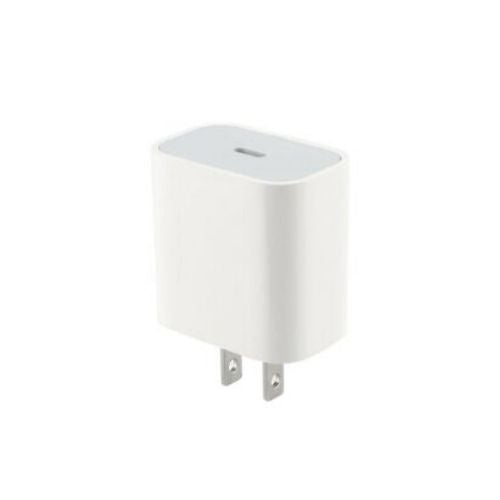
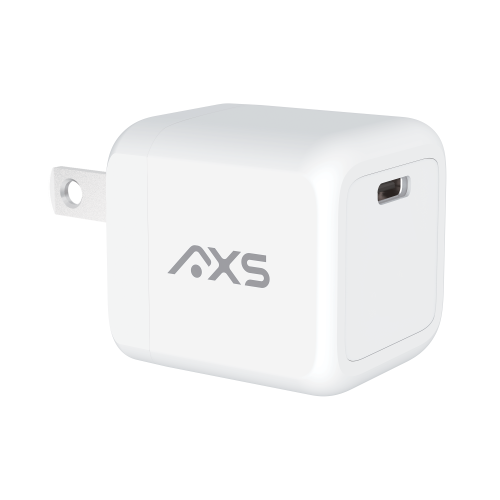
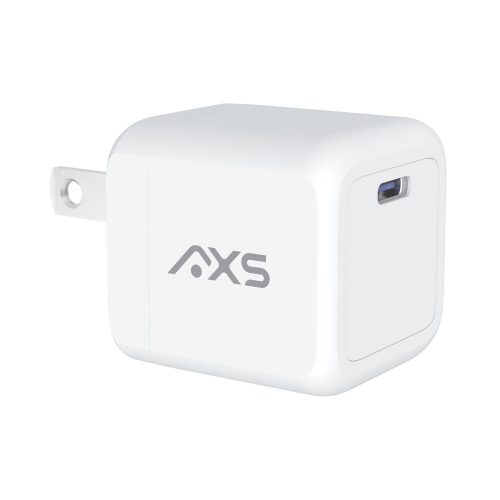
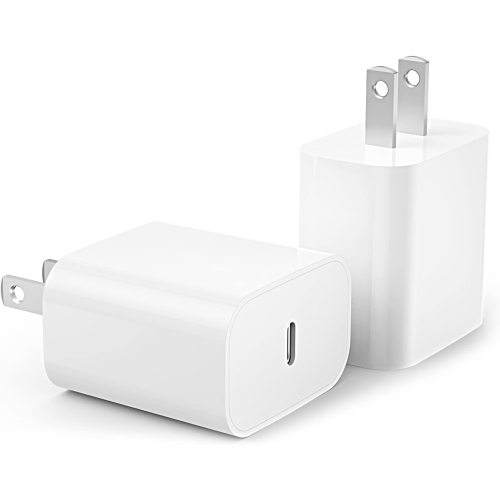
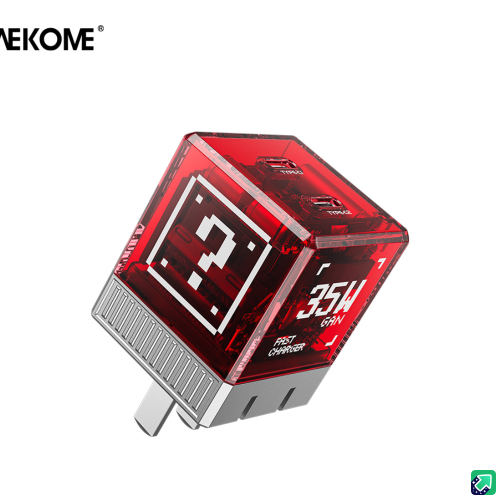
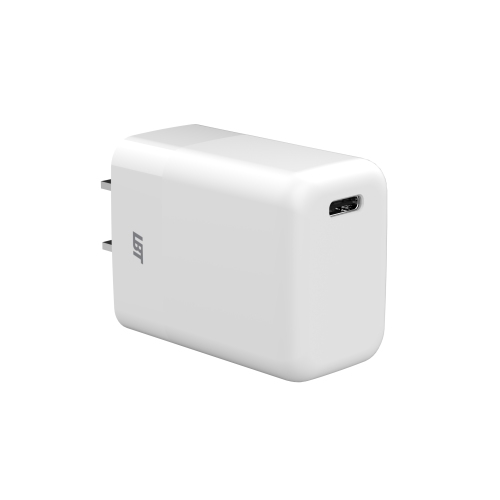
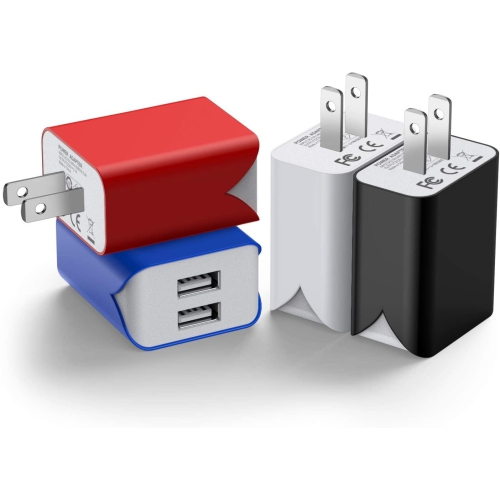
![IGENJUN 4Pack [Apple Mfi ] Iphone Fast Charger, 20W USB C Charger Wall Charger Block w Pd 3.0, Compact USB C Power Adapter for Iphone 14/14 Pro](https://multimedia.bbycastatic.ca/multimedia/products/500x500/173/17351/17351185.jpeg)
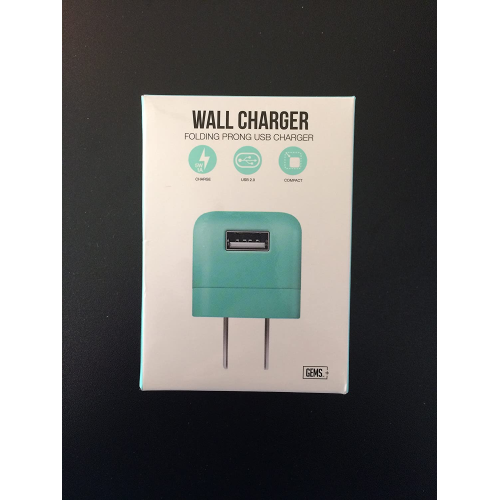
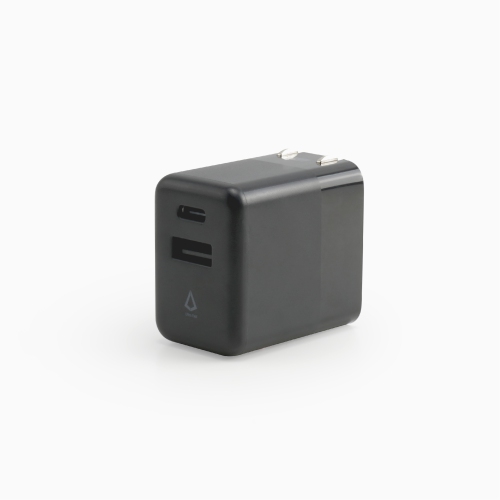
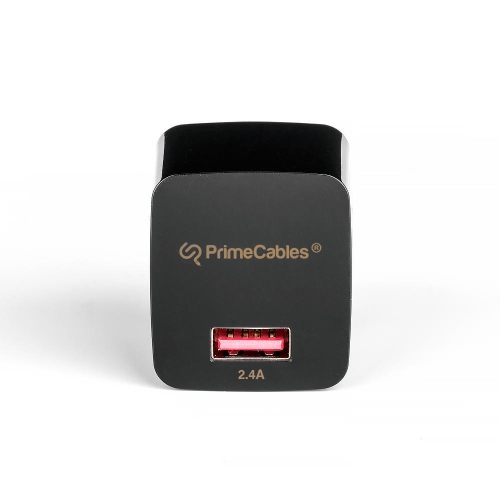
![UOLO Volt 39W USB-C Pd Wall Charger [51W Total] With 12W USB-A Port - Dual Port Pd Wall Charger - for Iphone Fast Charge](https://multimedia.bbycastatic.ca/multimedia/products/500x500/136/13699/13699301.jpg)
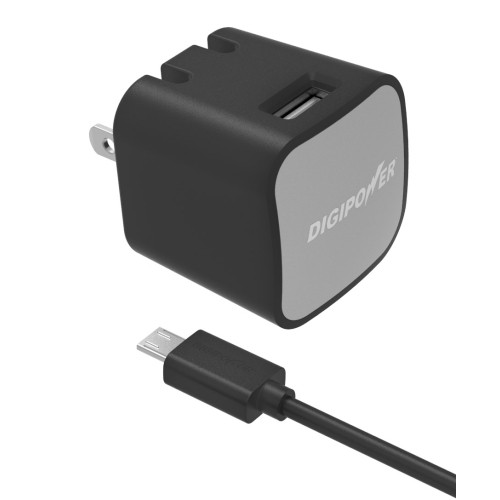
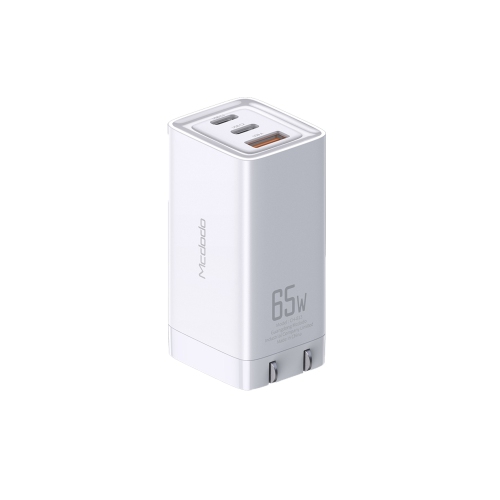
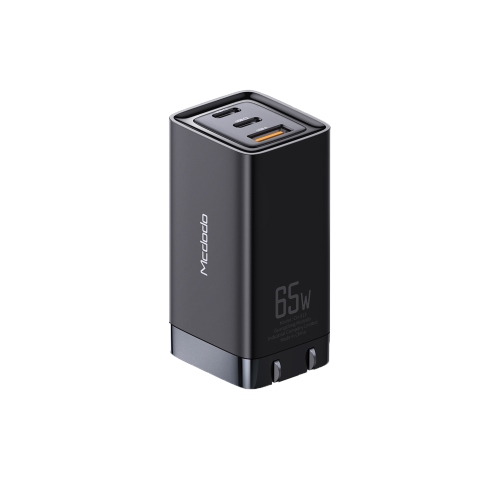
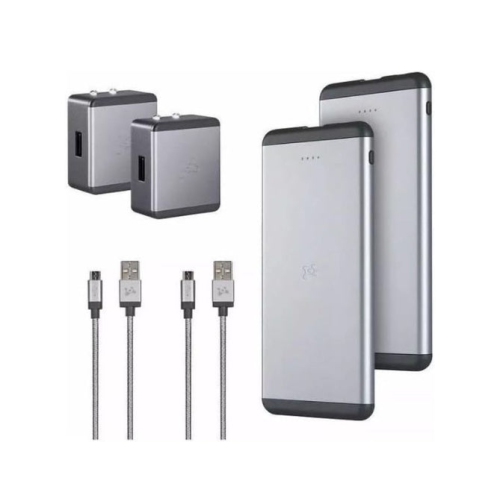
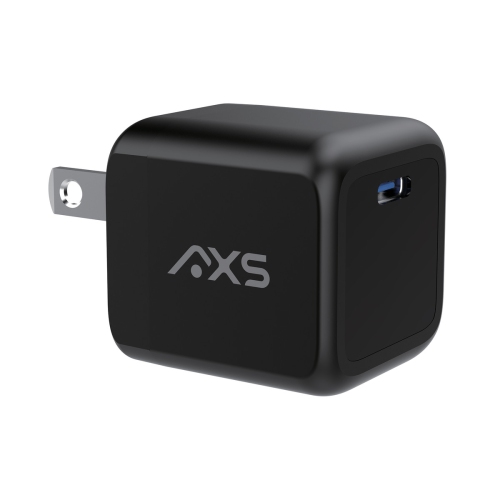
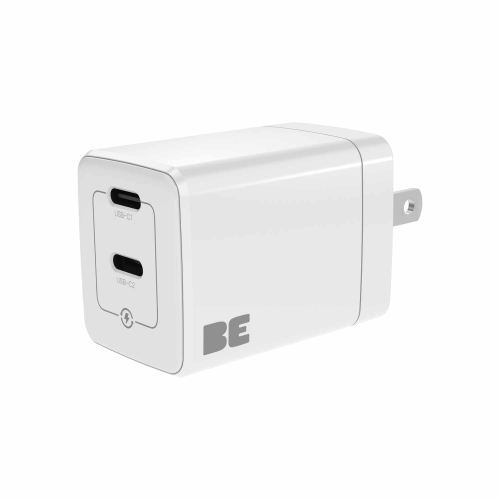
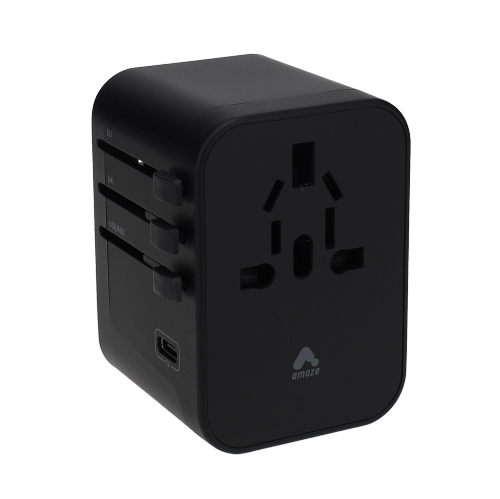
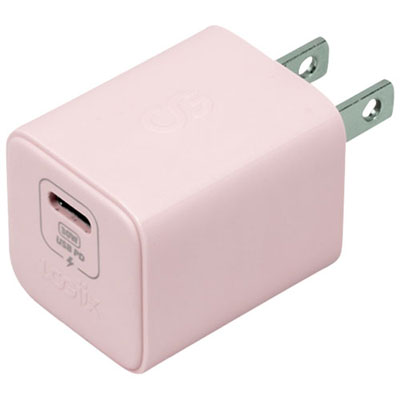
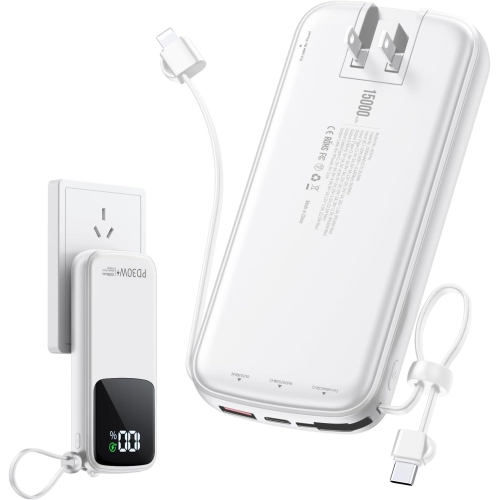
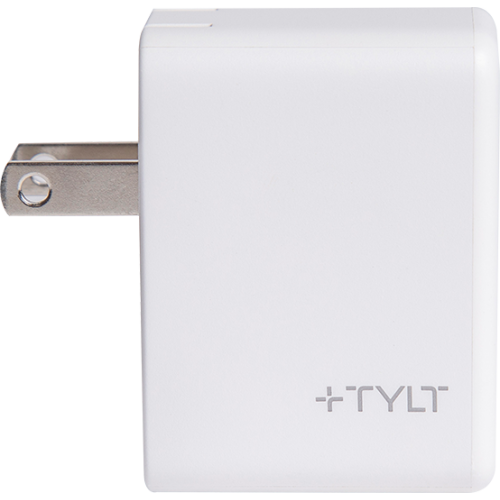
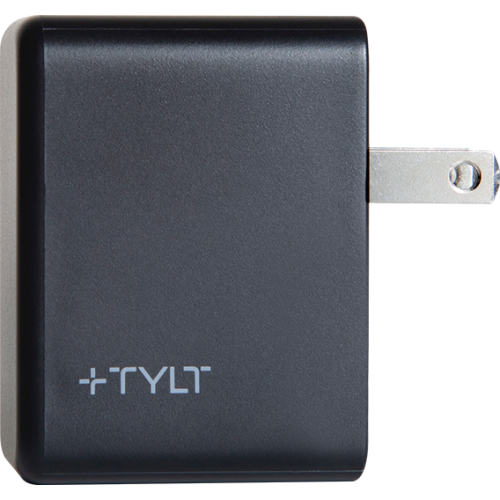
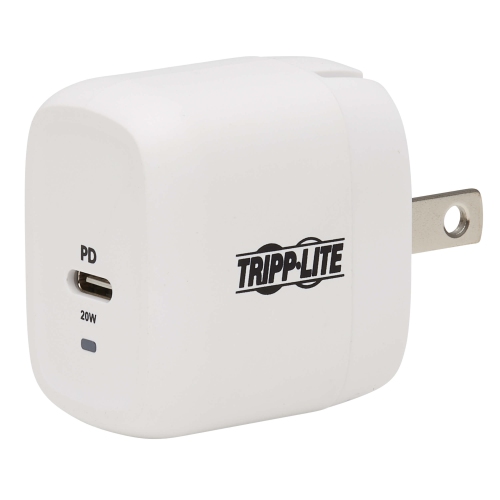
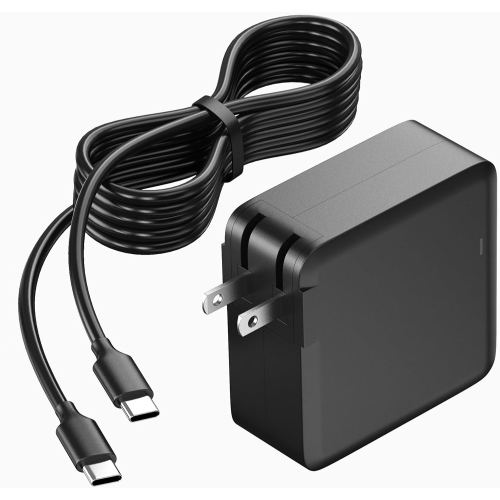
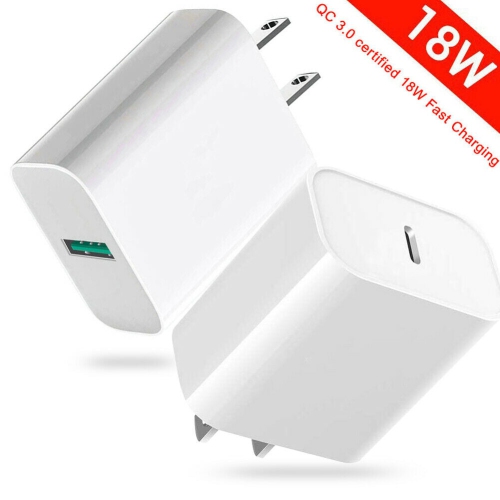
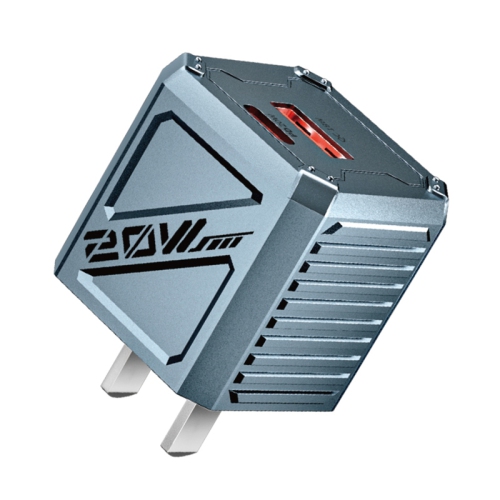
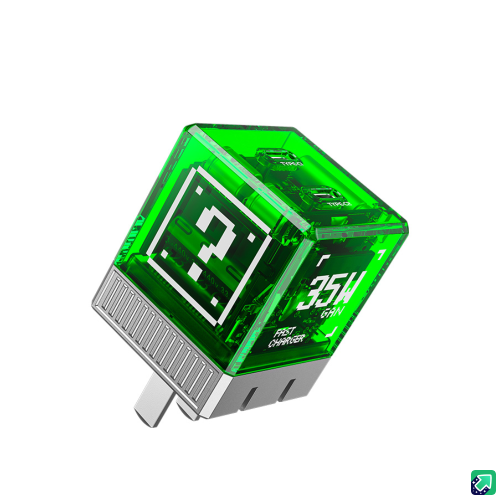
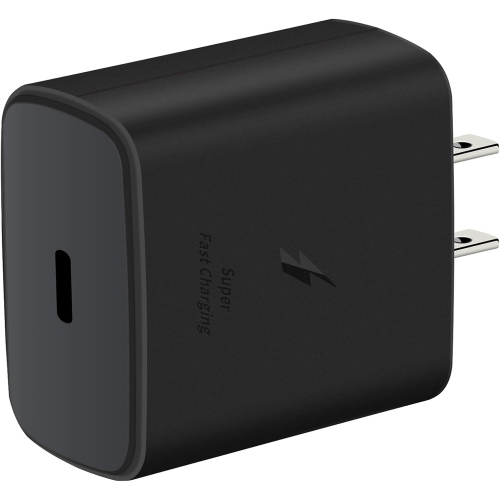
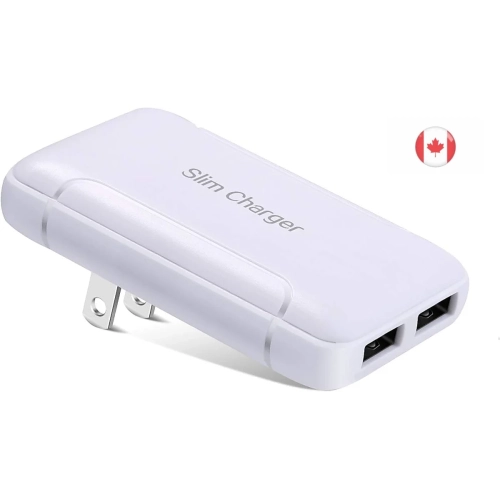
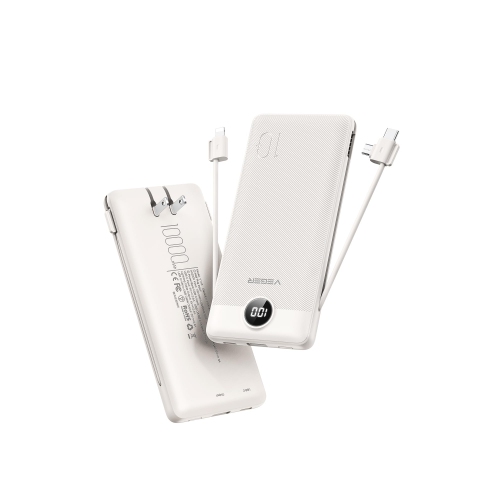
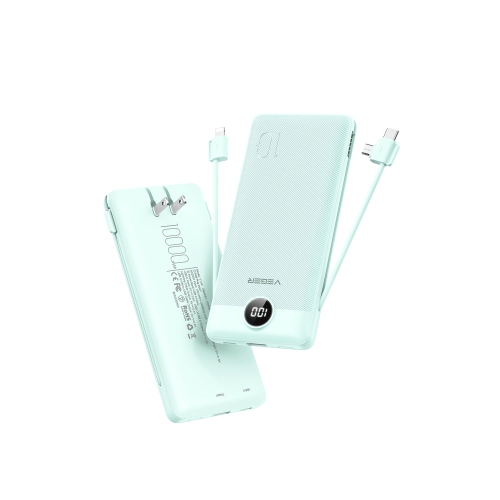
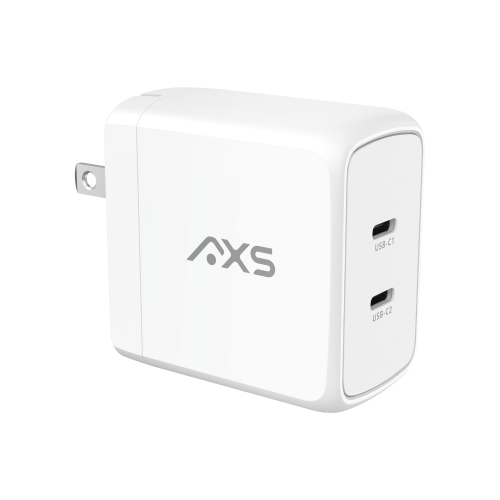
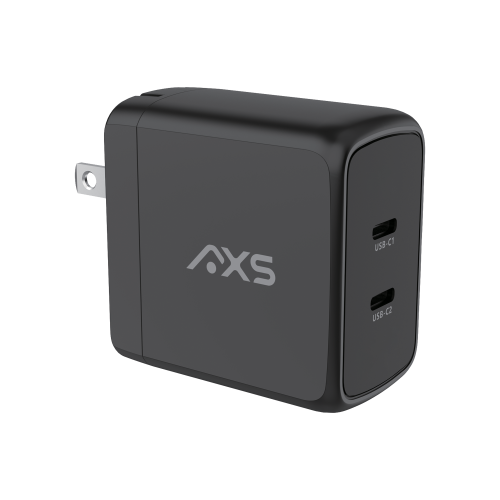
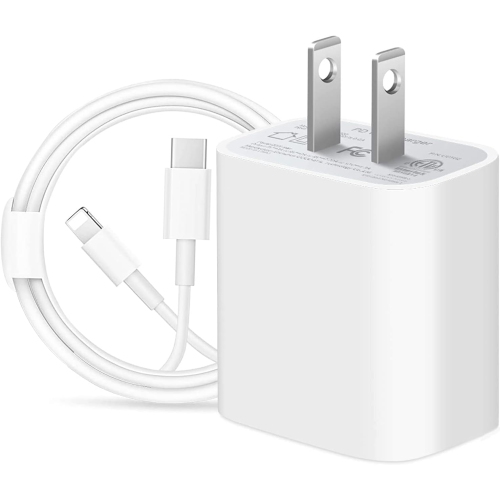
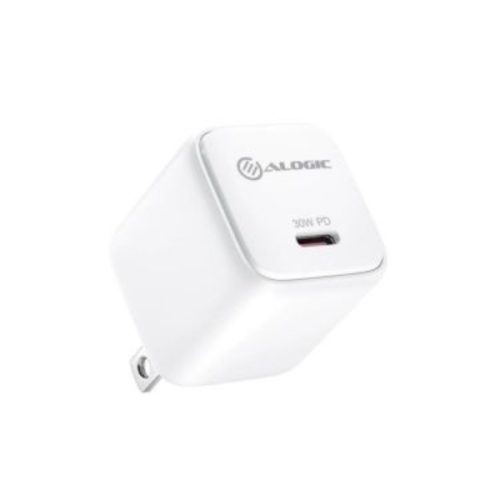
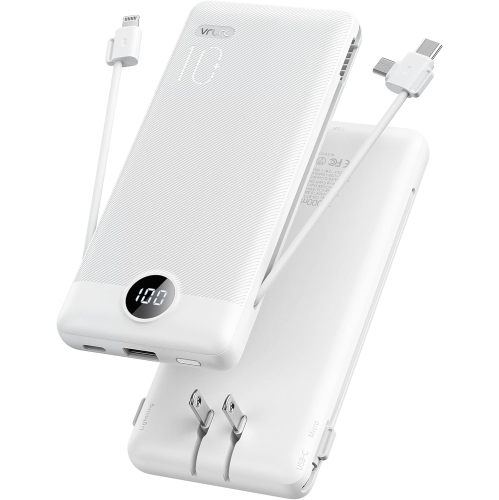
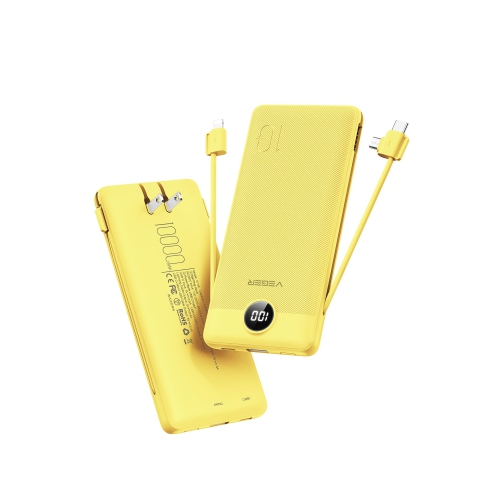
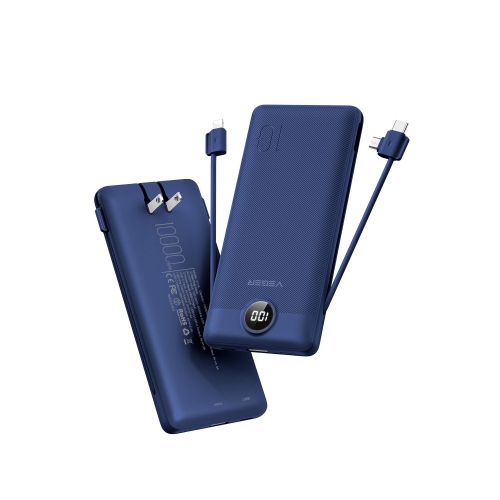
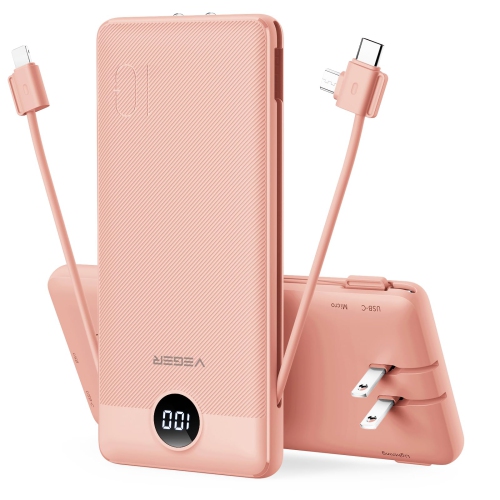
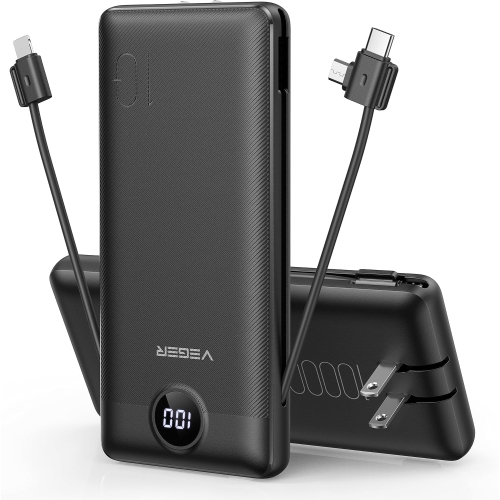
![GENERIC Portable Charger Built-In Cables And Ac Wall Plug, USB C Power Bank 10000Mah, [2024 Upgraded Version] Phone](https://multimedia.bbycastatic.ca/multimedia/products/500x500/199/19938/19938088.jpeg)
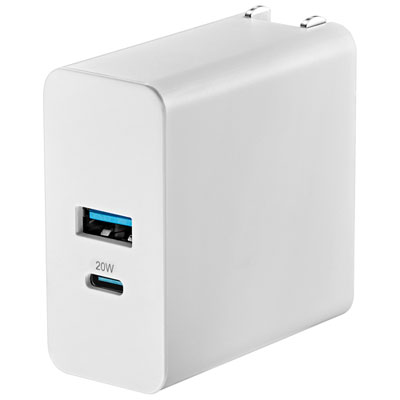
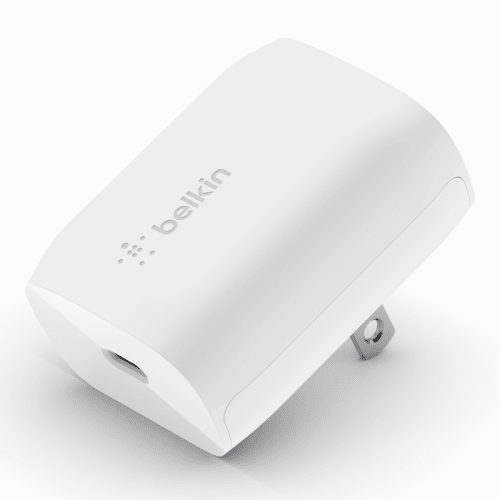

![UOLO Volt 39W USB-C Pd Wall Charger [51W Total] With 12W USB-A Port - Dual Port Pd Wall Charger With Link 2M Braided USB C to USB C Cable- Bundle](https://multimedia.bbycastatic.ca/multimedia/products/500x500/163/16344/16344340.jpeg)
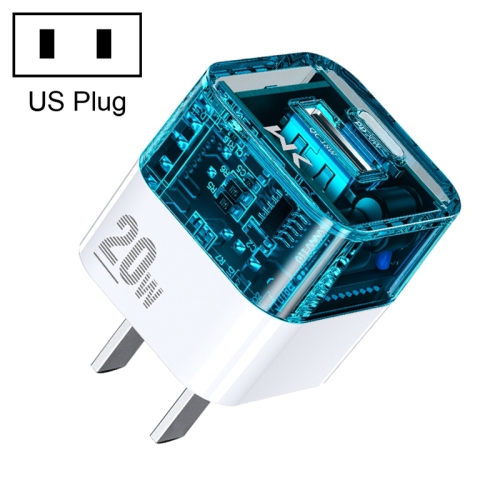
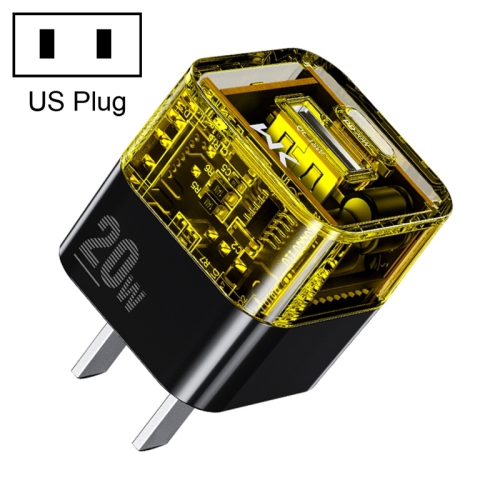
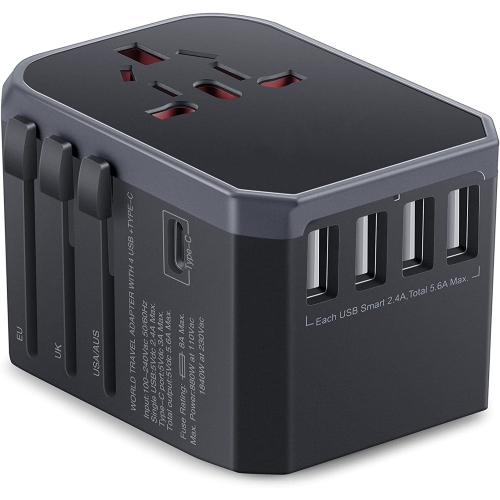
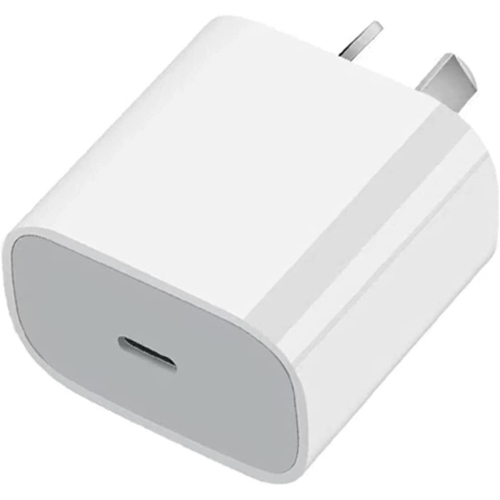
Small chargers differ in more than size
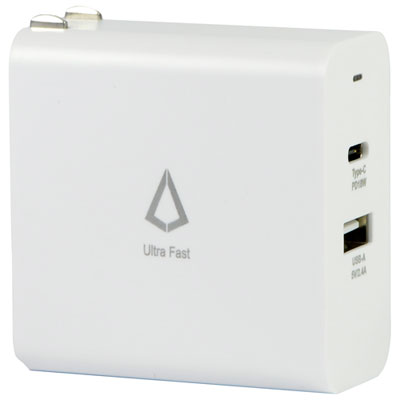
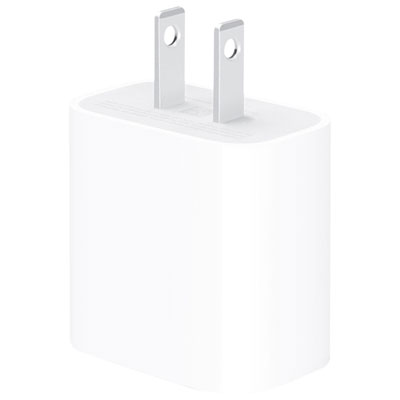
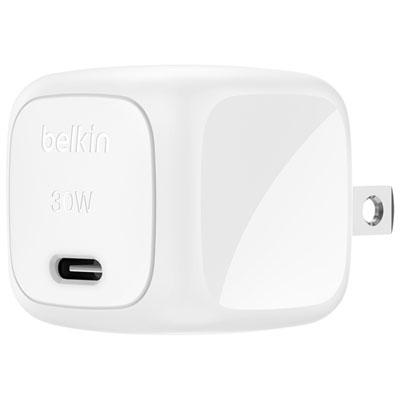
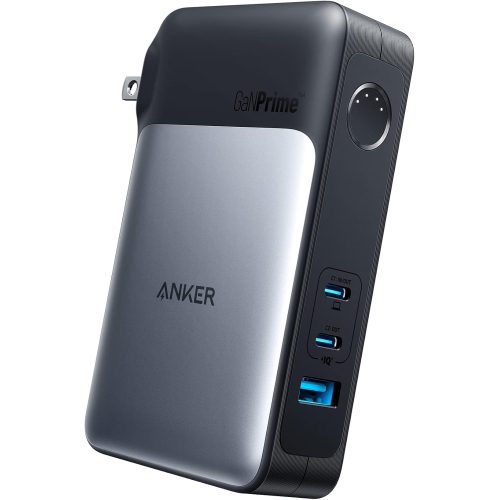
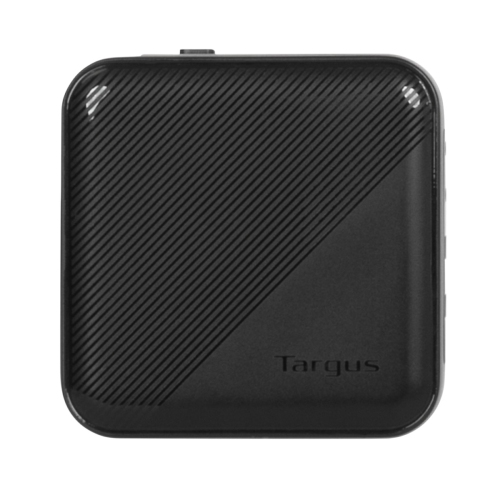
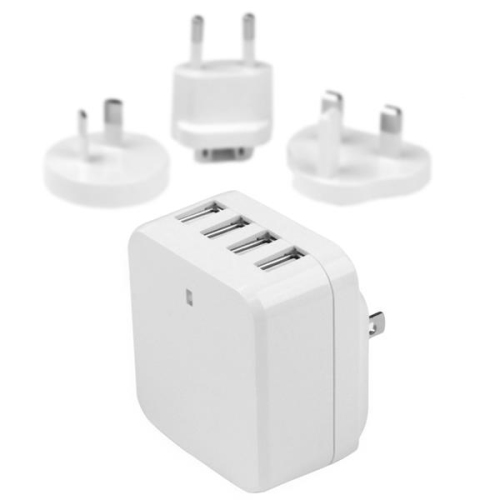
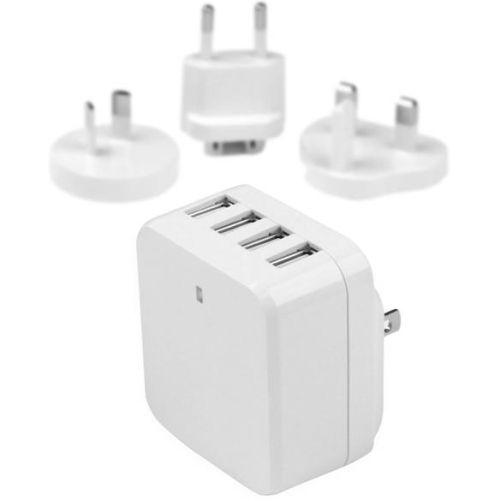
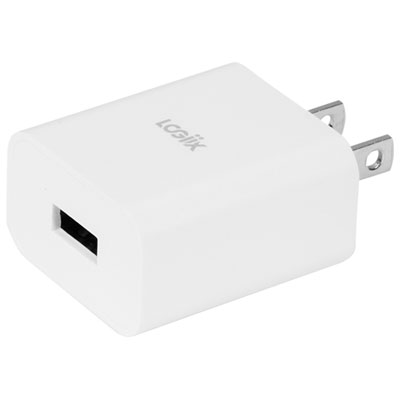
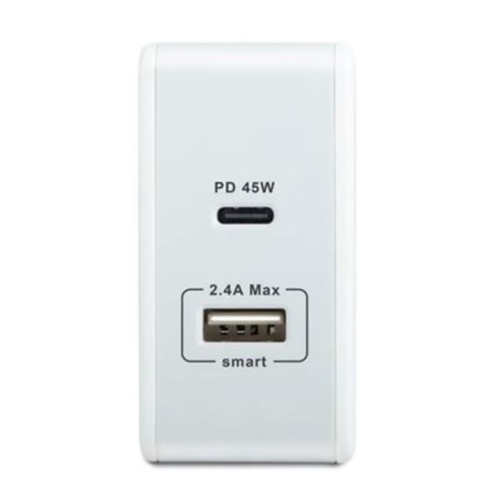
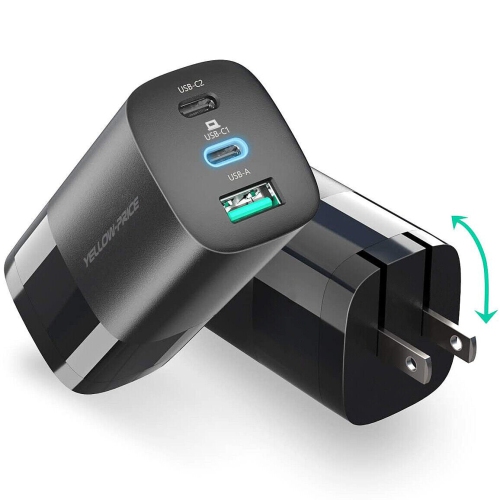
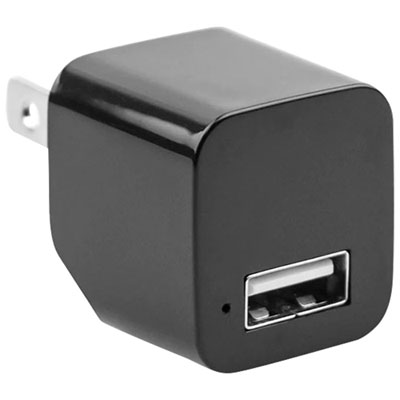
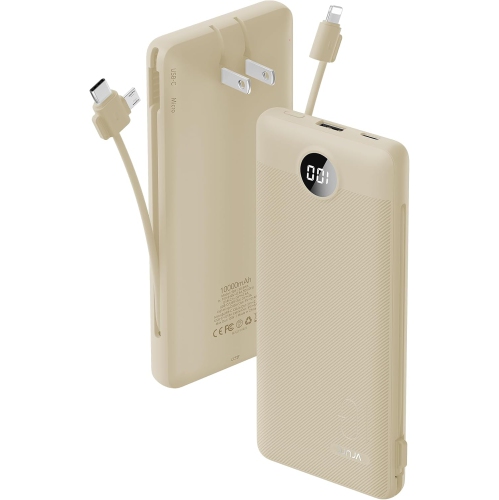
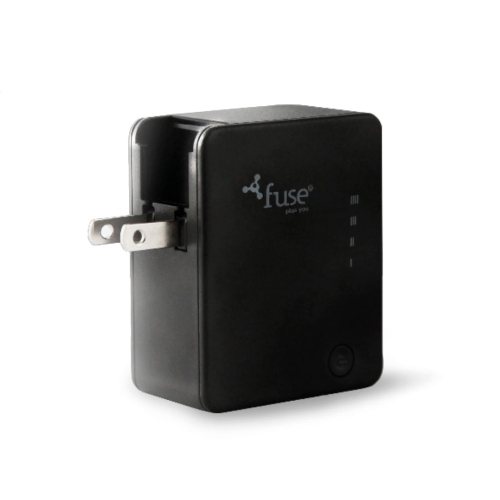
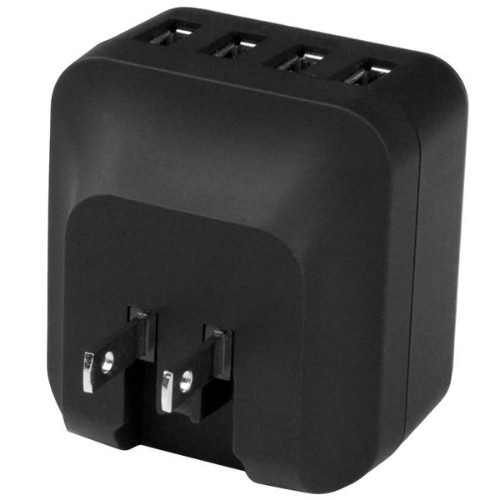
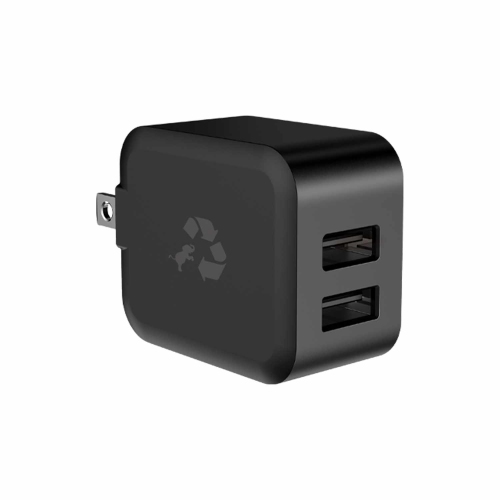
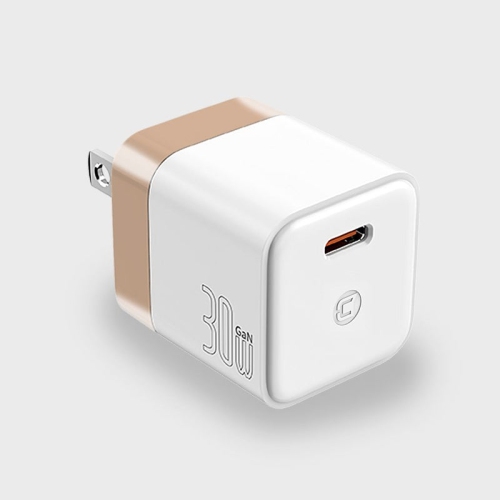
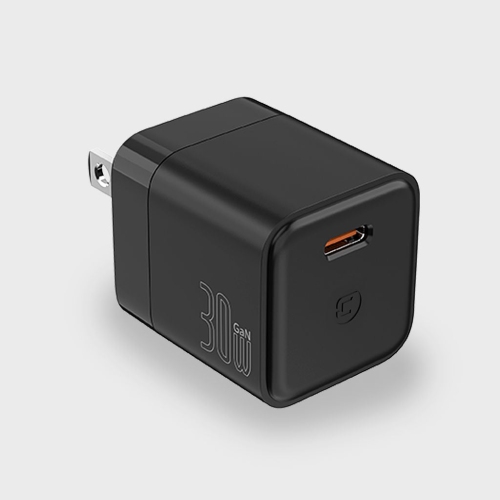
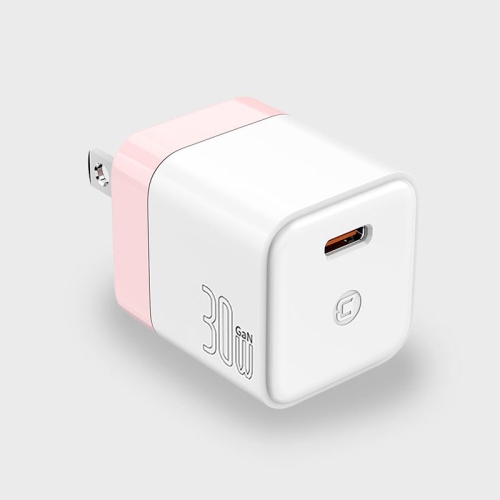
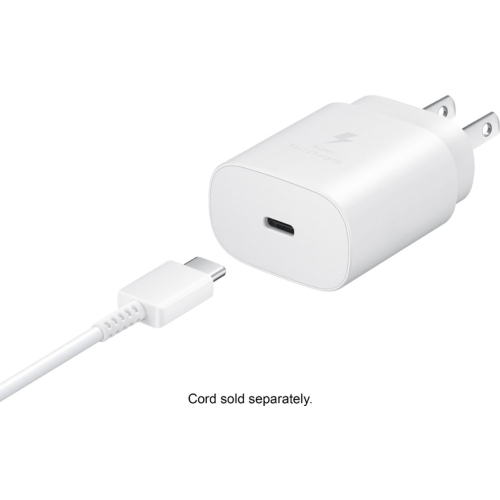
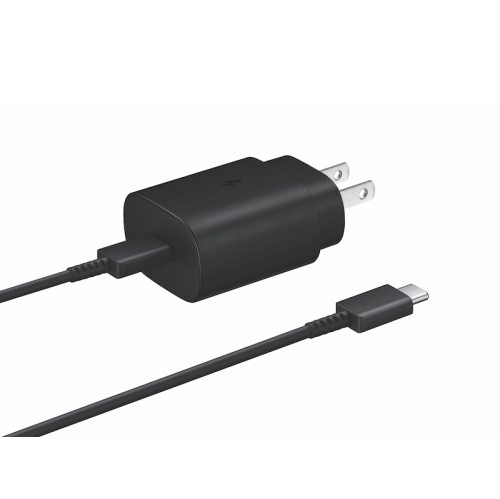
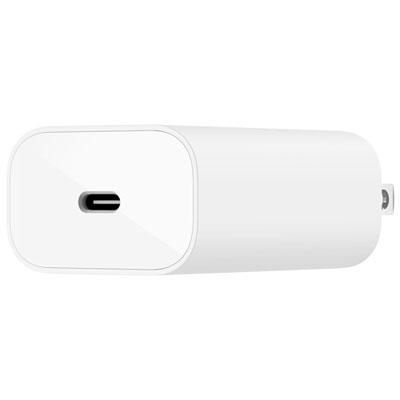
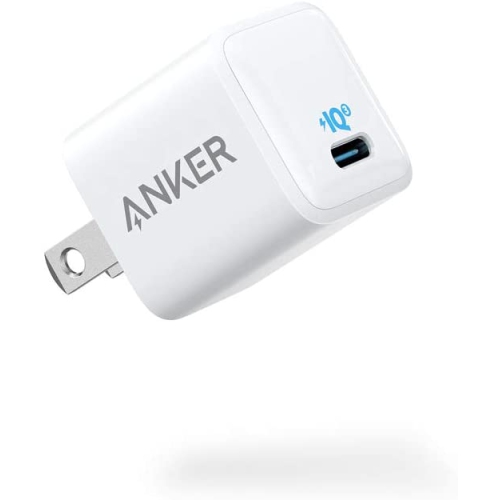
Portable wall chargers are compact power adapters that plug into an electrical outlet to charge phones, tablets, earbuds, and other compatible devices. Their appeal is straightforward: dependable charging in a shape that slips into a work bag, carry-on, or desk drawer without taking up much room. Two main designs suit different routines. A dedicated wall charger draws power from an outlet and has no stored charge, while a hybrid wall charger includes an internal battery that can also power devices when unplugged. That distinction matters on a long travel day: a small adapter is useful beside an airport seat with an outlet, but a battery-equipped hybrid can keep a phone charging between stops. For everyday commuting, a lightweight wall adapter paired with the right cable may be all that is needed. Students moving between study spaces, professionals sharing meeting rooms, and families packing several devices for a weekend away can all benefit from a charger that is easy to carry and simple to connect. Portability involves more than overall dimensions. Folding prongs help prevent the plug from catching on a fabric pouch or scratching neighbouring gear, while a slim housing can fit more comfortably beside a bed or behind a desk. The position of the USB ports also affects fit: a cable that projects straight out from the wall needs different clearance from one that connects along the bottom edge. On a crowded power strip, a narrow charger may leave adjacent sockets easier to reach, though the arrangement of the outlets still matters. Most housings use rigid plastic to protect the internal components and keep weight manageable. Smooth edges, firmly seated ports, and a folding plug that moves without feeling loose are useful details for a charger that will be packed and unpacked often. A compact charger can also make a practical gift for someone starting school, travelling regularly, or setting up a workspace, provided its connections and power output match their devices.
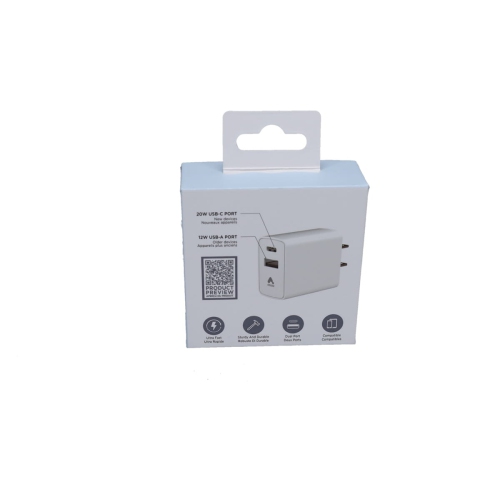
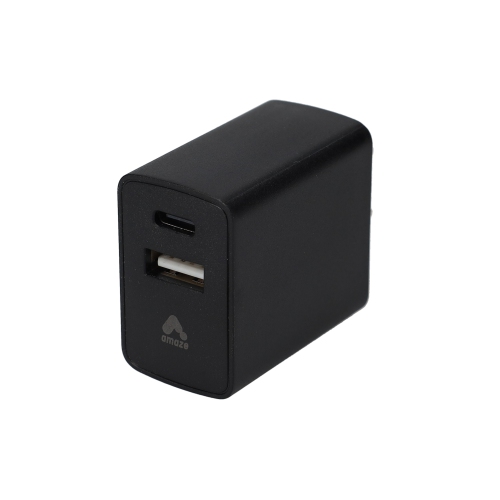
Charging performance depends on the adapter, the device, and the cable working together, rather than on wattage alone. A charger’s watt rating describes its maximum power output; a compatible device draws the power it supports, not necessarily the full amount printed on the charger. Around 20W can support fast charging on many compatible smartphones, while some phones and tablets can use 30W or more. Laptops vary much more widely, and a small phone adapter may charge one slowly, only while idle, or not at all. Matching the charger’s supported output to the device manufacturer’s requirements is more useful than simply choosing the smallest block. USB-C Power Delivery is a common charging standard across phones, tablets, and some laptops, while Programmable Power Supply, often shown as PPS, is required for certain devices to reach their fastest supported charging rates. A USB-C port alone does not confirm support for either feature. The cable matters just as much: it needs the correct connectors and a power rating suitable for the intended device. Some higher-power connections require an appropriately rated cable with electronic identification, so an older cable pulled from a drawer may limit performance. Multi-port wall chargers add flexibility when a phone and tablet need charging together, or when earbuds need a top-up beside a laptop. However, the total wattage may be shared across the ports, and connecting another device can reduce the power supplied to the first. Individual port ratings and the stated power-sharing arrangement help clarify what to expect during simultaneous charging. For charging beyond the reach of an outlet, portable chargers with fast charging offer a related option centred on stored battery power. With hybrid wall chargers, both battery capacity and output deserve attention, because charging speed may differ between plugged-in and battery operation. Capacity figures also do not translate directly into a fixed number of phone charges: conversion losses, battery condition, device size, and using the phone while it charges all affect the result.
Daily handling and intended use help determine which portable wall charger feels convenient over time. Gallium nitride, commonly called GaN, is used in some compact chargers to support higher power output in a smaller housing, but the overall design still determines size, heat management, and port placement. A slightly larger adapter with well-spaced connections may be easier to use than a smaller one whose ports crowd thick cable ends. For a bedside setup, cable reach and the brightness of any indicator light can matter as much as charging speed. At a shared kitchen outlet, a secure fit and enough clearance from nearby plugs can make regular use less awkward. Chargers can become warm during normal operation, particularly when supplying higher power, so they belong in an open, dry space rather than beneath bedding or inside a closed bag while connected. Applicable Canadian electrical safety certification, clearly stated input and output ratings, and documented protection features are useful details to check. Cracked housings, bent prongs, damaged cables, or a plug that no longer sits securely in an outlet are reasons to stop using the affected equipment. For routine care, unplug the charger before wiping the exterior with a soft, dry cloth, keep liquids away from the ports, and disconnect cables by their connectors rather than tugging on the cord. A small pouch can keep cables together and protect the plug from knocks during travel. International trips introduce another consideration: a charger marked for 100–240V input may support a broad range of electrical supplies, but a plug adapter may still be needed for the destination’s outlet shape. A plug adapter does not convert voltage. Battery-equipped hybrids may also be subject to airline rules for lithium batteries, including carry-on requirements and capacity limits. Whether tucked beside a notebook for a workday or packed with family travel essentials, the most useful portable wall charger balances manageable size, compatible power, accessible ports, and sturdy construction.
Charging performance depends on the adapter, the device, and the cable working together, rather than on wattage alone. A charger’s watt rating describes its maximum power output; a compatible device draws the power it supports, not necessarily the full amount printed on the charger. Around 20W can support fast charging on many compatible smartphones, while some phones and tablets can use 30W or more. Laptops vary much more widely, and a small phone adapter may charge one slowly, only while idle, or not at all. Matching the charger’s supported output to the device manufacturer’s requirements is more useful than simply choosing the smallest block. USB-C Power Delivery is a common charging standard across phones, tablets, and some laptops, while Programmable Power Supply, often shown as PPS, is required for certain devices to reach their fastest supported charging rates. A USB-C port alone does not confirm support for either feature. The cable matters just as much: it needs the correct connectors and a power rating suitable for the intended device. Some higher-power connections require an appropriately rated cable with electronic identification, so an older cable pulled from a drawer may limit performance. Multi-port wall chargers add flexibility when a phone and tablet need charging together, or when earbuds need a top-up beside a laptop. However, the total wattage may be shared across the ports, and connecting another device can reduce the power supplied to the first. Individual port ratings and the stated power-sharing arrangement help clarify what to expect during simultaneous charging. For charging beyond the reach of an outlet, portable chargers with fast charging offer a related option centred on stored battery power. With hybrid wall chargers, both battery capacity and output deserve attention, because charging speed may differ between plugged-in and battery operation. Capacity figures also do not translate directly into a fixed number of phone charges: conversion losses, battery condition, device size, and using the phone while it charges all affect the result.
Daily handling and intended use help determine which portable wall charger feels convenient over time. Gallium nitride, commonly called GaN, is used in some compact chargers to support higher power output in a smaller housing, but the overall design still determines size, heat management, and port placement. A slightly larger adapter with well-spaced connections may be easier to use than a smaller one whose ports crowd thick cable ends. For a bedside setup, cable reach and the brightness of any indicator light can matter as much as charging speed. At a shared kitchen outlet, a secure fit and enough clearance from nearby plugs can make regular use less awkward. Chargers can become warm during normal operation, particularly when supplying higher power, so they belong in an open, dry space rather than beneath bedding or inside a closed bag while connected. Applicable Canadian electrical safety certification, clearly stated input and output ratings, and documented protection features are useful details to check. Cracked housings, bent prongs, damaged cables, or a plug that no longer sits securely in an outlet are reasons to stop using the affected equipment. For routine care, unplug the charger before wiping the exterior with a soft, dry cloth, keep liquids away from the ports, and disconnect cables by their connectors rather than tugging on the cord. A small pouch can keep cables together and protect the plug from knocks during travel. International trips introduce another consideration: a charger marked for 100–240V input may support a broad range of electrical supplies, but a plug adapter may still be needed for the destination’s outlet shape. A plug adapter does not convert voltage. Battery-equipped hybrids may also be subject to airline rules for lithium batteries, including carry-on requirements and capacity limits. Whether tucked beside a notebook for a workday or packed with family travel essentials, the most useful portable wall charger balances manageable size, compatible power, accessible ports, and sturdy construction.
Top selling and popular products
-
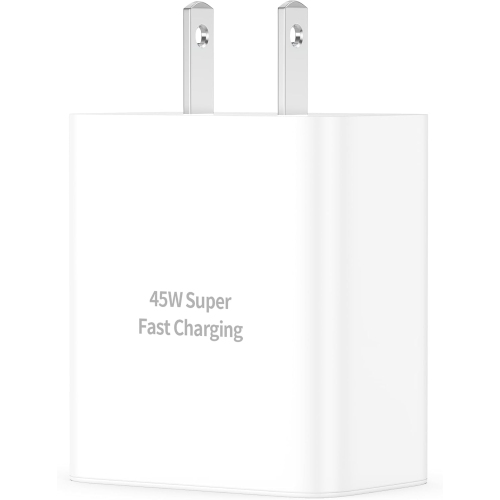 Your price for this item is $27.99
 -
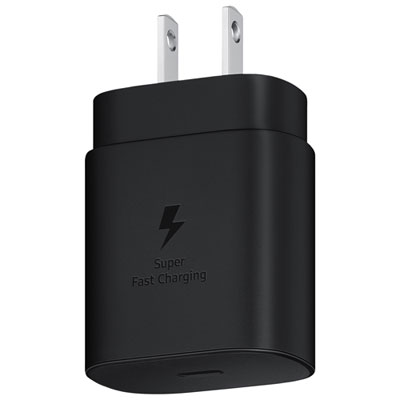 Your price for this item is $24.99
 -
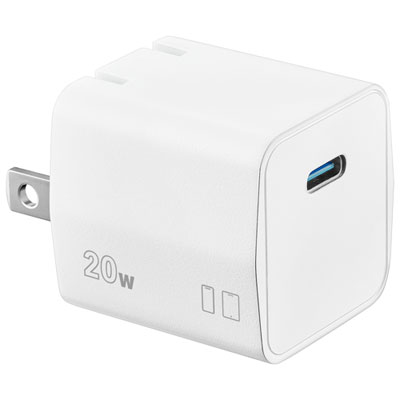 Your price for this item is $16.99
 -
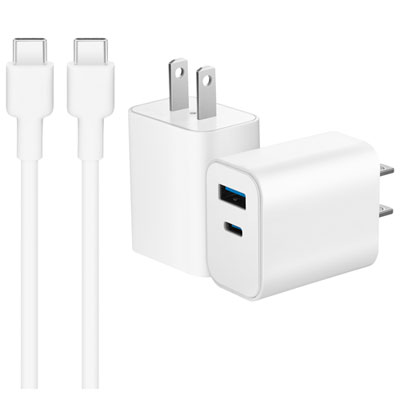 Your price for this item is $24.99
 -
 Your price for this item is $25
 -
 Your price for this item is $14.96
 -
 Your price for this item is $19.99
 -
 Your price for this item is $80.99
Discover more categories related to Portable Wall Chargers

Top Collections:
Pokemon Centers, Budget 4K TVs, Best Budget Office Chairs, Kindle Devices, Canon G7X Cameras, Apple iPhones 16, iPhone 15 Apple, Laptops for Business Work, Xiaomi Phones, Flip Phones
Some products may be subject to Environmental Handling Fees
(EHF) depending on your province.
Learn more about EHFs.