PD 20W Wall Chargers
Power up your devices quickly and efficiently with a PD 20W Wall Charger. Ideal for smartphones, tablets, and other compatible gadgets, these chargers are designed to fit seamlessly into your daily routine at home, in the office, or on the go. With a compact design and reliable performance, a PD 20W Wall Charger offers the convenience you need to keep your tech essentials ready whenever you need them. Explore a range of options to find the perfect charging solution for all your devices.
Sort


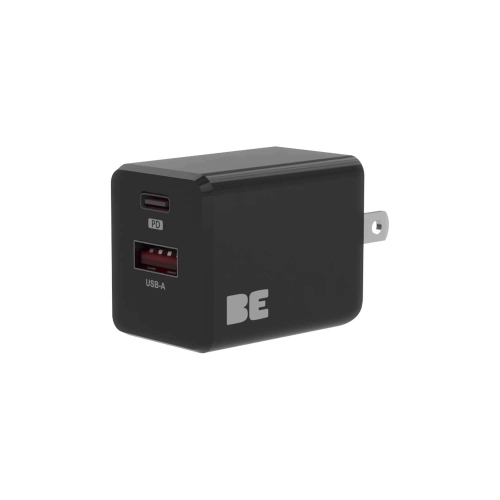


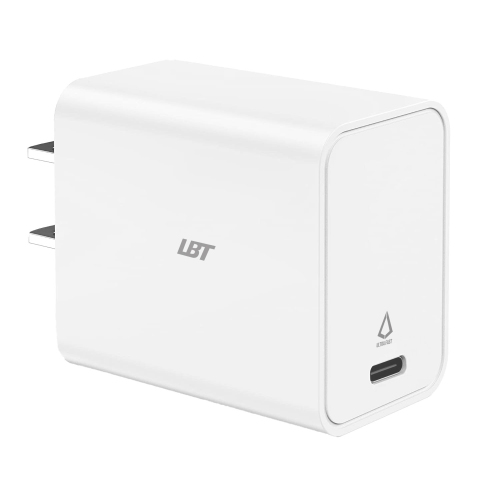


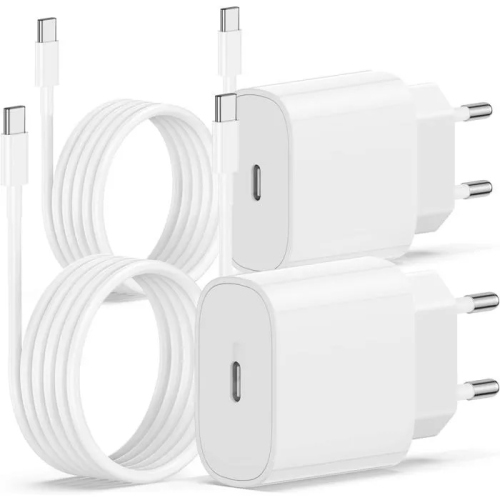

Compact power for quick top-ups between daily tasks
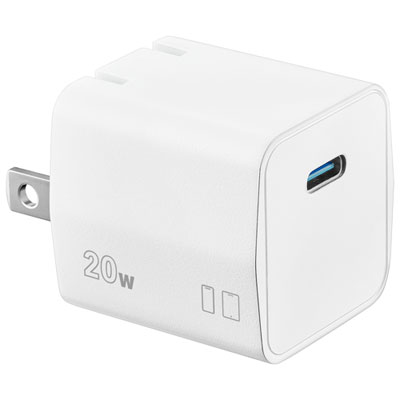
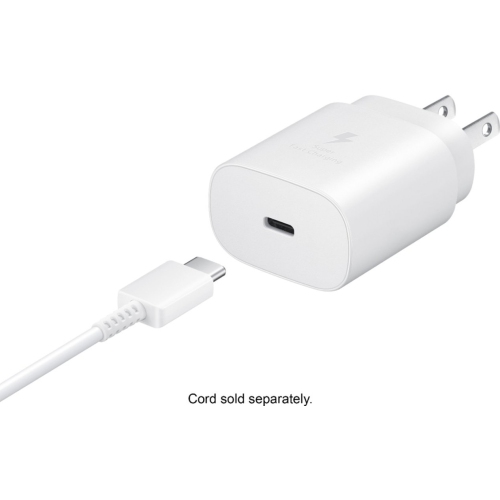
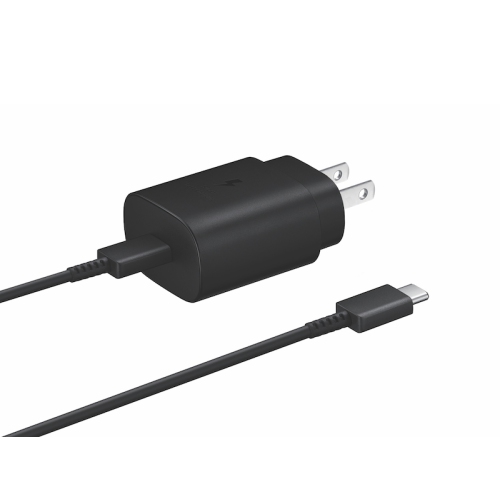
PD 20W wall chargers are compact power adapters that use USB Power Delivery to supply up to 20 watts of power to compatible devices. They are a practical match for many smartphones, as well as certain wireless earbuds, small tablets, and other USB-chargeable accessories. Some compatible smartphones can charge from empty to around 50% in about 30 minutes with a 20W USB-C PD adapter, though actual charging times depend on the device, cable, battery condition, and whether the device is being used while plugged in. That makes this charger category useful for everyday top-ups: a phone can pick up a meaningful charge while its owner gets ready for work, eats breakfast, or packs a bag. Power Delivery works through communication between the charger and the connected device, allowing them to agree on a supported power level rather than sending the maximum output to every device. A 20W adapter can therefore charge a compatible accessory that needs less power, but it will not make that accessory charge faster than its own charging system allows. The USB-C port is also only part of the connection; a USB-C connector alone does not guarantee support for Power Delivery. For the expected charging performance, the adapter, device, and cable need to support the appropriate charging method. Phones with USB-C charging ports generally use a USB-C to USB-C cable, while phones with another connector require a compatible cable with USB-C at the charger end. A sound, correctly rated cable matters as much as the adapter, especially when an older cable has a loose connector or visible damage. For devices designed to draw more than 20 watts, this category may provide a slower charge rather than their maximum charging speed. Larger tablets and laptops can have substantially higher power requirements, making a 20W wall charger better suited to phone charging than to serving as a universal replacement for every adapter in a household.
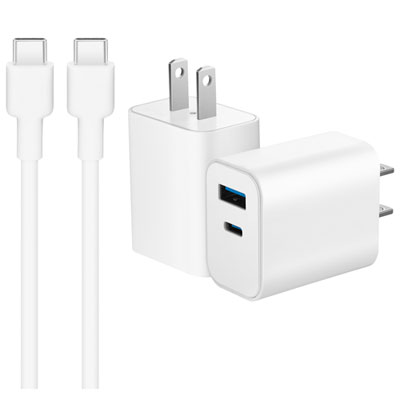
The physical design of a PD 20W wall charger makes a difference in places where outlets are crowded or charging space is limited. A compact single-port adapter keeps the setup straightforward, with one USB-C connection for a phone beside a bed, on a kitchen counter, or at a desk. Dual-port designs may combine USB-C and USB-A connections, or offer two USB-C ports, to accommodate different cables and devices. Their power ratings need a closer look: an advertised 20W output may apply to one port used alone, while connecting two devices can divide the available power between them. A phone and a pair of earbuds might be a convenient combination, but both ports should not be assumed to deliver 20 watts simultaneously. The location of each port also affects how neatly a cable runs from the outlet. A downward-facing connection can suit a wall outlet behind a bedside table, while a front-facing connection may be easier to reach on a desktop power bar. Charger width and depth determine whether adjacent sockets remain accessible and whether the adapter fits comfortably behind furniture without bending the cable sharply. Many charger housings use rigid insulating plastics, with metal prongs and connectors designed for repeated use. A well-fitted casing, secure prongs, and a port that holds the cable firmly are useful signs of sound construction, although appearance alone cannot establish electrical safety. Clear electrical ratings and recognized safety certification applicable in Canada provide more meaningful information. Features such as protection against excessive current, short circuits, and overheating can help safeguard normal charging, but do not replace careful handling. Foldable prongs are particularly convenient for carrying a charger in a pouch or backpack because they reduce snagging and keep exposed metal ends away from other belongings. Fixed prongs avoid a folding mechanism and can suit an adapter that mostly stays in one place. Neither design is automatically more durable; the quality of the housing, hinge, and electrical connections matters more than the shape alone.
For everyday use, a PD 20W wall charger works best as part of a tidy, accessible charging setup. A cable long enough to reach the intended surface can prevent a phone from hanging by its connector, while leaving a little slack reduces strain when the device is picked up. The adapter should sit securely in an undamaged outlet, with space around it rather than being buried under bedding or pressed into upholstered furniture. Some warmth during charging is normal, but unusual heat, a burning smell, discolouration, or a cracked housing calls for stopping use. Cleaning is simple: disconnect the adapter from the outlet and cable, then wipe its exterior with a soft, dry cloth. Liquids should stay away from the ports and prongs, and objects should not be pushed into the connector to remove debris. When unplugging, hold the adapter body rather than pulling on the charging cable. These small habits help protect the casing, connector, and cable through repeated daily use. For commuting or travel, keeping an adapter and its matching cable together avoids arriving with one piece of the setup missing. The broader selection of Portable Wall Chargers can also be relevant when compact size and easy packing are priorities. International travel requires checking the adapter’s printed input rating and the destination’s outlet shape. Support for an input range such as 100–240 volts does not mean the prongs will fit every socket; a suitable plug adapter may still be necessary. At home, a dedicated charger can make a useful addition to a student’s desk, a shared family charging spot, or a guest room where someone needs a dependable place to connect a phone. It can also be a practical gift for a commuter, traveller, or anyone setting up a new smartphone, provided the charging standard and cable connection match the recipient’s device. The most useful choice is not simply the smallest adapter or the one with the most ports, but a charger whose output, connections, and physical fit suit the way it will be used.
Top selling and popular products
-
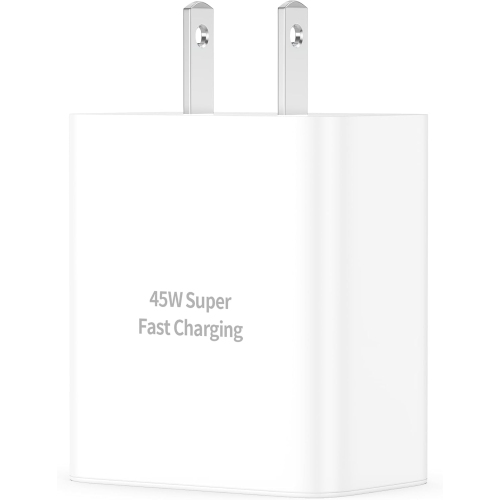 Your price for this item is $27.99
-
 Your price for this item is $16.99
-
 Your price for this item is $24.99
-
 Your price for this item is $49.99
-
 Your price for this item is $25
-
 Your price for this item is $14.99
-
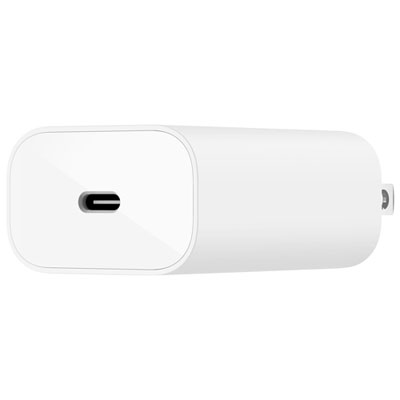 Your price for this item is $19.98
-
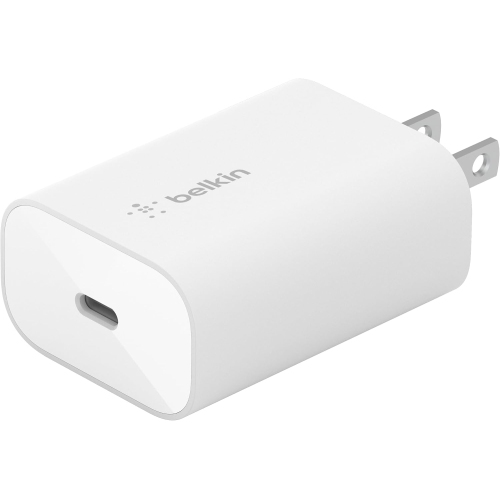 Your price for this item is $43.49
Discover more categories related to PD 20W Wall Chargers
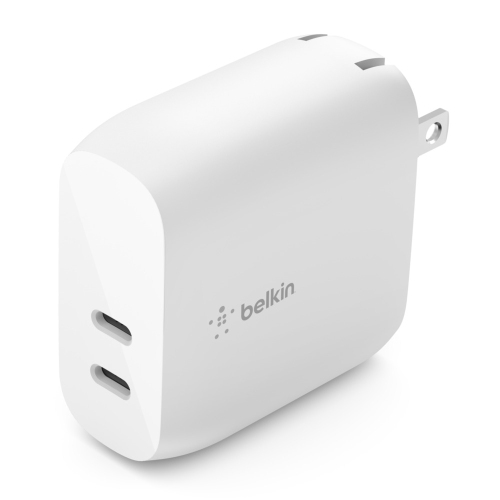
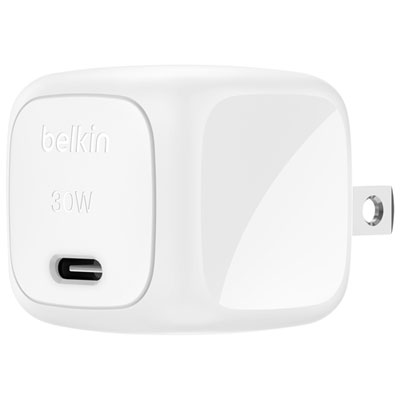
Top Collections:
Pokemon Centers, Pokémon 30th Celebration Cards, Best Budget Office Chairs, Kindle Devices, Best Cameras for Sports Photography, Canon G7X Cameras, Best Black Friday Deals On Electronics, Best Laptops for Writers, iPhone 15 Apple, Jackery Power Stations
Some products may be subject to Environmental Handling Fees
(EHF) depending on your province.
Learn more about EHFs.