Best Fitness Trackers for Working Out

Find the best fitness trackers for working out, ranked by user review ratings to help you compare options with confidence. Whether you’re hitting the gym, heading out for a run, or building a daily activity routine, explore trackers with features such as heart rate monitoring, workout tracking, and progress insights to help you stay focused on your fitness goals.

Read More

What to look for in fitness trackers for working out

1. Workout Tracking

Look for exercise modes that match your routine, such as running, cycling, swimming, or strength training. Heart rate tracking can help you gauge workout intensity, while built-in GPS lets you track outdoor routes without carrying your phone.

2. Comfort and Durability

Choose a lightweight design with an adjustable band that stays secure as you move. Check the manufacturer’s water-resistance rating and supported activities, especially if you plan to swim with your tracker.

3. Battery Life and Charging

Compare battery life during everyday use and GPS workouts, since continuous tracking can drain the battery faster. Fast charging can make it easier to top up your tracker between sessions.

4. Compatibility and App Features

Check that the tracker works with your smartphone and any fitness apps you already use. Compare workout summaries, progress tracking, and coaching tools, and confirm whether the features you want require a paid subscription.
  1. 1

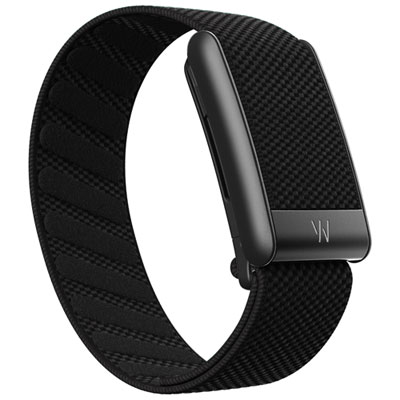
    WHOOP 5.0 Peak Fitness Tracker Band with Heart Rate Monitor & Sleep Tracking - Obsidian

    About this product

    A fitness tracker band monitoring heart rate, sleep, blood oxygen, recovery, stress, and 140 sport modes.

    What customers like

    • Long battery life with convenient charging
    • Sleek, discreet screen-free design
    • Comfortable, lightweight fit for all-day and nighttime wear
    • Detailed app insights with helpful coaching and personalised recommendations
    • Accurate sleep, recovery, heart rate, and activity tracking
    (249)
    $349.00 Your price for this item is $349
  2. 2

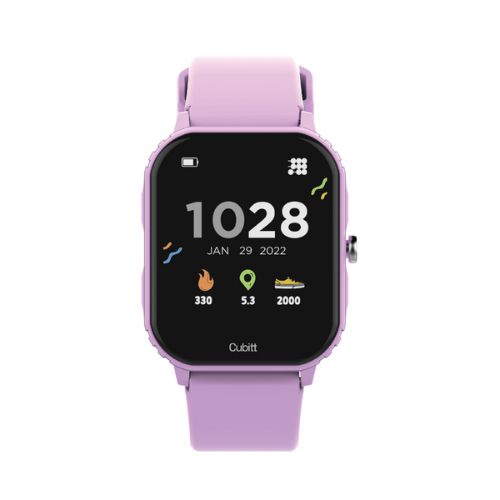
    CUBITT Teens for Teens 1.69 Inch Smartwatch With Heart Rate Monitor, Spo2, Sleep Tracking In Purple

    About this product

    A vibrant purple smartwatch for teens featuring health monitoring, 20+ games, alarms, and a hi-res touchscreen.

    (16)
    $115.00 Your price for this item is $115
  3. 3

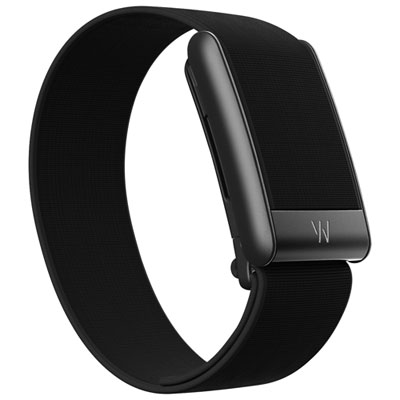
    WHOOP 5.0 One Fitness Tracker Band with Heart Rate Monitor & Sleep Tracking - Jet Black

    About this product

    A jet-black fitness tracker band monitoring heart rate, sleep, activity, recovery, and 140 sport modes.

    What customers like

    • Long-lasting battery with convenient wireless charging
    • Comfortable, lightweight design for 24/7 wear
    • Accurate heart rate, sleep, recovery and activity tracking
    • Helpful recovery insights, analytics and personalized coaching
    • Intuitive app with silent alarms and minimal notifications
    (60)
    $259.00 Your price for this item is $259
  4. 4

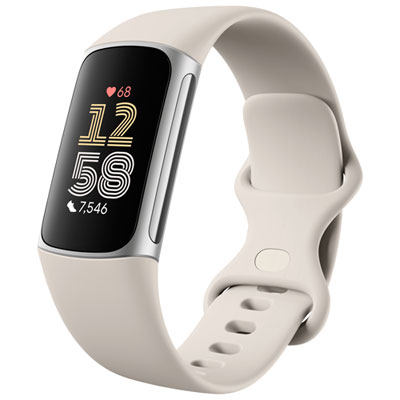
    Google Fitbit Charge 6 Fitness Tracker with Heart Rate Monitor & Sleep Tracking – Built-in GPS – Coral/Gold

    About this product

    A coral and gold fitness tracker with GPS, heart rate monitoring, sleep tracking, and Google app integration.

    What customers like

    • Accurate health and fitness tracking
    • Comfortable and lightweight design
    • Long battery life and fast charging
    • Comprehensive sleep and heart rate monitoring
    • Easy setup and user-friendly interface
    (208)
    $219.99 Your price for this item is $219.99
  5. 5

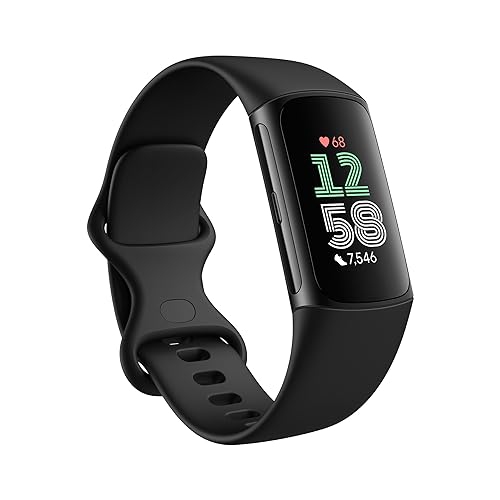
    FITBIT Charge 6 Fitness Tracker With Activity Tracking & Step Tracking – Built-In Gps – Obsidian/black

    About this product

    An advanced fitness tracker with Google integration, featuring YouTube Music, Google Maps, and Google Wallet.

    What customers like

    • Intuitive app and easy setup
    • Comfortable and lightweight design
    • Accurate heart rate and activity tracking
    • Long battery life with fast charging
    • Seamless Google integration and notifications
    (1,426)
    $199.99
    SAVE $100
    Your price for this item is $199.99
  6. 6

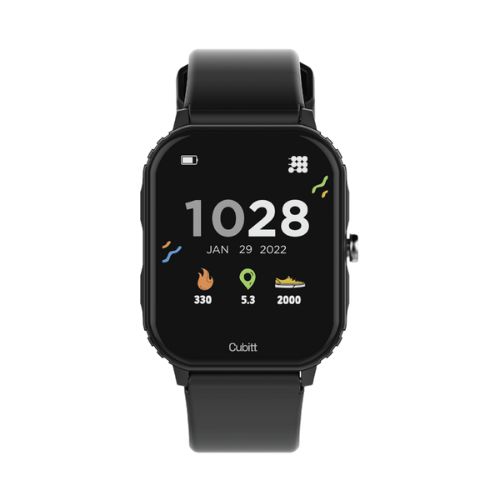
    CUBITT Teens for Teens 1.69 Inch Smartwatch With Heart Rate Monitor, Spo2, Sleep Tracking In Black

    About this product

    A black fitness tracker for teens featuring health monitoring, 20+ games, alarms, and a 1.69" touchscreen.

    (18)
    $115.00 Your price for this item is $115
  7. 7

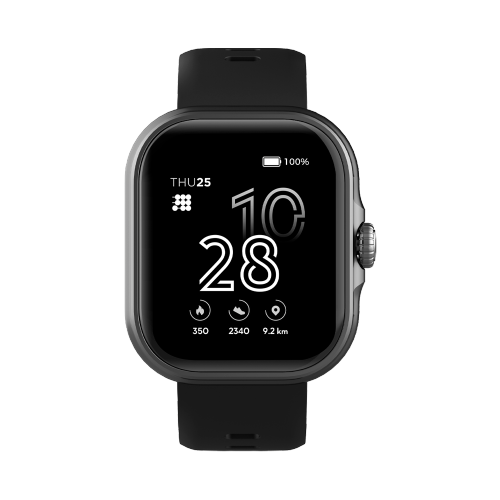
    CUBITT Viva /fitness Tracker 1.78 Inch Amoled Smartwatch With Bluetooth Calling, Connected Gps, Heart Rate Monitor

    About this product

    A versatile smartwatch with AMOLED touchscreen, Bluetooth calling, built-in GPS, health monitoring, and waterproof design.

    (5)
    $99.99 Your price for this item is $99.99
  8. 8

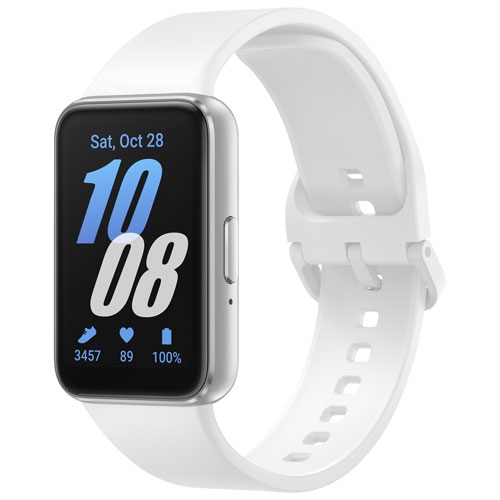
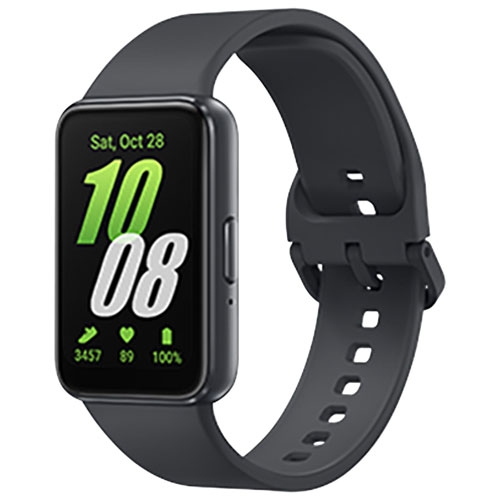
    SAMSUNG - Fitness Tracker With Heart Rate Monitor & Sleep Tracking – Connected Gps – In Silver

    About this product

    A sleek silver fitness tracker that monitors heart rate, blood oxygen, sleep, stress, and auto-detects workouts.

    (4)
    $69.95
    SAVE $15
    Your price for this item is $69.95
  9. 9

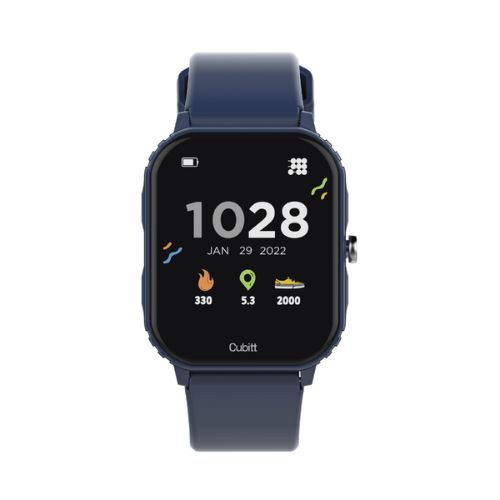
    CUBITT Teens for Teens 1.69 Inch Smartwatch With Heart Rate Monitor, Spo2, Sleep Tracking In Blue

    About this product

    A blue smartwatch for teens featuring health monitoring, 20+ games, alarms, and a 1.69" touchscreen.

    (16)
    $115.00
    SAVE $10
    Your price for this item is $115
  10. 10

    SAMSUNG - Fitness Tracker With Heart Rate Monitor & Sleep Tracking – Built-In Gps – In Grey

    About this product

    A sleek grey fitness tracker that monitors heart rate, blood oxygen, sleep, stress, and auto-detects workouts.

    (12)
    $74.95
    SAVE $10
    Your price for this item is $74.95

Why your workout routine shapes your tracker needs

The best fitness trackers for working out combine comfortable wear, useful activity tracking, readable workout data, and enough battery life to fit a regular exercise routine. The right balance depends on the activity: runners may value built-in GPS and pace information, strength-training enthusiasts may prefer easy workout controls and interval timers, and swimmers need a device specifically rated for their intended water activity. A tracker that suits a brisk walk or a few weekly gym sessions does not necessarily need the same training tools as one used for distance running or multisport exercise. Step counts, active minutes, and workout duration offer a straightforward picture of daily movement, while supported heart-rate features can help show how effort changes throughout a session. During a stationary-bike workout, for example, a glance at the wrist can reveal whether a steady pace is keeping heart rate within a chosen training zone. These readings are estimates rather than medical measurements, and wrist movement, fit, and the type of exercise can affect accuracy. Calorie estimates also vary and are most useful as broad reference points, not exact totals. For running and walking, built-in GPS can capture a route without relying on a phone for location data, while connected GPS generally requires a compatible phone nearby. Satellite reception and surrounding structures can affect recorded distance and pace. On a treadmill, distance is usually estimated from motion rather than a satellite signal, so calibration options can be useful where supported. Dedicated activity modes help organize sessions by type, making it easier to distinguish a walk from a rowing workout or a circuit at the gym. Some devices also offer automatic activity detection, although manually starting a session often gives more control over its beginning and end. Clearly displayed elapsed time, heart rate, and lap information can be more valuable during exercise than a crowded screen full of metrics that are difficult to read between movements.

Comfort and construction matter because a fitness tracker needs to stay in place through repeated arm swings, bent wrists, and sweaty sessions. A lightweight case and a soft, flexible band can make longer wear more comfortable, particularly for people who also track sleep. Silicone bands are commonly used for exercise because they are flexible and generally easy to wipe clean, while woven bands can offer a softer feel but may retain moisture and need more drying time. Metal bands may suit everyday wear, though their weight and rigid links can feel less comfortable when gripping a barbell or moving through floor exercises. Band size, adjustment spacing, and case dimensions all affect fit; a broad case can feel intrusive on a smaller wrist even when the strap closes securely. Optical heart-rate sensors generally work best with stable skin contact, following the manufacturer's placement guidance, without tightening the band enough to cause discomfort. A tracker should not slide freely during a run, but it should not pinch when the wrist bends into a push-up position either. Screen shape and controls deserve similar attention. Large digits make it easier to check a rest timer at arm's length, and physical buttons can be useful when sweaty fingers make touch controls less responsive. Tough case materials and scratch-resistant display surfaces can help with everyday wear, but no finish is immune to contact with weights, rough flooring, or gym equipment. Water resistance should be checked against the manufacturer's stated uses rather than assumed from a general rating: protection against sweat or splashes does not automatically mean a tracker is suitable for lap swimming, diving, or high-pressure water. Regular care is simple but important. Wipe away sweat after exercise, clean the band and case according to their care instructions, and allow both the device and skin to dry before putting it back on. Charging contacts should also be clean and dry before connecting a charger. Replaceable bands offer flexibility when a strap wears out or a different material feels better for a particular activity.

Battery life, phone compatibility, and the quality of the companion app influence how easily a workout tracker becomes part of everyday life. Stated battery estimates depend on settings and use; frequent GPS sessions, an always-on display, and certain continuous monitoring features can shorten the time between charges. Someone who tracks exercise and sleep may appreciate longer battery life or a charging routine that fits around a shower or time at a desk. Compatibility involves more than pairing successfully: notifications, music controls, data sharing, and other functions can differ by phone operating system and device. It is worth checking which workout metrics appear directly on the wrist, which require the app, and whether any desired features require a separate subscription. For gym-focused routines, practical functions often matter most. A reliable interval timer can structure alternating bursts on an exercise bike, while quick access to pause and stop controls helps keep a session tidy when moving between equipment. Some trackers estimate repetitions or identify strength exercises, but these entries may need correction, especially during mixed circuits or movements with limited wrist motion. Shoppers whose routines centre on treadmills, exercise bikes, and studio sessions can explore Best Fitness Trackers for Indoor Workouts for a more focused selection. Beyond individual sessions, an organized activity history can make patterns easier to see, such as whether weekly movement is consistent or longer workouts leave less room for rest. Sleep and recovery features, where supported, provide additional context rather than a definitive judgement of readiness to exercise. Beginners may prefer clear goals and simple summaries, while experienced exercisers may want customizable workout screens, supported external sensors, or more detailed training records. Fitness trackers can also make thoughtful gifts for someone who has expressed an interest in tracking their activities, provided the fit, phone compatibility, and controls suit the recipient. The most useful choice is not necessarily the one with the longest feature list, but the one that comfortably captures the activities a person actually does and presents that information clearly enough to use.
Read More

FAQ

Some products may be subject to Environmental Handling Fees (EHF) depending on your province. Learn more about EHFs.