Best Microphones

Find the best microphones for podcasts, streaming, music recording, and video calls, ranked by customer review ratings. Whether you’re setting up your first home studio or upgrading your audio gear, explore top-rated options to help you capture clear sound and choose a microphone that fits your needs and budget.

Read More

What to look for in microphones

1. Microphone Type

Dynamic microphones are often a good fit for live vocals and loud instruments, while condenser microphones capture fine detail for vocals, acoustic instruments and studio recordings. Lavalier microphones offer a compact, hands-free option for presentations and video.

2. Connection and Compatibility

USB microphones connect directly to compatible computers for a simple recording setup, while XLR models typically require an audio interface or mixer. Check device compatibility and power requirements, as many XLR condenser microphones need 48V phantom power.

3. Pickup Pattern

Cardioid microphones focus on sound from the front, helping reduce pickup from the sides and rear. Omnidirectional models capture sound from all directions, while bidirectional models pick up sound from the front and back for uses such as face-to-face interviews.

4. Controls and Accessories

A headphone output with direct monitoring lets you hear yourself without distracting delay, while gain and mute controls make adjustments easier. Check whether a stand, pop filter, shock mount or cable is included, and account for any accessories your setup needs.
Citrus catapult arrow
  1. 1

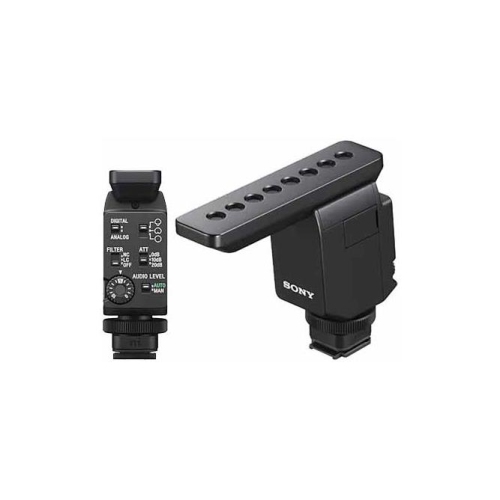
    SONY Ecm-B1M Shotgun Microphone

    About this product

    An ultra-compact digital shotgun microphone with selectable directivity and cable-free connection for Sony cameras.

    What customers like

    • Effective noise cancellation
    • Compact and lightweight design
    • No cables or batteries required
    • Easy to use with Sony cameras
    • Excellent sound quality
    (20)
    $418.00
    SAVE $50
    Your price for this item is $418
  2. 2

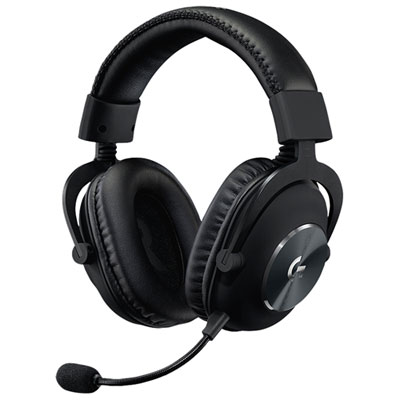
    Logitech G Pro X Gaming Headset with Microphone for PC - Black

    About this product

    A black gaming headset featuring 50mm drivers, memory foam ear pads, and next-gen 7.1 surround sound.

    What customers like

    • Great for gaming and FPS
    • Comfortable fit and ear pads
    • Clear and high-quality microphone
    • Durable build and materials
    • Excellent sound quality
    (37)
    $159.99 Your price for this item is $159.99
  3. 3

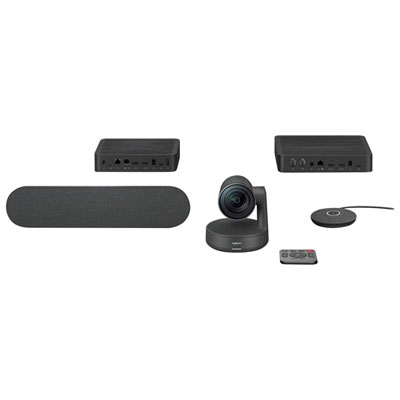
    Logitech Rally Ultra-HD 4K ConferenceCam 60fps Video Conferencing Camera with External Microphone

    About this product

    An ultra-HD 4K conference camera in black with 15x HD zoom, 90° view, and external microphone.

    $3,199.99 Your price for this item is $3199.99
  4. 4

    UOLO Pulse Premium Wired Earbuds With Remote & Microphone - 3.5MM In-Ear Stereo Headphone Earphone - Metallic In Black

    About this product

    A pair of metallic black in-ear headphones featuring 10mm drivers, noise isolation, remote, and microphone.

    $12.99 Your price for this item is $12.99
  5. 5

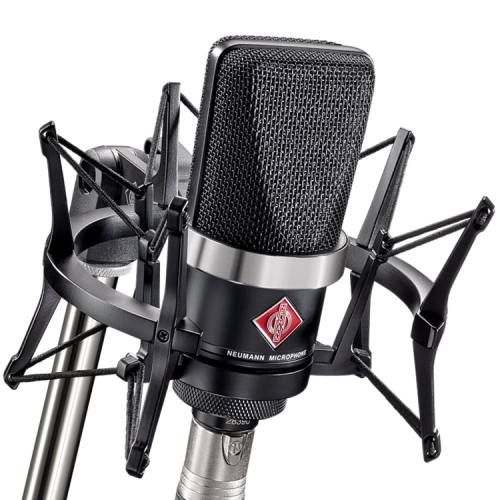
    NEUMANN Tlm 102 Studio Set Large Condenser Microphone - In Black

    About this product

    A large-diaphragm condenser microphone in sleek black, ideal for professional studio recording and vocals.

    $1,225.00 Your price for this item is $1225
  6. 6

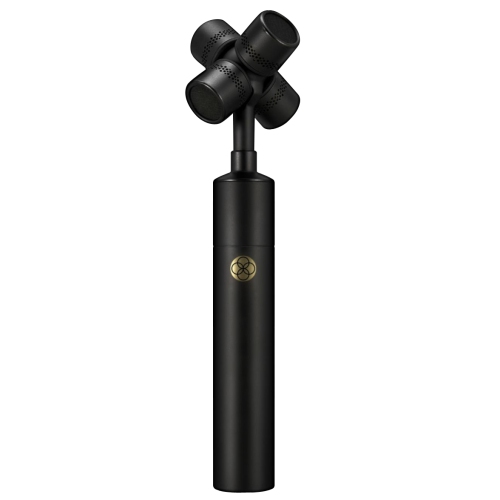
    RODE Nt-Sf1 Ambisonic Microphone

    About this product

    An ambisonic microphone designed for immersive 3D audio recording in professional music and film production.

    $1,599.00 Your price for this item is $1599
  7. 7

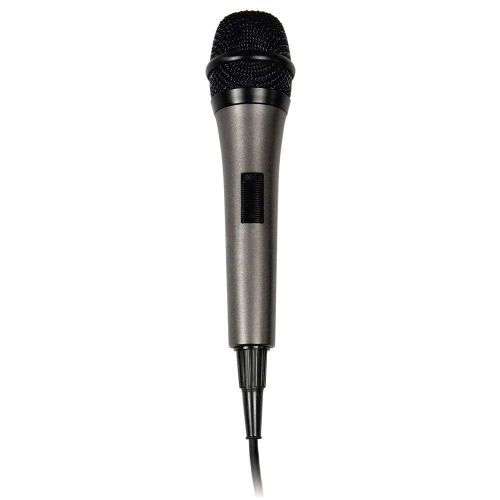
    HLD Singing Machine Smm-205 Dynamic Karaoke Microphone With 10.5 Ft Cord

    About this product

    A dynamic karaoke microphone featuring a 10.5 ft cord for comfortable, energetic performances.

    $36.96
    SAVE $33
    Your price for this item is $36.96
  8. 8

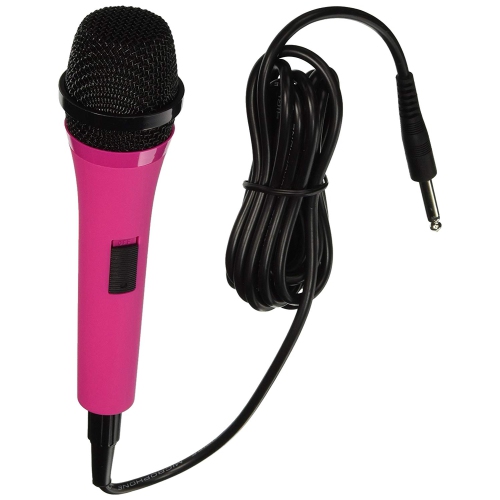
    HLD Singing Machine Smm-205 Dynamic Karaoke Microphone With 10.5 Ft Cord

    About this product

    A dynamic karaoke microphone with a 10.5 ft cord, ideal for lively singing sessions.

    $26.96
    SAVE $8
    Your price for this item is $26.96
  9. 9

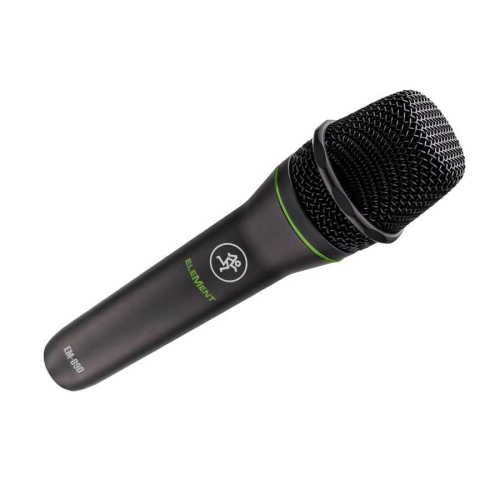
    MACKIE Em-89D Dynamic Vocal Microphone

    About this product

    A powerful dynamic microphone designed for vocals, from the brand Mackie.

    $71.99 Your price for this item is $71.99
  10. 10

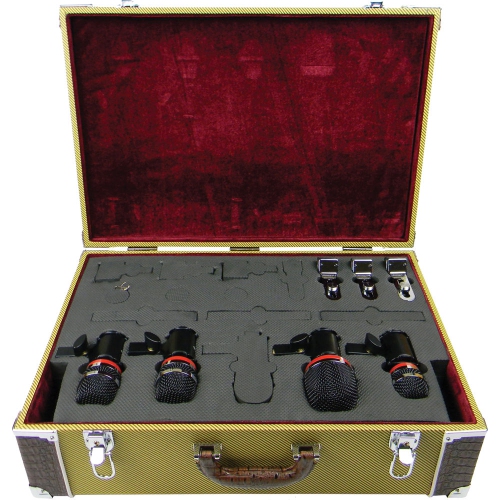
    AVANTONE Pro CDmk4 4-Mic Drum Microphone Kit

    About this product

    A versatile 4-microphone kit designed for capturing clear, professional drum recordings in studio or live settings.

    $789.00
    SAVE $191
    Your price for this item is $789

Why microphone placement matters as much as specifications

The best microphones suit the sound being captured, the room where they are used, and the equipment they connect to. For podcasting and streaming, that often means a directional microphone positioned close to the speaker, with clear voice reproduction and convenient controls. For singing and acoustic instruments, detail, tonal balance, and the ability to handle changing volume levels may matter more. A microphone for video calls has a different job again: keeping speech intelligible without making a shared desk feel like a recording studio. Dynamic microphones are a common choice for spoken-word recording, rehearsals, and live vocals because many are built for close use and can handle strong sound levels. Condenser microphones often capture more subtle detail, including breath, the texture of a singing voice, and the bright attack of an acoustic guitar string. That sensitivity can also make room reflections and nearby activity more noticeable. Neither design automatically removes background noise; microphone placement, pickup pattern, recording level, and room acoustics all influence the result. In a room with bare walls and a humming computer, a close-positioned cardioid microphone can help keep the voice prominent, particularly when its least sensitive side faces the unwanted sound. Cardioid describes a pickup pattern that favours sound from the front while reducing sound from behind. Omnidirectional microphones capture sound from all directions, which can be useful for a shared conversation or for a clip-on microphone that needs to remain forgiving as the wearer moves. Bidirectional and switchable-pattern microphones offer other ways to capture interviews, duets, and room sound. For two people speaking across a table, separate microphones usually provide more control over each voice than one microphone placed between them. These distinctions make the best microphones for gaming, podcasting, music, and filmmaking different categories rather than a single universal choice. A comfortable working distance and a pickup pattern suited to the space can matter as much as the microphone’s technical specifications.

Connectivity shapes how naturally a microphone fits into an everyday setup. USB microphones combine the microphone and digital audio conversion in one unit, making them a practical fit for computer-based calls, game chat, voiceovers, and home podcasts. Many connect directly to a compatible computer without a separate audio interface, although operating system support, connector type, and software requirements still need to match. A USB-C connector alone does not guarantee that a microphone will work with every phone, tablet, or console. XLR microphones connect through compatible recording equipment, such as an audio interface, mixer, or recorder, and suit setups where separate control over inputs and signal levels is useful. Most XLR condenser microphones require phantom power, commonly supplied by an interface or mixer, while passive dynamic microphones do not. Some dynamic microphones have relatively low output and need an interface with enough clean gain to bring quiet speech to a suitable recording level. Microphones with both USB and XLR connections can bridge a simple desktop setup and a more involved recording arrangement, though their supported functions vary. For someone narrating a presentation or streaming a long gaming session, a headphone output with direct monitoring makes it possible to hear the microphone signal without the distracting delay that software monitoring can introduce. An accessible mute button, visible level indicators, and a physical gain control can also make daily use easier. Wireless microphones serve a different purpose, giving presenters, performers, and video creators more freedom to move. Their usefulness depends on compatible receivers, reliable battery operation, and a connection suited to the distance and surroundings. For compact video kits, discreet interviews, and portable voice capture, Mini Microphones offer smaller formats that can fit into lightweight setups. Clip-on designs keep the microphone near the voice, but placement matters: a capsule brushing against a jacket or necklace can capture distracting rustling. Shotgun microphones, often used for video, provide directional pickup but still benefit from being close to the subject. They do not pull distant dialogue into focus in the way a camera lens frames a faraway face.

Build quality, mounting options, and care affect how well a microphone holds up beyond its first recording. Metal bodies and sturdy grilles can withstand regular handling, while lightweight housings may be more comfortable on clothing or easier to carry with a mobile kit. A substantial desktop stand helps prevent tipping, but it can also transmit keyboard taps and desk bumps unless the microphone is suitably isolated. Boom arms free up working space and bring a microphone closer to the mouth; matching the arm’s weight capacity and mounting thread to the microphone helps keep the setup stable. A shock mount can reduce vibration travelling through a stand, and a pop filter softens the bursts of air created by sounds such as “p” and “b.” Foam covers can help with light air movement, while outdoor recording in stronger wind generally calls for more substantial wind protection. Fit also includes the way equipment occupies a workspace: a microphone should not block a monitor, force an awkward sitting position, or leave a cable stretched across a walkway. For singers, enough space between the mouth and microphone allows expressive movement without abrupt changes in level. For desk-based speech, consistent positioning helps the voice remain even from one session to the next. Durability depends partly on handling, especially around connectors, switches, and exposed capsules. Unplugging cables by the connector rather than pulling the cord, storing the microphone in a dry protective case, and keeping drinks away from the recording area all help protect it. Cleaning should follow the manufacturer’s directions, with moisture kept away from the capsule and internal electronics. A microphone can make a thoughtful gift for a musician sharing song demos, a student presenting remotely, a gamer who regularly chats with friends, or a family member recording stories for future listening. Matching the connection and included mounting hardware to the recipient’s existing setup makes the gift easier to use. Across these uses, clear sound comes from a microphone that suits the person, the space, and the task, supported by thoughtful placement and dependable everyday handling.
Read More

FAQ

Some products may be subject to Environmental Handling Fees (EHF) depending on your province. Learn more about EHFs.