Good Microphones for Recording
Whether you're a musician, podcaster, or content creator, finding the right microphone for recording is essential to capturing clear and professional-quality audio. With a wide range of options available, it's important to choose a microphone that suits your specific needs and preferences. From dynamic microphones ideal for live performances to condenser microphones perfect for studio recordings, our collection offers a variety of options to help you achieve exceptional sound reproduction. Here are some great options available.
Sort
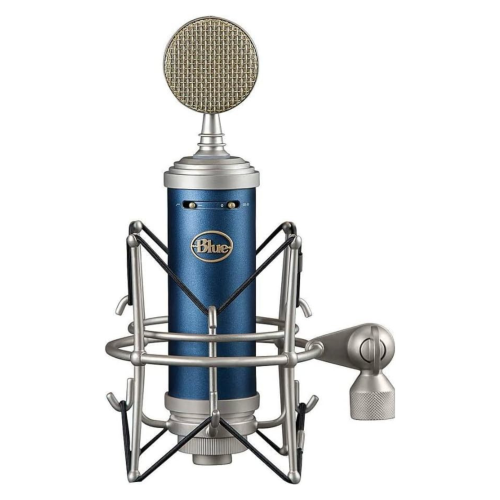
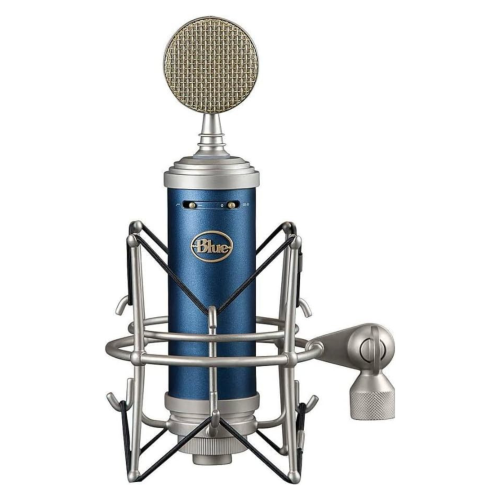
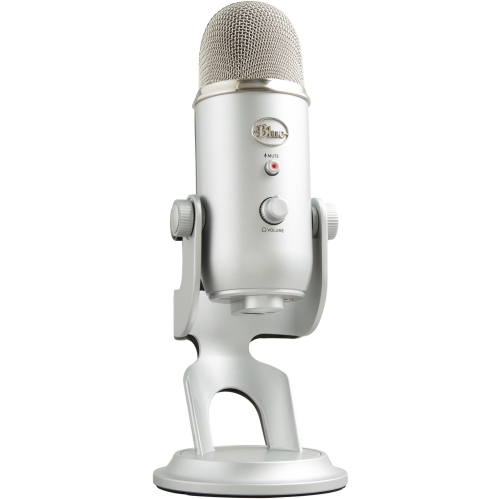
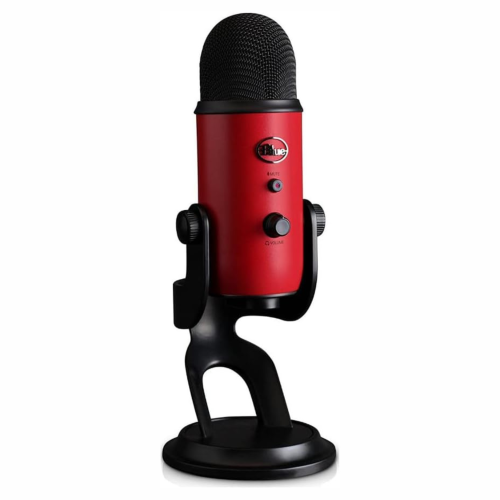
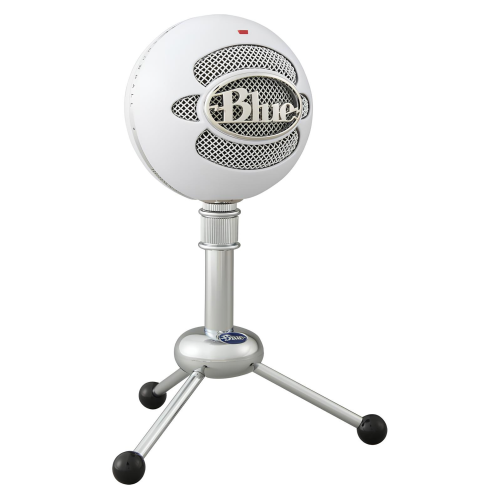
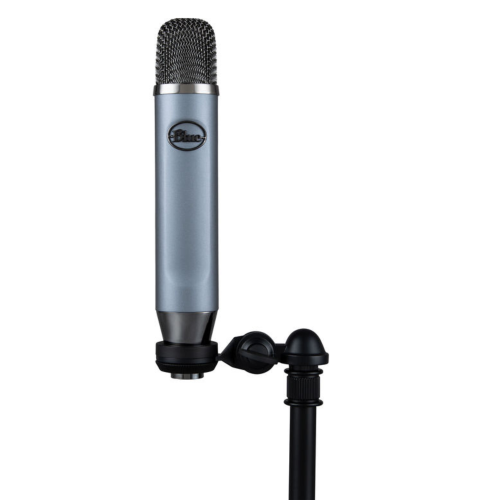
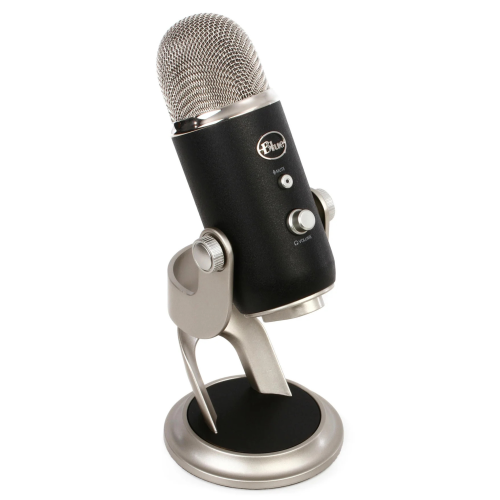
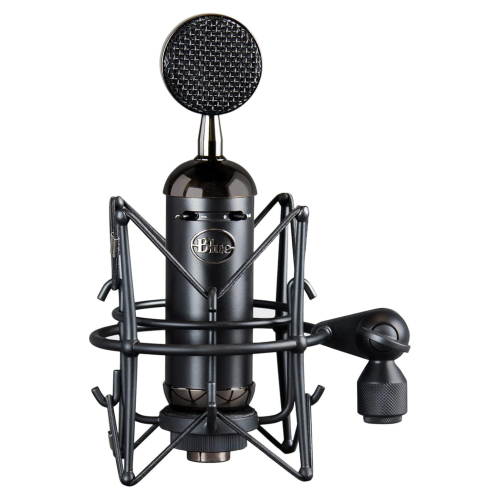
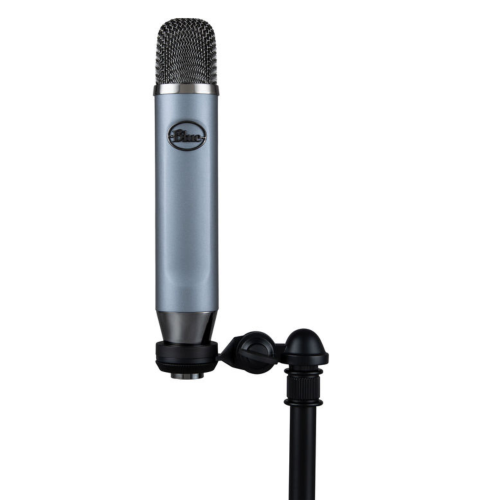
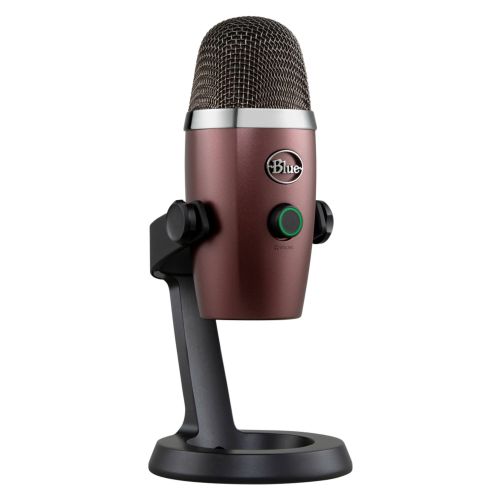
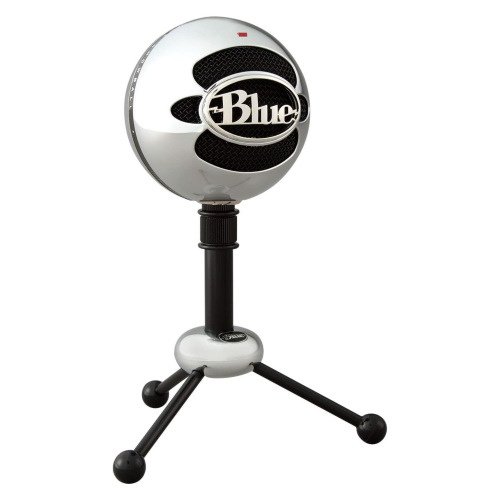
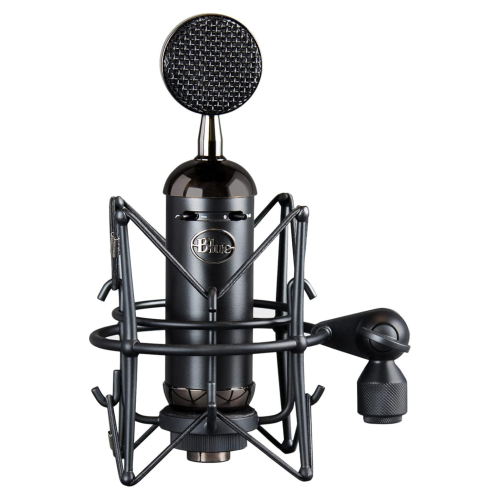
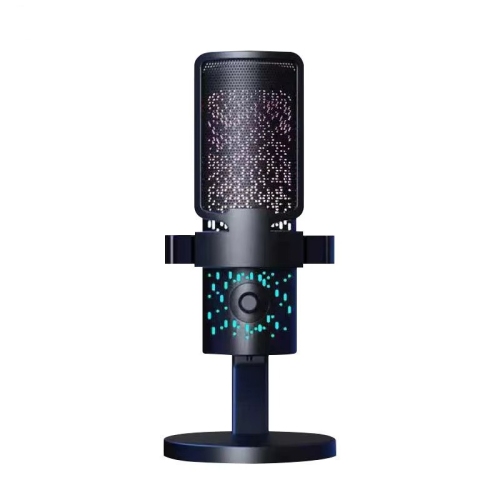
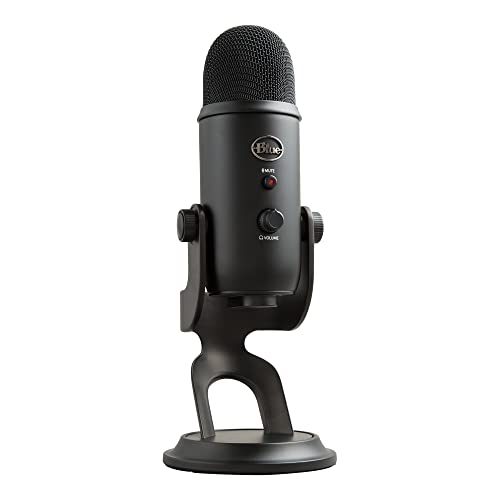
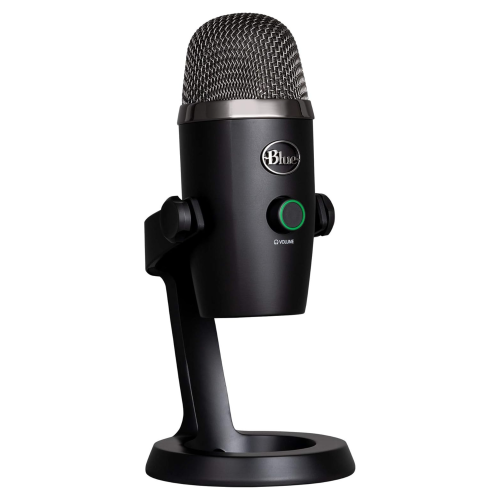
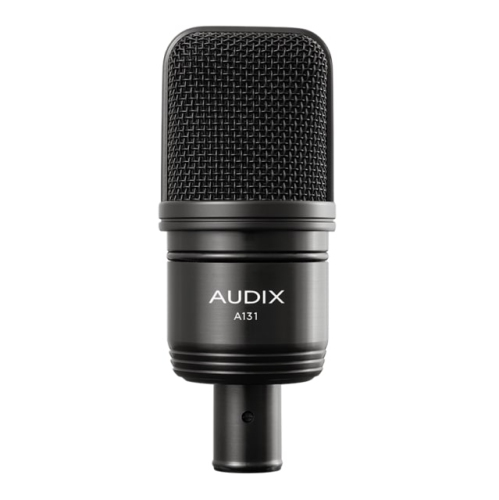

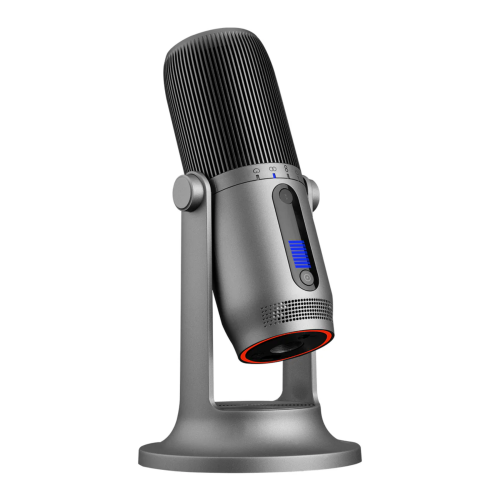
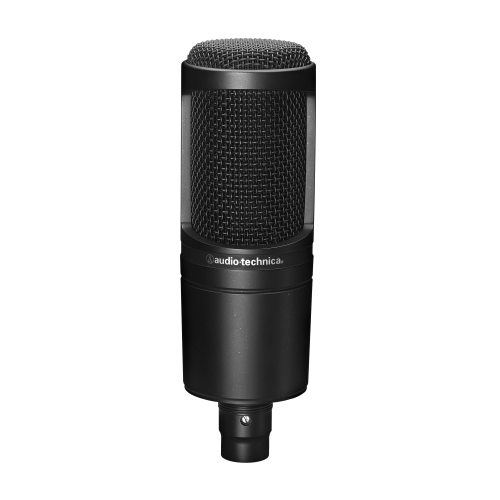
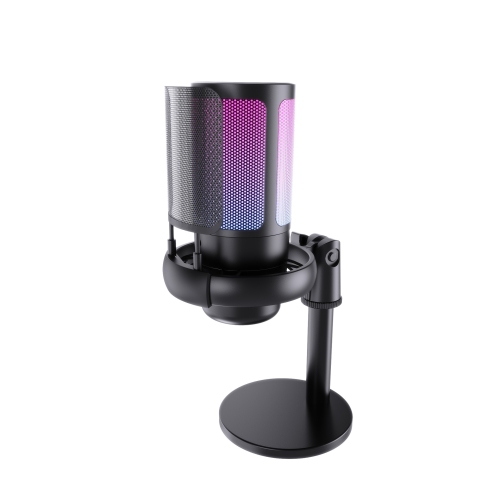
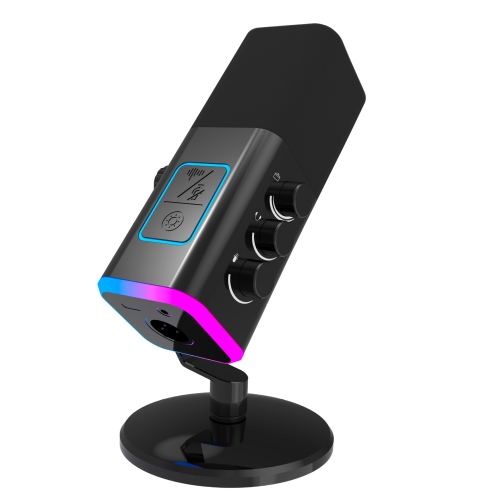

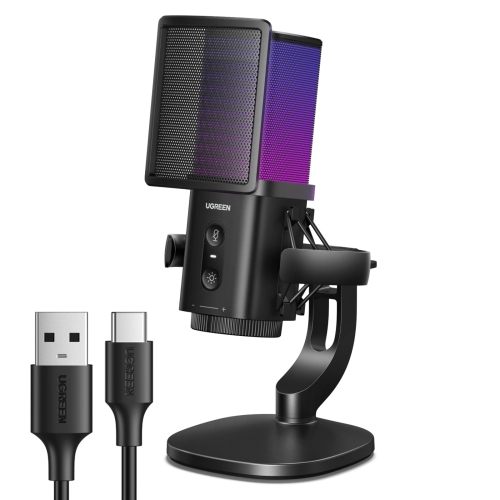
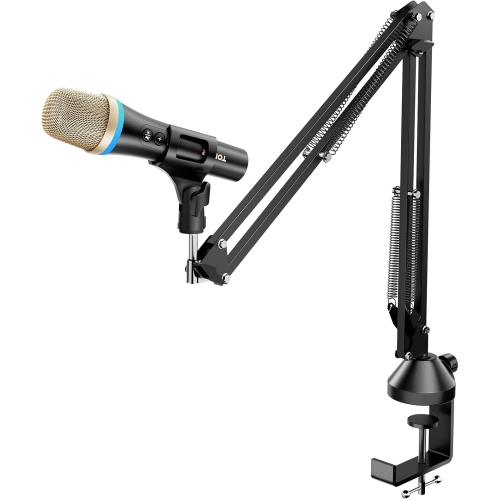
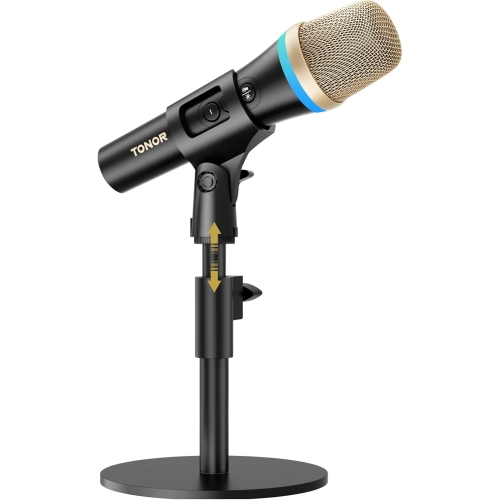
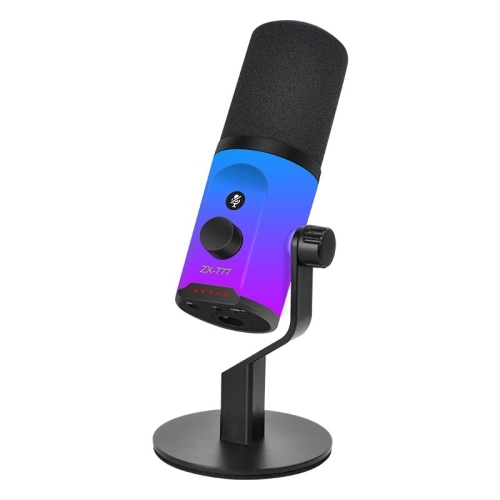
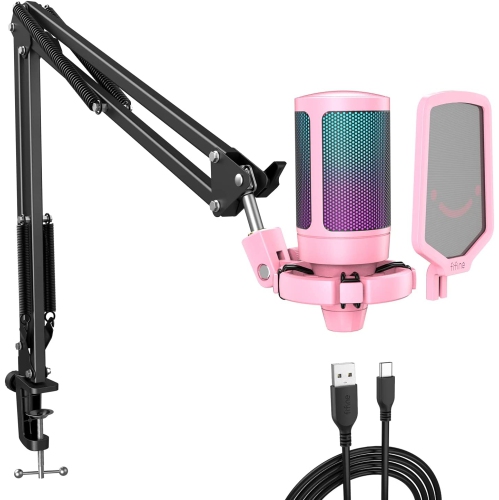
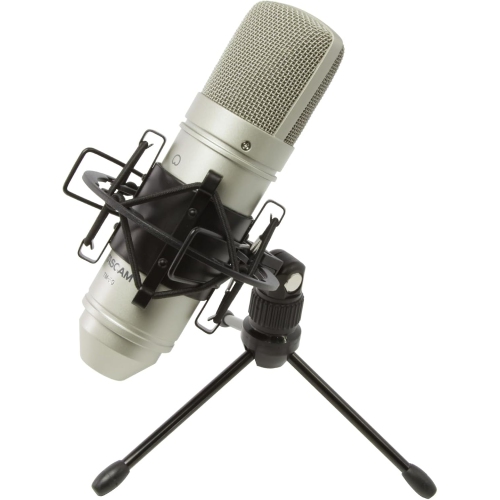
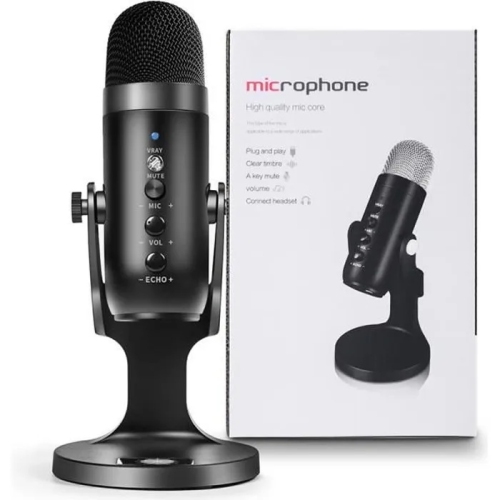


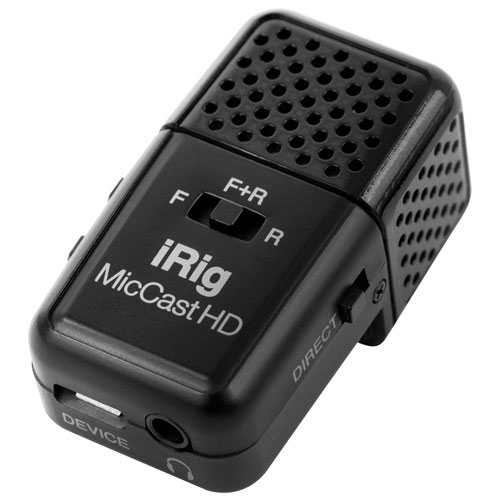
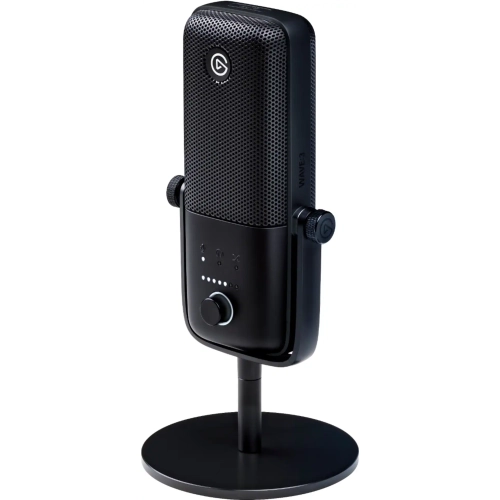
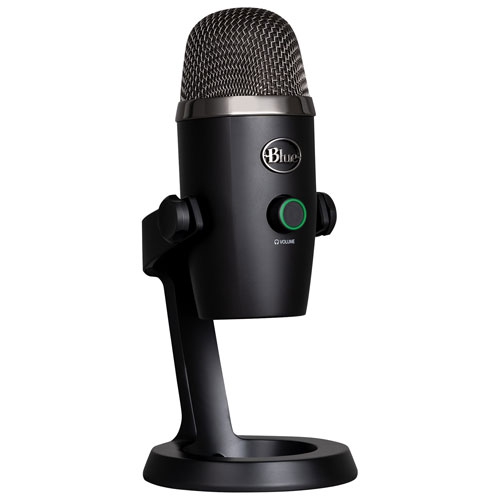

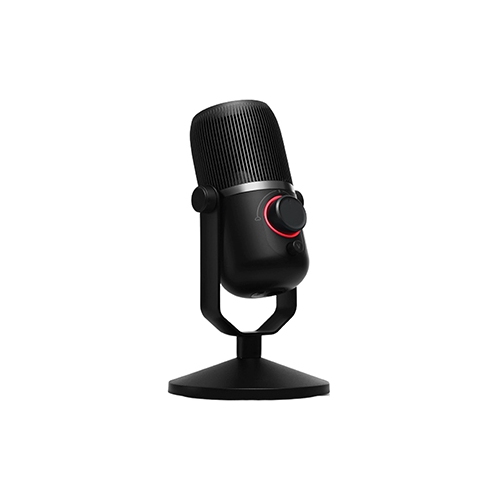
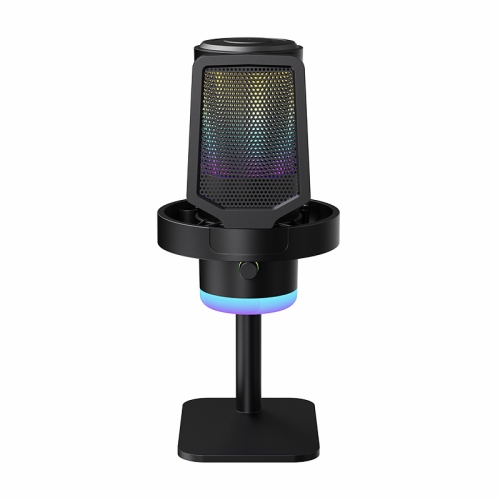
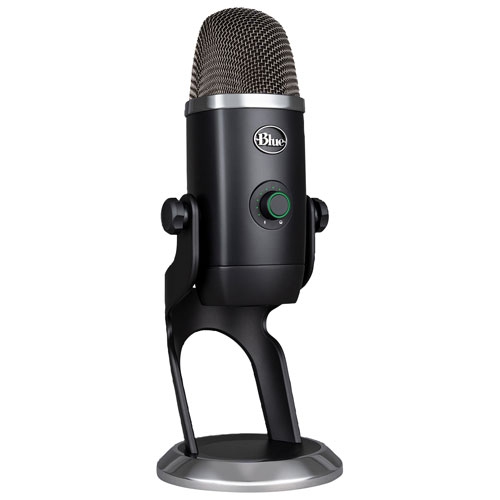
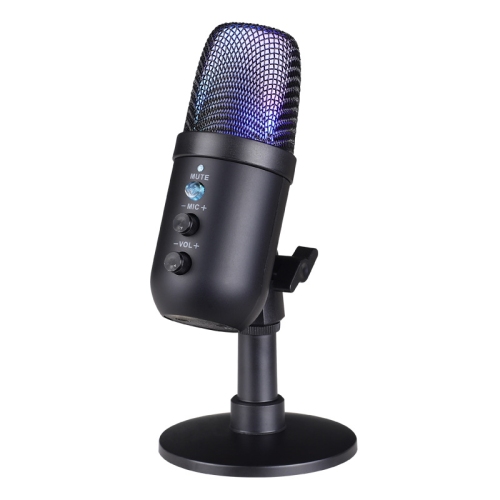
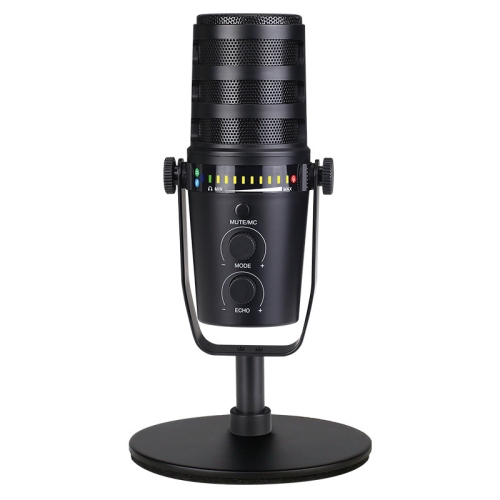
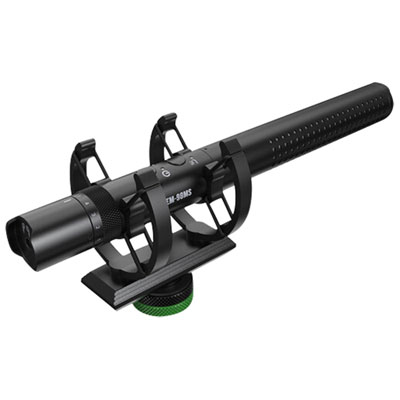


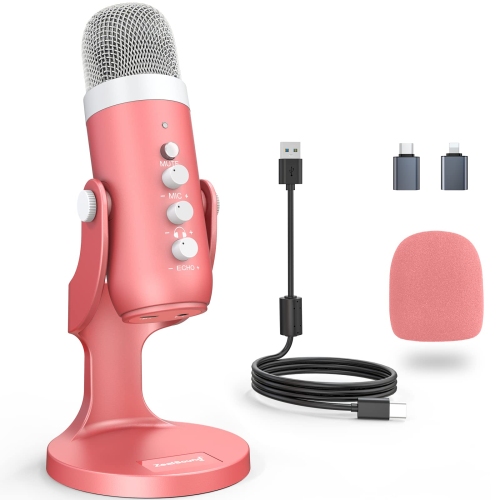
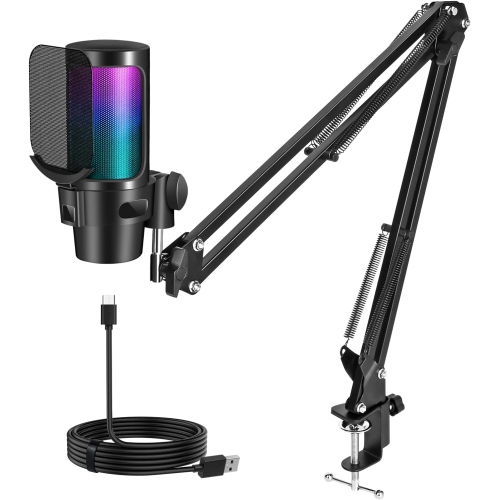
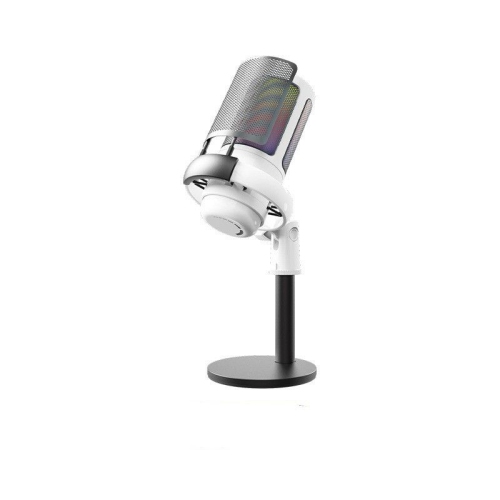
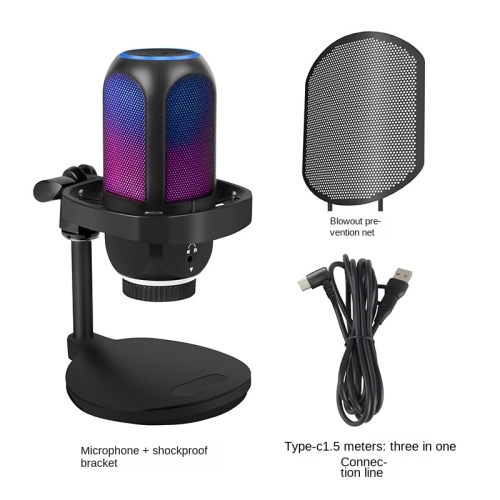
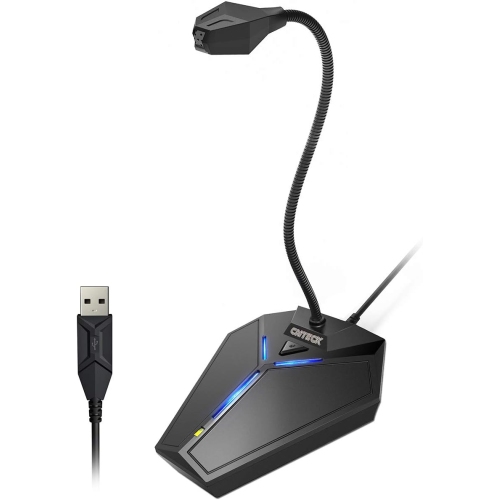
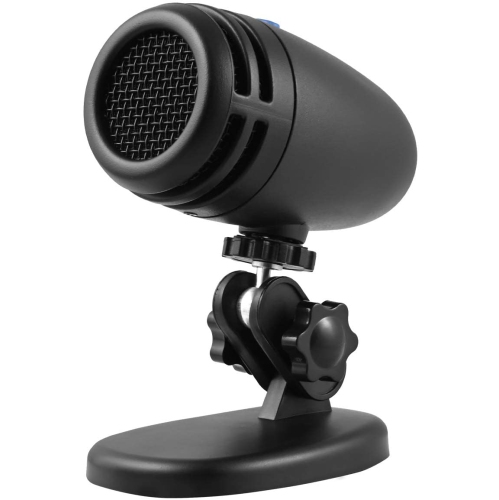
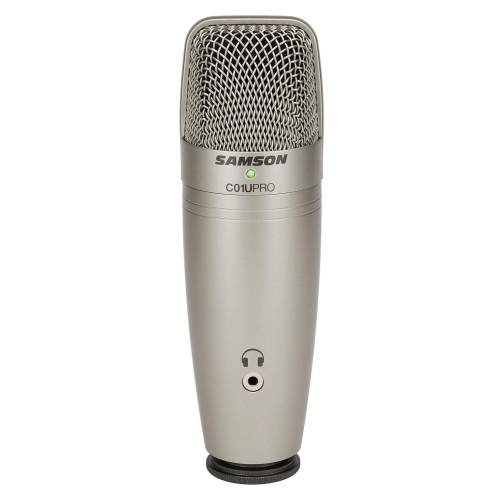
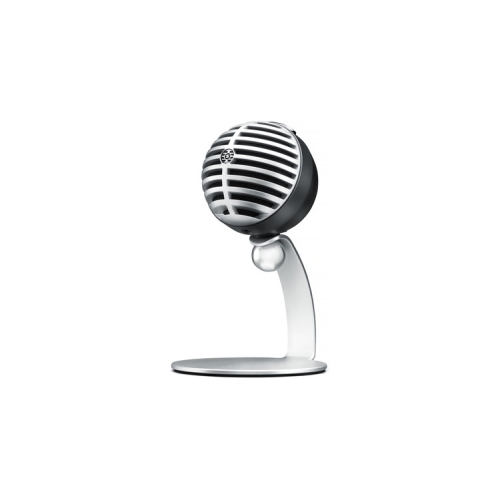
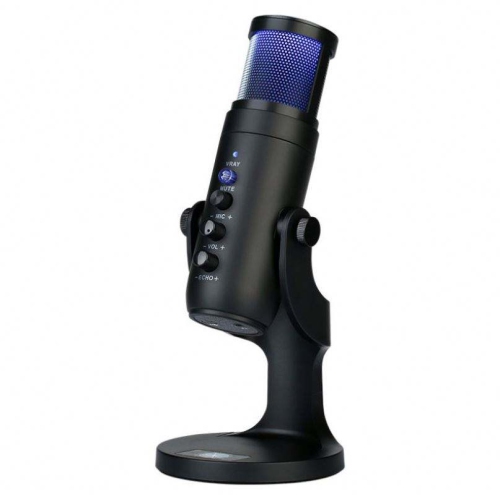
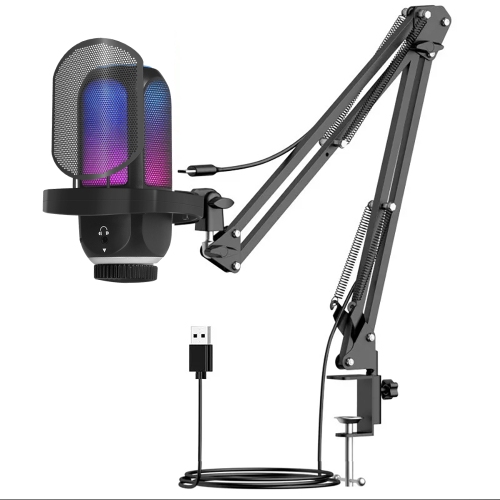
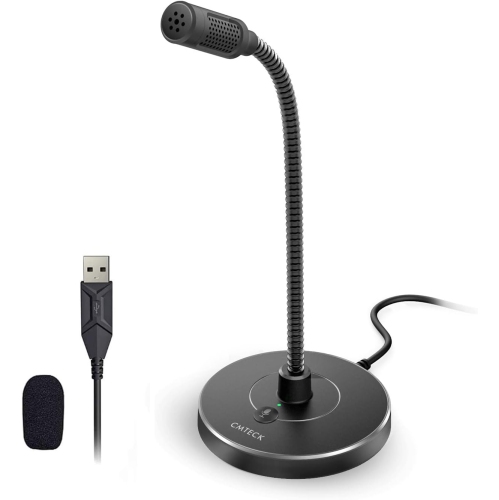
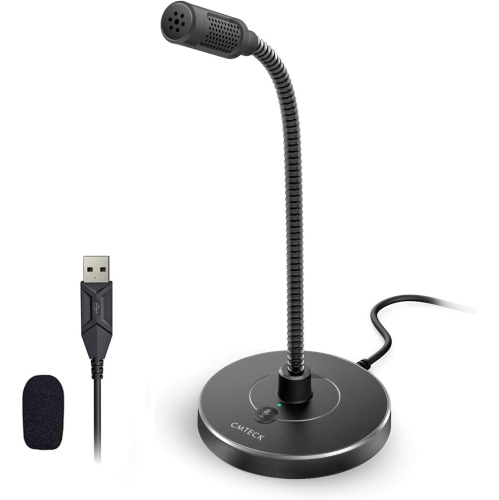
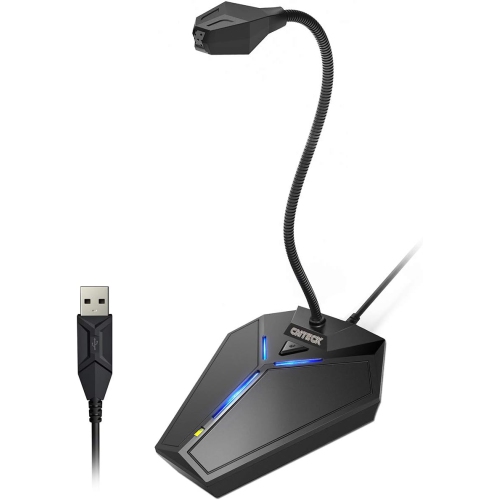
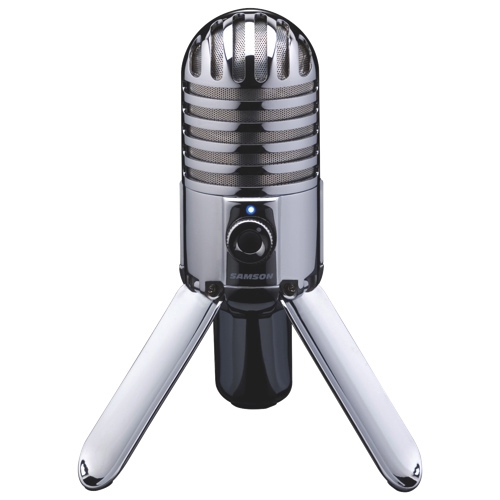
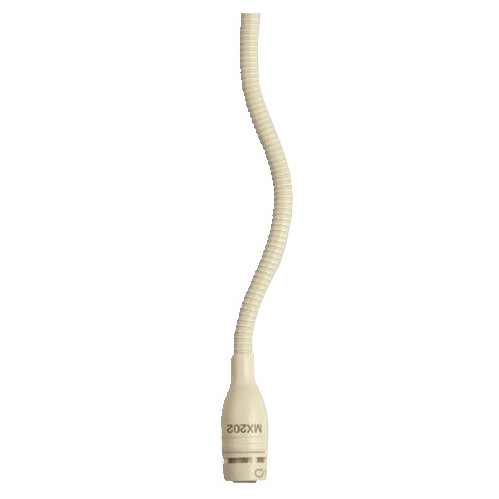
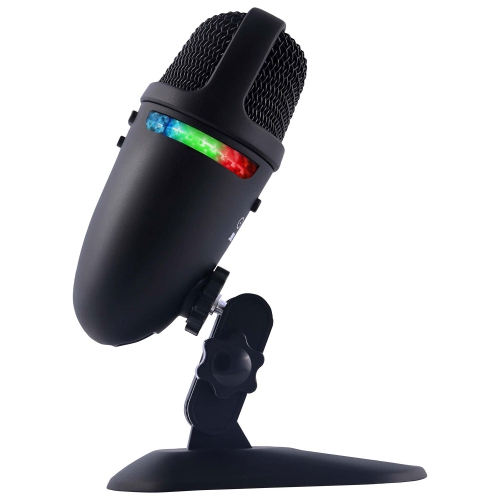
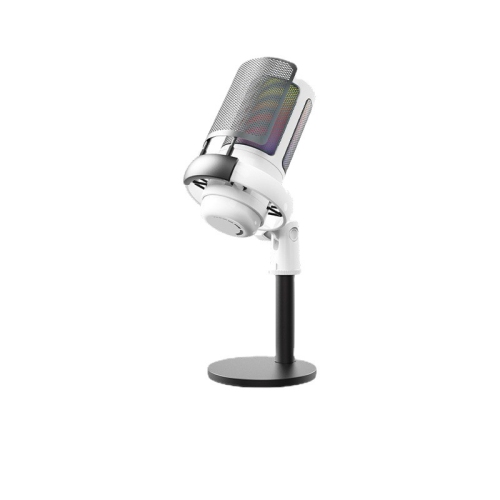
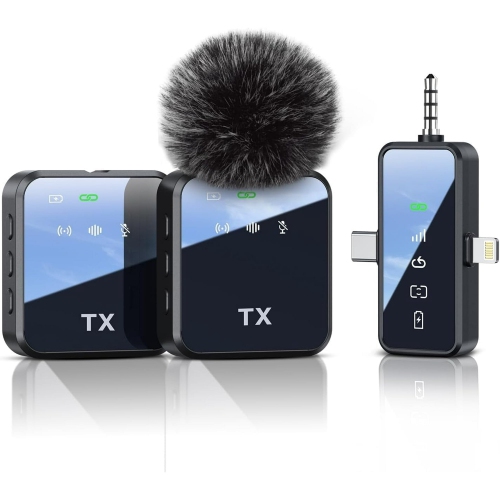
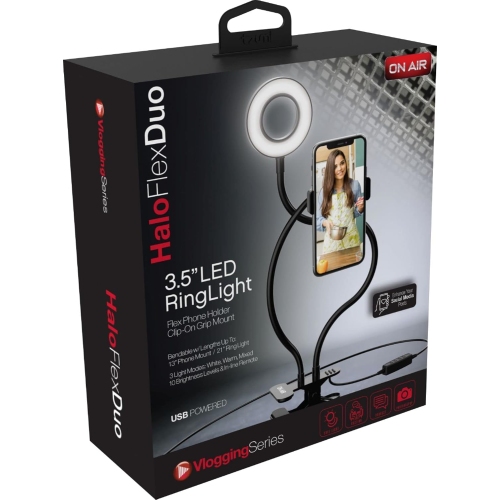
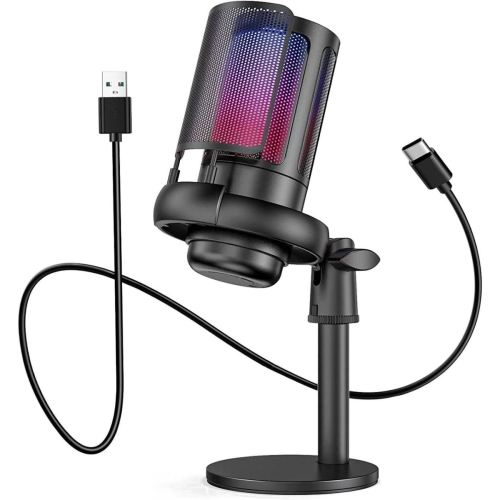
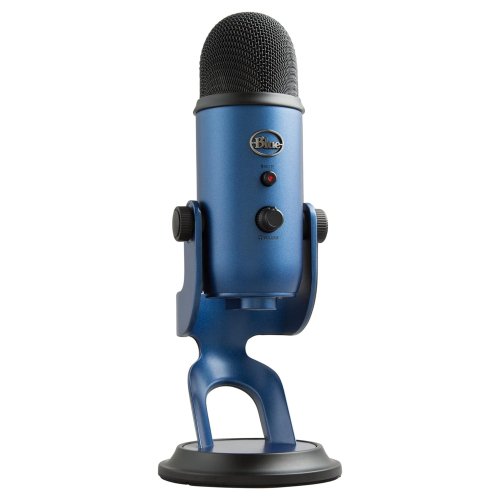
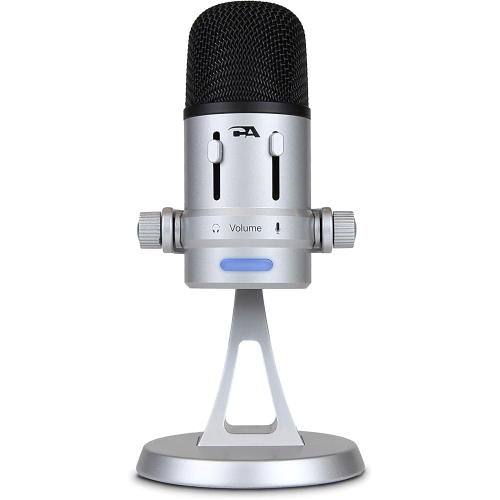
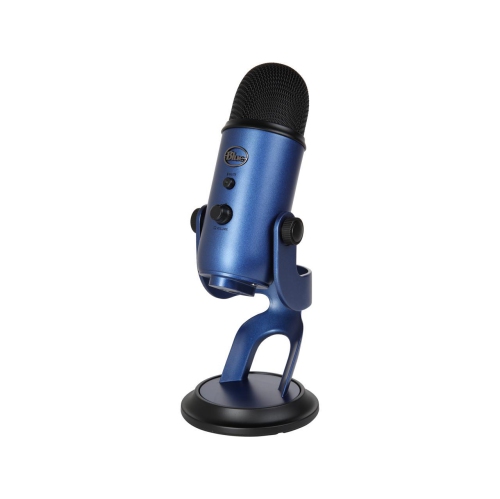
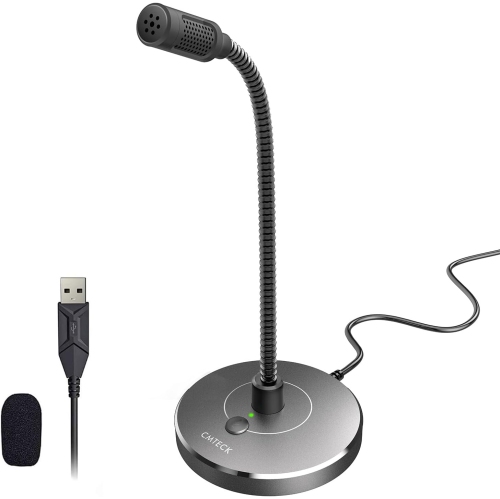
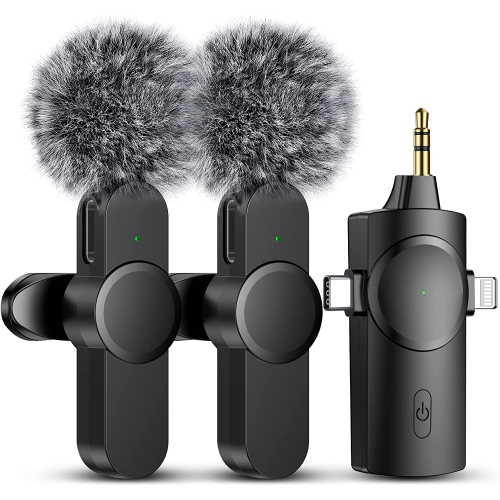
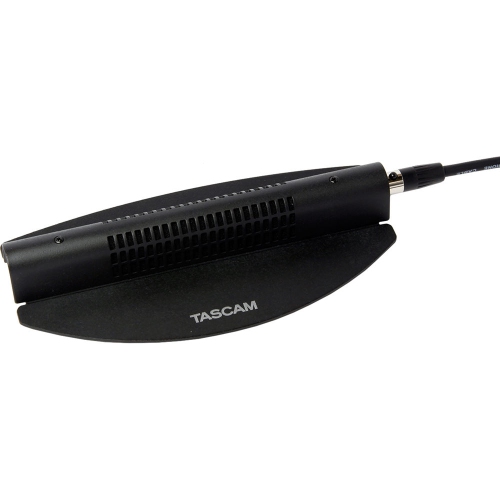
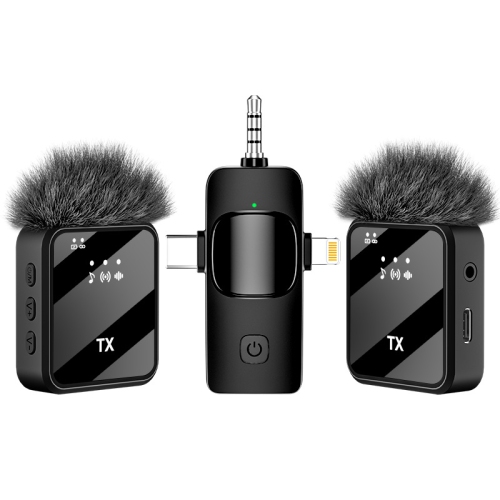
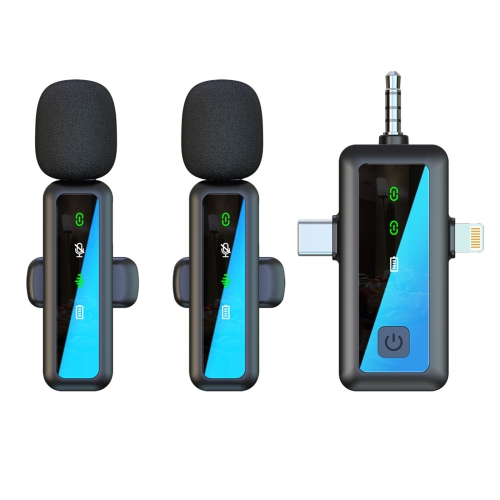
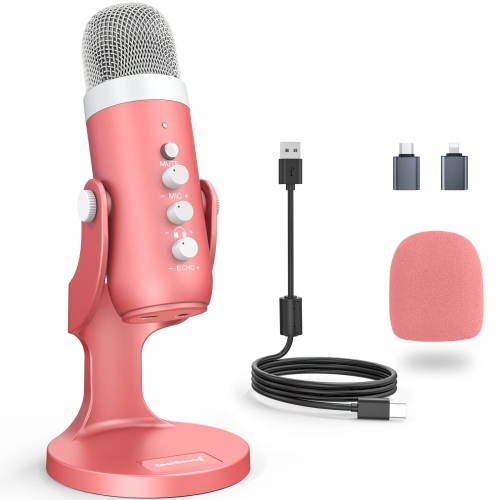
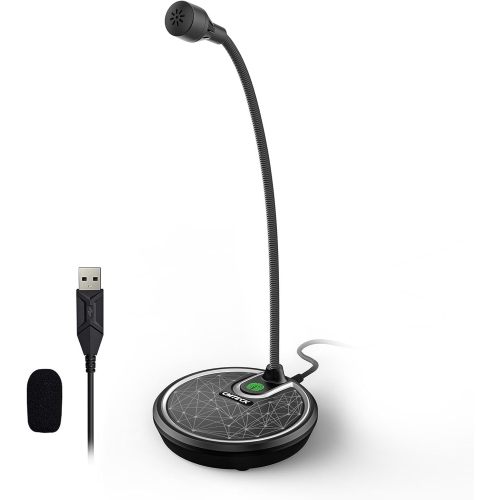
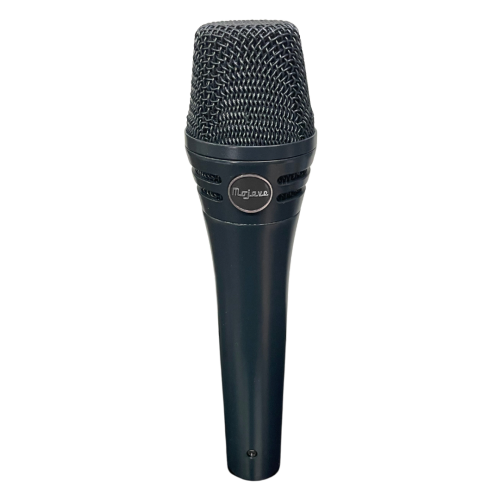
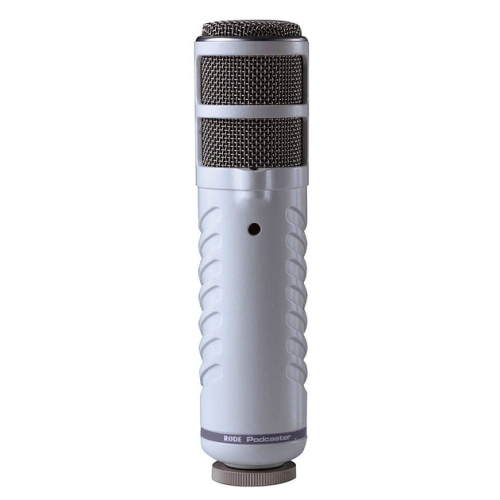
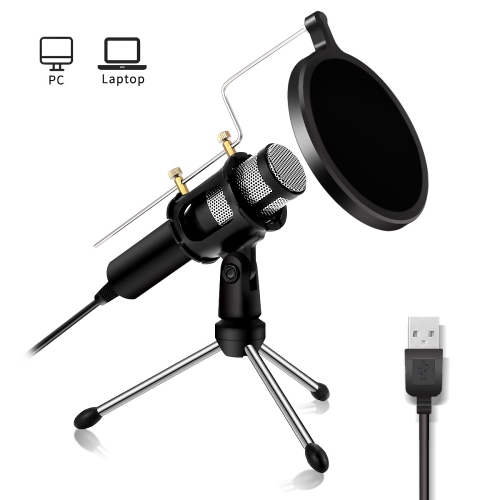
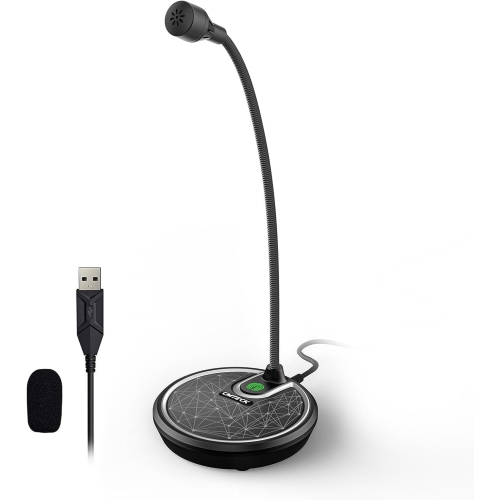
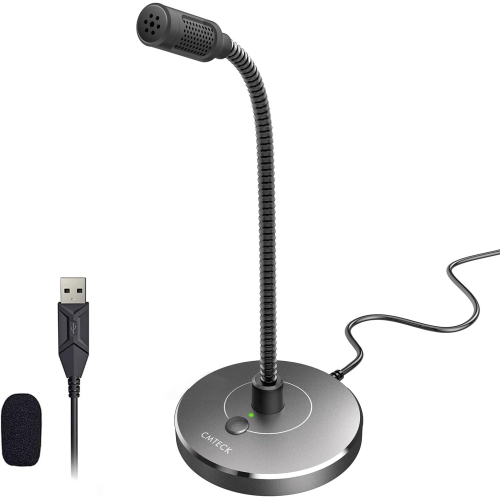
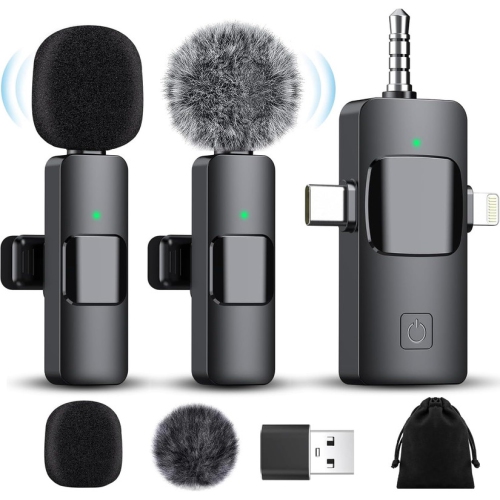
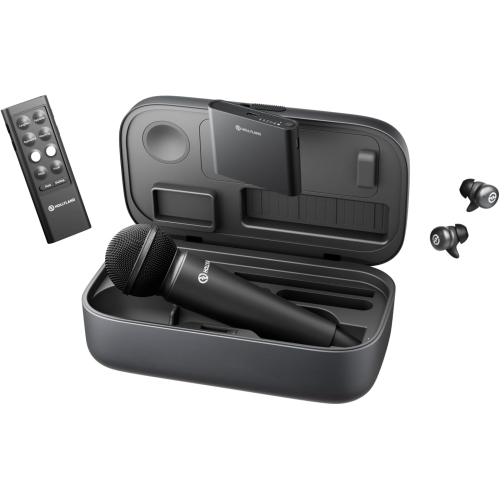
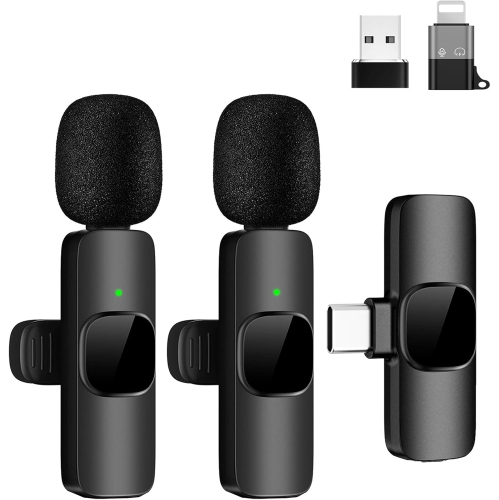
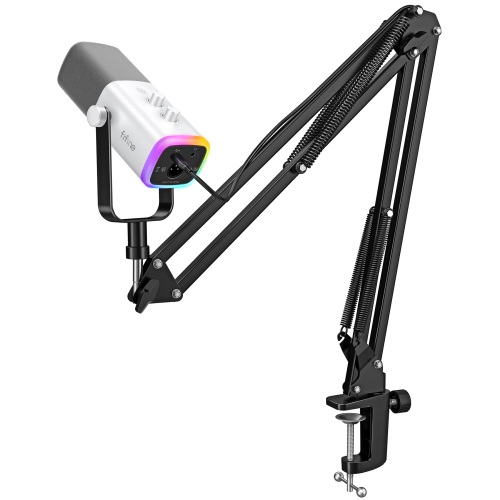
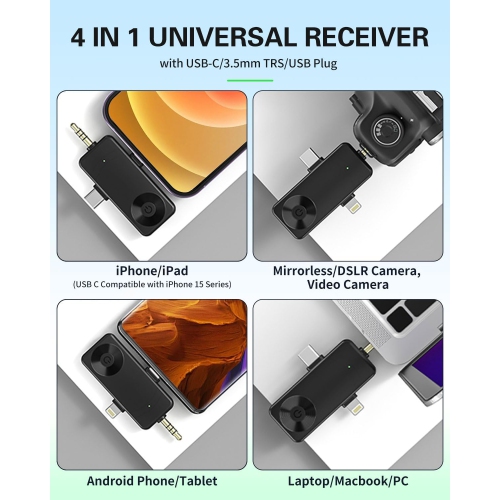

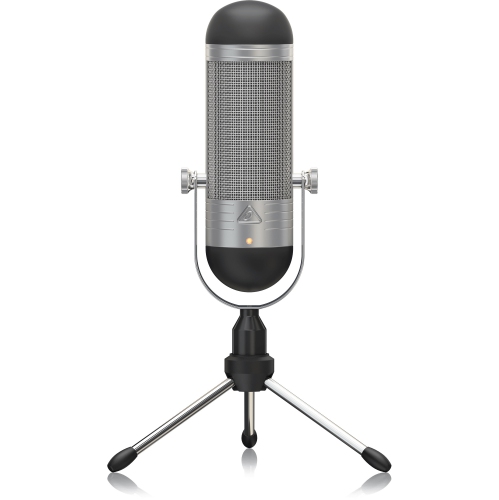
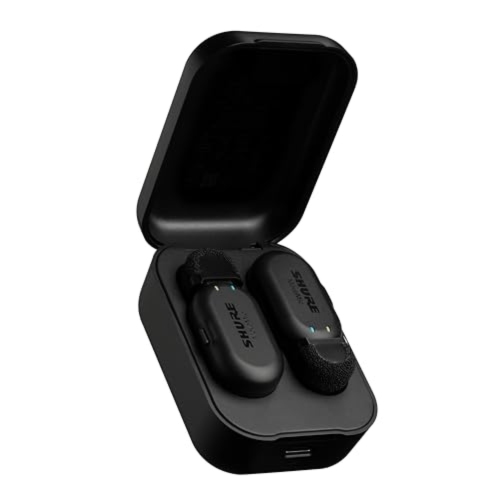
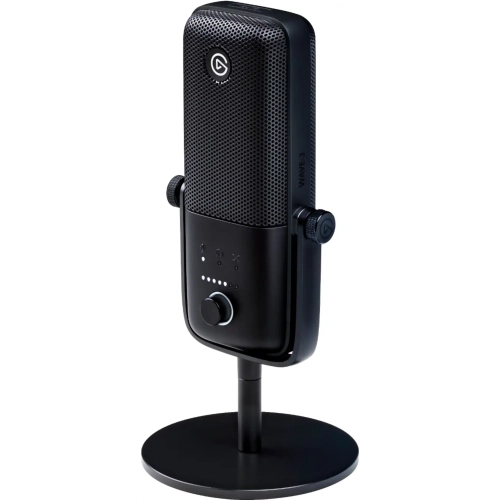
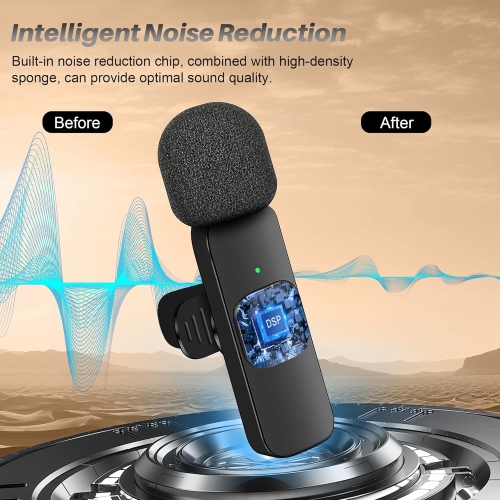

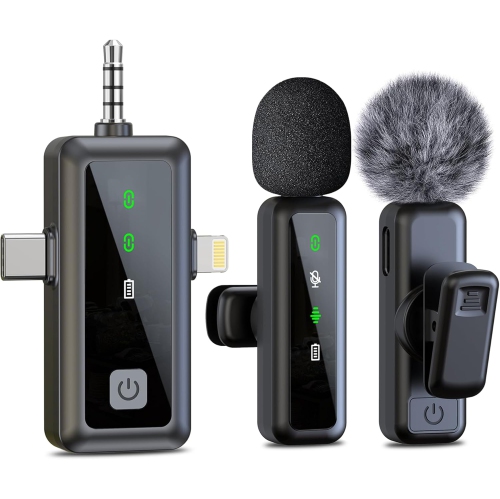
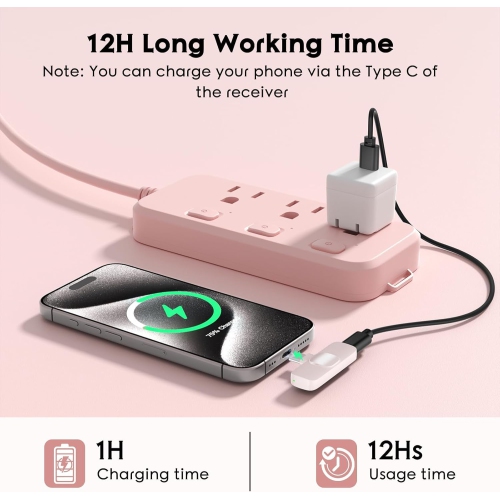
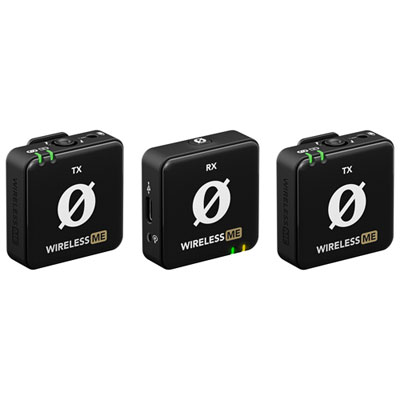
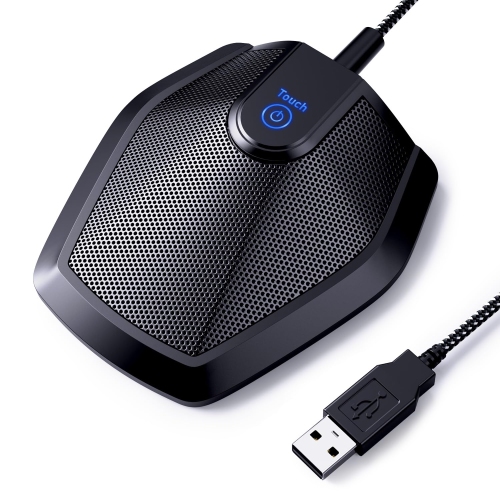
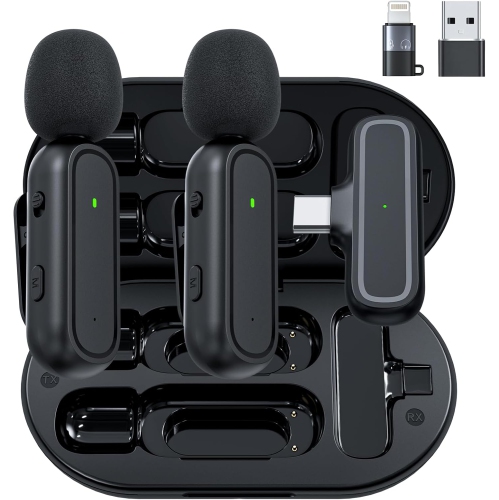
Clear recordings depend on more than the microphone
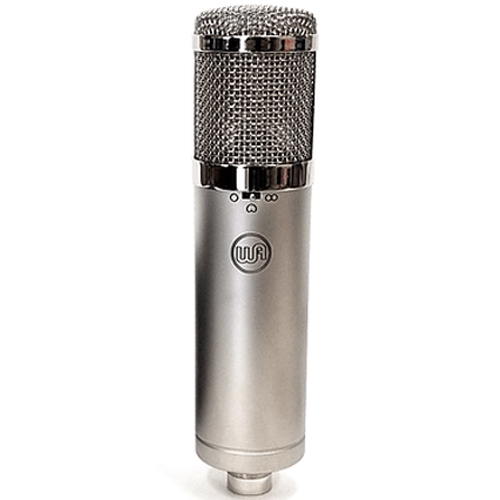
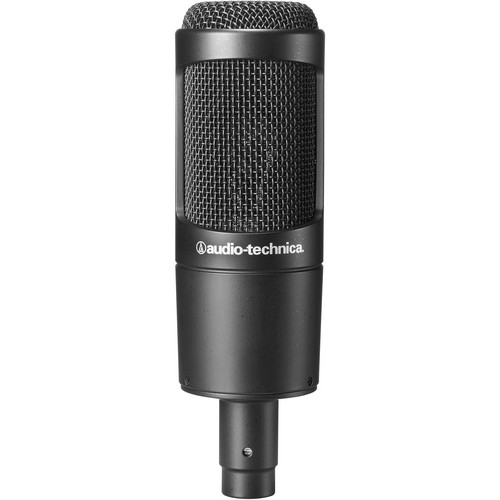
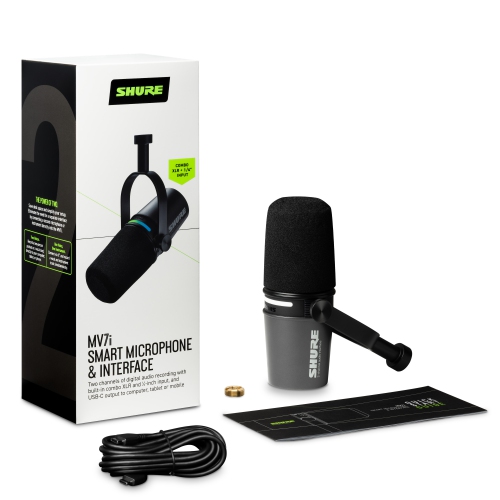
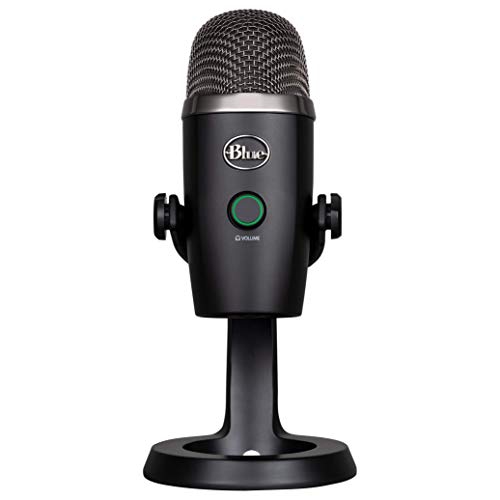
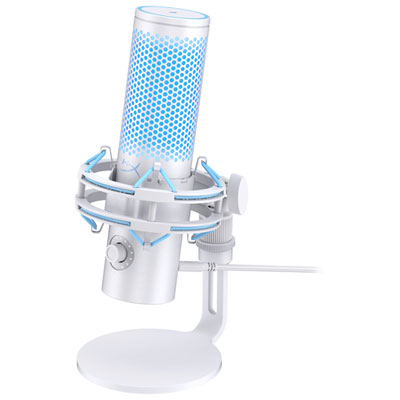
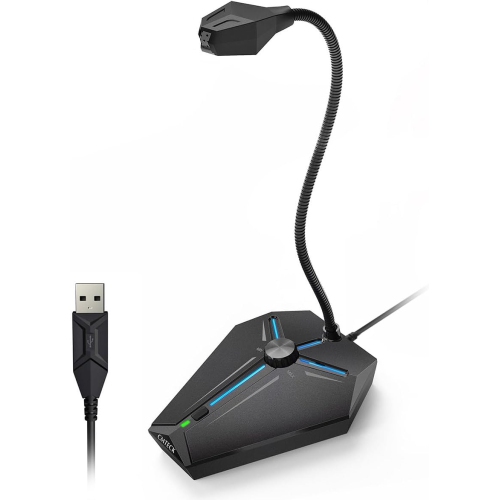
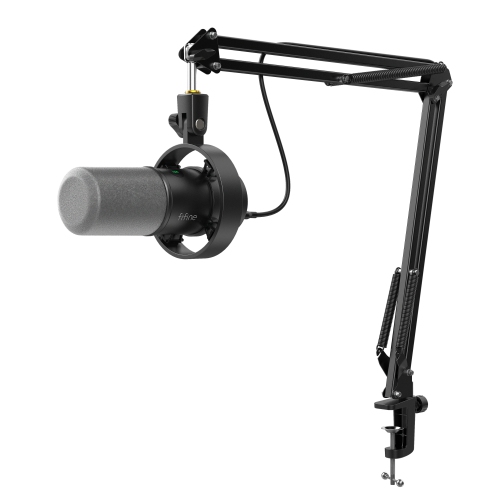
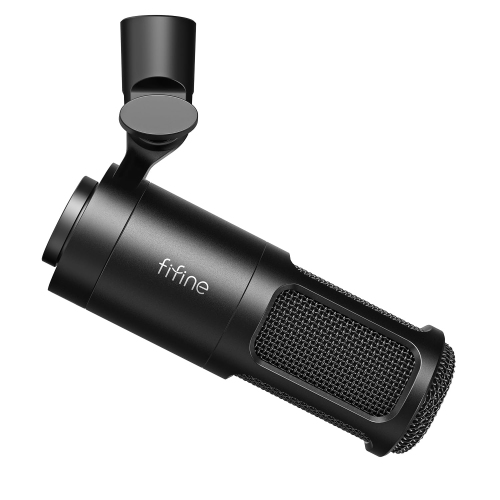
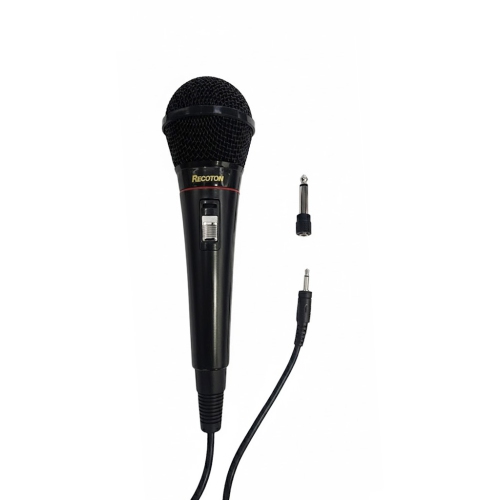
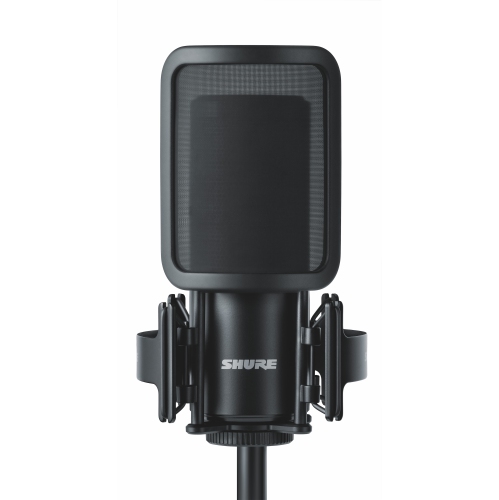
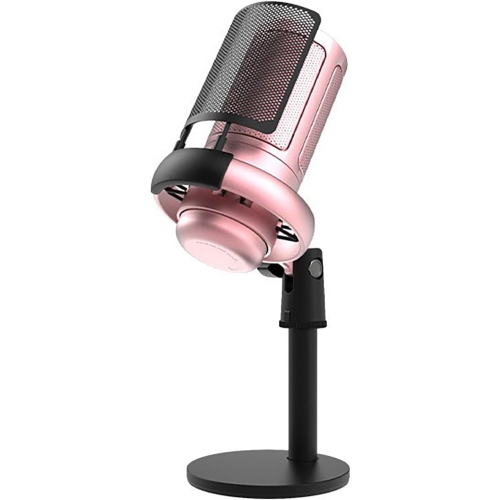
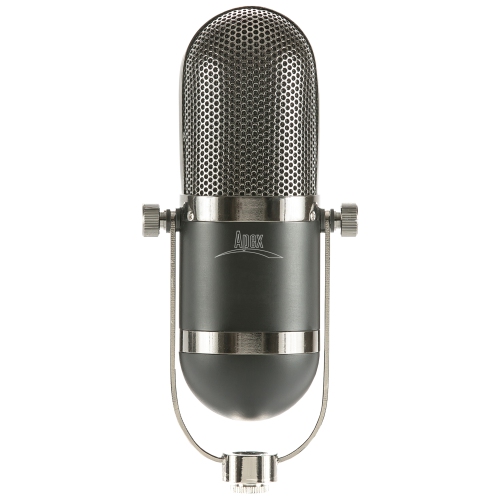
Good microphones for recording capture the details that make a performance feel present: the texture of a speaking voice, the crisp attack of an acoustic guitar, or the quiet breath before a sung phrase. The right match depends on the sound source, the room, and how the microphone connects to the recording setup. For vocals, podcasts, and voice-over work, clarity and controlled pickup are often more useful than an exaggerated bass response or a bright sound that makes every “s” stand out. Condenser microphones are commonly used for vocals and acoustic instruments because many capture fine detail and quick changes in sound. That sensitivity can also reveal room reflections, keyboard taps, and traffic outside a window, making placement and the recording space important parts of the result. Dynamic microphones are often practical for close speech, guitar amplifiers, and energetic performances. Their appeal for desk recording comes partly from how comfortably many can be used close to the mouth, helping the voice stand out against sounds farther away. Neither type automatically removes background noise. Pickup pattern matters too: a cardioid microphone is most sensitive to sound from the front and generally less sensitive from the rear, while an omnidirectional microphone captures sound from every direction. A figure-eight pattern captures the front and back while reducing pickup at the sides, which can suit certain duet or instrument arrangements. For sessions centred on the human voice, Studio Microphones for Vocal Recording provide a focused starting point for singers, narrators, and voice-over performers. A vocalist moving between delicate verses and powerful choruses may value generous headroom, while a narrator may prefer a smooth response that stays comfortable across a long passage. For instruments, the microphone’s maximum sound pressure level and frequency response help indicate whether it suits a loud drum, a resonant cello, or the shimmer of a cymbal. A good recording microphone supports the character of the source rather than making every voice or instrument sound the same.
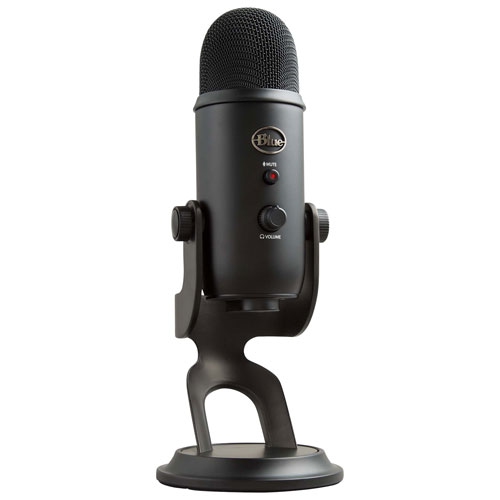
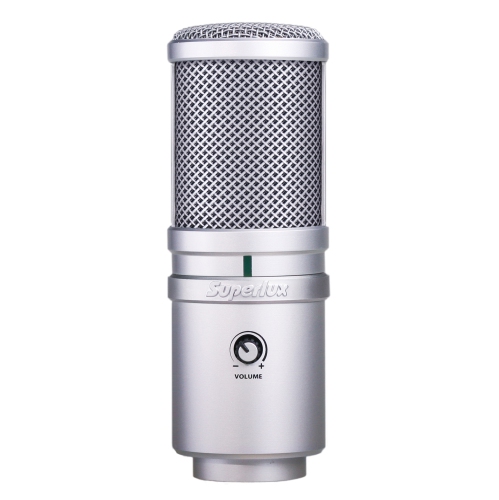
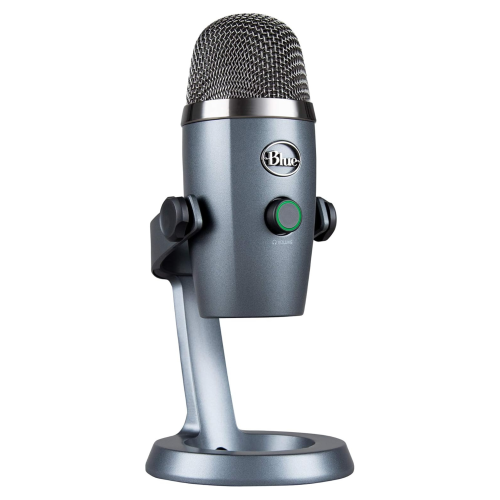
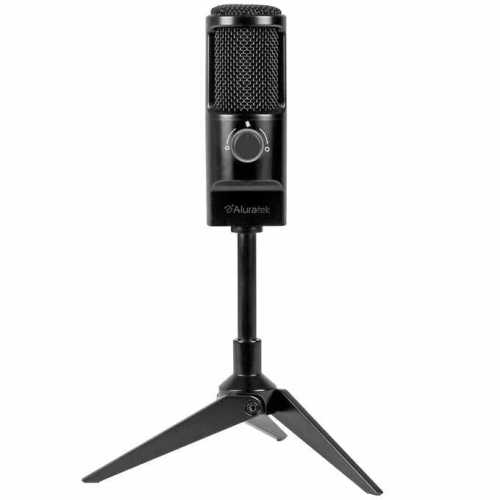
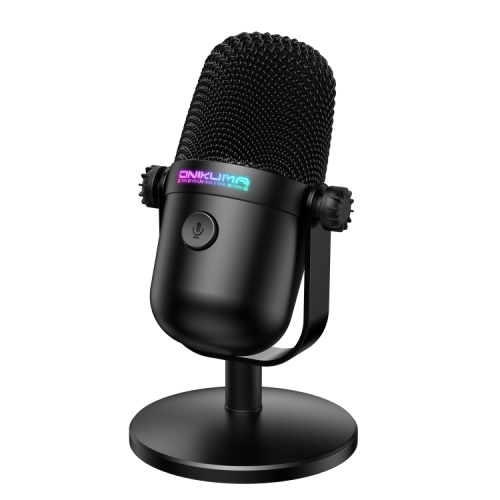
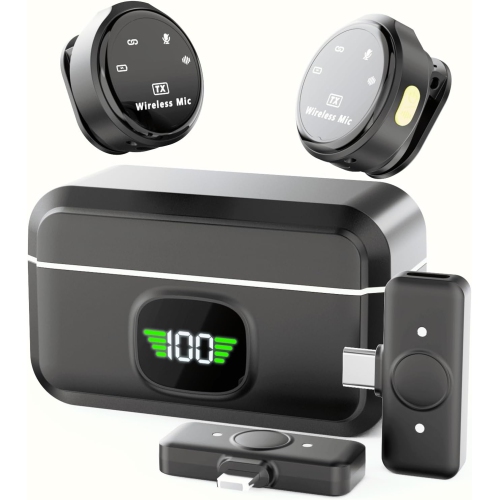
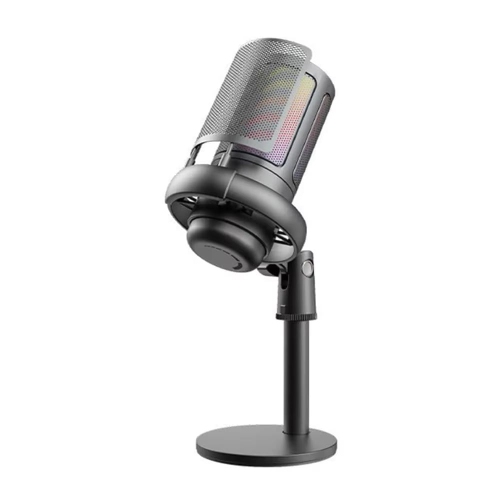
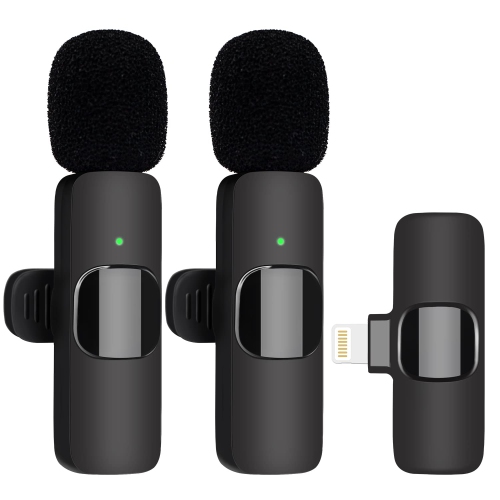
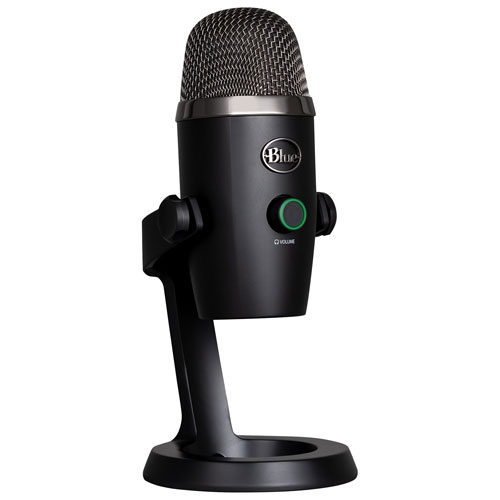
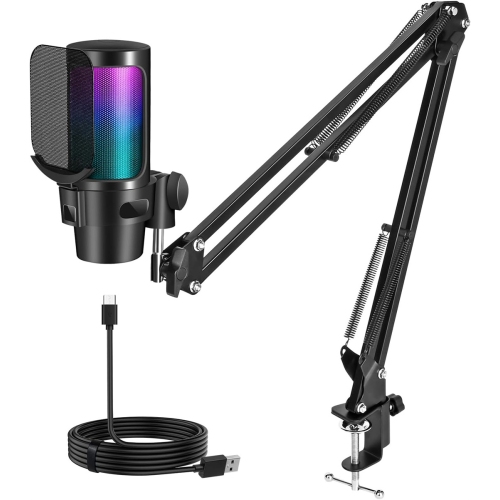
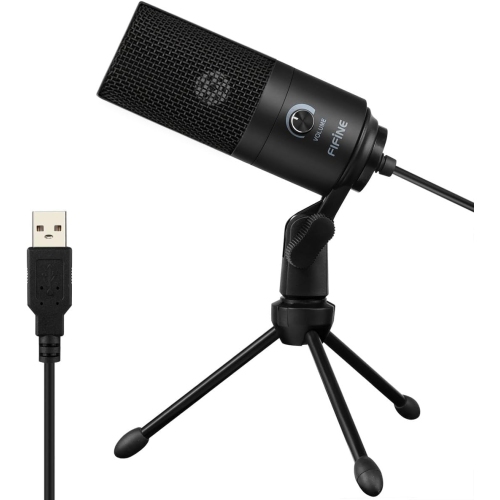
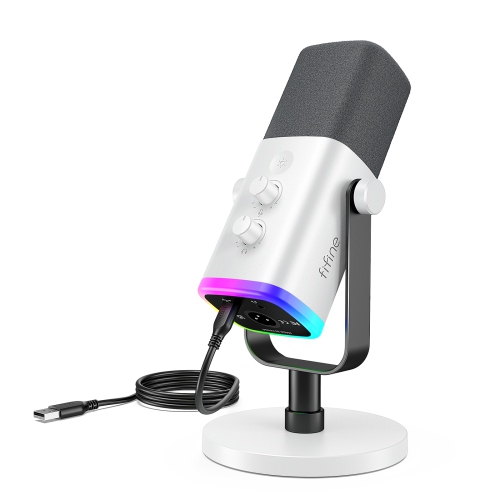
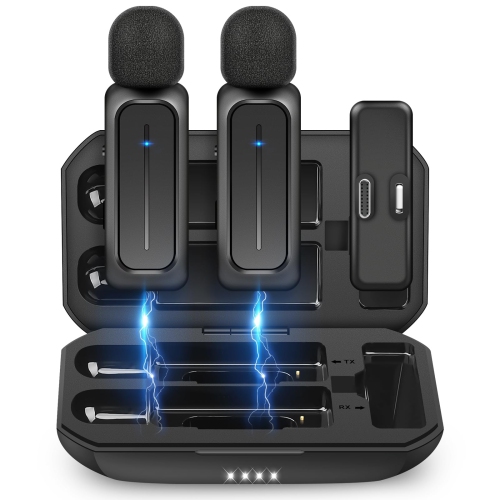
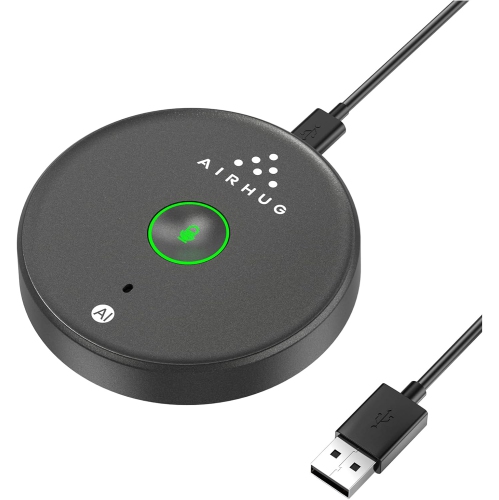
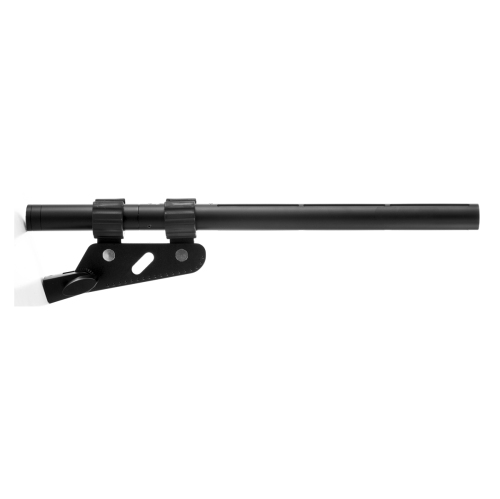
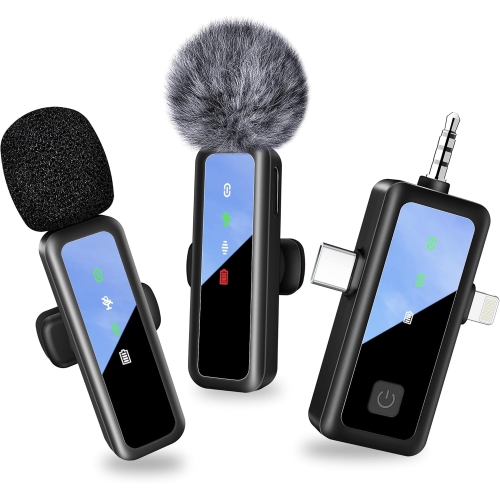
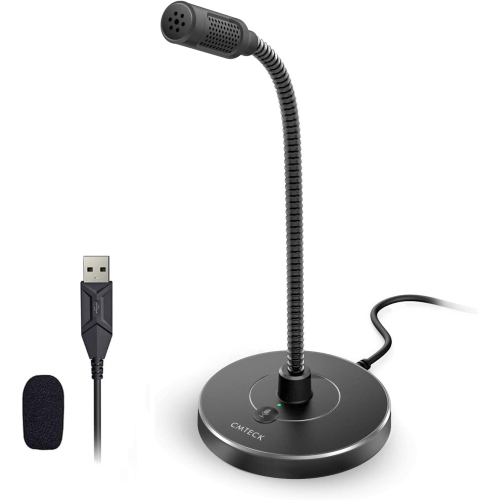
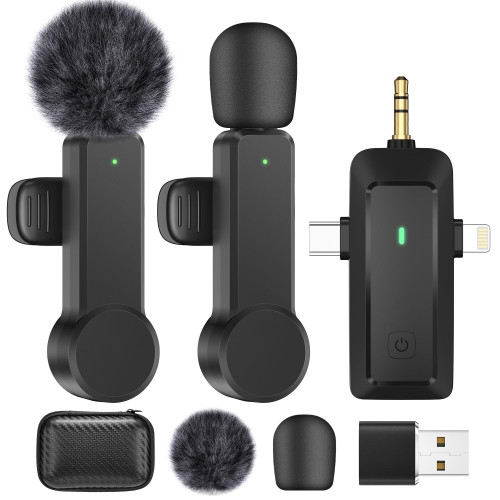
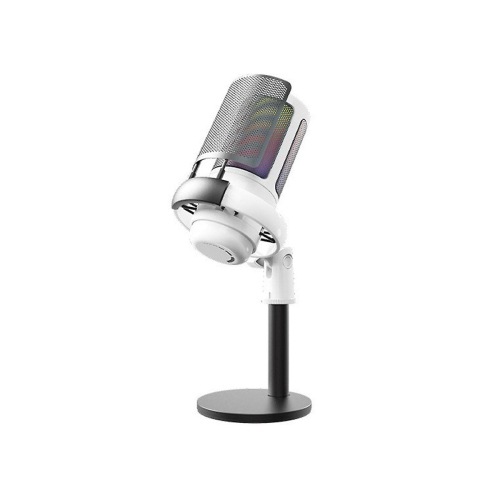
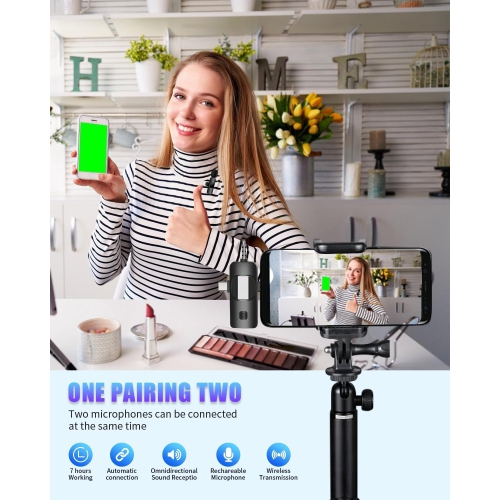
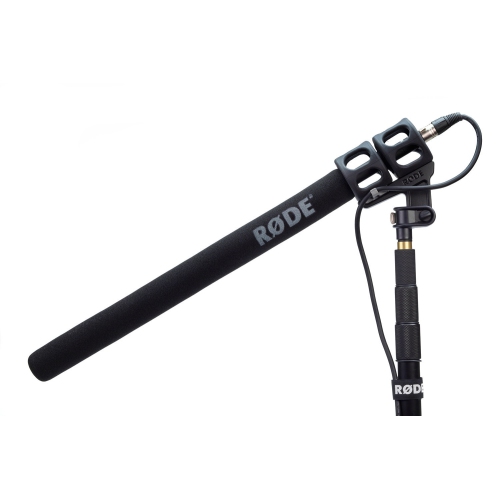
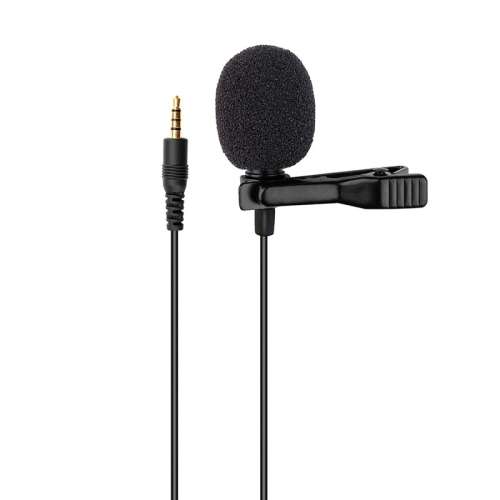
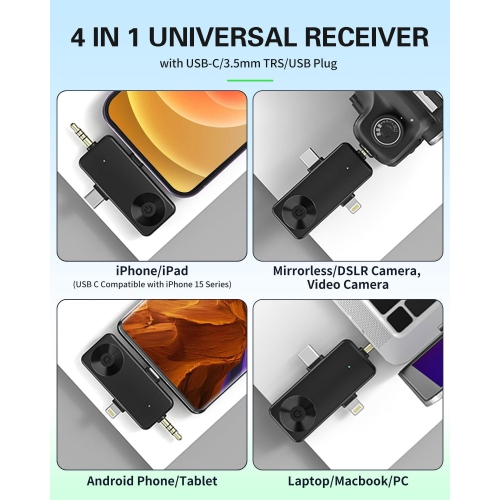
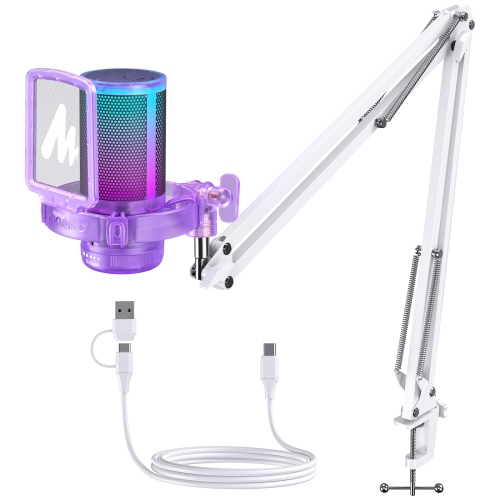
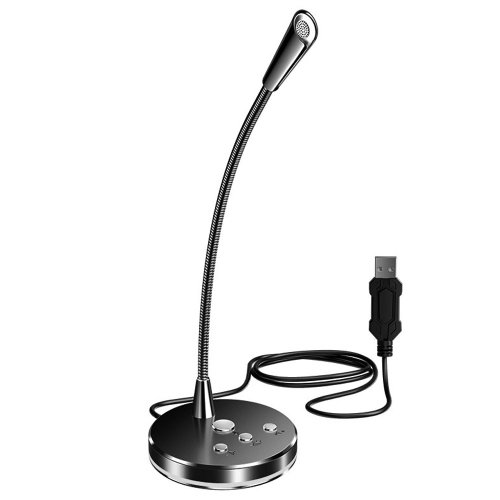
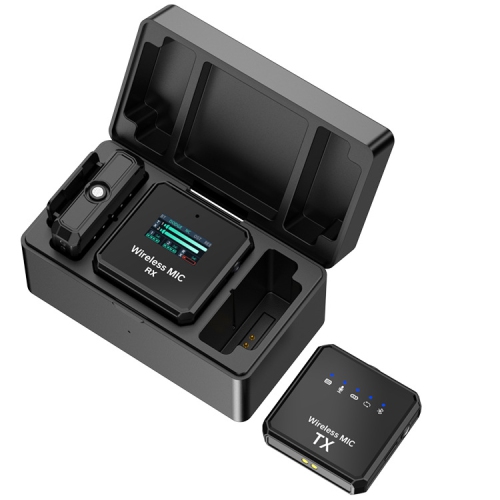
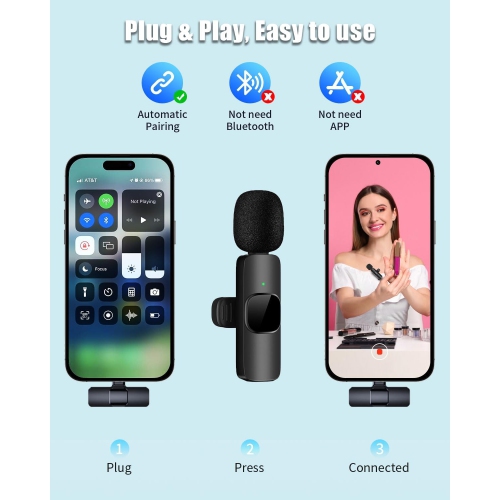
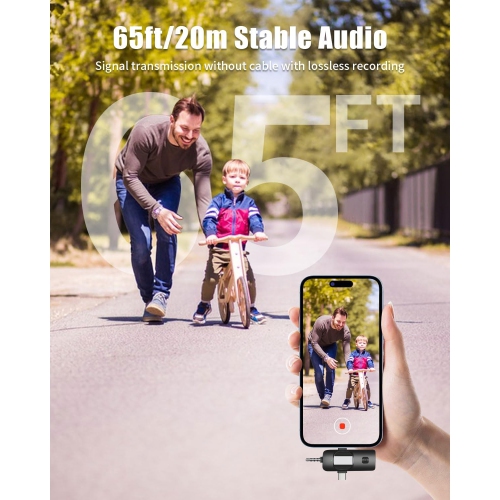
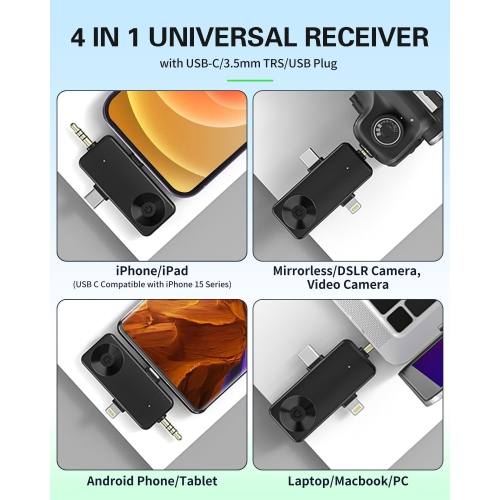
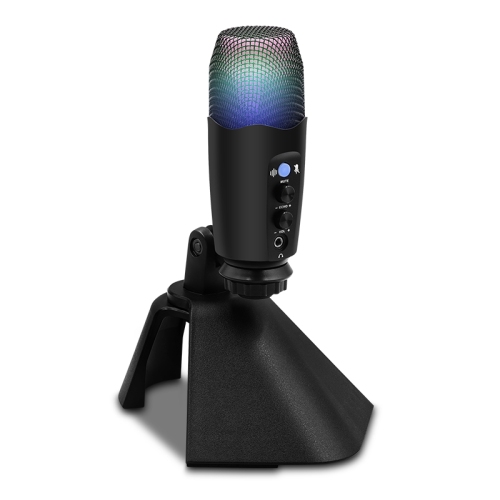
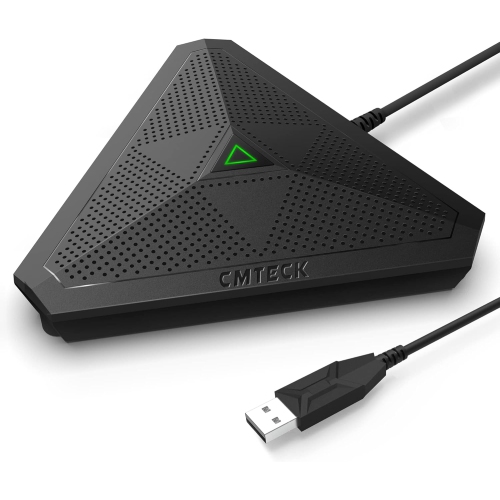
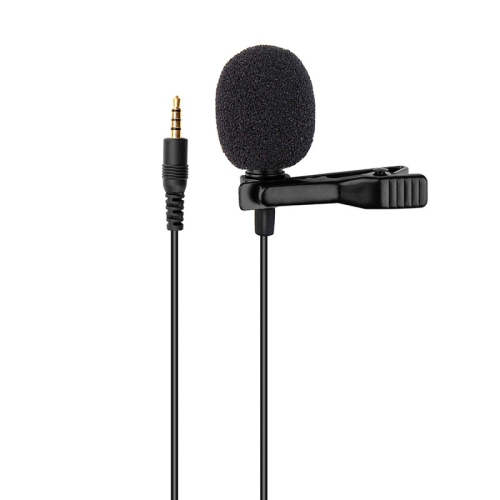
Connections shape how a microphone fits into everyday recording. USB microphones typically combine the microphone capsule, preamp, and digital conversion in one housing, making them convenient for a computer-based setup with fewer separate components. They can suit solo podcasts, remote interviews, narration, and music sketches, provided the microphone is compatible with the device and recording software. A headphone socket with direct monitoring lets the performer hear the microphone signal without the distracting delay that can occur when audio travels through software and back. XLR microphones connect through an audio interface, recorder, or mixer with suitable microphone inputs. This arrangement offers flexibility when recording several people or instruments and allows the microphone and interface to be changed independently. Most XLR condenser microphones require phantom power, commonly 48 V, while passive dynamic microphones generally do not; individual power requirements still matter, particularly with ribbon designs. Recording two podcast hosts into separate tracks requires enough inputs and an appropriate software setup, not simply two microphones placed on a table. Mobile video and on-location interviews bring different needs. A compact lavalier keeps the microphone near the speaker’s mouth as the camera moves, while a directional microphone mounted above or just outside the frame can capture dialogue without appearing on screen. Wireless connections offer freedom of movement, but receiver compatibility, battery life, operating range, and possible interference remain part of the setup. Connector shape alone does not confirm compatibility with a phone or camera, since adapters, power requirements, and input support vary. For music and spoken-word projects alike, useful features include an accessible gain control, clear level indicators, and a mute control that is easy to identify by touch. Digital specifications such as sample rate and bit depth describe part of the recording system, but they do not replace a well-positioned microphone or a quiet room. A clean signal with enough headroom to avoid clipping gives editing software a stronger foundation than a recording pushed too close to its maximum level.
Physical construction and fit can make just as much difference during repeated sessions as the microphone’s sound. A metal body and sturdy grille can help withstand everyday handling, while secure connectors and reliable stand threads reduce frustration when setting up and packing away. Weight deserves attention: a substantial microphone needs a stand or boom arm rated to support it, especially when extended over a desk. A shock mount can reduce vibrations travelling through a stand from footsteps or desk movement, and a pop filter helps soften the bursts of air produced by “p” and “b” sounds. Foam windscreens can help with light air movement and some breath noise, though outdoor recording may require more substantial wind protection. Placement is equally practical. A speaker recording at a kitchen table may get a clearer result by moving closer to the microphone and keeping reflective surfaces farther away, rather than increasing the input gain from across the room. A singer can use a pop filter as a consistent distance marker, while an acoustic guitarist may find a more balanced sound with the microphone aimed near the neck joint instead of directly into the sound hole. Rooms with curtains, upholstered furniture, and other soft surfaces often produce fewer obvious reflections than bare, hard-walled spaces, although these furnishings do not soundproof a room. Care is usually straightforward: keep microphones dry, avoid touching the capsule, wipe exterior surfaces according to the manufacturer’s instructions, and store them in a protective pouch or case when not in use. Cables should be loosely coiled rather than sharply bent at the connectors. For students building a portfolio, musicians sharing original songs, or creators producing regular episodes, a microphone that is comfortable to position and simple to use can encourage more consistent recording. As a gift, the most useful match is one that fits the recipient’s existing computer, interface, camera, or recorder, with any required mounting hardware and connections accounted for. Thoughtful compatibility and dependable construction help a recording microphone remain useful as projects become more ambitious.
Top selling and popular products
-
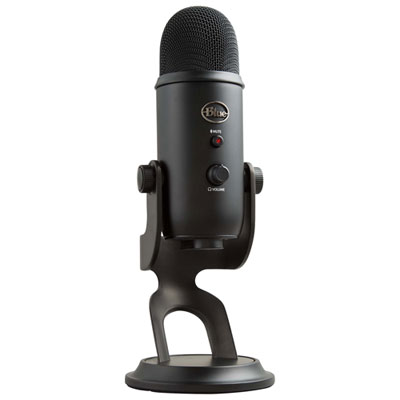 Your price for this item is $129.98
-
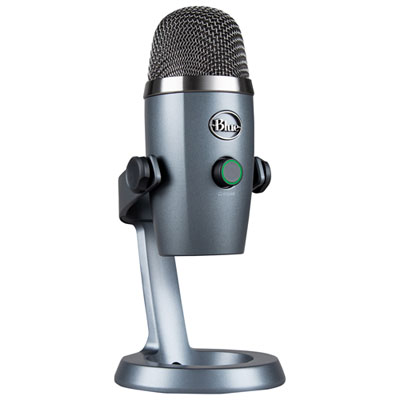 Your price for this item is $119.98
-
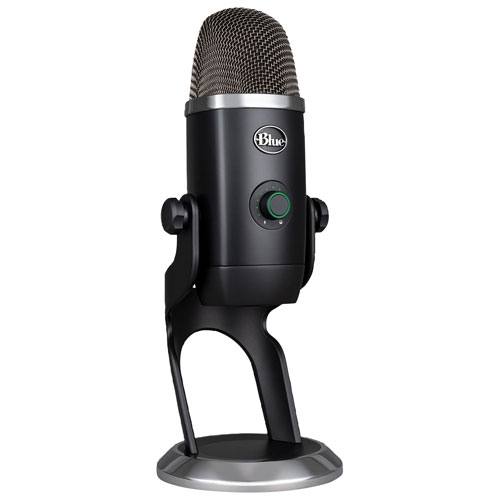 Your price for this item is $322.68
-
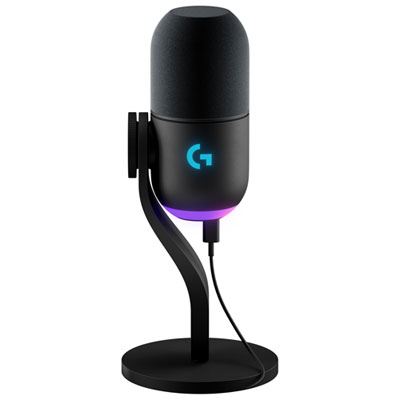 Your price for this item is $229.99
-
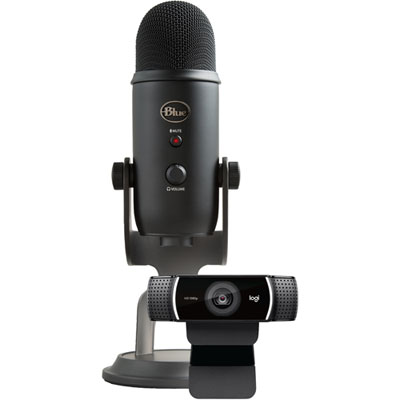 Your price for this item is $279.99
-
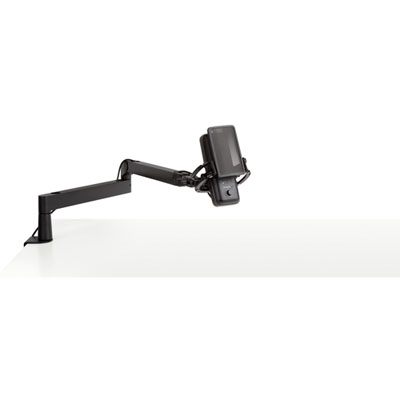 Your price for this item is $99.99
-
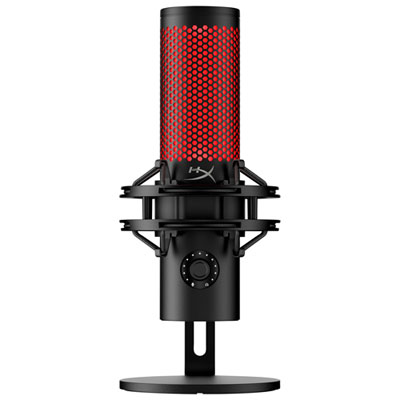 Your price for this item is $159.98
-
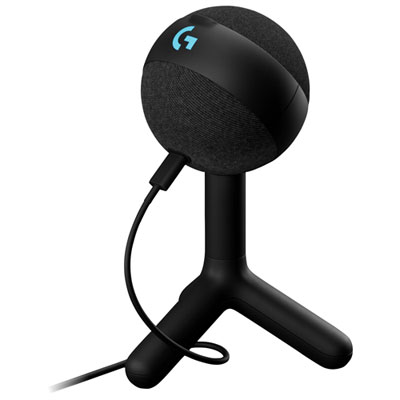 Your price for this item is $89.99
Discover more categories related to Good Microphones for Recording
Top Collections:
Best Black Friday Deals This Year, Best Black Friday Deals On Electronics, Kindle Devices, Pokemon Centers, Best Black Friday Deals On Apple Products, Best Cameras for Sports Photography, Dyson Airwrap, Pokémon 30th Celebration Cards, Apple iPhone 17 Pro, Canon G7X Cameras
Some products may be subject to Environmental Handling Fees
(EHF) depending on your province.
Learn more about EHFs.