Beyerdynamic Open Headphones

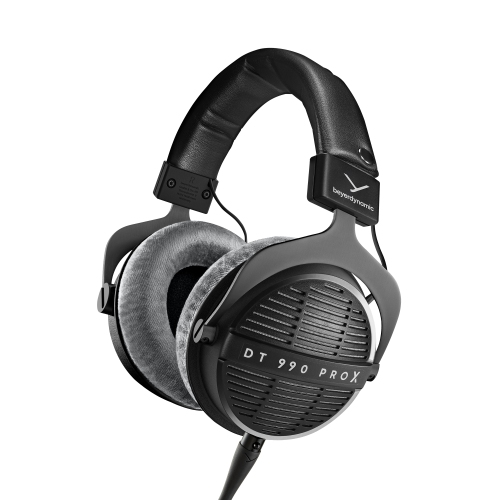
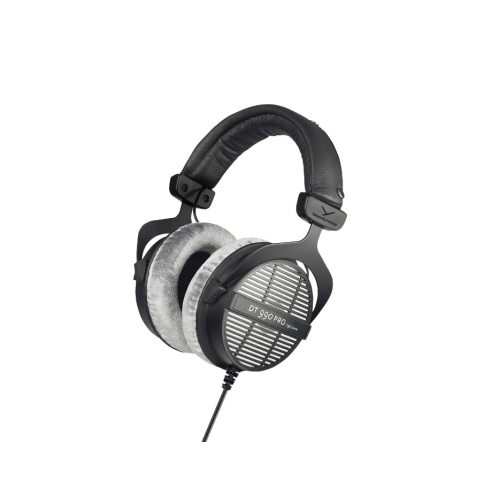
Explore Beyerdynamic open-back headphones for listening in quiet spaces. Open-back designs let in outside noise and allow sound to escape, so consider where you’ll listen and who’s nearby. Compare fit, impedance, and connection requirements to find a pair suited to your audio setup.
Read More

Sort

A wider soundstage comes with a few trade-offs

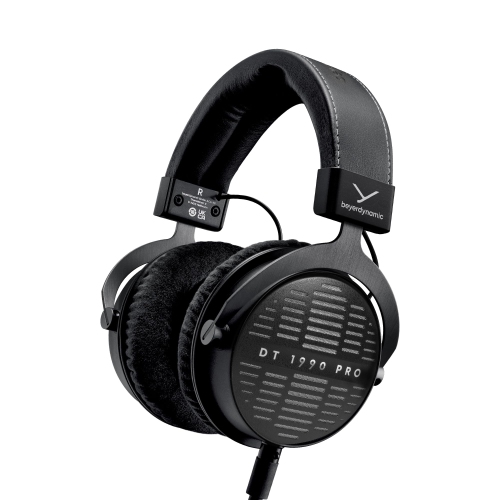
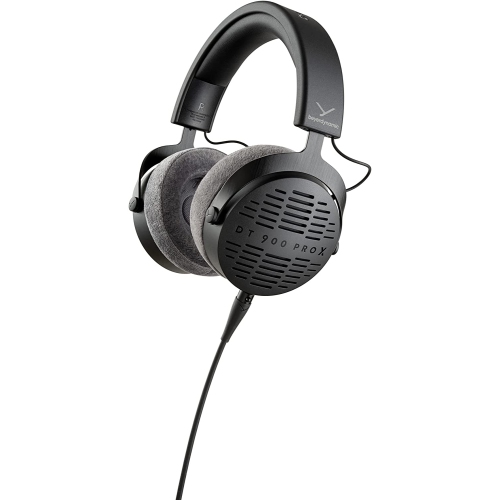
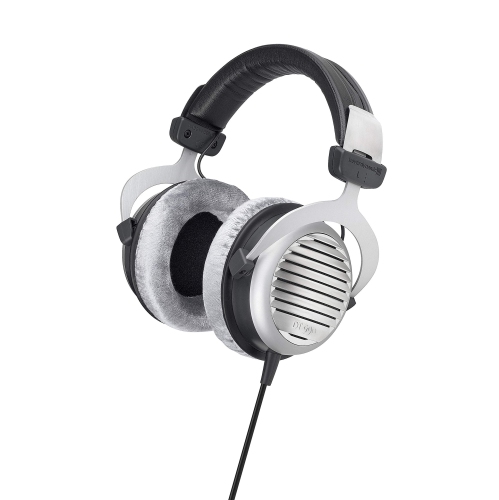
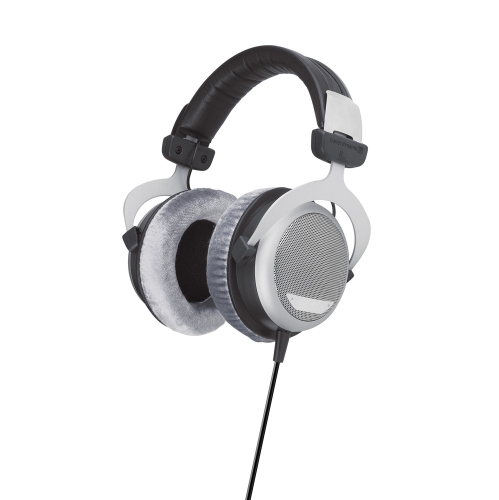
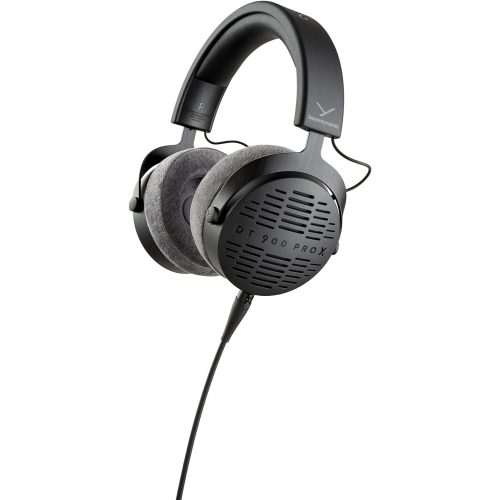
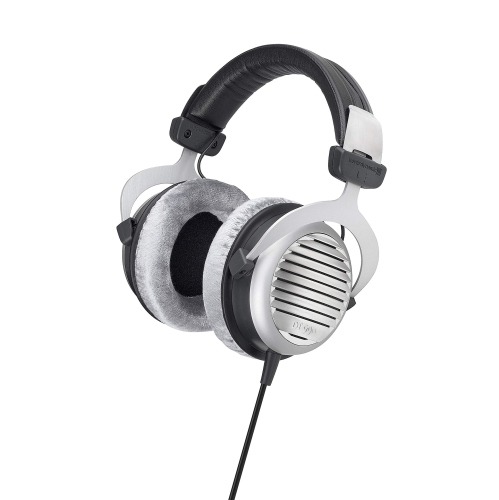
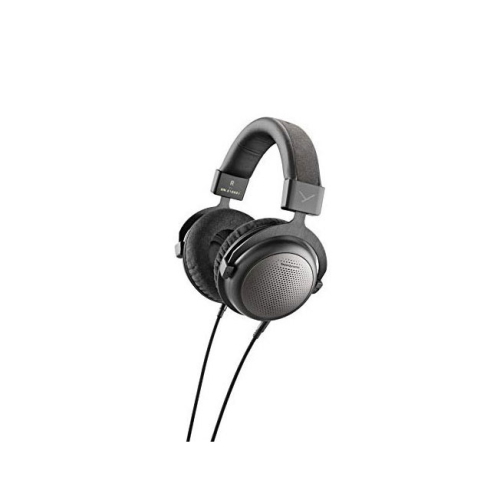
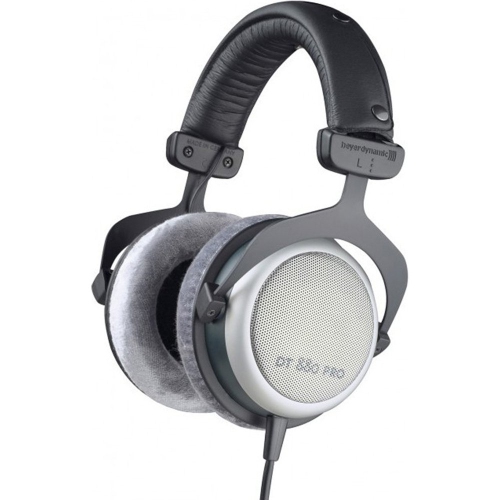
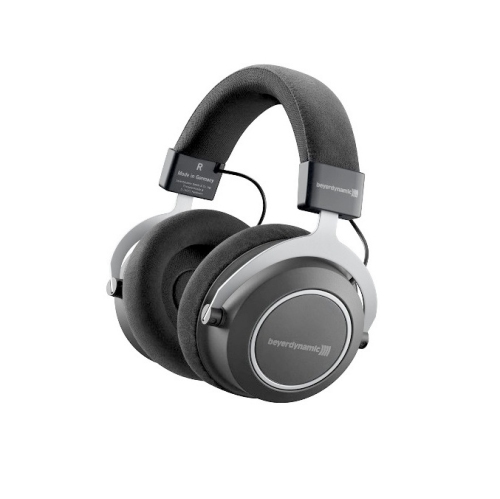
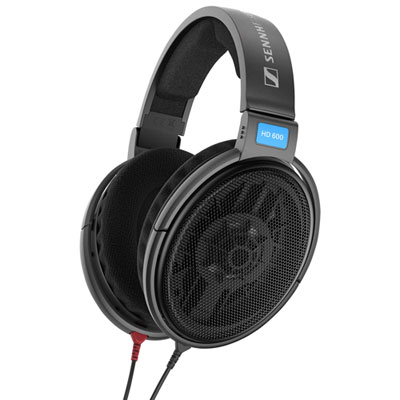
Open-back headphones are built for listening with a sense of space, allowing air and sound to pass through the outer ear cups rather than enclosing the drivers behind sealed shells. That construction can make a recording feel less confined, with voices and instruments spread across a wider perceived soundstage. In a well-recorded acoustic performance, the singer may seem centred between the ears while the resonance of a guitar or the decay of a cymbal extends beyond that central image. Soundstage describes this impression of width and depth; imaging describes how distinctly individual sounds can be located within it. Both matter to listeners who enjoy following separate musical parts, as well as musicians and audio professionals assessing a mix. An open enclosure does not guarantee a particular frequency response, however. Some designs emphasize bass and treble, while others aim for a more even balance, so openness alone does not establish how neutral or detailed a pair will sound. Bass can be articulate and well extended without producing the same enclosed sensation associated with some closed-back headphones. The main trade-off is sound leakage: people nearby may hear the audio, and outside sounds can reach the listener. These are headphones for a quiet desk, a dedicated listening chair, or a home studio where isolation is not the priority. They are generally less suited to commuting, shared offices, or recording vocals beside a sensitive microphone, where playback could bleed into the recording. Their ability to admit outside sound should not be confused with a transparency mode, and it does not make loud listening safe. For music, films, and games in a quiet room, the appeal is the opportunity to hear spacious recordings without sealing out the room completely. The result depends on the headphones, the recording, and the listener’s preferences, rather than the open-back label by itself. A densely layered rock track and a small jazz ensemble can reveal different strengths, from the separation of overlapping guitars to the placement of brushes across a snare drum.

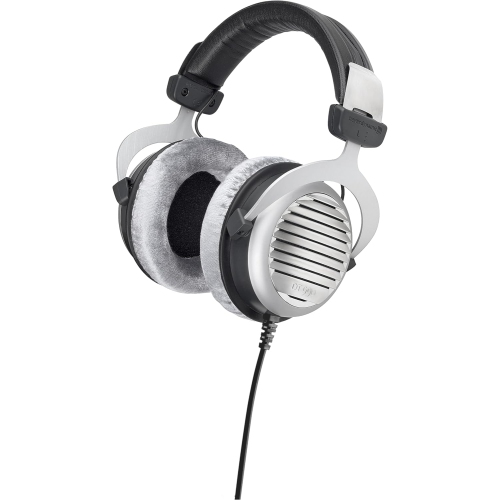
Comfort is especially important with full-size open-back headphones because listening, editing, and gaming sessions can last well beyond a single album. Over-ear cushions are intended to surround the ears, but their internal dimensions, depth, and shape determine whether they actually clear the ear comfortably. A shallow cushion may let the ear touch the material covering the driver, while a narrow opening can create pressure around the edges. Velour-covered pads often feel soft and allow more airflow against the skin, although the filling, cushion density, and overall fit matter as much as the surface fabric. Open ear cups can also feel less enclosed, but they do not eliminate warmth or pressure. Headband padding spreads the load across the crown, and an adjustable frame helps position each cup without pulling the band too tightly. Listeners who wear glasses may notice pressure where the cushions meet the arms of the frames; a comfortable fit should remain settled when turning towards a monitor or leaning back in a chair. Weight is only part of that experience, since a heavier pair with balanced support can feel easier to wear than a lighter pair with concentrated pressure. Metal reinforcement, resilient plastics, secure adjustment mechanisms, and neatly finished hinges all contribute to everyday durability. A detachable cable can simplify replacement after accidental damage, provided the connector and wiring are compatible with the headphones. Cable length also changes how a pair fits into a listening space: extra reach is useful between an audio interface and a chair, while unnecessary slack can catch beneath desk wheels. Regular care is straightforward. A soft, dry cloth removes dust from exterior surfaces, and cushions should be cleaned only as their care directions allow. Moisture and cleaning sprays should stay away from drivers and open grilles. Storing the headphones where the cups will not be crushed, keeping cables loosely coiled, and lifting them by the frame rather than the cord help protect the parts that receive the most handling. Replacement cushions should match the intended design, since changes in thickness or material can alter both fit and sound.

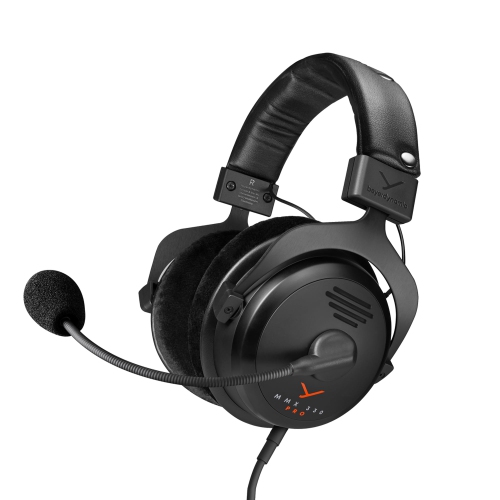
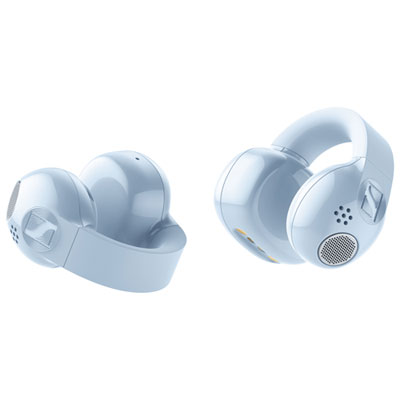
Electrical compatibility is another distinction among open-back headphones, particularly when the same pair may move between a laptop, an audio interface, and a dedicated listening setup. Impedance, measured in ohms, describes part of the electrical load presented to the source, while sensitivity helps indicate how much sound output results from a given input. Neither specification tells the whole story alone. A higher-impedance design may need more voltage than a modest headphone output can supply, but low impedance does not automatically mean that every phone or computer will drive a pair comfortably. An appropriate headphone amplifier can provide useful headroom when the source otherwise struggles to reach a suitable level without strain; it is not a requirement for every open-back design or a guarantee of better sound. Connection details matter, too. A conventional analogue headphone plug needs a compatible headphone output, and a device with only a digital port may require a suitable digital-to-analogue converter. Plug adaptors change physical compatibility, not the power capabilities of the source. For home recording, these headphones can support editing, panning decisions, and close listening to reverb tails, though a familiar reference track and checks on other playback systems remain valuable. For gaming, clear imaging can help distinguish the direction of sounds, but microphone support is a separate feature rather than something implied by an open enclosure. For films and focused music listening, comfort and a preferred tonal balance may matter more than studio-oriented specifications. As a gift, open-back headphones are particularly well matched to someone who has a quiet listening space and enjoys spending time with albums, instruments, or detailed game audio. Their listening setup and need for privacy are more useful clues than appearance alone. Related choices within Sennheiser Open Ear Headphones can be compared by wearing style and acoustic design, with care over terminology: open-back describes the ear-cup enclosure, while open-ear can describe designs that leave the ear canal uncovered. Understanding that distinction helps keep the focus on the fit, sound presentation, and listening conditions that suit the person using them.
Read More

FAQ

Some products may be subject to Environmental Handling Fees (EHF) depending on your province. Learn more about EHFs.