Sennheiser Open Ear Headphones
Compare Sennheiser open-ear headphones by fit, connection type, and compatibility with your devices. Review each model’s wearing style and how much surrounding sound it lets in to find headphones suited to how and where you listen.


FAQ
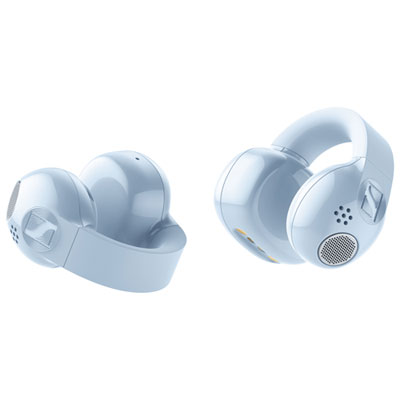
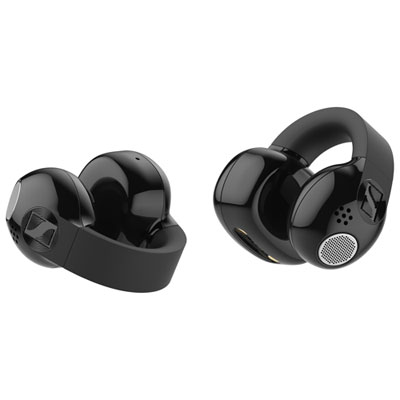
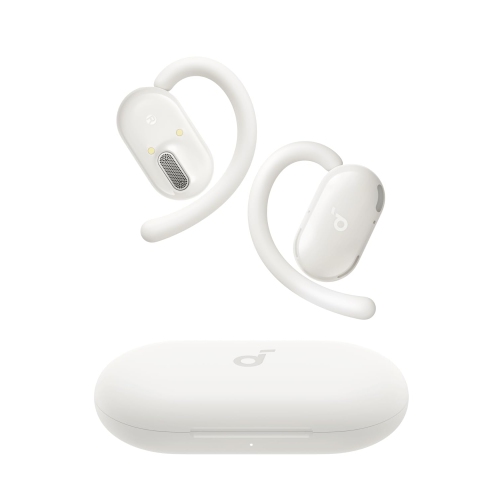
Open-ear headphones leave the ear canal unsealed rather than using an ear tip that sits inside it. The term describes how the headphones sit around the ears, not how they connect to an audio source.
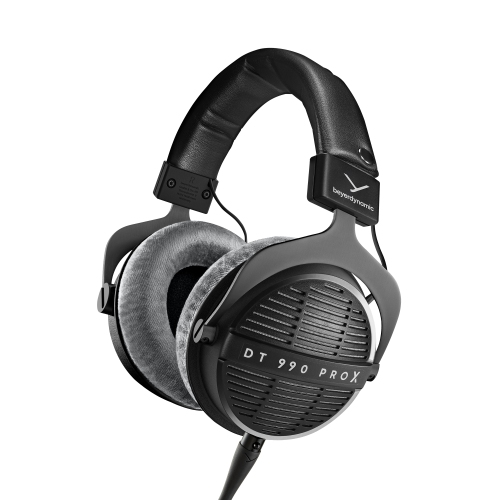
No. Open-ear refers to a design that leaves the ear canal unsealed, while open-back refers to earcups with vented outer housings. When browsing Sennheiser headphones, check the design description because these terms describe different features.
Open-ear describes the headphone design, so it does not determine the connection type. Depending on the model, headphones may use a wired connection or Bluetooth. Check the listed connection options and compatibility with your phone, computer or other audio source.
Open-ear headphones can allow sound to be heard nearby because they do not create a sealed listening space. How much sound carries depends on the design, listening volume and distance from other people. Open-back headphones can also let audio pass through their vented earcups.
Follow the care instructions supplied with the headphones. For routine cleaning, use a soft, dry cloth and avoid getting moisture into speaker openings, ports or charging contacts. Store the headphones in a dry place, and only remove or wash components if the manufacturer permits it.
Top selling and popular products
Discover more categories related to Sennheiser Open Ear Headphones

Some products may be subject to Environmental Handling Fees (EHF) depending on your province. Learn more about EHFs.