Quest Board Games
Embark on an exciting journey with our selection of quest board games, where every roll of the dice and strategic move brings you closer to epic adventures and unforgettable experiences. Whether you're a seasoned gamer or new to the world of tabletop quests, these games offer a perfect blend of challenge, strategy, and storytelling. Explore fantastical realms, solve intricate puzzles, and forge alliances as you navigate through captivating narratives that promise hours of entertainment. Dive into the world of quest board games and discover the thrill of conquering new challenges with friends and family by your side.
Sort
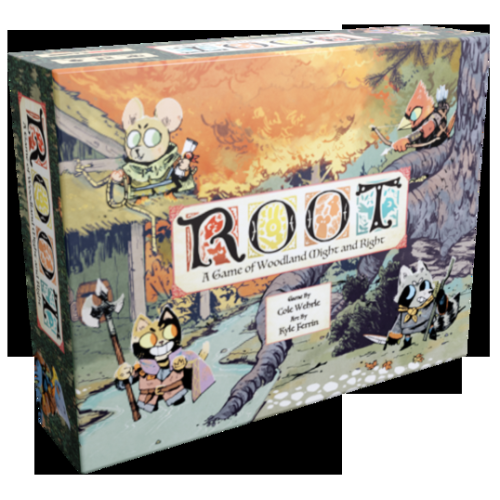
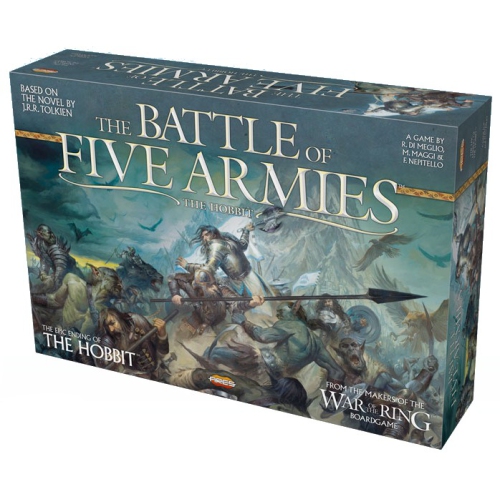
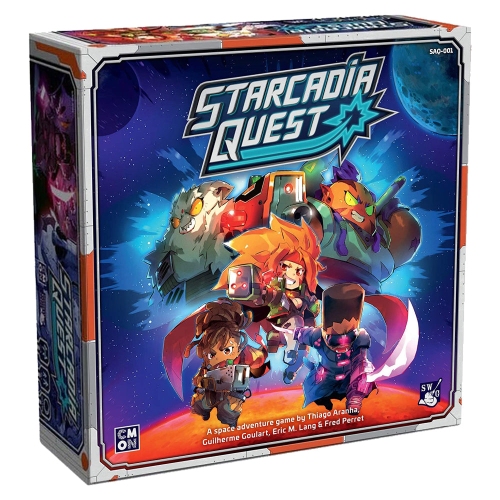
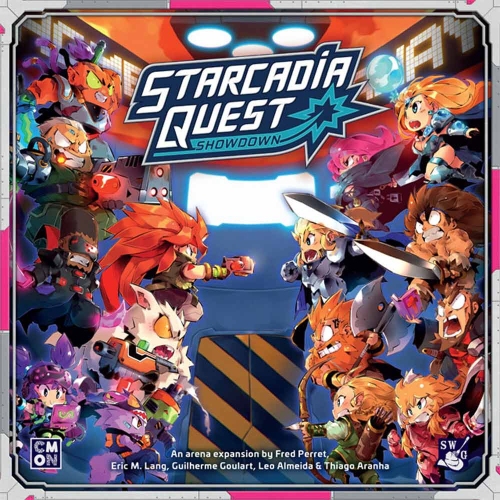
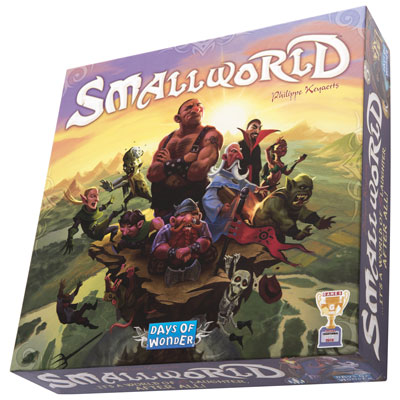
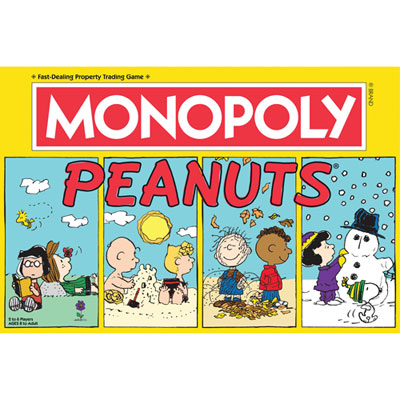
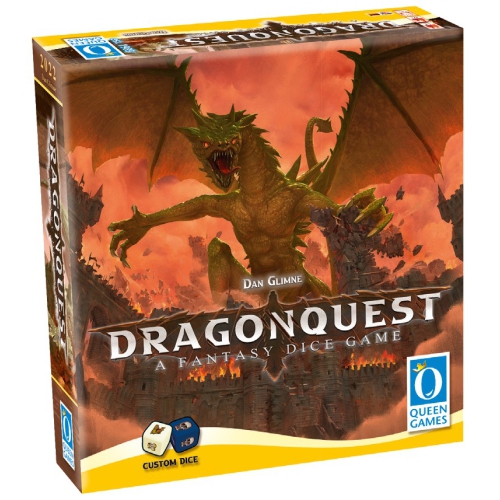
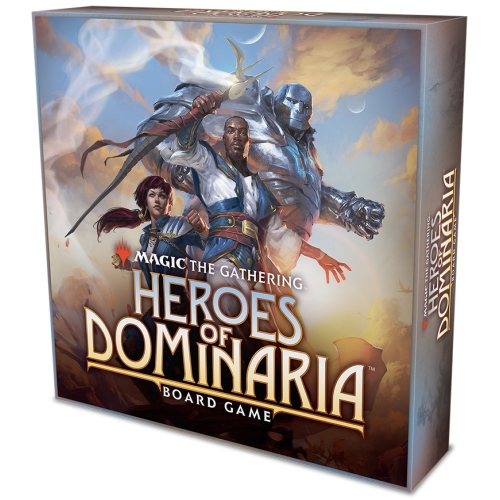
![DESYLLAS GAMES Oath Of Brotherhood - The Chosen [Board Game, 2-5 Players]](https://multimedia.bbycastatic.ca/multimedia/products/500x500/193/19383/19383495.jpeg)
![CAPSTONE GAMES Anunnaki: Dawn Of The Gods [Board Game, 1 - 4 Players]](https://multimedia.bbycastatic.ca/multimedia/products/500x500/196/19677/19677134.jpeg)
Shared missions and secret motives shape game night
Quest board games are tabletop games built around missions, adventures, or challenges that give players a shared purpose or competing objectives. The term can describe several styles of play, from fantasy exploration and dungeon crawling to cooperative card games and hidden-role social deduction. What connects them is a sense of progression: players work towards a goal, respond to obstacles, and make decisions that shape the outcome. In an adventure game, that might mean moving through a ruined fortress, gathering equipment, and reaching a final encounter. In a mission-based card game, the challenge might involve completing a precise sequence of tasks with limited communication. A hidden-role game takes a different approach, turning the quest into a test of trust as players weigh each other’s claims and decide who should join a mission. These differences matter more than the presence of a fantasy setting or elaborate playing pieces. Cooperative quest board games suit groups that enjoy discussing plans and sharing a win or loss, while competitive games give each player a separate path to victory. Some combine teamwork with secret objectives, creating tension without requiring a sprawling board. Standalone adventures offer a complete story or challenge in one sitting; campaign games connect sessions through continuing characters, linked scenarios, or changing abilities. Neither format necessarily determines difficulty, since a short mission can demand careful thought and a longer adventure can use straightforward rules. The appeal often comes from memorable moments around the table: a well-timed card that saves the party, a risky move that opens a new route, or a convincing argument that leaves everyone reconsidering whom to trust. For families, friends, and tabletop hobbyists, quest games offer different ways to participate, whether someone enjoys solving puzzles, managing resources, telling stories, or reading the room. The strongest fit is a game whose central activity sounds enjoyable to the people who will actually play it, rather than one chosen solely for its artwork or theme.
Player count, reading level, and session length help determine how comfortably a quest board game fits into everyday game nights. A two-player adventure may give each person plenty of control over a character, while a larger social deduction game relies on conversation and competing perspectives. A listed player range does not mean every group size will feel identical: more players can bring livelier discussion, but may also increase the time between turns. Solo play, where supported by the rules, offers a different rhythm, with one person managing the puzzle or adventure without group negotiation. Age recommendations are useful starting points, especially when games include small parts, but reading demands, arithmetic, attention span, and the tone of the story also influence suitability. Younger players may find illustrated objectives and simple turn sequences easier to follow than cards with several conditional effects. Confident readers may enjoy character abilities and branching choices, while mixed-age families often appreciate shared goals that let adults help without taking over every decision. A cooperative format can make that balance easier, particularly when each player has a clear role and meaningful choices. Playing time also includes more than the adventure itself. Sorting decks, arranging a map, explaining rules, and packing everything away can extend an evening beyond the stated session length. A self-contained mission can fit between dinner and bedtime, whereas a campaign may become a regular gathering during the cooler months. Games with written progress sheets or an organised way to save unfinished sessions are useful for groups that cannot leave a board out. Replay value varies, too: shuffled encounters, modular maps, alternate objectives, and different character combinations can change familiar challenges, while a fixed narrative may depend more on the pleasure of discovering its story. For gift giving, the recipient’s usual group and preferred level of involvement are helpful clues. Someone who enjoys lively party conversations may appreciate hidden roles more than detailed character management, while an enthusiastic puzzle solver may favour tightly structured cooperative missions over open-ended negotiation.
The physical design of quest board games affects both the atmosphere of play and how easily they can be handled, stored, and enjoyed over time. Typical components include printed cards, cardboard boards or map tiles, dice, wooden markers, and plastic playing pieces, although the mix varies widely. Thick tiles can make a modular map easier to assemble, and clearly printed symbols help players follow actions without repeatedly passing cards around the table. Detailed miniatures add a visual sense of character and scale, but readable text and distinct player colours can be just as important during a busy encounter. Pieces distinguished by both shape and colour can help players tell them apart, while larger text and uncluttered reference cards may make play more comfortable. Table space deserves attention, especially when each player needs room for a character board, equipment cards, and a discard pile alongside the main map. A small box does not always mean a small playing area; some compact games spread out considerably once their decks and tiles are arranged. For trips, cottage stays, or evenings away from home, Travel Board Games offer a related category to explore when packing space and portability matter. Caring for a quest game is largely about protecting its printed components and keeping essential pieces together. Clean, dry hands and drinks placed away from the playing area help prevent marked cards and swollen cardboard edges. Properly sized card sleeves can reduce wear on frequently shuffled decks, though sleeved cards may need extra storage space. Labelled bags, dividers, and fitted compartments can separate tokens and preserve scenario decks between sessions without disturbing their order. Paper and cardboard parts are best kept dry, and any cleaning of other components should follow the manufacturer’s directions. Storing the box away from damp areas and direct sunlight helps protect printed surfaces. Campaign materials also benefit from careful organisation, particularly when later content is intended to remain unseen. With a format that suits the group and components that are easy to manage, a quest board game can turn an ordinary table into a place for shared challenges, close calls, and stories worth revisiting.
Player count, reading level, and session length help determine how comfortably a quest board game fits into everyday game nights. A two-player adventure may give each person plenty of control over a character, while a larger social deduction game relies on conversation and competing perspectives. A listed player range does not mean every group size will feel identical: more players can bring livelier discussion, but may also increase the time between turns. Solo play, where supported by the rules, offers a different rhythm, with one person managing the puzzle or adventure without group negotiation. Age recommendations are useful starting points, especially when games include small parts, but reading demands, arithmetic, attention span, and the tone of the story also influence suitability. Younger players may find illustrated objectives and simple turn sequences easier to follow than cards with several conditional effects. Confident readers may enjoy character abilities and branching choices, while mixed-age families often appreciate shared goals that let adults help without taking over every decision. A cooperative format can make that balance easier, particularly when each player has a clear role and meaningful choices. Playing time also includes more than the adventure itself. Sorting decks, arranging a map, explaining rules, and packing everything away can extend an evening beyond the stated session length. A self-contained mission can fit between dinner and bedtime, whereas a campaign may become a regular gathering during the cooler months. Games with written progress sheets or an organised way to save unfinished sessions are useful for groups that cannot leave a board out. Replay value varies, too: shuffled encounters, modular maps, alternate objectives, and different character combinations can change familiar challenges, while a fixed narrative may depend more on the pleasure of discovering its story. For gift giving, the recipient’s usual group and preferred level of involvement are helpful clues. Someone who enjoys lively party conversations may appreciate hidden roles more than detailed character management, while an enthusiastic puzzle solver may favour tightly structured cooperative missions over open-ended negotiation.
The physical design of quest board games affects both the atmosphere of play and how easily they can be handled, stored, and enjoyed over time. Typical components include printed cards, cardboard boards or map tiles, dice, wooden markers, and plastic playing pieces, although the mix varies widely. Thick tiles can make a modular map easier to assemble, and clearly printed symbols help players follow actions without repeatedly passing cards around the table. Detailed miniatures add a visual sense of character and scale, but readable text and distinct player colours can be just as important during a busy encounter. Pieces distinguished by both shape and colour can help players tell them apart, while larger text and uncluttered reference cards may make play more comfortable. Table space deserves attention, especially when each player needs room for a character board, equipment cards, and a discard pile alongside the main map. A small box does not always mean a small playing area; some compact games spread out considerably once their decks and tiles are arranged. For trips, cottage stays, or evenings away from home, Travel Board Games offer a related category to explore when packing space and portability matter. Caring for a quest game is largely about protecting its printed components and keeping essential pieces together. Clean, dry hands and drinks placed away from the playing area help prevent marked cards and swollen cardboard edges. Properly sized card sleeves can reduce wear on frequently shuffled decks, though sleeved cards may need extra storage space. Labelled bags, dividers, and fitted compartments can separate tokens and preserve scenario decks between sessions without disturbing their order. Paper and cardboard parts are best kept dry, and any cleaning of other components should follow the manufacturer’s directions. Storing the box away from damp areas and direct sunlight helps protect printed surfaces. Campaign materials also benefit from careful organisation, particularly when later content is intended to remain unseen. With a format that suits the group and components that are easy to manage, a quest board game can turn an ordinary table into a place for shared challenges, close calls, and stories worth revisiting.
Top selling and popular products
-
 Your price for this item is $14.99
 -
 Your price for this item is $34.99
 -
 Your price for this item is $15
 -
 Your price for this item is $21.99
 -
 Your price for this item is $34.99
 -
 Your price for this item is $28.16
 -
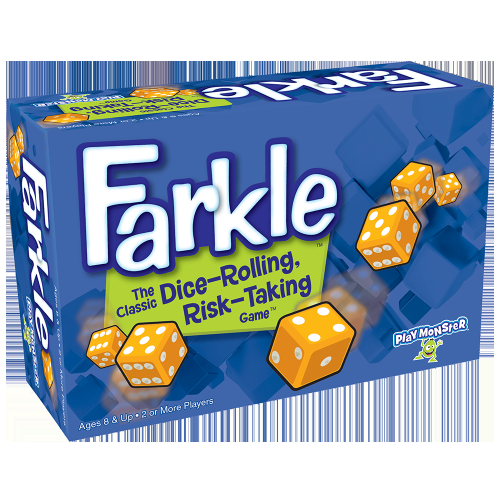 Your price for this item is $20.93
 -
 Your price for this item is $29.99
Discover more categories related to Quest Board Games
Top Collections:
Pokemon Centers, Budget 4K TVs, Best Budget Office Chairs, Kindle Devices, Canon G7X Cameras, Apple iPhones 16, iPhone 15 Apple, Laptops for Business Work, Xiaomi Phones, Flip Phones
Some products may be subject to Environmental Handling Fees
(EHF) depending on your province.
Learn more about EHFs.