Bookshelf Home Theatre Systems
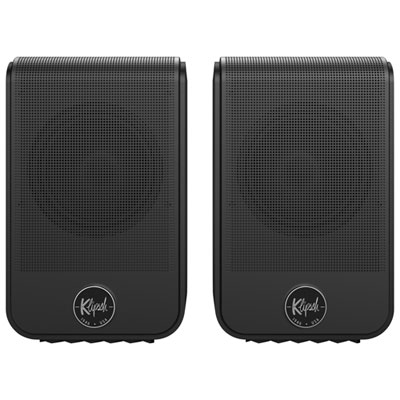
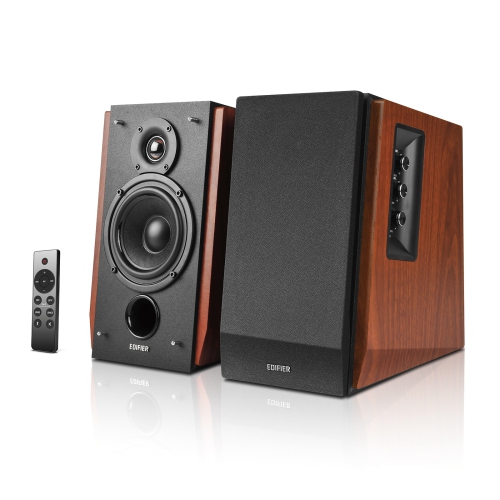
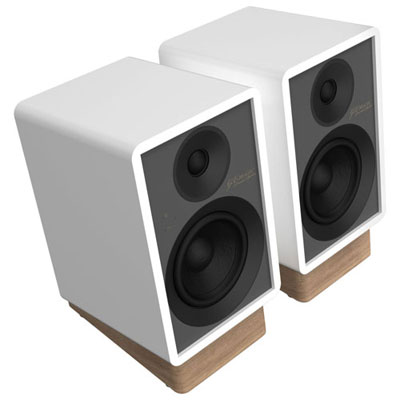
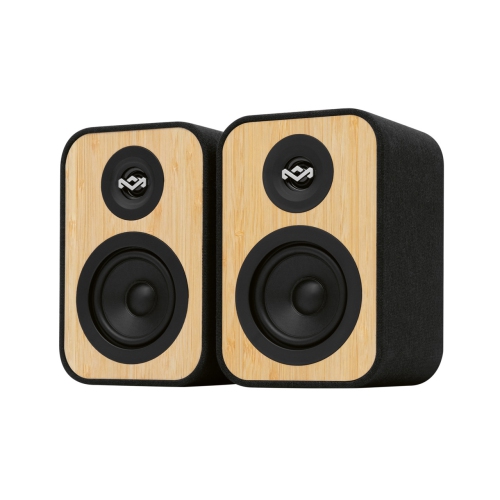
Explore bookshelf home theatre systems for compact speaker setups for movies, TV, and music. Compare speaker dimensions, connection options, and compatibility with your TV or receiver, and check which components are included to find a system that fits your space and existing equipment.




























FAQ
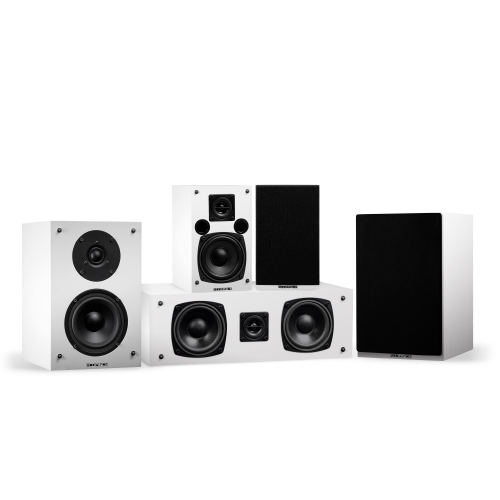
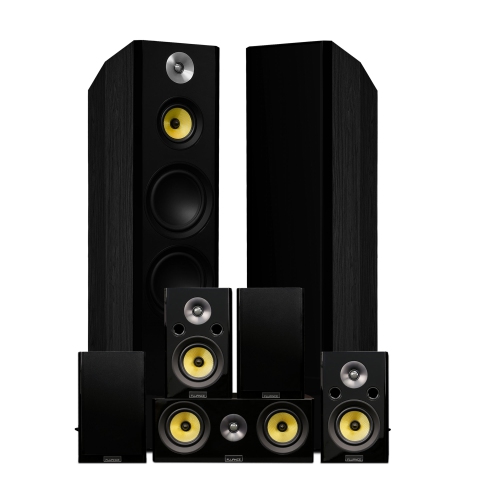
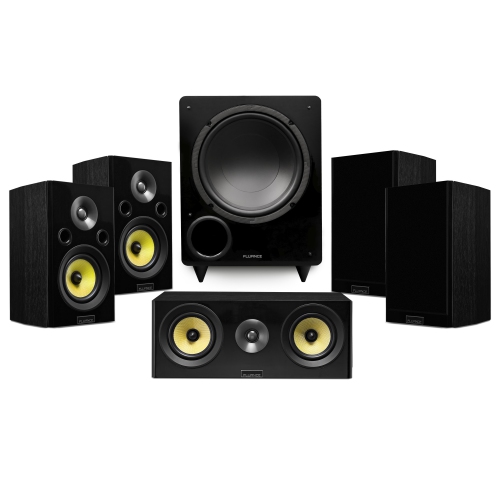
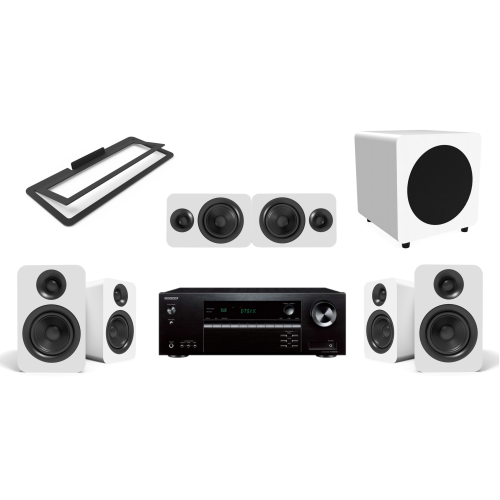
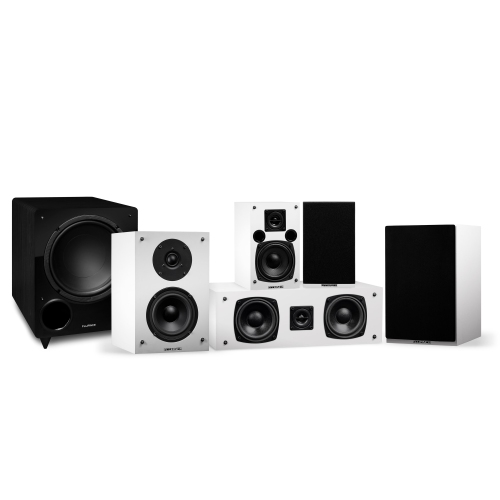
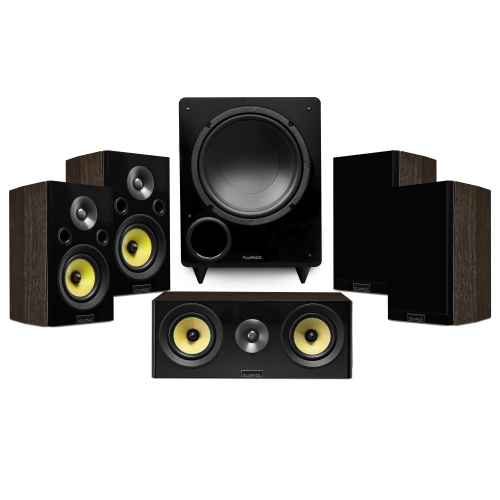
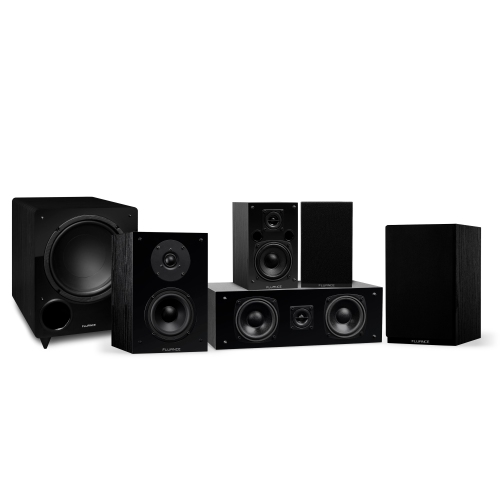
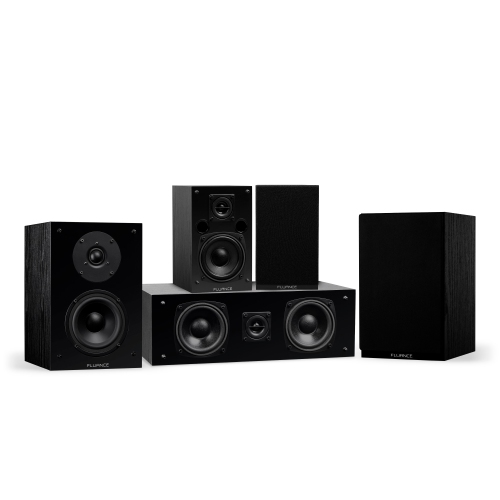
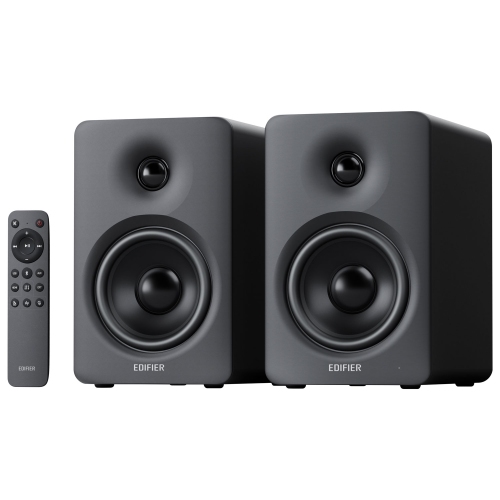
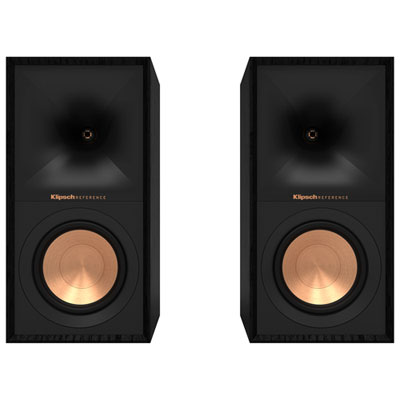
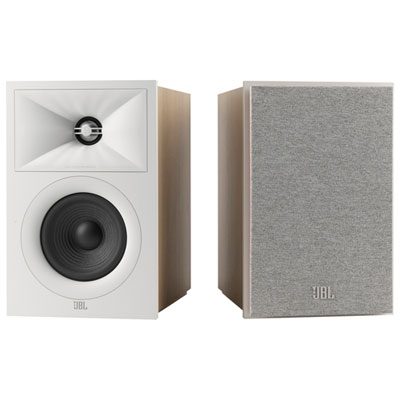
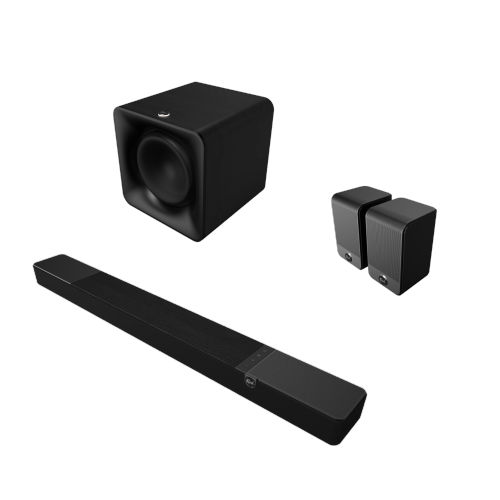
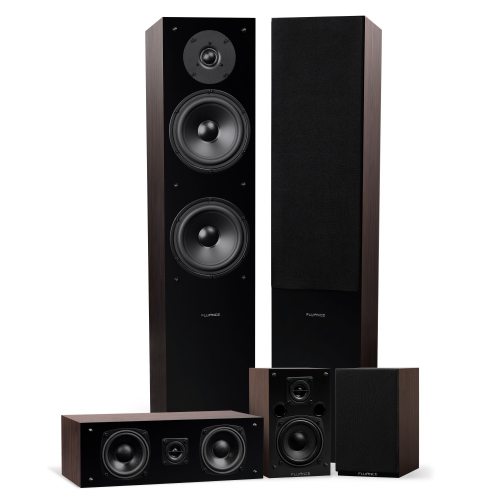
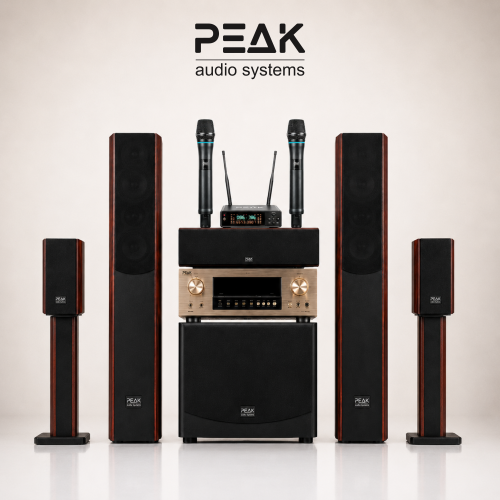
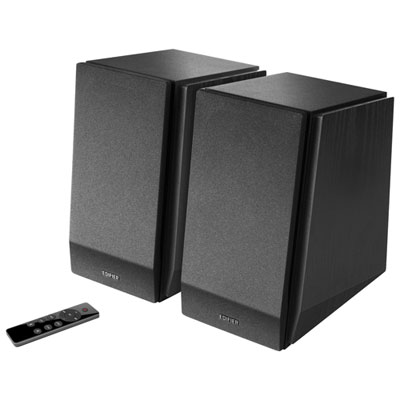
A bookshelf home theatre setup typically uses a pair of bookshelf speakers for the front left and right channels. Depending on the configuration, it may also include a centre speaker, surround speakers, and a subwoofer. Passive speakers require an AV receiver or amplifier, while powered speakers have built-in amplification.
Passive bookshelf speakers connect to an external amplifier or AV receiver using speaker wire. Powered bookshelf speakers have amplification built into one or both speakers and accept connections supported by that model. For a multichannel setup, the speakers and receiver need compatible inputs and outputs.
The connection depends on the system’s components. An AV receiver commonly connects to a compatible TV through HDMI ARC or eARC, while some setups use an optical audio connection. Passive bookshelf speakers connect to the receiver rather than directly to the TV. Powered speakers require an input compatible with the TV’s audio output.
The first number indicates the number of main audio channels, and the second indicates the subwoofer channel. A 2.0 setup has left and right channels without a subwoofer, while 2.1 adds a subwoofer. A 5.1 setup has front left, centre, front right, and two surround channels, plus a subwoofer channel.
Bluetooth typically connects a phone, tablet, or computer directly to a compatible audio component. Wi-Fi connects supported components to a home network and may support app-based streaming or multiroom playback. These features depend on the receiver, amplifier, powered speakers, or separate streaming device used in the setup.
Top selling and popular products
Discover more categories related to Bookshelf Home Theatre Systems



Some products may be subject to Environmental Handling Fees (EHF) depending on your province. Learn more about EHFs.