Boxing Day Deals Coming Soon
Our Boxing Day Sale returns in December 2026. In the meantime, shop our current top deals below.

Boxing Day Sale On Blinds & Shades
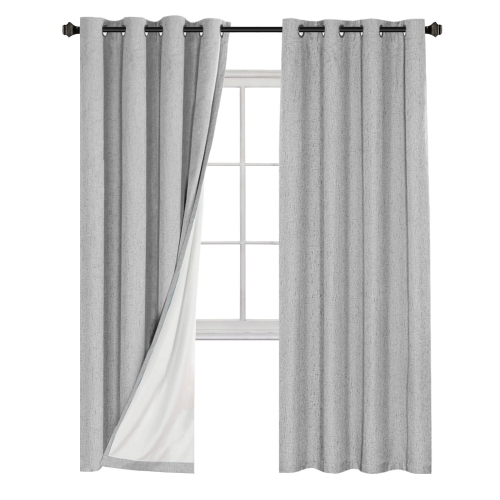
Boxing Day is the perfect opportunity to transform your living space with incredible deals on blinds and shades. Whether you're looking to enhance privacy, control light, or simply add a touch of style to your home, our selection offers something for every taste and budget. From sleek modern designs to classic timeless options, discover an array of choices that will complement any room's decor. Take advantage of these limited-time savings and elevate your home's ambiance with the perfect window treatments. Don't miss out on these unbeatable Boxing Day offers—your dream home makeover starts here! Remember, our Low Price Guarantee means you can shop confidently knowing that you'll find the best price at Best Buy, all year round. We encourage you to check our website frequently for the most up-to-date information on our latest offers and savings opportunities.



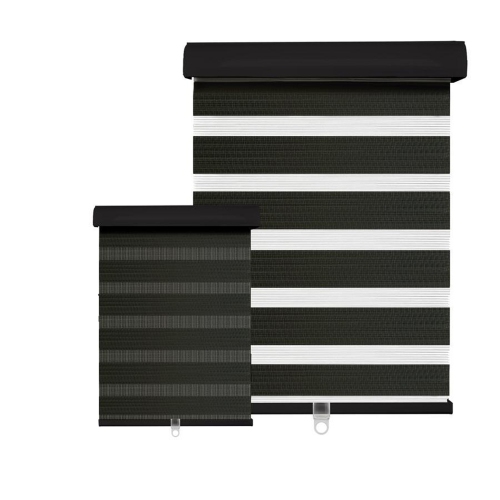
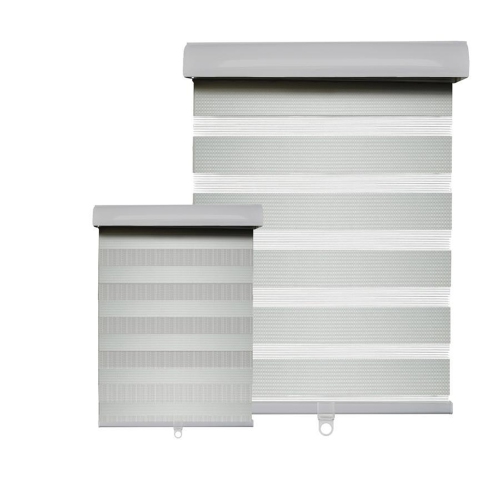
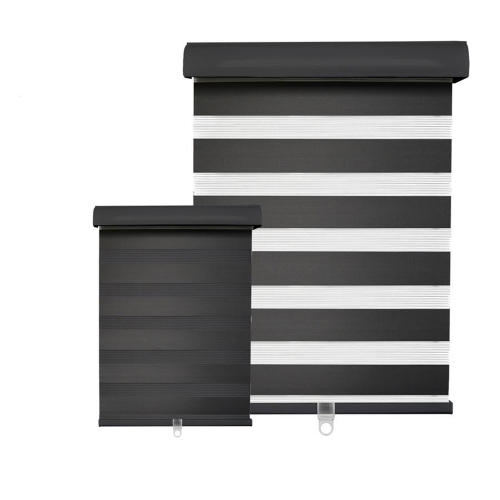
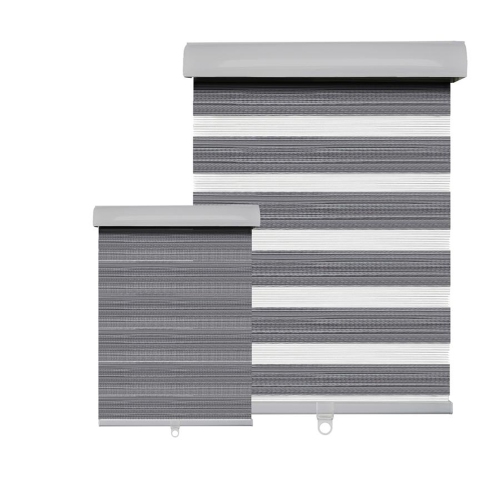



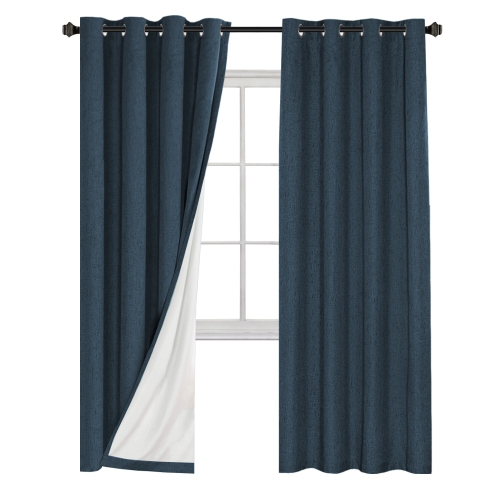
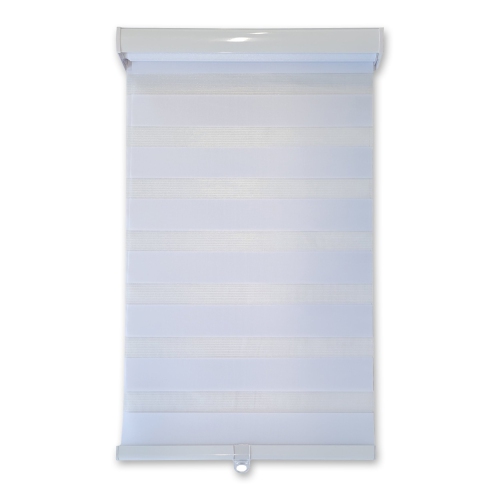
How blinds and shades balance daylight and privacy
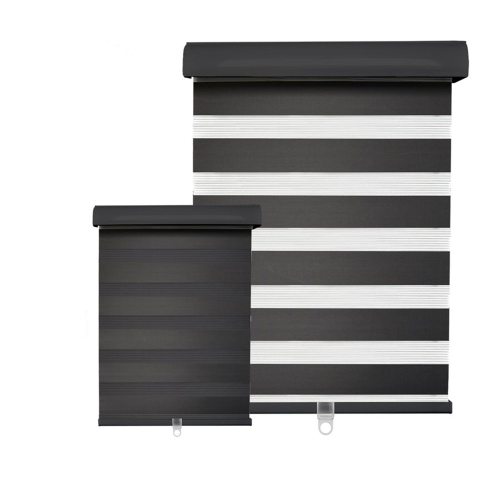
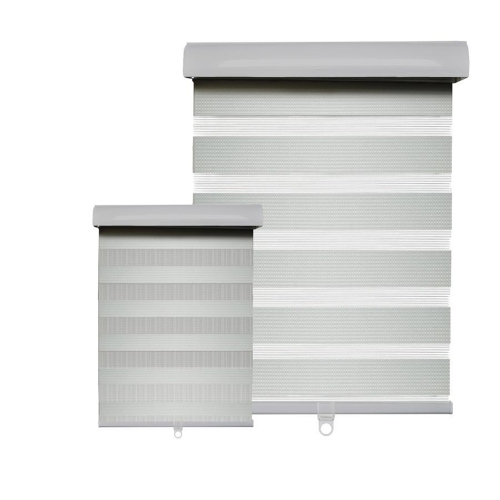
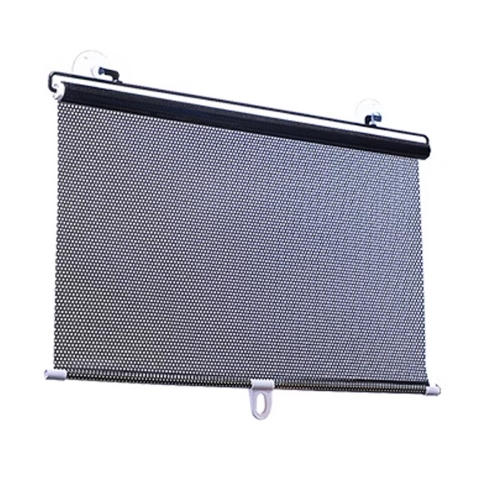
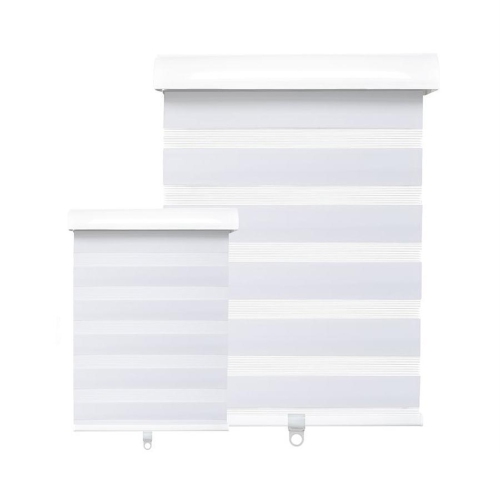
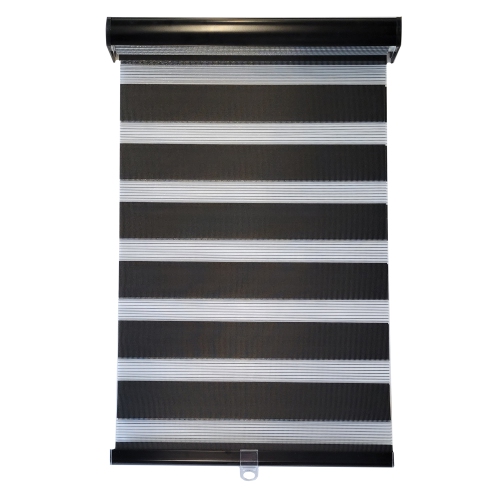
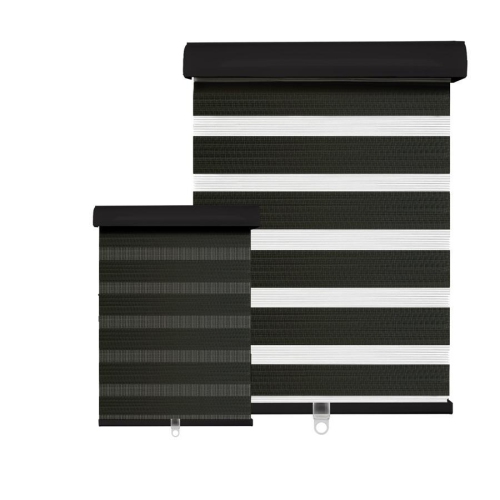
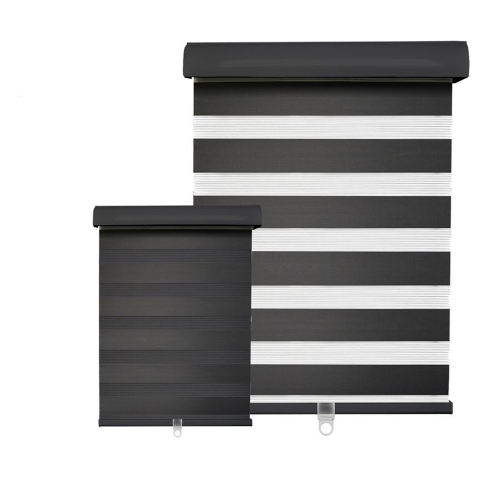
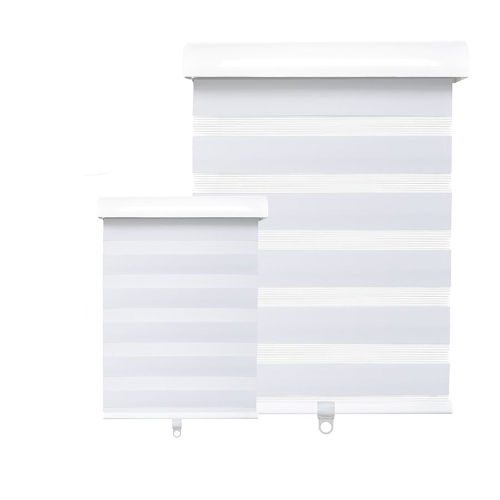
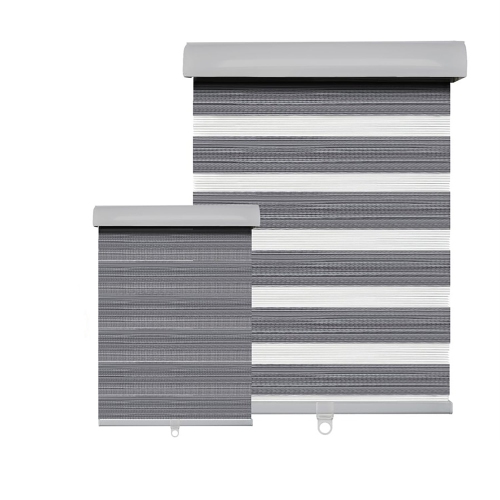
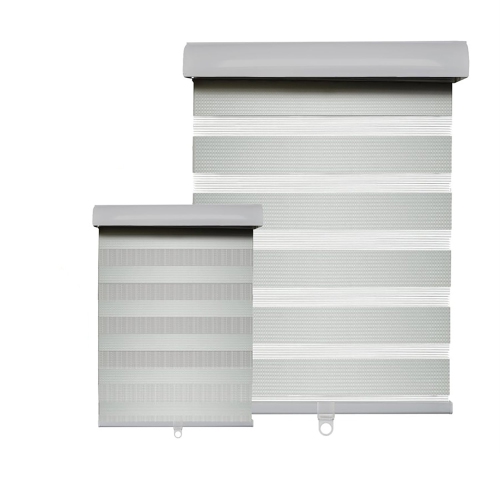
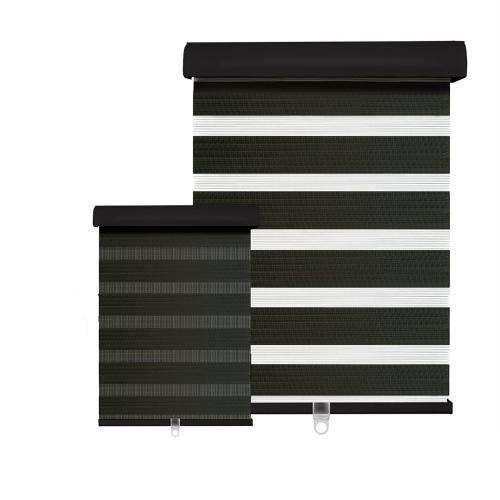
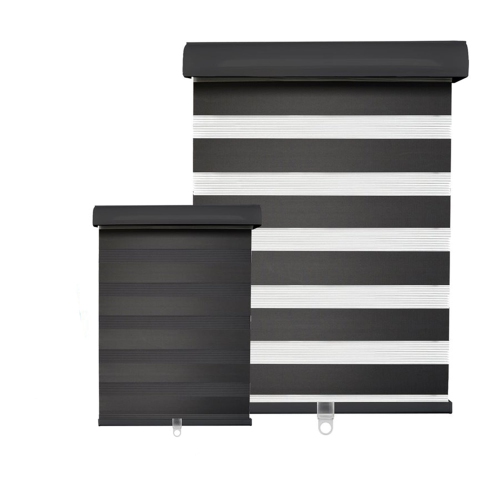
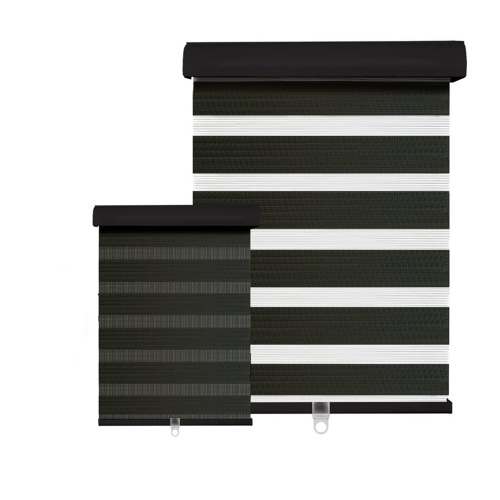
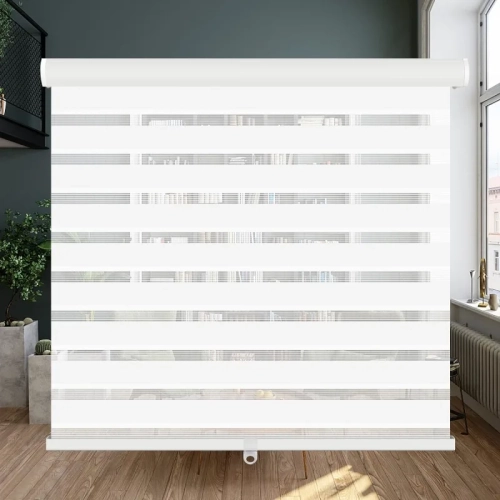
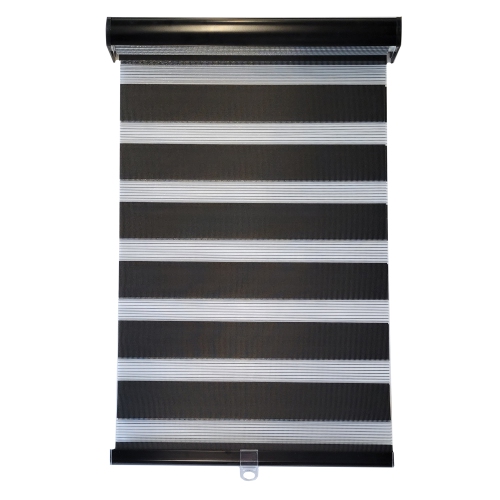
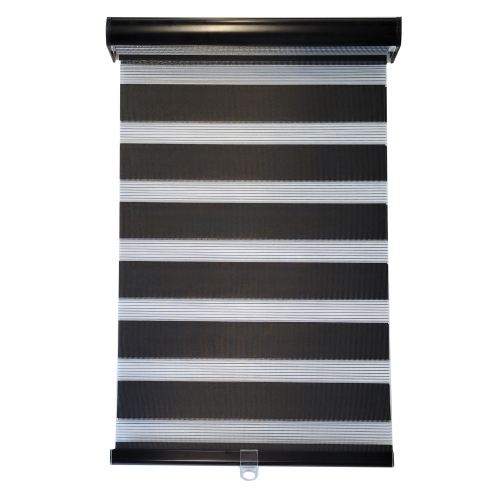
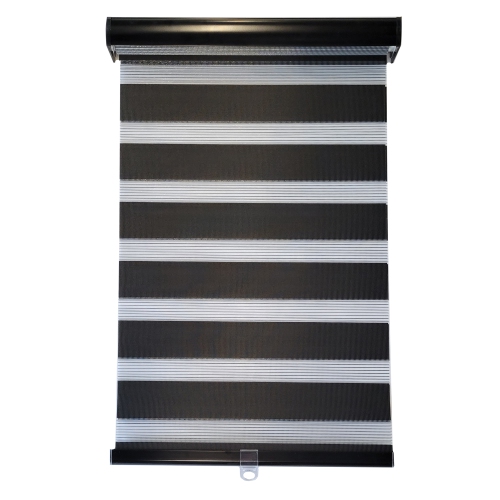
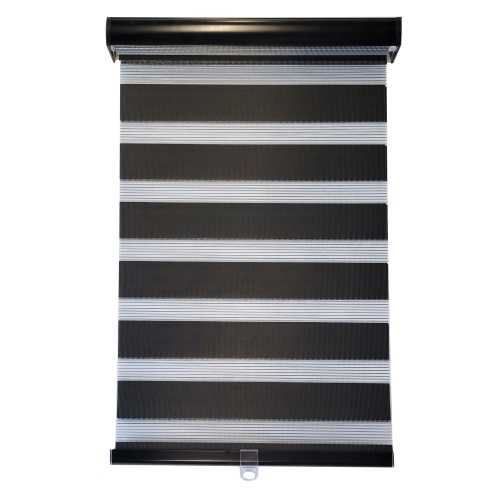
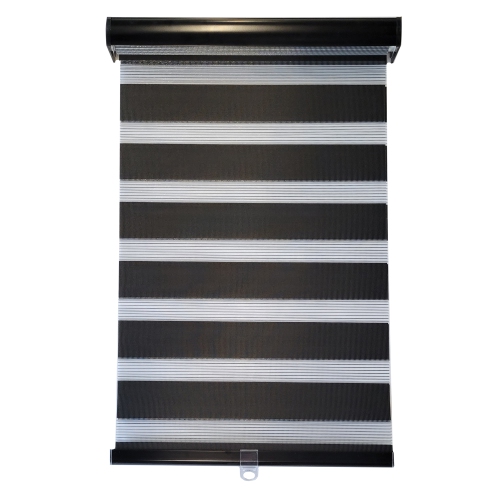
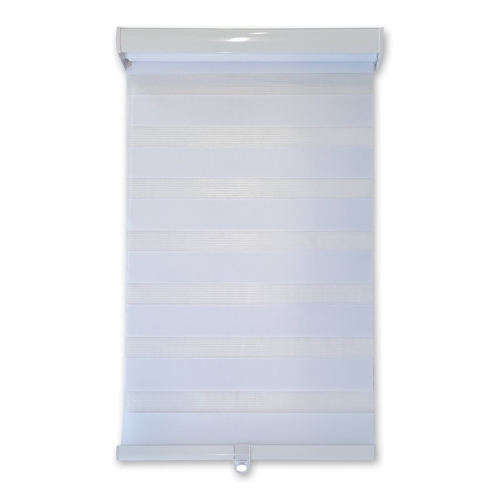
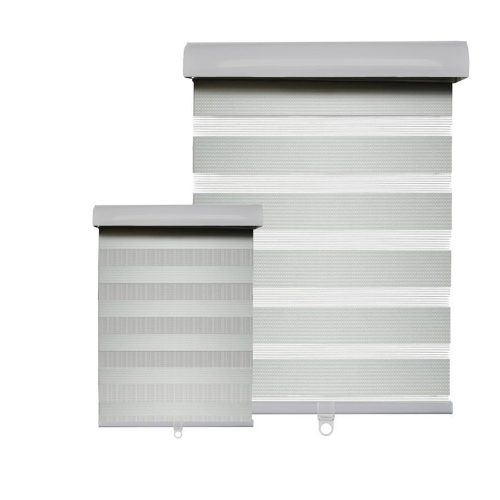
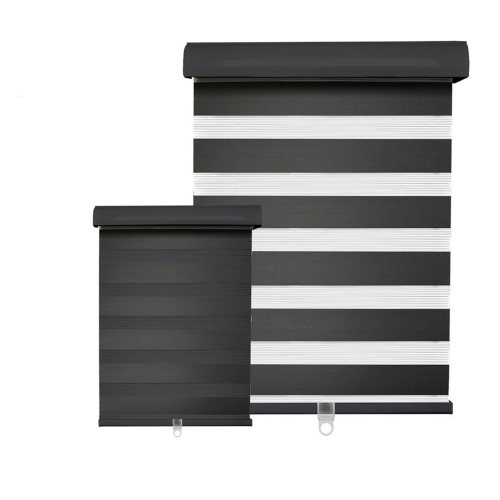
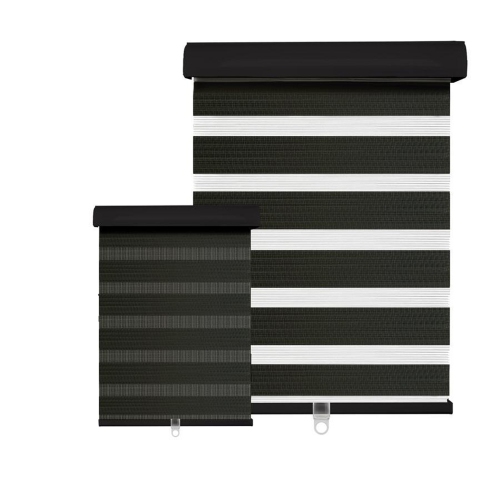
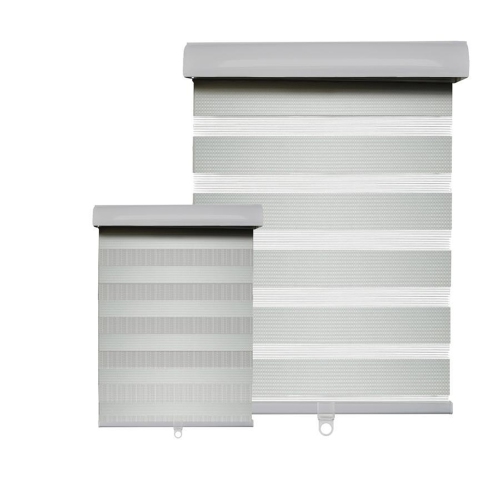
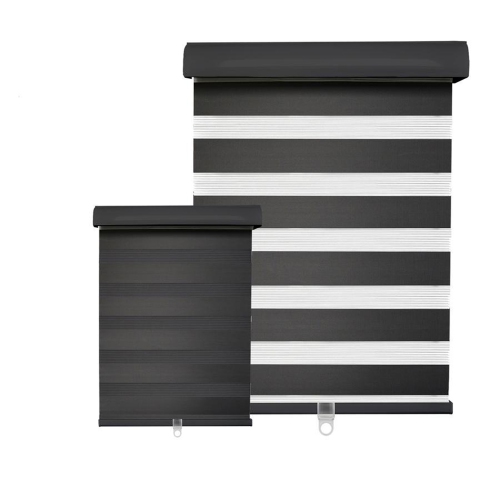
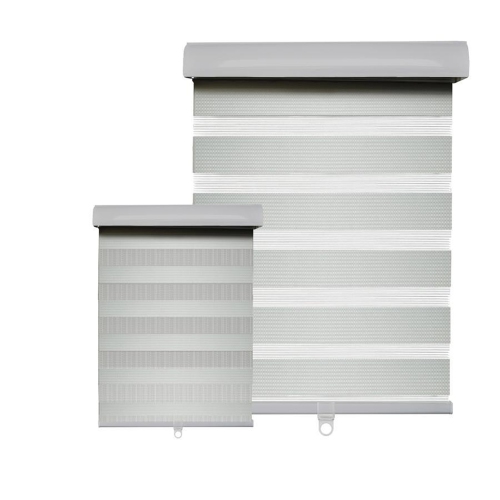
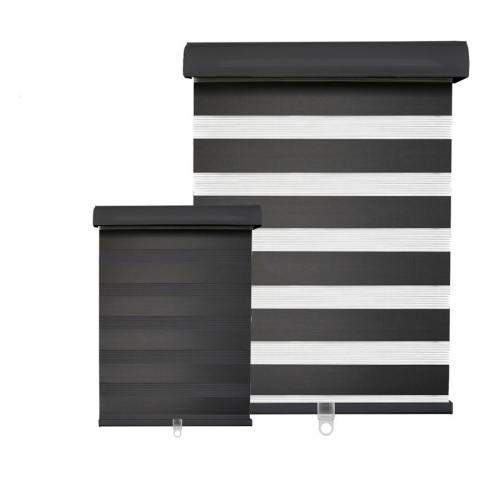
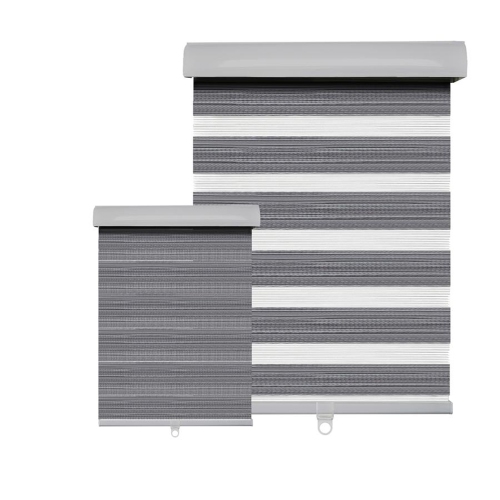
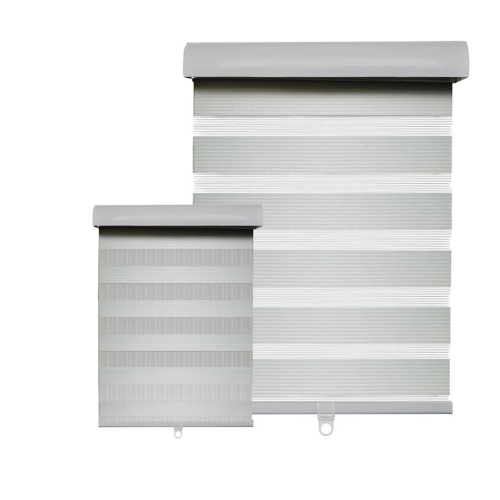
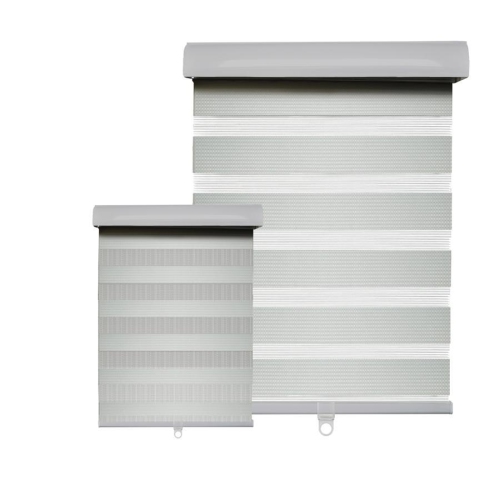
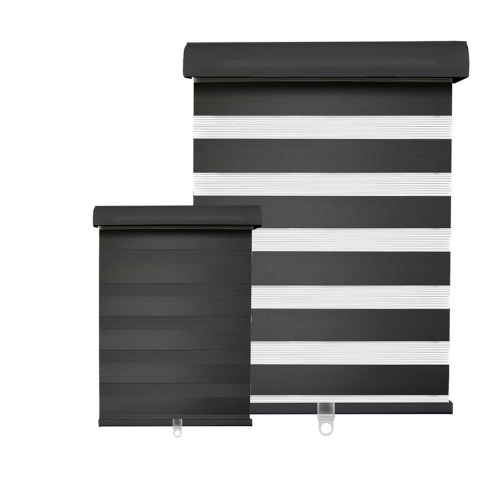
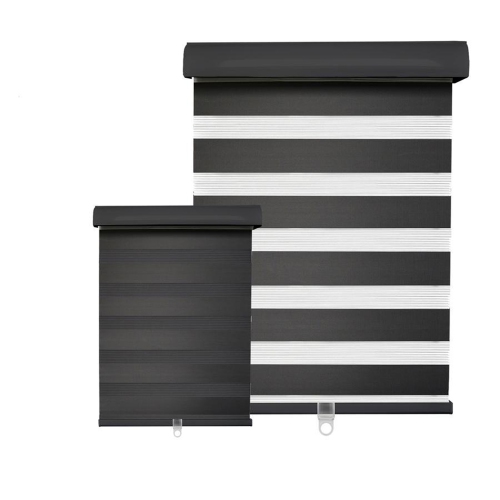
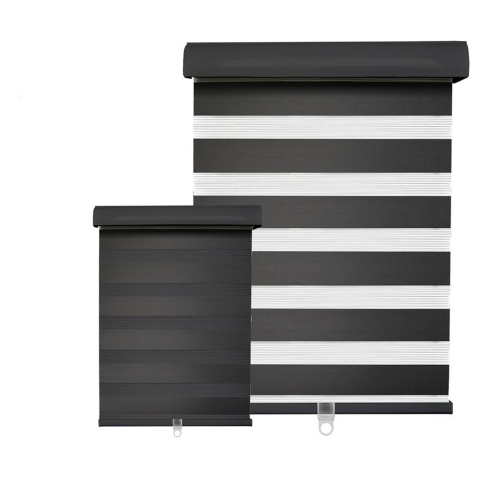
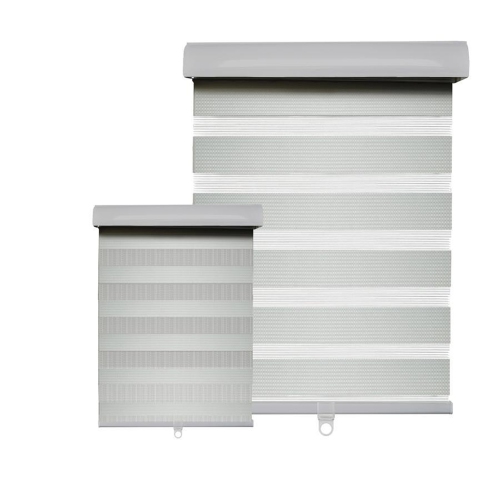
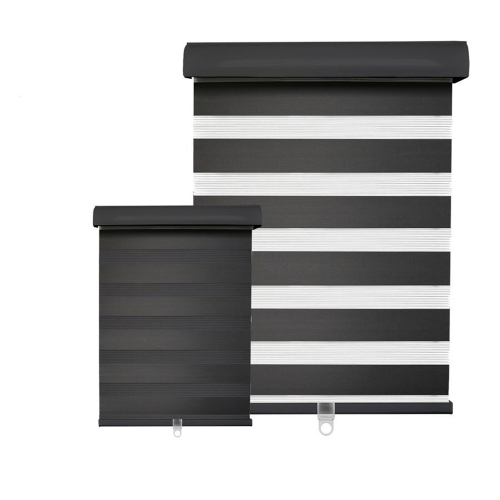
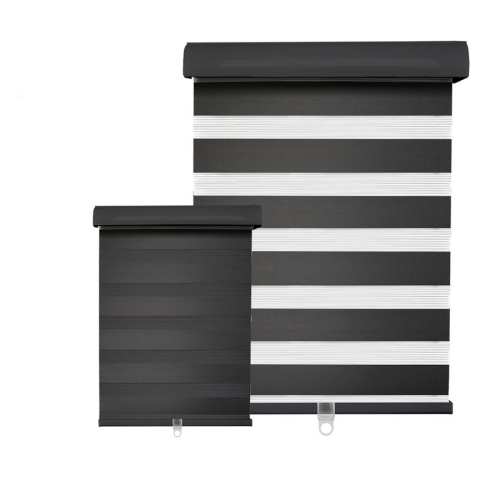
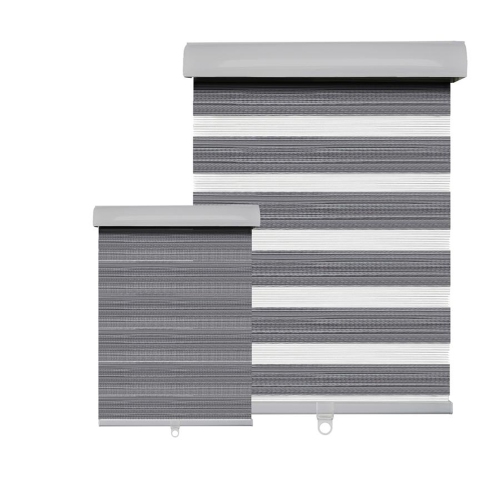
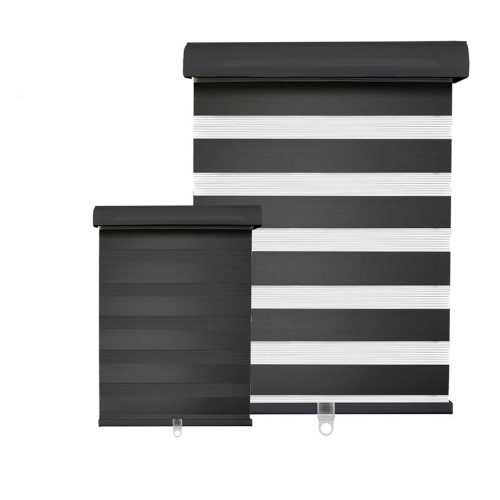
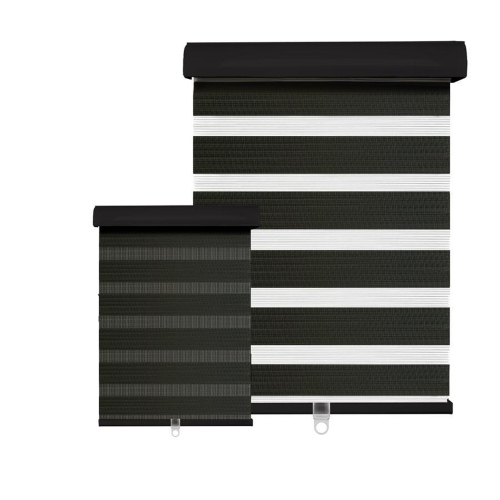
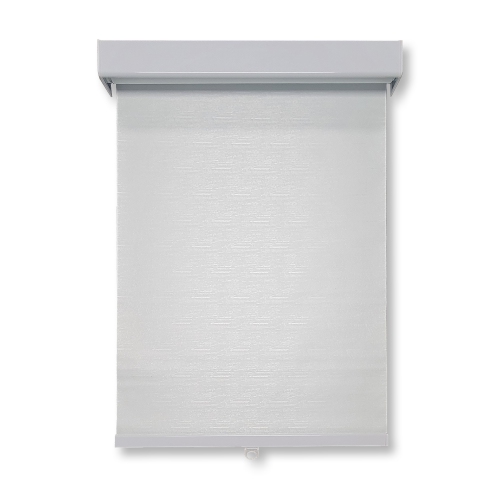
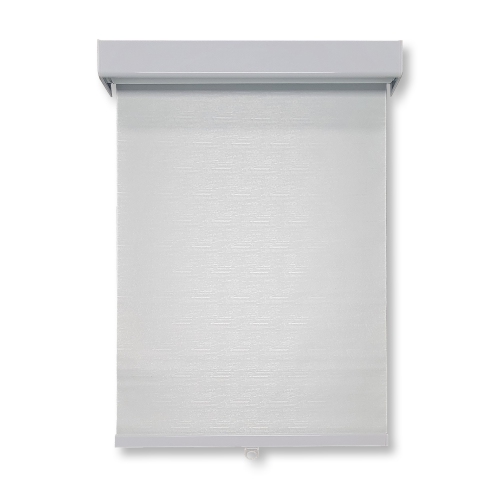
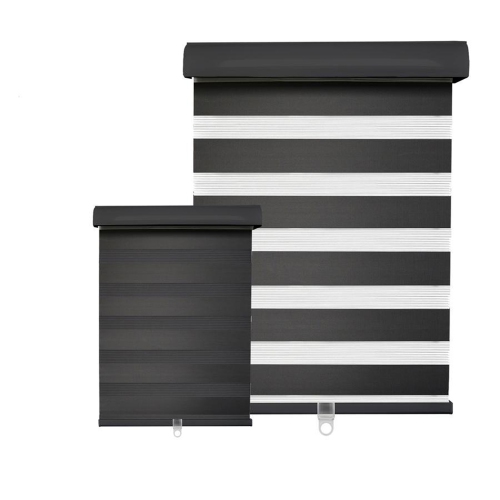
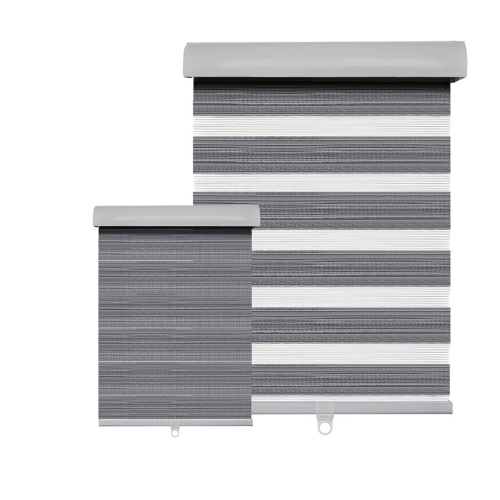
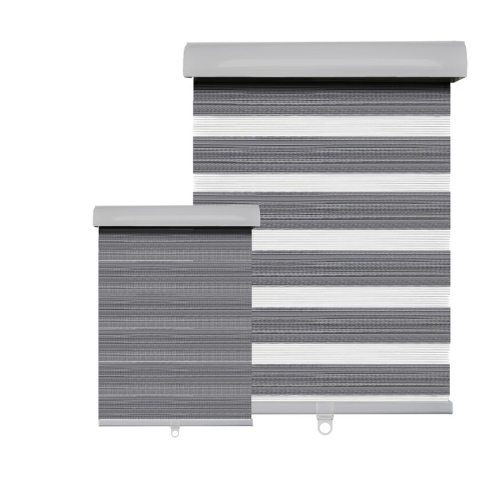
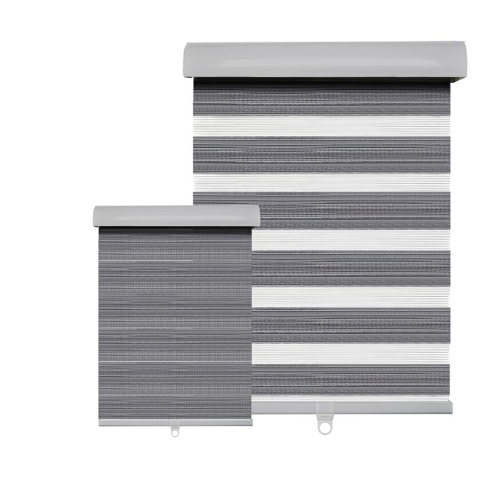
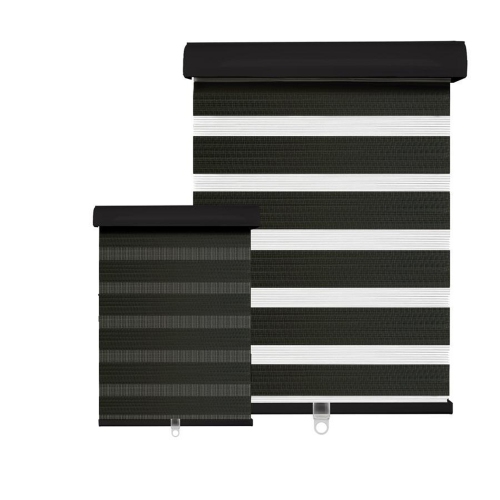
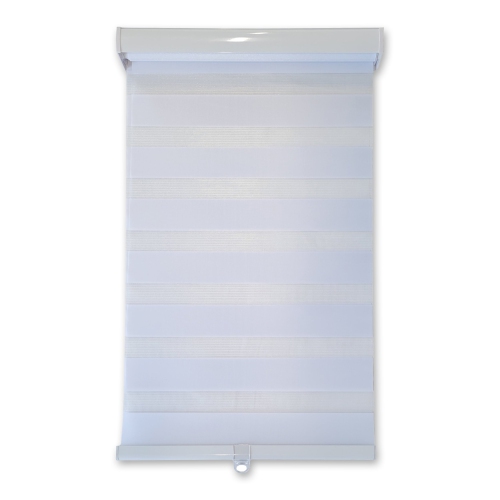
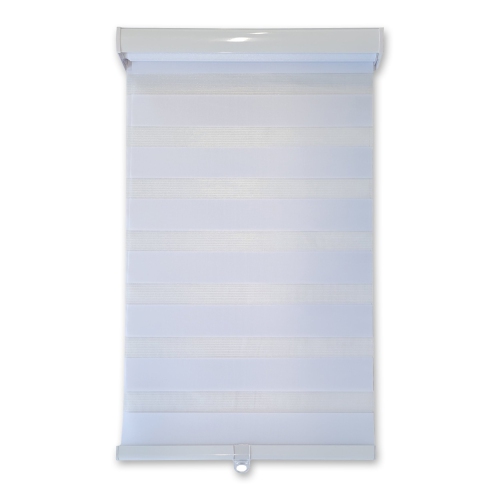
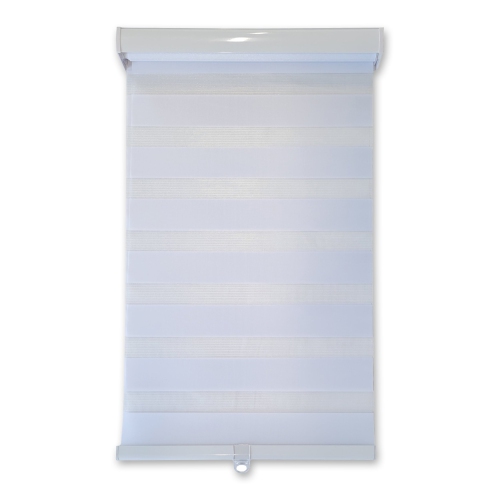
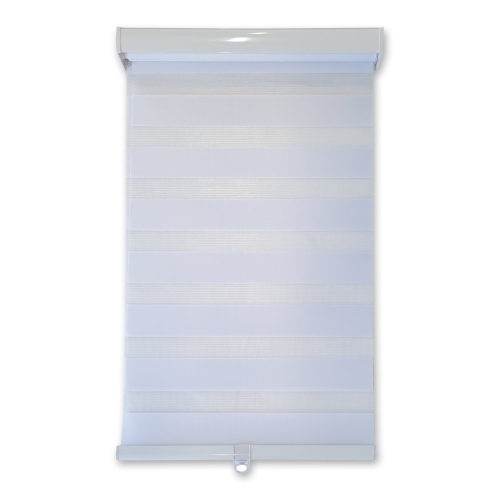
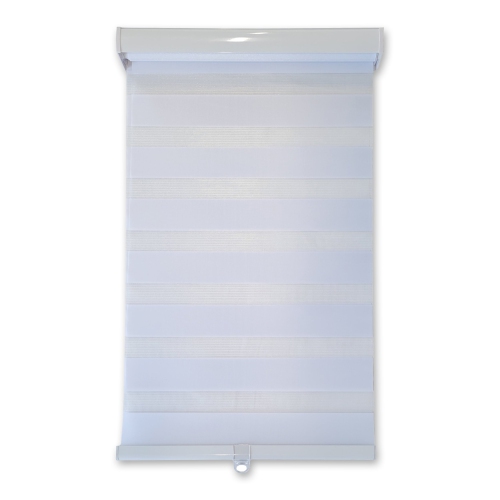
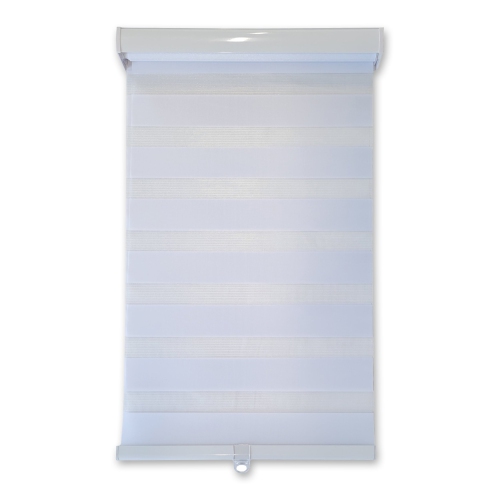
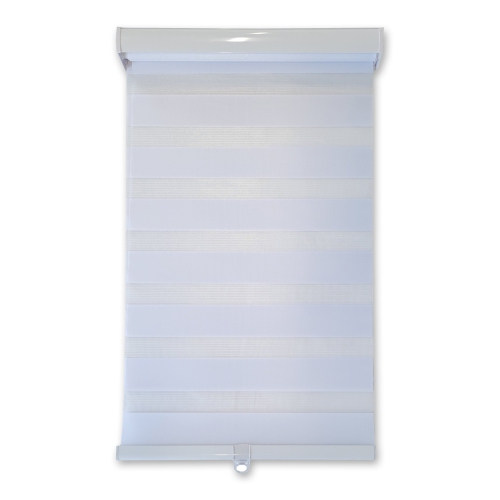
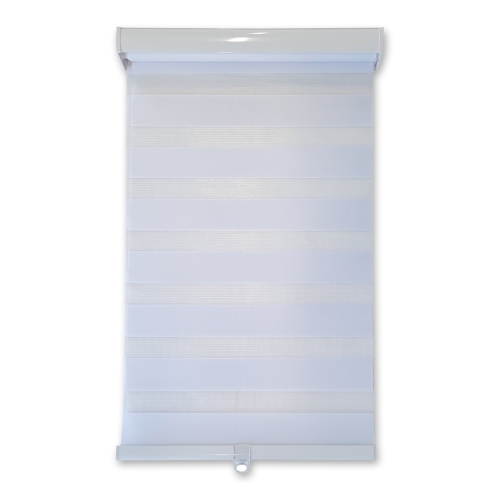
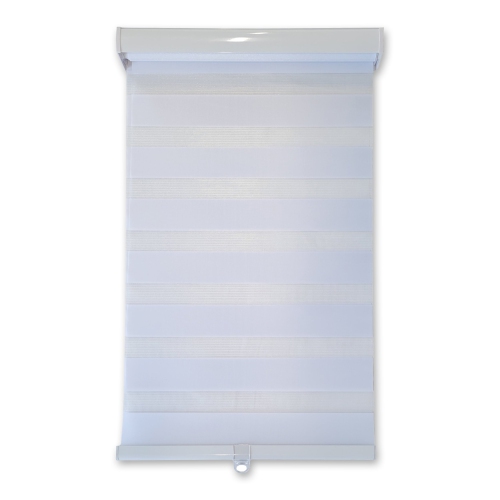
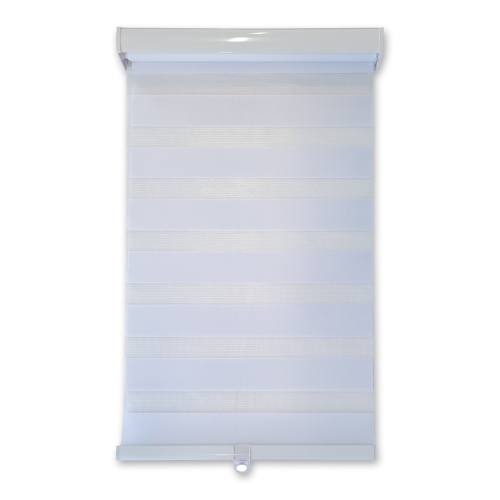
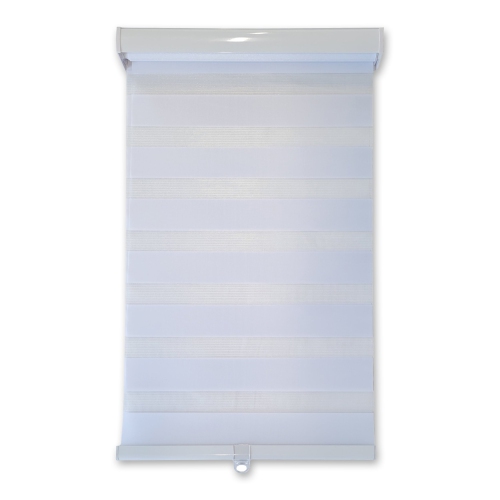
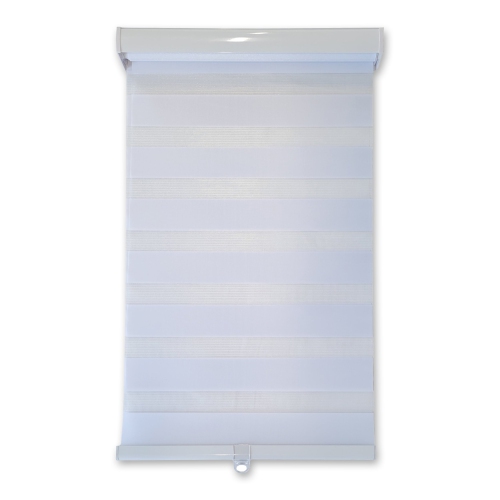
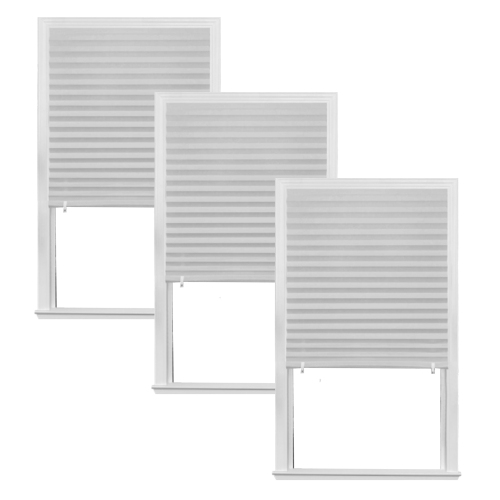
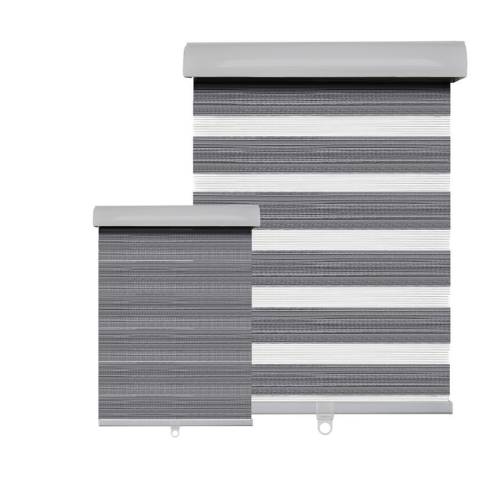
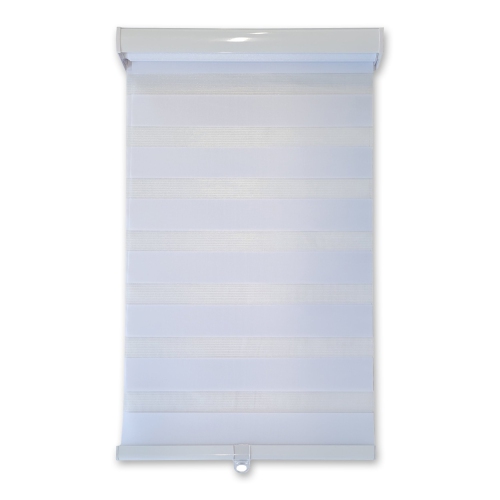
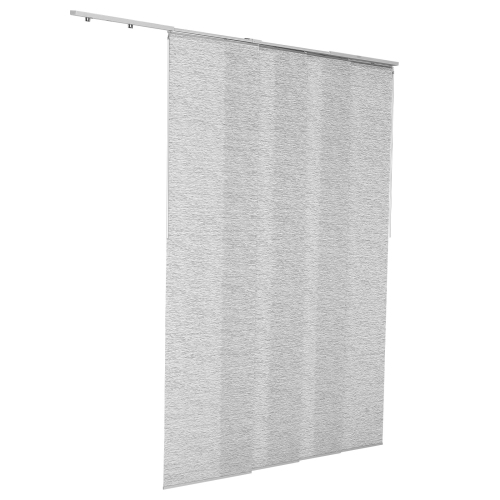
Materials and construction shape both the appearance of window coverings and how well they stand up to everyday use. Real wood blinds bring natural grain and a substantial feel to living rooms and bedrooms, but they are generally better suited to spaces without persistent humidity. Faux wood and vinyl can be practical alternatives near a kitchen sink or in a bathroom, provided the manufacturer's specifications support that use. Aluminium slats have a slim profile and are easy to wipe down, though narrow slats can bend if handled roughly. Fabric roller shades roll into a compact shape above the glass, making them a straightforward choice where a clean outline matters. Their performance varies with fabric opacity, backing, and finish. Cellular shades have a honeycomb-shaped structure that traps air within pockets and can help limit heat transfer at the window; their insulating performance depends on construction, fit, and installation. Roman shades form soft folds when raised, bringing a fabric-focused look that pairs naturally with upholstered furniture. Those folds also occupy space at the top of the window and may need more attention during dusting. Layered shades use alternating sheer and opaque bands to adjust the balance of light and coverage, but their privacy depends on band alignment and fabric characteristics. For wide windows or sliding doors, vertical blinds and sliding panels can move sideways to keep a frequently used passage accessible. Durability is about more than the main material: a sturdy headrail, secure brackets, smooth operation, and well-finished edges all contribute to reliable daily use. A covering raised twice a day in a busy kitchen faces different demands from one that stays in place in a guest room. Care requirements deserve the same attention as colour. Regular light dusting can prevent buildup on slats, while some fabrics allow gentle vacuuming with an appropriate attachment. Cleaning directions vary, and soaking fabric, using strong cleaners, or scrubbing a coated surface can damage its shape or finish. For a window near cooking splashes, an easy-to-clean surface may prove more useful than a richly textured weave.
Fit and operation determine whether blinds and shades feel effortless once installed. An inside mount sits within the window recess for a contained appearance, but it requires sufficient depth for the brackets and operating components. An outside mount attaches above or around the opening and can provide more overlap for privacy and light control, particularly where the frame is shallow or uneven. Width and height measurements taken at several points help reveal variations that are not obvious at a glance. The distinction between the ordered width, the finished headrail width, and the actual fabric width is especially important, since measuring conventions and deductions differ by manufacturer. Handles, cranks, locks, trim, and nearby cabinet doors also need clearance. A shade that fits the glass neatly may still interfere with a window handle or prevent a hinged window from opening fully. On doors, suitable mounting hardware and hold-down options can help keep a covering from swinging when the door moves. Controls should suit the people using the room as well as the position of the window. Cordless operation removes dangling operating cords and offers a simple way to raise or lower many styles, while motorized controls can make tall windows or windows behind furniture easier to manage. Motorized coverings may use replaceable batteries, rechargeable batteries, or a wired power supply; remote control, scheduling, and smart-home compatibility vary, and some connected functions require a separate hub. Homes with children or pets need particular attention to cord safety, secure installation, and furniture placement near windows. Window coverings are usually a personal household purchase rather than a surprise gift because measurements, mounting surfaces, and privacy preferences are so specific. For someone furnishing a first home or refreshing a shared space around Boxing Day, settling those details together helps ensure the result suits everyday routines. Interior coverings should also be distinguished from those designed for patios, balconies, or exposed areas. For a separate outdoor project, Boxing Day sale on outdoor shade focuses on that different setting, where material ratings, mounting requirements, and exposure limits need their own consideration.
Top selling and popular products
-
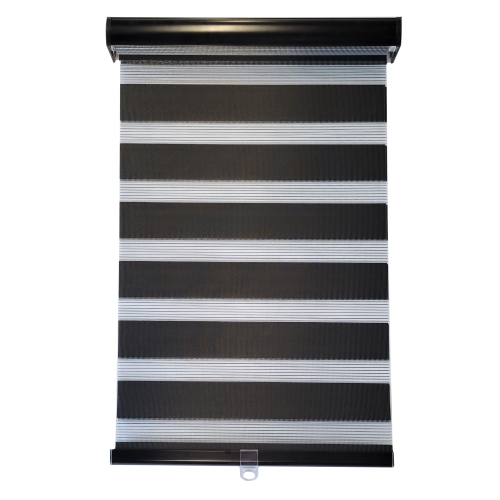 Your price for this item is $134.97
 -
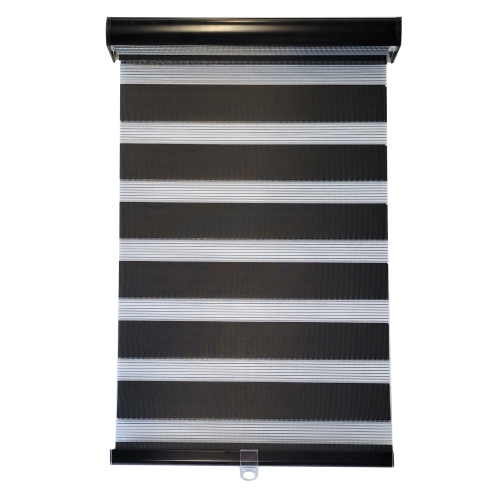 Your price for this item is $119.97
 -
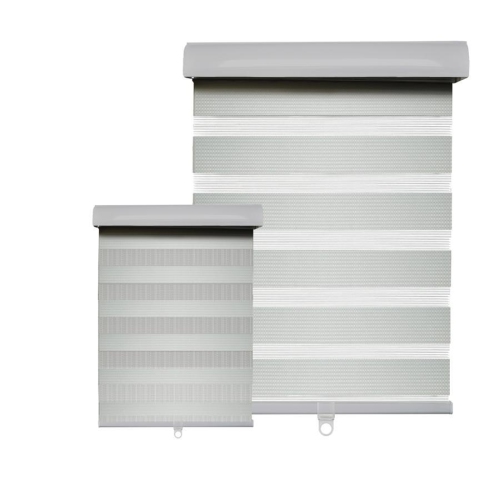 Your price for this item is $57.97
 -
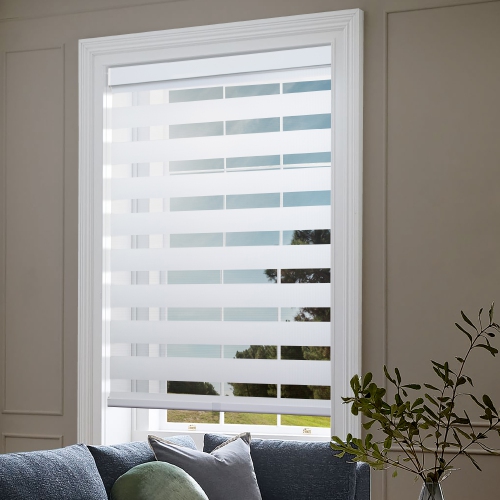 Your price for this item is $84.99
 -
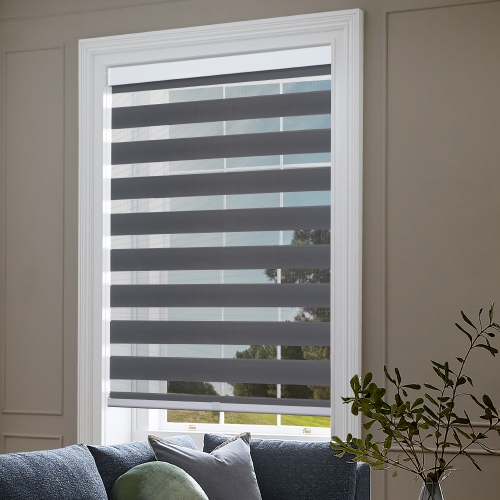 Your price for this item is $94.99
 -
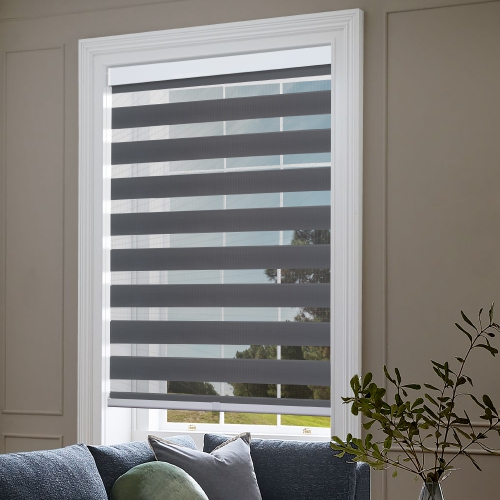 Your price for this item is $95.99
 -
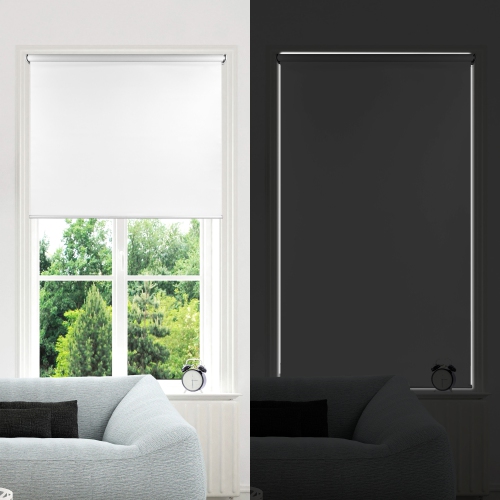 Your price for this item is $46.99
 -
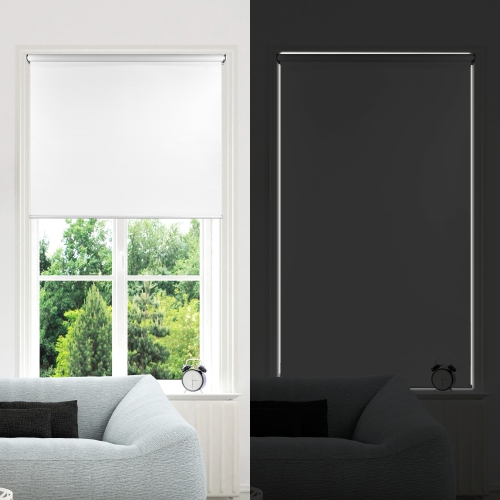 Your price for this item is $33.99