Boxing Day Deals Coming Soon
Our Boxing Day Sale returns in December 2026. In the meantime, shop our current top deals below.

Boxing Day Sale On Bookshelf Speakers
Boxing Day is the perfect opportunity to elevate your home audio experience with incredible deals on bookshelf speakers. Whether you're an audiophile seeking rich sound quality or simply looking to enhance your living space with powerful audio, our Boxing Day sale offers a wide range of options to suit every taste and budget. Discover compact designs that fit seamlessly into any room, delivering impressive sound without compromising on style. Remember, our Low Price Guarantee means you can shop confidently knowing that you'll find the best price at Best Buy, all year round. We encourage you to check our website frequently for the most up-to-date information on our latest offers and savings opportunities.
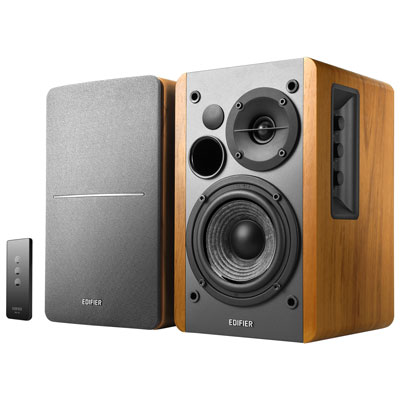
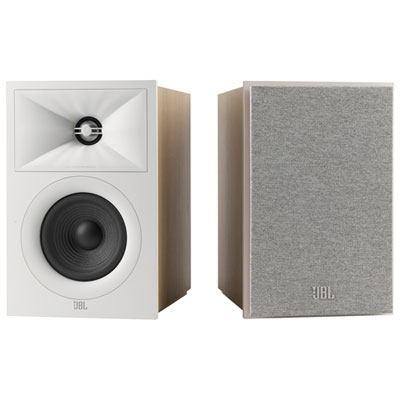


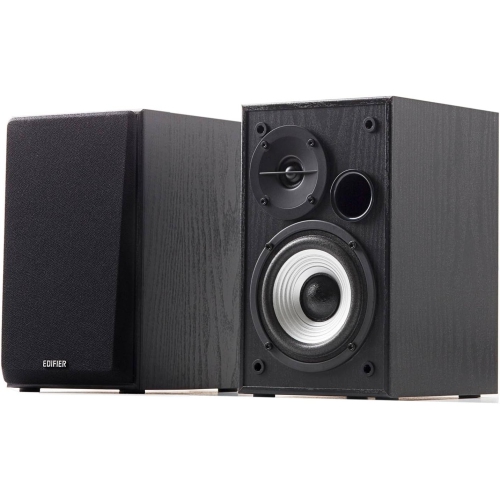
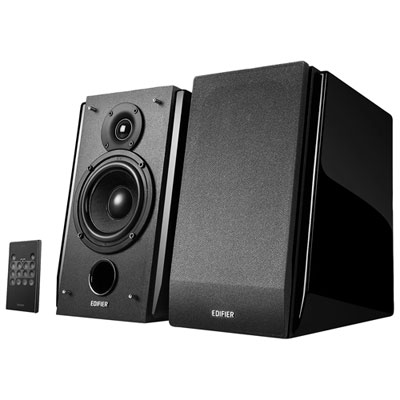
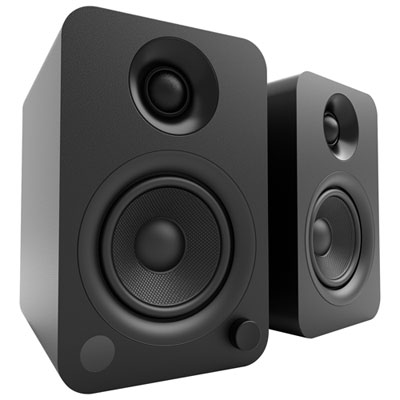
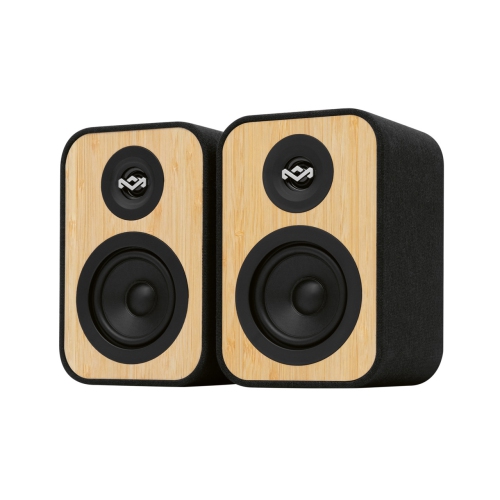
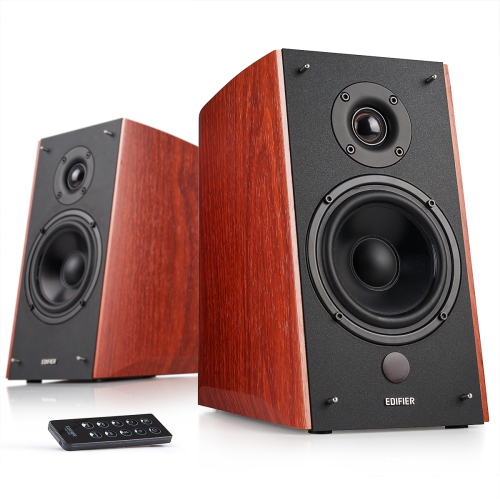
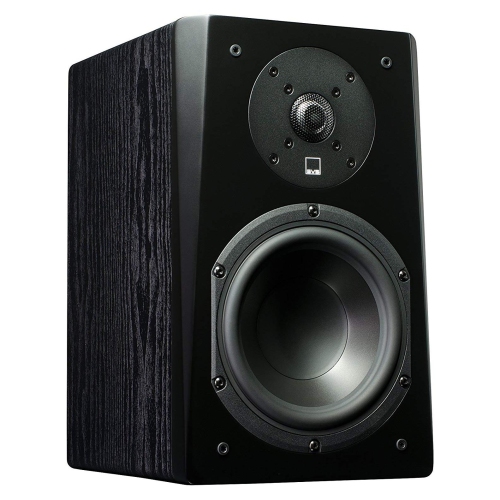
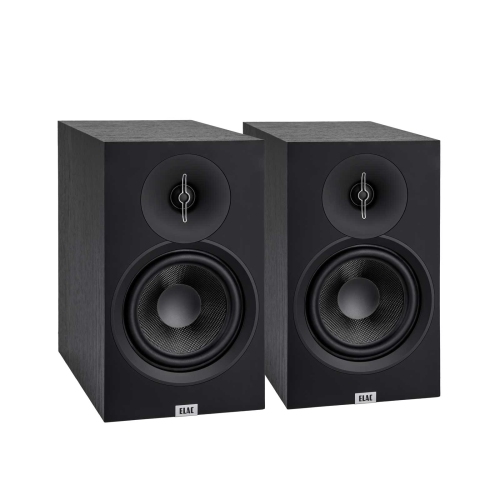
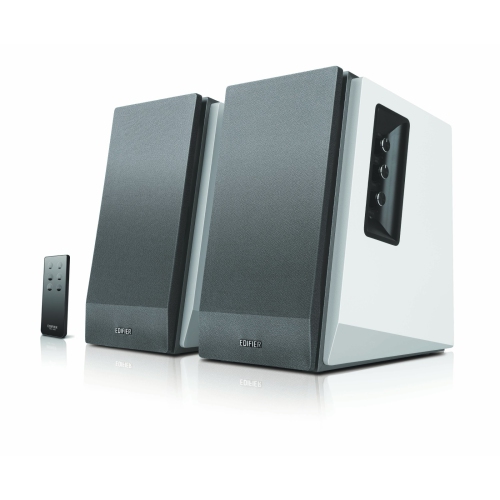
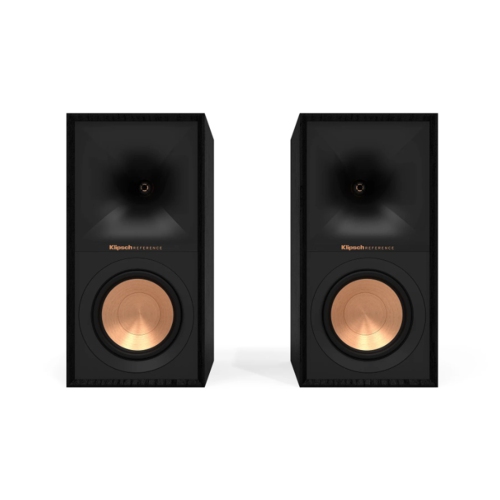
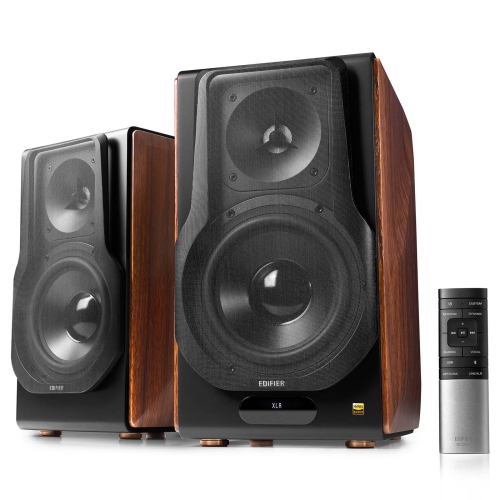
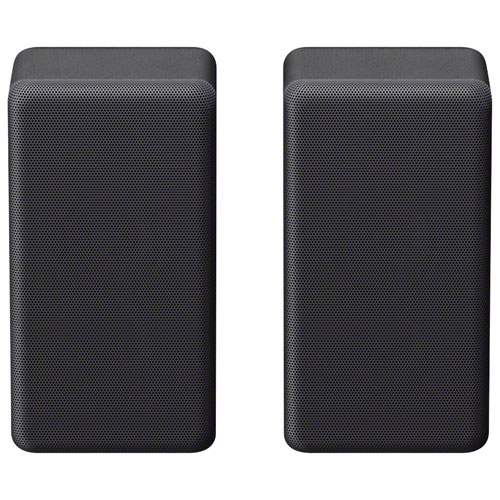
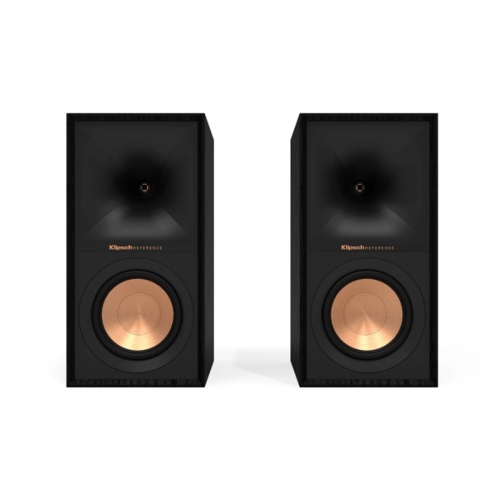
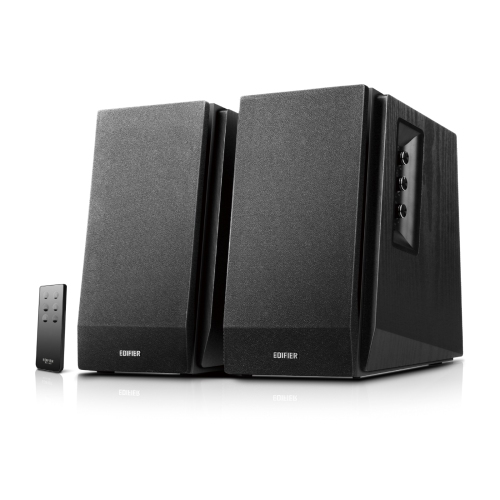
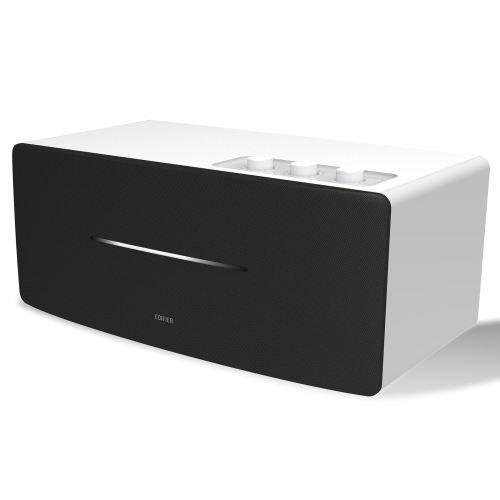
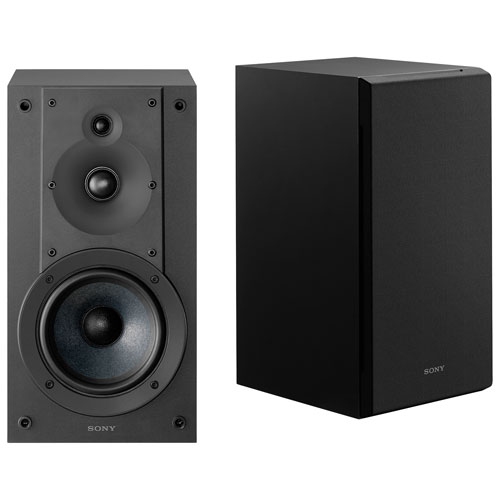

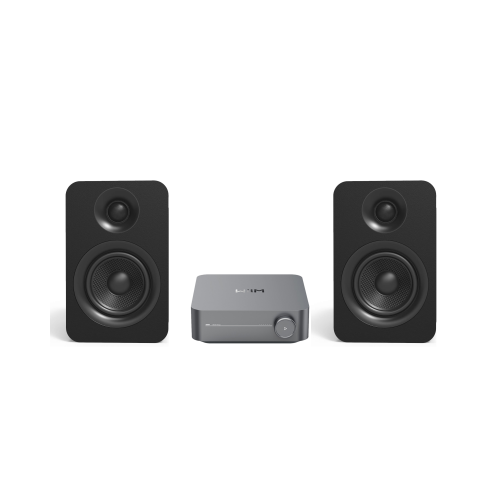
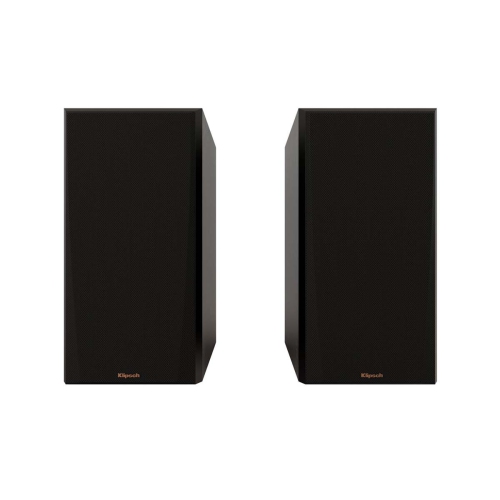
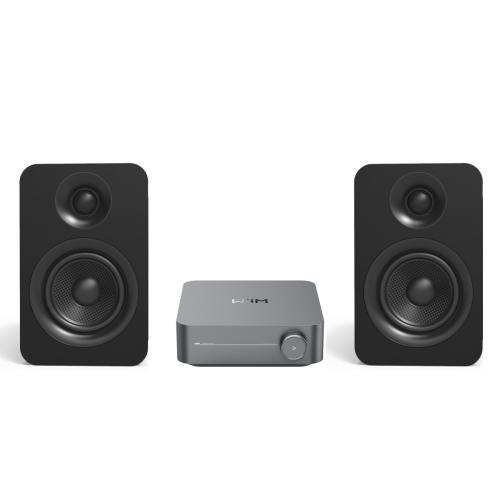
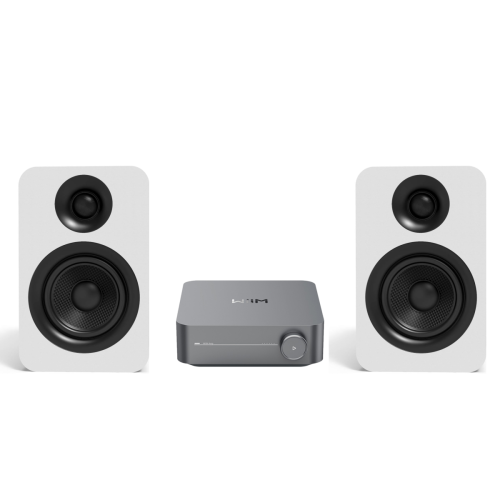
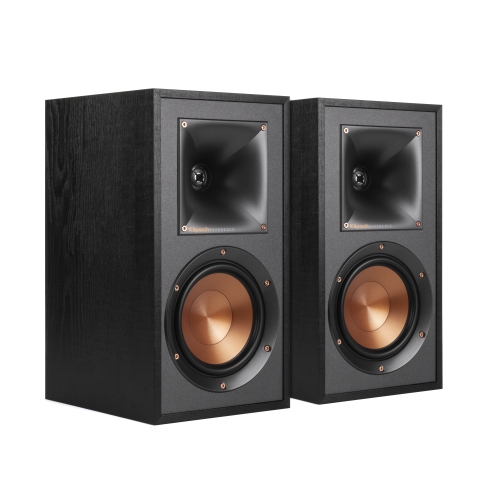
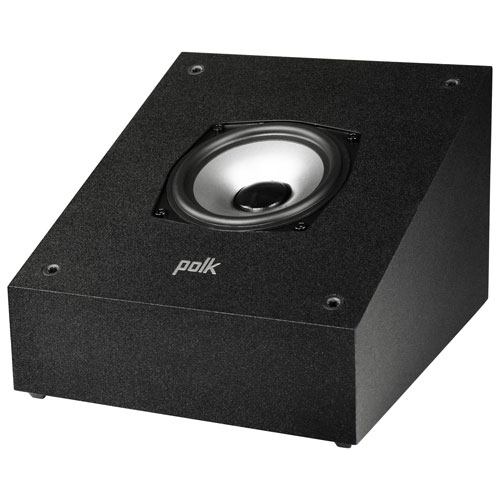
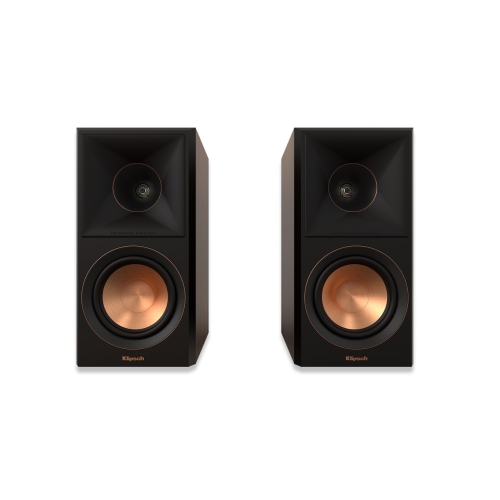
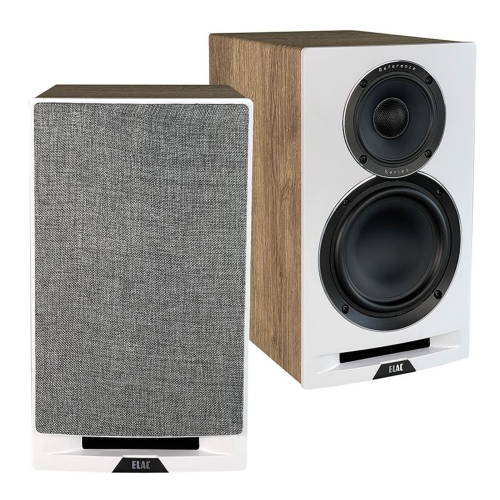
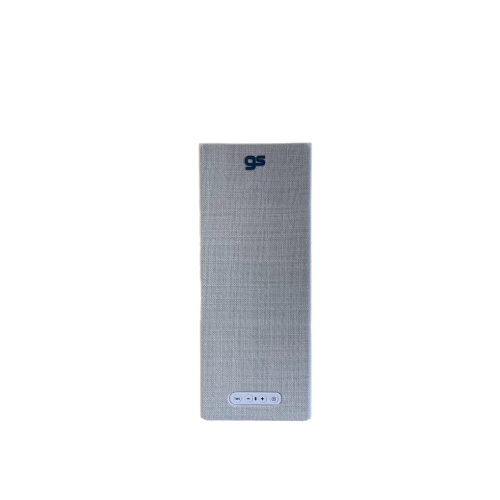

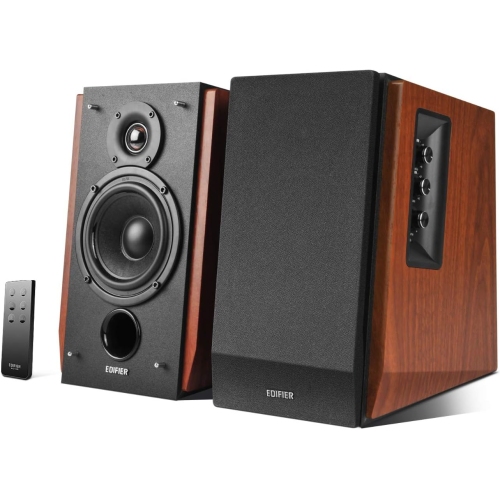
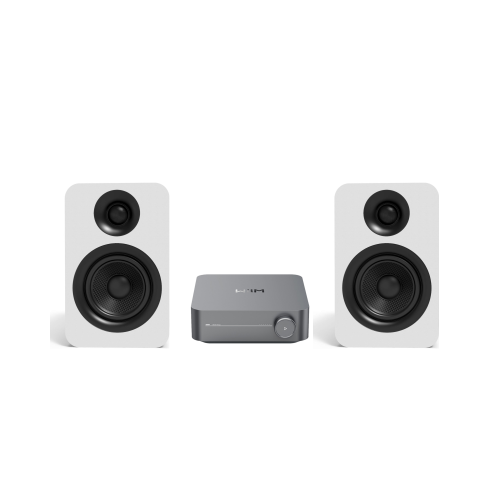
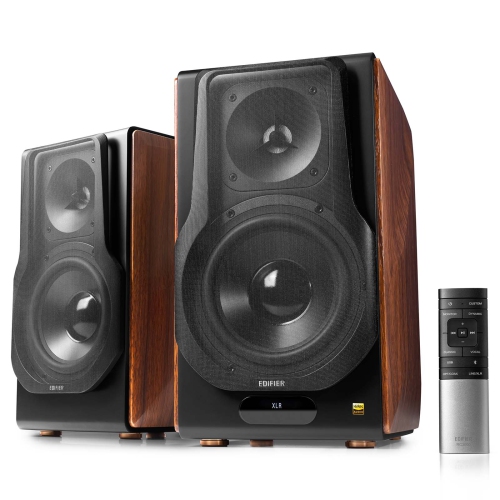
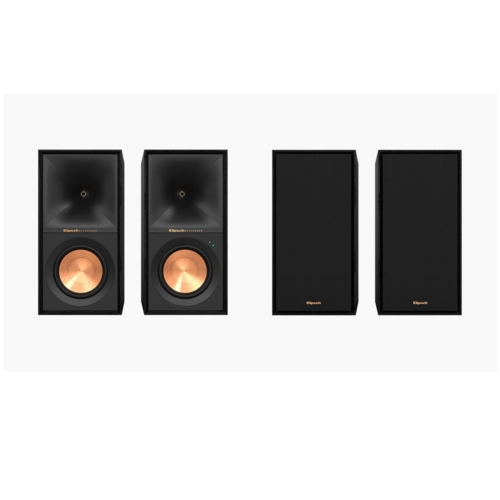
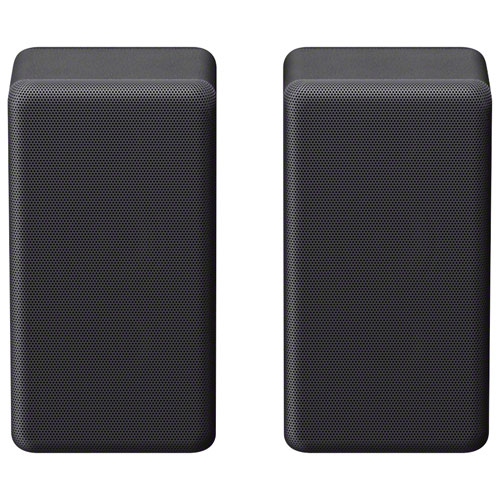
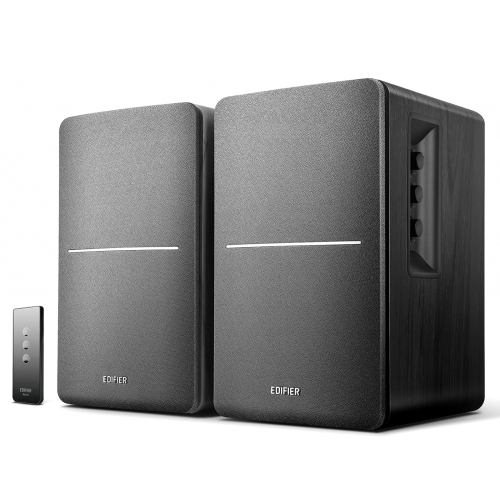
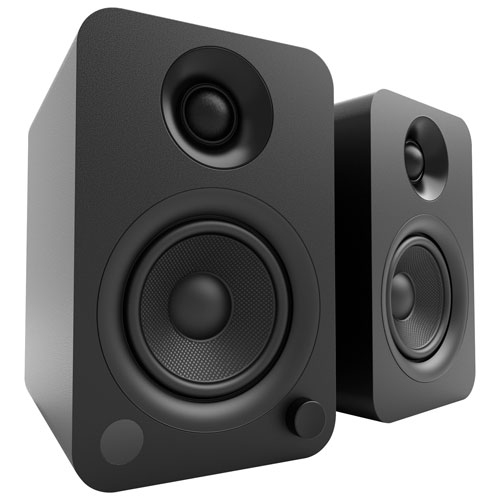
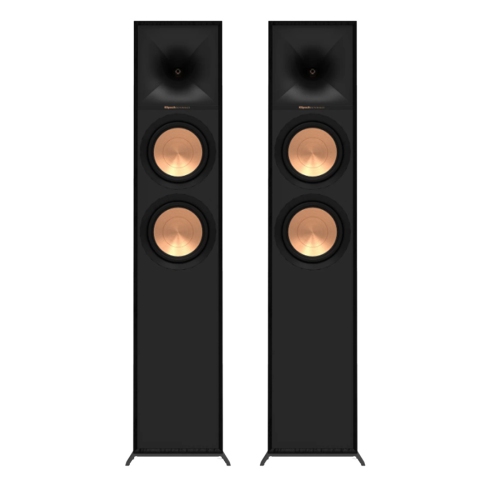
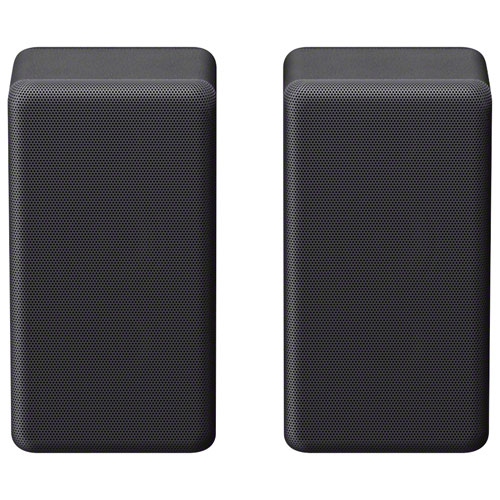
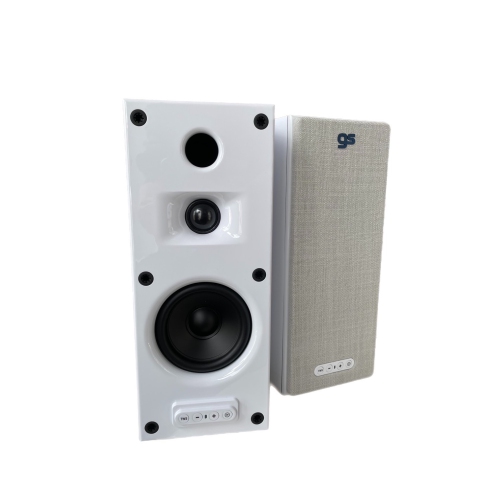
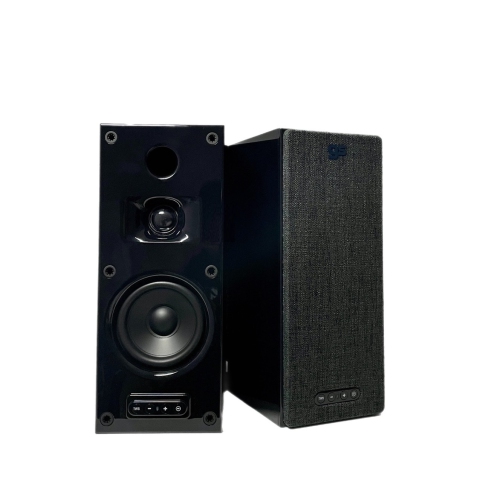
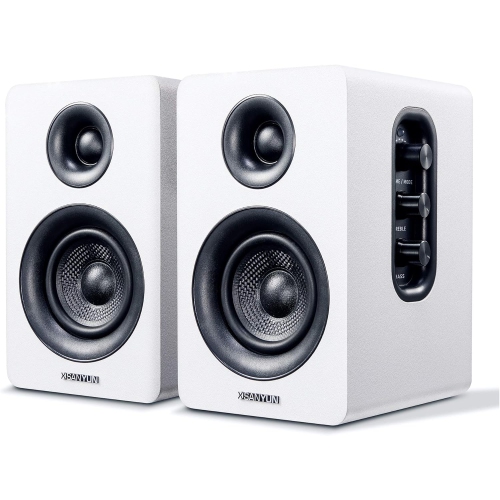
Compact speakers with a soundstage beyond their cabinets
The main distinction within this category is between powered bookshelf speakers and passive bookshelf speakers. Powered models have amplification built into the speaker system, which can reduce the number of separate components needed for everyday listening. Depending on their connections, they may accept audio from a computer, television, turntable, or mobile device. Passive models need an external amplifier or receiver, making them a natural match for an existing stereo or home theatre setup. Their amplifier pairing depends on impedance, sensitivity, and the manufacturer’s power recommendations; a wattage figure on its own does not describe how loudly or cleanly a system will play. For a desktop, a powered pair with a suitable USB input can create a straightforward wired connection, while Bluetooth support can make casual playback from a phone convenient. Wi-Fi features, where supported, may offer network streaming or integration with compatible speakers elsewhere in the home. These connections are not interchangeable, and wireless playback does not necessarily mean the cabinets operate without power cords or a cable between them. Television use brings another set of considerations. An optical input can carry digital audio, while a compatible HDMI ARC connection may allow volume control through the television remote. Turntable listeners need a phono preamp somewhere in the signal chain unless that function is already built into the turntable or speakers; a standard analogue input does not provide the same function. Headphone outputs, remote controls, accessible volume knobs, and subwoofer outputs can also shape daily use. Someone listening at a desk may appreciate a control within easy reach, while a living room setup benefits from convenient adjustment across the room. In a surround system, passive bookshelf speakers can serve as front or surround channels when matched appropriately with the receiver and other speakers. A coherent tonal balance across the front speakers helps dialogue and effects move naturally across the screen, while the receiver’s crossover settings determine how bass is shared with a subwoofer.
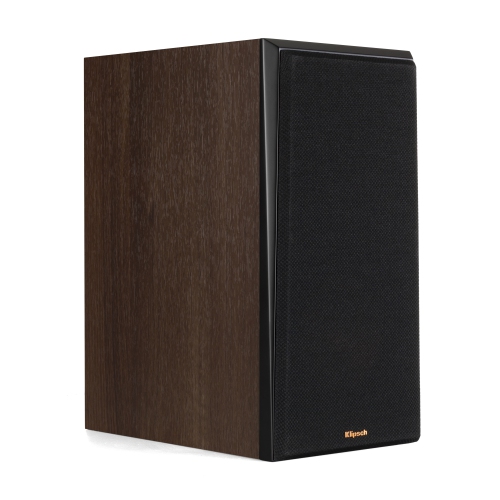
Materials, finish, and physical fit matter because bookshelf speakers often become a visible part of the room. Many cabinets use medium-density fibreboard, sometimes with internal bracing, to provide a rigid enclosure and limit unwanted vibration. Finishes can include wood veneer, vinyl wraps, paint, or other decorative surfaces, with colours and textures that suit everything from a pale wood desk to a dark media unit. Driver materials vary as well, including treated paper, metal, and woven composites, but no single cone material guarantees a particular listening experience. The complete design matters more than a material name. Removable grilles can give the cabinets a quieter visual presence and offer some protection against incidental contact, though delicate drivers still need to stay clear of curious fingers and pets. Dimensions should account for the full setup, including connectors, cable bends, and any rear port clearance specified by the manufacturer. A deep cabinet pushed tightly against the back of a bookcase may behave differently from the same speaker on an open stand. Nearby walls can reinforce bass, sometimes making it sound heavier than intended, while an enclosed shelf can add resonance. Stable supports, secure stands, and isolation pads can help reduce vibration transferred into furniture. Positioning the tweeters roughly at ear height and keeping similar distances from each speaker to the listening seat often supports a more focused stereo image. On a desk, that can mean raising the cabinets slightly rather than letting their sound aim below the listener. Care is generally straightforward: a soft, dry cloth suits routine dusting, while the manufacturer’s instructions should govern any cleaning of finishes or grilles. Liquids, abrasive cleaners, and pressure on exposed drivers can cause damage. Direct sunlight and nearby heat sources may also affect cabinet finishes over time. With suitable placement and compatible equipment, bookshelf speakers can remain useful through changes in furniture, rooms, and listening habits. The related Labour Day Sale on Bookshelf Speakers collection offers another holiday-focused setting for exploring this versatile home audio category.
Top selling and popular products
-
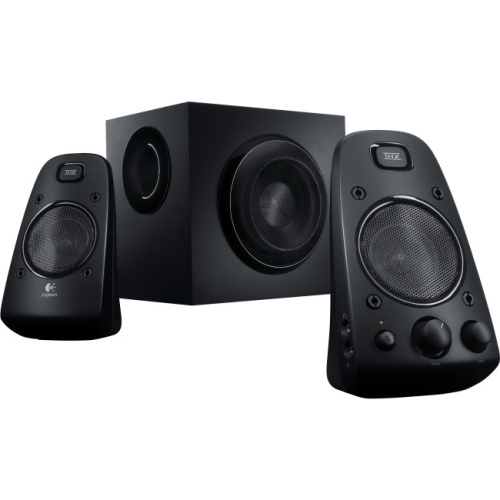 Your price for this item is $286.58
 -
 Your price for this item is $499.99
 -
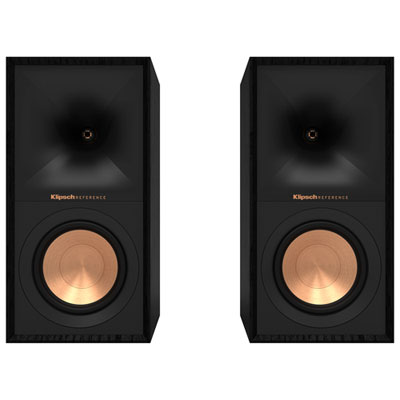 Your price for this item is $549.99
 -
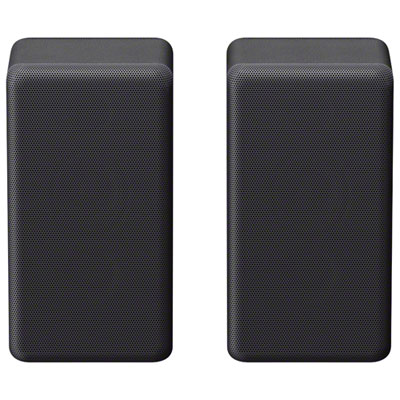 Your price for this item is $349.95
 -
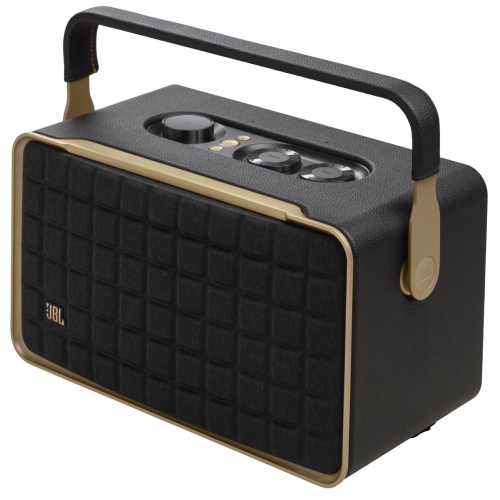 Your price for this item is $399.99
 -
 Your price for this item is $399.99
 -
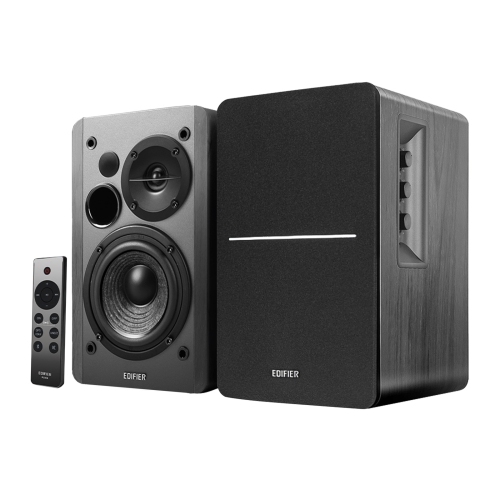 Your price for this item is $229.99
 -
 Your price for this item is $949