Boxing Day Deals Coming Soon
Our Boxing Day Sale returns in December 2026. In the meantime, shop our current top deals below.

Boxing Day Sale On Cake Pans
Get ready to whip up some sweet savings with our Boxing Day Sale on cake pans! Whether you're a seasoned baker or just starting out, this is the perfect opportunity to expand your kitchen collection without breaking the bank. Discover a variety of cake pans in different shapes and sizes, ideal for crafting everything from classic round cakes to intricate designs that will wow your guests. With unbeatable prices and a selection that caters to every baking need, you'll find just what you need to elevate your baking game. Remember, our Low Price Guarantee means you can shop confidently knowing that you'll find the best price at Best Buy, all year round. We encourage you to check our website frequently for the most up-to-date information on our latest offers and savings opportunities.






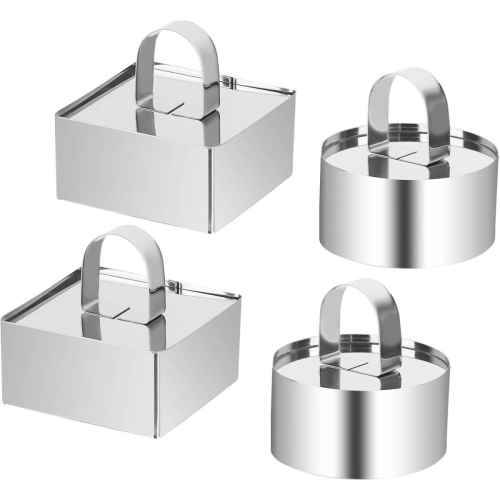
How cake pan design shapes your finished bake
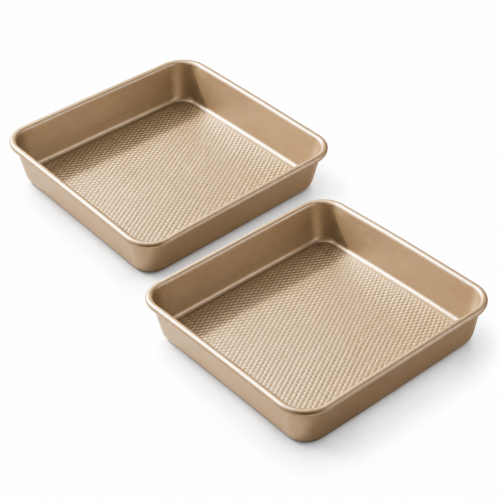
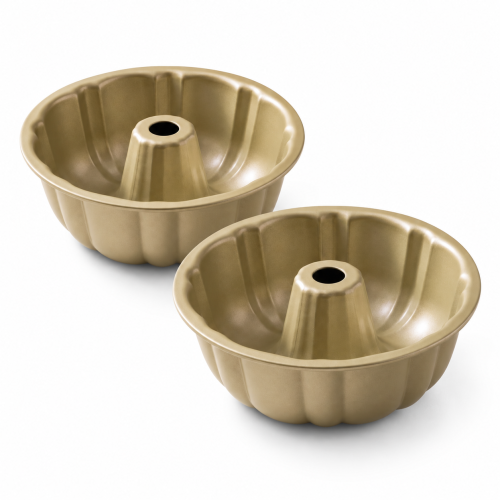
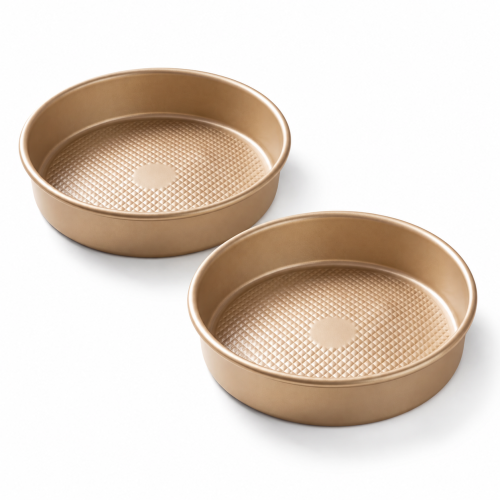
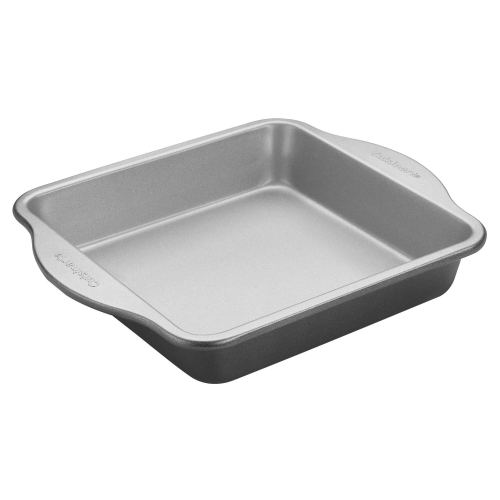
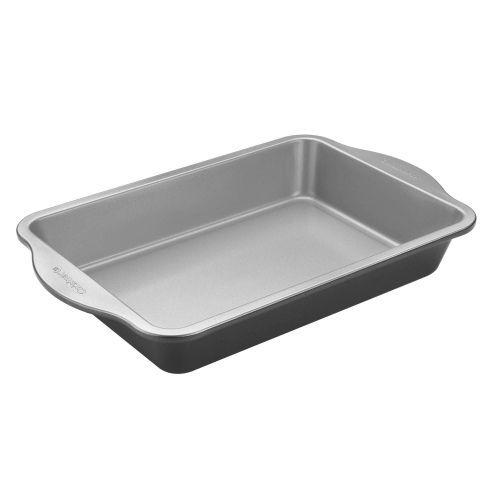
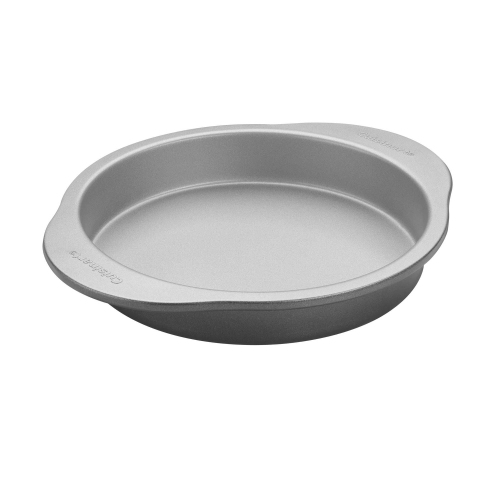
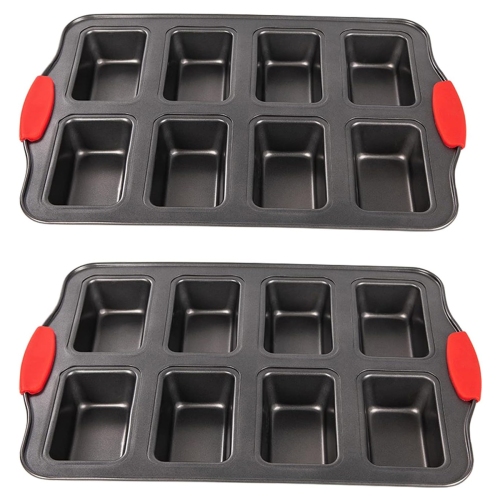
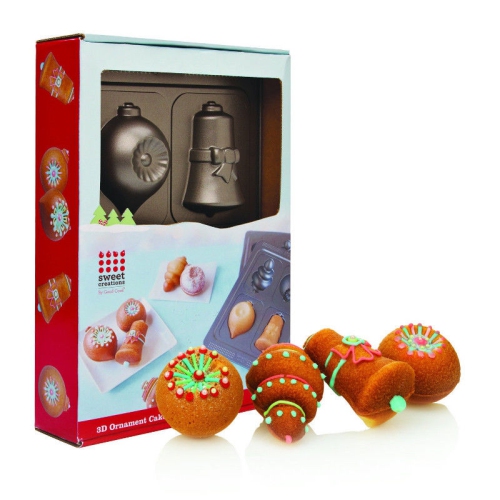
Material and construction affect how a cake pan handles in the kitchen and how it performs in the oven. Aluminum is relatively lightweight and conducts heat well, making it a familiar material for cakes that benefit from even baking. Anodized aluminum has a treated surface, although care requirements still depend on the pan’s construction and finish. Steel pans often feel sturdier in the hand, with heavier construction helping them maintain their shape through repeated use. Dark finishes tend to absorb heat more readily than lighter finishes, which can affect browning around the sides and base. A recipe developed for a light-coloured metal pan may need closer attention when baked in a dark pan; the recipe and pan manufacturer’s directions remain the best references. Non-stick coatings can make release and cleanup easier, particularly around detailed patterns, but they do not replace any greasing or flouring specified for the recipe and pan. Uncoated surfaces can also perform well with suitable preparation and, where appropriate, a parchment lining. Silicone bakeware is flexible and can be convenient to store, though that flexibility may make a filled mould harder to move without support. Some designs are intended to sit on a firm baking sheet, so checking their handling instructions matters. Details such as a rolled rim, accessible handles, and a securely fitted removable base become noticeable when lifting a pan with oven mitts or moving a delicate bake to a cooling rack. Springform closures should feel secure, but the seam does not necessarily form a watertight seal. Recipes that use a water bath may require additional protection or a different pan arrangement. For intricate shapes, the depth and definition of the pattern influence both the finished appearance and the attention needed when preparing and cleaning the surface. Across materials, a stated maximum oven temperature helps establish whether a pan suits the recipes and cooking methods planned for it.
Fit and care are just as important as shape when cake pans become part of a regular baking routine. Overall width includes rims and handles, so a pan’s baking dimensions alone may not reveal whether it fits comfortably in a smaller oven. Space around the pan supports airflow, and a pair of round pans needs enough room to bake without being pressed together or against the oven walls. Cupboard space matters after baking, too: nesting shapes can be convenient, provided coated surfaces are protected from scratches. Deeply patterned pans and removable bases may need a little more room and careful placement than a simple square pan. Gentle cleaning helps preserve the finish, especially on non-stick surfaces, where abrasive scrubbers and metal utensils can cause damage. Dishwasher suitability varies, and handwashing may be recommended even when a pan appears sturdy. Allowing bakeware to cool before washing helps avoid sudden temperature changes, while thorough drying is particularly useful around seams, rims, and springform fastenings where moisture can linger. A pan that releases cakes cleanly, sits flat, and remains comfortable to handle can make baking feel less fussy, whether the result is a plain vanilla cake for lunch boxes or a carefully iced centrepiece. For a gift, familiar baking habits are a useful starting point. Someone who enjoys decorating may appreciate matching layer pans, while a baker who prefers a simple glaze may get more use from a distinctive ring shape. Weight, grip, and ease of cleaning can matter as much as appearance, particularly for anyone who finds heavy bakeware awkward to lift. Cake pans also have a different role from dishes intended for baking and serving at the table; the related Boxing Day Sale on Casserole & Baking Dishes page covers that neighbouring bakeware category. Keeping those uses distinct helps match each vessel to the food it needs to hold, release, or serve, leaving cake pans to focus on the crumb, shape, and finish that make a homemade cake satisfying to share.
Top selling and popular products
-
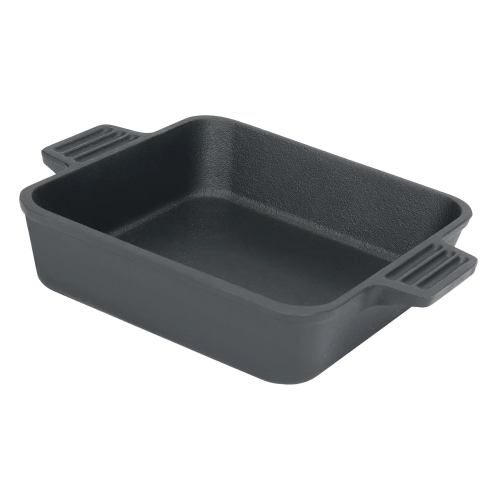 Your price for this item is $107.99
-
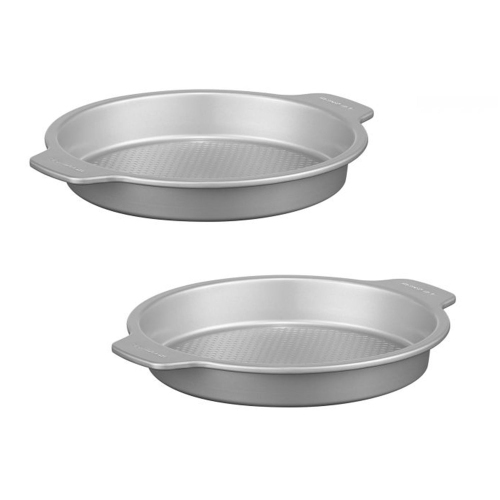 Your price for this item is $25.97
-
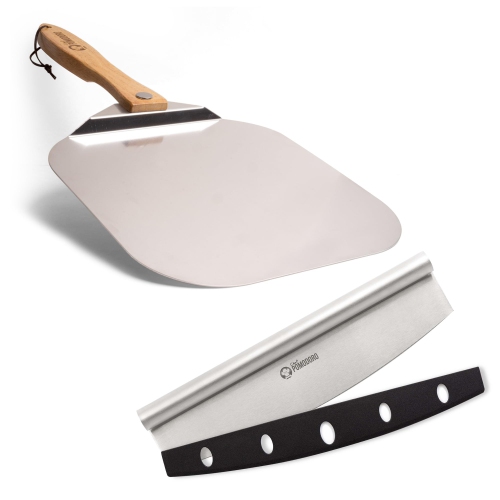 Your price for this item is $44.99
-
 Your price for this item is $45.99
-
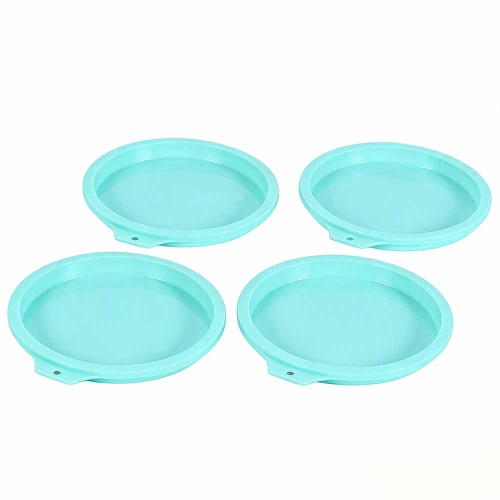 Your price for this item is $30.88
-
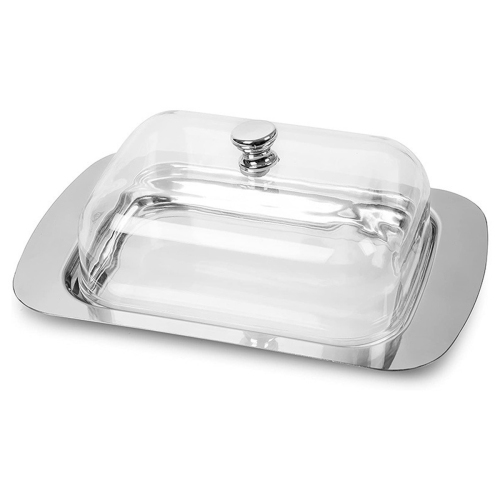 Your price for this item is $165.88
-
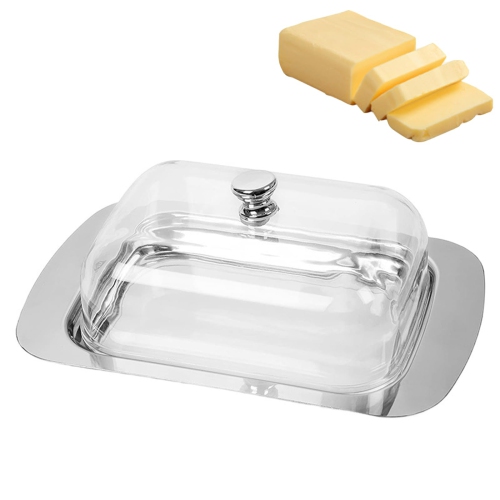 Your price for this item is $36.99
-
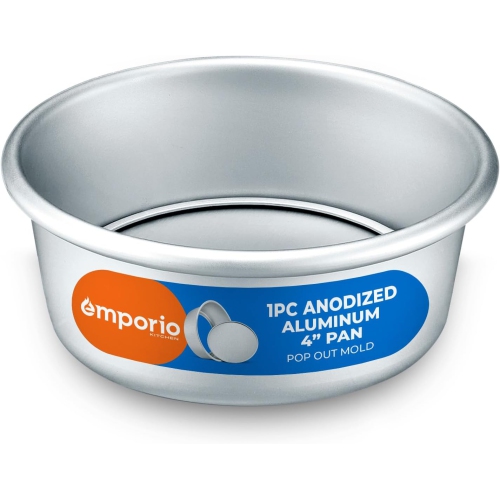 Your price for this item is $19.99


