Boxing Day Deals Coming Soon
Our Boxing Day Sale returns in December 2026. In the meantime, shop our current top deals below.

Boxing Day Sale On Countertop Blenders
Get ready to blend your way to savings with our Boxing Day Sale on countertop blenders! Whether you're whipping up a morning smoothie, creating a delicious soup, or crafting a refreshing cocktail, the right blender can make all the difference in your kitchen. Dive into an array of options that combine style and functionality, perfect for any culinary enthusiast. With unbeatable deals and a variety of designs to choose from, now is the ideal time to upgrade your blending game and transform your meal prep routine. Remember, our Low Price Guarantee means you can shop confidently knowing that you'll find the best price at Best Buy, all year round. We encourage you to check our website frequently for the most up-to-date information on our latest offers and savings opportunities.

Why smoother blends depend on more than wattage
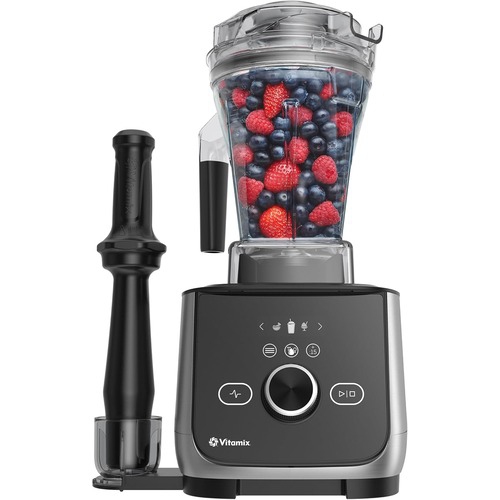
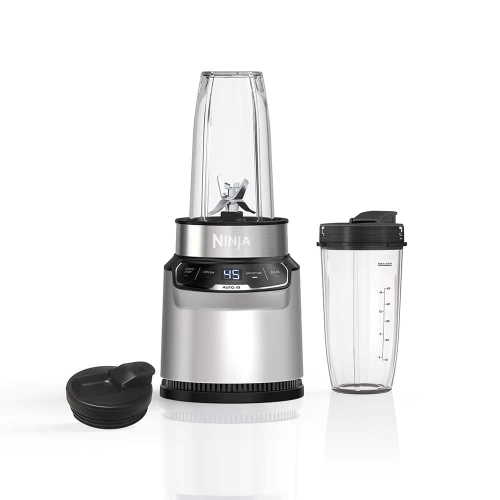
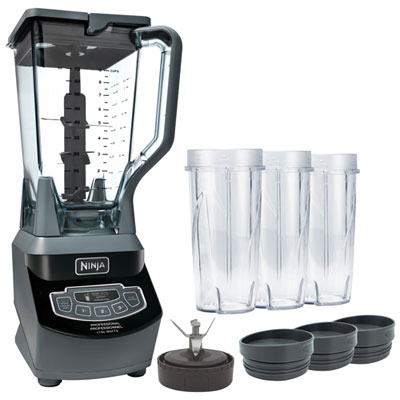
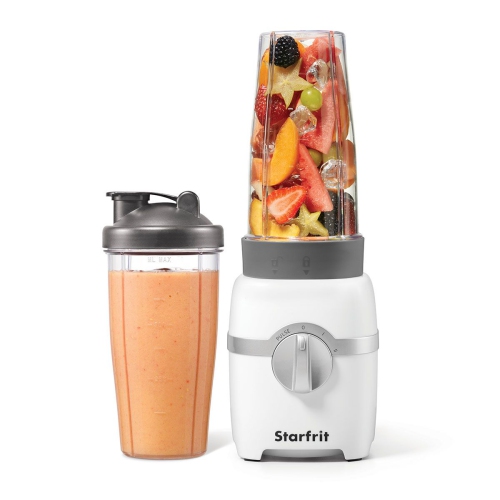
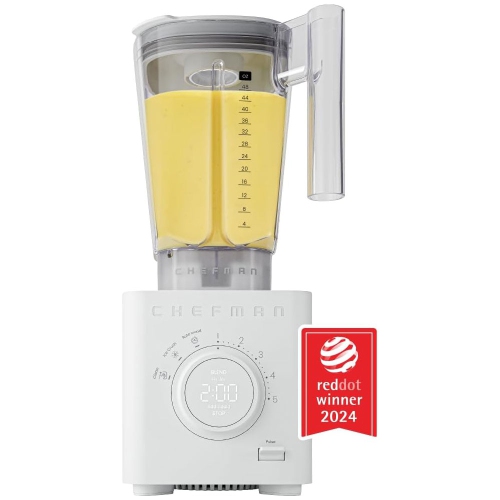
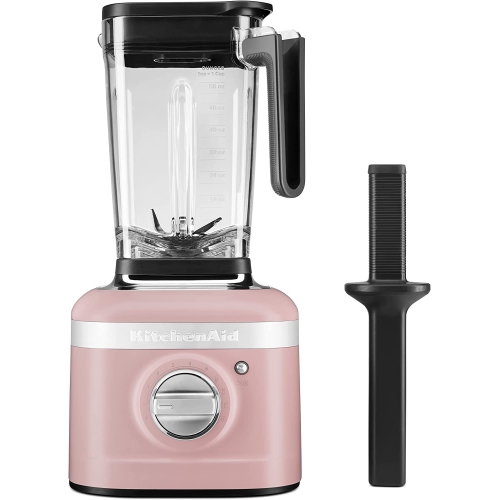
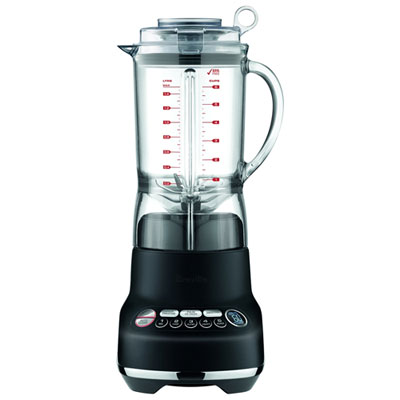
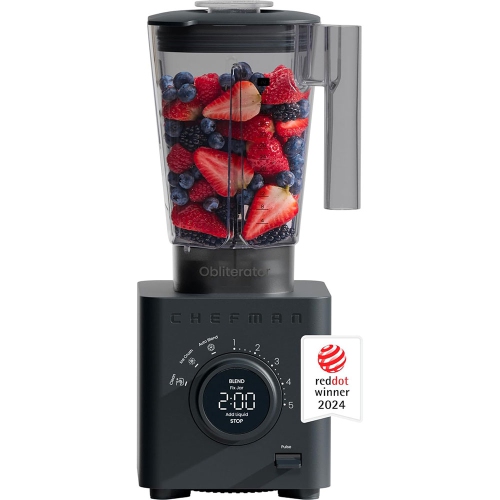
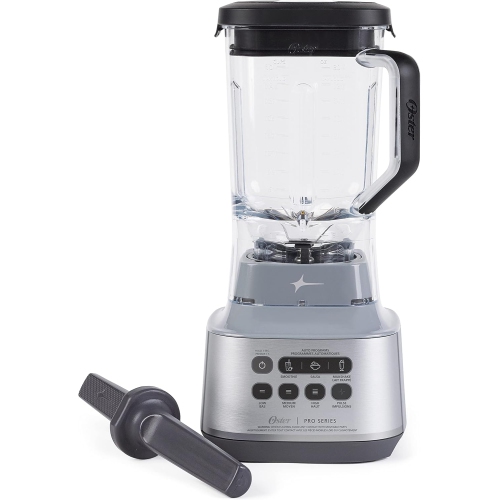
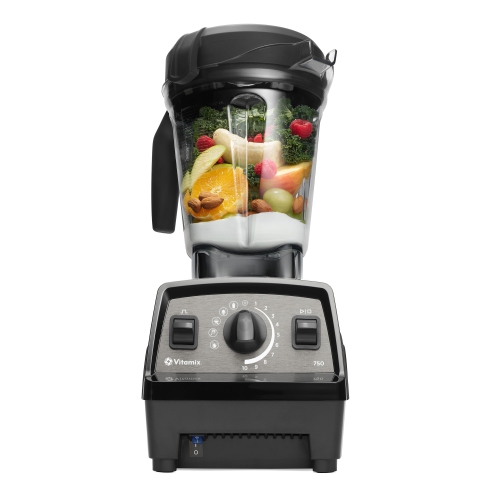
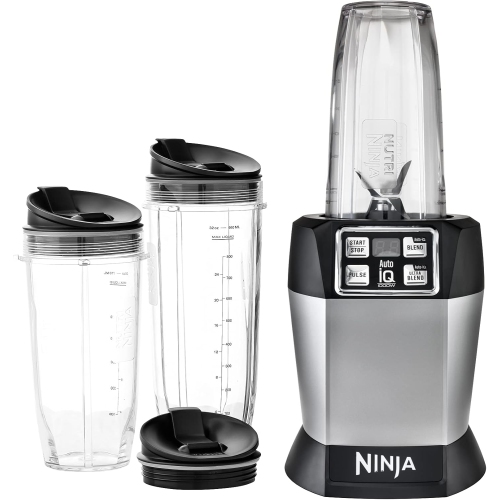
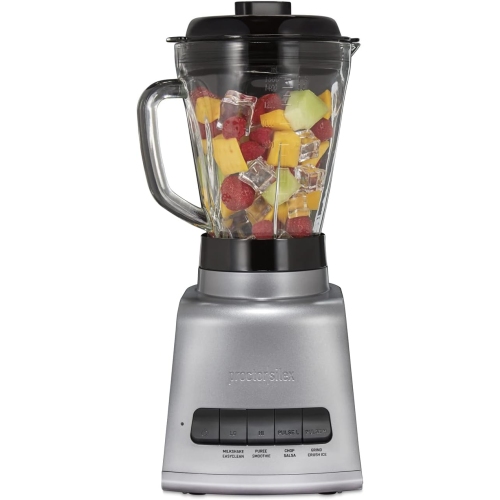
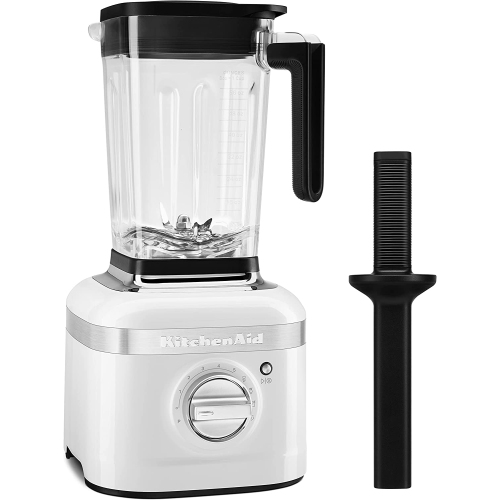
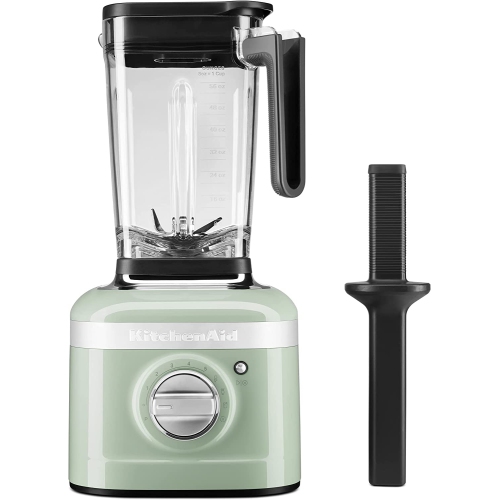
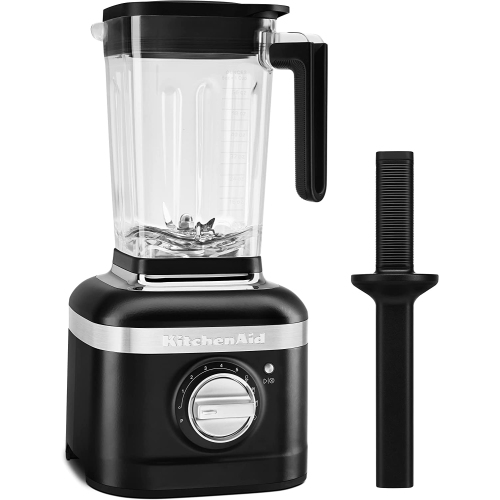
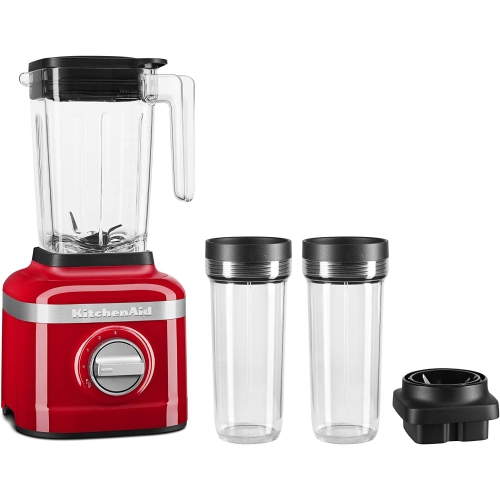
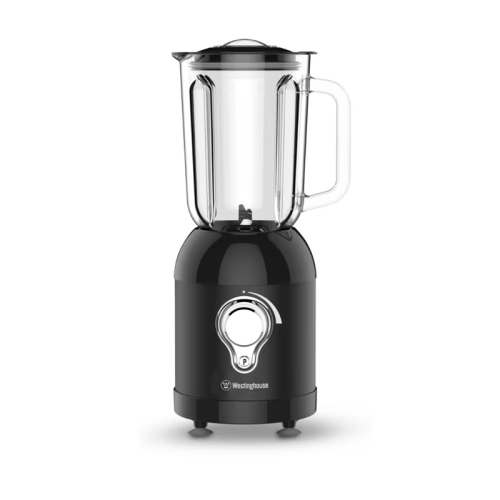
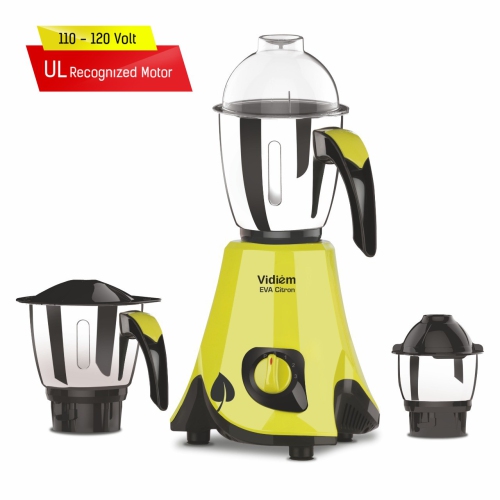
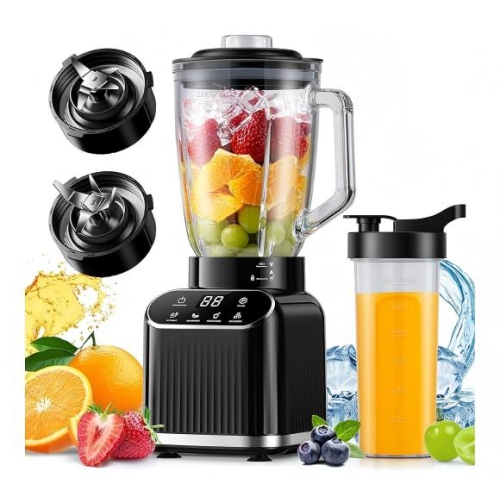
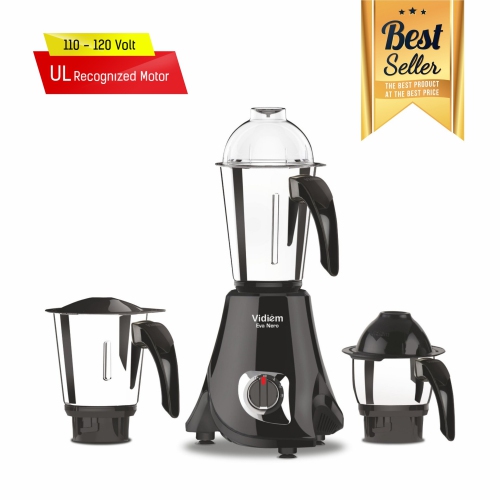
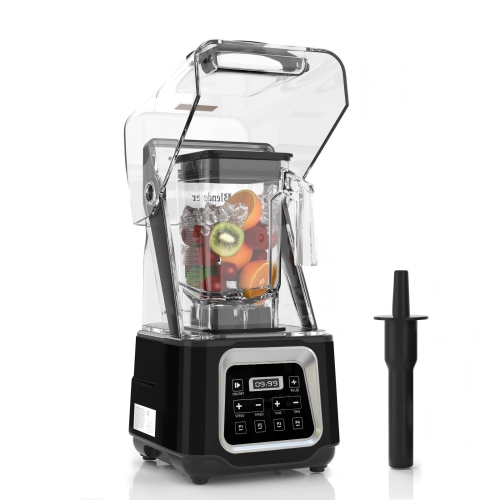
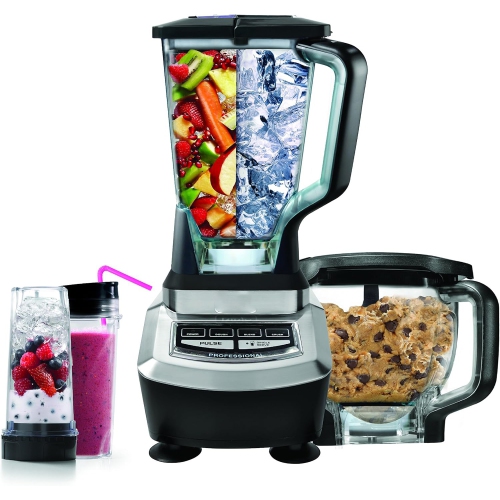
The jar is one of the most noticeable differences between countertop blenders, both during use and when it is time to wash up. Glass has a substantial feel and generally resists scratches and lingering food odours, although it adds weight and can break if dropped or exposed to conditions outside its rated limits. Plastic jars are usually lighter, which can make a full batch easier to lift and pour, but their resistance to scratching, staining, and heat varies by material and construction. Neither material should be assumed safe for hot liquids unless the manufacturer explicitly permits that use. Jar capacity deserves a closer look than the largest number on the packaging: the maximum working fill line may be lower than the total vessel size, and some recipes require extra room for movement or expansion. A large jar can be convenient for several drinks, yet a small amount of dressing may sit too low to circulate effectively around its blades. Clear measurement markings, an easy-to-grip handle, and a spout that pours neatly help with the small details of daily preparation. A secure lid matters too, particularly when blending thin liquids that can splash as the motor starts. Some lids have a removable centre cap for adding ingredients as directed, while certain designs accommodate a purpose-made tamper to move thick mixtures towards the blades. Only the tamper intended for that blender should be used, following its operating instructions; ordinary utensils do not belong in a running jar. Physical fit extends beyond jar size. A tall appliance may not fit beneath kitchen cabinets with its lid attached, and a heavy base may be inconvenient to move in and out of a cupboard each morning. Non-slip feet and a stable base help keep the appliance steady on a suitable work surface. Controls also shape the experience: a simple dial can offer gradual adjustments, a pulse function can provide brief bursts for texture control, and preset programs may reduce the need to monitor familiar recipes continuously.
Long-term satisfaction with a countertop blender often comes down to care, construction, and how comfortably it handles its usual workload. Dense ingredients and thick mixtures can strain a motor, so minimum liquid requirements, batch limits, and maximum running times are worth checking before preparing something beyond a straightforward drink. Frozen ingredients should be used only as directed, and fruit with hard pits needs preparation before it reaches the jar. For soup, cooling cooked ingredients before blending is the appropriate approach unless the appliance is expressly designed to process hot liquids; even then, its temperature limits, fill limits, and venting instructions remain essential. A blender should never be treated as a cooking appliance unless it has that stated capability. Everyday cleaning is easier when food residue is removed promptly rather than left to dry around the blades and seals. Some jars and lids are dishwasher-safe, while others require handwashing, and removable blade assemblies have their own handling requirements. A brief blend with water and a little dish soap may help loosen residue where the manufacturer allows it, but it does not replace cleaning seals, lid grooves, or other areas that retain food. The motor base should be unplugged before cleaning and wiped rather than immersed. Thorough drying before storage helps keep components ready for the next use. Durability involves more than a solid-feeling exterior: the drive connection, jar attachment, seals, and controls all receive repeated wear. Clearly stated warranty coverage and provisions for replacing worn components can matter to someone planning frequent use. Sound is another practical consideration, especially in an open-plan home or a shared kitchen where an early breakfast routine may overlap with someone else’s sleep. No countertop blender is silent, and harder ingredients can make operation noticeably louder. Shoppers exploring a related Boxing Day page can also visit Boxing Day Sale on Vitamix. Whether the goal is a smooth breakfast drink, a neatly poured sauce, or easier batch preparation, the most useful countertop blender is one whose capacity, controls, care requirements, and intended tasks fit naturally into the kitchen.
Top selling and popular products
-
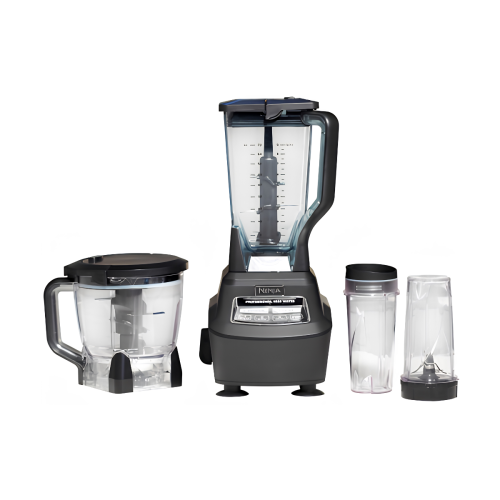 Your price for this item is $239.99
 -
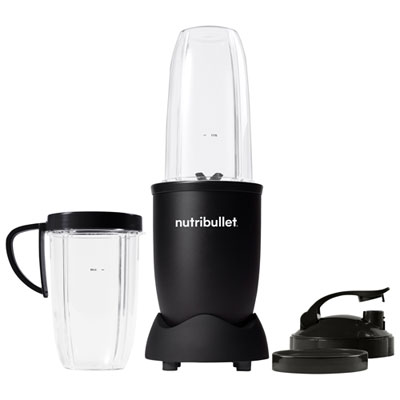 Your price for this item is $99.99
 -
 Your price for this item is $79.99
 -
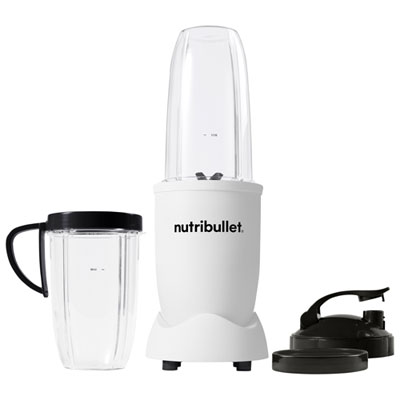 Your price for this item is $99.99
 -
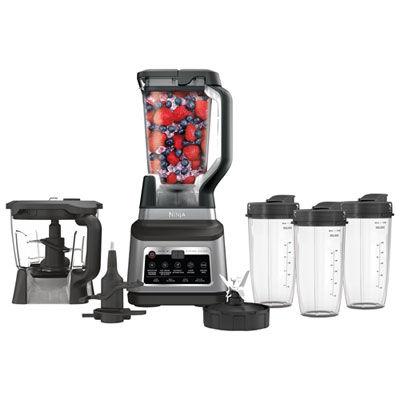 Your price for this item is $199.99
 -
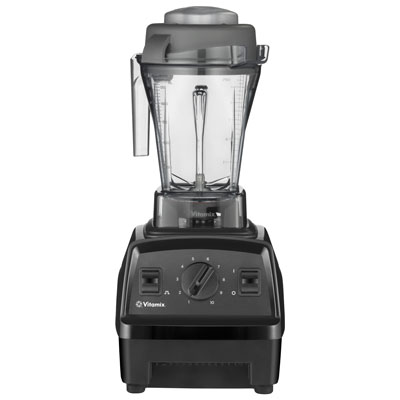 Your price for this item is $499.99
 -
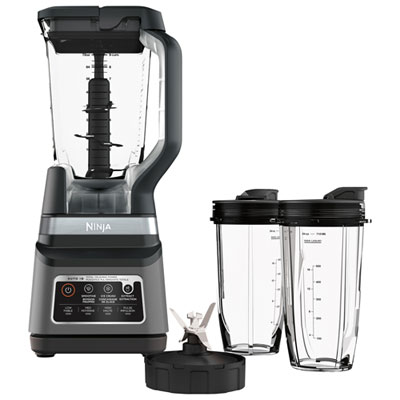 Your price for this item is $219.99
 -
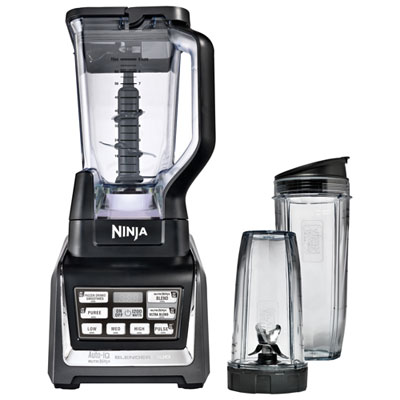 Your price for this item is $229.99