Boxing Day Deals Coming Soon
Our Boxing Day Sale returns in December 2026. In the meantime, shop our current top deals below.

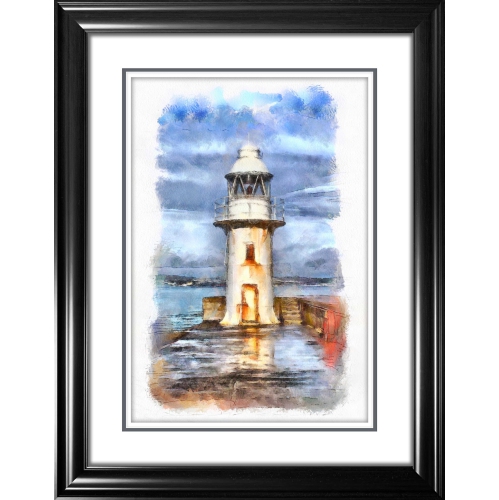
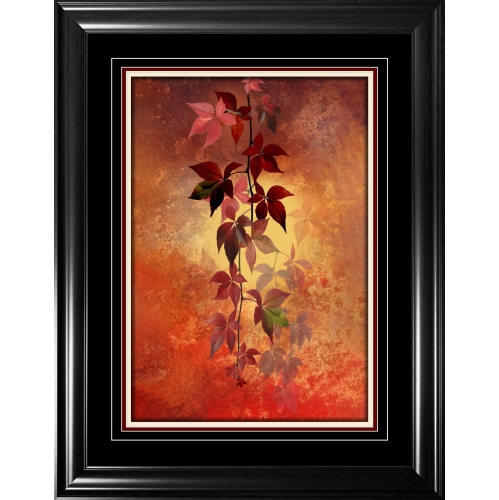
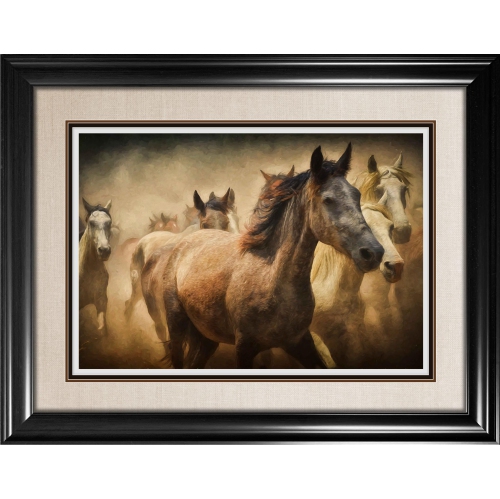
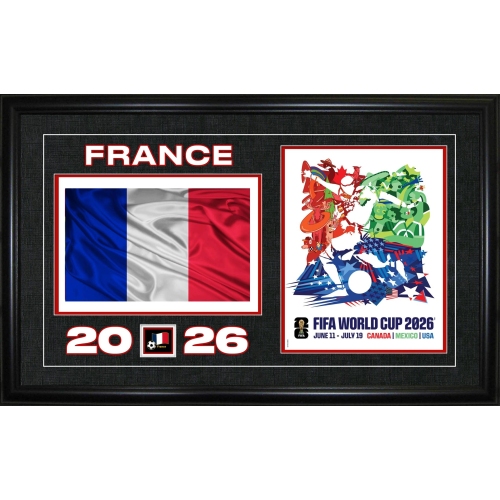
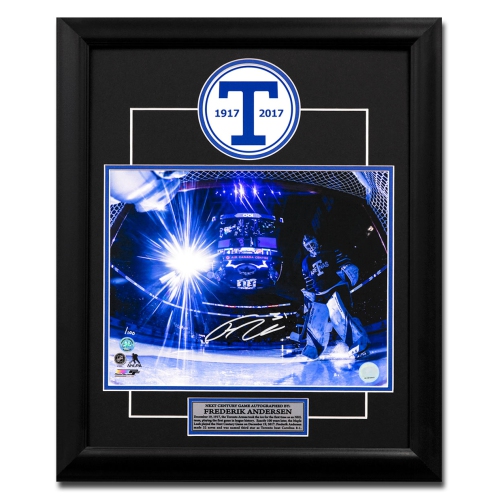
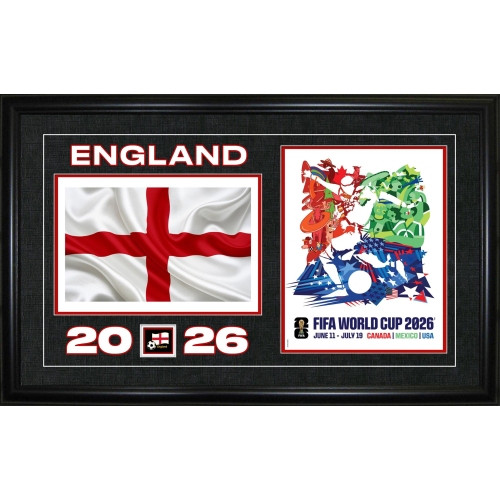
Boxing Day Sale On Framed Photographs
Get ready to capture the essence of Boxing Day with our spectacular sale on framed photographs. Whether you're looking to add a touch of elegance to your home decor or searching for the perfect gift, our collection offers a stunning variety of options to suit every taste. Explore beautifully crafted pieces that bring memories to life and transform any space into a gallery of cherished moments. With incredible deals available for a limited time, there's never been a better opportunity to find that perfect frame for your favorite photograph. Dive into our selection and discover the art of preserving memories in style this Boxing Day. Remember, our Low Price Guarantee means you can shop confidently knowing that you'll find the best price at Best Buy, all year round. We encourage you to check our website frequently for the most up-to-date information on our latest offers and savings opportunities.

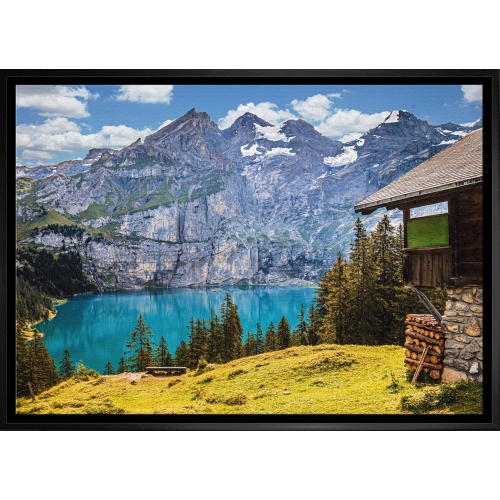
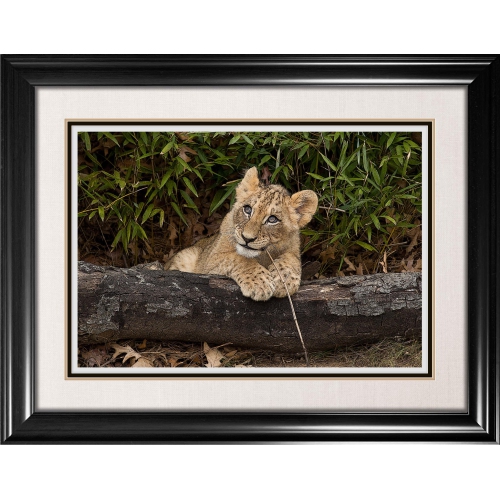
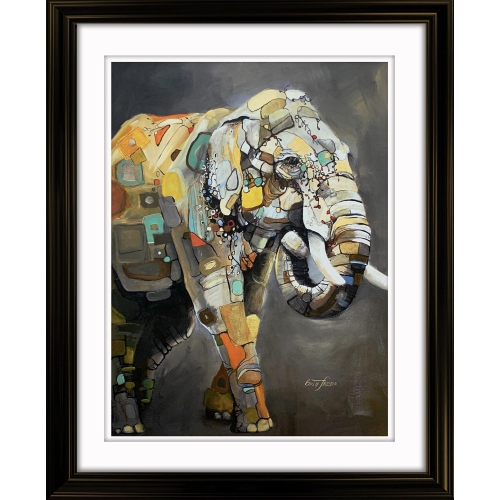
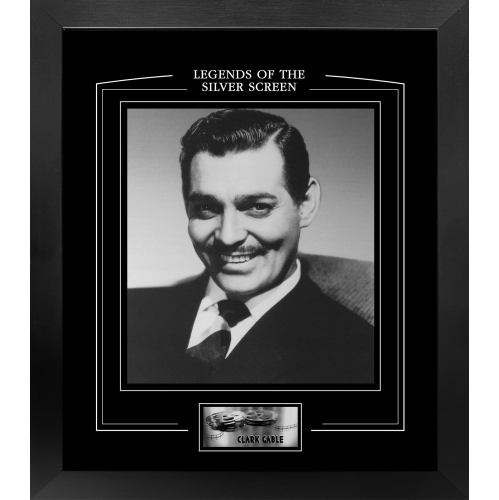






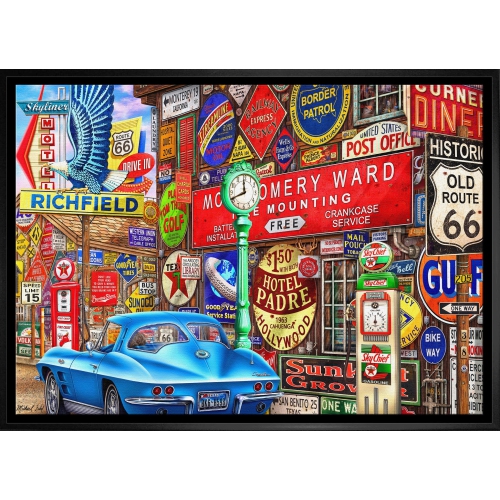
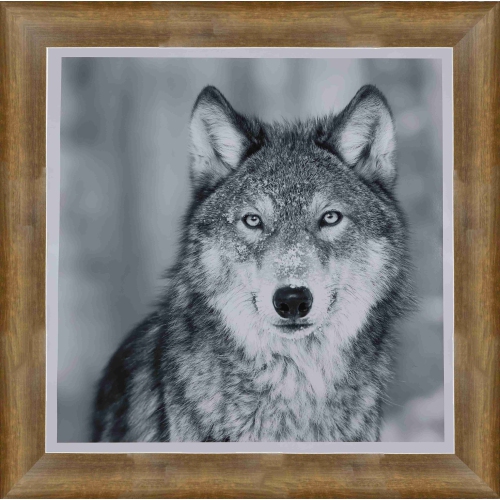
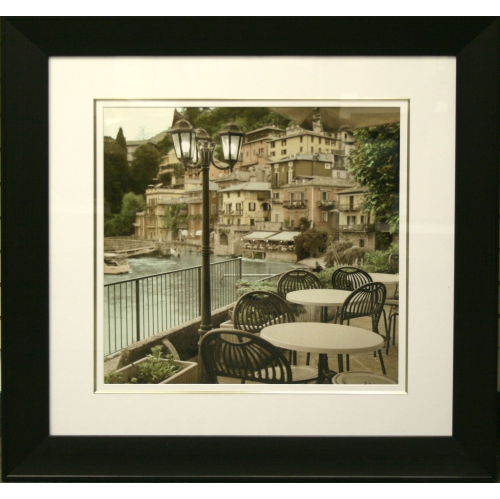
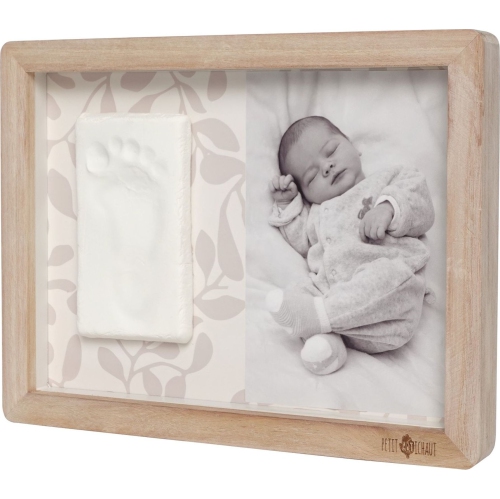
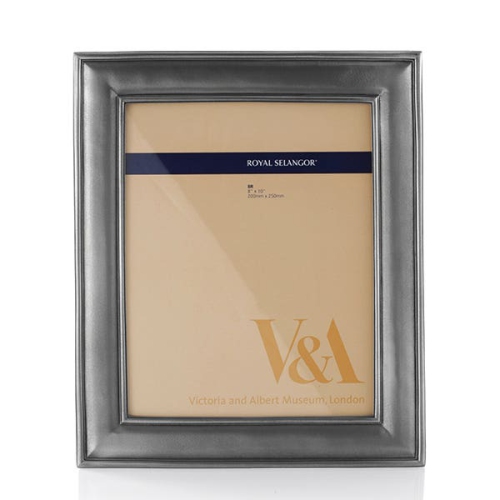

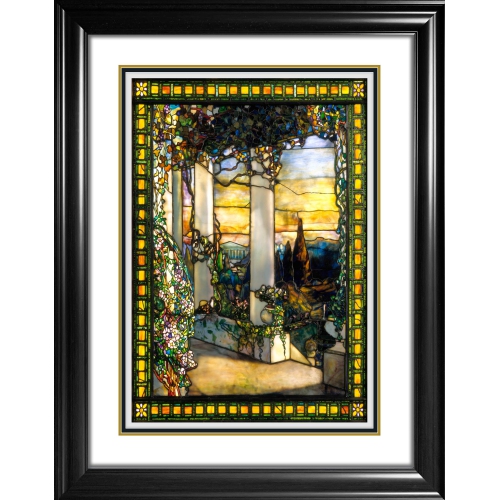

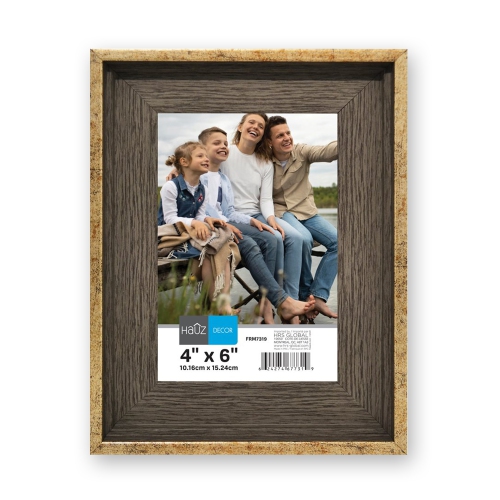
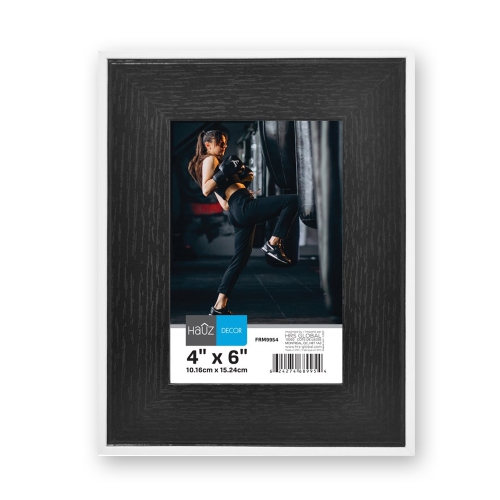
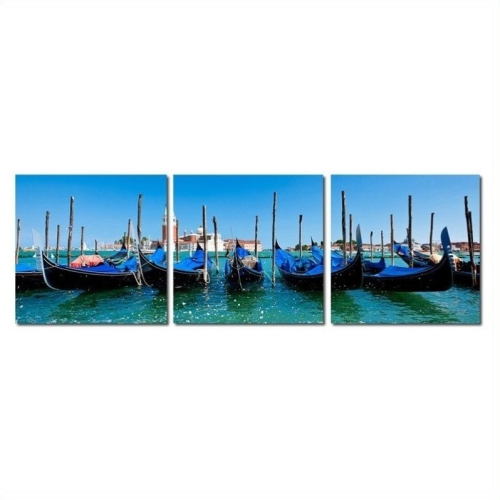
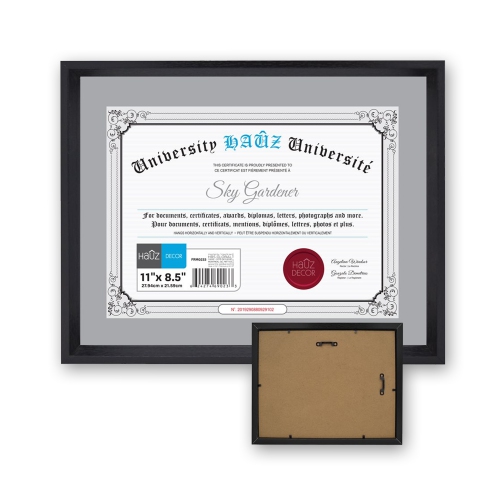
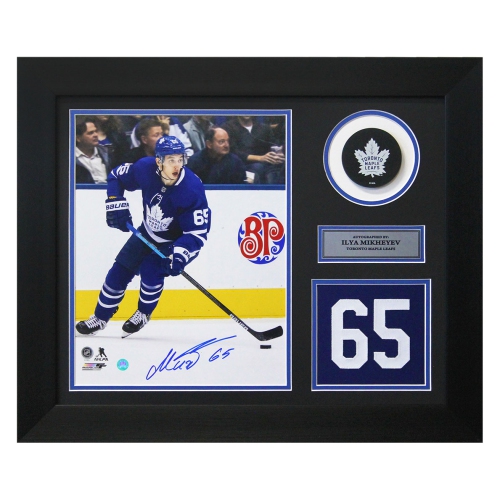
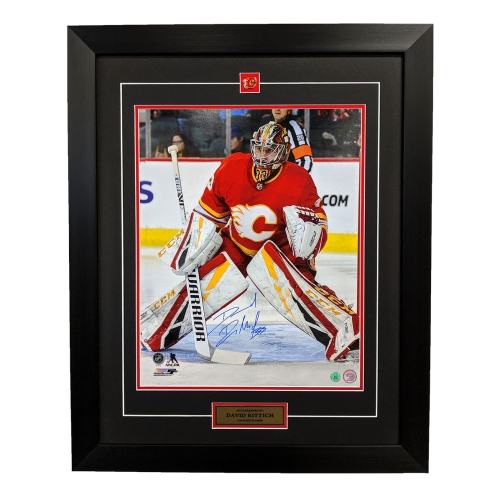
What makes a framed photograph feel at home
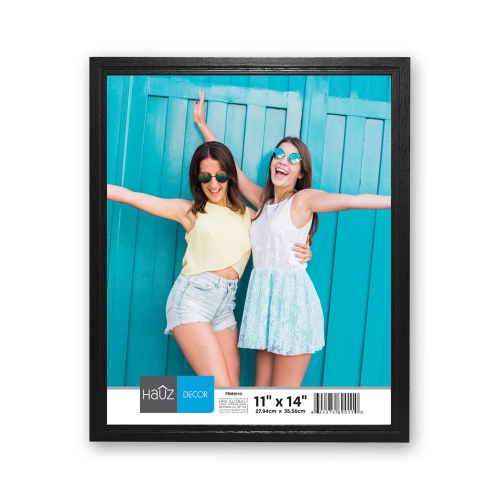
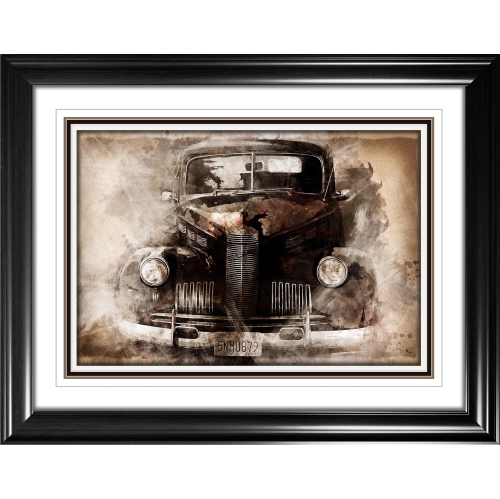
Size and placement determine whether a framed photograph feels comfortably proportioned or lost on a wall. The measurements worth checking are the overall framed dimensions, the visible image area, and the depth of the frame, since these describe different parts of the piece. A photograph with a wide mat can occupy considerably more wall space than its image size suggests. Above a sofa, sideboard, or headboard, consider the width of the furniture and the open space around it rather than choosing by the photograph alone. Marking the outer dimensions with paper gives a useful impression of scale before hanging, particularly where a doorway, light switch, or wall-mounted fixture interrupts the surface. Horizontal compositions often suit broad stretches of wall, while vertical photographs can work well on narrow sections between doors or beside a bookcase. A pair or small grouping can fill a larger area without relying on one oversized piece; consistent spacing and a shared frame finish help different images sit comfortably together. The height should suit how the room is used. Artwork opposite a dining table or beside a chair needs to feel balanced from a seated position, not only when viewed while standing. Lighting deserves the same attention. Glass and glossy surfaces can reflect windows and lamps, so a photograph that looks clear head-on may be harder to appreciate from an angle. A position away from direct sunlight can also help limit fading, although the level of protection depends on the print and glazing. Where a wall receives strong light, check whether protective glazing is specified rather than assuming all framed photography has it. For personal snapshots, family portraits, or prints already waiting to be displayed, picture frames for Boxing Day serve a different purpose from finished photographic artwork, allowing the image and frame to be chosen separately. That distinction is useful when deciding between a complete wall piece and a frame intended for a photograph with an existing personal connection.
Materials and assembly influence both the appearance of framed photographs and how they hold up to everyday use. Solid wood can show natural grain and variation, while engineered wood can provide a smooth, uniform surface beneath a painted or wrapped finish. Metal frames often have a narrow profile that keeps attention on the photograph. None of these materials alone determines quality; secure corners, a well-fitted backing, and mounting hardware suited to the frame’s weight all matter. Glass offers a firm viewing surface but adds weight and can break, while acrylic is lighter and more resistant to shattering, though it can scratch more easily. In a busy hallway or a home with children and pets, placement and secure attachment deserve particular care. Hanging hardware should suit both the artwork and the wall material, and heavier pieces may need appropriate anchors or attachment to a stud. A tabletop display also needs a stable support designed for the frame’s size and orientation; a wall frame should not be assumed to include an easel back. For longer-term display, look for clear information about the photographic paper, printing process, mat, and backing. Acid-free matting and backing can help reduce damage caused by acidic materials, but they do not remove the need for suitable placement and care. Avoid hanging photographs where splashes, steam, or persistent dampness could reach the print or backing. For routine cleaning, gently dust the frame with a soft cloth and follow the supplied care directions for the glazing. Apply an approved cleaner to the cloth rather than spraying the frame, keeping moisture away from edges where it could seep inside. Acrylic may require a cleaner formulated for that material. When giving framed photography, consider practical details alongside the image: whether the recipient has wall space, prefers a standing display, or would find a lightweight piece easier to hang. A thoughtfully sized photograph with a familiar subject and an understated frame can become part of daily life without requiring the whole room to change around it.
Top selling and popular products
-
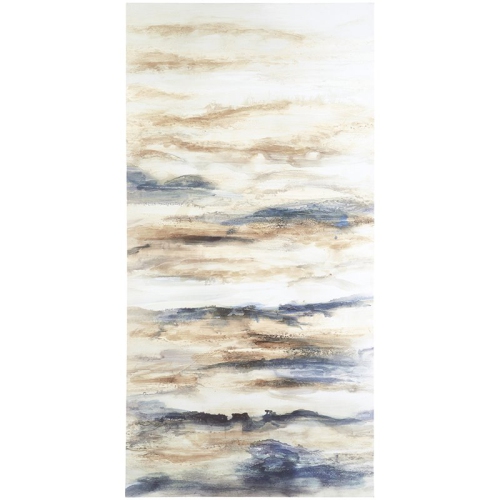 Your price for this item is $605.57
 -
 Your price for this item is $399
 -
 Your price for this item is $353.98
 -
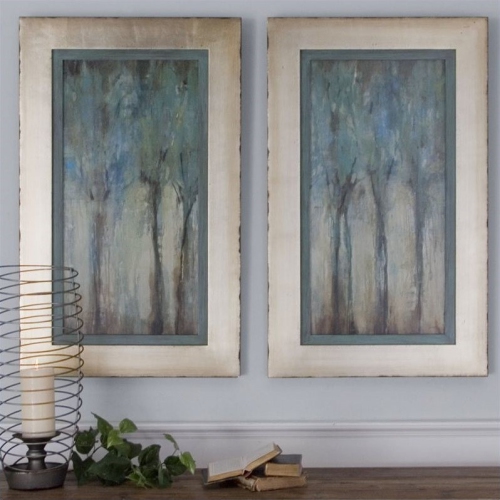 Your price for this item is $654.37
 -
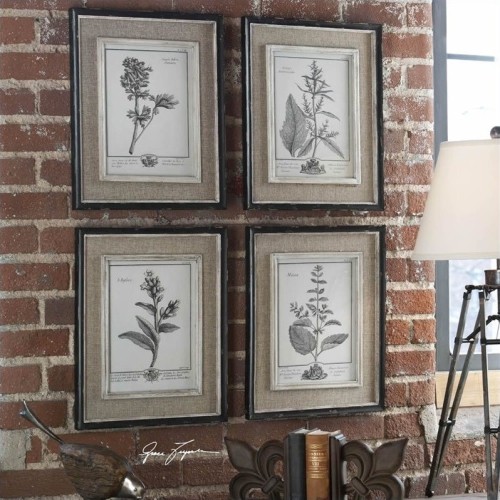 Your price for this item is $481.37
 -
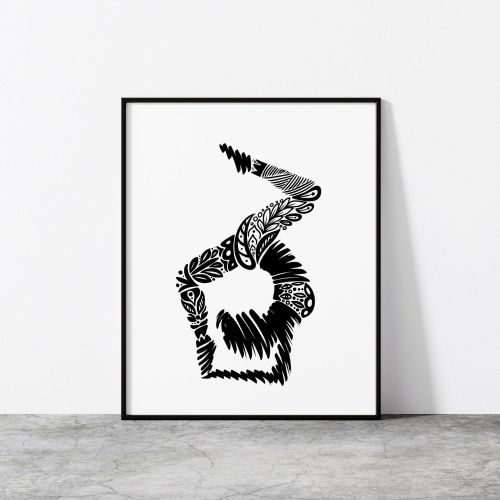 Your price for this item is $37.5
 -
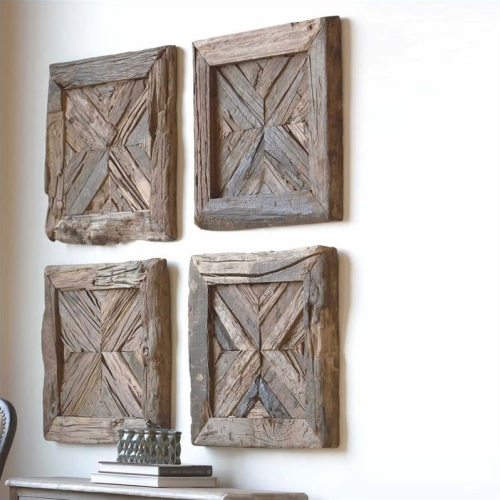 Your price for this item is $407.22
 -
 Your price for this item is $79