Boxing Day Deals Coming Soon
Our Boxing Day Sale returns in December 2026. In the meantime, shop our current top deals below.

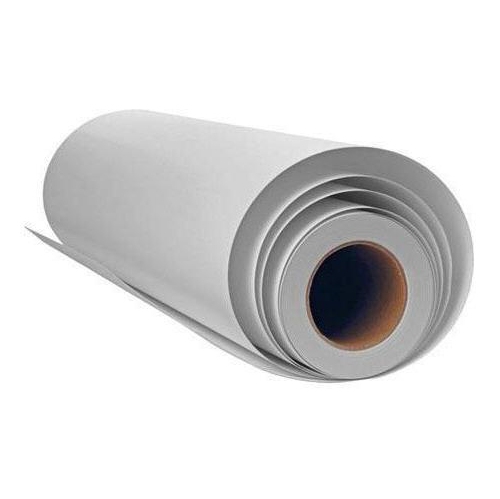
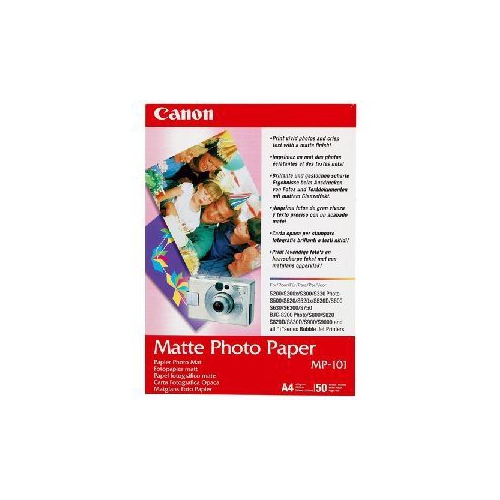
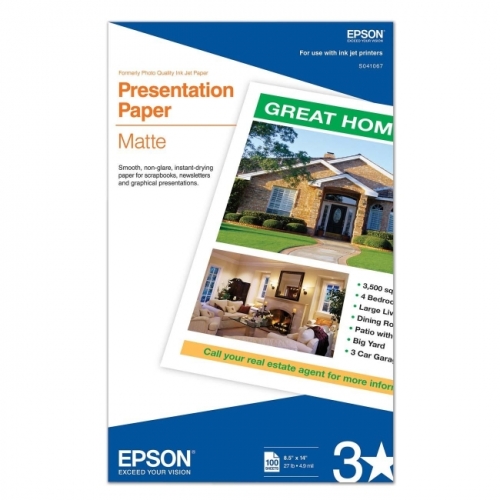
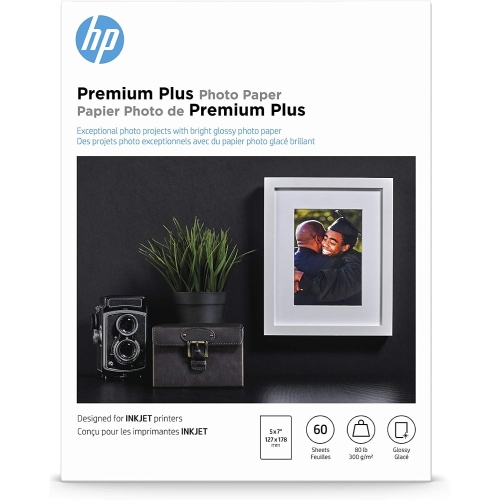
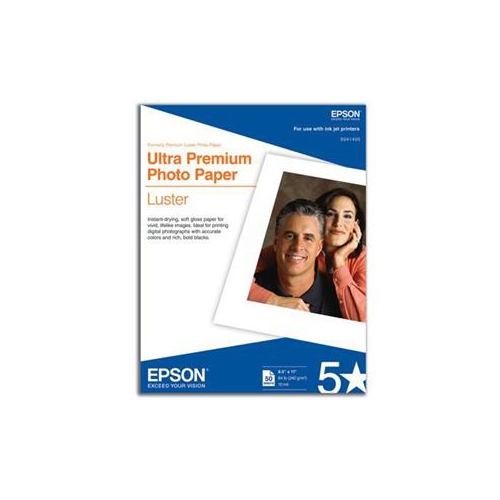
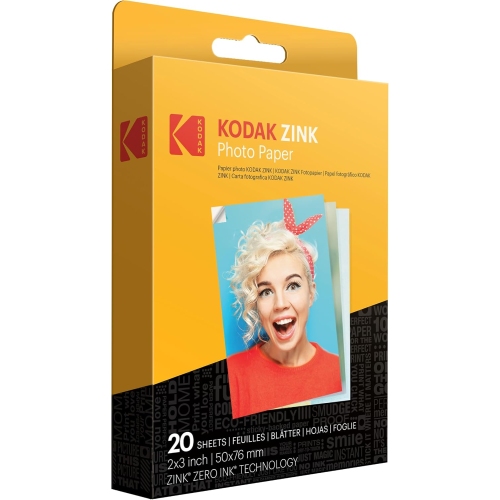
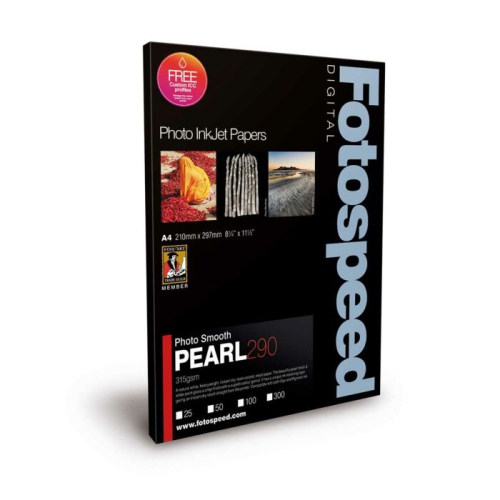
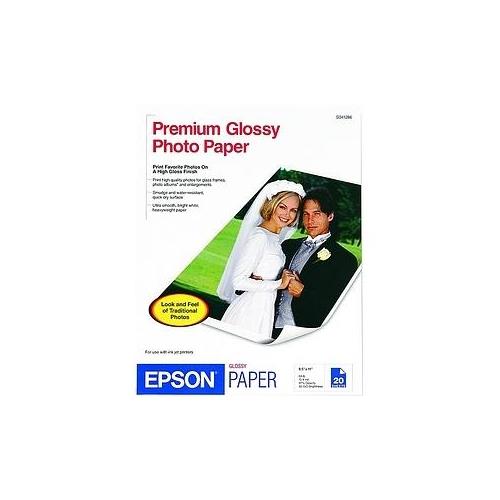
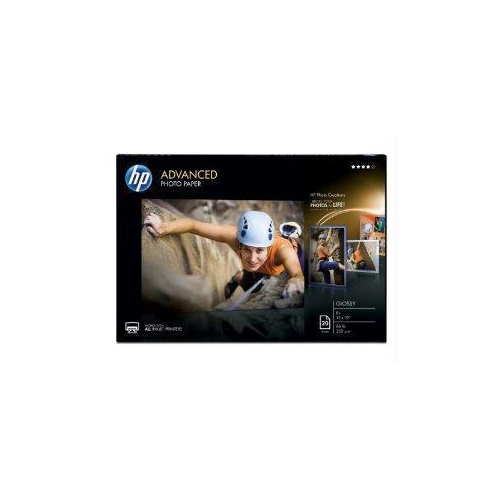
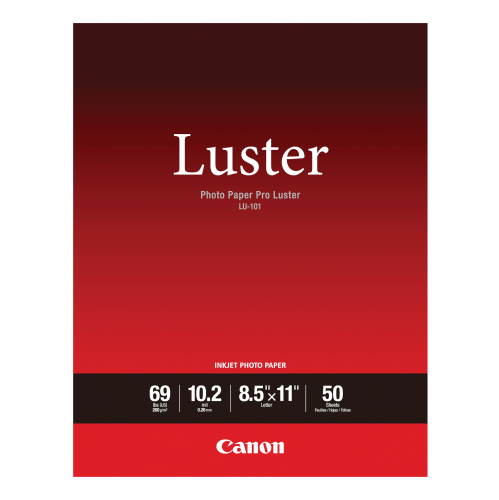
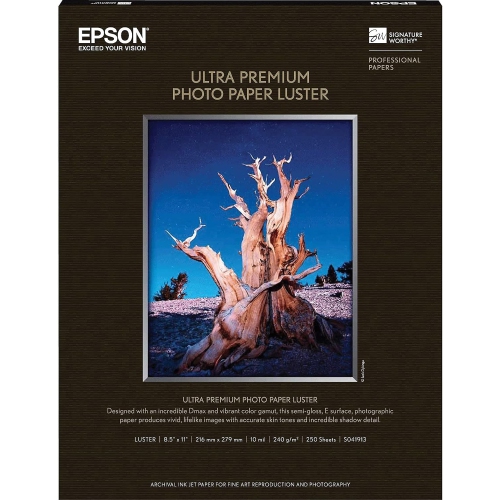
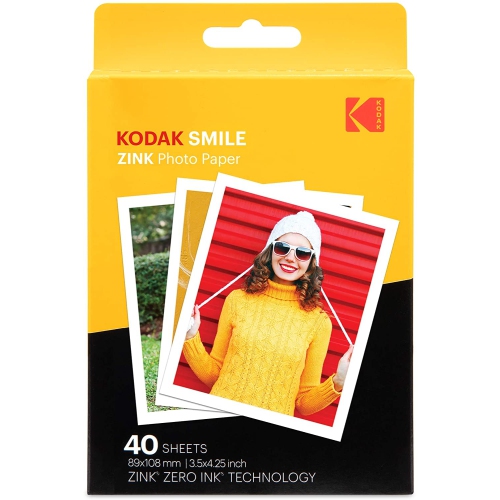
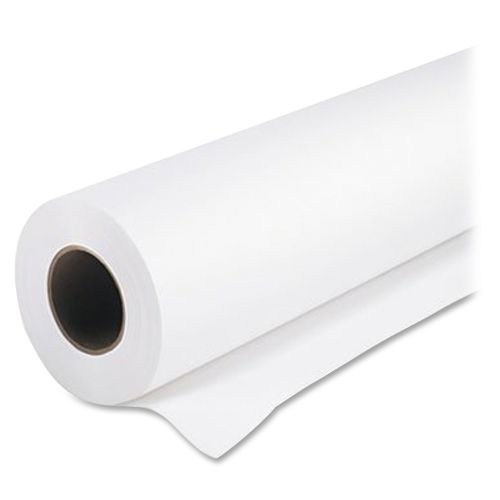
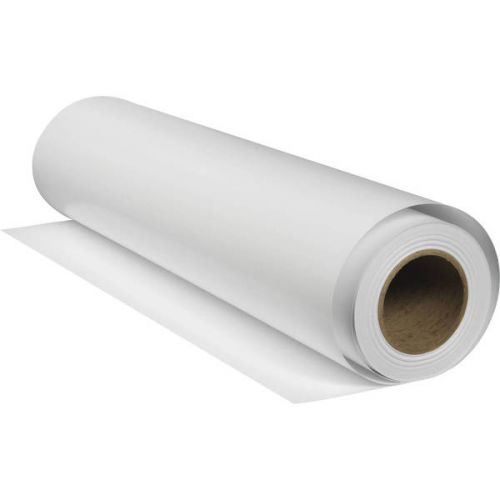
Boxing Day Sale On Photo Papers
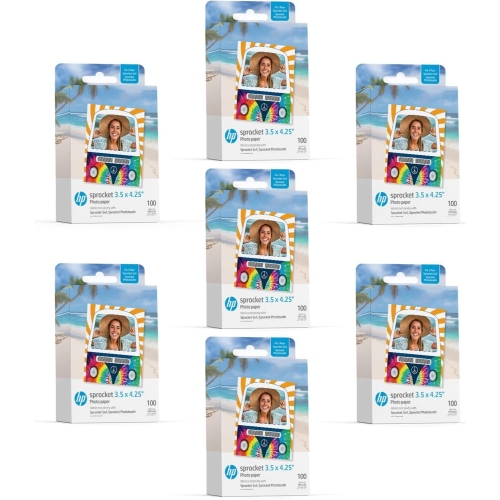
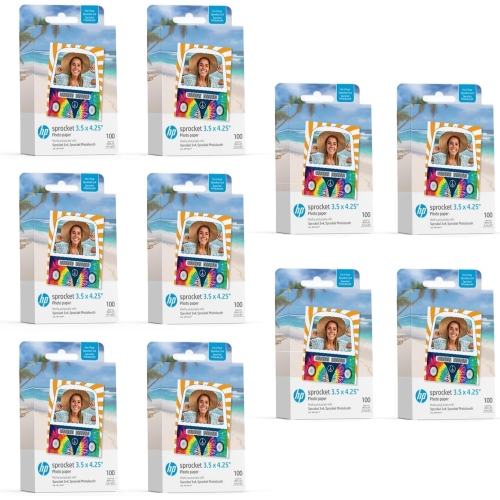
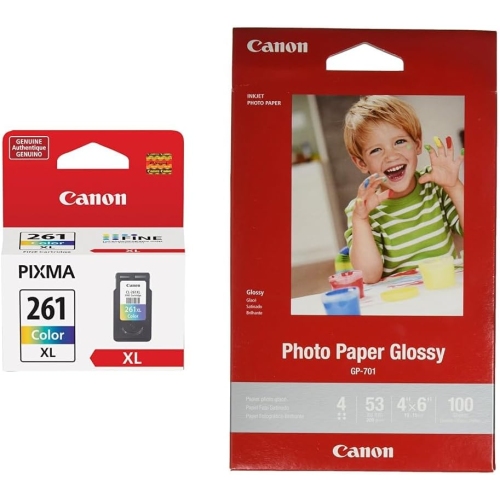
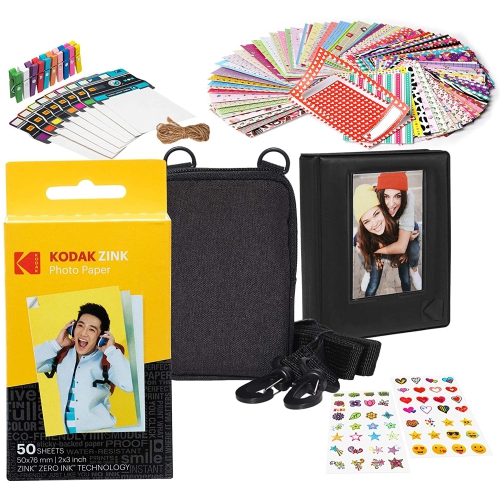
Get ready to capture the magic of the holidays with incredible savings on photo paper during our Boxing Day Sale! Whether you're a professional photographer or a hobbyist looking to preserve precious memories, this is the perfect opportunity to stock up on high-quality photo paper at unbeatable prices. From glossy to matte finishes, discover a variety of options that will bring your photos to life with vibrant colors and stunning clarity. Don't miss out on these limited-time deals to enhance your photography projects and create lasting impressions. Remember, our Low Price Guarantee means you can shop confidently knowing that you'll find the best price at Best Buy, all year round. We encourage you to check our website frequently for the most up-to-date information on our latest offers and savings opportunities.
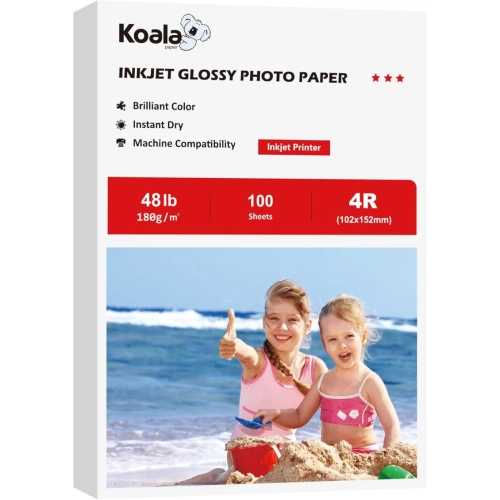
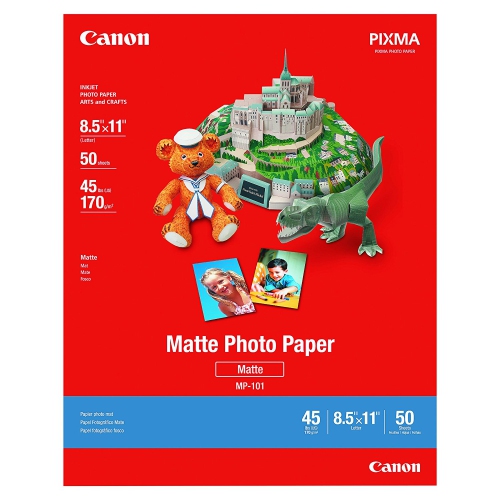
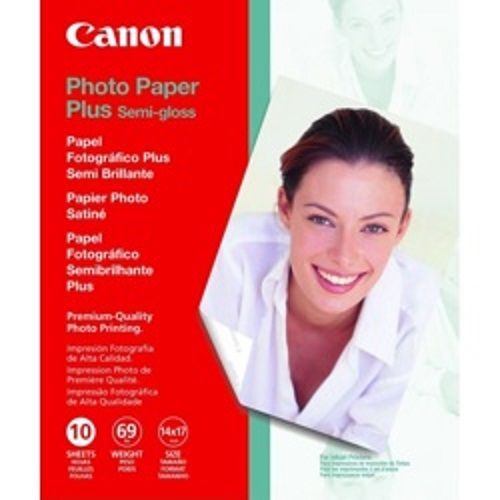
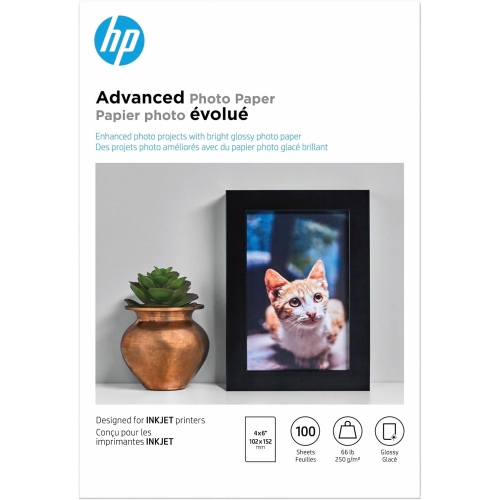
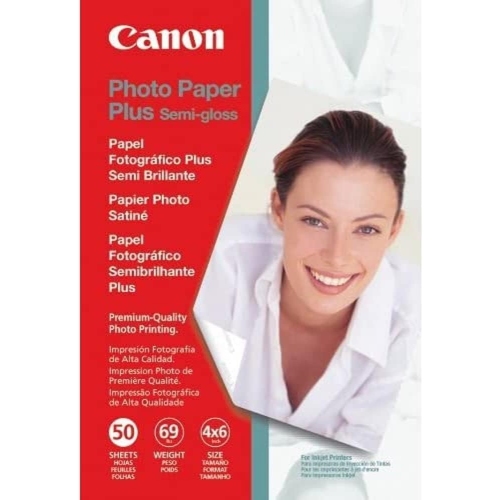
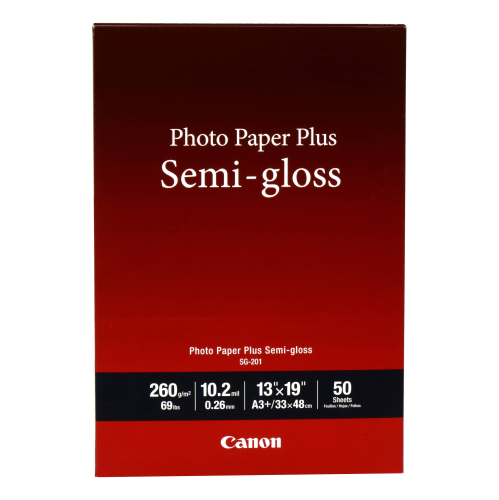


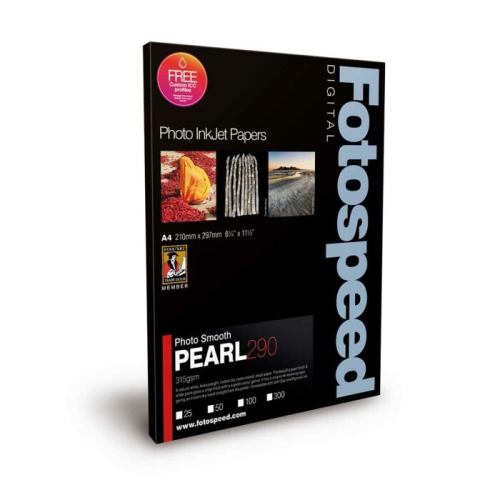
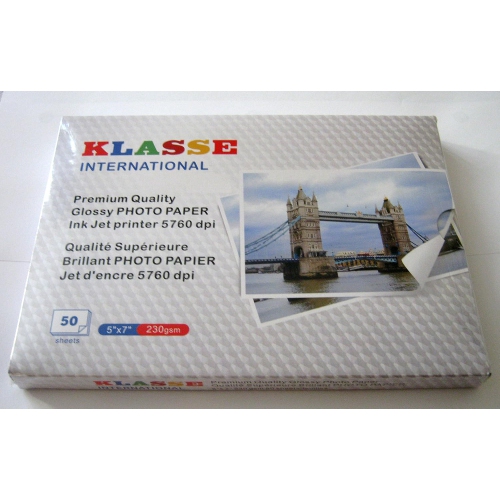
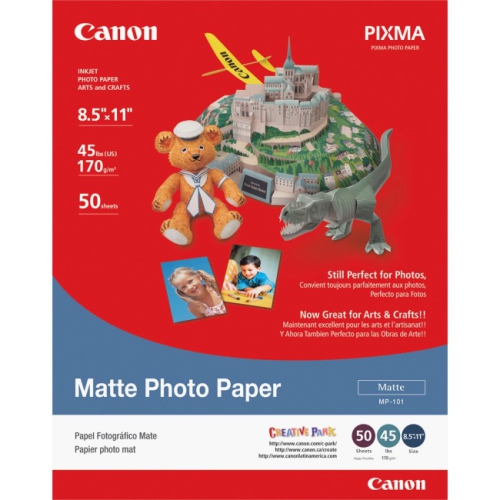
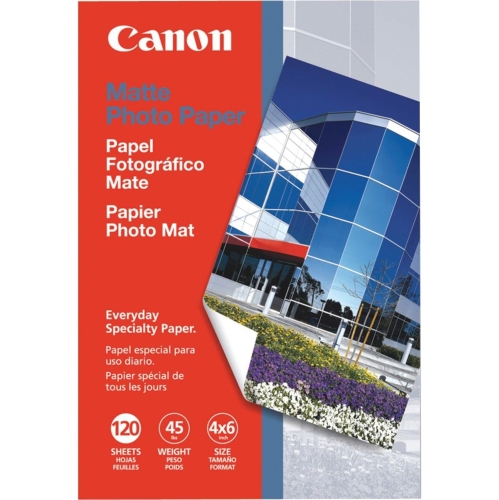





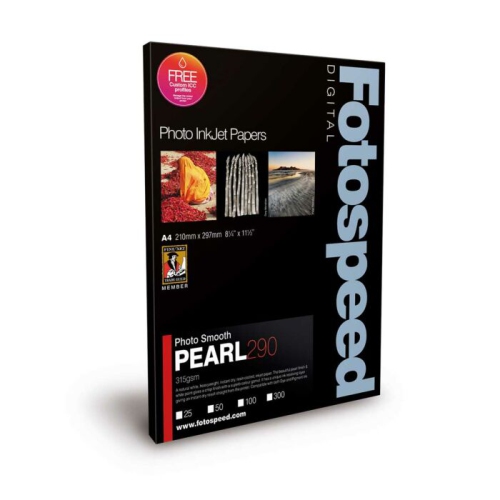
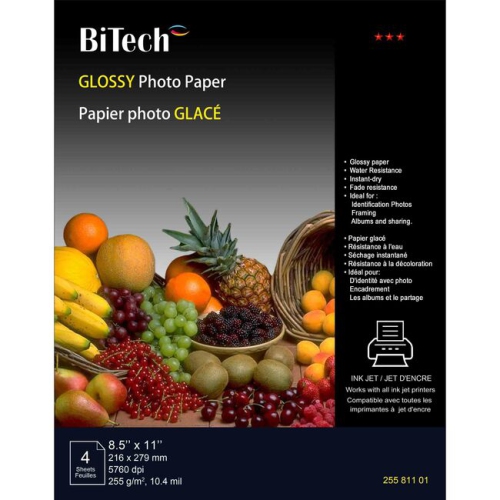

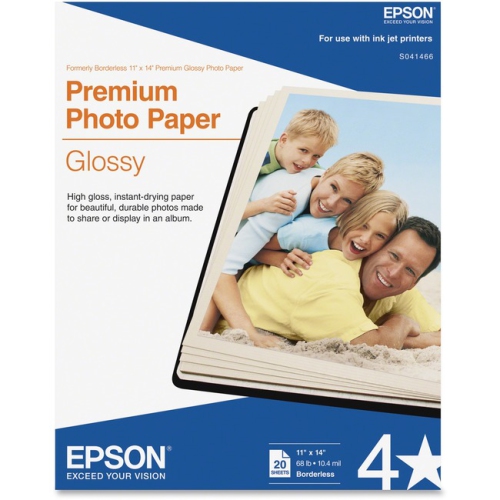
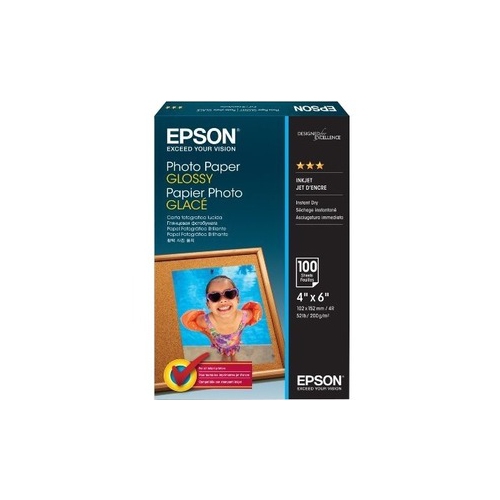
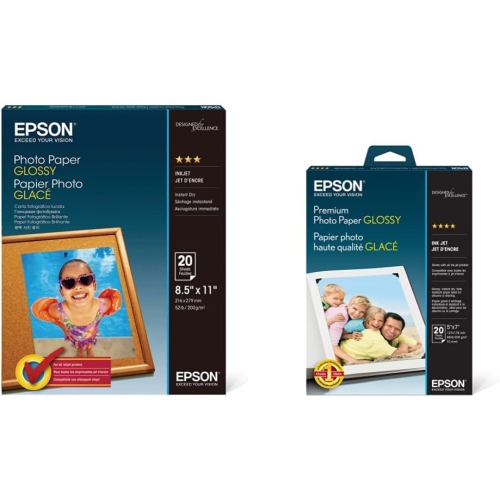

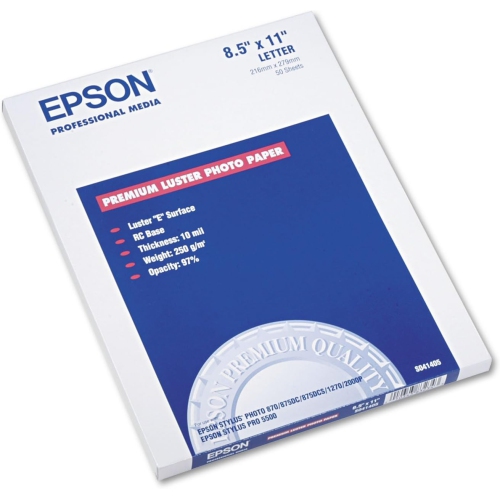
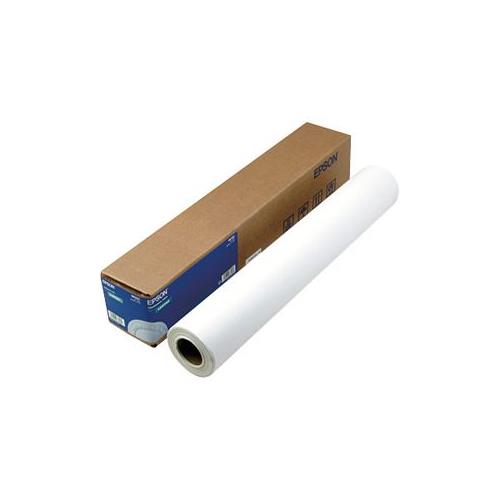


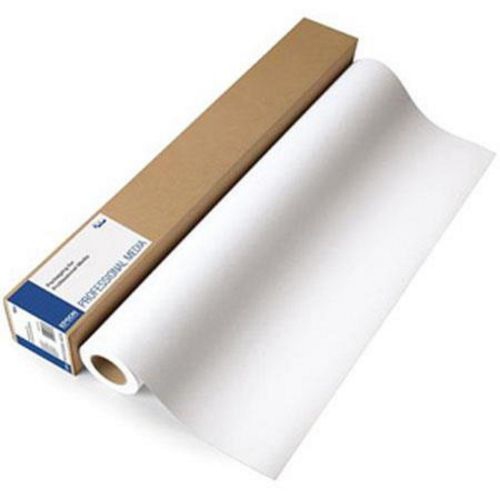
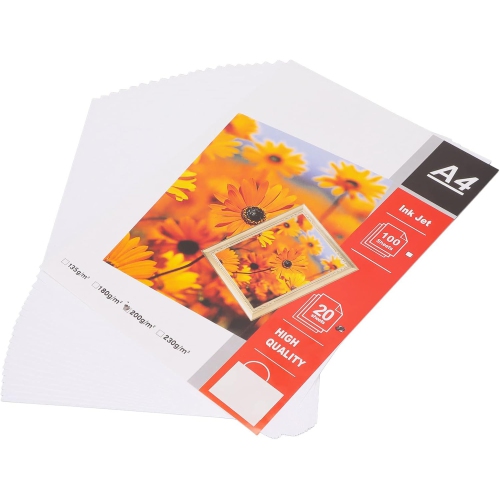

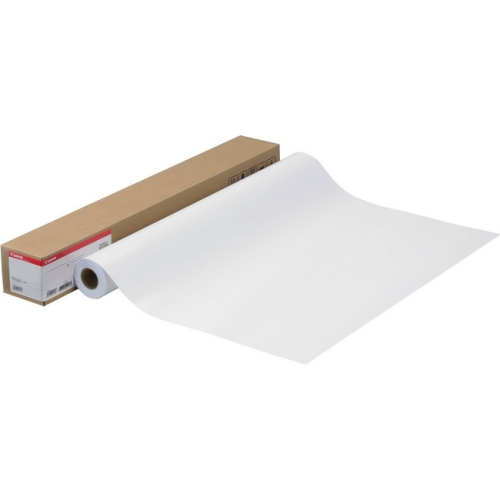




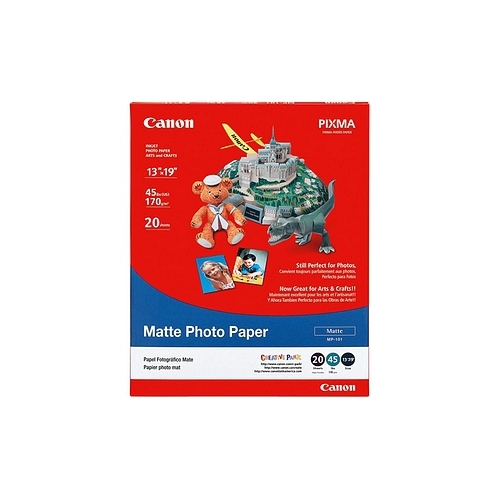



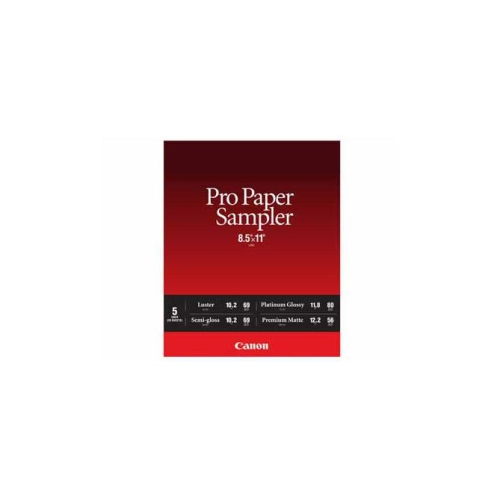

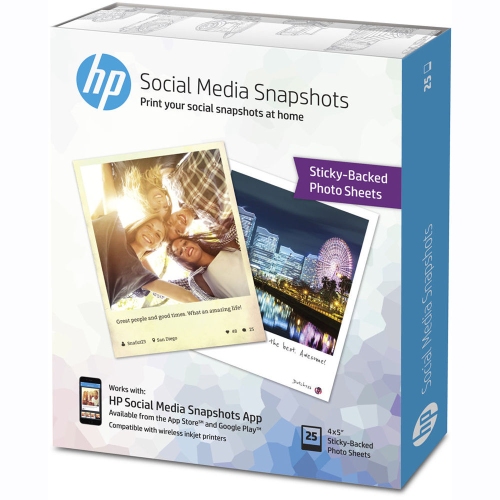

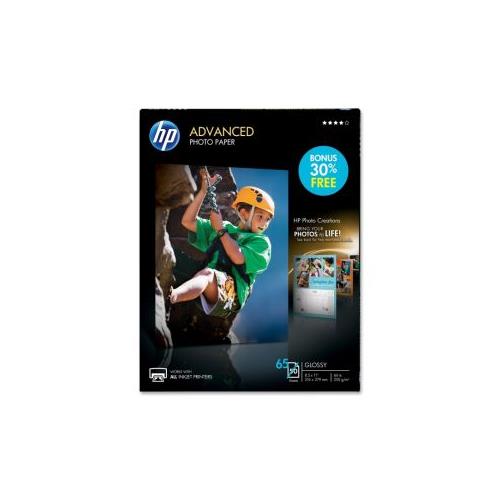
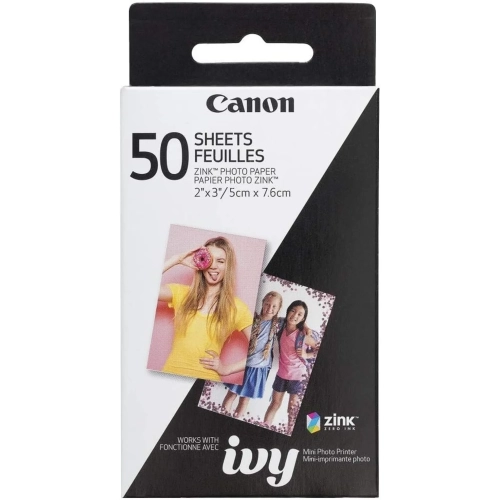

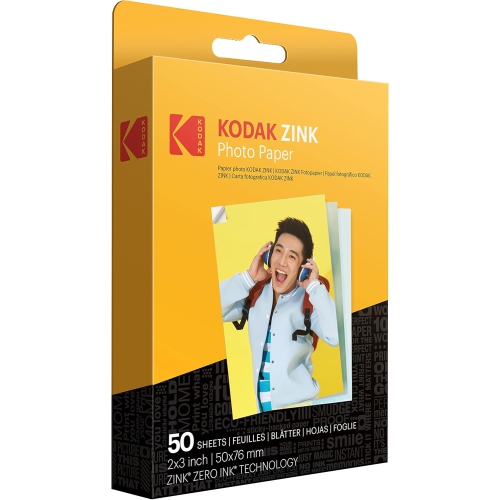



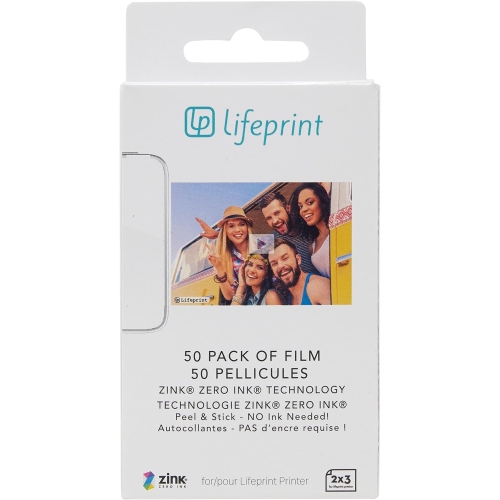

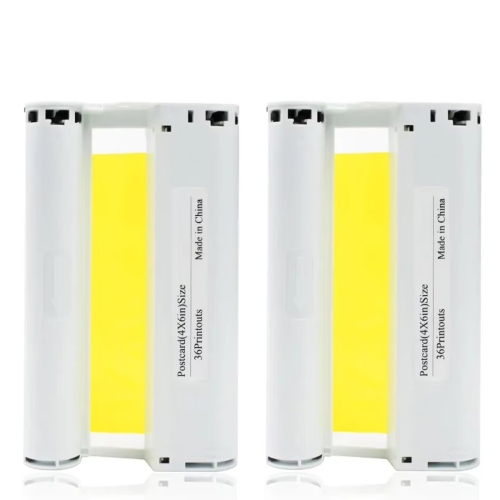
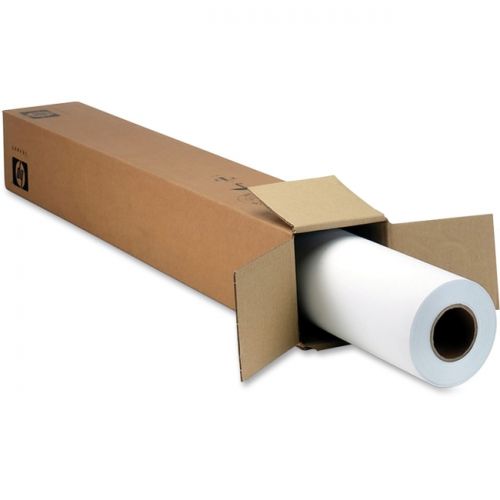
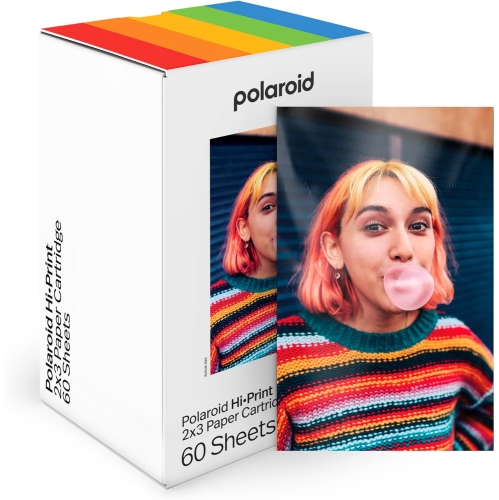
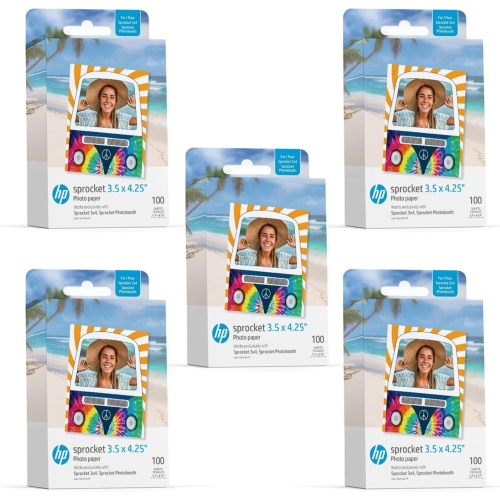
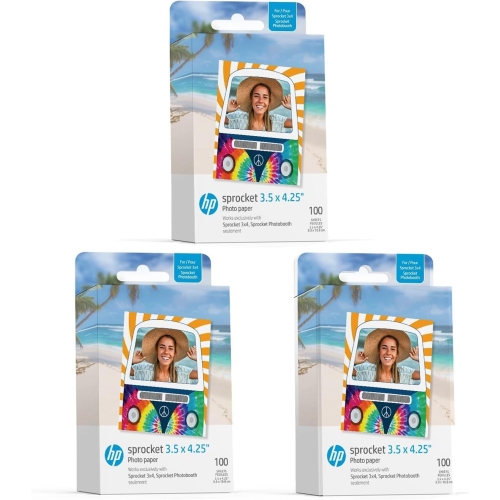

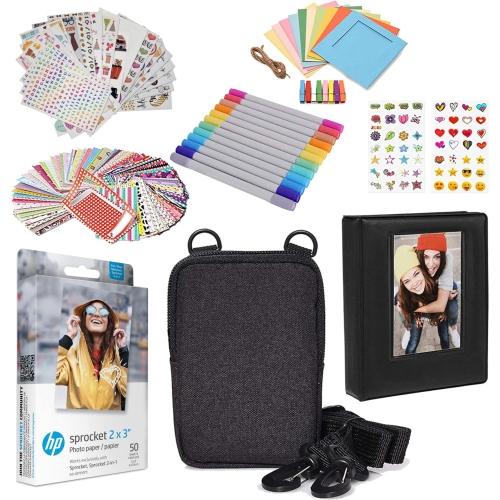
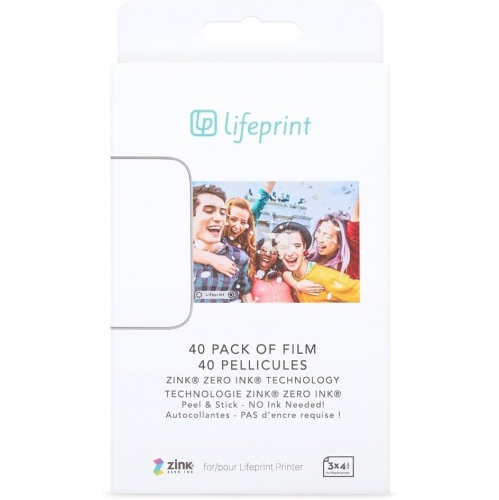

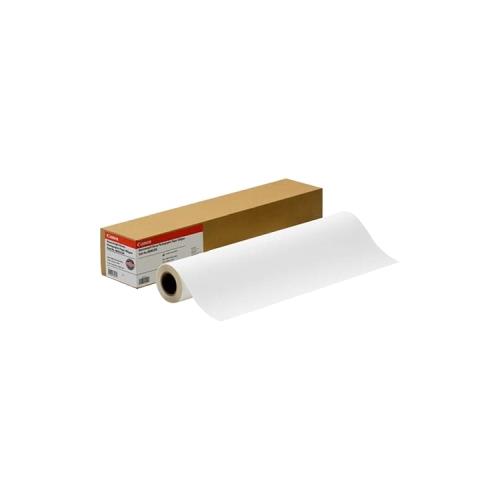
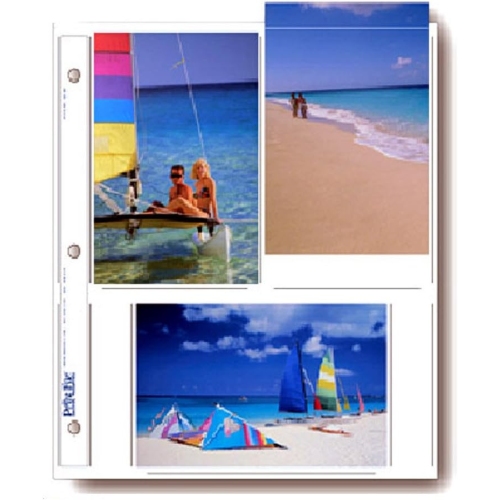
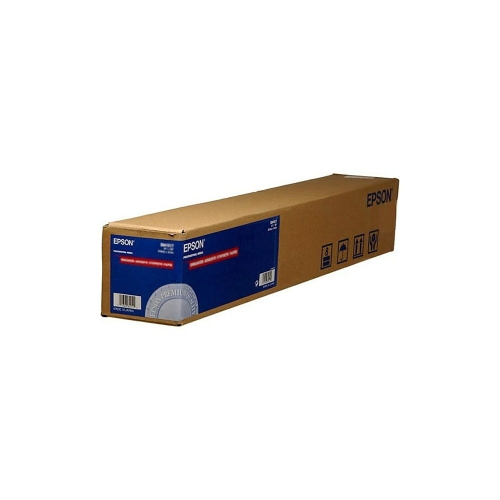

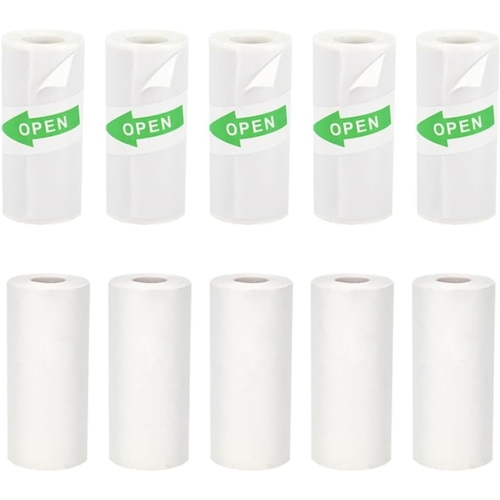
How photo paper shapes the look of your prints
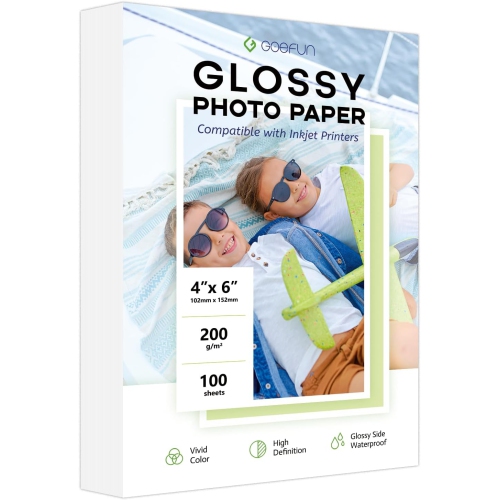
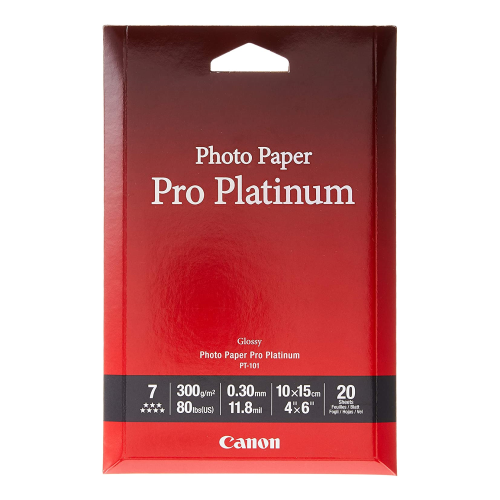
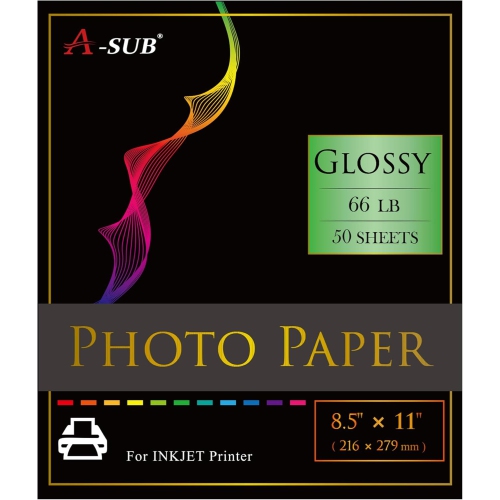
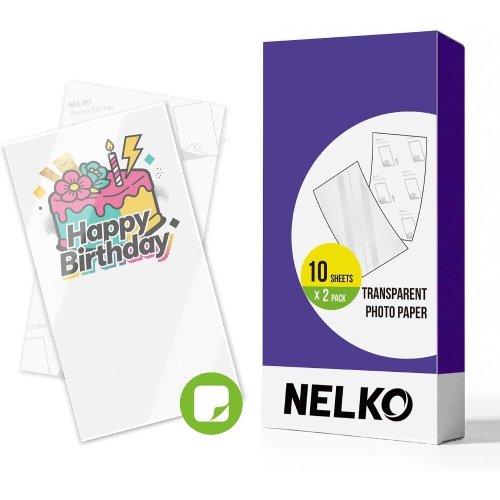
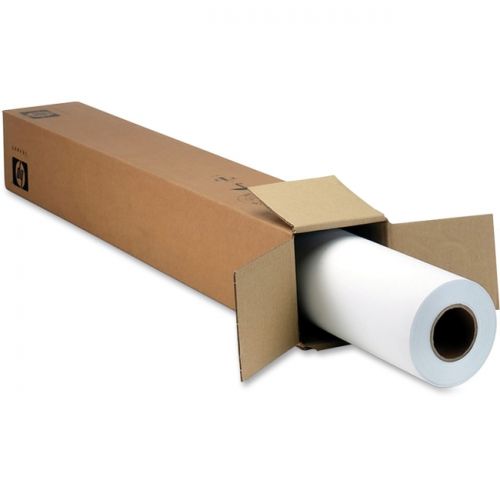
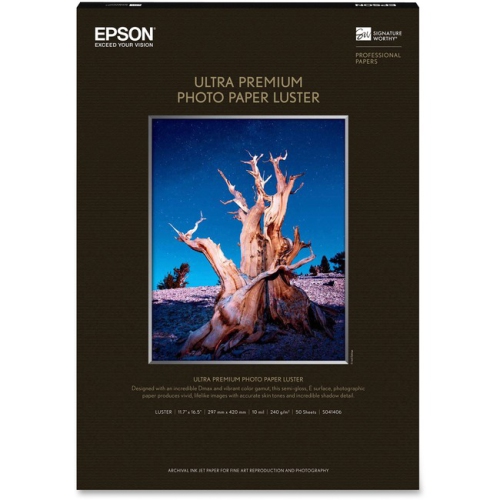
The structure of photo paper affects how it feels in the hand and how ink behaves on its surface. Many photo papers use a paper base with coatings designed to receive ink and control its spread, helping fine lines stay distinct and areas of colour look even. Resin-coated papers include layers that can help create a smooth photographic surface, while some fine-art papers use cotton or other fibre bases for a more textured presentation. Not every paper suits every printer, and finish alone does not establish compatibility. Inkjet photo paper is designed for inkjet printing; laser printers need media specifically rated for their printing process and heat. Using coated inkjet paper in a laser printer can cause printing problems or damage, so the printer manual and paper specifications are important references. Within inkjet printing, compatibility with dye-based or pigment-based inks may also affect the result. Paper weight is commonly expressed in grams per square metre, or gsm, with higher numbers generally indicating a heavier sheet. A substantial sheet can feel appropriate for a gift print or presentation portfolio, but thickness and stiffness also need to fit the printer’s supported media limits. Weight and thickness are related without being interchangeable, so both specifications matter when a printer has strict feed requirements. Some printers use a rear or manual feed for heavier media, while others have more limited paper handling. The printable side also matters because many photo papers are coated on only one side; double-sided printing requires paper designed for it. Selecting the matching paper type in the print settings helps the printer apply ink appropriately, while the supported sheet size and borderless settings determine how the image sits on the page. A small test print can reveal whether skin tones, shadow detail, or cropping need adjustment before a larger print is made. Compatible ink is another part of that pairing, and the Boxing Day sale on printer ink page brings that related printing category into the same planning process.
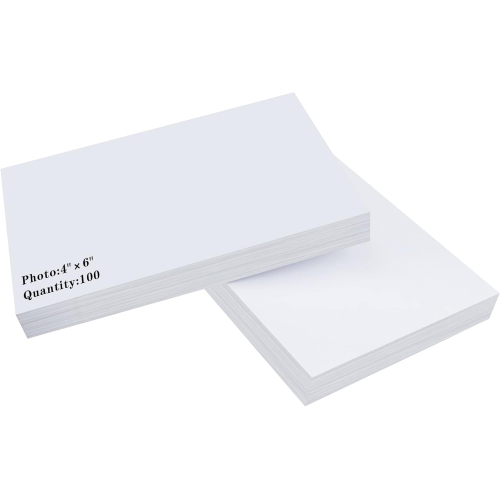
Intended use often makes the choice between photo papers clearer than a finish name alone. A stack of 4 x 6 inch family photographs destined for album sleeves has different handling needs from an enlarged landscape that will spend years behind glass. For an album, consistent size and a surface that tolerates careful handling are practical priorities. For a wall display, surface reflections, image detail, and the relationship between the print and frame deserve more attention. A matte finish can reduce reflections from the print itself, although glass placed over it can still produce glare. Scrapbook pages and memory books may benefit from papers whose backs work with the chosen mounting method, while photographs with handwritten dates or names need a suitable writing surface and an appropriate pen. Photo paper can also be a thoughtful gift for someone who already enjoys home printing, provided the size and media type match their printer. A grandparent assembling family albums, a student presenting a photography project, or a hobbyist building a portfolio may each value a different combination of finish and weight. Once printed, photographs need careful handling to retain their appearance. Allow them to dry or cure for the period specified by the paper and ink manufacturers before stacking, framing, or placing them in sleeves, even if the surface feels dry sooner. Holding prints by their edges helps prevent fingerprints and scuffs, particularly on glossy surfaces. Unused sheets should stay flat in their original packaging, away from moisture, dust, and direct sunlight; curled or damp sheets can feed poorly and produce uneven results. For longer-term storage, photo-safe albums, sleeves, and mounting materials help protect prints from unnecessary contact and abrasion. Display life depends on the complete combination of paper, ink, light exposure, and storage conditions, so a heavy sheet or glossy coating alone does not guarantee fade resistance. Keeping meaningful photographs away from prolonged direct sunlight and retaining the original digital files supports both their enjoyment today and the possibility of making fresh prints later.
Top selling and popular products
-
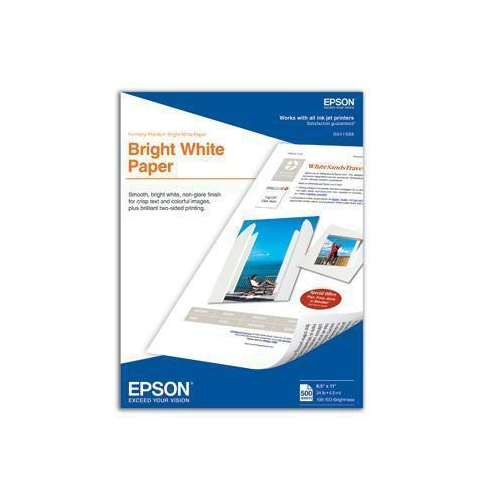 Your price for this item is $33.37
-
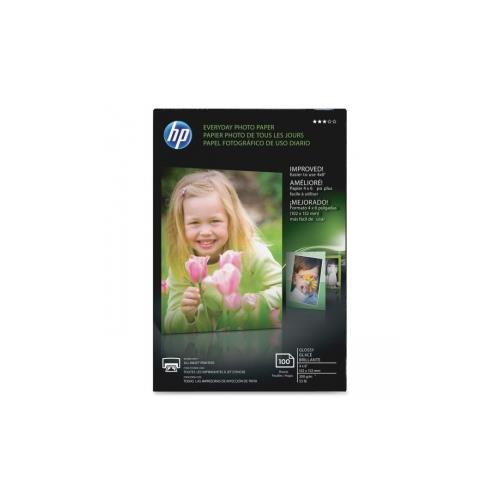 Your price for this item is $24.68
-
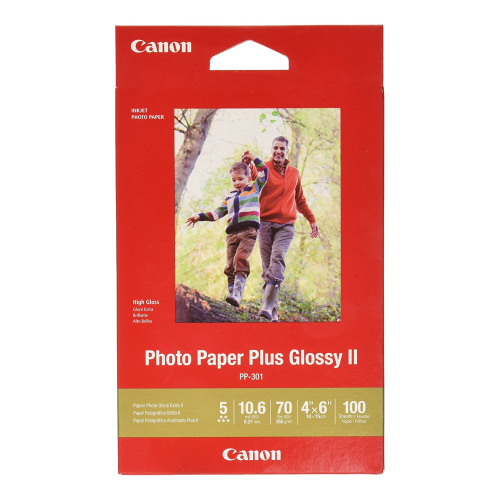 Your price for this item is $43.79
-
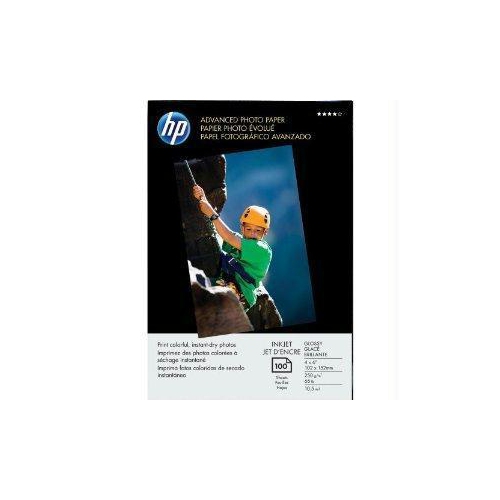 Your price for this item is $31.68
-
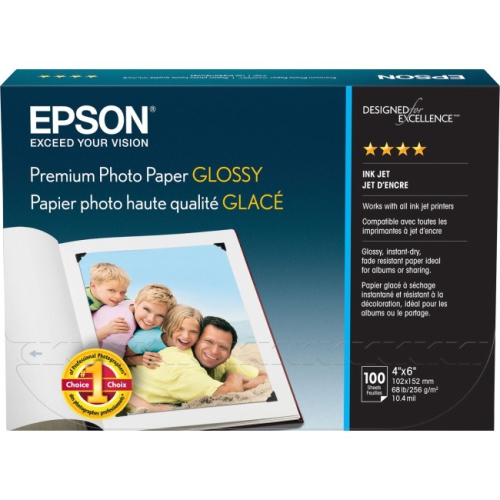 Your price for this item is $24.68
-
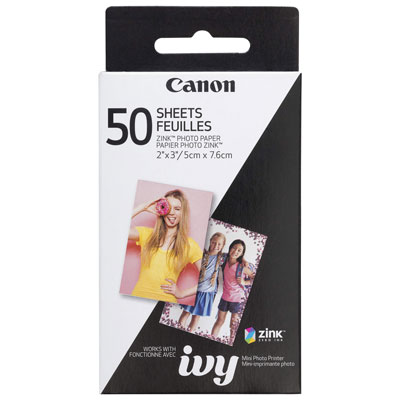 Your price for this item is $39.99
-
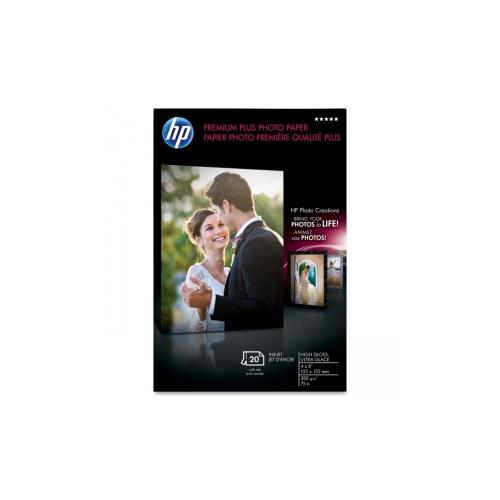 Your price for this item is $28.99
-
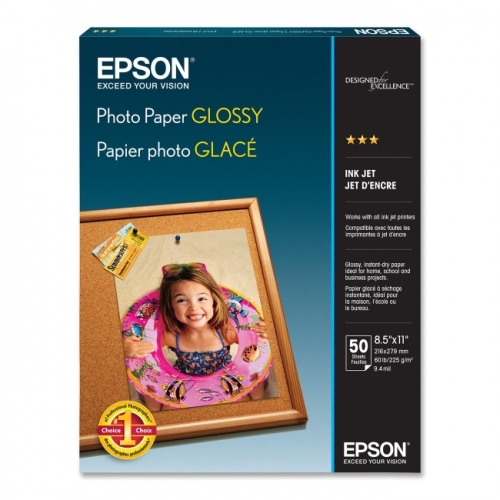 Your price for this item is $65.68