Boxing Day Deals Coming Soon
Our Boxing Day Sale returns in December 2026. In the meantime, shop our current top deals below.

Boxing Day Sale On Snow Removal Equipment
Boxing Day is the perfect time to gear up for winter with unbeatable deals on snow removal equipment. As temperatures drop and snow begins to blanket the landscape, having the right tools can make all the difference in keeping your property safe and accessible. Whether you're tackling a long driveway or clearing pathways, our selection of snow removal essentials offers something for every need and budget. From powerful machines to handy accessories, find everything you need to make winter maintenance a breeze while enjoying significant savings. Discover the convenience and efficiency that come with being prepared for whatever winter throws your way. Remember, our Low Price Guarantee means you can shop confidently knowing that you'll find the best price at Best Buy, all year round. We encourage you to check our website frequently for the most up-to-date information on our latest offers and savings opportunities.





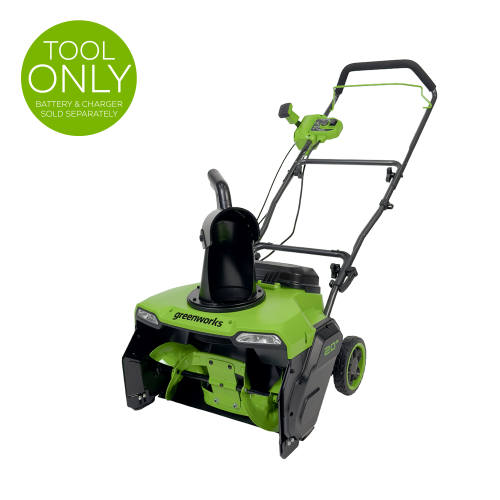
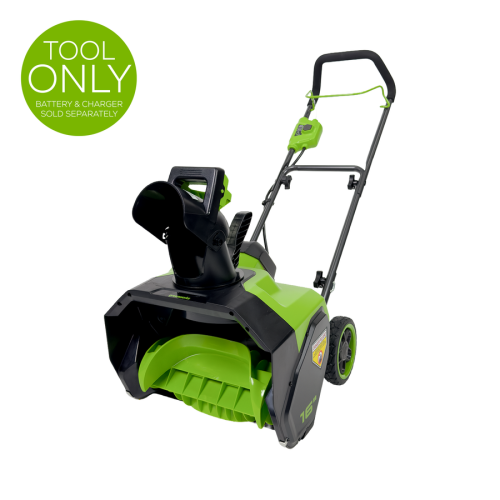
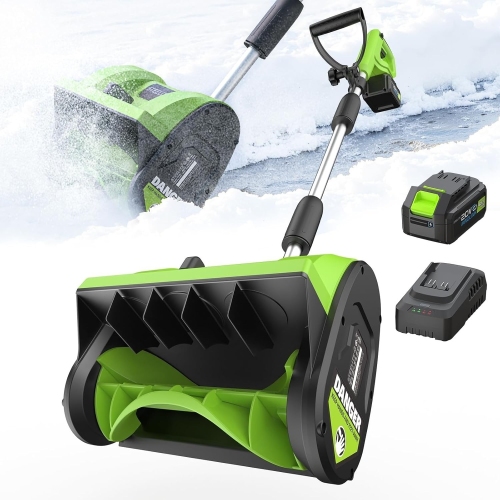


Why bigger isn’t always better for snow removal
Materials, handle design and contact with the ground influence how manual snow removal tools feel during use and how well they hold up over time. Plastic blades are often relatively light, and snow may slide off a smooth blade more readily, though performance varies with the material and conditions. Metal blades and reinforced wear edges can offer durability against abrasion, but they may also scratch or mark some surfaces. Compatibility with deck boards, decorative paving and other finishes is worth confirming before use. A broad pusher is shaped to move snow along the ground, whereas a scoop-style shovel is better suited to lifting and relocating manageable amounts. Many households benefit from having tools for both tasks, especially where a long path ends at steps or a raised landing. Handle length should suit the user's height and working position; a handle that forces a deep bend can make repeated movements awkward, while an overly long one may be difficult to control in a tight space. Curved shafts, auxiliary grips and D-shaped handles offer different ways to hold and balance a load, but comfort depends on individual reach, strength and mobility. A grip also needs enough room for winter gloves without feeling loose in the hand. The packed ridge left by a street plough presents a different challenge from fresh snowfall on a porch, and trying to lift a large slab at once can strain both the user and the tool. Breaking the job into smaller sections, avoiding twisting with a loaded shovel and taking breaks are sensible parts of manual clearing. Ice scrapers serve a separate purpose from snow shovels, with edges intended to address bonded buildup on compatible surfaces. After use, removing grit and moisture and checking for a loose handle or worn blade can help keep tools ready for the next snowfall. Hanging storage can keep edges off a damp floor and leave the entrance to the shed less cluttered.
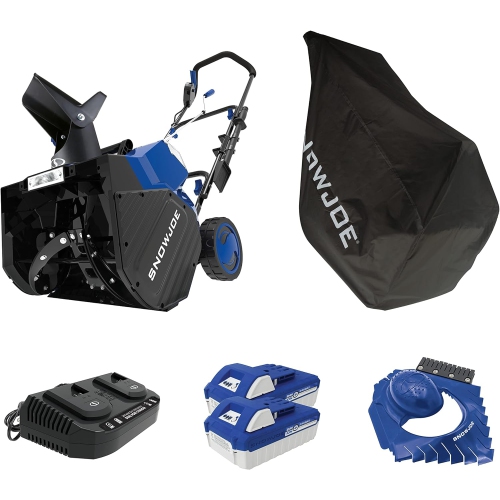
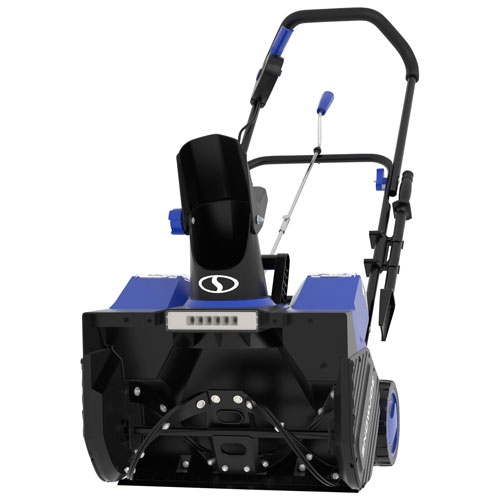
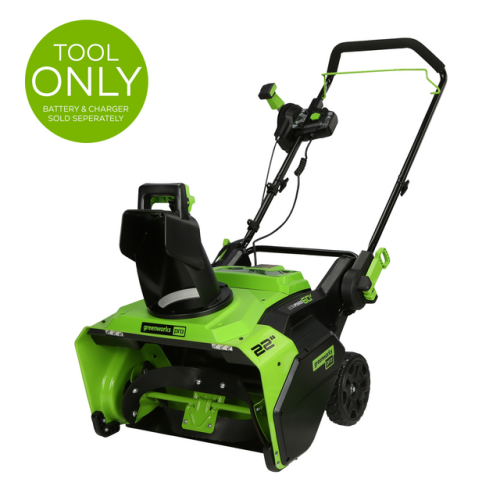
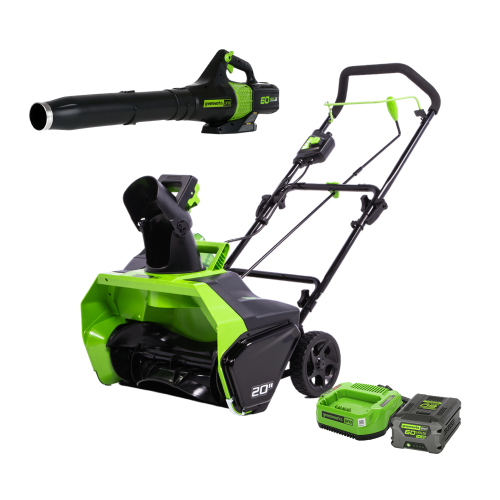
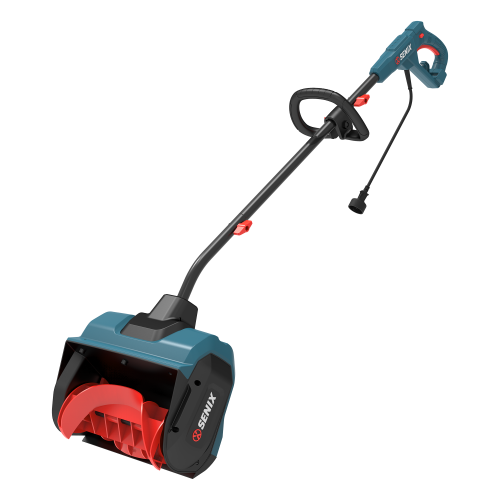
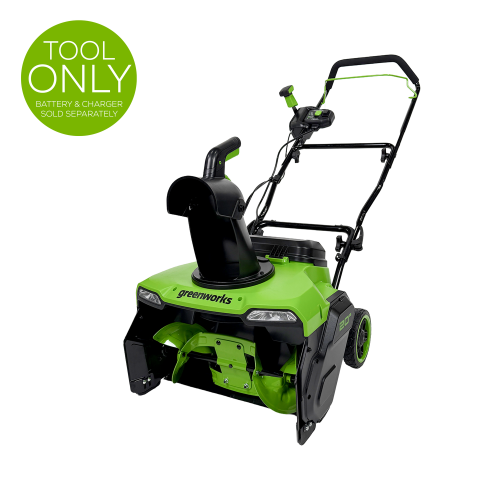
Powered snow removal equipment brings additional considerations, including power source, machine weight, propulsion and the type of surface being cleared. Corded electric designs require a suitable outdoor extension cord and access to a compatible outlet, so their working range depends on the property layout and the manufacturer's cord requirements. Battery-powered designs remove the trailing cord, while runtime varies with battery capacity, temperature, snow depth and workload. Battery compatibility and charging arrangements are important practical details, particularly when equipment shares a battery platform with other household tools. Batteries should be stored and charged within the temperature limits specified by the manufacturer rather than left wherever the machine happens to be parked. Gas-powered machines require fuel handling and engine maintenance and must never be operated inside a garage or other enclosed space. Single-stage snow blowers typically use an auger to gather and discharge snow and are generally intended for suitable paved surfaces; many have components that contact the ground, making loose gravel inappropriate. Two-stage designs use an auger and a separate impeller, and some can accommodate gravel when their adjustable skid shoes are set according to the manufacturer's directions. Suitability still depends on the individual design. Self-propelled operation can reduce the effort involved in moving a heavier machine, while controls that are easy to reach with gloves can make turns and chute adjustments more manageable. Headlights can improve visibility in dim conditions, but the clearing area still needs to be checked for stones, cords and other obstacles. Discharge should be directed away from people, vehicles and windows, and a blockage should only be addressed after shutdown, following the prescribed clearing procedure and never using hands. For busy households balancing property upkeep with winter recreation, Boxing Day Sale on Hockey Equipment offers a related category for time spent on the ice. At home, keeping snow removal equipment clean, inspecting wear parts and leaving enough storage space for straightforward access can make it easier to maintain clear routes between the door, driveway and street throughout the colder months.
Top selling and popular products
-
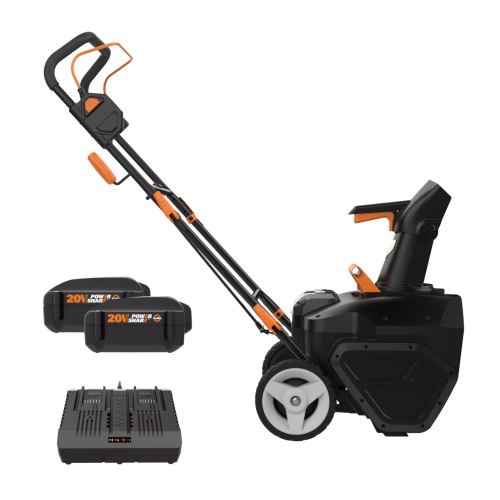 Your price for this item is $599.99
-
 Your price for this item is $399.99
-
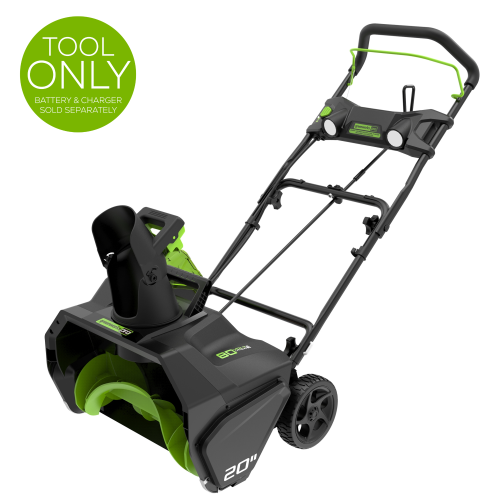 Your price for this item is $449.99
-
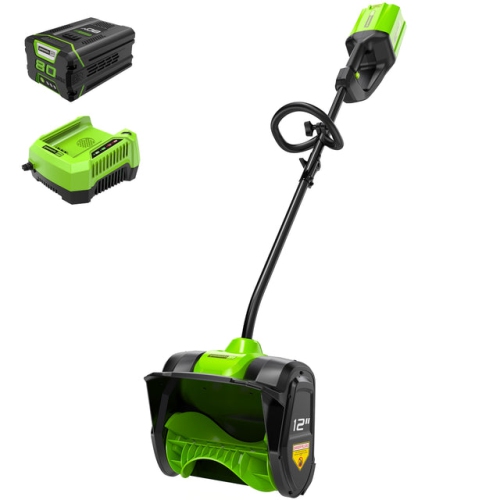 Your price for this item is $359.99
-
 Your price for this item is $339.99
-
 Your price for this item is $429.99
-
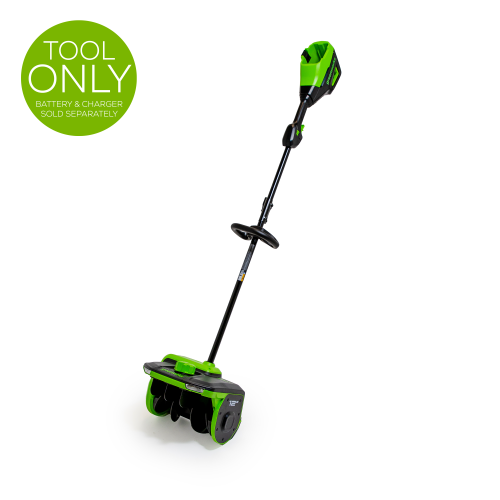 Your price for this item is $355.99
-
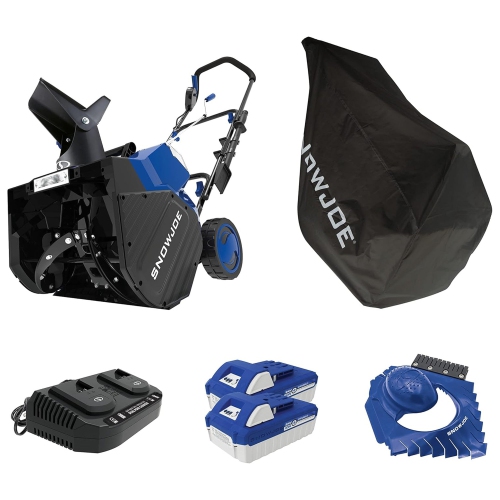 Your price for this item is $499.98