Boxing Day Deals Coming Soon
Our Boxing Day Sale returns in December 2026. In the meantime, shop our current top deals below.

Boxing Day Sale On Monoculars
Boxing Day is the perfect opportunity to enhance your viewing experience with incredible deals on monoculars. Whether you're an avid bird watcher, a sports enthusiast, or someone who simply loves exploring the great outdoors, our Boxing Day Sale offers a wide selection of high-quality monoculars at unbeatable prices. Discover compact and versatile options designed to bring distant scenes into sharp focus, making every adventure more vivid and memorable. Remember, our Low Price Guarantee means you can shop confidently knowing that you'll find the best price at Best Buy, all year round. We encourage you to check our website frequently for the most up-to-date information on our latest offers and savings opportunities.
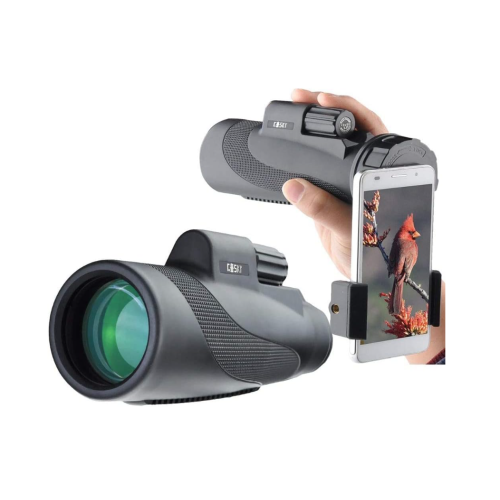
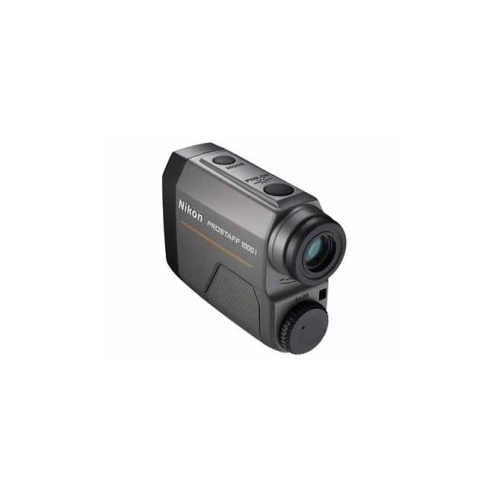
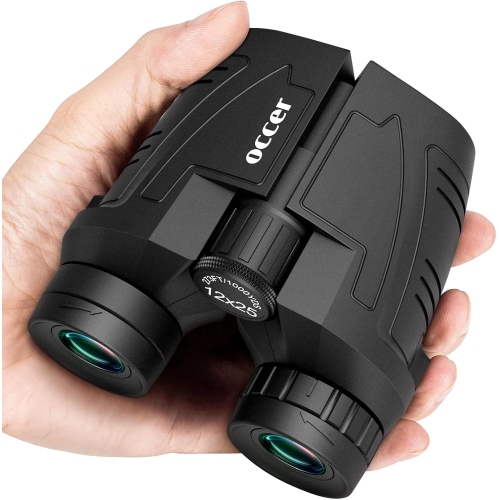
How monoculars reveal distant details without the bulk
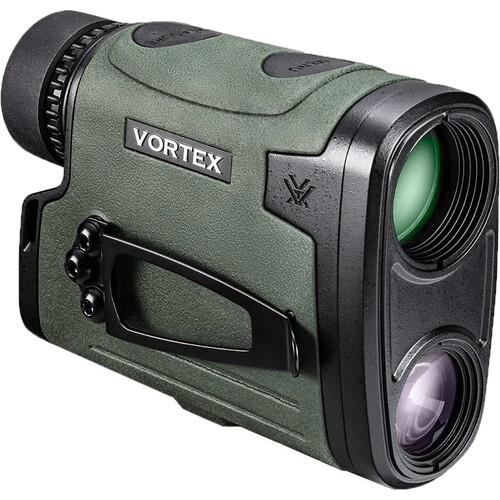
Comfort and handling often make the difference between a monocular that stays in its case and one that gets used regularly. The body should sit securely in the hand, with a focus control that can be reached without repeatedly shifting grip. A textured surface or rubber armour can improve handling and cushion minor knocks, but it does not make the optical components immune to damage. Depending on the design, housings may use moulded polymers or metals such as aluminium, balancing weight, rigidity, and portability in different ways. For someone carrying a monocular over several kilometres, a modest reduction in weight can matter more than a larger lens; for a viewer observing from a fixed position, a fuller grip and greater stability may take priority. Eyecup shape and eye relief are particularly important for people who wear glasses. Eye relief describes the distance at which the eye can sit behind the eyepiece while still seeing the full field of view. Sufficient eye relief, together with an adjustable or fold-down eyecup, can help glasses wearers avoid a restricted view. Optical coatings are another practical consideration because they reduce reflections at glass surfaces and can improve contrast and light transmission. Descriptions such as coated, multi-coated, and fully multi-coated are not interchangeable, and coating quality matters as well as coverage. A sharp central image is useful, but comfortable viewing also depends on how well detail holds toward the edges and how effectively the optics control distracting colour fringes around high-contrast subjects. For longer viewing sessions, resting elbows on a stable surface can make the image noticeably steadier. Some monoculars accept a support through a mounting socket or a compatible adapter, while others are intended only for handheld use. Where the mounting requirements match, a monopod can add support without the footprint of a tripod; the Boxing Day Sale on Monopods page offers a related category to explore. The connection, load capacity, and any required adapter should suit the optic rather than relying on appearance alone.
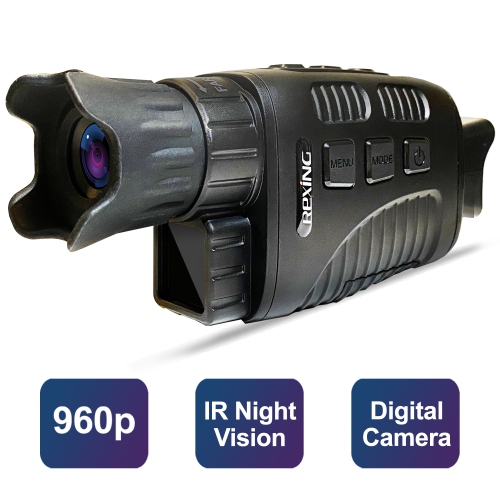
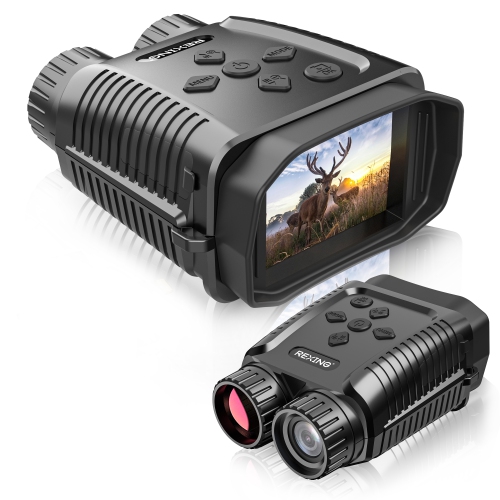
For Boxing Day gifting, monoculars suit a wide range of interests without requiring the recipient to take up an entirely new hobby. A frequent traveller might appreciate a compact shape for looking at architectural details, while a wildlife enthusiast may place more value on a broad field of view and precise focusing. A sports spectator can use one for a closer look at action across the field, subject to venue rules, and a walker may enjoy being able to inspect a distant route feature before continuing along the path. For younger users, manageable weight, straightforward controls, and supervised handling are more useful than impressive magnification alone. A wrist strap, secure carrying pouch, and well-fitting lens caps can make daily use easier, especially when the monocular shares a bag with keys, snacks, or camera accessories. Durability also depends on how it is carried and cared for. Capped lenses are less likely to pick up grit, and a padded case helps protect the body from bumps in transit. Loose dust should be removed with a suitable blower or soft lens brush before cleaning the glass with an optical microfibre cloth and lens-safe solution used according to the manufacturer’s directions. Rubbing a dusty lens with a sleeve or paper tissue can drag particles across its coating. The focusing mechanism should move smoothly without being forced beyond its stops, and the monocular should be stored clean and dry rather than left loose where its lenses can scrape against other objects. Any stated sealing or impact protection should be understood within the manufacturer’s limits; a rugged appearance is not a substitute for a documented rating. Conventional monoculars rely on available light and should not be confused with digital night-vision or thermal viewing devices, which use different technologies. They should also never be pointed at the sun, because magnified sunlight can cause serious eye injury. With a comfortable eyepiece, a useful focusing range, and a size that fits the recipient’s routine, a monocular can become a familiar companion for noticing details that would otherwise remain out of reach.
Top selling and popular products
-
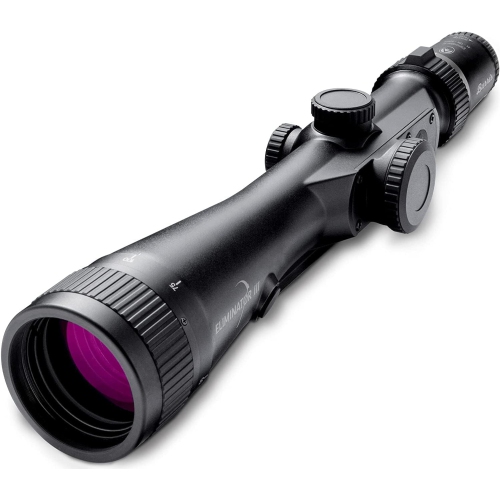 Your price for this item is $2564.05
 -
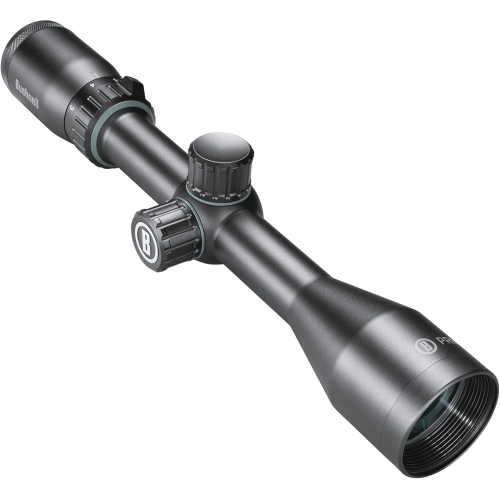 Your price for this item is $149.99
 -
 Your price for this item is $5718
 -
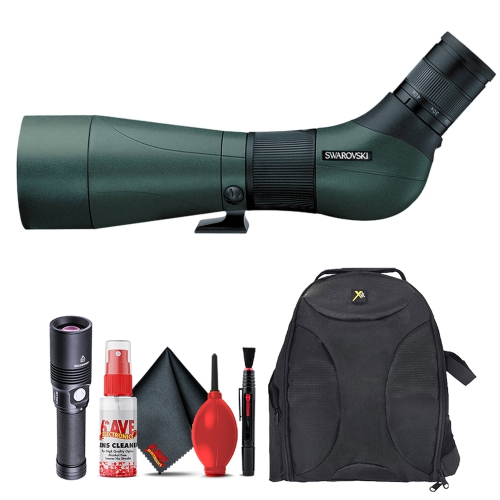 Your price for this item is $3364.95
 -
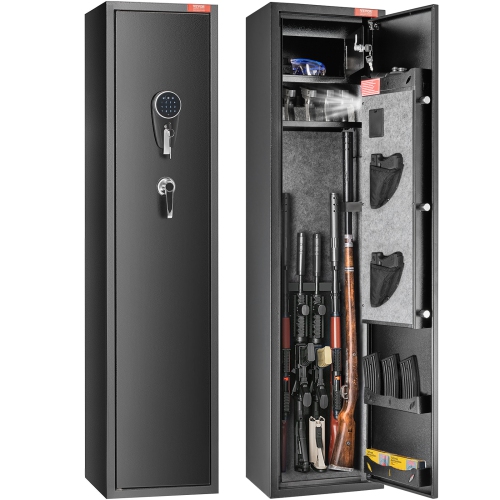 Your price for this item is $345.22
 -
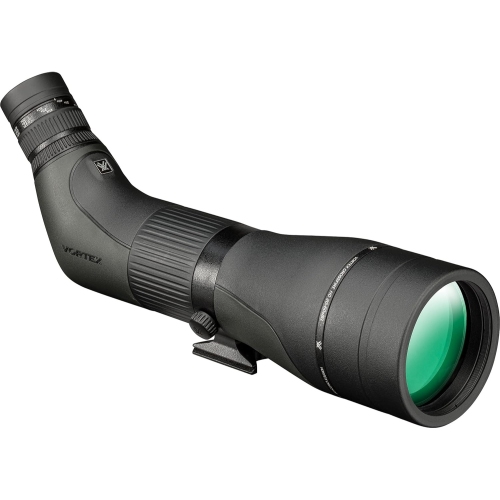 Your price for this item is $469
 -
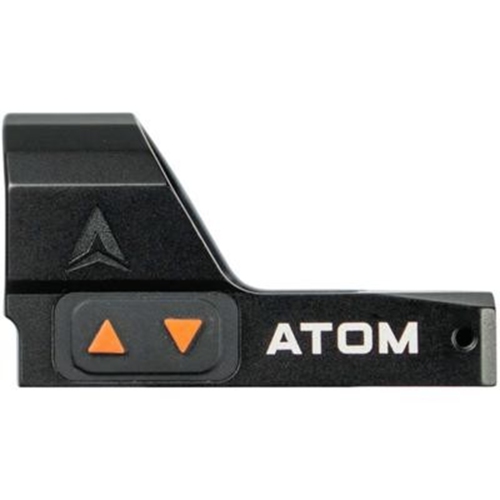 Your price for this item is $550.05
 -
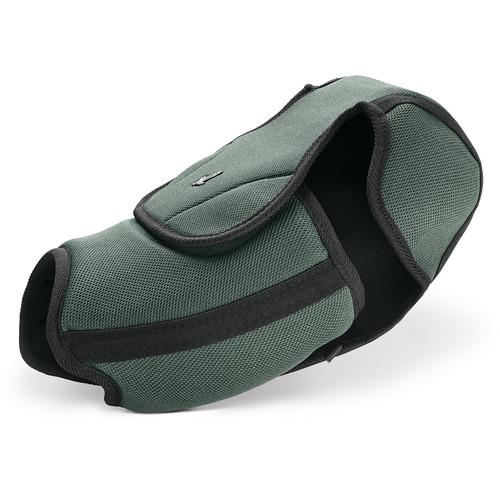 Your price for this item is $359