Boxing Day Deals Coming Soon
Our Boxing Day Sale returns in December 2026. In the meantime, shop our current top deals below.

Boxing Day Sale On Rangefinders
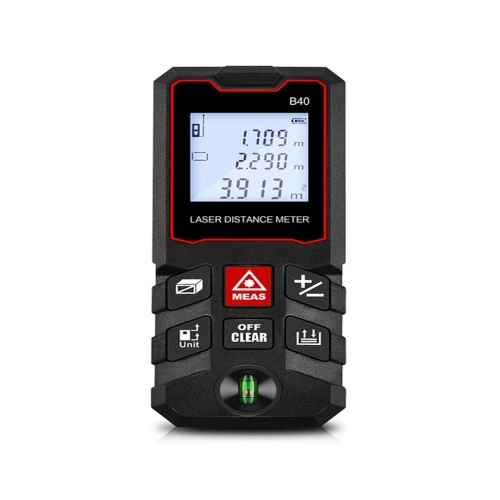
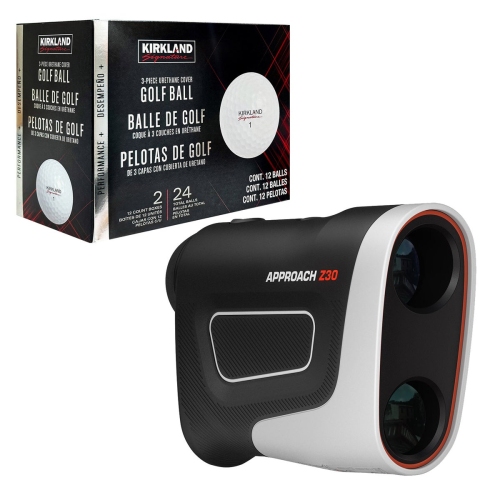
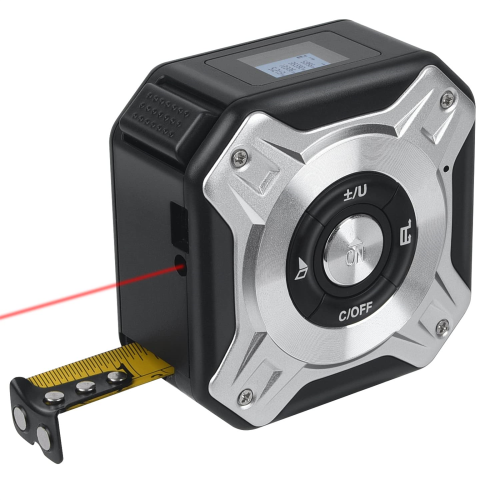
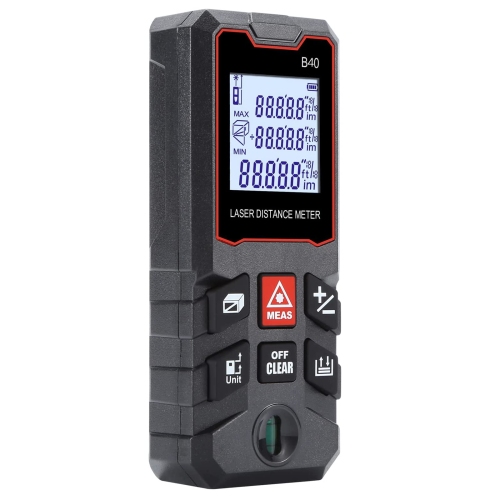
Discover unbeatable deals on rangefinders during our exciting Boxing Day Sale at Best Buy Canada! Whether you're an avid golfer looking to improve your game, a hunter seeking precision in the field, or simply someone who appreciates cutting-edge technology, our selection of rangefinders offers something for everyone. Enjoy incredible savings on top-quality devices that combine accuracy with convenience, making it easier than ever to measure distances and enhance your outdoor adventures. Remember, our Low Price Guarantee means you can shop confidently knowing that you'll find the best price at Best Buy, all year round. We encourage you to check our website frequently for the most up-to-date information on our latest offers and savings opportunities.






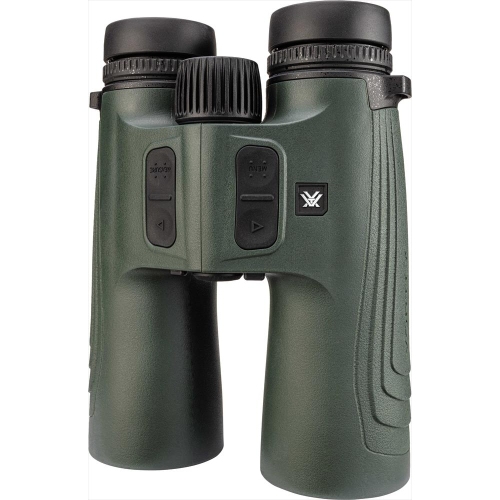
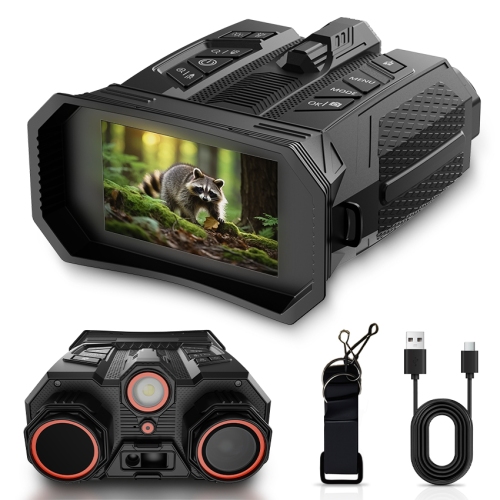
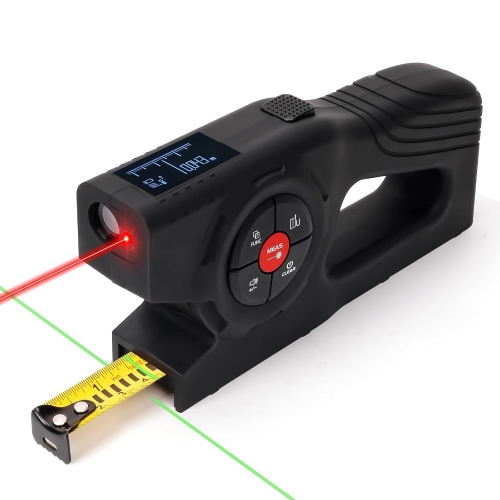
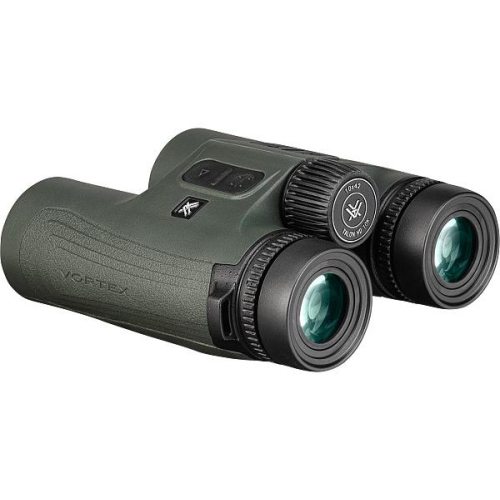
Rangefinder features that matter beyond maximum measuring distance
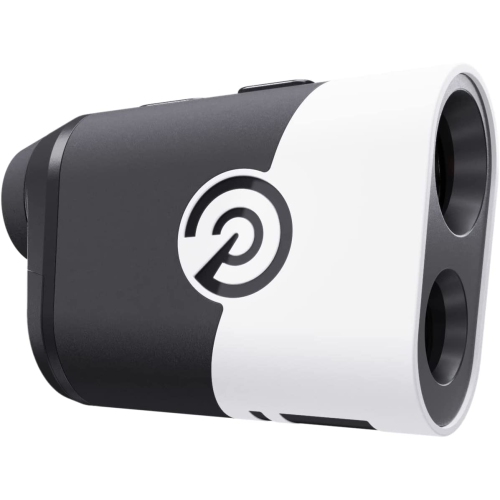
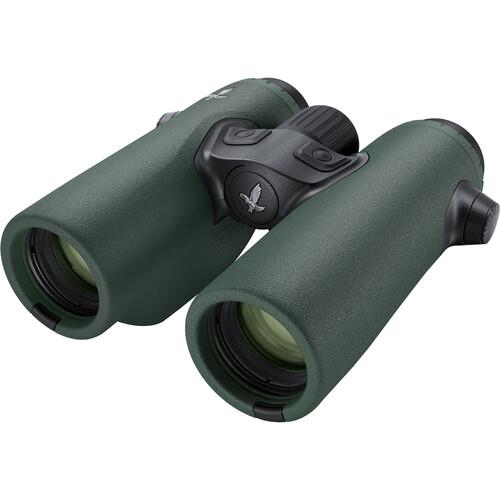
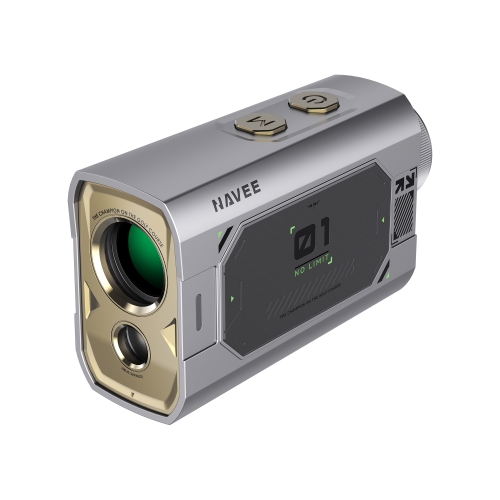
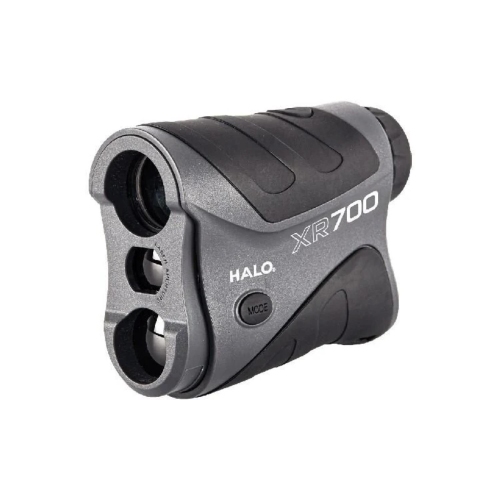
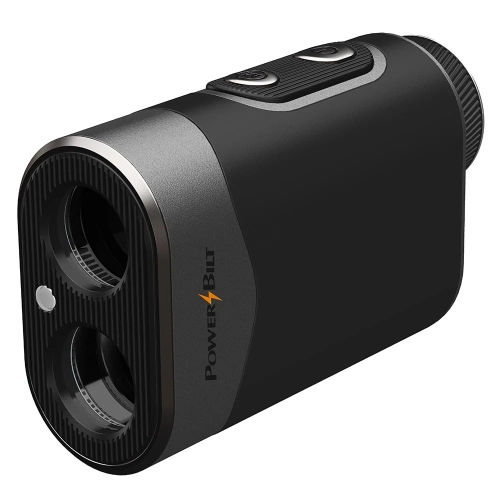
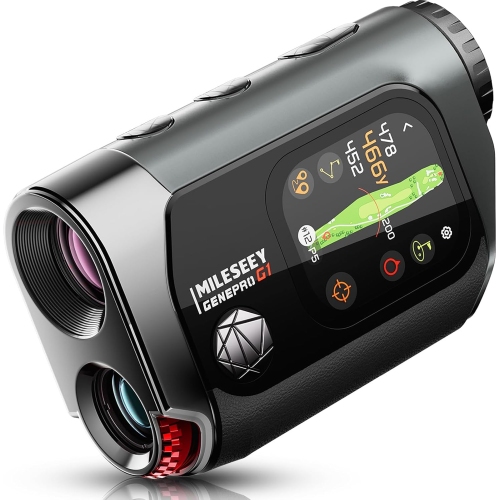
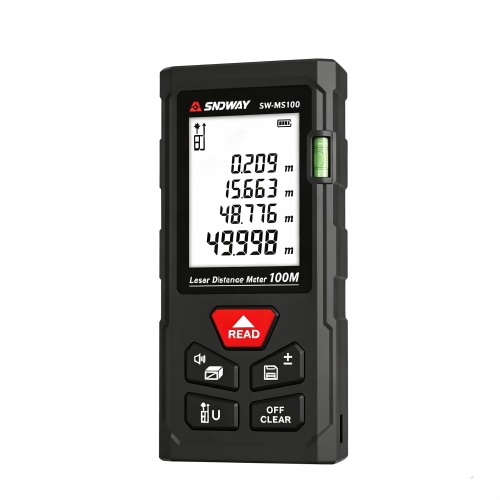
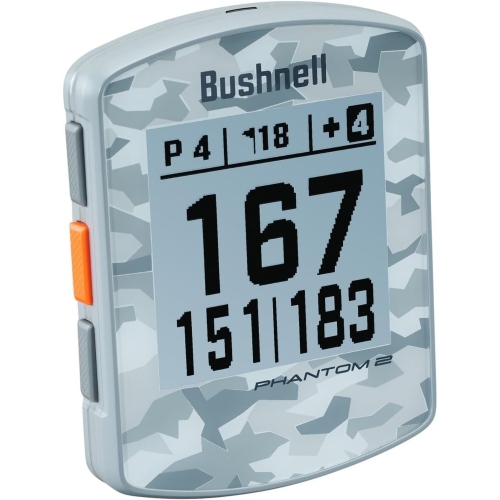
On a golf course, the useful details often reveal themselves in an ordinary moment: a flag is moving, trees sit behind the green, and a player has only a short pause to take a reading. Flag-seeking or pin-lock functions are designed to help distinguish a nearer flagstick from the background, while a vibration or visual confirmation can signal that the device has identified a target. These features vary by model and do not replace careful aiming, but they can make readings easier to interpret. Magnification helps bring a distant object into view, although greater magnification can also make hand movement more noticeable. A clear eyepiece, adjustable focus, and readable numbers can therefore matter as much as the headline distance specification. People who wear glasses may find eye relief and eyecup design particularly important, since an awkward viewing position can obscure part of the display. Slope measurement adds another distinction. A slope-enabled golf rangefinder can estimate an adjusted playing distance based on an uphill or downhill angle, helping explain why two shots with the same straight-line distance may play differently. Competition rules can restrict this function, so a clearly identifiable slope-off mode is worth considering, along with the rules of the event itself. Hunting and archery rangefinders may use angle compensation differently, and their calculations should be understood in the context of the intended activity rather than assumed to match golf calculations. Some devices also offer scan modes for taking successive readings across several objects, or target-priority settings that favour nearer or farther returns. These functions can be useful when branches or other obstructions complicate the view, but they cannot reliably measure through solid objects. A rangefinder is a measuring aid, not a substitute for identifying a target and checking what lies beyond it. For any activity, straightforward controls and a display that is easy to read can be more useful than a long feature list that makes routine measurements cumbersome.
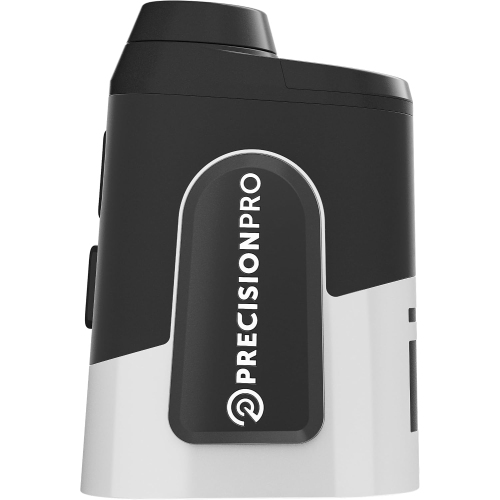
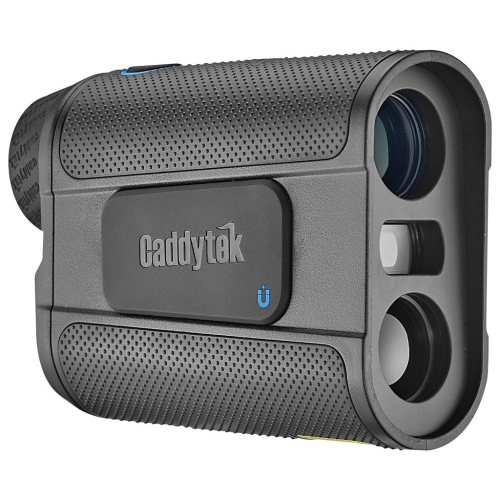
The physical design of a rangefinder affects how comfortably it fits into a day’s routine. A compact body can slip into a golf bag pocket or belt pouch, while a slightly larger shape may offer a steadier grip for someone who finds tiny controls fiddly. Textured rubber armour over a rigid housing can improve handling and help protect against minor knocks, but it should not be mistaken for a guarantee against damage from a hard fall. A wrist strap, protective case, and secure closure help keep the device close at hand without leaving the lenses exposed. Magnetic mounts can be convenient on a compatible golf cart surface, though the strength of the attachment and the risk of leaving the device behind deserve consideration. Water-resistance claims also need to be read precisely: resistance to splashes is not the same as protection during immersion. Battery design is another practical difference. Rechargeable rangefinders avoid the need to carry a particular disposable battery size, while models with replaceable batteries allow a depleted battery to be swapped when a suitable spare is on hand. Charging connections, expected battery life, automatic shut-off, and a visible battery indicator all influence day-to-day convenience. For a gift, an uncomplicated charging routine and an easy-to-open carrying case may be more appreciated than an extra measurement mode. Care is generally simple but important. Loose grit should be removed before gently cleaning the lenses with materials suitable for optical surfaces; rubbing a dusty lens with clothing can leave scratches. Keeping the device dry before putting it away, protecting its eyepiece, and following the manufacturer’s storage and battery instructions help preserve its condition. Rangefinders belong to distance-measuring optics, rather than the similarly named kitchen appliance category; shoppers looking for cooking appliances can visit Boxing Day Sale On Ranges. For rangefinders, the most meaningful fit comes from matching clear optics, reliable handling, and relevant measurement functions to the way the recipient actually plays or practises.
Top selling and popular products
-
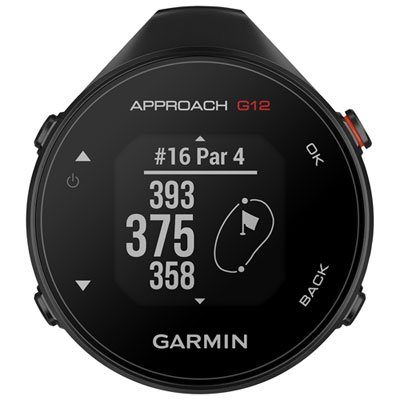 Your price for this item is $149.99
-
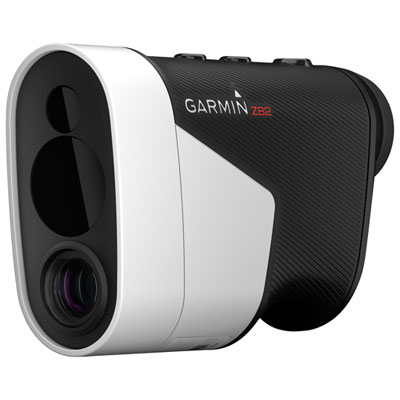 Your price for this item is $699.99
-
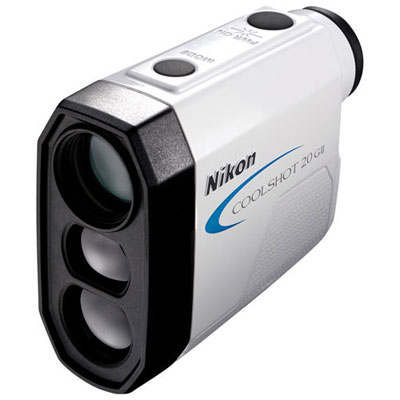 Your price for this item is $319.99
-
 Your price for this item is $399
-
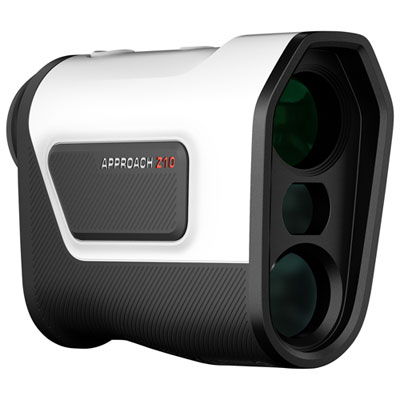 Your price for this item is $419.99
-
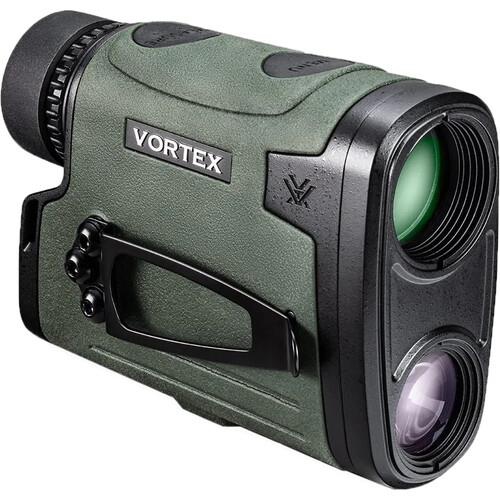 Your price for this item is $599
-
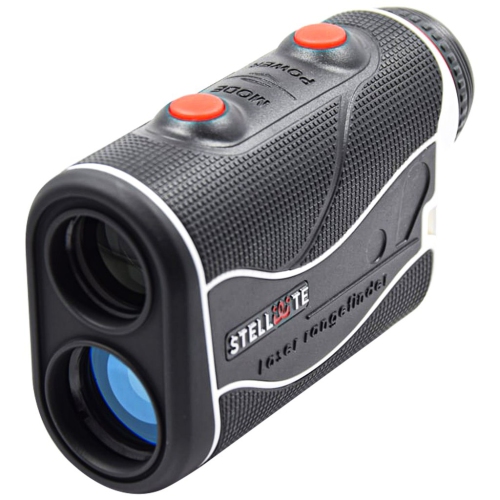 Your price for this item is $129.99
-
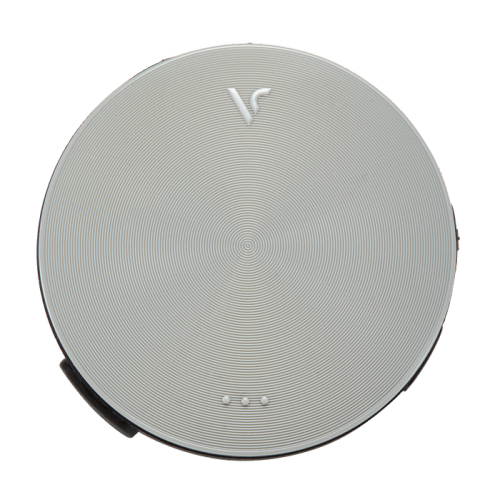 Your price for this item is $189.99