Boxing Day Deals Coming Soon
Our Boxing Day Sale returns in December 2026. In the meantime, shop our current top deals below.

Boxing Day Sale On Rifle & Spotting Scopes
Get ready to elevate your outdoor adventures with our Boxing Day Sale on rifles and spotting scopes! Whether you're an avid hunter, a passionate birdwatcher, or someone who simply loves exploring the great outdoors, this is the perfect opportunity to enhance your gear. Discover incredible deals on a wide range of high-quality scopes designed to provide precision and clarity in every environment. With unbeatable prices and exceptional performance, now's the time to upgrade your equipment and experience the great outdoors like never before. Don't miss out on these fantastic savings—your next adventure awaits! Remember, our Low Price Guarantee means you can shop confidently knowing that you'll find the best price at Best Buy, all year round. We encourage you to check our website frequently for the most up-to-date information on our latest offers and savings opportunities.

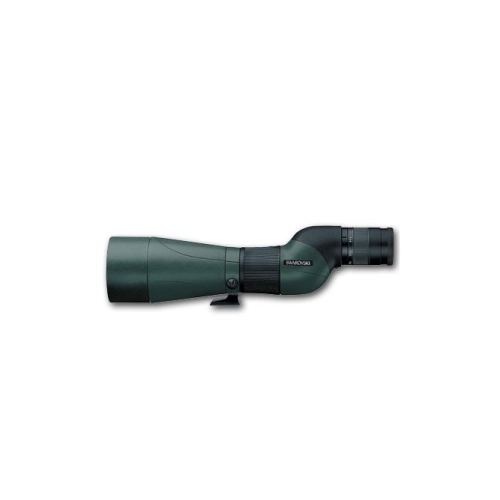
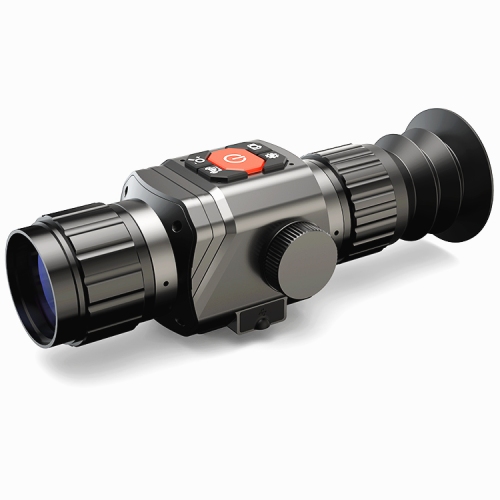
Why scope design matters beyond magnification
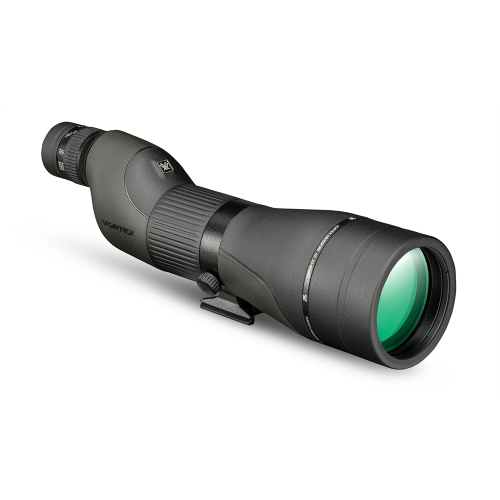
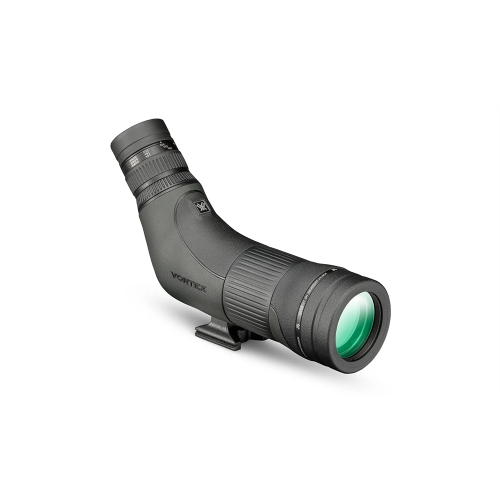
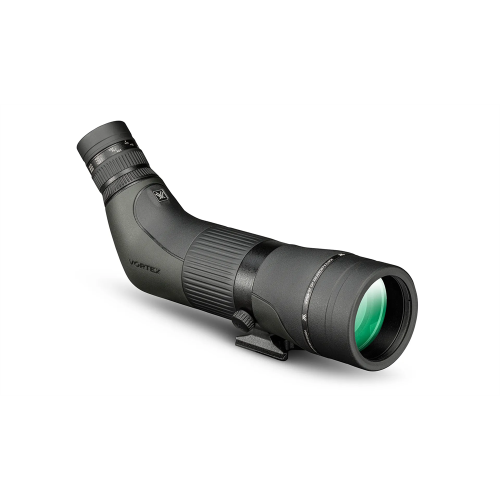
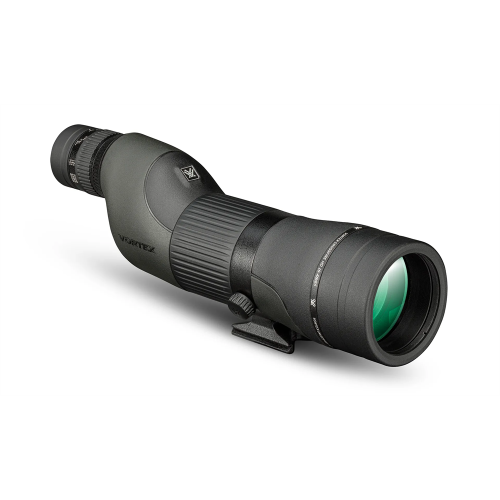
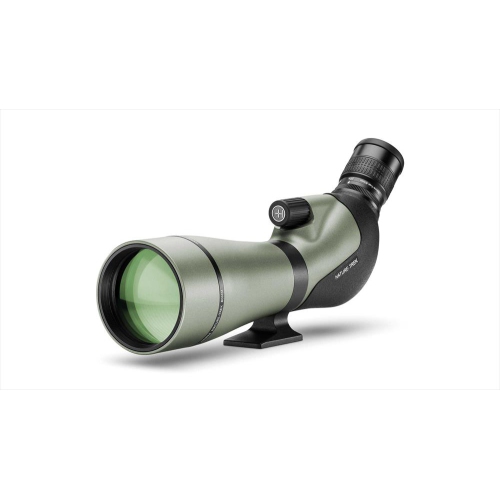
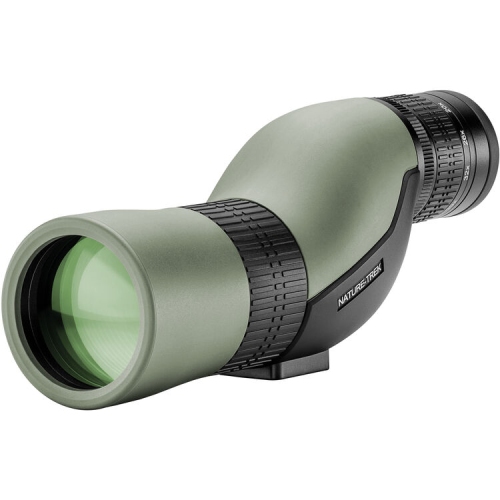
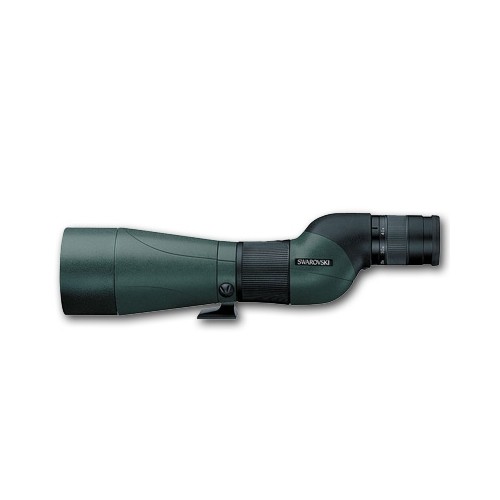
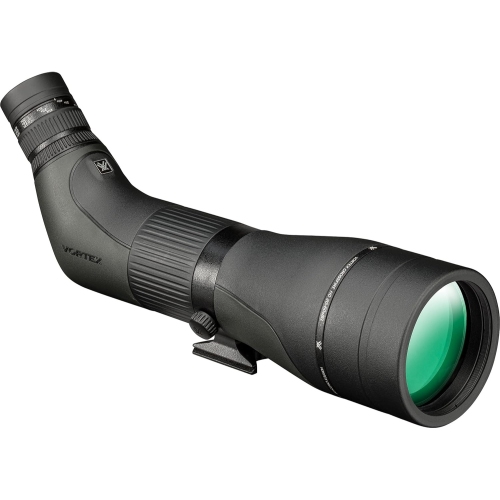
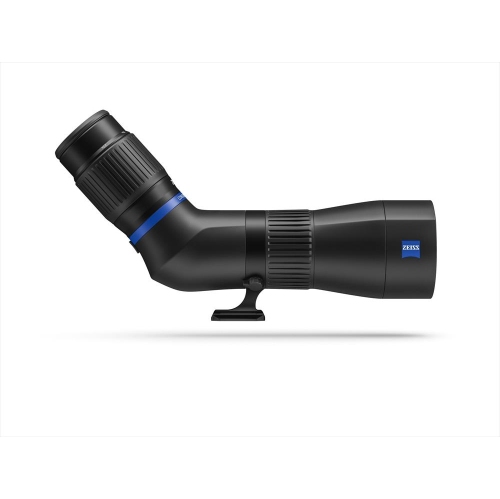
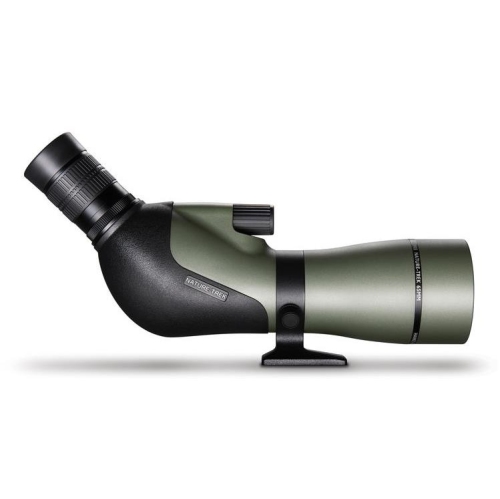
Spotting scopes are especially useful when binoculars do not provide enough detail for extended observation. From a lookout, a viewer might want to distinguish the markings on a distant waterbird rather than simply recognize its silhouette. At a supervised range, a spotting scope can support observation of paper targets from a designated viewing position. These uses place different demands on portability, viewing comfort, and support. Straight-body spotting scopes offer a direct sightline that can feel familiar to someone accustomed to binoculars, while angled-body designs allow the eyepiece to sit at a different angle from the main barrel. An angled eyepiece can be comfortable for longer viewing sessions and may make a shared scope easier to use among people of different heights without repeatedly changing the tripod height. A straight design can suit observation from a seated position or a purpose-built viewing support, provided the setup allows a comfortable posture. Neither shape determines optical quality on its own. The eyepiece, focusing mechanism, lens construction, and stability of the support all contribute to the experience. Adjustable eyecups help accommodate glasses and can reduce distracting light around the eye, although usable eye relief varies by model. A smoothly operating focus control makes small adjustments less tiring when examining fine details such as feather patterns or distant signage. Some designs use separate coarse and fine focus controls, while others keep the mechanism simpler. For higher magnification, a stable tripod or compatible support is particularly valuable because even a slight movement can interrupt the view. Carrying weight also deserves attention: a compact scope is easier to bring along on a walk, while a larger design may be better suited to a fixed observation point. Dimensions, tripod attachment compatibility, eyepiece configuration, and included protective accessories are worth considering together. A scope that fits comfortably in its carrying case and works with the intended support is more convenient than one chosen solely for its maximum magnification. For shared use, accessible controls and comfortable viewing height can matter as much as the optical specifications.
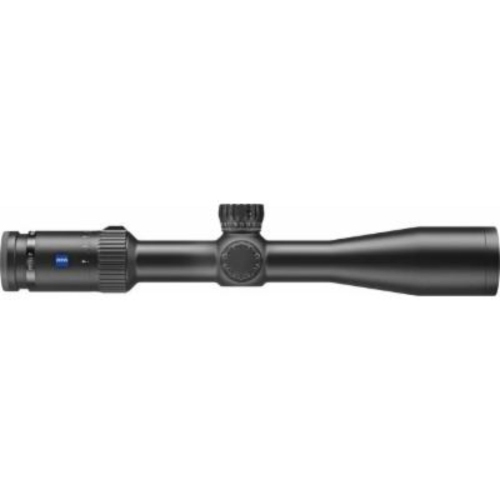
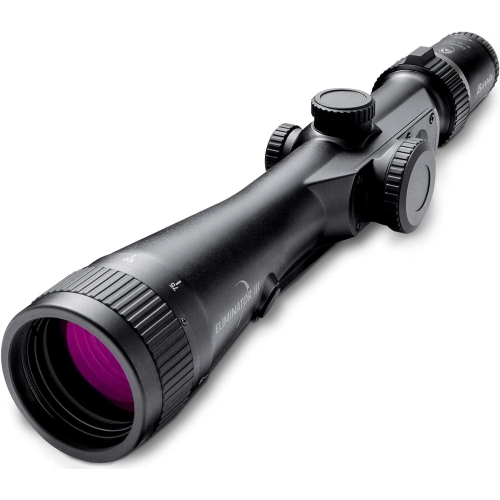
Materials and construction influence how well rifle scopes and spotting scopes tolerate regular transport and handling. Metal housings, often made from aluminium alloys, can provide a useful balance of rigidity and manageable weight, while protective exterior finishes help limit wear from everyday contact. Some spotting scopes have rubber armouring that improves grip and adds a buffer against minor bumps, though it does not make an instrument immune to damage. Sealed construction and stated water-resistance ratings are relevant for outdoor use, but protection varies between designs; a water-resistant scope should not be assumed suitable for submersion. Some optics are filled with dry gas to help reduce internal fogging, a feature separate from keeping the outer lens surfaces clean. Rifle scopes also need construction appropriate to the recoil of the firearm with which they will be used, so suitability should be confirmed through the manufacturer’s specifications rather than inferred from the housing’s appearance. Thoughtful care helps preserve image quality over time. Loose dust is best removed with a lens-safe blower or soft optical brush before wiping, since rubbing grit across glass can scratch a coating. A clean microfibre cloth and a cleaning solution approved for coated optics are preferable to household cleaners or rough fabric. Lens caps and a fitted case help protect exposed surfaces during storage and transport, and damp equipment should be allowed to dry before it is packed away. Controls should move normally without being forced, and maintenance beyond routine exterior cleaning belongs with an authorized service provider. Warranty terms can differ in their coverage, documentation requirements, and transferability, making the written details more useful than a general promise of durability. For a gift recipient, matching the scope to an established interest is especially important: a birdwatcher may value comfortable viewing and easy transport, while a participant in lawful target sports needs confirmed equipment compatibility. For someone whose interests extend to astronomy, the Boxing Day sale on telescopes page covers a different category of optics. Whatever the intended use, terrestrial scopes should never be directed at the Sun, and wildlife observation should preserve a respectful distance.
Top selling and popular products
-
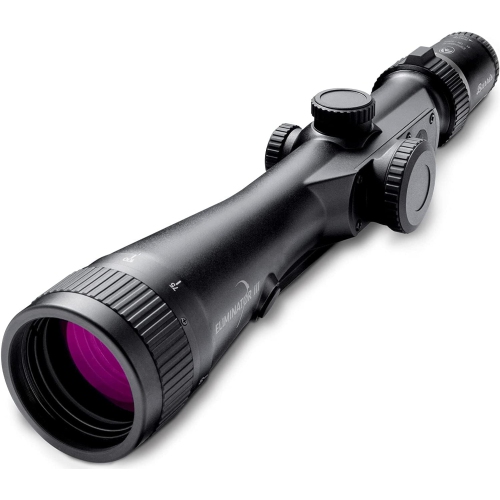 Your price for this item is $2564.05
-
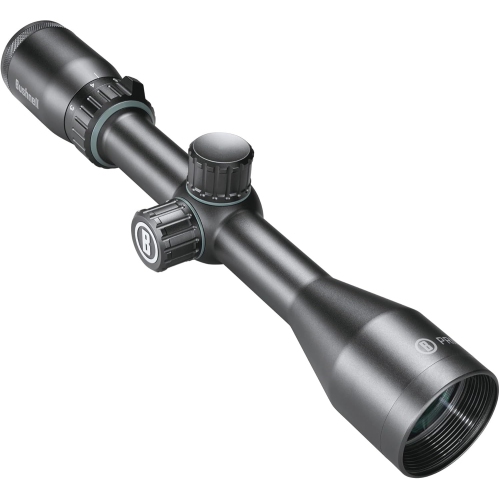 Your price for this item is $149.99
-
 Your price for this item is $469
-
 Your price for this item is $2399
-
 Your price for this item is $399
-
 Your price for this item is $427.99
-
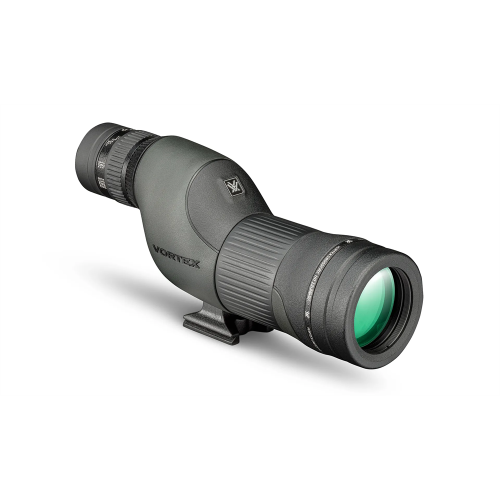 Your price for this item is $319
-
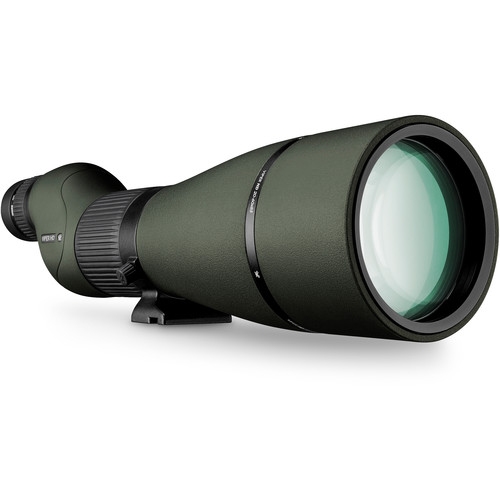 Your price for this item is $1479