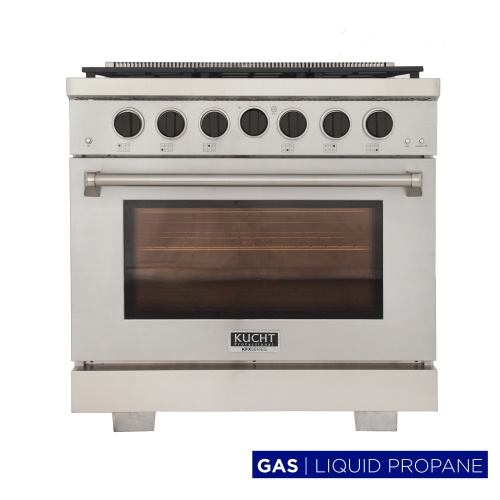
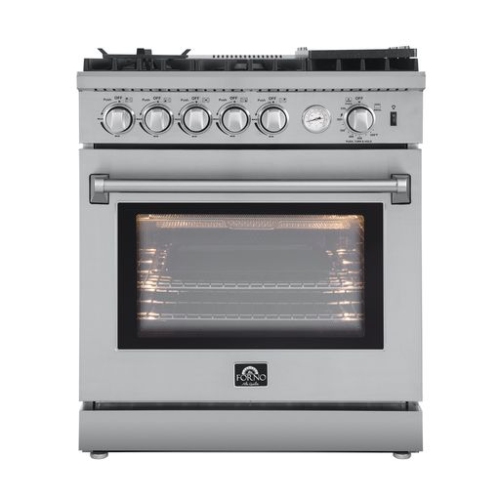
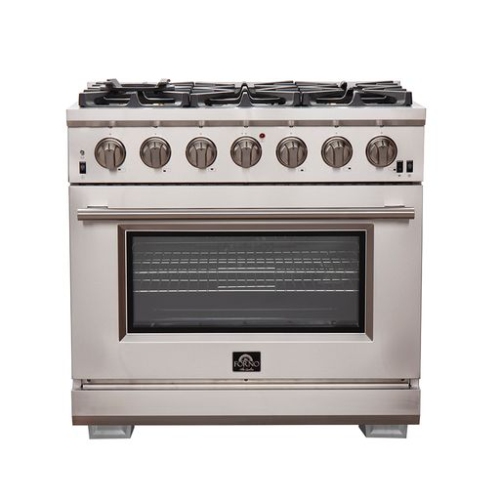
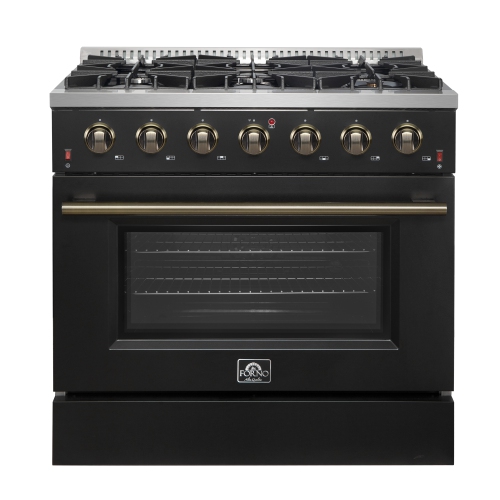
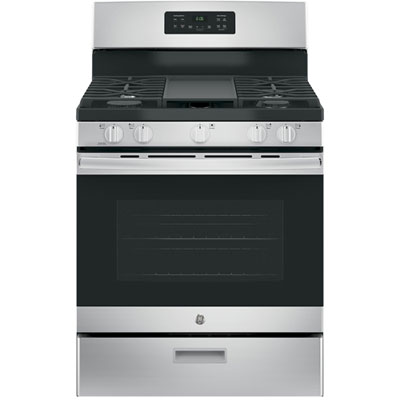
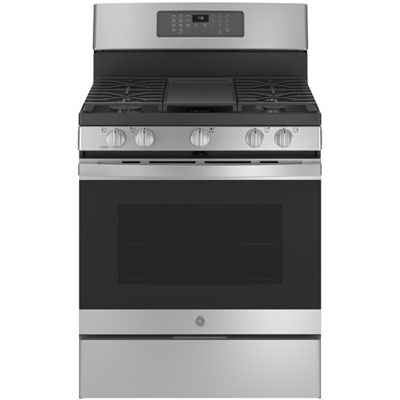
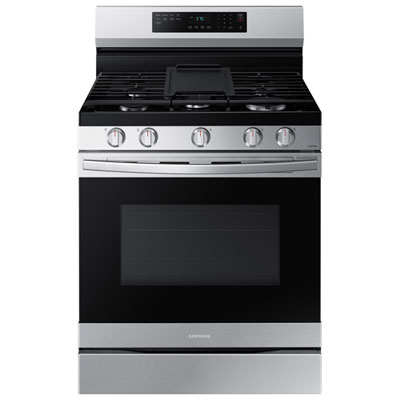
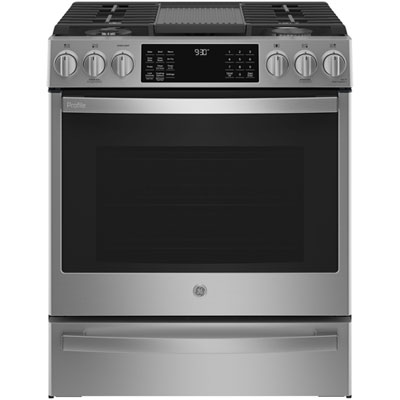
Boxing Day Sale On Ranges
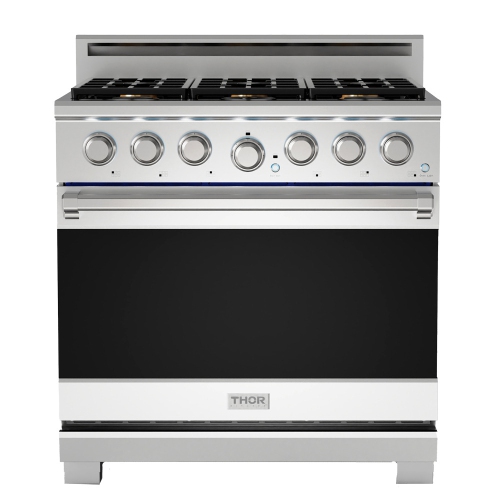
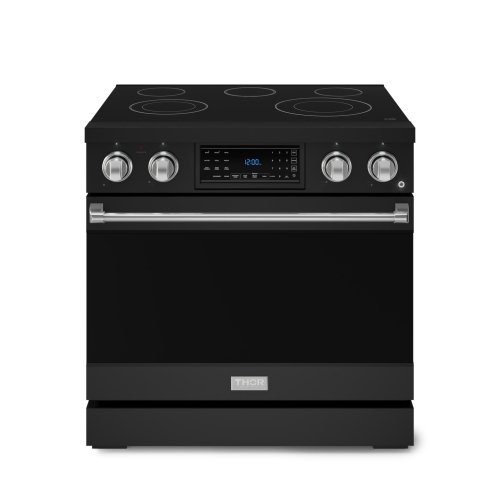
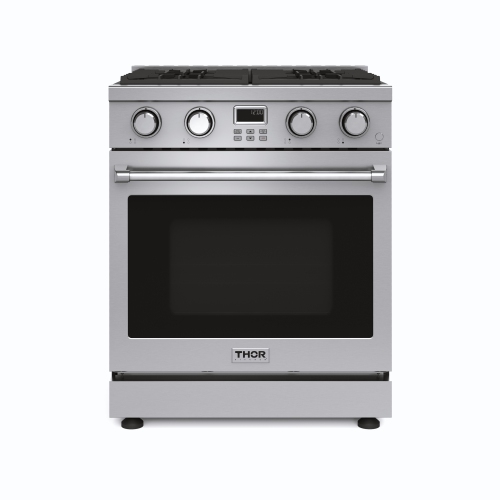
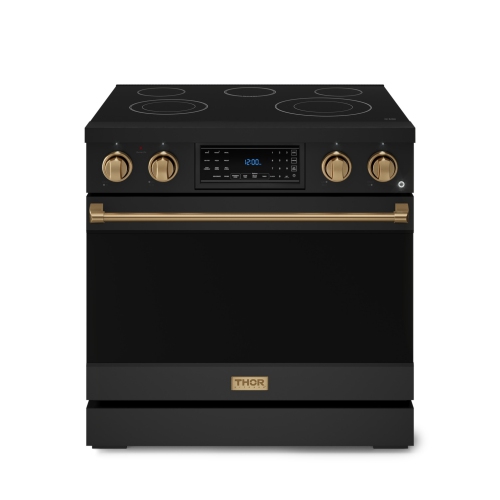
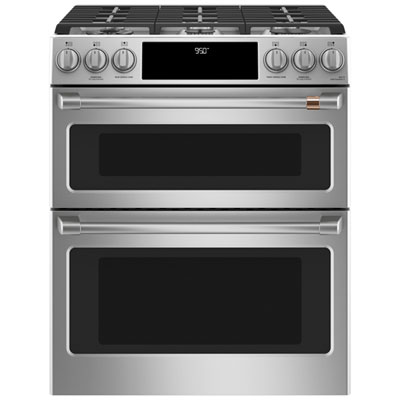
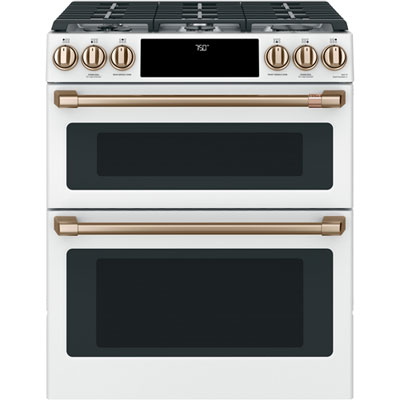
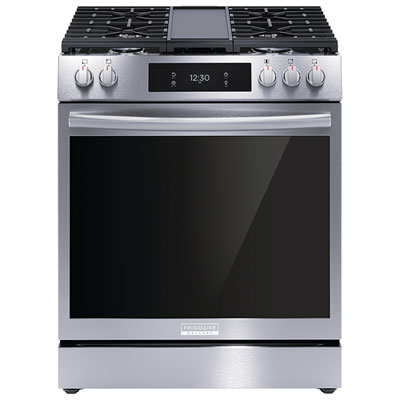
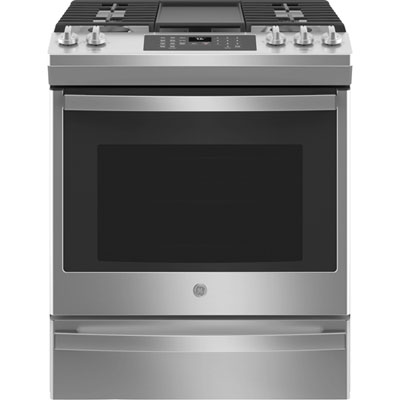
Boxing Day is the perfect time to upgrade your kitchen with unbeatable deals on a wide selection of ranges. Whether you're a culinary enthusiast or simply looking to enhance your cooking experience, our Boxing Day Sale offers incredible savings on top-quality ranges that cater to every style and need. From sleek designs to versatile features, find the ideal range to match your kitchen's aesthetic and functionality. Remember, our Low Price Guarantee means you can shop confidently knowing that you'll find the best price at Best Buy, all year round. We encourage you to check our website frequently for the most up-to-date information on our latest offers and savings opportunities.
Sort
The right range fits more than your kitchen
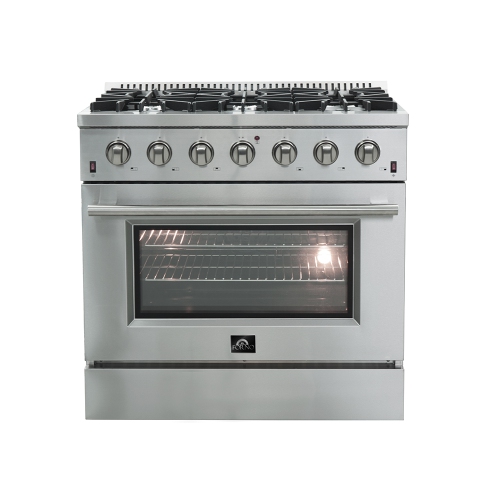
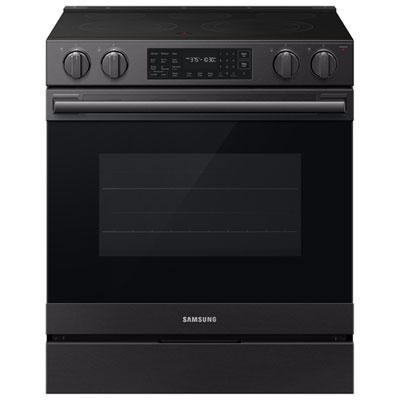
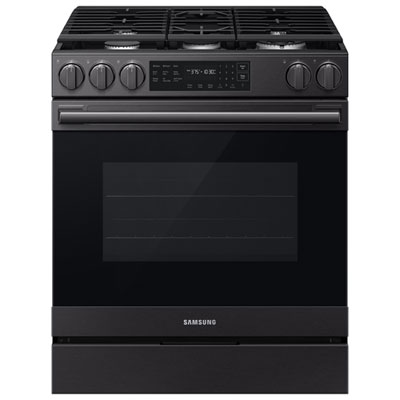
Boxing Day is a familiar occasion for considering a kitchen appliance upgrade, and a range is often central to how a household cooks. Combining a cooktop and oven in one appliance, kitchen ranges support everything from a quick saucepan of oatmeal to a roast dinner with several side dishes. The main categories are electric, gas, induction, and dual fuel, each with a different approach to stovetop cooking. Conventional electric ranges use exposed coils or radiant elements beneath a smooth glass-ceramic surface. Gas ranges provide a visible flame and responsive heat adjustment, while induction ranges heat compatible cookware through a magnetic field. Dual-fuel ranges typically combine a gas cooktop with an electric oven, a pairing that appeals to cooks who prefer flame control for sautéing and electric heat for baking. The best fit depends as much on the kitchen’s existing connections as on cooking habits. Someone who regularly simmers soups may appreciate a burner or element designed for gentle heat, while a household that prepares several dishes at once may find a flexible cooktop layout more useful than an extra-large single element. Induction requires cookware with a suitable magnetic base; many cast iron and stainless steel pans qualify, but not every stainless steel pan does. A magnet that holds firmly to the base is a useful initial check, followed by the cookware manufacturer’s compatibility information. For radiant electric and induction surfaces, flat-bottomed pans help maintain stable contact and predictable cooking results. Gas cooking also benefits from sturdy, level cookware that sits securely on the grates. Across all types, clearly marked controls, an easy-to-read display, and a comfortable oven-door handle make a difference during everyday use. A range that suits familiar recipes, favourite pans, and the number of people eating at home is more useful than one chosen solely for a long list of features.
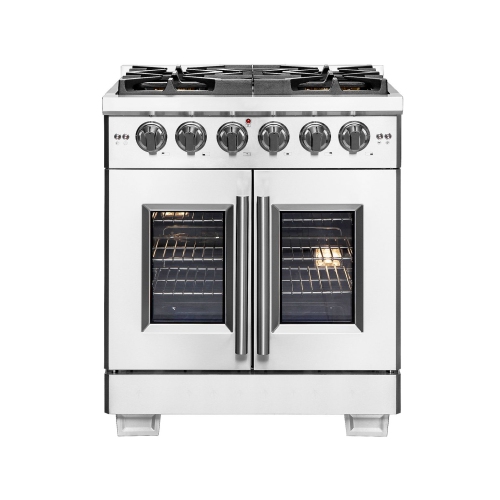
Physical fit is just as important as cooking performance, particularly when replacing a range between existing cabinets. A 30-inch width is common, but the appliance’s exact width, height, and depth must match the opening and the manufacturer’s installation requirements. Depth deserves particular attention: handles, rear connections, and an open oven door can extend into a walkway even when the main cabinet appears to fit. Measuring the route through exterior doors, hallways, and kitchen entrances also helps identify tight turns before an appliance reaches its final position. Freestanding ranges generally have finished sides and can suit exposed placements, subject to required clearances, while slide-in ranges are designed for an integrated appearance between cabinets. These descriptions do not guarantee an identical fit across designs, so countertop edges, backsplash height, and control placement still matter. Front controls may be easier to reach without leaning across hot cookware, though households with young children should also consider control locks and how accessible the knobs are. Electrical requirements vary, and a connection that works for one range may not be suitable for another. Gas models need an appropriate fuel connection, while dual-fuel designs generally require both gas and a suitable electrical supply. Qualified installation, the specified anti-tip bracket, and ventilation suited to the appliance are essential parts of a safe setup. Inside the oven, usable space matters more than capacity alone. A wide roasting pan needs sufficient rack width and clearance, and taller cookware may require adjustable rack positions. Double-oven ranges can separate dishes that need different temperatures, although each compartment has its own size limits. For someone baking biscuits while a casserole cooks, that separation can be practical; for someone preparing large roasts, a spacious single cavity may be the better match. A lower drawer also deserves a closer look, since it may provide storage, warming, or additional cooking space depending on the design.
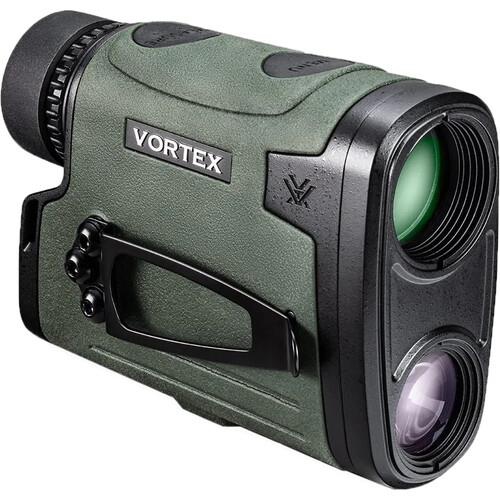
Cooking features and construction details shape how a range performs over years of family meals, batch cooking, and entertaining. Convection ovens circulate heated air with a fan, helping support more even results when used according to the appliance’s directions. Some designs add a dedicated heating element around the fan; cooking times, temperatures, and rack placement may still need adjustment from a conventional recipe. Air-fry settings use strong air circulation for foods such as potato wedges or breaded vegetables, with results influenced by the tray, spacing, and amount of food. For keen bakers, a dependable oven temperature, useful rack positions, and a window that makes it easy to check progress can matter more than additional cooking modes. A temperature probe, where included, helps monitor the centre of a roast without repeatedly opening the door. On the outside, stainless steel, coated metal, glass, and enamel each have different care needs. Stainless steel finishes can show fingerprints, while glass-ceramic cooktops require suitable cleaners and care when moving heavy cookware. Lifting a cast iron pan rather than sliding it helps protect the surface from scratches. On gas ranges, removable grates and accessible burner areas make routine cleaning more manageable, but burner caps must be correctly repositioned after cleaning. Spills are usually easier to address before repeated heating bakes them onto a surface, once the appliance has cooled enough for safe cleaning. Self-clean and steam-clean functions have different operating requirements and are not interchangeable; the owner’s manual explains preparation, rack removal, ventilation, and any surfaces that still need hand cleaning. Solid-feeling knobs, stable oven racks, and securely fitted grates are useful construction details to inspect, though long-term durability also depends on correct installation and regular care. For shared households, simple controls and straightforward cleaning routines can make daily use easier, while frequent hosts may value enough cooktop space to keep gravy, vegetables, and a main dish moving together. Away from the kitchen, Boxing Day sale on rangefinders covers a separate category of distance-measuring tools for activities such as golf.
Top selling and popular products
Top Collections:
Pokemon Centers, Best Black Friday Deals This Year, Best Black Friday Deals On Electronics, Kindle Devices, Best Budget Office Chairs, Best Black Friday Deals On Apple Products, Best Cameras for Sports Photography, Pokémon 30th Celebration Cards, Dyson Airwrap, Canon G7X Cameras
Some products may be subject to Environmental Handling Fees
(EHF) depending on your province.
Learn more about EHFs.