Boxing Day Deals Coming Soon
Our Boxing Day Sale returns in December 2026. In the meantime, shop our current top deals below.

Boxing Day Sale On Refrigerators
Get ready to chill out with incredible savings during our Boxing Day Sale on refrigerators! Whether you're upgrading your kitchen or looking for the perfect fit for your new home, this is the ideal time to find a refrigerator that suits your style and budget. With a wide variety of models that combine innovative technology and sleek design, you're sure to discover the perfect appliance to keep your food fresh and your kitchen looking fabulous. Remember, our Low Price Guarantee means you can shop confidently knowing that you'll find the best price at Best Buy, all year round. We encourage you to check our website frequently for the most up-to-date information on our latest offers and savings opportunities.

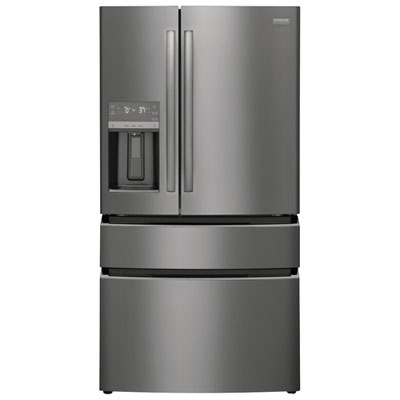
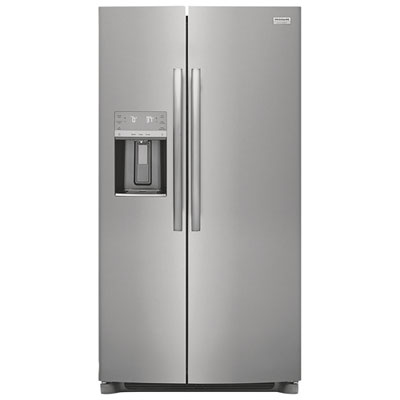
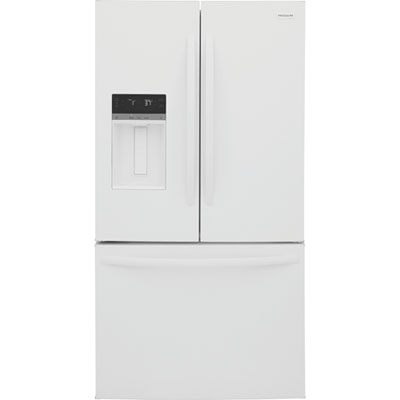
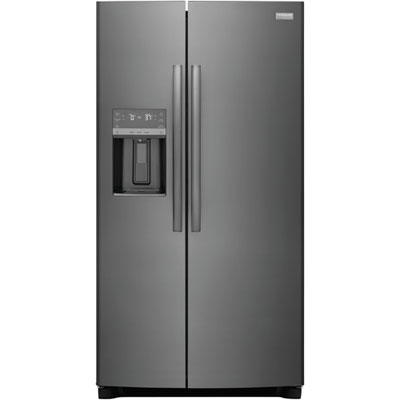
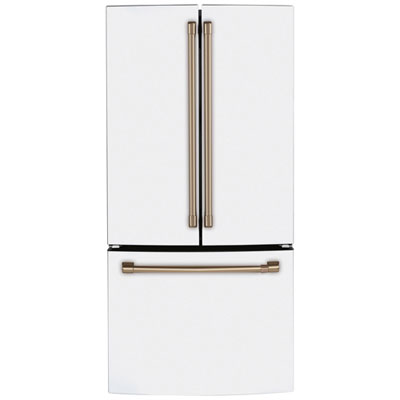
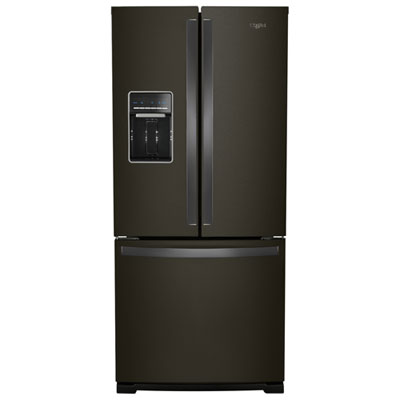
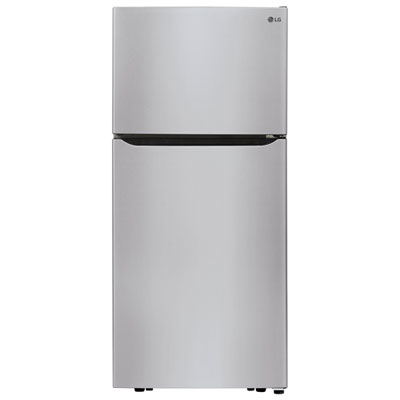
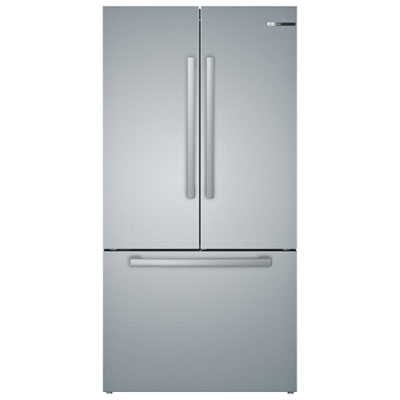
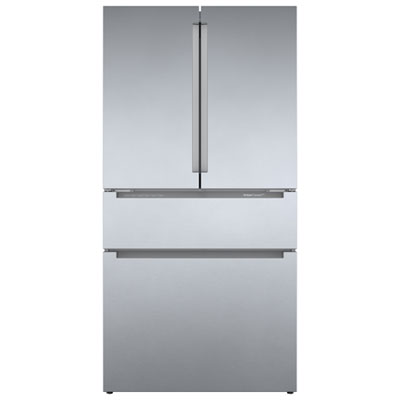
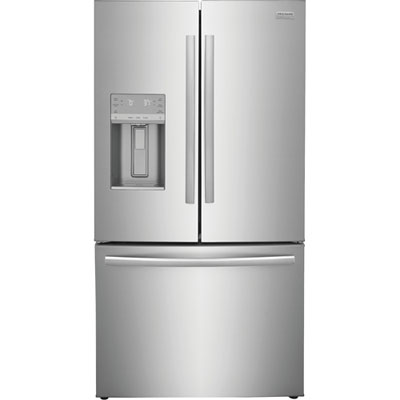
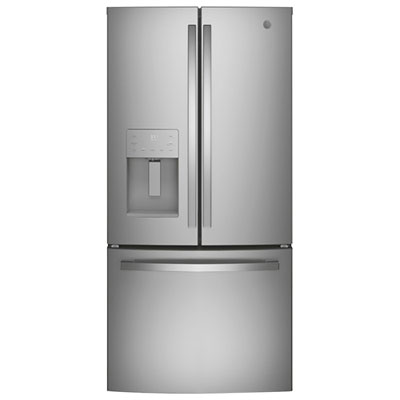
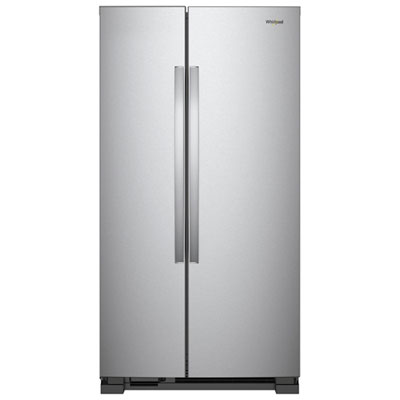
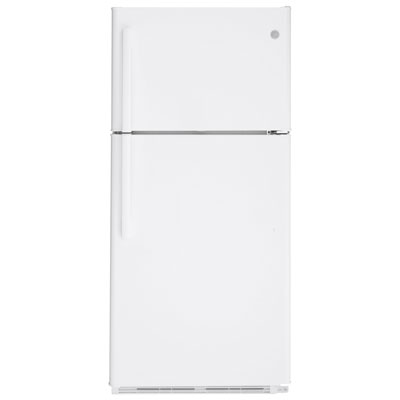
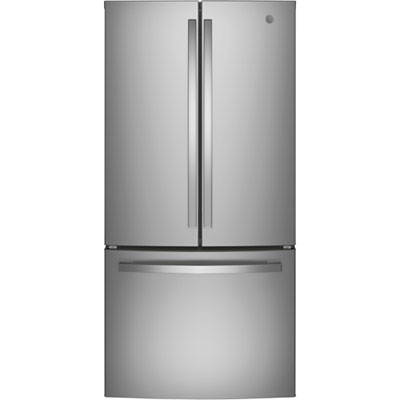
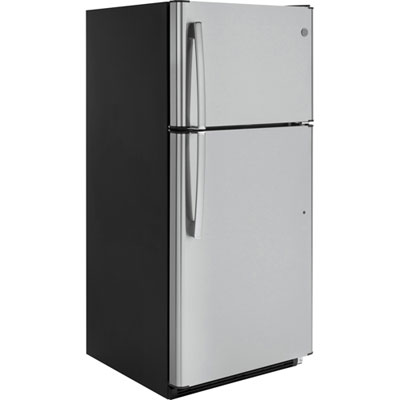

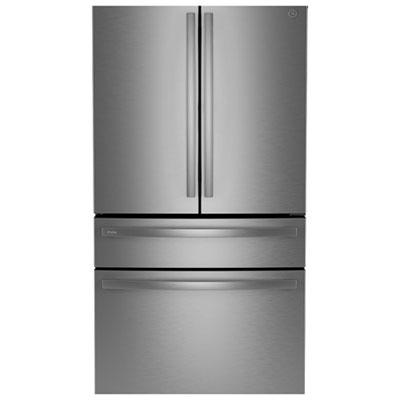

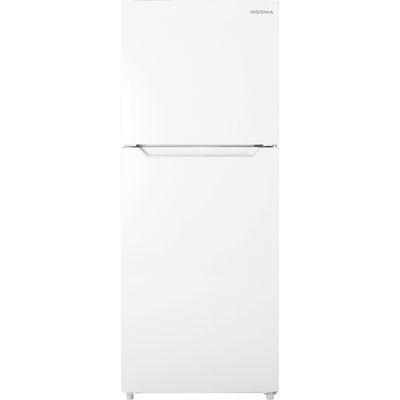
Refrigerator layouts that fit your groceries and kitchen
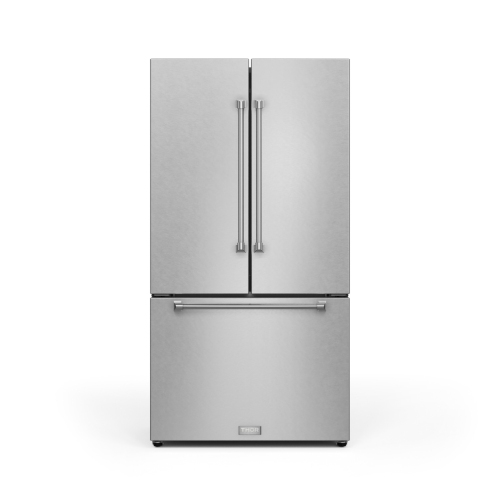
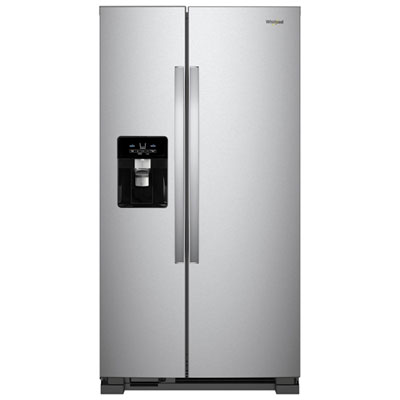
Fit involves more than checking whether a refrigerator is narrow enough for the gap between cabinets. Width, height, and depth all matter, along with the ventilation clearances specified by the manufacturer. Handles, hinges, nearby walls, and the space needed to open doors and pull out drawers can affect whether an appliance works comfortably in a particular kitchen. A door may open far enough to reach a carton of milk yet still prevent a crisper drawer from sliding out for cleaning. In a galley kitchen, the distance between the refrigerator and the opposite counter also affects how easily someone can pass while another person puts groceries away. Counter-depth refrigerators generally project less beyond surrounding cabinetry than standard-depth designs, creating a more integrated appearance, but the doors and handles may still extend past the counter edge. Their usable capacity can also differ from deeper refrigerators with a similar width. The delivery route deserves the same attention as the kitchen opening, including exterior doors, corridors, stairways, and tight turns. Water and ice features introduce another fit consideration: plumbed dispensers and automatic ice makers need a suitable water connection, while some dispenser designs use a manually filled reservoir. These features can be convenient for households that regularly fill water bottles or serve chilled drinks, but they also occupy space and require upkeep. Interior details should suit the shape of everyday groceries. Tall door bins may accommodate bottles, split or folding shelves can create clearance for a large pot, and divided freezer drawers help keep smaller packages from disappearing beneath bulkier food. For open-plan homes, published sound information, where provided, can help set expectations, although compressor and ice-making sounds vary during normal operation. A kitchen renovation may also involve coordinating appliance dimensions, finishes, and door clearances across the room. The Boxing Day sale on appliances page provides a broader starting point for considering kitchen and laundry appliances together, while refrigerator fit still depends on the precise space and connections in the home.
Materials, finish, and routine care influence how a refrigerator looks and functions over years of use. Stainless steel offers a familiar metallic finish, while white, black, and other finishes can complement cabinetry or create contrast. Fingerprint-resistant surfaces may reduce visible smudges, but cleaning requirements differ, so the manufacturer’s care instructions remain important. A soft cloth and an approved cleaner are generally preferable to abrasive pads that can scratch or dull a surface. Inside, glass shelves make spills easier to see, and raised shelf edges can help contain small leaks; removable bins and drawers make a thorough clean more manageable. Shelf weight limits still apply, particularly when storing heavy pots or several large drink containers together. Durability is not simply a matter of exterior material. Door hinges, drawer runners, shelf supports, and seals all receive repeated use, making their construction and ease of maintenance worth considering. Door gaskets need to remain clean and close evenly, and ventilation openings should stay unobstructed. Where the manual calls for it, cleaning accessible condenser areas can support normal operation. Water filters also need replacement according to the manufacturer’s schedule and household use. For food storage, a refrigerator should maintain a temperature of 4°C or below, while a freezer should be kept at -18°C or below; an appliance thermometer can help confirm conditions inside. Leaving room for air to circulate and keeping food clear of vents supports more even cooling. Humidity-controlled crispers can help separate produce with different storage needs, although drawer settings are only one part of keeping food fresh. Covered containers, prompt storage of perishables, and a regular check of leftovers remain useful habits. After a holiday gathering, adjustable shelving can make room for a covered serving dish without squeezing smaller containers out of sight. In everyday use, the same flexibility helps with packed lunches, breakfast ingredients, and groceries shared by several people. Whether the refrigerator serves one person in a condo or a household cooking several meals a day, a well-matched combination of capacity, access, fit, and straightforward care makes the kitchen easier to use.
Top selling and popular products
-
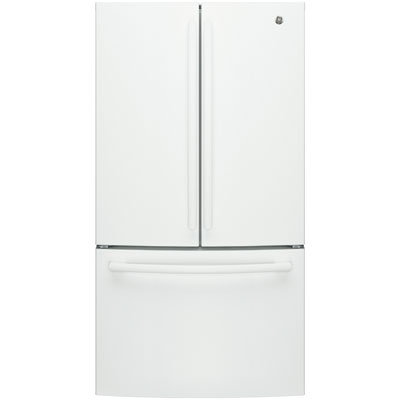 Your price for this item is $1899.99
-
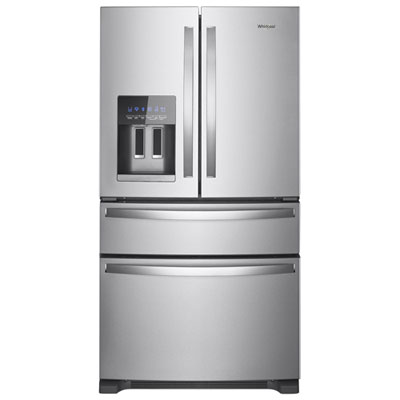 Your price for this item is $2999.99
-
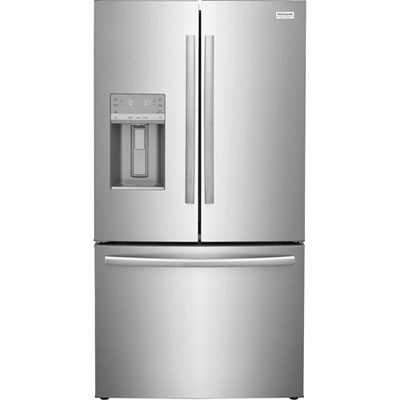 Your price for this item is $2499.99
-
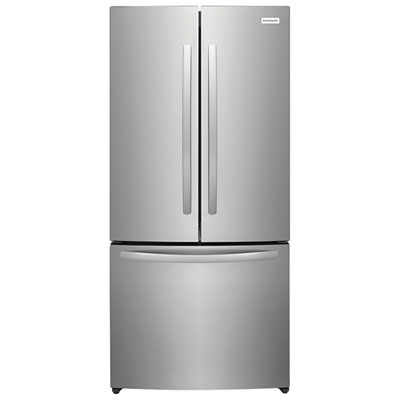 Your price for this item is $1599.99
-
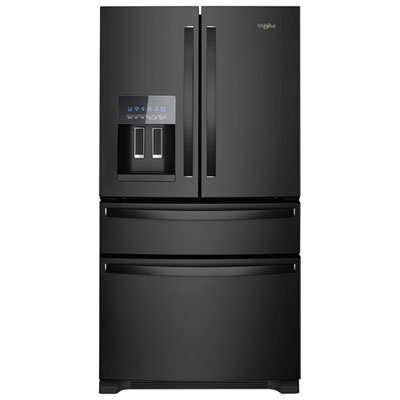 Your price for this item is $2949.99
-
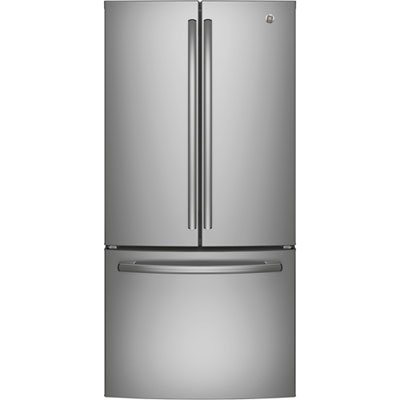 Your price for this item is $1699.99
-
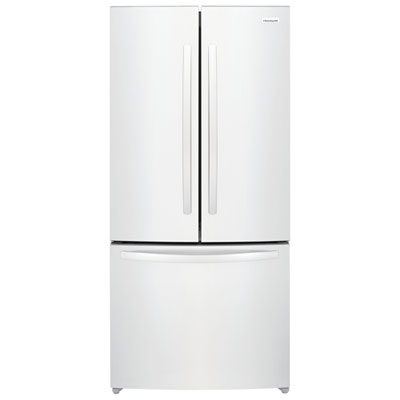 Your price for this item is $1599.99
-
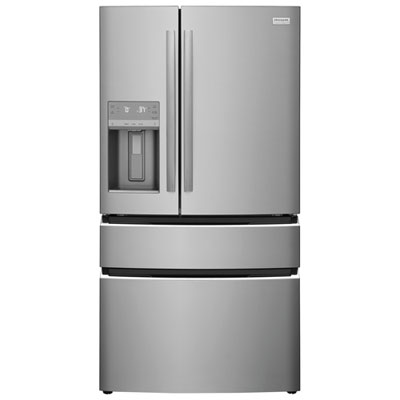 Your price for this item is $2799.99