Boxing Day Deals Coming Soon
Our Boxing Day Sale returns in December 2026. In the meantime, shop our current top deals below.

Boxing Day Sale On Sewing Machines
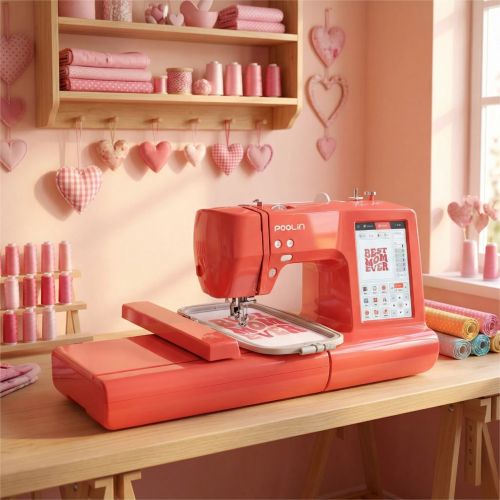
Unleash your creativity and craft your way into the new year with unbeatable deals during our Boxing Day Sale on sewing machines. Whether you're a seasoned seamstress or just starting out, this is the perfect opportunity to find the ideal machine to suit your needs and budget. Discover a wide selection of high-quality sewing machines designed to help you tackle any project with precision and ease. With incredible discounts available for a limited time, there's no better moment to invest in a reliable sewing companion that will inspire countless creations. Dive into savings and stitch up something special this Boxing Day! Remember, our Low Price Guarantee means you can shop confidently knowing that you'll find the best price at Best Buy, all year round. We encourage you to check our website frequently for the most up-to-date information on our latest offers and savings opportunities.




Why your sewing projects matter more than stitch count
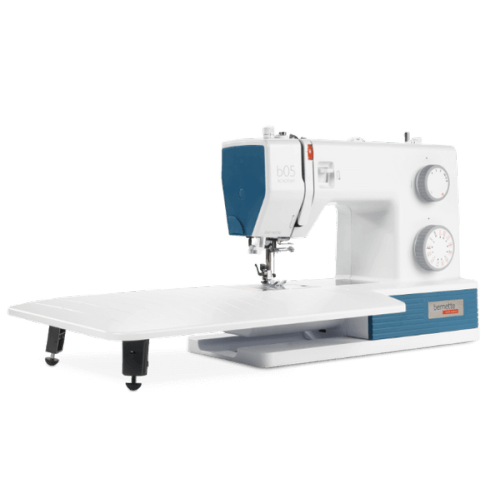
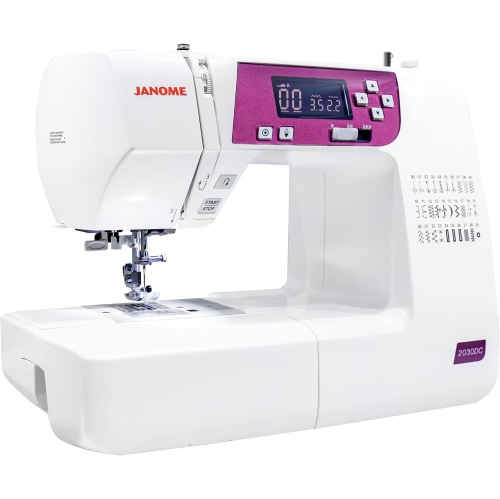
Fabric choice and project size help define which sewing machine features deserve the most attention. Lightweight woven cotton, slippery lining fabric, stretchy jersey, and layered denim do not behave the same way under a presser foot. Even feeding, appropriate needle selection, and suitable tension settings all contribute to a neat seam without excessive puckering, skipped stitches, or stretched edges. A machine intended for heavier sewing should have manufacturer specifications that support the materials and layer thickness involved; a sturdy appearance alone does not establish that capability. The bulky intersection at a jeans hem, for example, can be more demanding than sewing through a flat section of the same fabric. Metal internal components and a stable frame can contribute to durability, but construction quality, maintenance, and use within the machine’s limits remain important. For garment sewing, buttonhole functions, zipper feet, and adjustable stitch settings can support a variety of closures and finishes. An automatic one-step buttonhole can simplify repeated buttonholes, while a multi-step version gives the user control through separate stages. Quilting places different demands on the workspace: room to the right of the needle, a supportive extension table, and compatible quilting feet can help when handling larger fabric sections. A walking foot can help feed multiple layers more evenly, while free-motion work requires suitable machine functions and accessories. Decorative stitches offer scope for borders and personal touches, but the total stitch count is less informative than whether the machine includes the stitches a project actually needs. Accessories also vary, so included presser feet, bobbins, and other attachments are worth considering alongside the machine itself. Compatibility matters when adding accessories later, because feet and bobbins are not interchangeable across every machine. Testing a seam on scraps from the intended project is a practical way to check how the fabric, thread, needle, and settings work together before stitching a visible hem or joining carefully cut pieces.
The space where a sewing machine will be used matters almost as much as the sewing itself. A compact machine with a carrying handle can suit a shared table that needs to be cleared after each session, while a heavier machine may feel steadier in a dedicated sewing area. Weight, storage dimensions, and the room needed around the sewing bed all affect everyday convenience. Long curtains and quilt sections need support so their weight does not pull against the needle, whereas small repairs may require only a modest work surface with good lighting. Built-in illumination helps make the stitching area easier to see, and an accessible accessory compartment keeps frequently used feet and bobbins close at hand. Comfortable seating and a stable table also make a difference during longer projects, particularly when guiding fabric carefully rather than pulling it through the machine. Regular care supports reliable operation: lint can collect around the bobbin and feed dogs, needles become worn, and thread fragments can interfere with smooth stitching. Cleaning and any lubrication should follow the manufacturer’s instructions, as maintenance requirements differ between machines. A protective cover helps keep dust off the machine between projects, while dry storage and careful transport help protect its controls and moving parts. For gifting, a sewing machine can suit a beginner interested in making clothes, a quilter ready for more workspace, or a family member who enjoys altering garments for a better fit. Matching the machine to the recipient’s interests and experience is more thoughtful than choosing on stitch count alone, especially when their preferred fabrics or workspace are already known. Households with a mix of creative interests may also enjoy browsing the Boxing Day sale on stand mixers page for another hands-on hobby. For sewing, the lasting appeal is a machine that fits naturally into daily life, whether that means restoring a favourite shirt to regular wear, finishing a handmade gift, or settling into a larger project one well-formed seam at a time.
Top selling and popular products
-
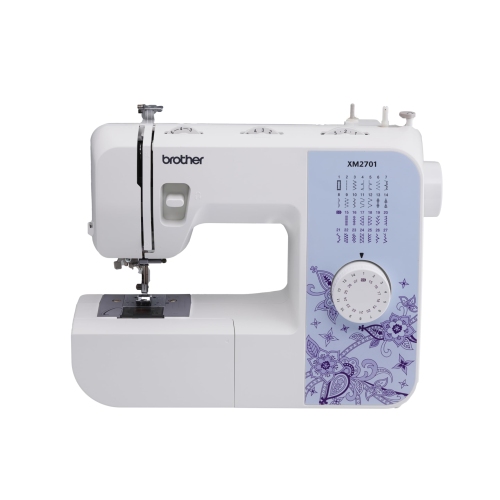 Your price for this item is $236.55
-
 Your price for this item is $362.49
-
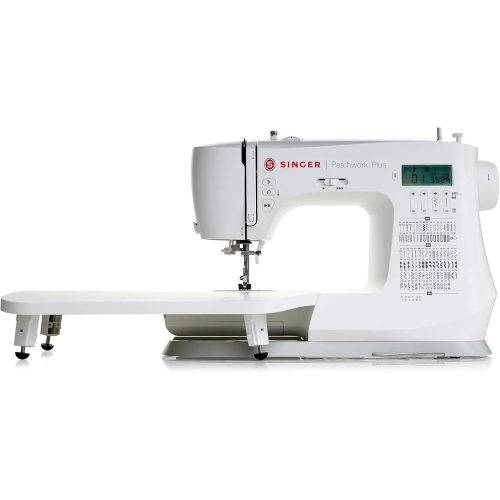 Your price for this item is $522.5
-
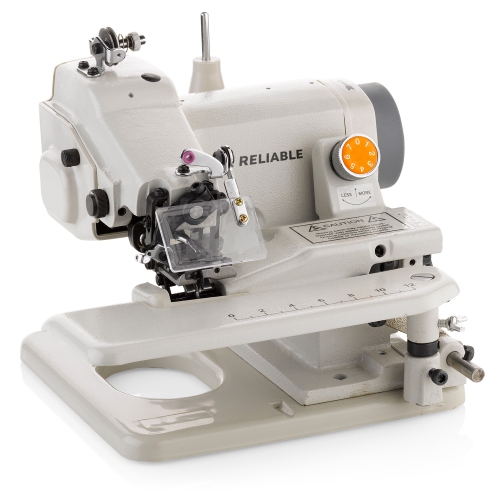 Your price for this item is $429
-
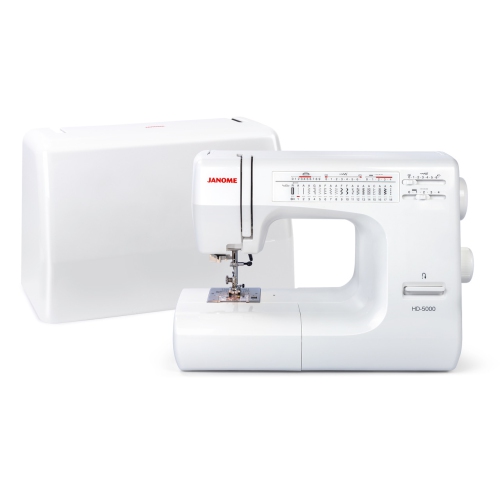 Your price for this item is $599
-
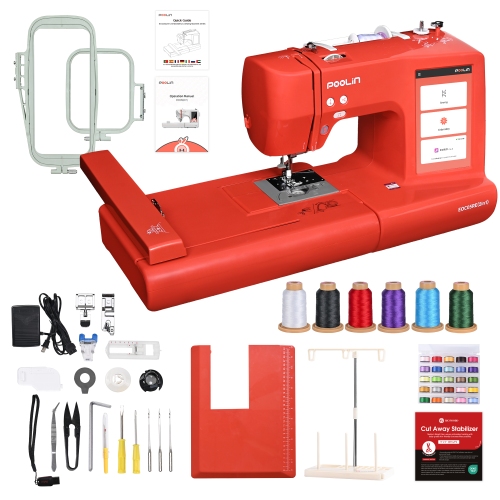 Your price for this item is $1399
-
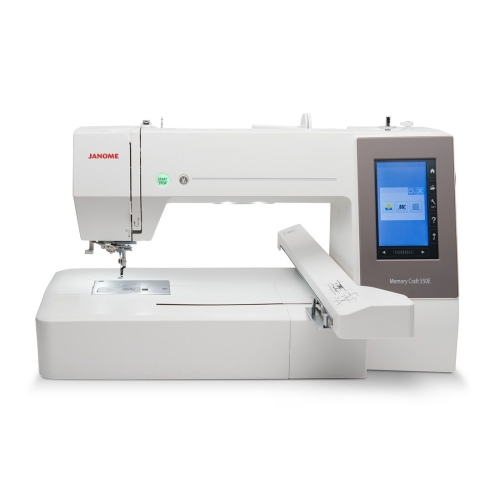 Your price for this item is $2999
-
 Your price for this item is $1009