Boxing Day Deals Coming Soon
Our Boxing Day Sale returns in December 2026. In the meantime, shop our current top deals below.

Boxing Day Sale On Staplers & Staples
Get ready to punch up your office supplies with our Boxing Day sale on staplers and staples! Whether you're organizing important documents, crafting creative projects, or simply tidying up your workspace, this is the perfect opportunity to stock up on essential tools at unbeatable prices. Explore a wide variety of options designed to meet all your stapling needs, from sleek and compact designs for personal use to heavy-duty models for larger tasks. With incredible discounts available for a limited time, now is the moment to upgrade your office arsenal and ensure you're equipped for success in the new year. Dive into our selection and discover the perfect stapler and staples that will keep everything neatly together. Remember, our Low Price Guarantee means you can shop confidently knowing that you'll find the best price at Best Buy, all year round. We encourage you to check our website frequently for the most up-to-date information on our latest offers and savings opportunities.

















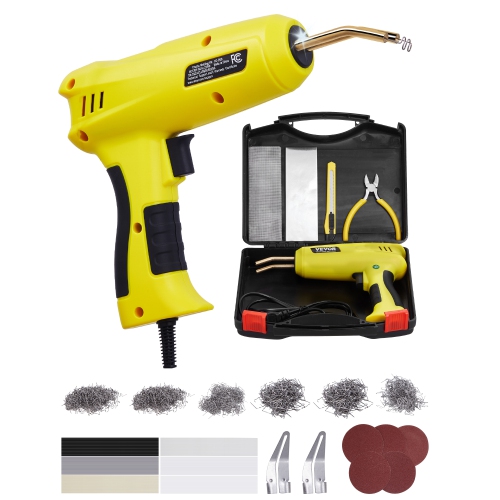
Why staple size matters as much as stapler capacity
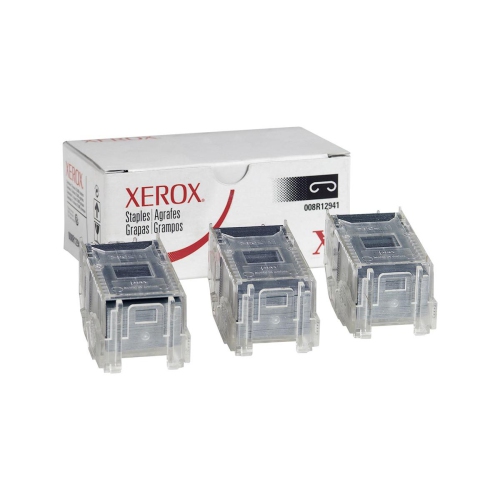
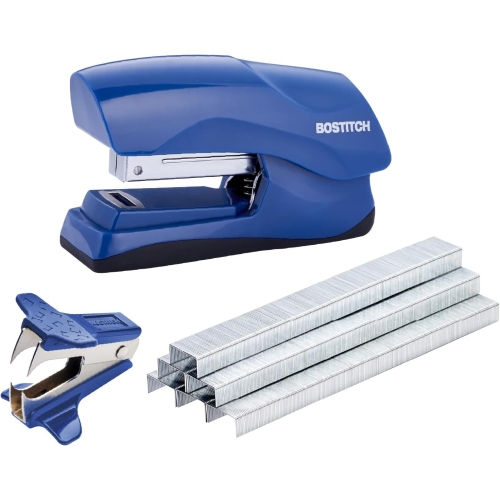
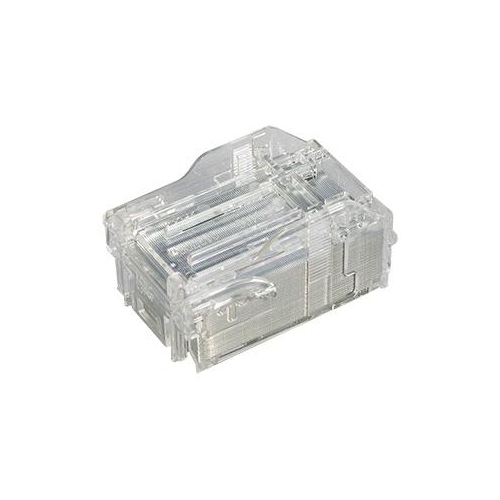
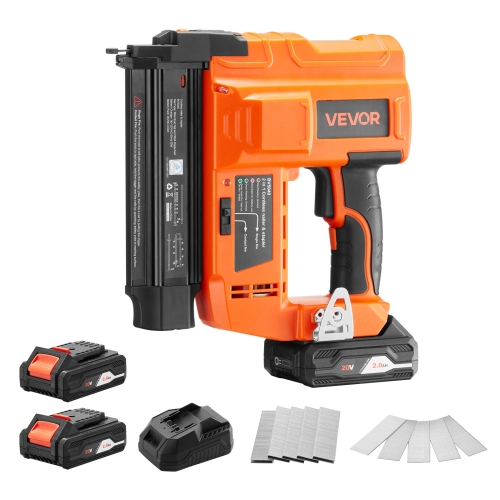
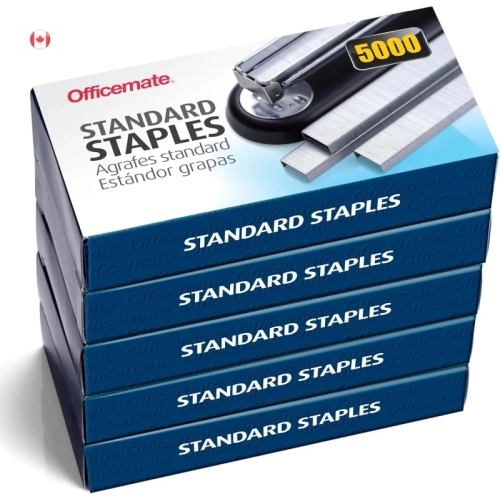
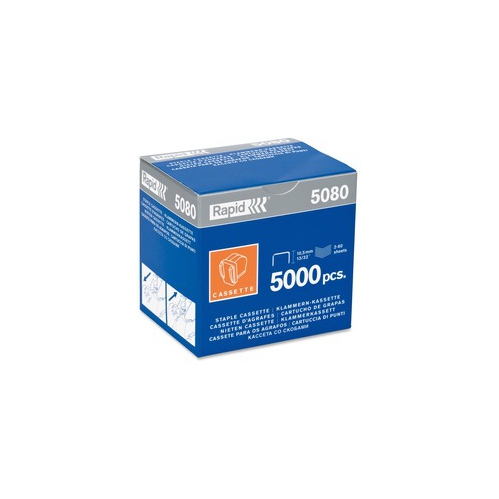
Staple compatibility is just as important as the stapler itself. Staples that look similar in the box can differ in crown width, leg length, wire thickness, and strip format, so the sizing information on the stapler or in its instructions is the most reliable reference. The crown is the horizontal section that rests across the top sheet; the legs pass through the paper and bend against the anvil beneath it. Legs need enough length to pass through the full bundle and close properly, but extra length is not automatically better. An unsuitable size can leave a loose fastening, interfere with the mechanism, or cause a jam. Standard office staples are commonly made from steel, often with a surface finish, and their intended use should match the stapler’s specifications. Heavy-duty staples are designed for compatible heavy-duty mechanisms rather than as an interchangeable substitute for everyday refills. For documents that need to sit neatly in a tray or folder, some staplers use a flat-clinch mechanism that presses the staple legs flatter against the back of the paper. That can reduce bulk when several stapled sets are stacked together. Other designs have an adjustable anvil that allows different fastening patterns, including temporary pinning where supported. A long-reach stapler serves a different purpose: its extended throat allows the fastening point to sit farther from the edge, which can be useful for folded programmes, small booklets, and classroom handouts. Throat depth is therefore worth distinguishing from sheet capacity, since a tool may reach the middle of a page without being designed for a particularly thick stack. Tacking is another separate function and should only be attempted with a stapler designed to open for that use. For ordinary corner fastening, aligned paper edges and an even stack help the staple land cleanly. Keeping the fastening point clear of text makes a report easier to read, while leaving room near the edge lets pages turn without pulling against the staple. These small details contribute to paperwork that feels orderly rather than hurriedly assembled.
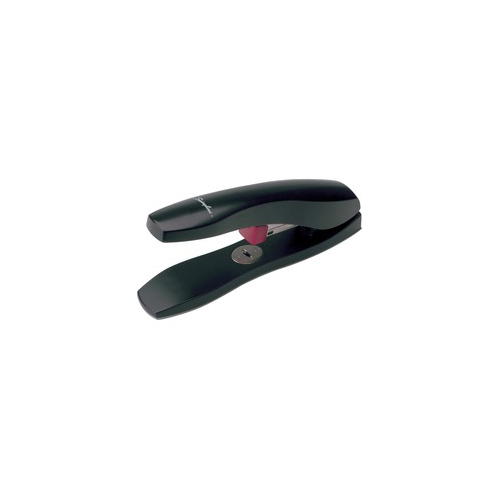
Construction and handling affect how a stapler feels over hundreds of everyday uses. Metal components can provide rigidity in the parts that carry the fastening force, while plastic housings can keep the body lighter and offer a comfortable shape to hold. Overall durability depends on the mechanism, assembly, and intended workload, not simply whether the exterior is metal or plastic. A broad base with a non-slip surface helps a desktop stapler stay put, particularly on a smooth desk where loose pages can shift under pressure. Rounded edges, a comfortable top surface, and a loading system that opens without a struggle can make a noticeable difference during repeated tasks. For a shared workspace, a clearly visible staple supply indicator can help prevent an empty magazine from interrupting a batch of forms. Colour can also have a practical role, making a compact stapler easier to spot among notebooks or helping distinguish tools assigned to different work areas. Care is generally straightforward: keep the tool dry, wipe the exterior as directed, and remove loose paper fragments that might obstruct the magazine. A jam calls for the manufacturer’s clearing procedure rather than repeated pressure on the handle. Electric models should be disconnected from their power source before clearing or cleaning, as directed in their instructions, and fingers should stay clear of the firing area. Staples are best kept in their original packaging in a dry drawer, where the size remains easy to identify and loose strips are less likely to bend. A nearby staple remover helps separate pages without unnecessary tearing, especially when a document needs scanning or an attachment needs replacing. Desk layout matters too: enough clear space to square up a stack makes fastening simpler, and a shallow drawer keeps refills within reach without crowding the writing surface. For a broader workspace refresh, Boxing Day sale on office furniture brings the surrounding desk and storage setup into the picture. Together, suitable tools and a thoughtfully arranged work surface support the routine jobs that keep schoolwork, business records, and household paperwork organized.
Top selling and popular products
-
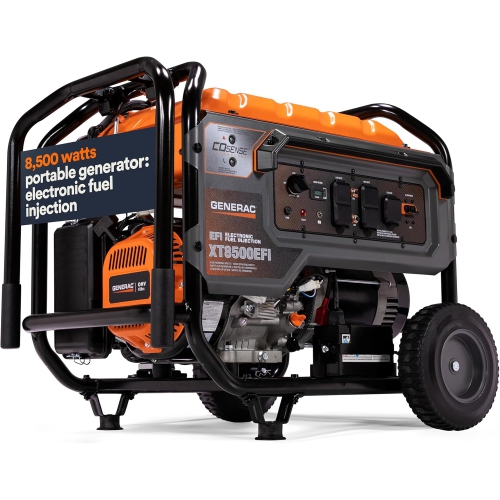 Your price for this item is $3000
-
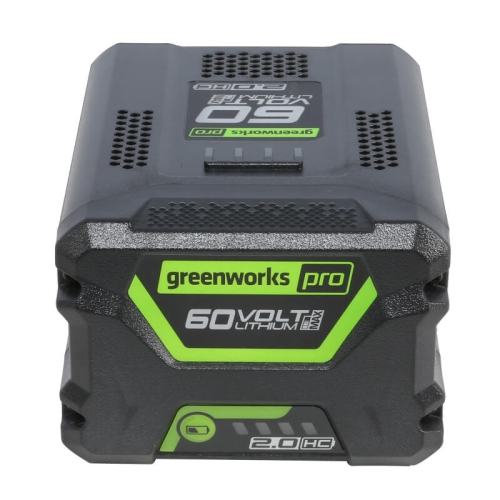 Your price for this item is $159.99
-
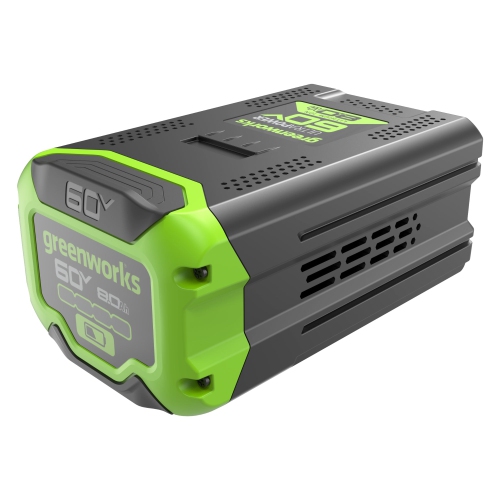 Your price for this item is $329.99
-
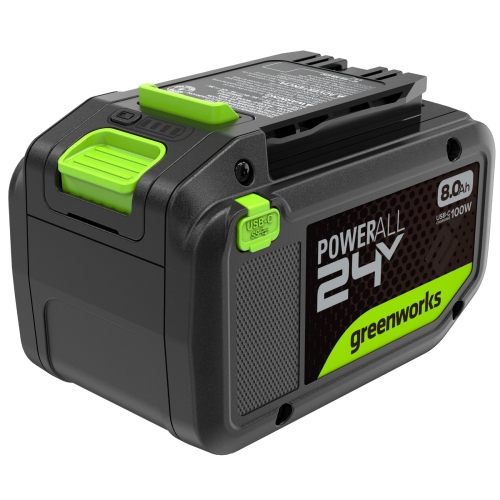 Your price for this item is $149.99
-
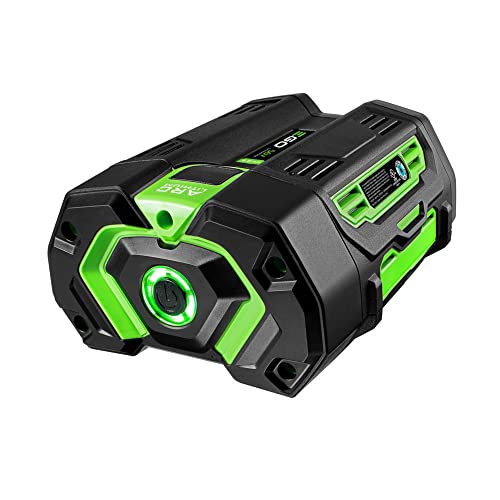 Your price for this item is $264
-
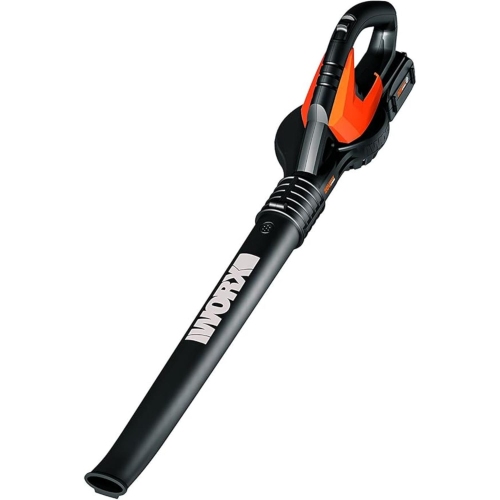 Your price for this item is $217.55
-
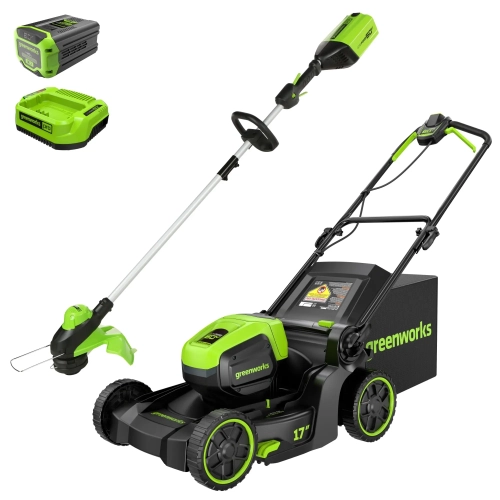 Your price for this item is $779.99
-
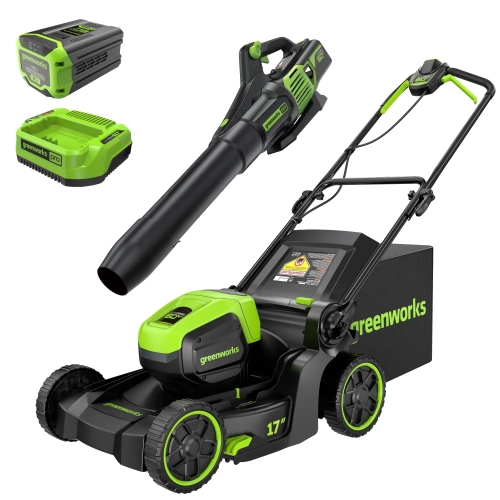 Your price for this item is $659.99