Boxing Day Deals Coming Soon
Our Boxing Day Sale returns in December 2026. In the meantime, shop our current top deals below.

Boxing Day Sale On Water Sports & Boating
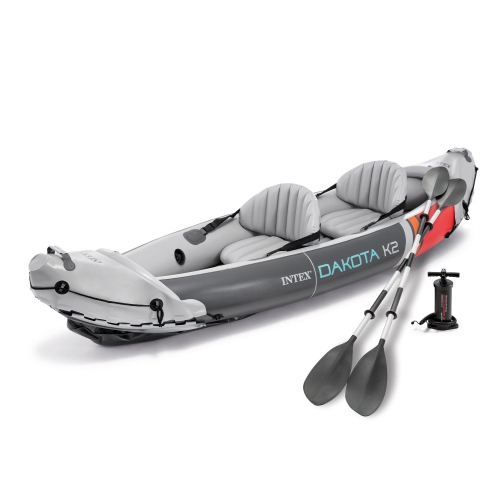
Dive into incredible savings this Boxing Day with our fantastic deals on water sports and boating essentials. Whether you're gearing up for thrilling adventures on the open water or leisurely days at the lake, our selection offers everything you need to make a splash. From kayaks and paddleboards to life jackets and accessories, find top-quality gear at unbeatable prices. Experience the joy of water sports without breaking the bank and get ready to explore new horizons in style. Don't miss out on these limited-time offers—your next aquatic adventure awaits! Remember, our Low Price Guarantee means you can shop confidently knowing that you'll find the best price at Best Buy, all year round. We encourage you to check our website frequently for the most up-to-date information on our latest offers and savings opportunities.



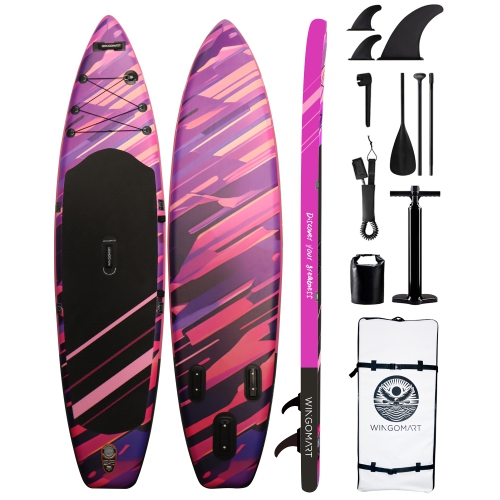
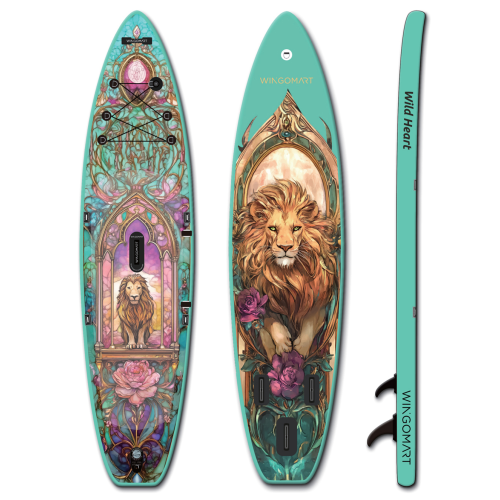
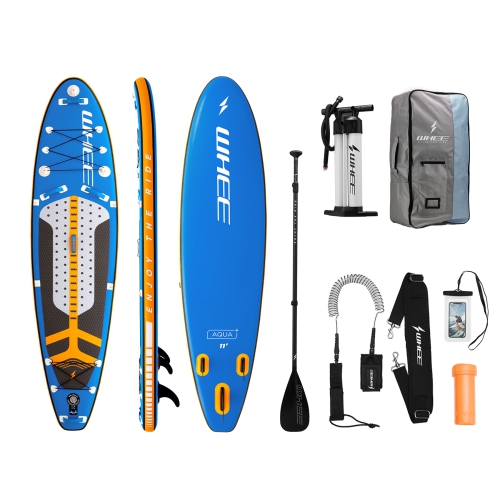
Water gear that fits your outings and storage space
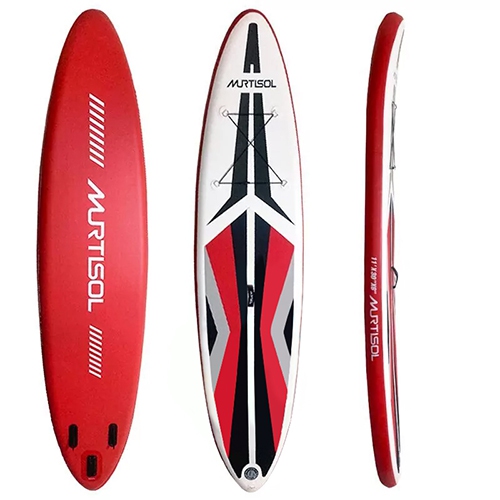
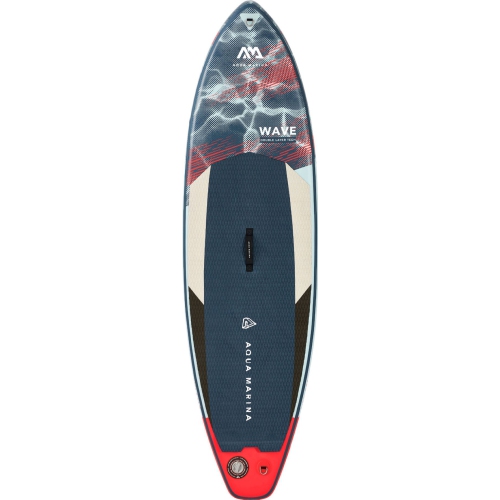
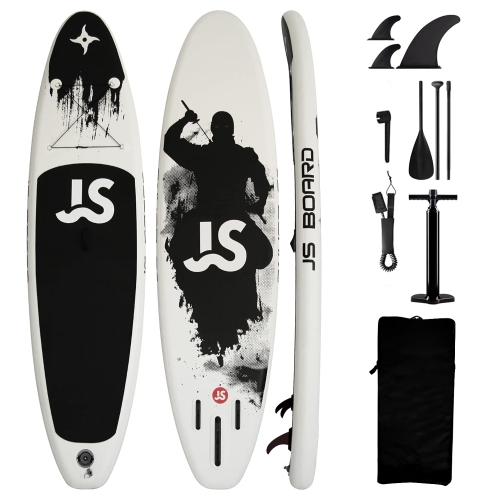
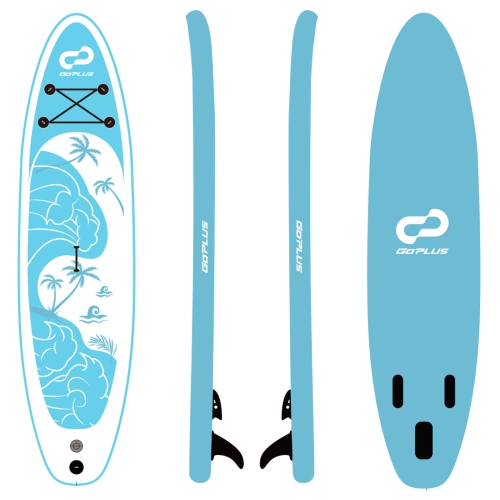
Materials and construction influence how equipment feels in use and how well it stands up to repeated handling. Reinforced fabrics, moulded plastics, coated surfaces, and corrosion-resistant metal components each serve different purposes, from limiting packed weight to tolerating contact with docks and launch areas. With inflatable equipment, seam quality, abrasion protection, and valve design deserve attention alongside the outer material. Drop-stitch construction, used in some inflatable designs, connects internal surfaces with many threads so the structure can hold its intended shape at the manufacturer’s specified pressure. It does not make every inflatable suitable for every activity, and pressure limits should always follow the supplied instructions. For rigid equipment, hull shape, handles, attachment points, and the placement of fittings can affect carrying comfort and everyday usability. A handle that feels manageable during a brief lift may feel quite different halfway down a long launch ramp. Contact surfaces matter too: textured areas can improve footing, while padding may make extended sitting or kneeling more comfortable. Fit is especially important for wearable gear. A personal flotation device or lifejacket should be Canadian-approved, appropriate for the activity, and sized to the wearer’s stated weight or chest range, with fastenings adjusted as directed by the manufacturer. Children need properly fitted equipment intended for their size, not an adult version tightened as far as it will go. Flotation gear does not replace close supervision or swimming skills, and boating requirements vary with the craft and its use. Clothing worn for water activities should allow the movement needed to paddle, climb aboard, or reach equipment without excessive bunching or restriction. Where thermal protection is needed, material thickness and fit should reflect water conditions and the activity rather than appearance alone. Details such as smooth seams, adjustable closures, and secure retention systems can make a noticeable difference over several hours, particularly when repeated movement or contact with wet surfaces is involved.
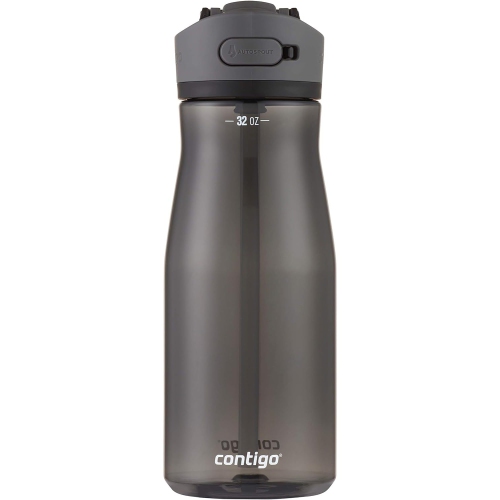
A well-matched boating setup also accounts for the ordinary moments between launching and returning to shore. Small essentials should be secured rather than left loose where they can slide underfoot, and attachment methods need to be compatible with the equipment they support. Keeping frequently used belongings within easy reach reduces unnecessary rummaging, but loaded storage should not interfere with balance, movement, or access to safety equipment. Water-resistant storage can help with splashes, although water resistance is not the same as protection during immersion; closure instructions and stated protection ratings determine the intended use. Hydration is another practical consideration for longer outings, and water bottles for Boxing Day can complement plans for days spent paddling or aboard a boat. A secure closure, a manageable filled weight, and a shape that fits the available storage space are useful details to consider. After an outing, care routines help preserve both function and comfort. Rinsing away salt, sand, and debris with fresh water, where permitted by the manufacturer, helps prevent residue from collecting around fittings and closures. Equipment should be drained and dried thoroughly before being packed away, with special attention to seams, folded sections, and padded areas that can hold moisture. Cleaning, draining, and drying watercraft and gear between waterways also helps limit the spread of aquatic invasive species; local requirements may include additional steps. Storage should follow the material’s care instructions, avoiding prolonged direct sunlight, unsuitable heat sources, and loads that could distort the shape. Before the next use, inspect seams, straps, fasteners, valves, and attachment points for wear, and address damage before putting the equipment back into service. Replacement parts and repair methods must suit the original design rather than simply appear to fit. For powered boating, maintenance schedules and required onboard safety equipment add another layer of preparation. Across water sports and boating, durable equipment is only part of a dependable setup: appropriate fit, compatible components, sensible loading, and consistent care help turn a collection of gear into something that works smoothly from the first carry to the final pack-up.
Top selling and popular products
-
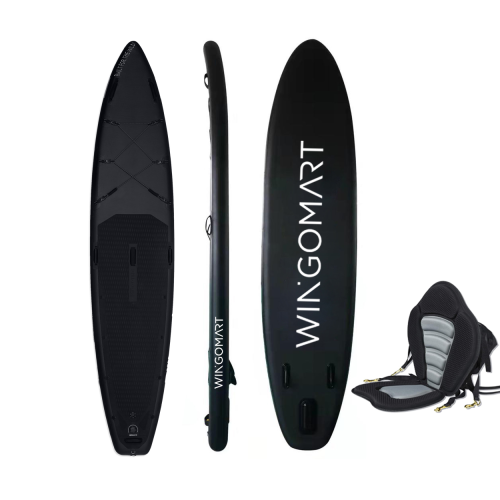 Your price for this item is $299.9
-
 Your price for this item is $599
-
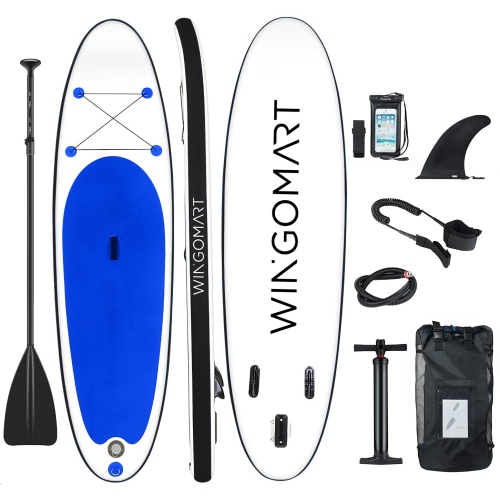 Your price for this item is $179.99
-
 Your price for this item is $249.99
-
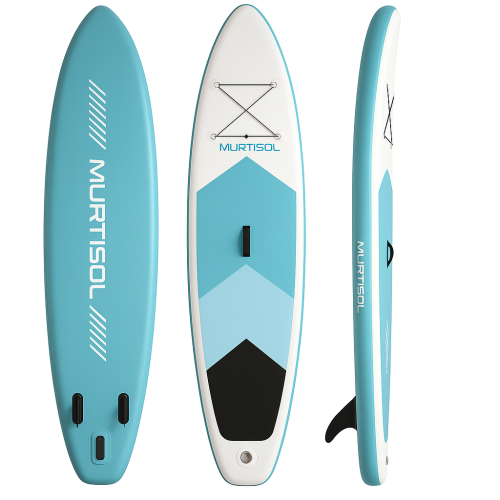 Your price for this item is $179.7
-
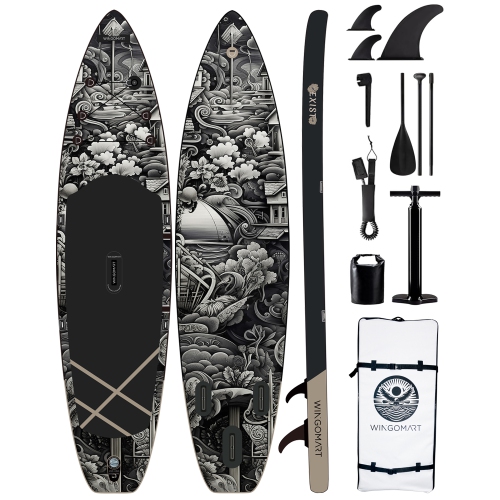 Your price for this item is $259.99
-
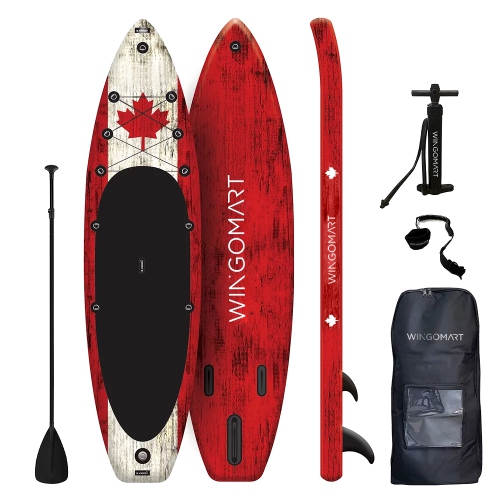 Your price for this item is $329.99
-
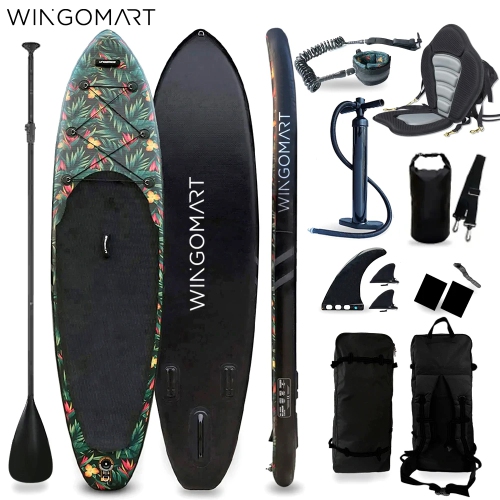 Your price for this item is $279.7