Boxing Day Deals Coming Soon
Our Boxing Day Sale returns in December 2026. In the meantime, shop our current top deals below.

Boxing Day Sale On Kayaks
Get ready to paddle into savings with our Boxing Day Sale on kayaks! Whether you're a seasoned adventurer or just dipping your toes into the world of kayaking, this is the perfect opportunity to find incredible deals on a wide range of options. Discover kayaks that suit every style and skill level, from serene lake paddling to thrilling river runs. With discounts that make it easier than ever to embark on your next water escapade, now is the time to gear up and explore the great outdoors. Dive into our selection and make a splash with unbeatable prices this Boxing Day! Remember, our Low Price Guarantee means you can shop confidently knowing that you'll find the best price at Best Buy, all year round. We encourage you to check our website frequently for the most up-to-date information on our latest offers and savings opportunities.


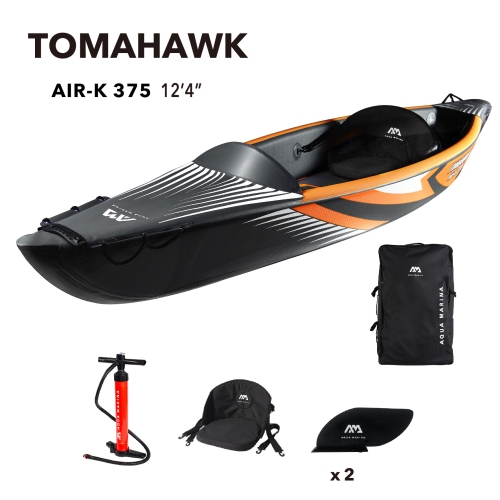
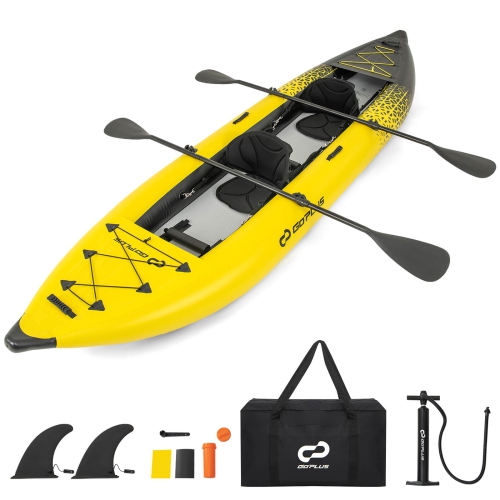
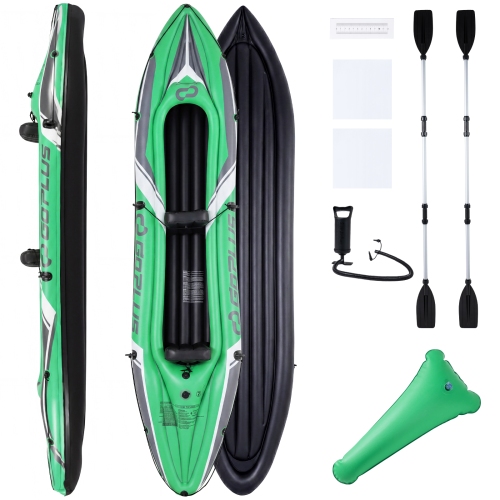
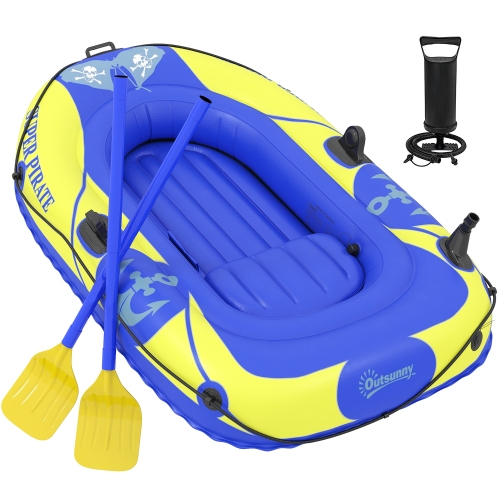

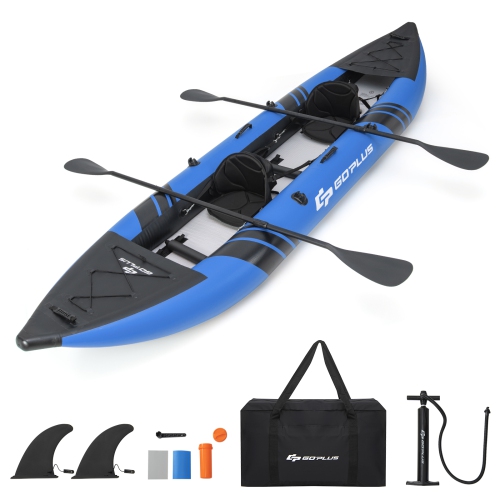
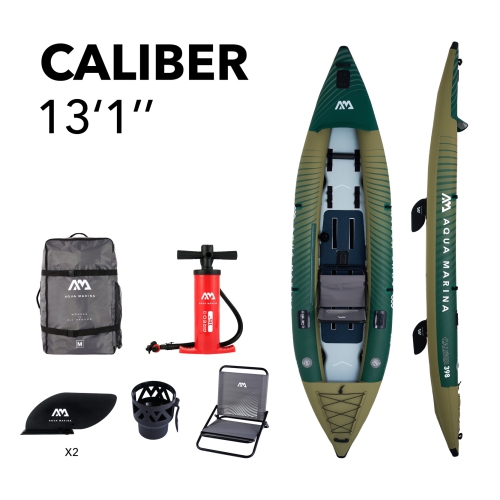


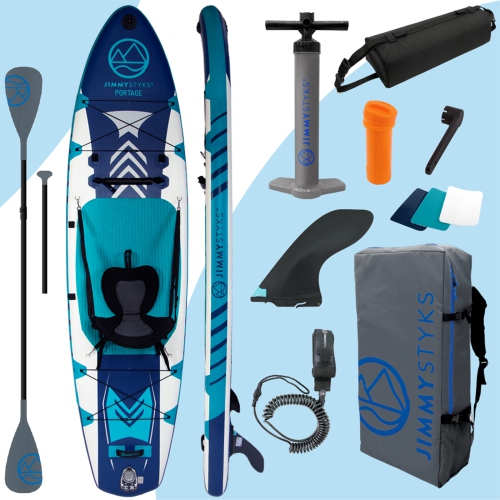


The right kayak starts with where you paddle
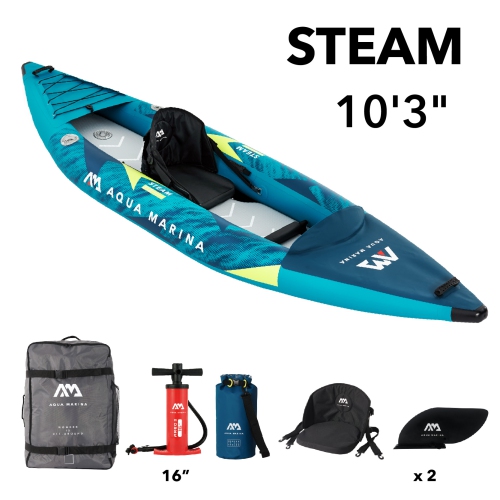
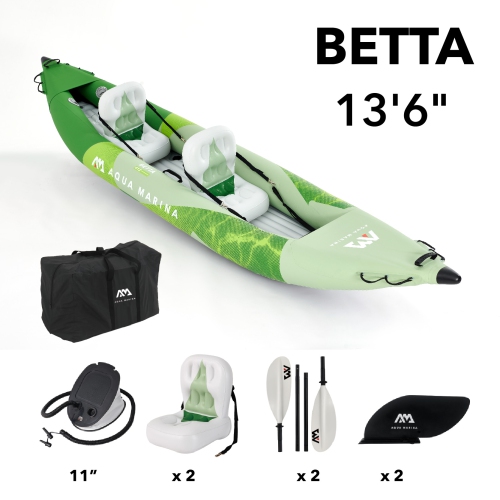
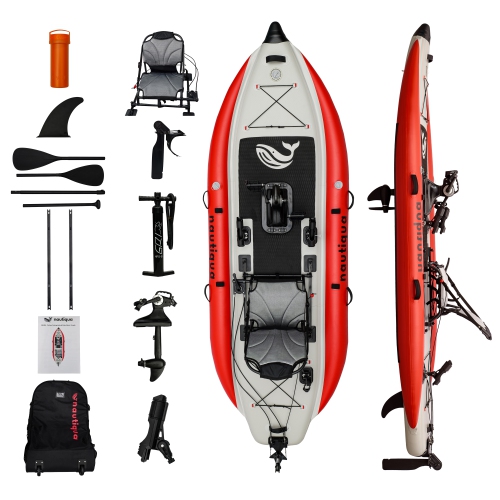
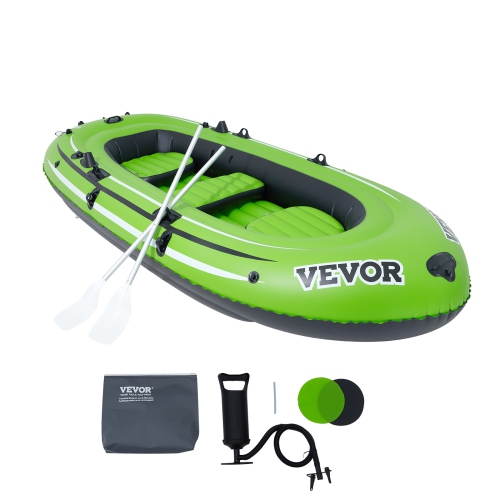
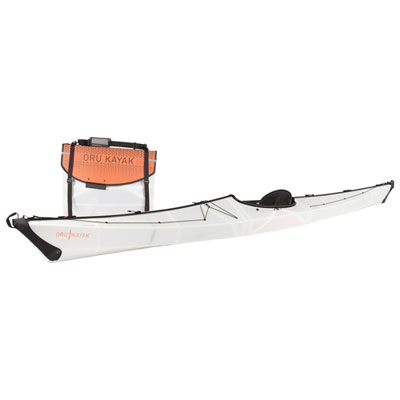
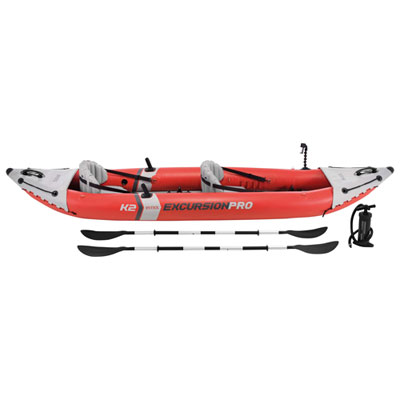
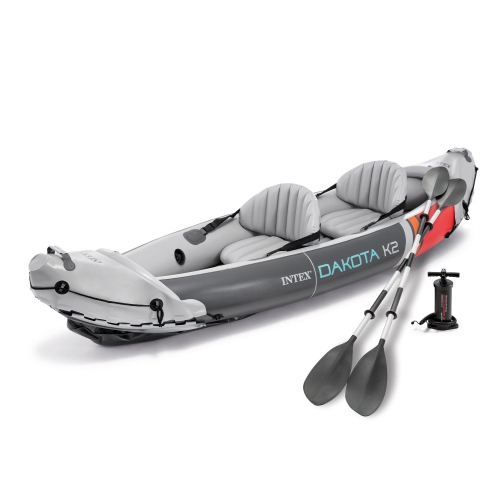
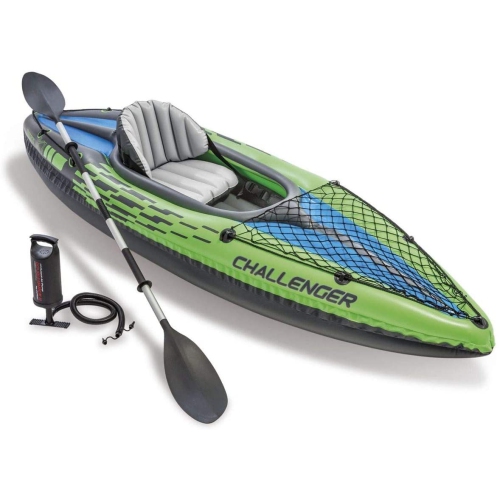
Construction influences how a kayak feels to handle both on land and afloat. Moulded polyethylene hulls are common in recreational designs because they tolerate everyday bumps well, though their weight can make lifting onto a vehicle demanding. Thermoformed plastic and composite constructions can offer different balances of weight, stiffness, and finish, with care requirements that vary by material. No hull should be treated as damage-proof, particularly around sharp rocks, rough launch surfaces, or repeated dragging. Inflatable kayaks use air chambers and reinforced fabrics to create a boat that can be packed down for transport or storage. Some incorporate drop-stitch sections that become firm at the specified pressure, but construction, chamber layout, and intended use still differ considerably. Inflation and deflation add preparation time, and the packed dimensions should account for the complete setup rather than just the boat. A pump, paddle, seat, repair supplies, and flotation gear all need somewhere to go. For someone living in a condo or transporting a kayak inside a vehicle, a packable design can be practical; for someone with suitable storage and a straightforward route to the launch, a rigid hull may mean fewer setup steps. Fit deserves equally close attention. An adjustable backrest, supportive seat, and reachable foot braces help the paddler maintain a comfortable position without having to stretch or brace awkwardly. Cockpit dimensions and legroom are especially relevant for taller paddlers or anyone who finds a low seat difficult to enter. Check the stated load capacity against the combined weight of all occupants and carried equipment, including drinking water, clothing, and fishing gear. A maximum capacity is a limit, not a guarantee of comfortable handling at that load. Paddle length also needs to suit the paddler, seating height, and boat width. On a broad sit-on-top kayak, a paddle that is too short can make each stroke feel cramped and bring the shaft against the sides. These proportions often make a greater difference to a relaxed outing than extra storage compartments or decorative details.
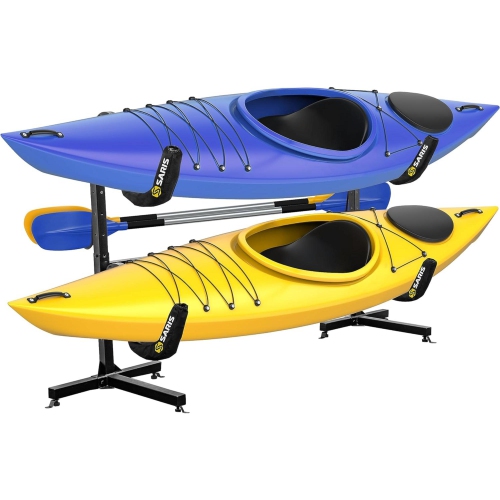
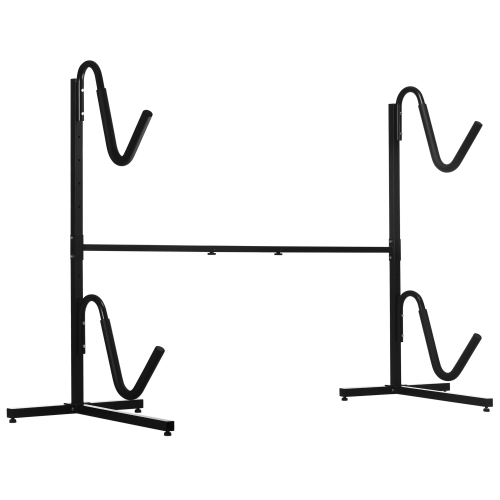
Ownership becomes easier when transport, care, and safety are considered alongside the kayak itself. Picture the full journey from storage to shoreline: carrying the hull through a gate, securing it to a compatible rack, unloading near the water, and bringing everything home afterwards. Carry handles help with short transfers, but the boat’s weight and balance still need to be manageable for the people lifting it. A suitable kayak cart can reduce carrying on appropriate surfaces, while vehicle transport requires correctly rated supports and secure attachment according to the rack, vehicle, and kayak manufacturers’ instructions. Storage should support the hull properly rather than leave it resting on a small pressure point for long periods. After use, rinse away salt, sand, and debris, then allow seats, compartments, and other damp areas to dry. Inflatable kayaks need particular attention before being folded away, since moisture can remain in seams and beneath removable floor sections. Inspect valves, fittings, straps, and the hull regularly, and follow the manufacturer’s cleaning, pressure, repair, and storage directions. For time on the water, a properly fitted, Canadian-approved lifejacket or personal flotation device should be worn by each paddler, including children. Carry the safety equipment required for the craft and outing, check local conditions and restrictions, and practise entry, exit, and recovery skills in a controlled setting with qualified instruction. Waterproof storage can help protect essentials, but a hatch or compartment should not automatically be assumed watertight. Keep loads balanced and secure without creating loose lines that could catch around hands or feet. Families planning short paddles may value easy access to drinking water and an uncomplicated seating layout, while anglers may prefer clearly organized gear within reach. Those who also enjoy structured exercise at home can explore Boxing Day rowing machines for a separate indoor activity; rowing and kayaking use different movements and equipment. A kayak that fits its paddler, travels comfortably, and suits the intended water is more likely to become part of a familiar routine, from an unhurried shoreline circuit to a carefully planned day of exploring sheltered coves.
Top selling and popular products
-
 Your price for this item is $259.99
-
 Your price for this item is $2647.99
-
 Your price for this item is $331.98
-
 Your price for this item is $381.99
-
 Your price for this item is $219.99
-
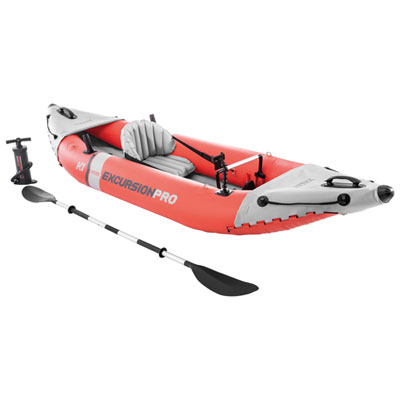 Your price for this item is $235.98
-
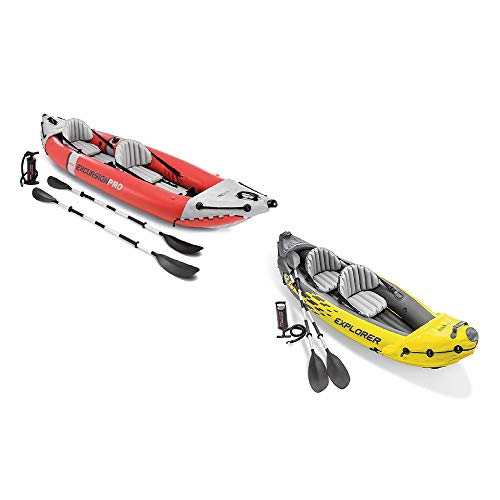 Your price for this item is $933.99
-
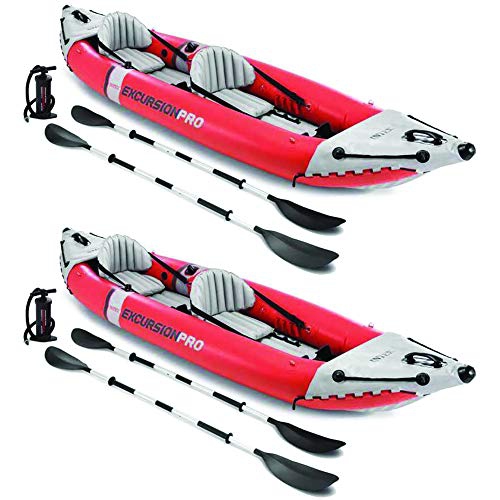 Your price for this item is $1199.99