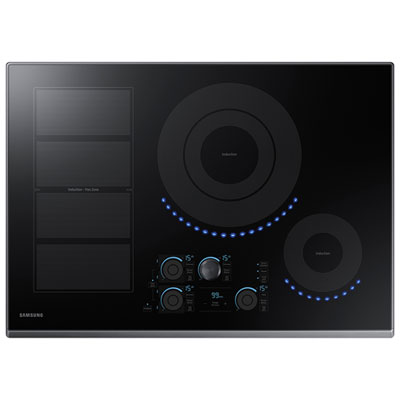
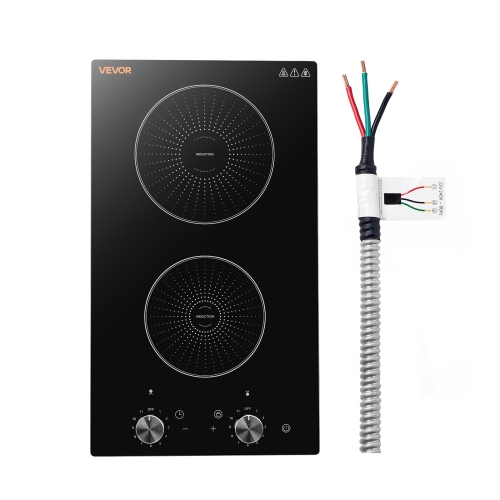
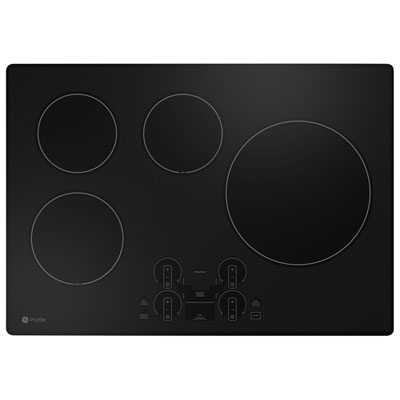
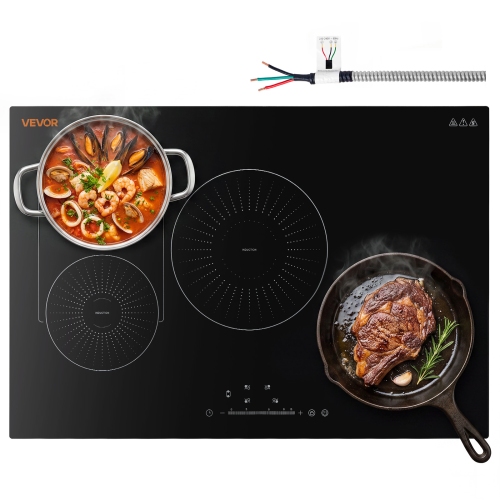
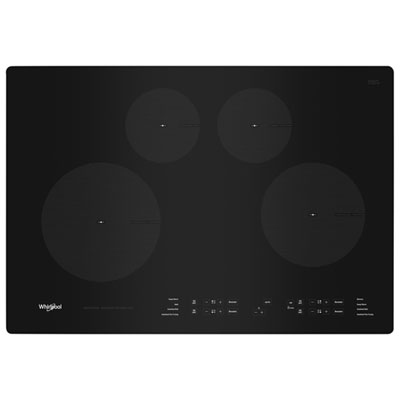
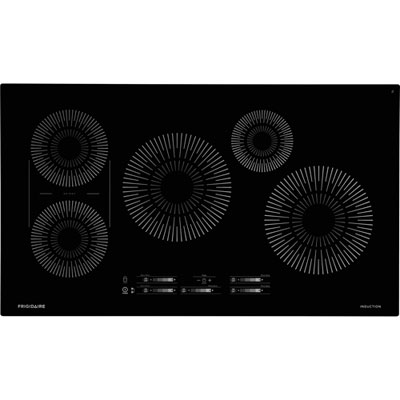
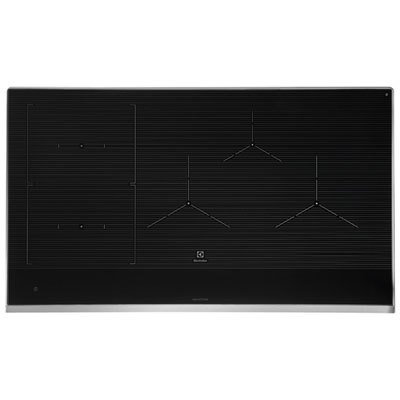
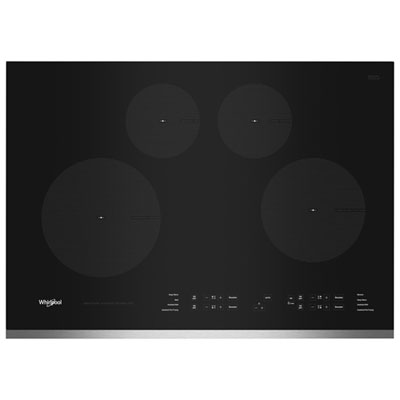
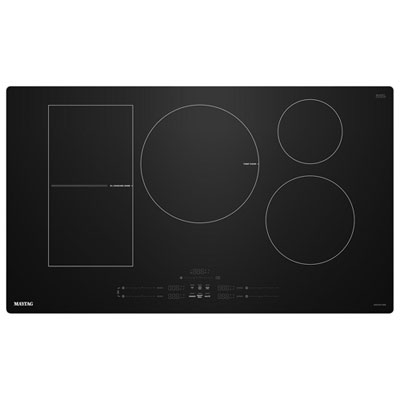
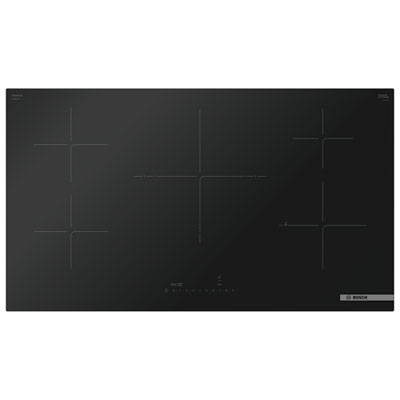
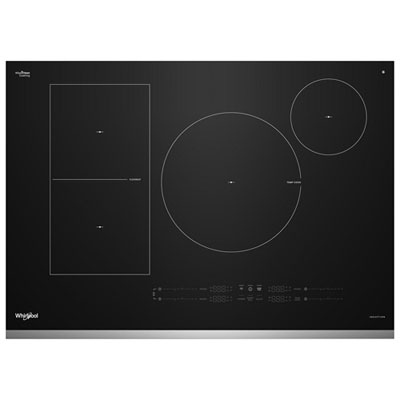
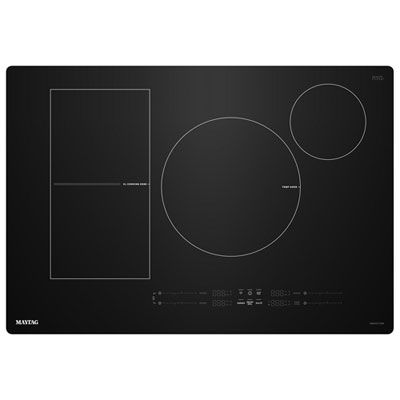
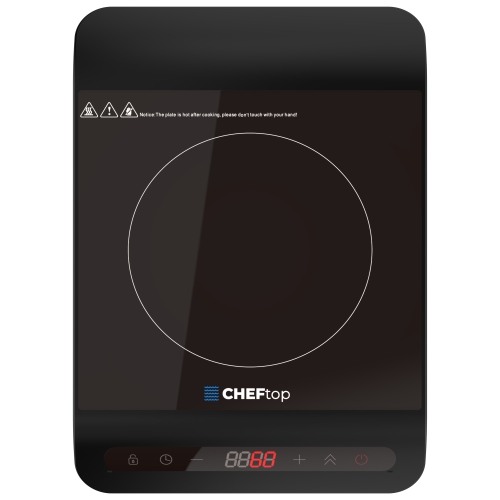
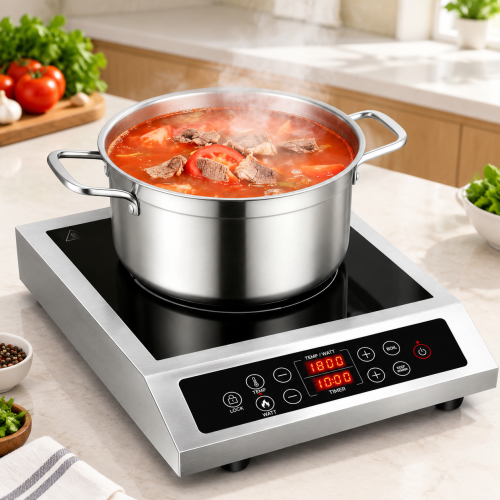
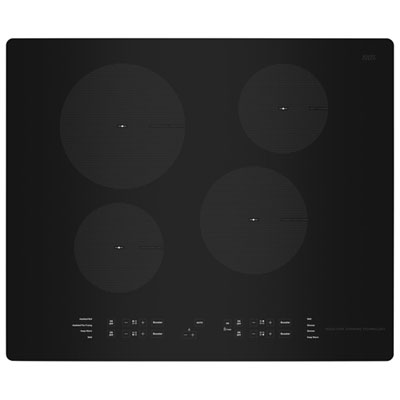
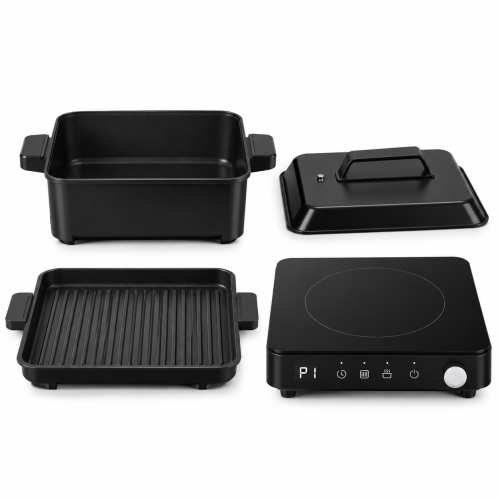
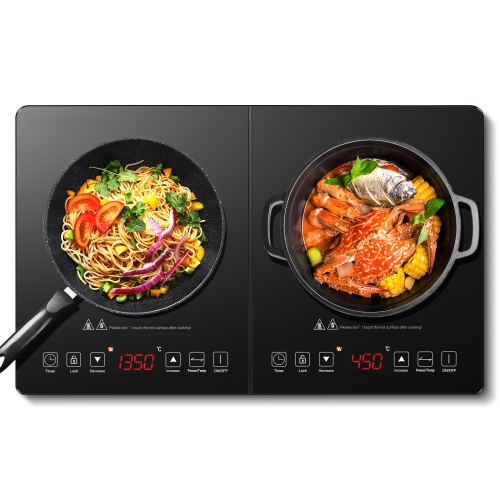
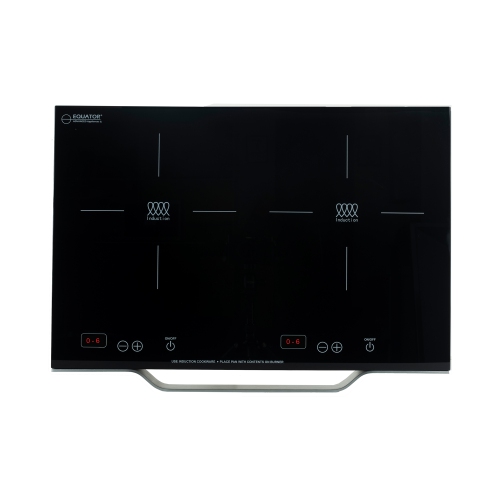
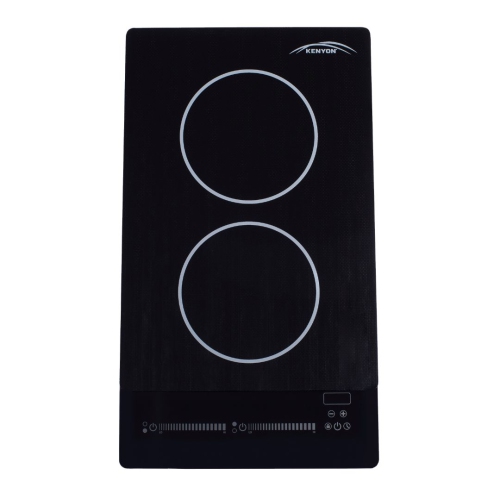
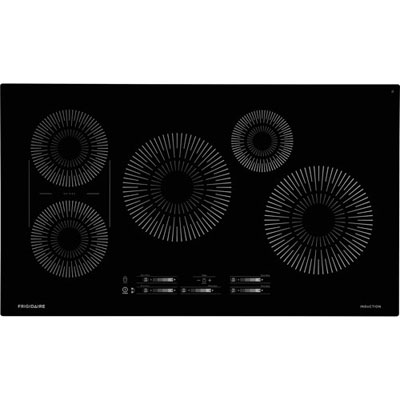
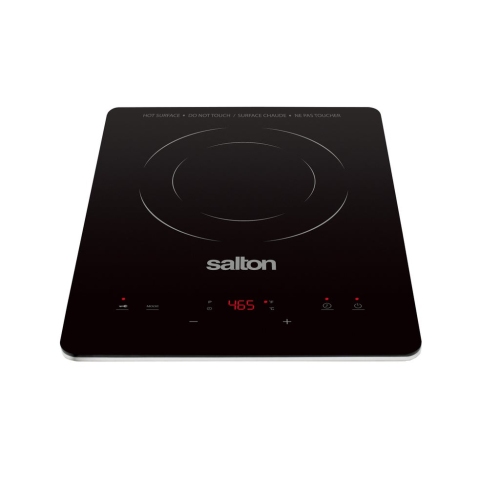
Built-in Induction Stovetops

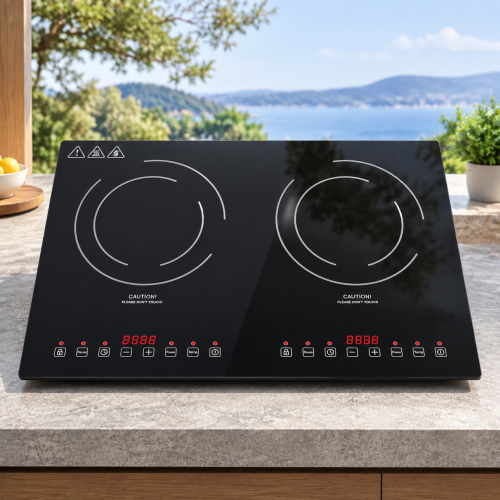
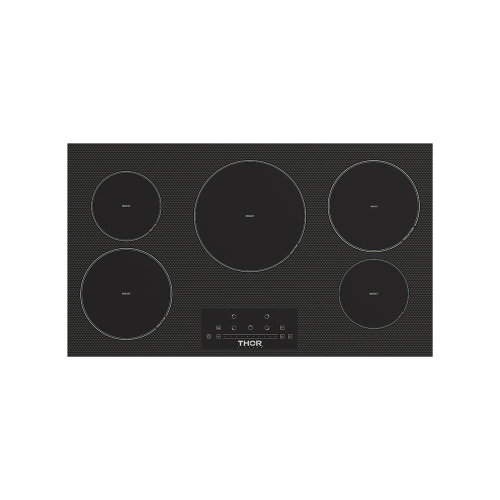
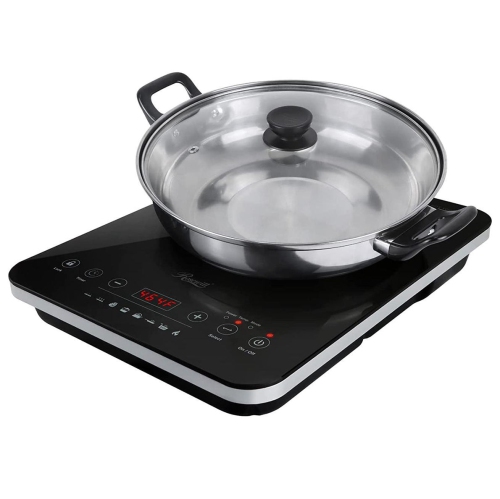
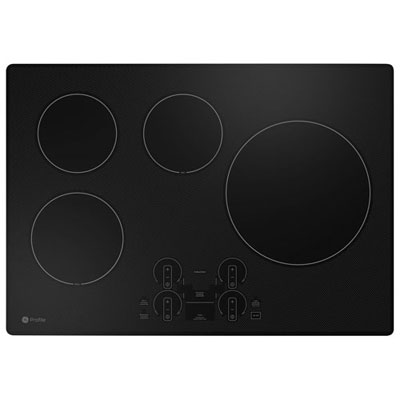
Shop built-in induction stovetops for countertop cooking with induction-compatible pots and pans. When comparing induction cooktops, consider the cooking zone layout, check that the cutout dimensions fit your countertop, and review electrical requirements to find the right match for your kitchen.
Sort

Responsive cooking starts with the right cookware

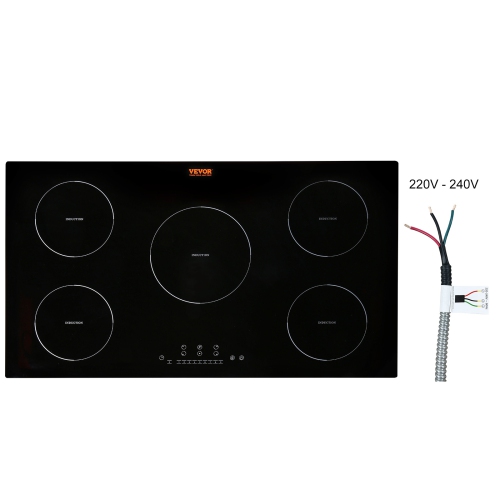
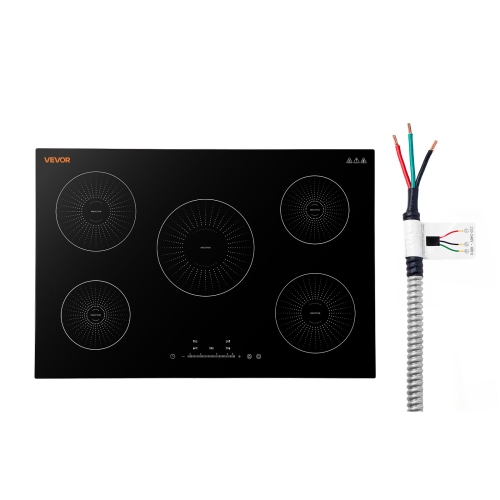
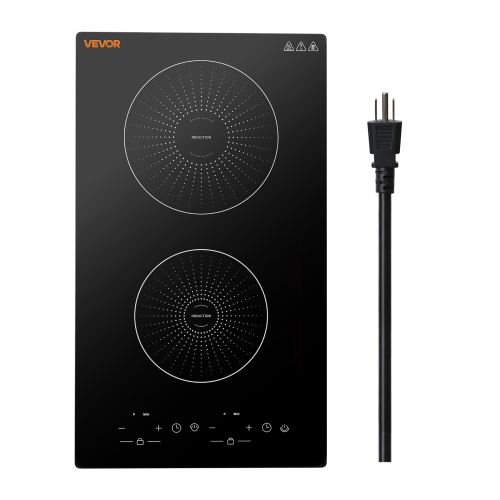
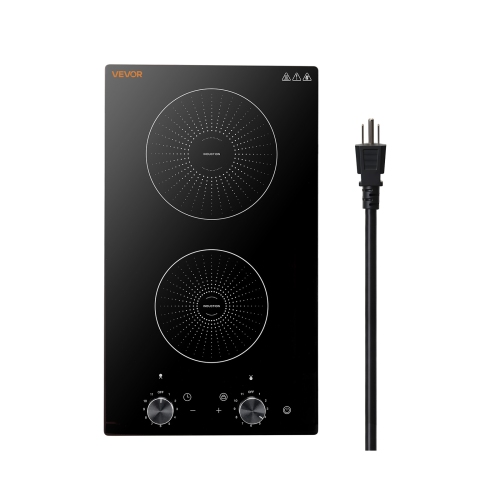
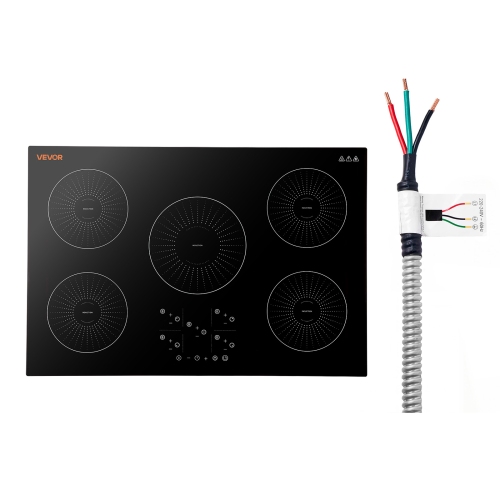
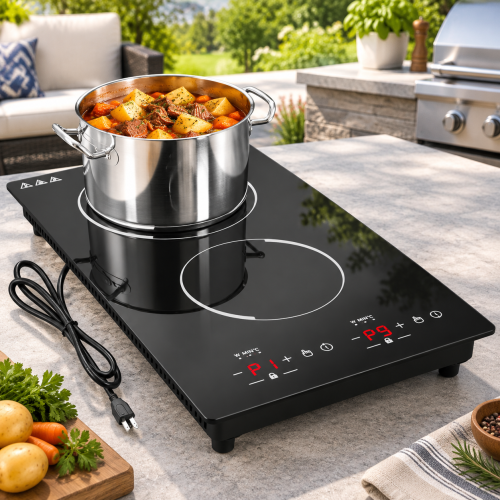
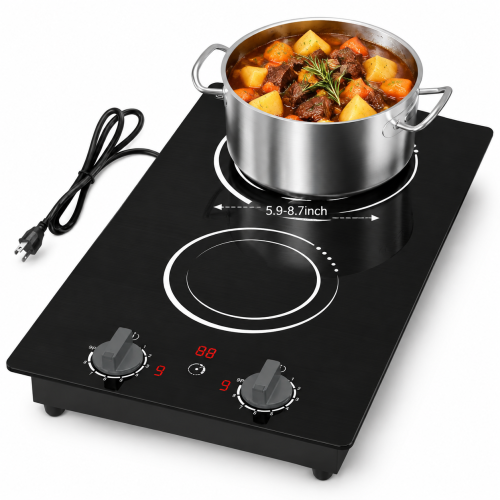
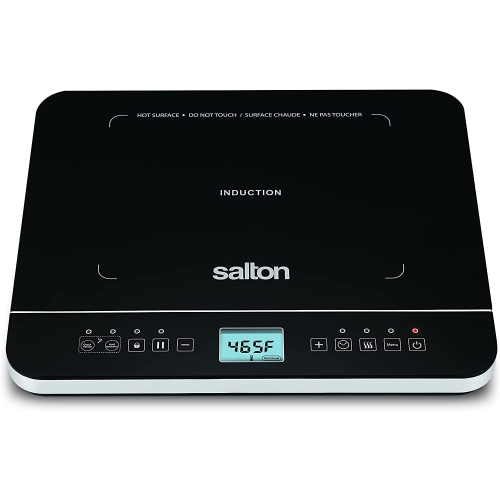
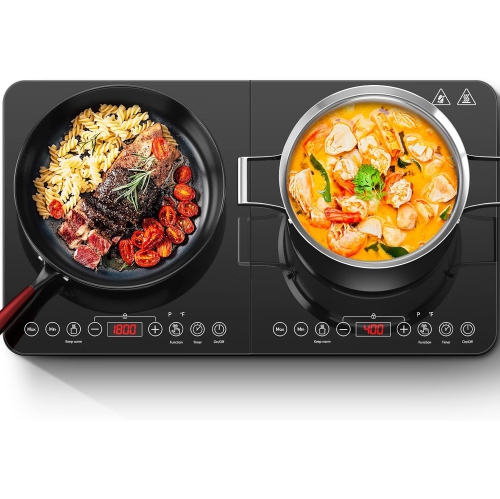
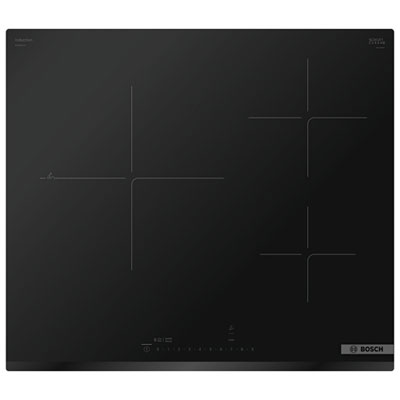
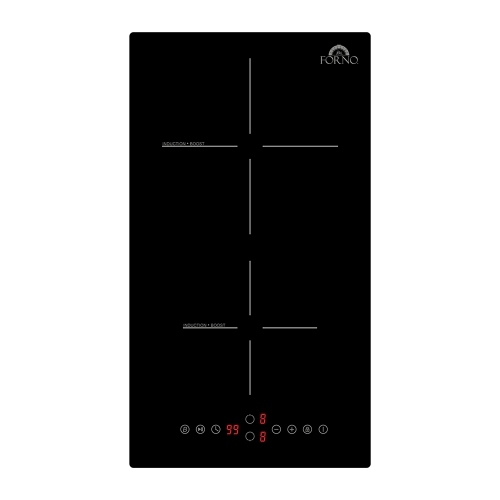
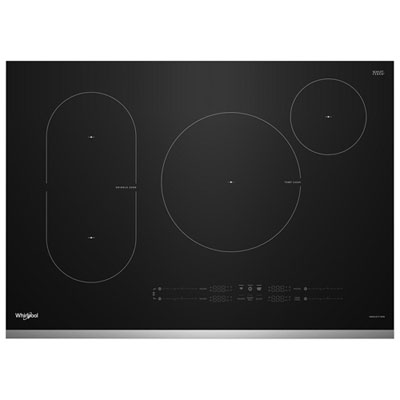
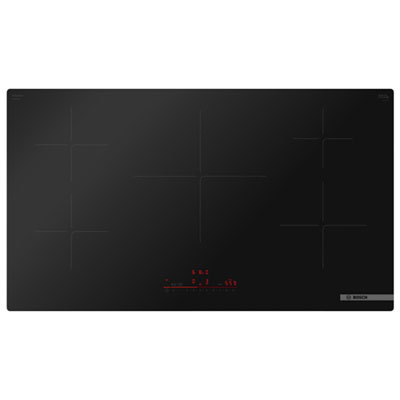
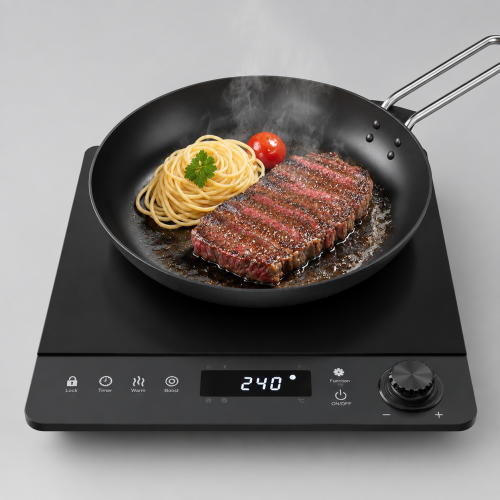
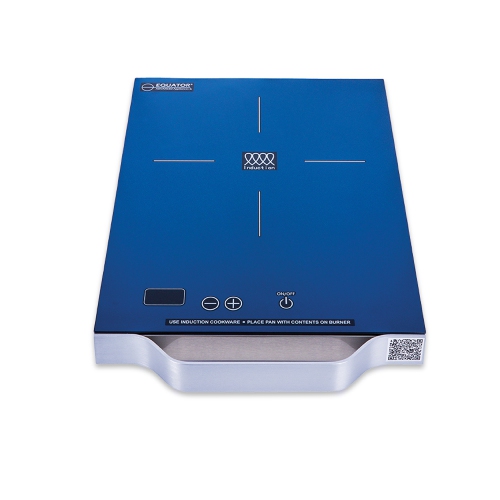
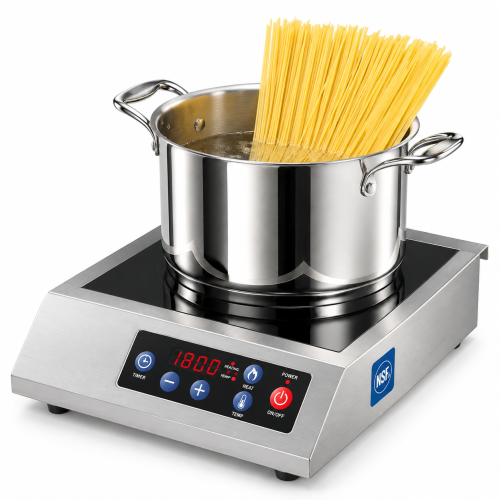
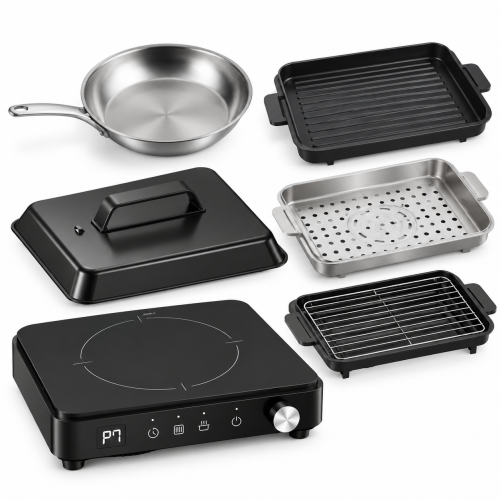
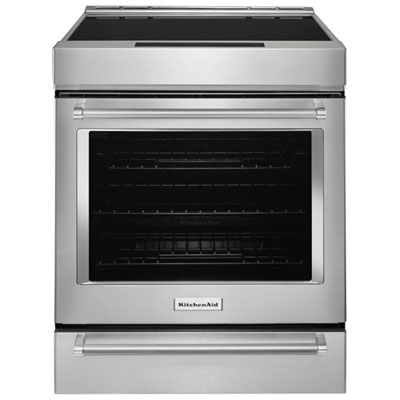
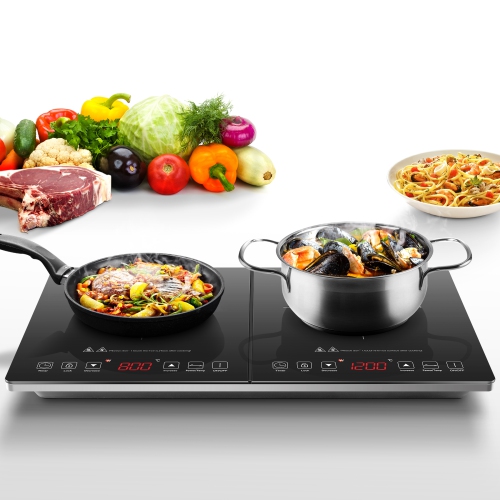
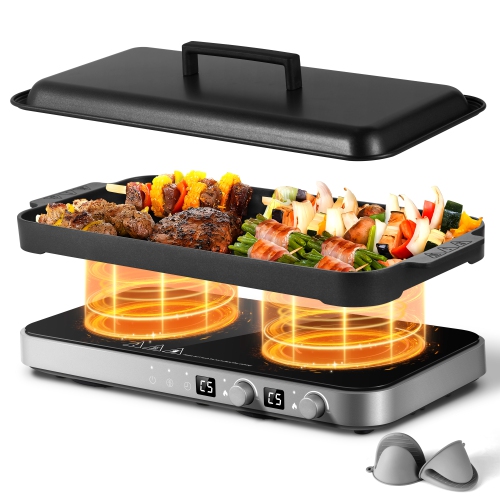
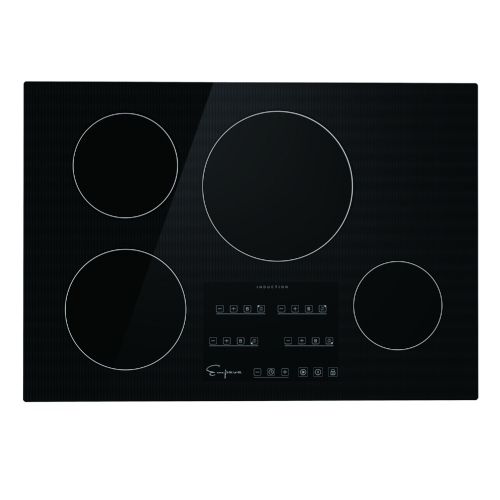
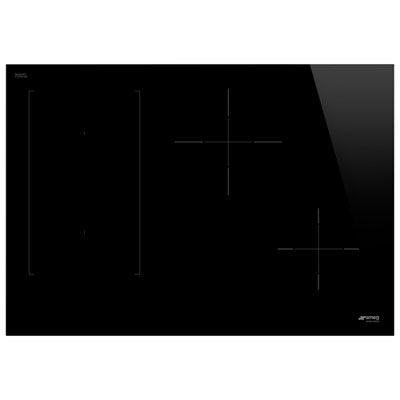
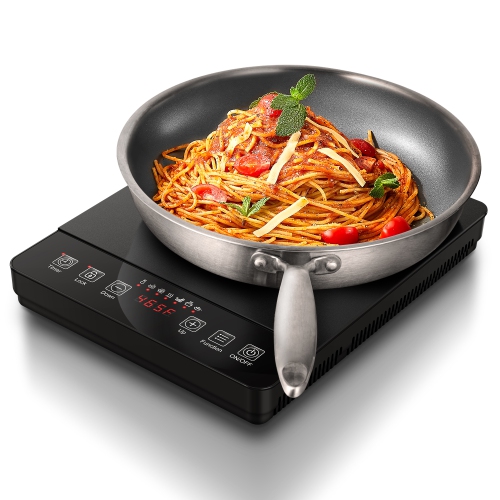
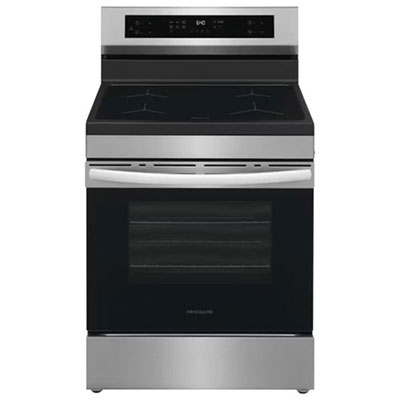
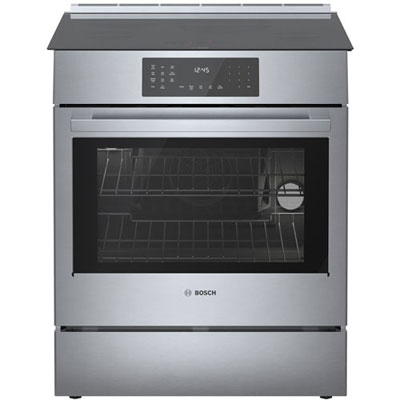
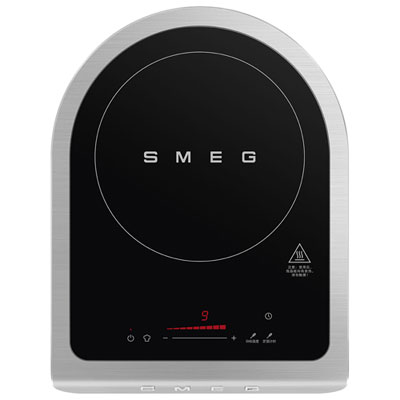
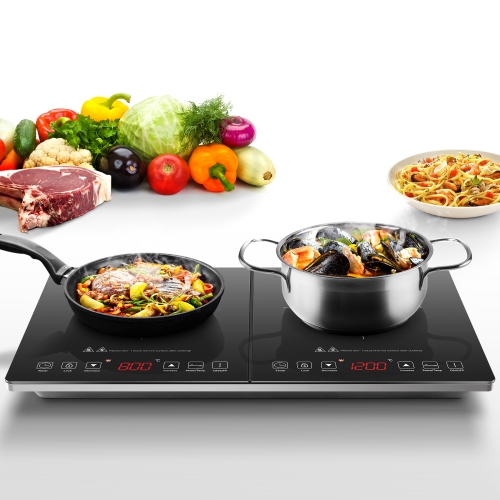
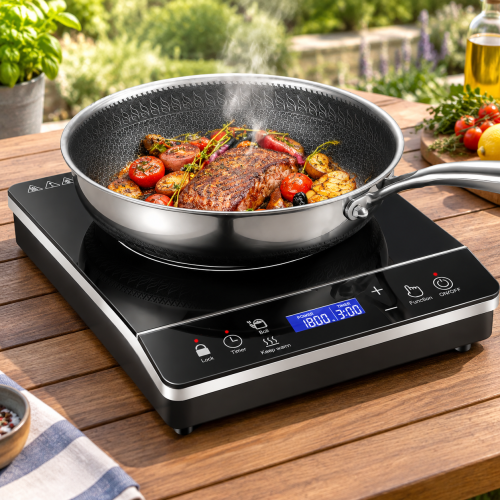
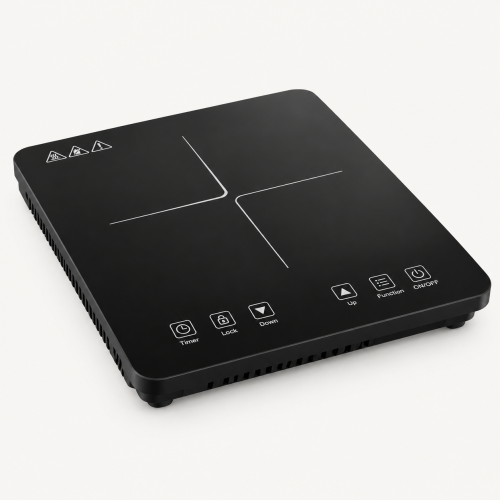
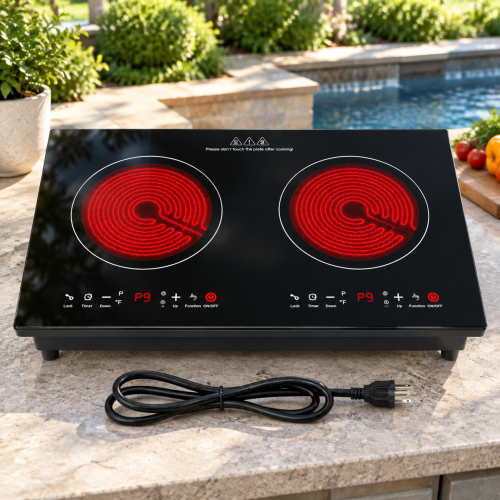
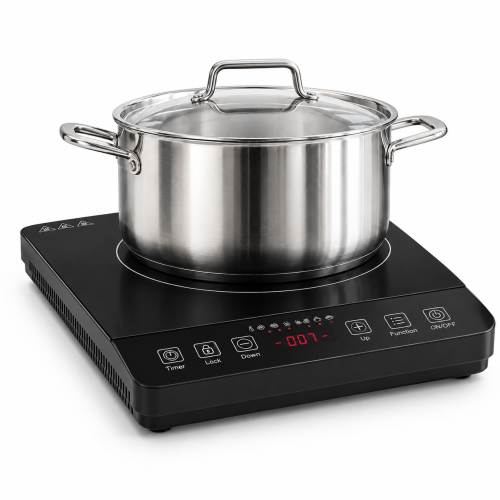
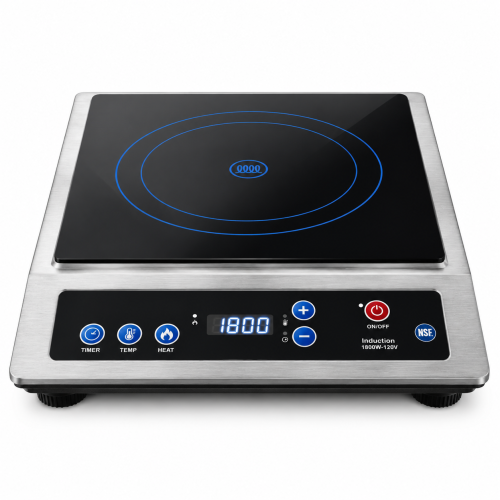
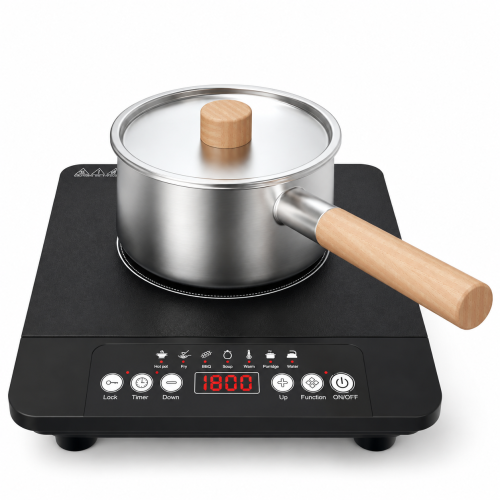
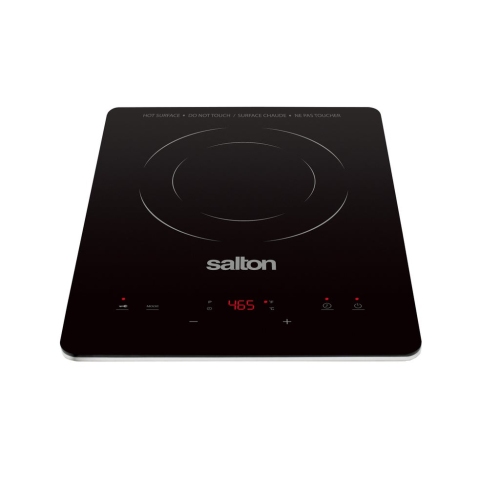
Built-in induction stovetops are cooking appliances that sit within a countertop and use electromagnetic fields beneath a glass-ceramic surface to generate heat directly in compatible pots and pans. Unlike radiant electric cooktops, which heat an element that then transfers heat through the cooking surface, induction relies on a magnetic connection with the cookware. This allows responsive adjustments when bringing water to a boil, easing a sauce down to a gentle simmer, or reducing the heat before butter begins to brown. Built-in induction stovetops provide the cooking surface without an attached oven, making them suitable for kitchens with a separate wall oven or another planned baking arrangement. Within the broader category of Magnetic Induction Stoves, the built-in format offers a streamlined appearance and flexibility in where cooking and baking take place. Cookware compatibility is central to how these appliances work. Cast iron and many enamelled cast iron pots are suitable, while stainless steel needs a magnetic base designed for induction. Plain aluminum, copper, and glass cookware generally will not work unless they incorporate a suitable induction-compatible base. A magnet that attaches firmly to the bottom of a pan is a useful initial check, although the cookware manufacturer’s compatibility information remains important. Flat bases also help pans sit securely, while the base diameter needs to meet the cooking zone’s detection requirements. A small saucepan may not register on a zone intended for larger cookware. For everyday meals, the appeal is practical: a pot of pasta can reach a boil quickly, and a reduction in the selected power level takes effect promptly, though a heavy pan will retain heat. The surface can still become hot from contact with cookware, so induction should not be treated as cool to the touch during or immediately after cooking.

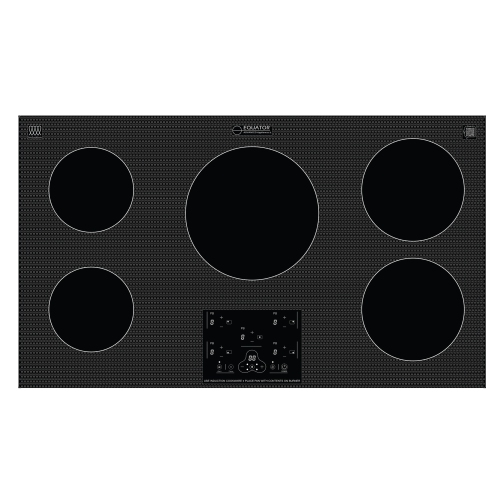
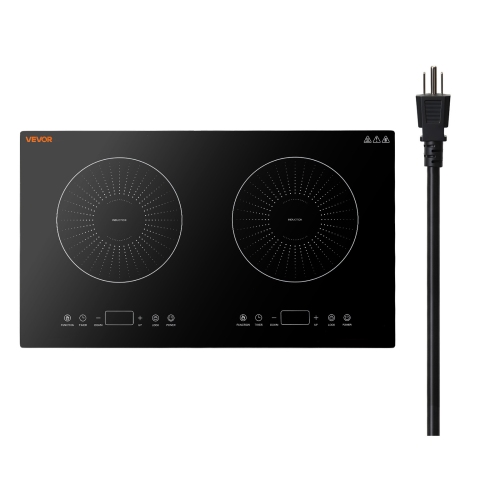
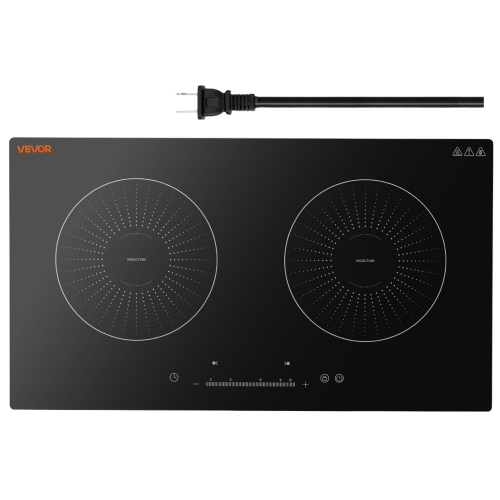
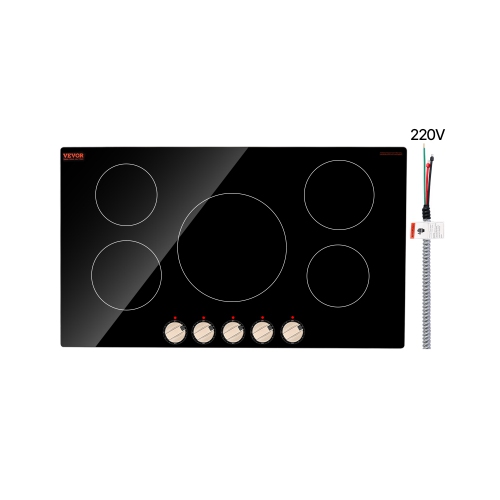
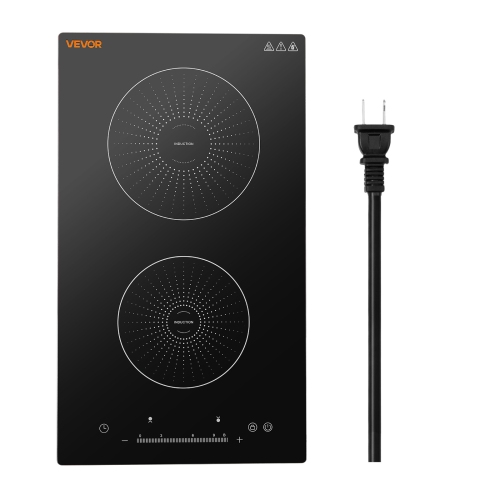
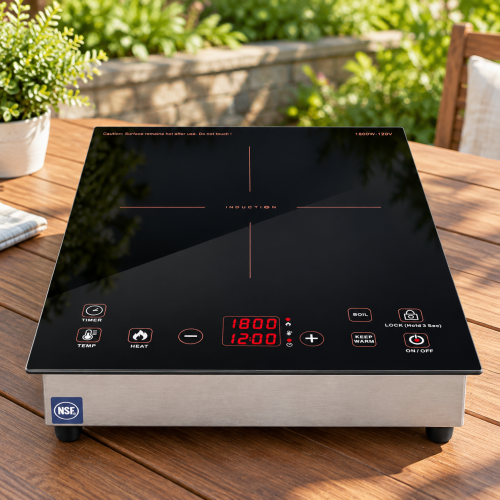
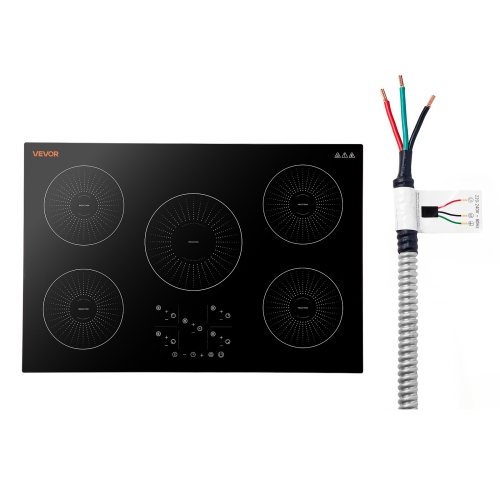
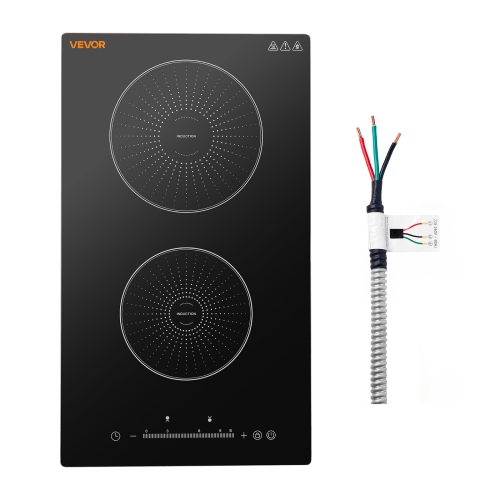
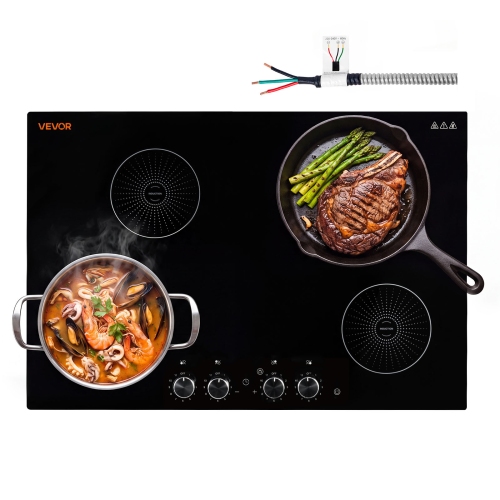
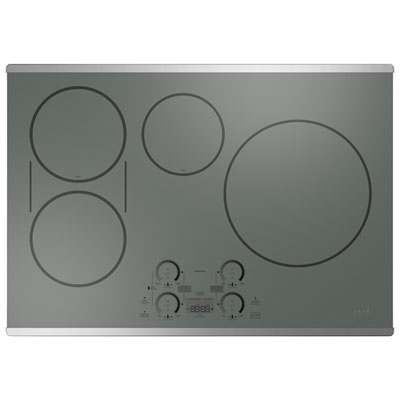
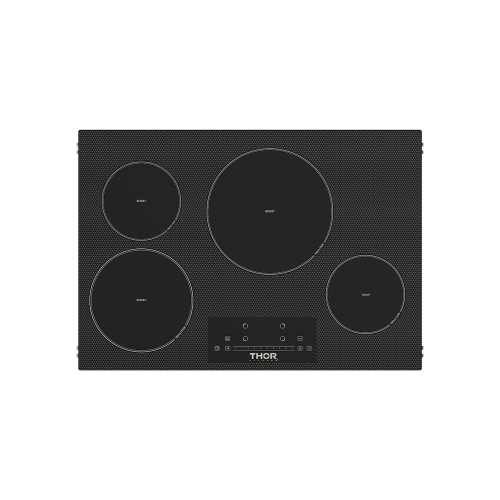
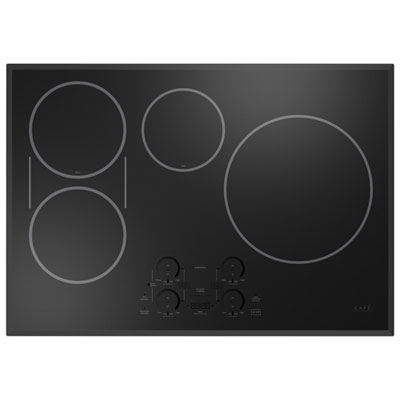
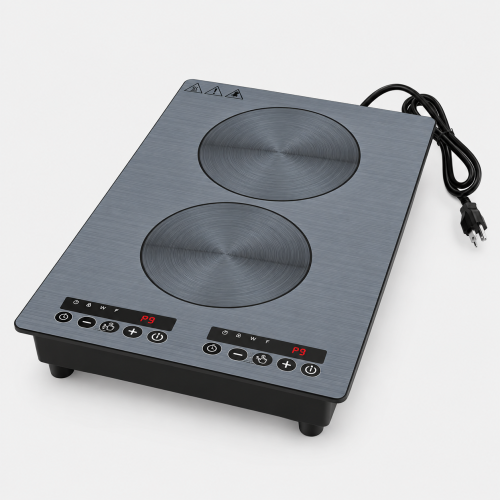
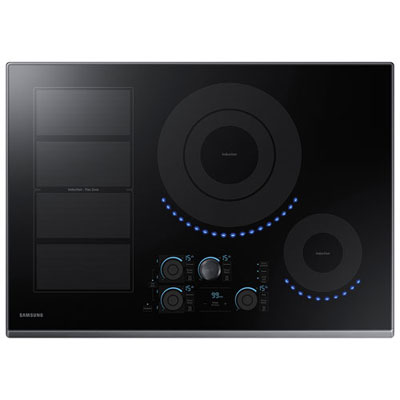
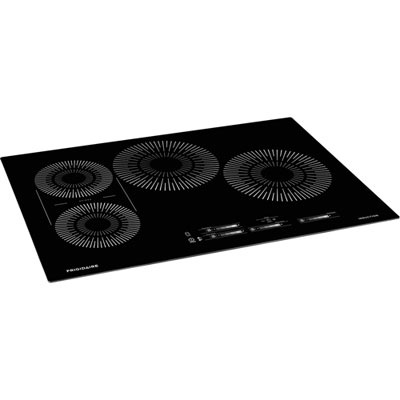
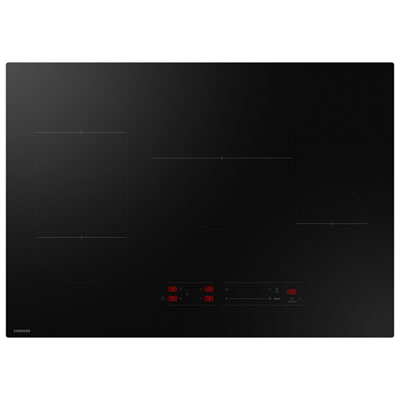
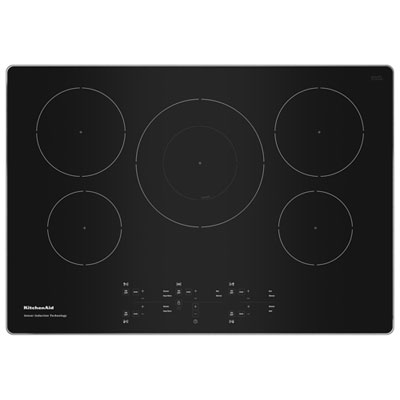
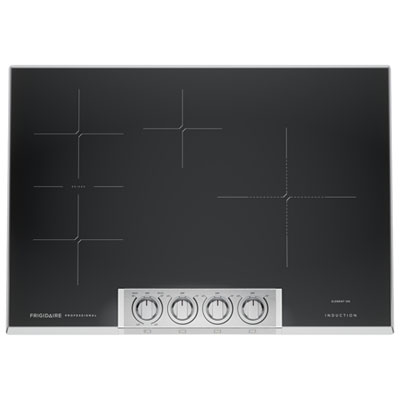
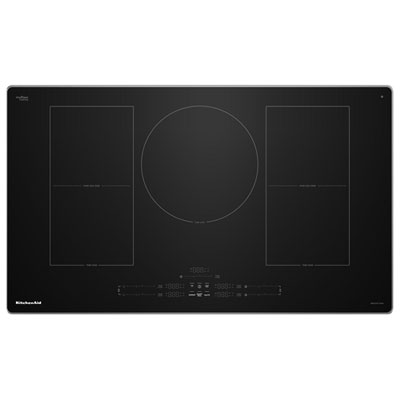
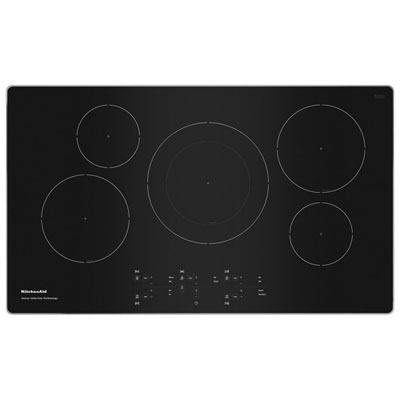
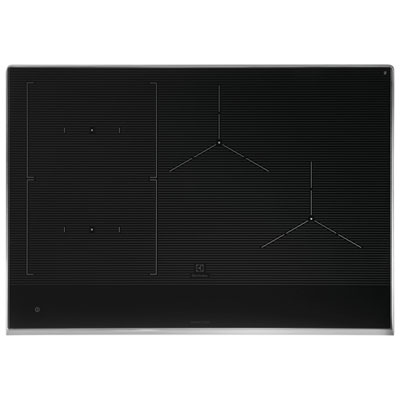
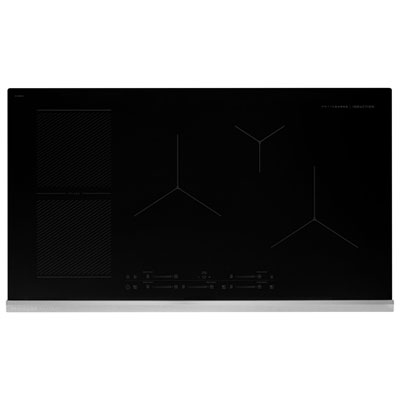
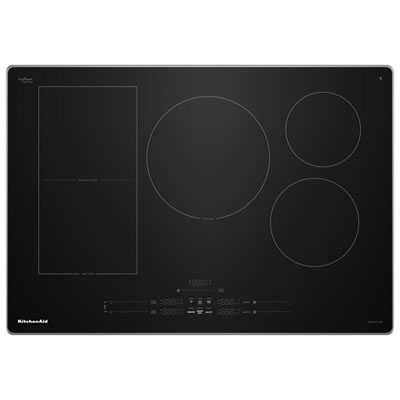
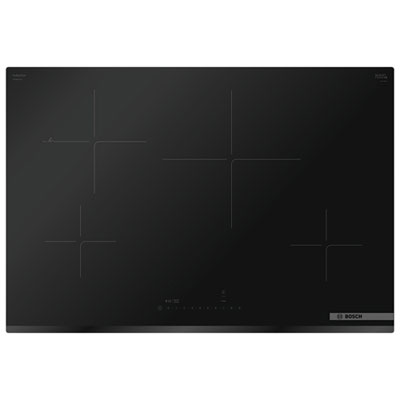
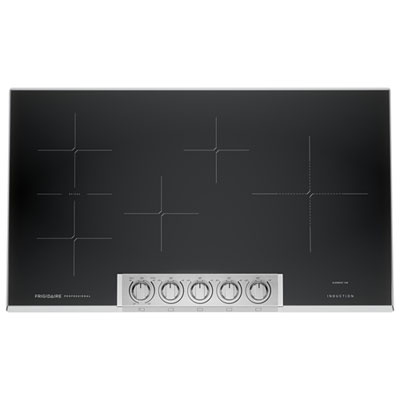
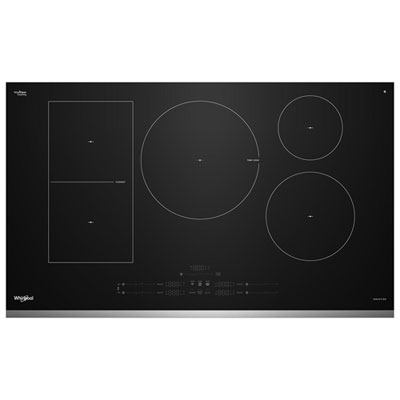
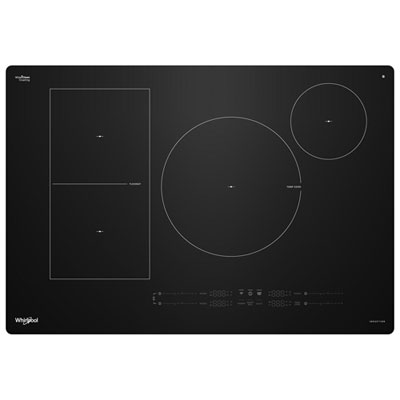
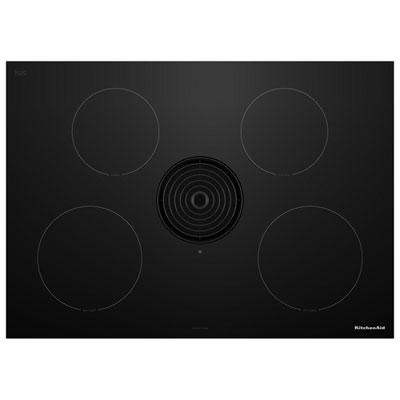
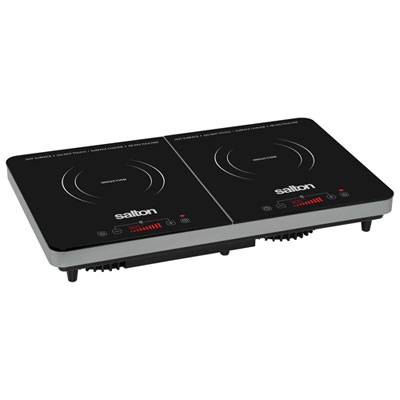
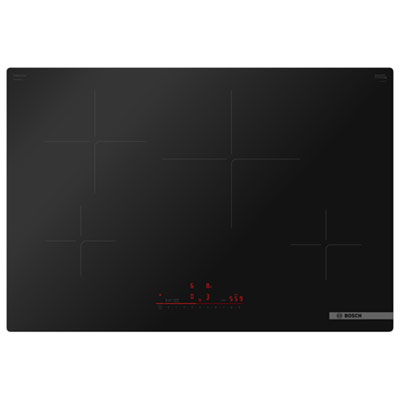
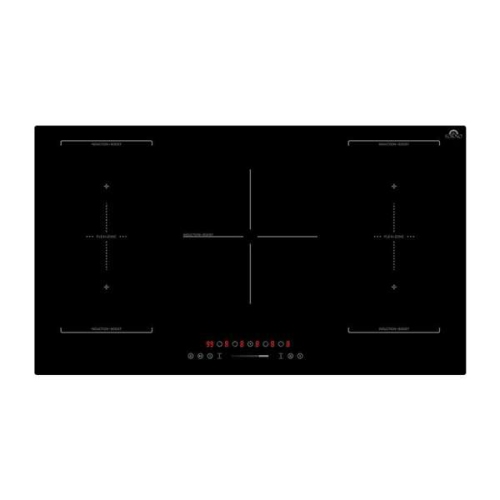
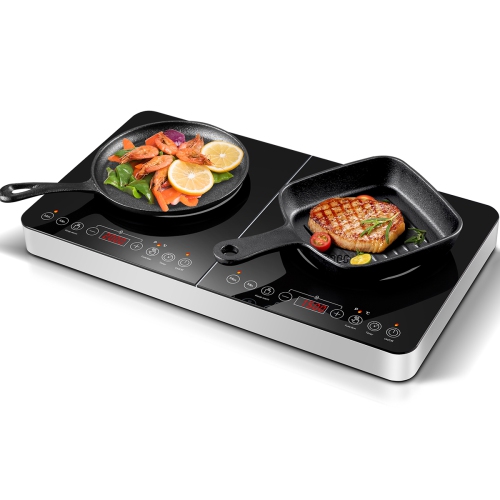
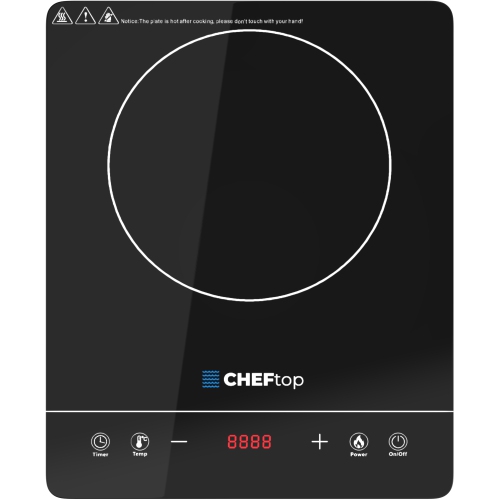
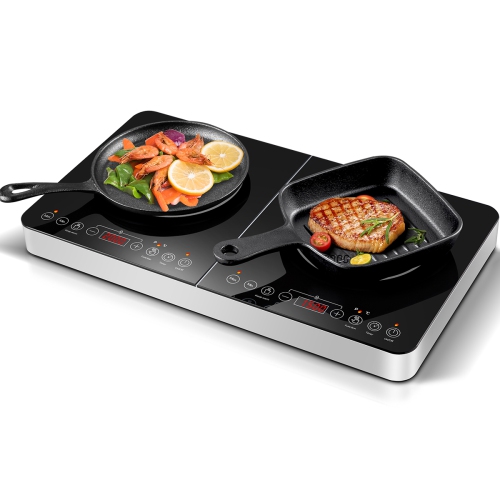
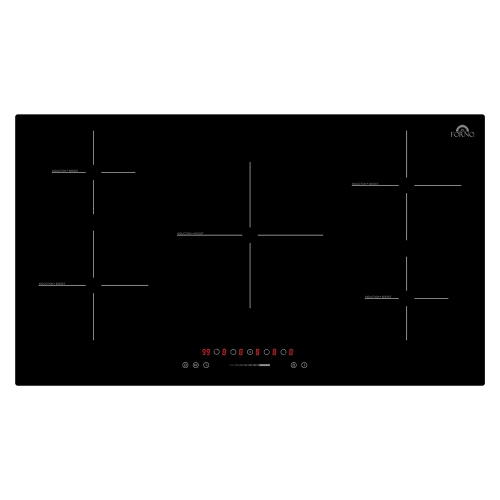
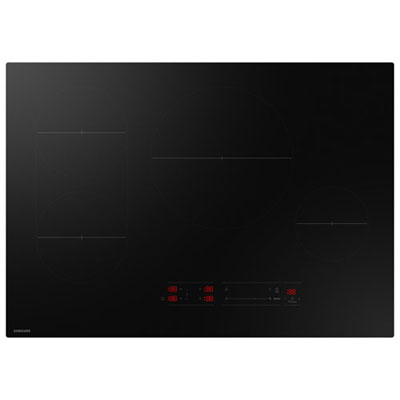
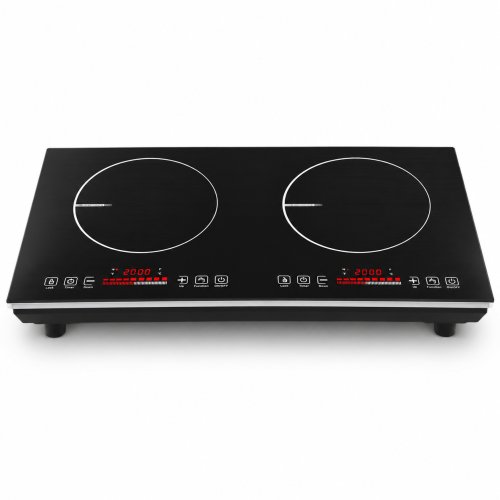
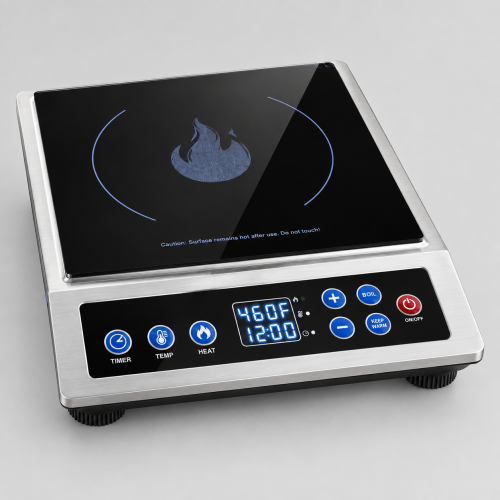
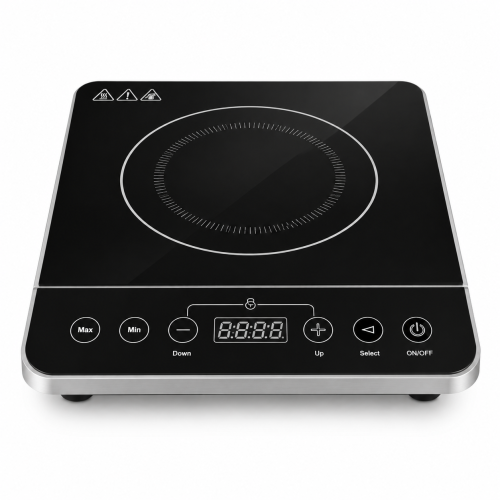
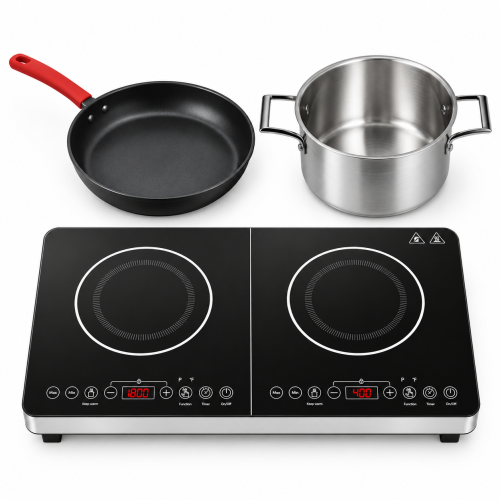
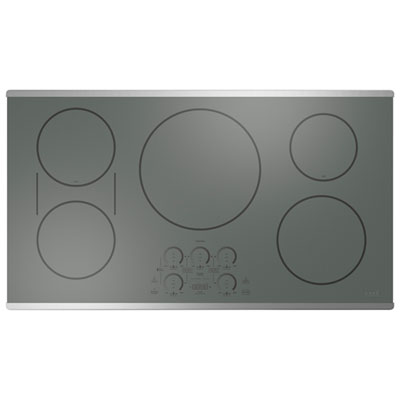
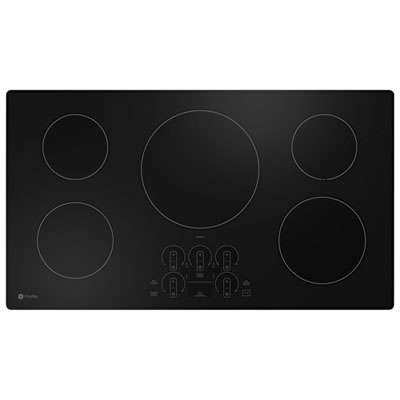
Fit involves more than the visible width of a built-in induction stovetop. The countertop cutout, appliance depth, required clearances, and space within the cabinet all affect whether a particular size and configuration suit a kitchen. An existing opening does not necessarily accept another cooktop of the same nominal width, because corner shapes, mounting requirements, and below-counter dimensions can differ. Surface-mounted designs typically rest slightly above the countertop, while flush-mounted installations require a compatible appliance and carefully prepared countertop edges. Stone, engineered surfaces, and laminate each have their own fabrication and installation requirements. Space beneath the appliance matters as well: cooling airflow, electrical connections, and any specified separation from drawers or an oven must be accommodated. Many full-size built-in induction cooktops require a dedicated 240-volt circuit, with the precise electrical requirements determined by the appliance specifications. Installation by qualified professionals helps address the electrical connection, countertop preparation, and applicable local requirements. Kitchen ventilation remains relevant because frying, searing, and boiling still produce cooking odours, grease, and moisture, even without a gas flame. Beyond installation, the arrangement of cooking zones shapes everyday use. Well-spaced zones can make room for a broad frying pan beside a stockpot, while a bridge or flexible cooking area, where offered, can accommodate suitably sized compatible cookware across a larger area. The usable dimensions matter more than the number of marked zones alone; pan handles and wide rims can compete for space. Power-boost functions can help with tasks such as heating a large pot of water, although some designs share available power between zones. Touch controls create an uncluttered surface, while physical controls may appeal to people who prefer a tactile adjustment. Control placement, clear markings, and displays that remain easy to read with cookware in place all contribute to comfortable use. Depending on the design, features may include timers, control locks, pan detection, automatic shutoff, and residual-heat indicators. These functions support daily cooking but do not replace supervision or safe handling of hot cookware.
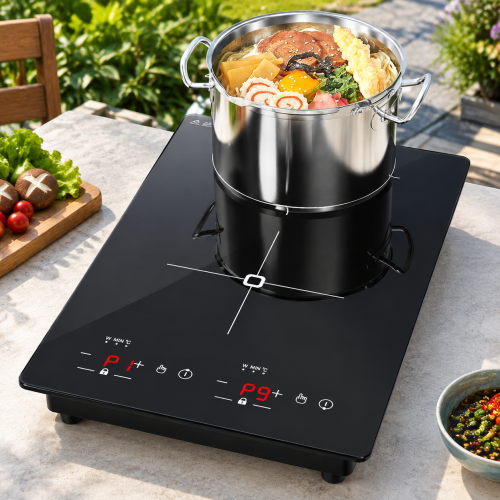
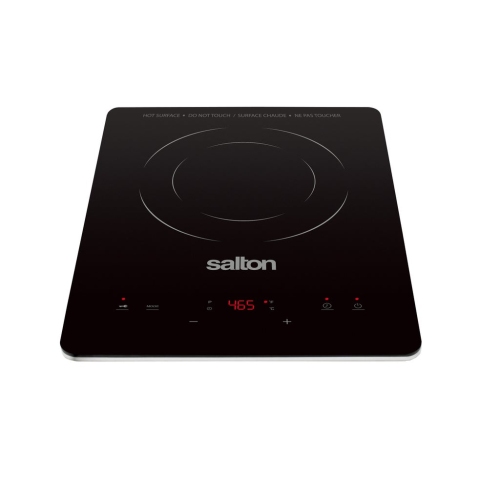
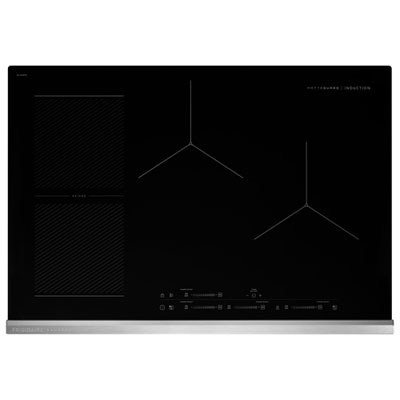
The glass-ceramic surface gives built-in induction stovetops a smooth, continuous appearance that works with many kitchen styles, from cabinetry with traditional detailing to simple, handle-free layouts. With no raised burners or removable grates, routine wiping is straightforward, although the material still needs thoughtful care. Glass-ceramic is made to tolerate normal cooking conditions, but it is not scratchproof or immune to damage from dropped cookware. Lifting a heavy cast iron pot rather than dragging it across the surface helps reduce the chance of marks, as does keeping pan bases free of grit. A clean, flat cookware base is especially useful when moving between boiling, frying, and simmering throughout the same meal. Cleaning products and tools should be suitable for the surface and follow the manufacturer’s directions; abrasive pads and unsuitable powders can leave lasting damage. Most routine cleaning takes place after the surface has cooled, while sugary spills may need prompt attention using the manufacturer’s recommended method to prevent surface damage. A cracked cooking surface should not be used until it has been assessed by a qualified service professional. Daily ownership also includes a few characteristics that differ from other cooking methods. Cooling fans may run during or after use, and some cookware can produce humming or buzzing sounds, particularly at higher power settings. The amount of sound can vary with the pan’s construction and the selected setting. For households preparing several dishes at once, responsive controls can make it easier to manage a bubbling soup beside vegetables in a sauté pan. For smaller kitchens, separating the cooktop from the oven can support a layout tailored to the available work surface and storage. Those who cook frequently may place particular value on zone spacing, steady low-power performance, and controls that respond predictably. Households replacing a familiar radiant cooktop may also appreciate retaining a smooth countertop appearance while gaining a different style of heat control. The most comfortable long-term match brings together compatible cookware, an appropriate installation, accessible controls, and enough usable cooking space for the meals prepared most often.
FAQ

Some products may be subject to Environmental Handling Fees (EHF) depending on your province. Learn more about EHFs.