Camcorder Mini Dv
Capture your most precious memories with the convenience and portability of a mini DV camcorder. Whether you're documenting family gatherings, recording your child's first steps, or capturing stunning landscapes on your travels, these compact devices offer high-quality video recording in a user-friendly format. With their advanced features and easy-to-use controls, mini DV camcorders are the perfect companion for preserving life's unforgettable moments. Explore our wide selection of mini DV camcorders and find the perfect one to suit your needs.
Sort
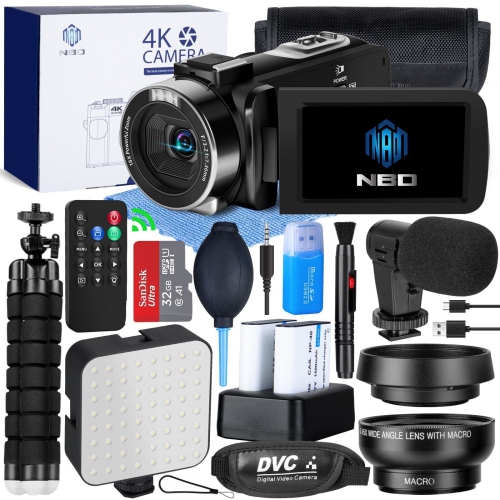
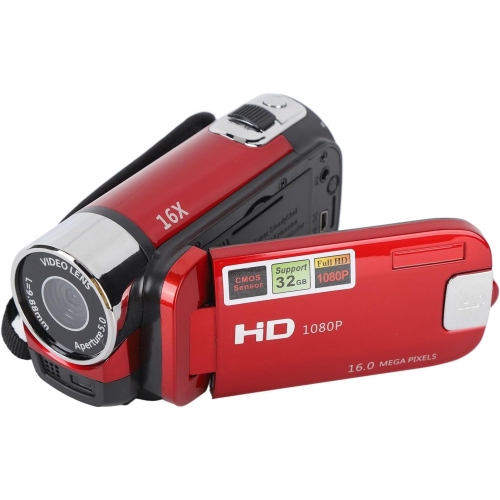
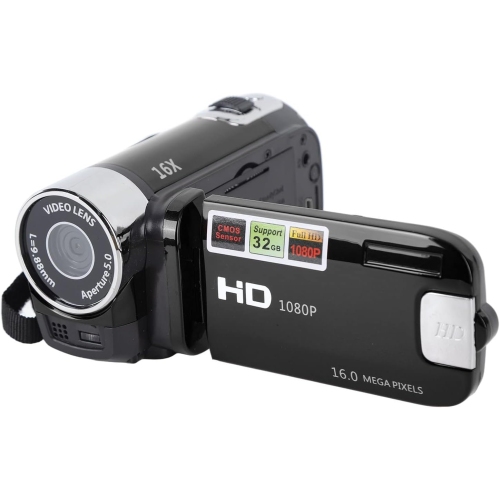
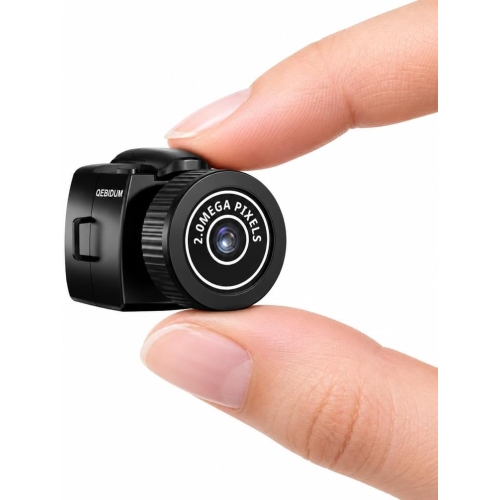



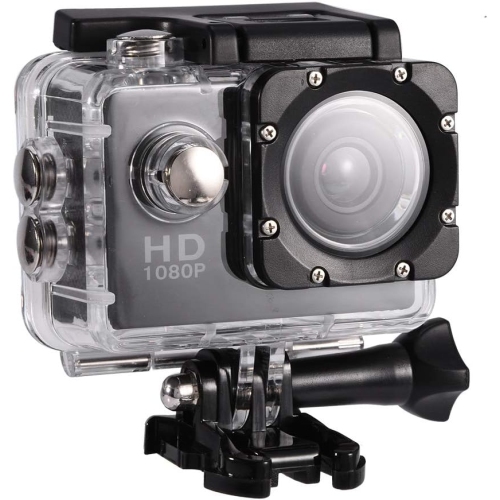
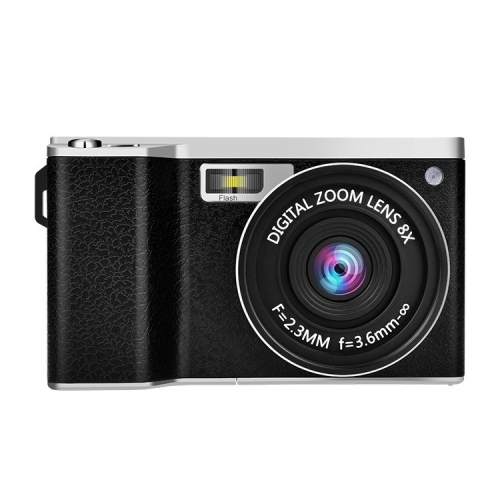
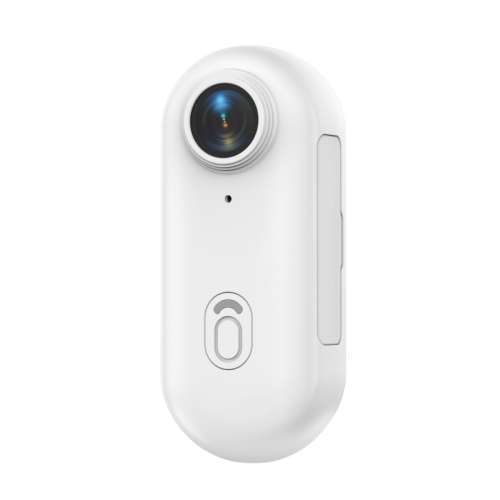
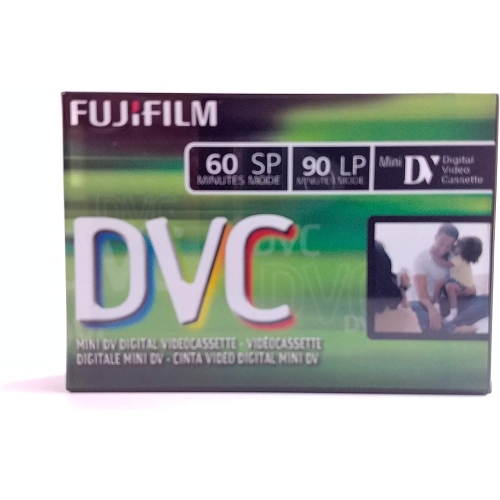



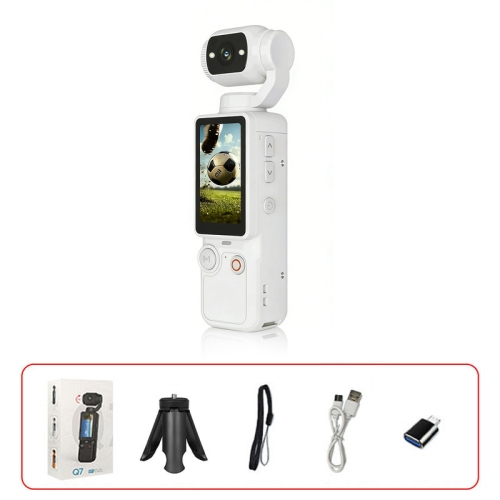
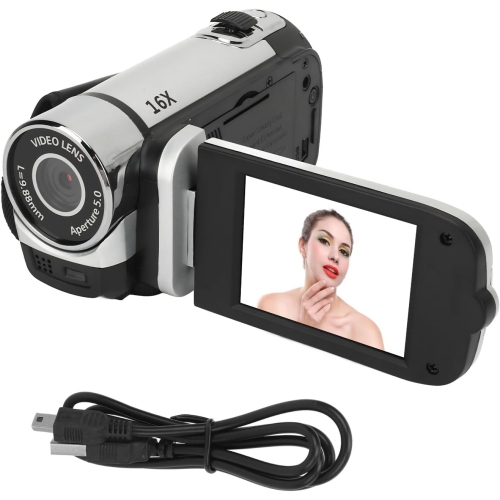
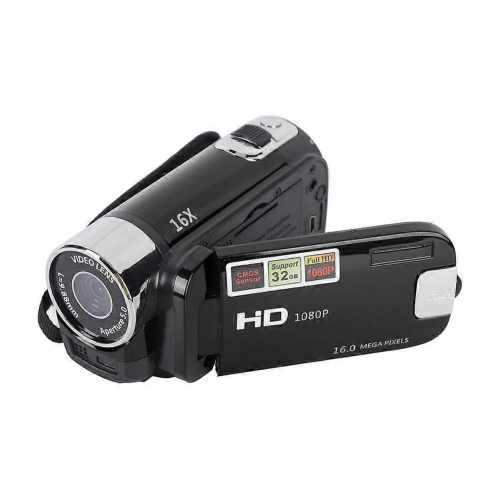
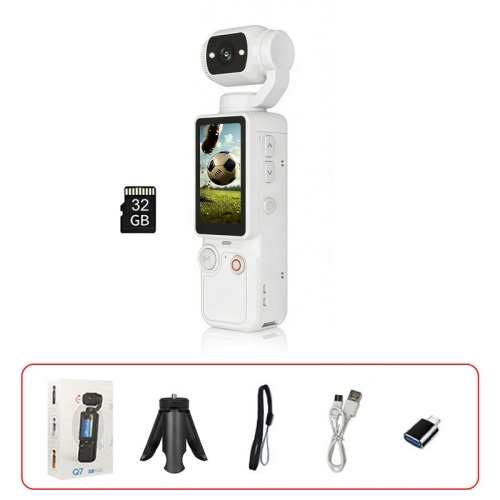
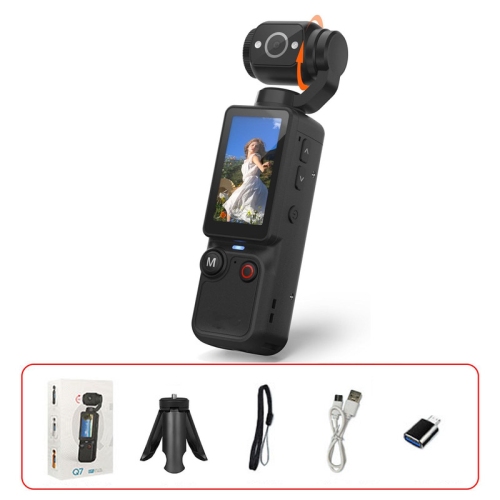
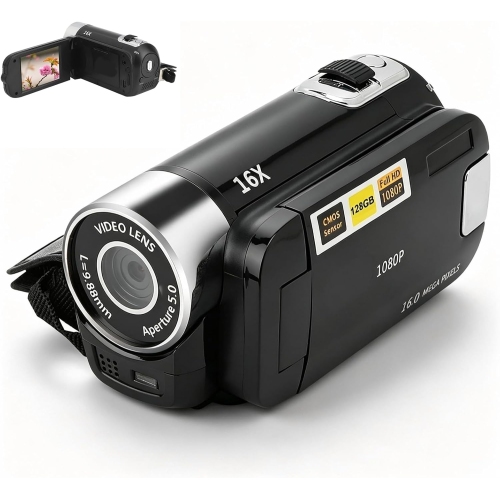
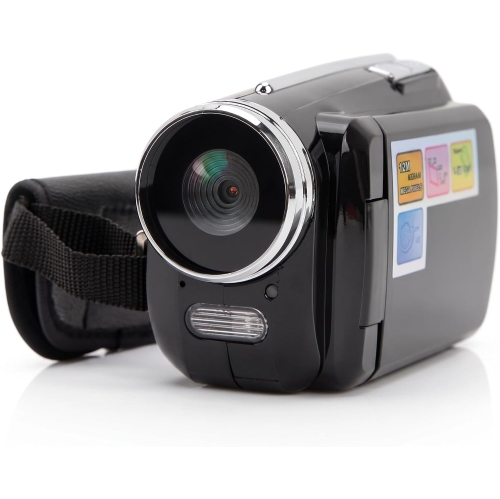
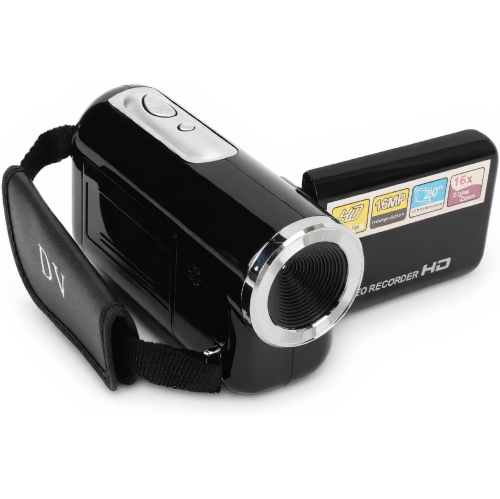


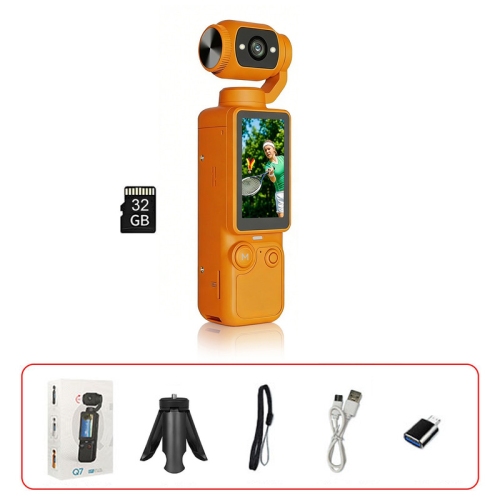
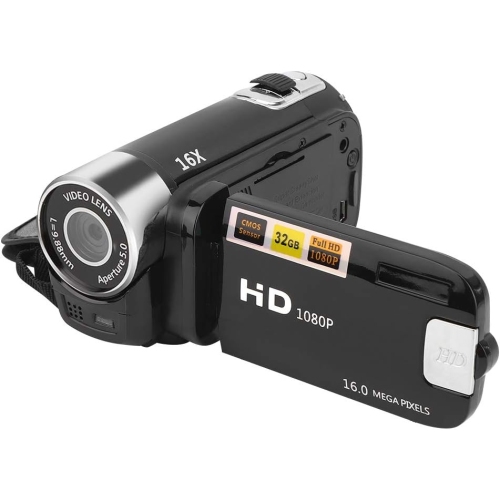


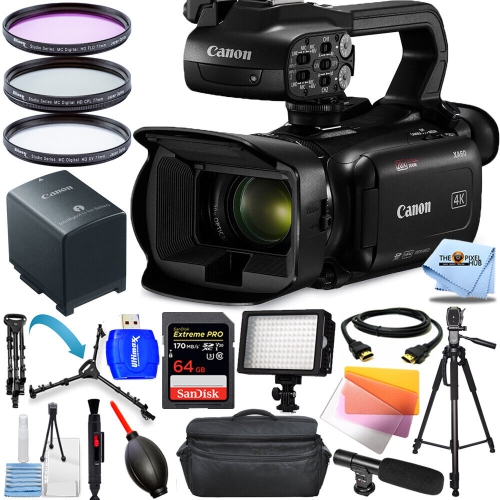
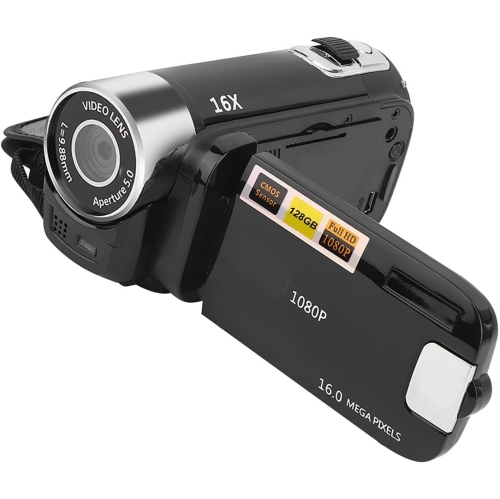
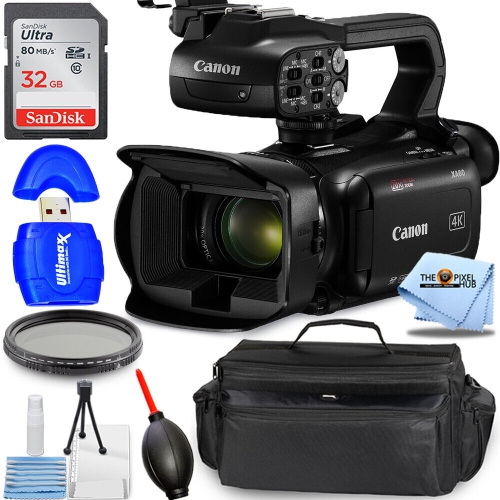
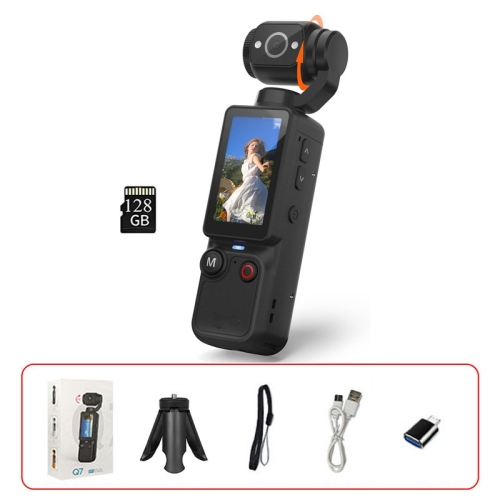
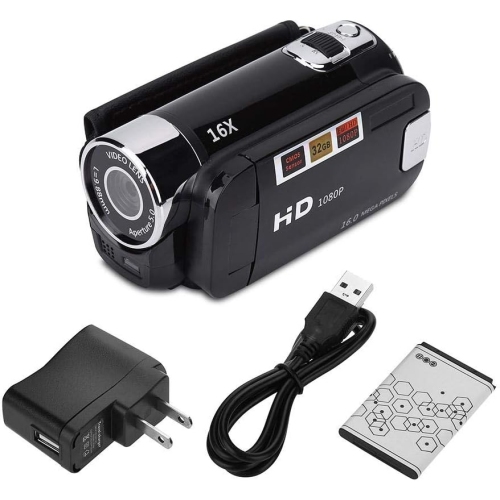
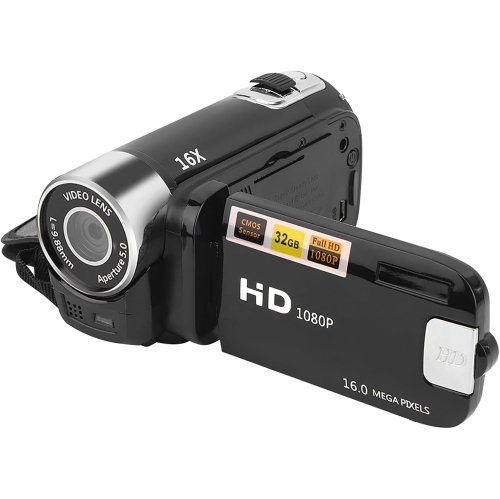
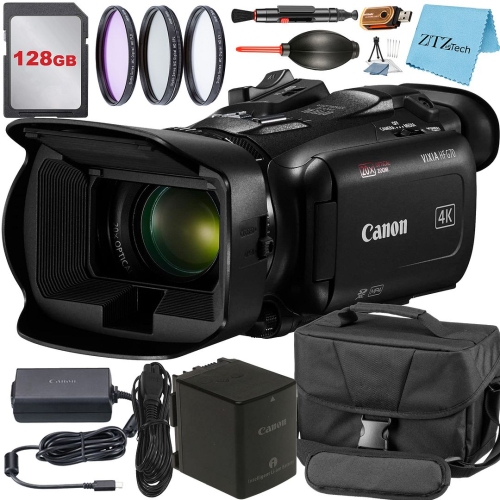

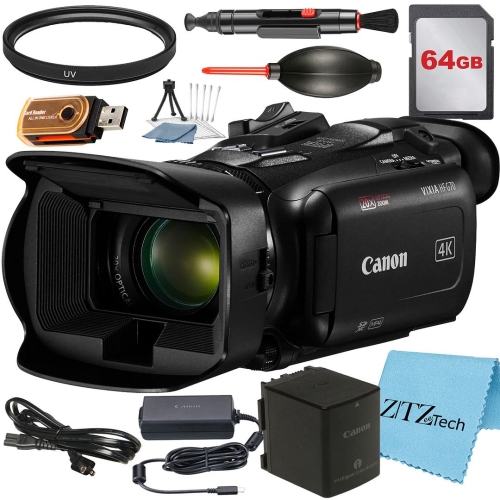
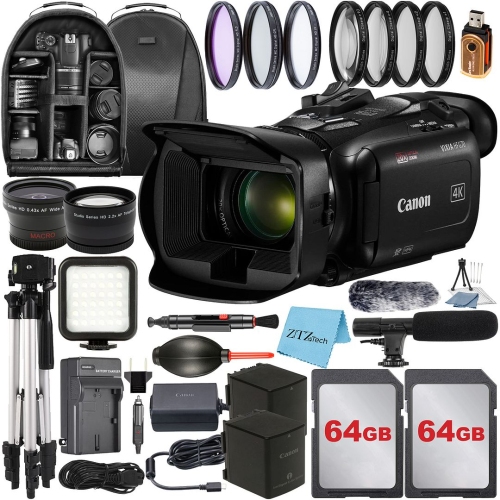
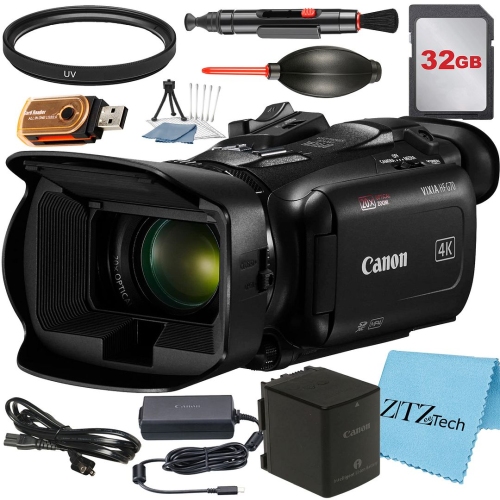
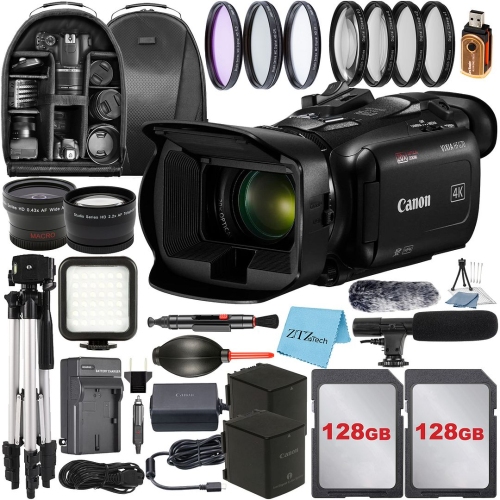
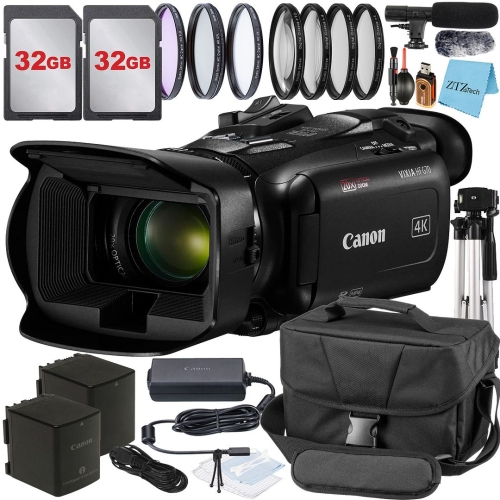
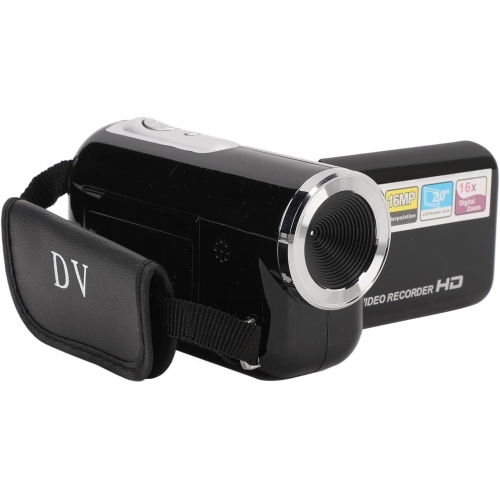

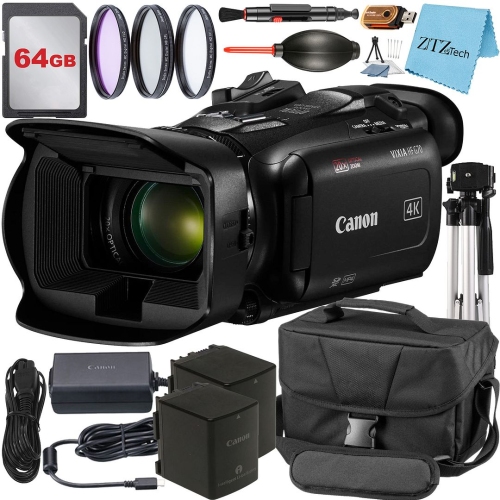
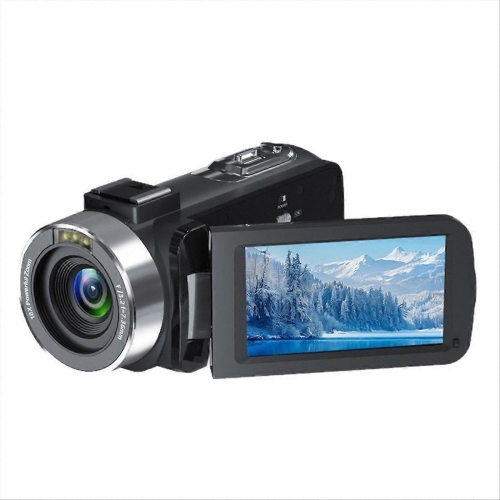

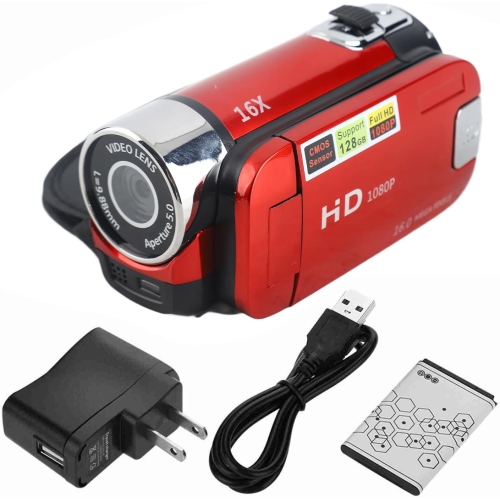
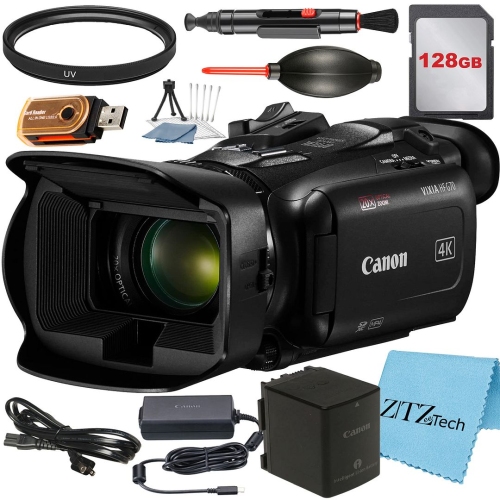
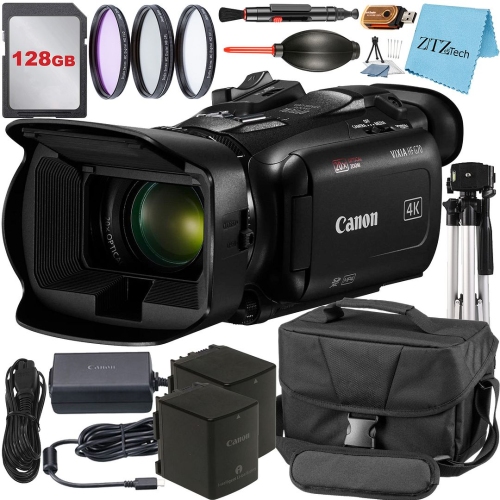
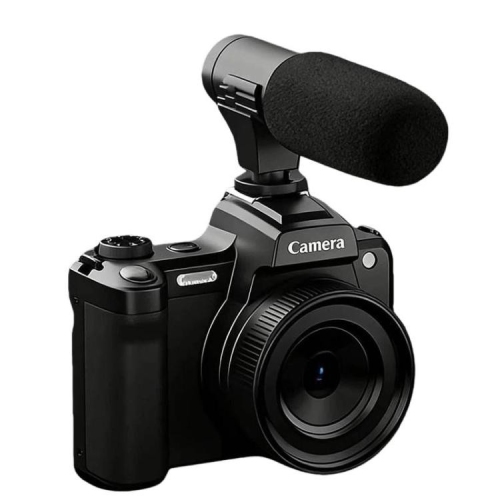
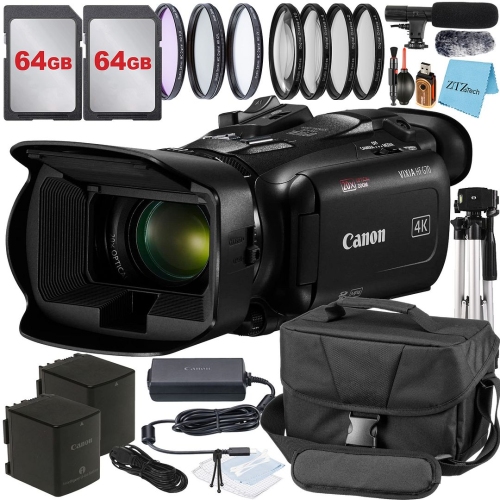

How digital tape connects old memories with new footage
MiniDV camcorders are tape-based digital video cameras that record onto small magnetic cassettes, pairing a handheld camera with a built-in recording and playback mechanism. Introduced in the mid-1990s, the MiniDV format became familiar at family celebrations, school performances and amateur film shoots because it offered digital recording in a compact package. Most MiniDV camcorders record standard-definition DV video: typically 720 × 480 pixels for NTSC recordings used in Canada, or 720 × 576 pixels for PAL recordings from other regions. Many recordings are interlaced, which contributes to the familiar motion and texture of footage viewed on older televisions. Some later camcorders use the same size of cassette to record high-definition HDV video, but HDV and standard-definition DV are different recording formats. A MiniDV cassette recorded in HDV therefore requires a camcorder or deck capable of playing that format; a standard DV-only machine cannot be assumed to play it. MiniDV is also distinct from Video8, Hi8, Digital8 and VHS-C, whose tapes require different equipment. These distinctions matter whether the purpose is making new footage or revisiting a box of family recordings. A compatible camcorder can provide access to a child’s first steps, a graduation speech or a long-forgotten holiday video while also serving as a creative tool for people drawn to tape-based filmmaking. The appeal is not the same as that of a modern high-resolution camera. Standard-definition detail, older image sensors and the particular rendering of colour and motion give MiniDV footage a recognizably different appearance. Results still vary with the lens, lighting, exposure and camera movement, so the format alone does not guarantee a particular look. For creative projects, it offers a deliberate recording experience built around physical tapes, planned takes and playback through the camera rather than immediate sharing from a phone.
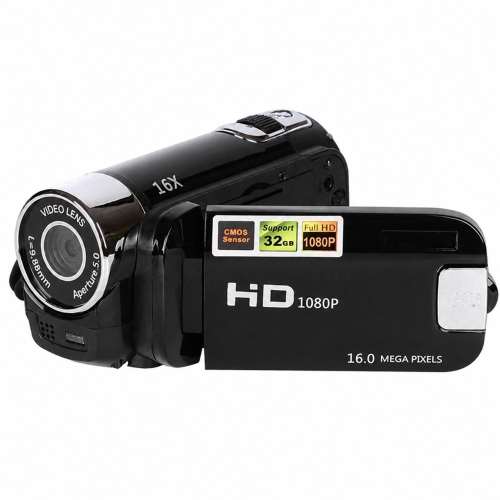
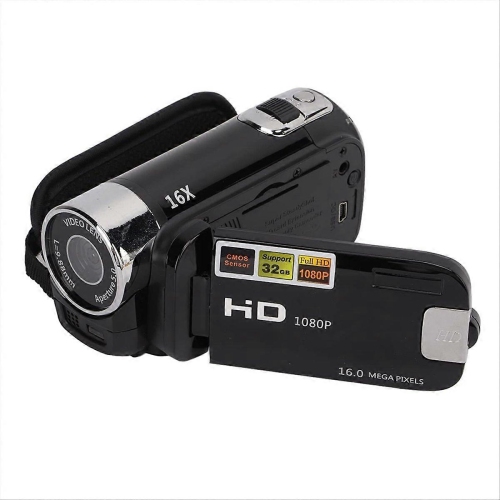
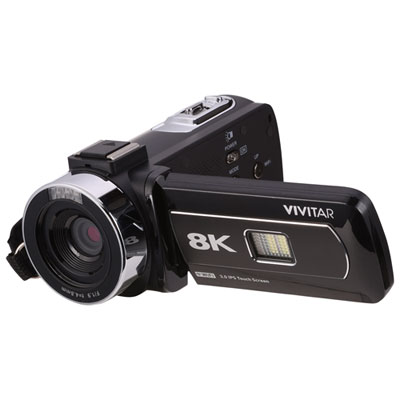
Handling and camera features make a noticeable difference during everyday use. MiniDV camcorders commonly combine moulded plastic outer panels with internal metal components, and their usefulness depends on both comfortable controls and a sound tape mechanism. A secure hand strap, balanced grip and accessible record button help during longer handheld shots, while a tripod socket is valuable for interviews, performances and recordings made from a fixed position. A flip-out LCD makes it easier to frame a scene from different angles; an eyepiece viewfinder can provide another way to compose a shot when the screen is difficult to see. Screen hinges, cassette doors, battery mounts and connection covers are all small parts that receive repeated handling. For older equipment, their condition can matter as much as the original feature list. Optical zoom changes framing through the lens, whereas digital zoom enlarges the captured image and can make limited standard-definition detail more noticeable. Image stabilization can reduce the appearance of hand movement, although it cannot fully replace a steady grip or tripod at longer zoom settings. Indoor recordings bring other considerations into focus: a lens that performs well in modest light, predictable autofocus and accessible exposure controls can be more useful than an especially long zoom range. Audio deserves similar attention. A built-in microphone is convenient for general family footage, while a microphone input and headphone connection can be helpful for interviews, student productions and music recordings when those connections are provided. Rechargeable battery condition, charger compatibility and the correct power adapter also affect practical use, especially during lengthy playback or capture sessions. A padded carrying case protects the camera from knocks and keeps cables from pressing against the lens or screen. For a film student, a hobbyist interested in older video formats or a relative preserving family memories, a MiniDV camcorder can be a thoughtful gift when its recording format and required accessories match the intended use.
Playback and computer connections are central to the MiniDV experience because the footage remains on tape until it is captured or copied elsewhere. For standard DV recordings, an IEEE 1394 connection, commonly called FireWire, can transfer the recorded digital video stream to compatible computer hardware and capture software without an analogue conversion. Capture generally happens in real time, so an hour of recorded footage takes about an hour to transfer. A computer needs a suitable interface and software support; a simple passive USB-to-FireWire cable does not provide a substitute for that hardware. USB connections on older camcorders may serve other purposes, such as transferring still images, and should not automatically be treated as a way to capture full-quality tape footage. Composite or S-Video outputs, where fitted, offer another route for viewing recordings or feeding a compatible capture device, but that process converts the picture to an analogue signal rather than transferring the original DV data directly. Connections and supported recording standards are especially important for tapes made on equipment from another region or in a long-play recording mode, which can be less forgiving of playback differences between machines. Smooth cassette loading, stable playback, clear sound and an image without repeated blocks or dropouts are useful signs of a functioning tape path, although an individual damaged tape can also cause playback problems. Keeping the cassette compartment free of dust, handling tapes by their cases and using only an appropriate cleaning cassette as directed by the manufacturer support careful ownership. Tapes benefit from protective cases and storage away from moisture and strong magnetic fields, while the camera lens and display need gentle cleaning suited to their surfaces. Comparisons with Canon Camcorders are most useful when they focus on recording format, handling and connections, since a compact camcorder is not necessarily a MiniDV camera. Whether the goal is recording a short film or hearing a familiar voice from an old cassette, the right combination of tape compatibility, dependable playback and suitable connections gives this format its lasting practical value.
Top selling and popular products
-
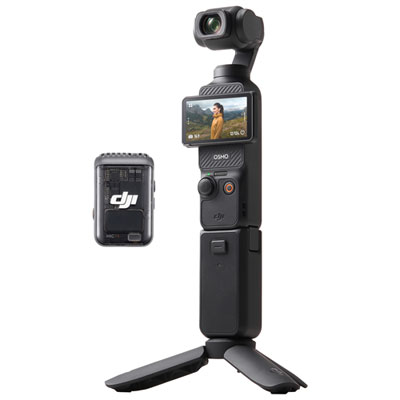 Your price for this item is $649.99
-
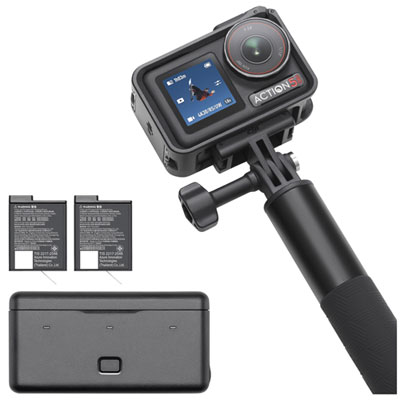 Your price for this item is $585.99
-
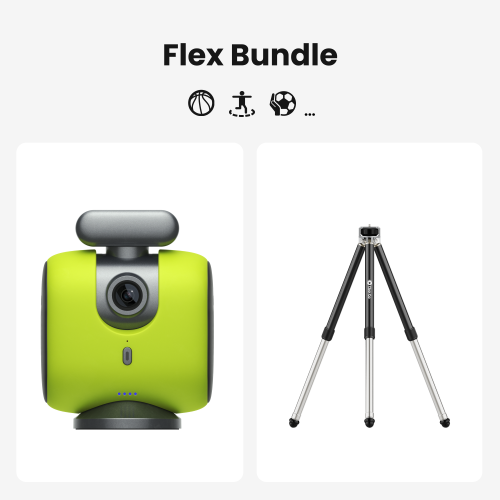 Your price for this item is $433.99
-
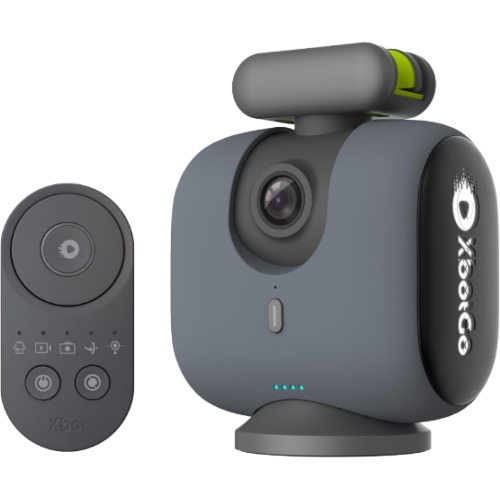 Your price for this item is $489.99
-
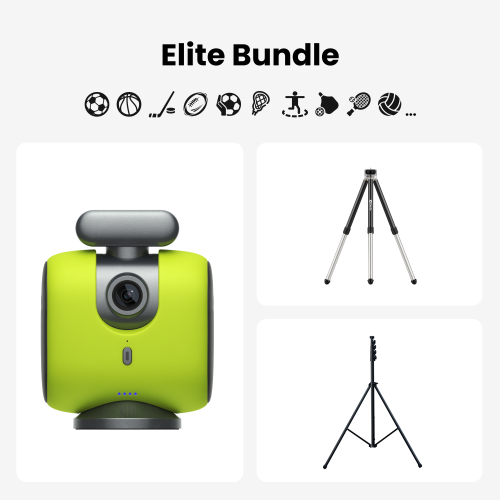 Your price for this item is $653.99
-
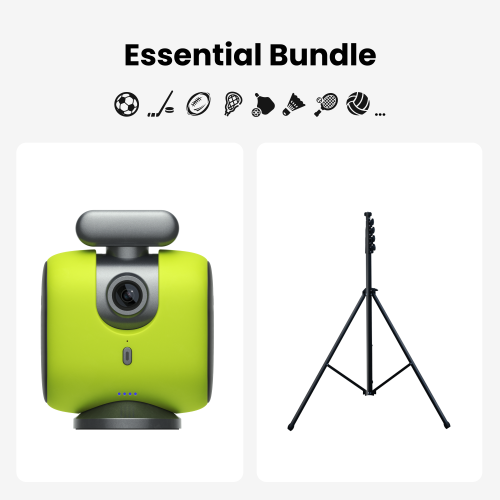 Your price for this item is $563.99
-
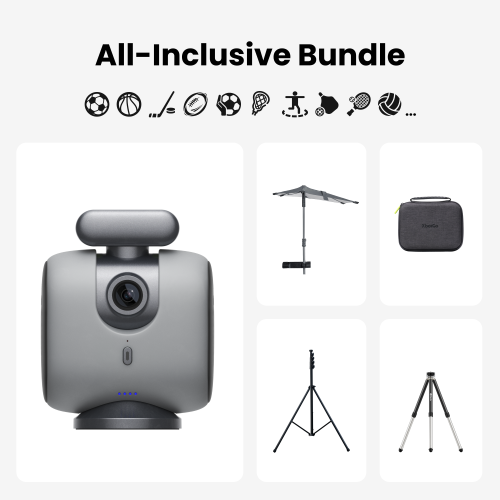 Your price for this item is $859.99
-
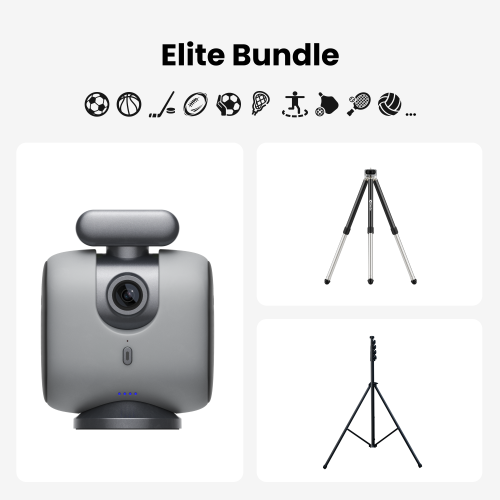 Your price for this item is $653.99
Discover more categories related to Camcorder Mini Dv
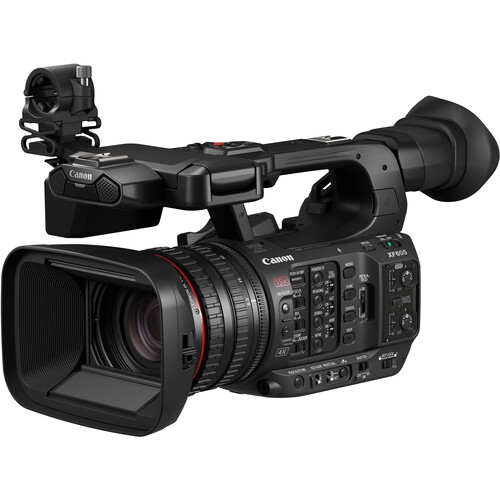
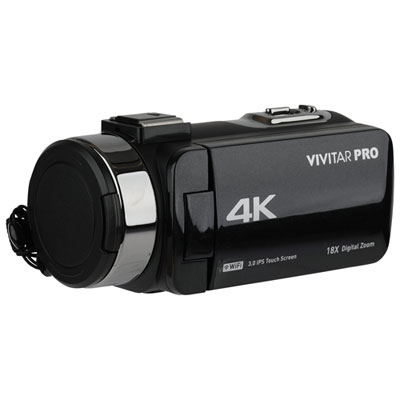
Top Collections:
Pokemon Centers, Kindle Devices, Best Black Friday Deals This Year, Pokémon 30th Celebration Cards, Best Black Friday Deals On Electronics, Best Cameras for Sports Photography, Best Black Friday Deals On Apple Products, Canon G7X Cameras, iPhone 15 Apple, Candle Warmer Lights
Some products may be subject to Environmental Handling Fees
(EHF) depending on your province.
Learn more about EHFs.