Waterproof Camera Bags for Travel
A waterproof camera bag is a must-have for any photographer. Whether you're an amateur shutterbug or a professional photographer, you'll want to keep your camera safe from the elements. A waterproof bag will protect your camera from the rain, snow, and sun, and it will keep your camera safe from water damage if you're caught in the rain. Here are some of the best waterproof camera bags.
Sort
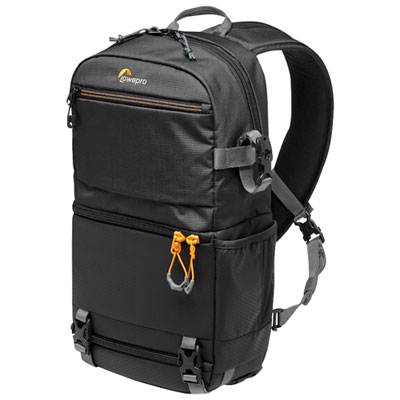
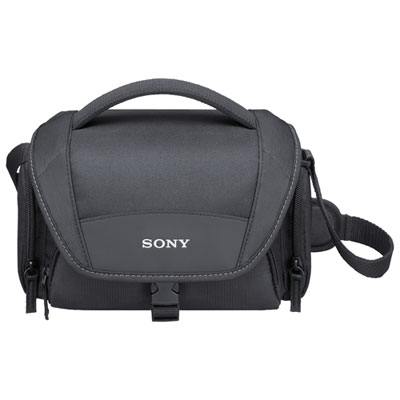
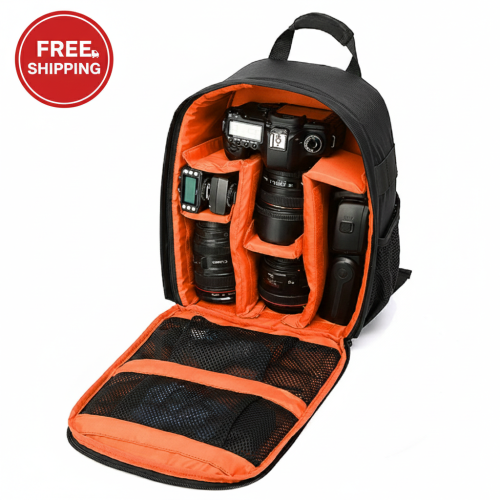
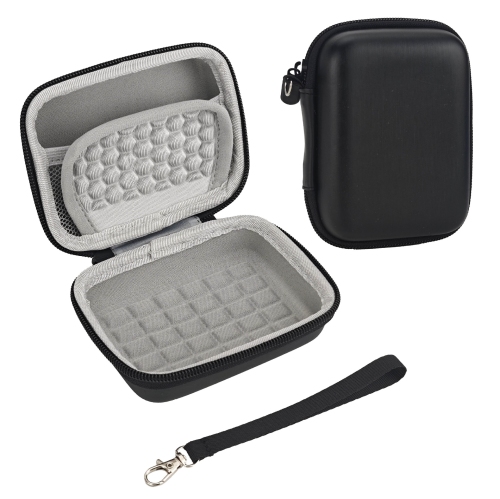
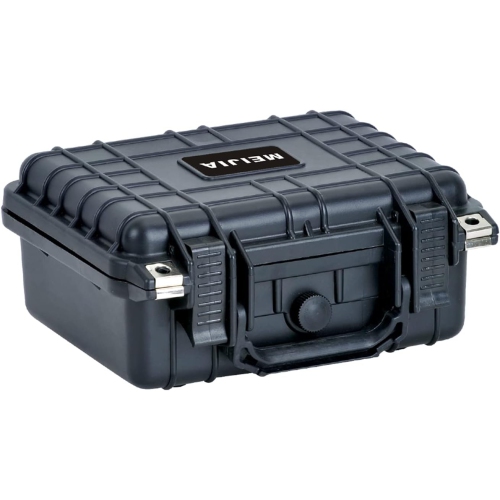
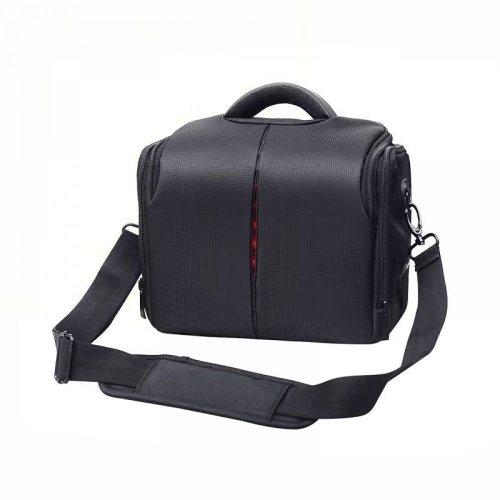
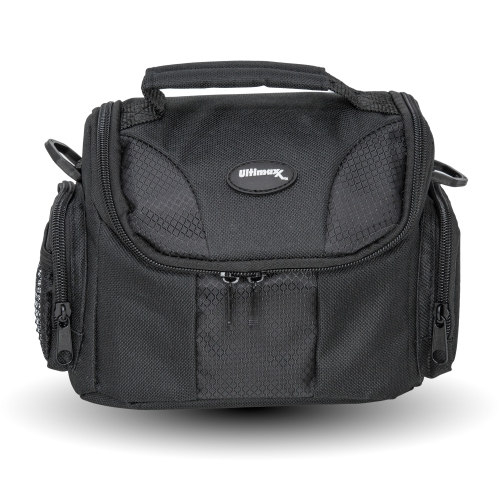
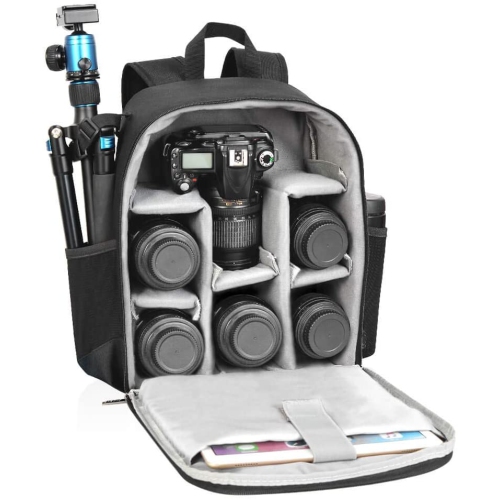
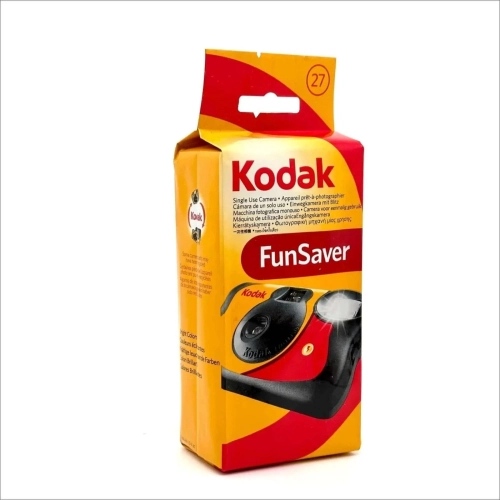
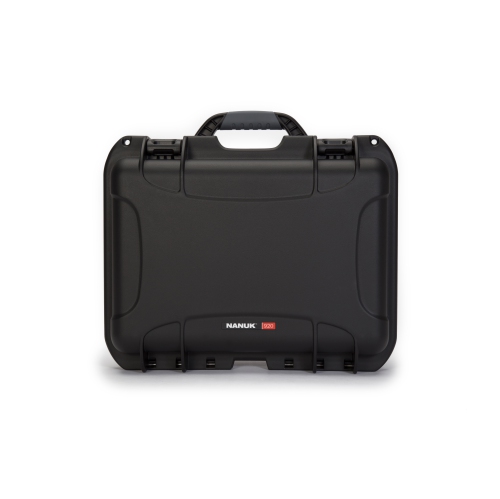
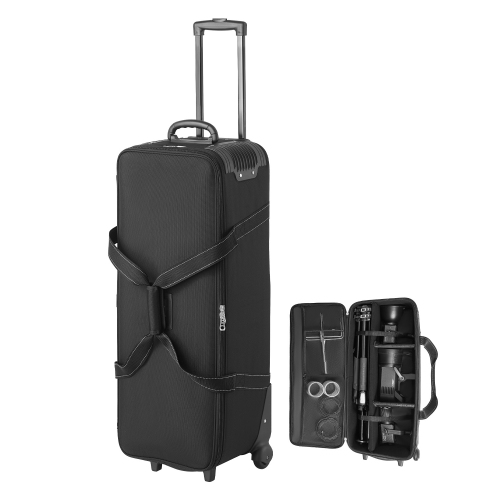
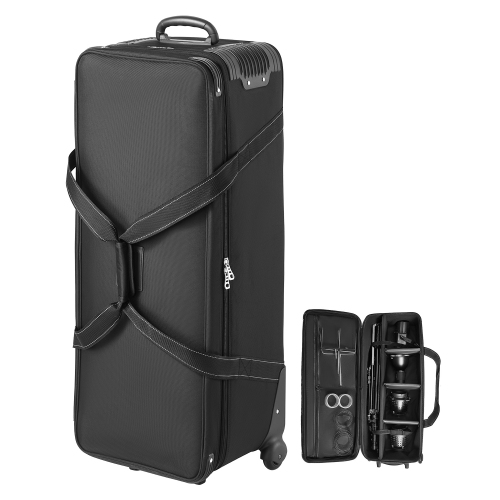
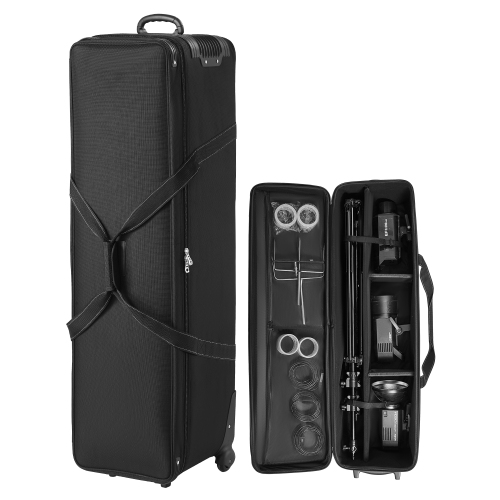
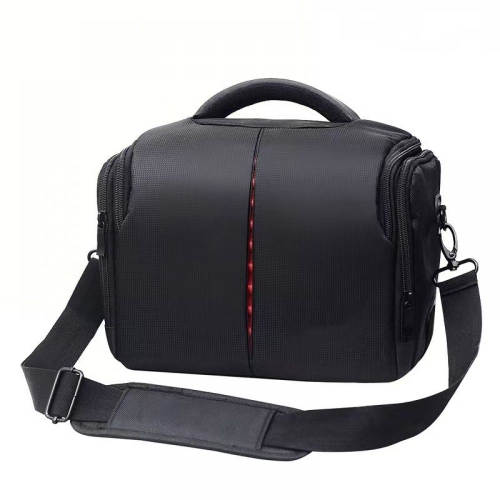
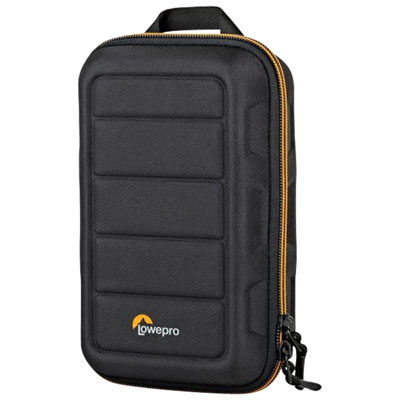
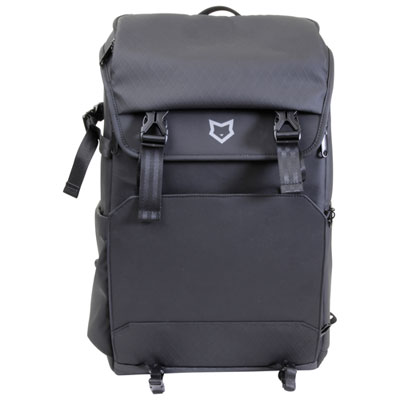
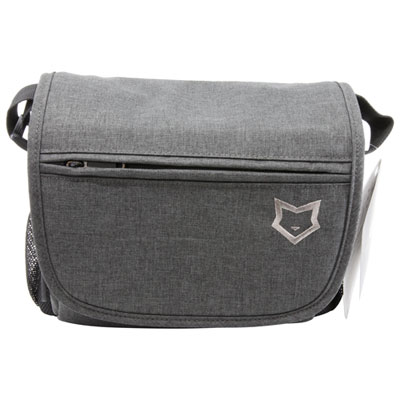
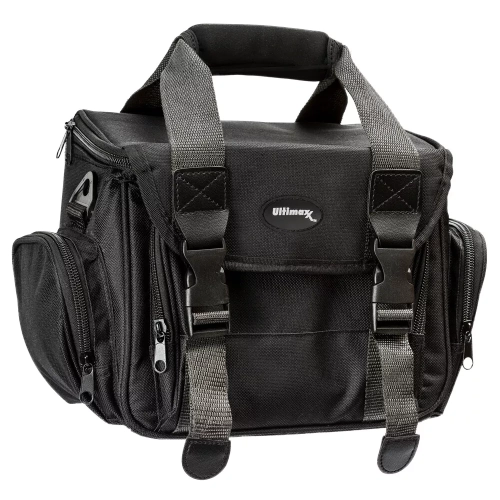
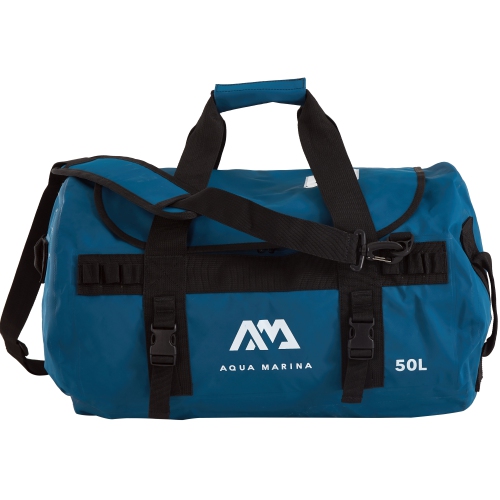

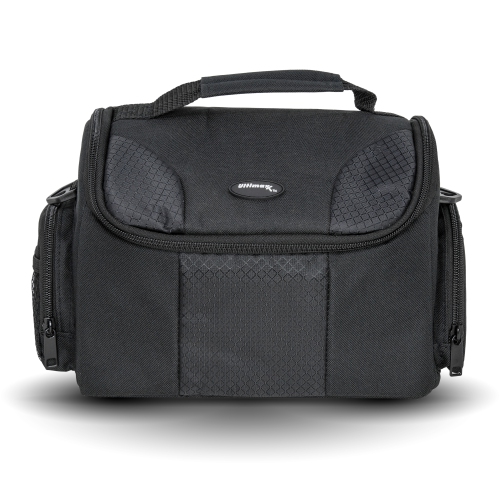
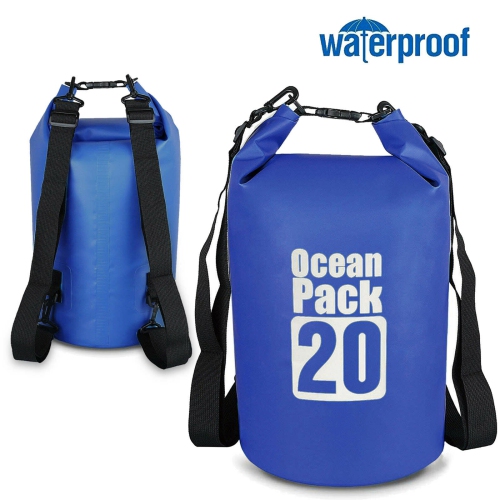
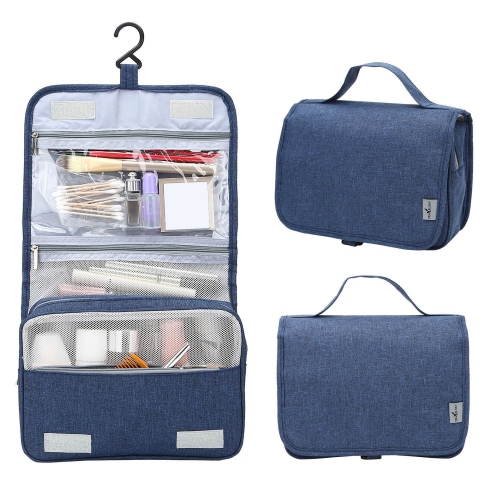
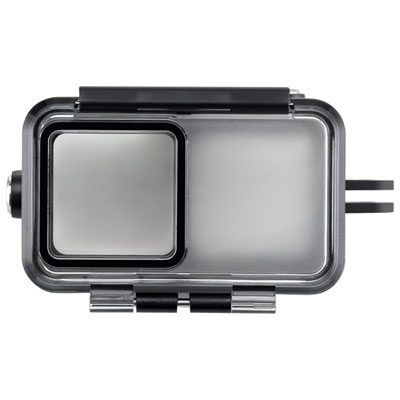
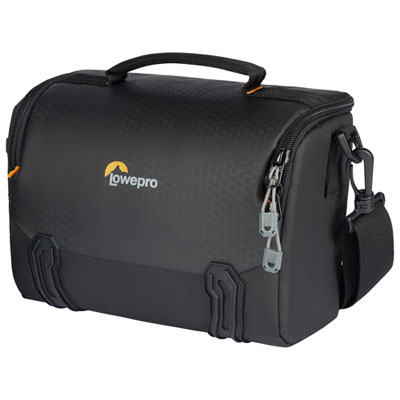
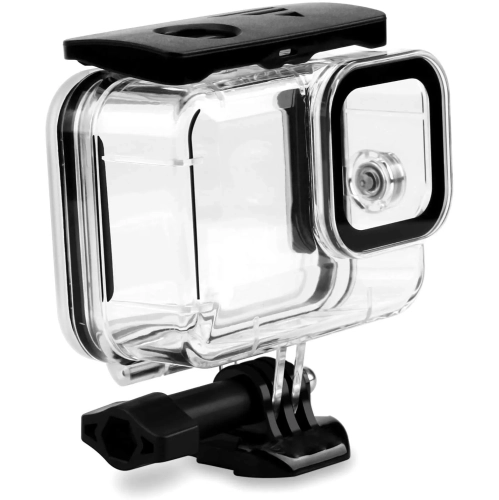
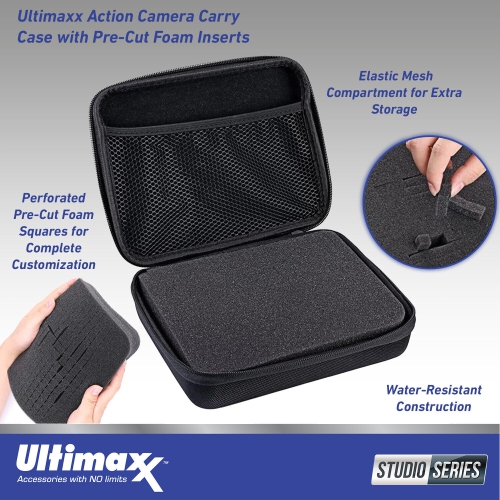
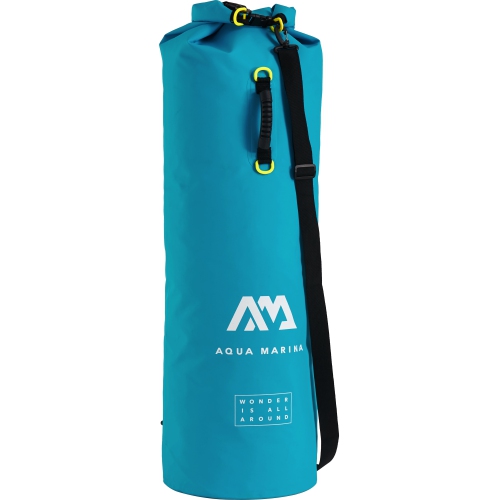
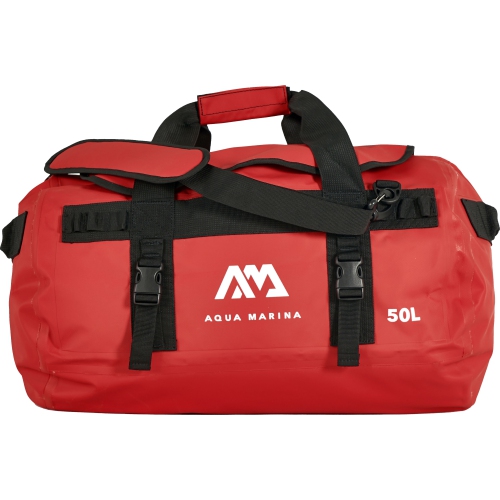
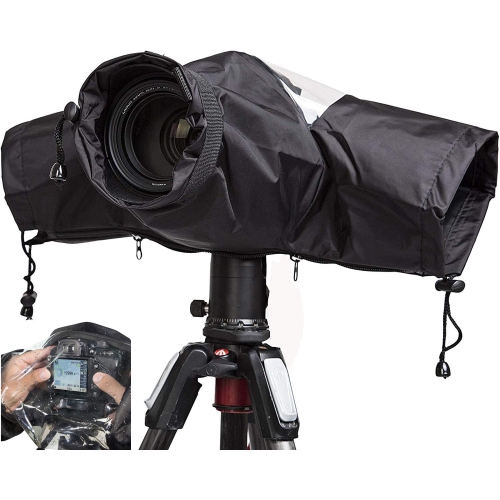
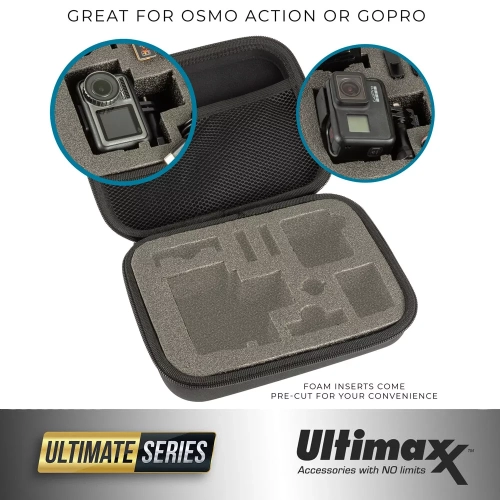
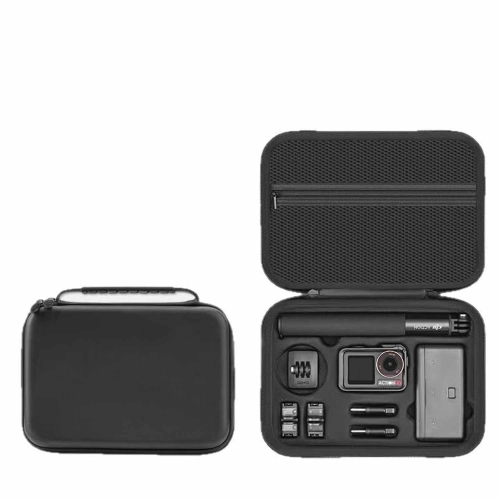
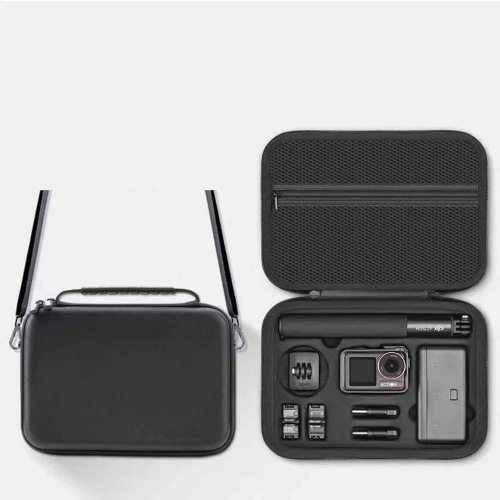
Protective storage and comfort for photography on the move
Waterproof camera bags for travel help protect valuable photography gear from rain, splashes, dust, and the everyday knocks that come with moving between airports, city streets, trails, beaches, and waterfronts. They are designed for travellers who want to keep a camera body, lenses, memory cards, batteries, and small accessories together without relying on a separate ordinary backpack. When choosing a bag, start by considering the type of camera equipment you carry and the conditions you are likely to encounter. A compact camera or mirrorless body with one lens may fit comfortably in a smaller shoulder bag or daypack, while a DSLR or mirrorless kit with several lenses, a flash, a tripod, and personal essentials generally calls for a roomier camera backpack with adjustable dividers. Capacity matters, but so does the way the space is arranged. Padded, movable compartments can help separate a camera body from lenses and prevent equipment from shifting as you walk, while quick-access openings make it easier to capture an unexpected street scene, passing wildlife, or changing light without unpacking the entire bag. Travellers who carry a laptop, tablet, water bottle, passport, or snacks should also look for dedicated sleeves and accessory pockets. For more ideas across different sizes and carrying styles, explore Travel Camera Bags. A comfortable harness, padded shoulder straps, a supportive back panel, and a properly adjustable waist or chest strap can make a noticeable difference during a full day of sightseeing. Even a well-protected bag becomes difficult to enjoy if it digs into your shoulders or swings around while boarding transit. Features such as luggage pass-through sleeves can also make airport transfers easier by allowing the bag to sit securely over the handle of a rolling suitcase.
Not every bag described as waterproof offers the same level of protection, so it is useful to understand the difference between water-resistant, weather-resistant, and fully waterproof construction. Coated nylon, treated canvas, sealed zippers, and water-repellent finishes can be well suited to light rain, mist, and accidental splashes during general city travel. Some camera backpacks add an integrated rain cover that pulls out over the exterior when a heavier shower begins. This can be especially practical for walking tours, mountain paths, and outdoor attractions where the weather can change quickly. A rain cover should fit securely and cover the base of the pack, straps, and exposed seams as much as possible. For kayaking, boating, canoeing, beach travel, or other situations where a bag could be exposed to sustained spray or briefly dropped in water, look for more substantial dry-bag-style protection. Roll-top closures, welded seams, thick waterproof materials, and sealed compartments are intended for more demanding wet conditions than a standard water-resistant fabric. Waterproof zippers can offer added convenience, although they may feel stiffer than conventional zippers. Hard-shell exteriors can provide another layer of protection against impact and compression, while soft-sided bags are often easier to fit beneath a seat or into a crowded vehicle. Regardless of construction, keep in mind that water protection can be affected by open pockets, an unfastened closure, worn seams, or a cover that has not been fitted correctly. Check the manufacturer’s guidance for the bag’s intended level of protection, and avoid assuming that a weather-resistant daypack is suitable for submersion. Inside the bag, padded dividers and a snug fit are just as important as the outer shell. Gear that can slide freely may be more vulnerable to bumps, and loose accessories can press against screens or lens surfaces. Small dry pouches for memory cards, spare batteries, and identification documents can add useful organization when travelling through wet or humid environments.
Waterproof camera bags can be useful for a wide range of travellers, from photographers documenting coastal landscapes and fall colour to families preserving candid moments on road trips and city breaks. They are also practical for commuters who carry camera equipment through changing weather, hikers who want quick access to a camera on the trail, and content creators who move between indoor and outdoor locations throughout the day. A dedicated bag can make photography feel less cumbersome because the equipment has a predictable place, making it easier to check that a battery, lens cloth, charger, or extra memory card is packed before leaving the hotel. During the cooler months, extra space may be helpful for gloves, a toque, or a compact layer, while padded construction can offer a degree of insulation against brief exposure to cold air. Allow the bag and camera to adjust gradually when moving between cold outdoor conditions and warm interiors, and protect equipment from condensation by keeping it enclosed until temperatures have stabilized. For gift-giving, a waterproof camera bag is a thoughtful choice for someone planning a hiking trip, a family holiday, a photography course, or an adventure near the water. The most suitable option depends on how that person travels: a lightweight sling may appeal to someone who prefers to carry only a camera and one lens, while a modular backpack may be better for an enthusiast with a growing collection of equipment. Before choosing, consider the camera’s dimensions, lens length, preferred carrying position, airline and personal-item requirements, and whether the recipient values fast access, maximum capacity, or the strongest possible wet-weather protection. A carefully selected bag can protect the equipment that records a trip while making each day of travel more comfortable, organized, and spontaneous.
Not every bag described as waterproof offers the same level of protection, so it is useful to understand the difference between water-resistant, weather-resistant, and fully waterproof construction. Coated nylon, treated canvas, sealed zippers, and water-repellent finishes can be well suited to light rain, mist, and accidental splashes during general city travel. Some camera backpacks add an integrated rain cover that pulls out over the exterior when a heavier shower begins. This can be especially practical for walking tours, mountain paths, and outdoor attractions where the weather can change quickly. A rain cover should fit securely and cover the base of the pack, straps, and exposed seams as much as possible. For kayaking, boating, canoeing, beach travel, or other situations where a bag could be exposed to sustained spray or briefly dropped in water, look for more substantial dry-bag-style protection. Roll-top closures, welded seams, thick waterproof materials, and sealed compartments are intended for more demanding wet conditions than a standard water-resistant fabric. Waterproof zippers can offer added convenience, although they may feel stiffer than conventional zippers. Hard-shell exteriors can provide another layer of protection against impact and compression, while soft-sided bags are often easier to fit beneath a seat or into a crowded vehicle. Regardless of construction, keep in mind that water protection can be affected by open pockets, an unfastened closure, worn seams, or a cover that has not been fitted correctly. Check the manufacturer’s guidance for the bag’s intended level of protection, and avoid assuming that a weather-resistant daypack is suitable for submersion. Inside the bag, padded dividers and a snug fit are just as important as the outer shell. Gear that can slide freely may be more vulnerable to bumps, and loose accessories can press against screens or lens surfaces. Small dry pouches for memory cards, spare batteries, and identification documents can add useful organization when travelling through wet or humid environments.
Waterproof camera bags can be useful for a wide range of travellers, from photographers documenting coastal landscapes and fall colour to families preserving candid moments on road trips and city breaks. They are also practical for commuters who carry camera equipment through changing weather, hikers who want quick access to a camera on the trail, and content creators who move between indoor and outdoor locations throughout the day. A dedicated bag can make photography feel less cumbersome because the equipment has a predictable place, making it easier to check that a battery, lens cloth, charger, or extra memory card is packed before leaving the hotel. During the cooler months, extra space may be helpful for gloves, a toque, or a compact layer, while padded construction can offer a degree of insulation against brief exposure to cold air. Allow the bag and camera to adjust gradually when moving between cold outdoor conditions and warm interiors, and protect equipment from condensation by keeping it enclosed until temperatures have stabilized. For gift-giving, a waterproof camera bag is a thoughtful choice for someone planning a hiking trip, a family holiday, a photography course, or an adventure near the water. The most suitable option depends on how that person travels: a lightweight sling may appeal to someone who prefers to carry only a camera and one lens, while a modular backpack may be better for an enthusiast with a growing collection of equipment. Before choosing, consider the camera’s dimensions, lens length, preferred carrying position, airline and personal-item requirements, and whether the recipient values fast access, maximum capacity, or the strongest possible wet-weather protection. A carefully selected bag can protect the equipment that records a trip while making each day of travel more comfortable, organized, and spontaneous.
Top selling and popular products
-
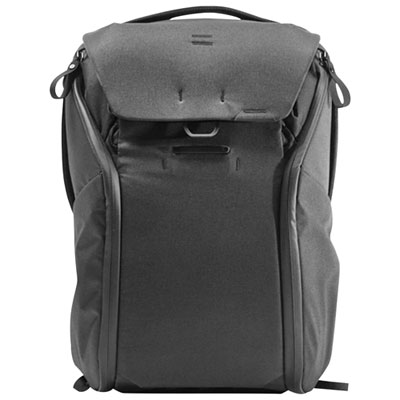 Your price for this item is $389.99
 -
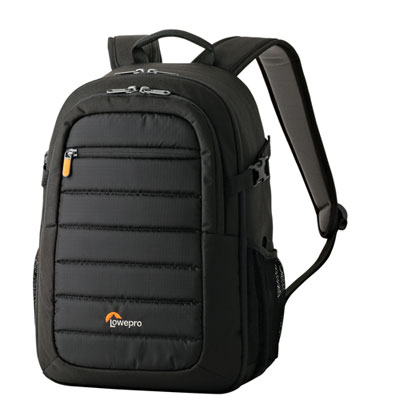 Your price for this item is $98.98
 -
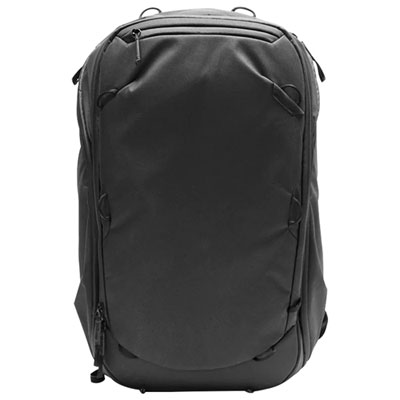 Your price for this item is $399.97
 -
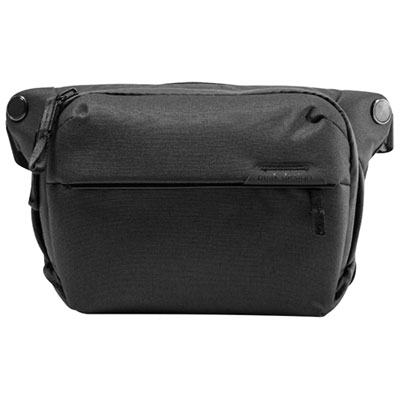 Your price for this item is $139.99
 -
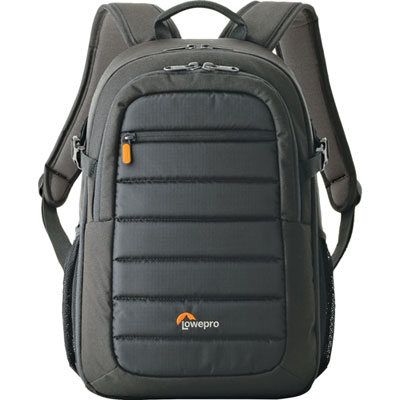 Your price for this item is $119.99
 -
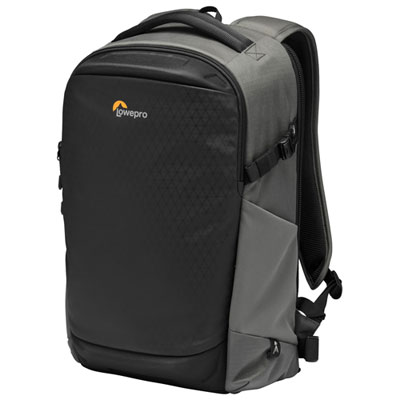 Your price for this item is $229.99
 -
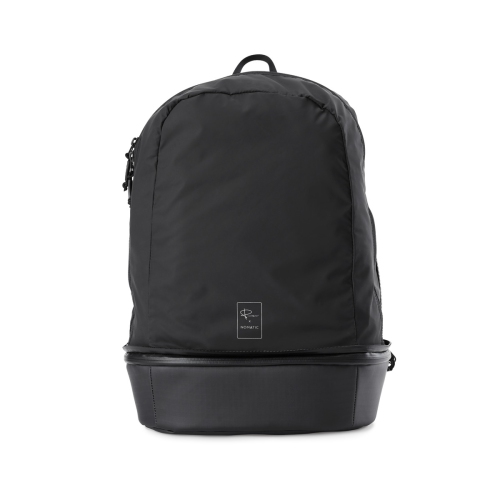 Your price for this item is $179.99
 -
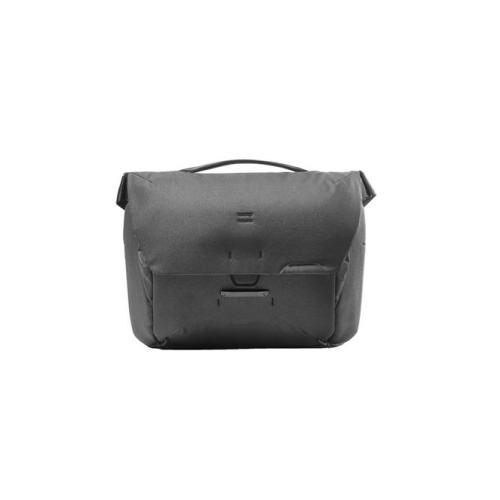 Your price for this item is $349
Discover more categories related to Waterproof Camera Bags for Travel
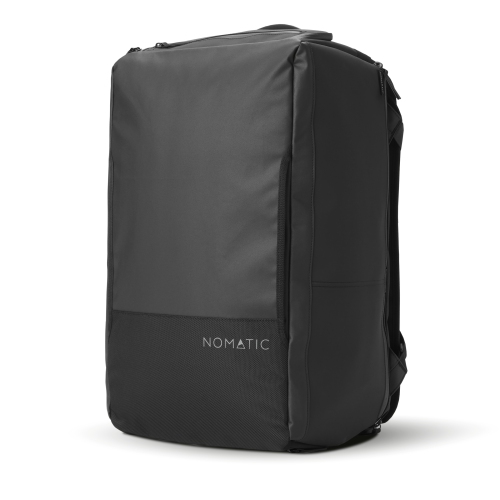
Top Collections:
Pokemon Centers, Kindle Devices, Best Budget Office Chairs, Apple iPhones 16, Best Laptops for Writers, iPhone 15 Apple, Canon G7X Cameras, Refurbished Apple Laptops, Alarm Clock, Motorola Razr Phones
Some products may be subject to Environmental Handling Fees
(EHF) depending on your province.
Learn more about EHFs.