Lightweight Camera Bags for Travel
If you're a photographer who travels, you know that the right bag can make all the difference. A good bag can carry your gear without weighing you down, keep it safe from the elements, and make it easy to access whatever you need when you need it. Here are some of our favorite lightweight camera bags for travel.
Sort
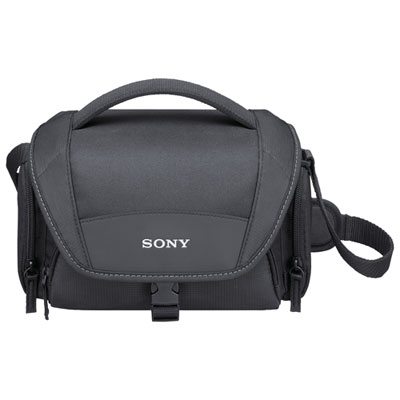
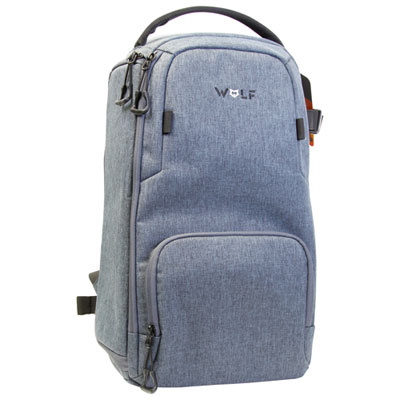
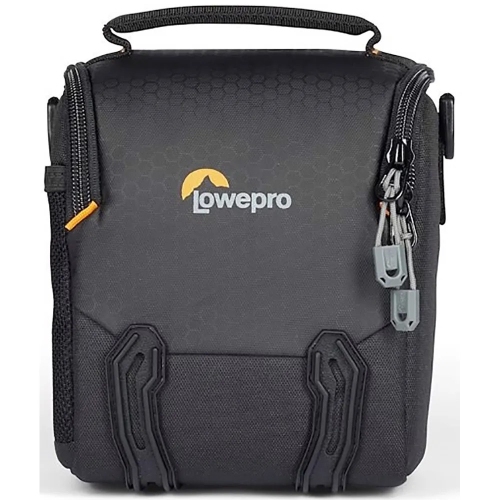
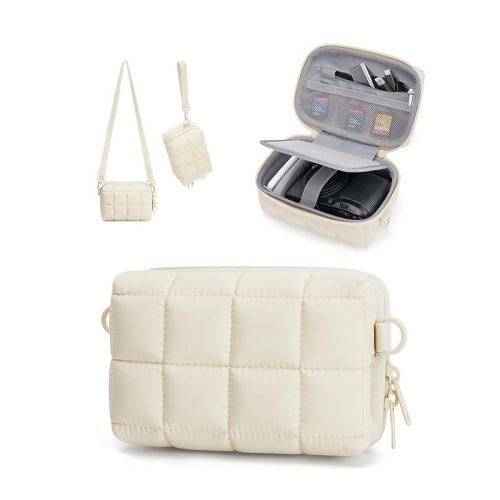





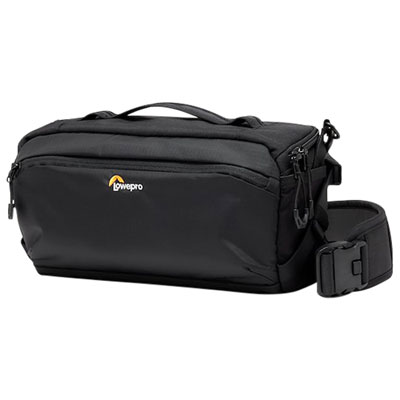
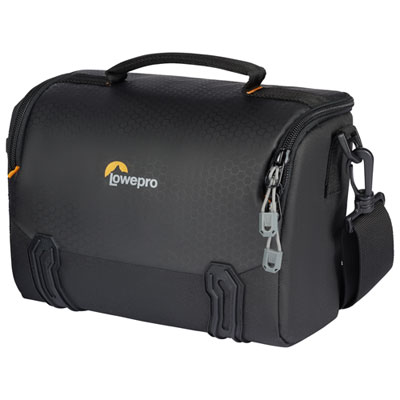
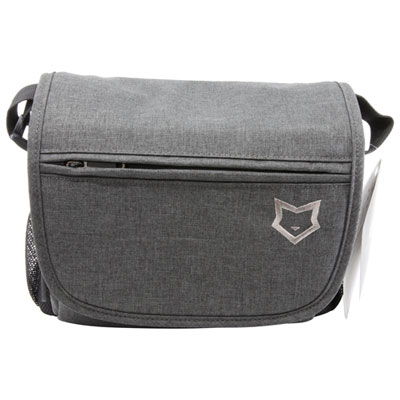
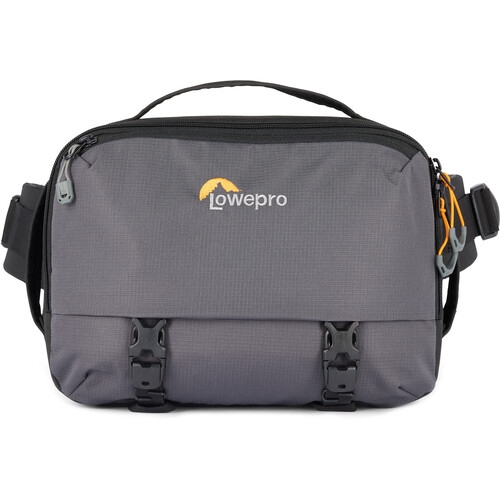
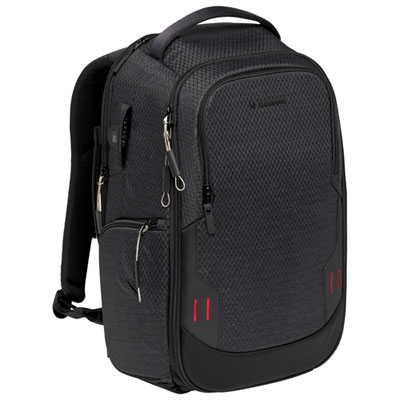
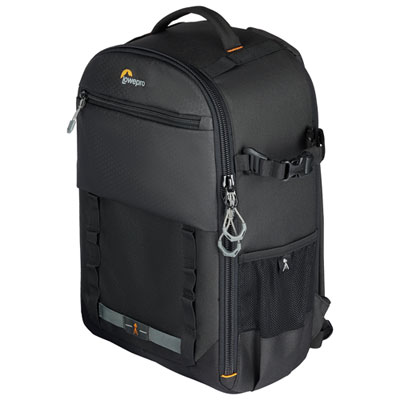
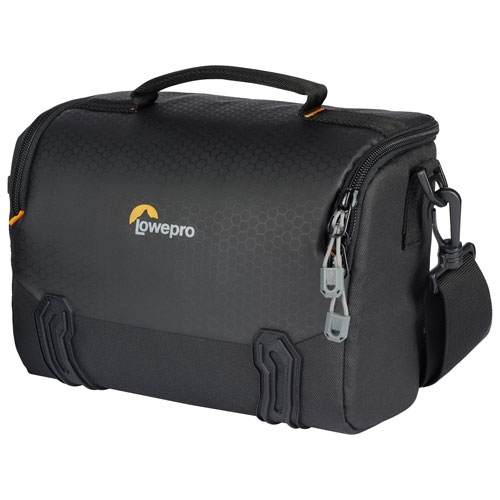
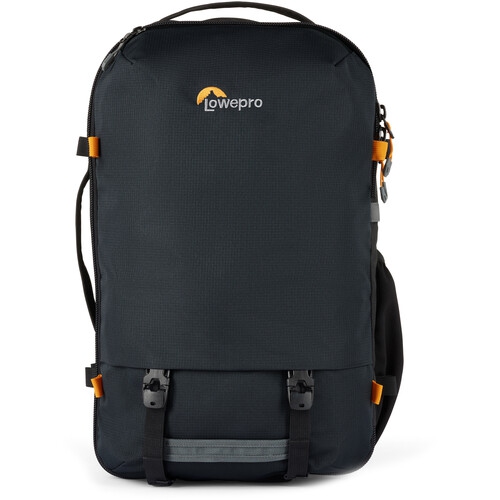

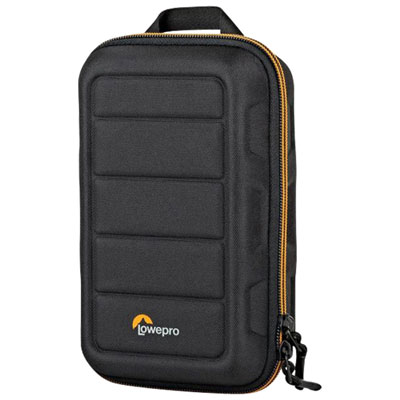

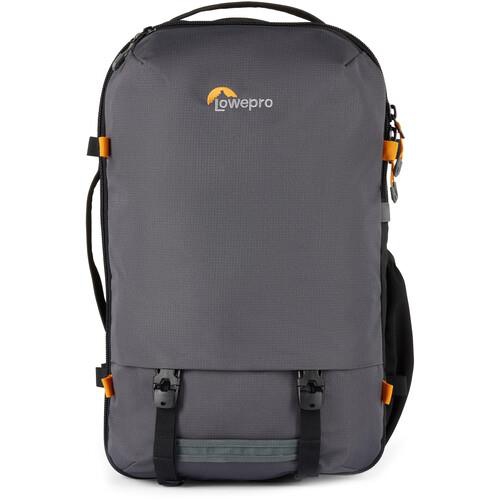
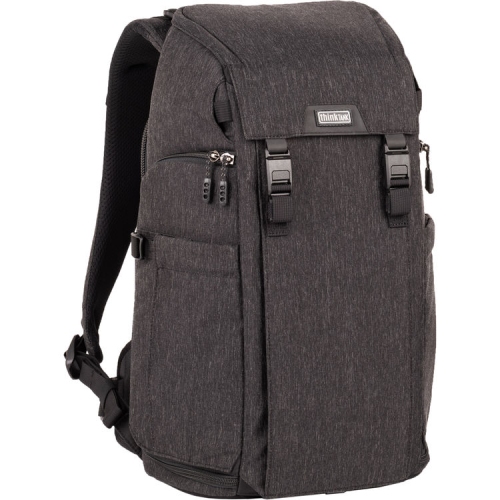
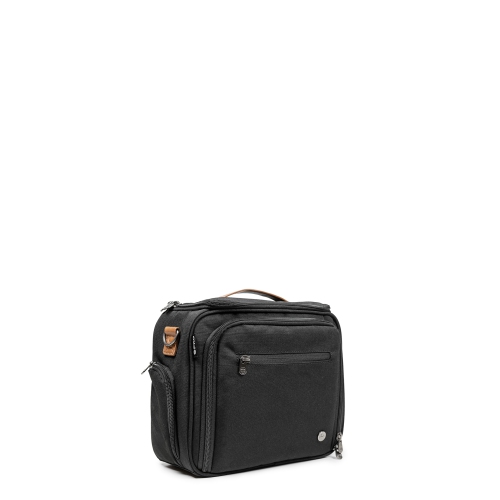



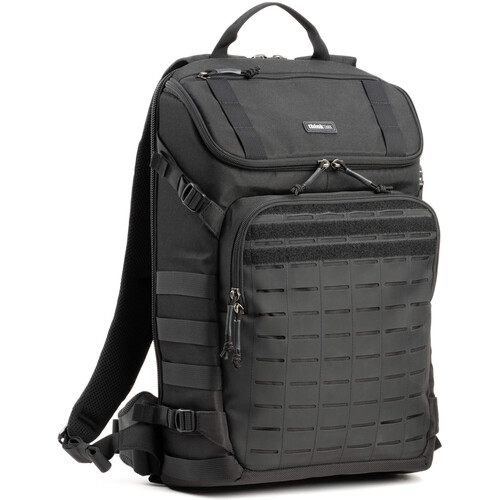
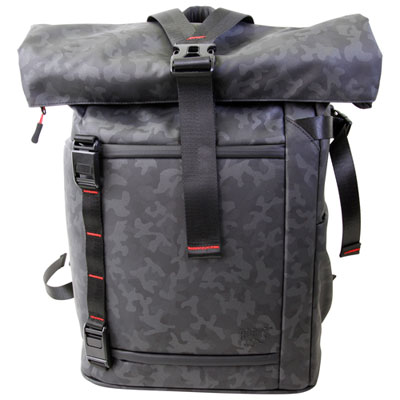
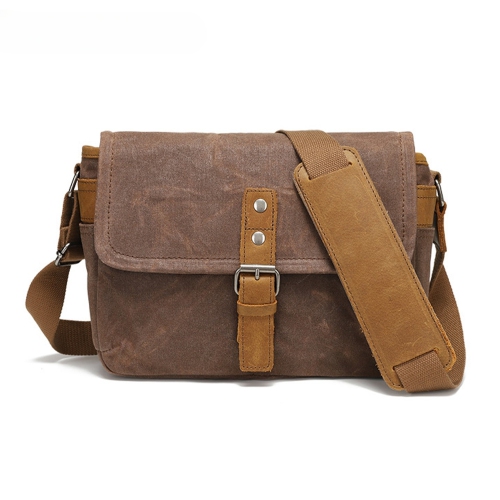
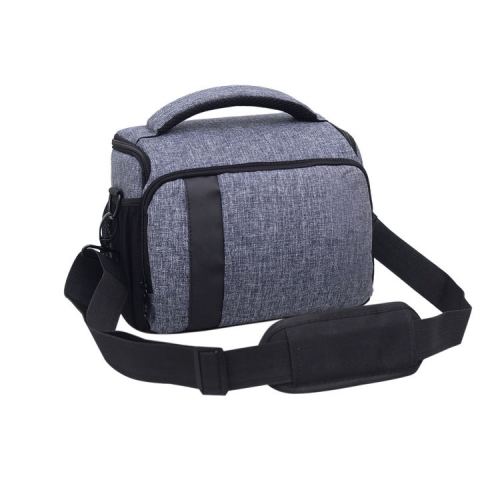


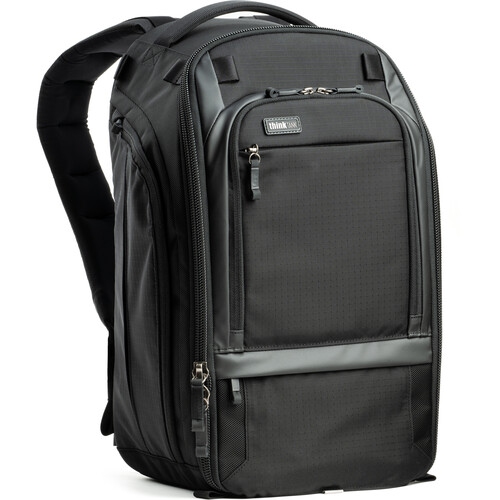
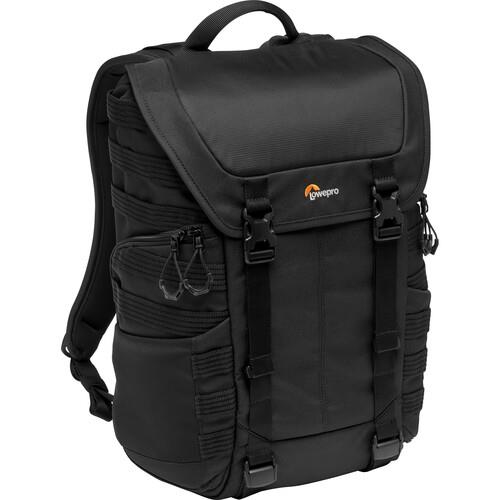
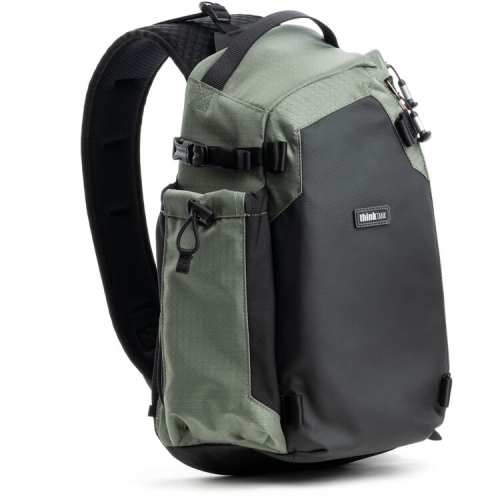
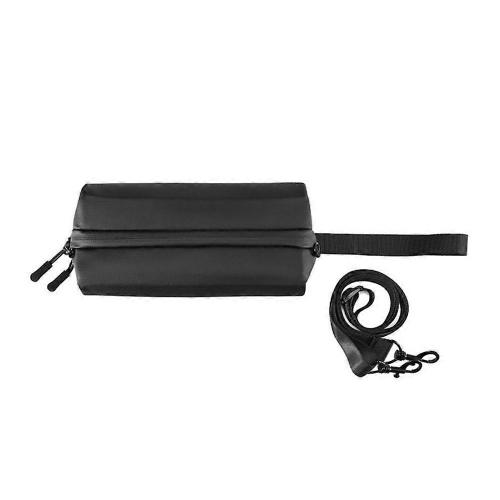
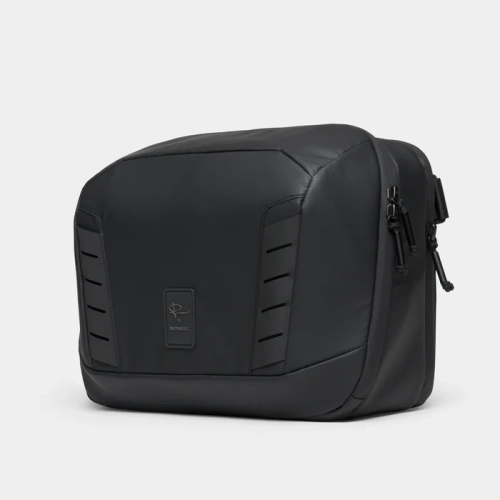
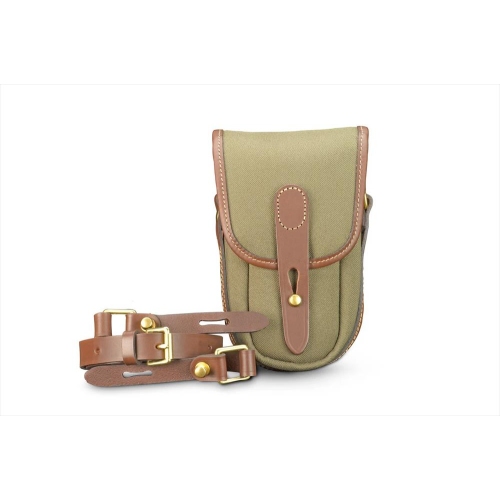
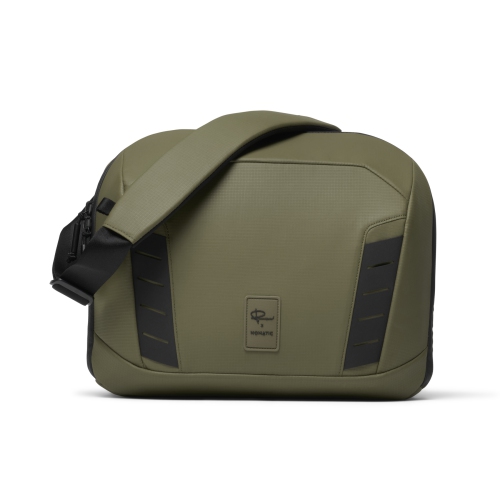
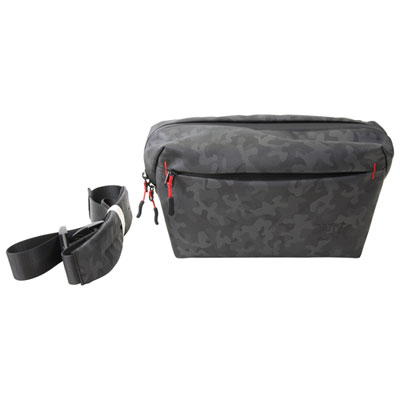
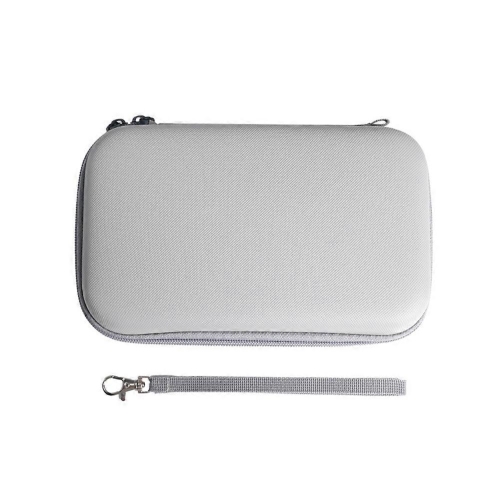

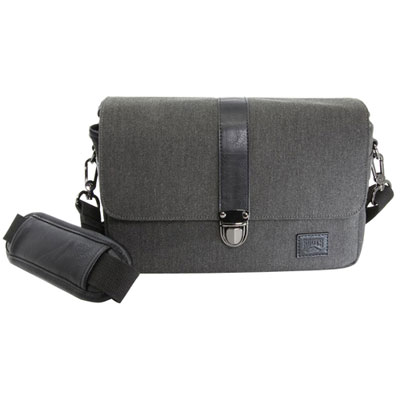
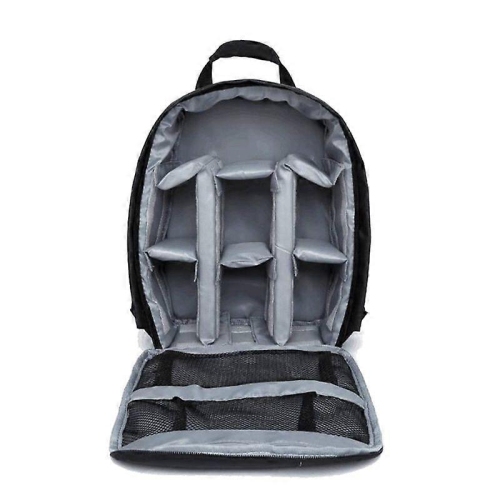
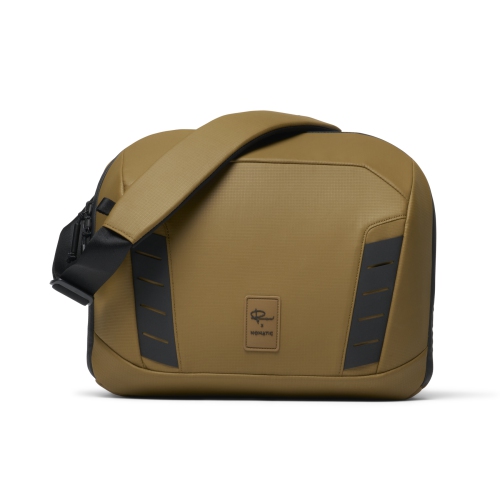


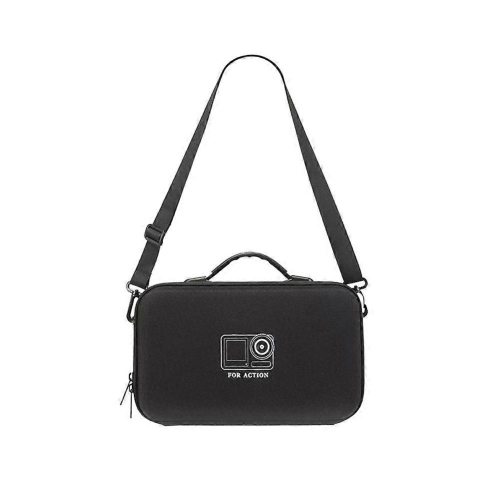
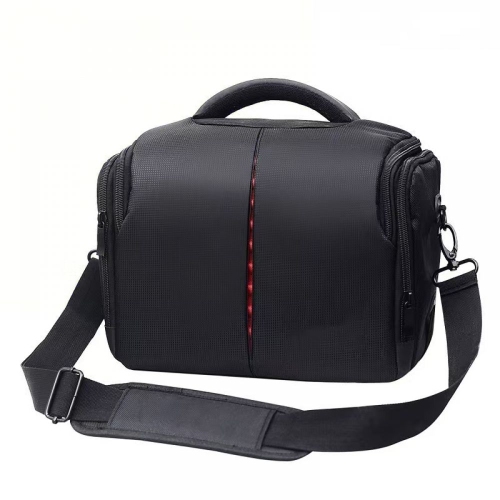
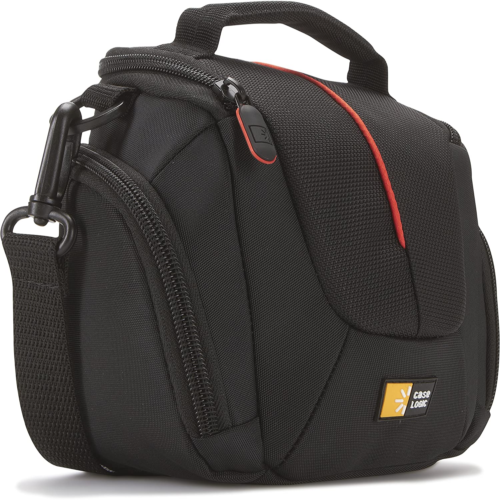
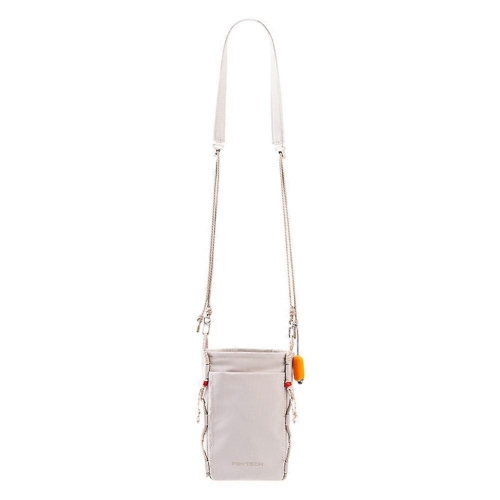
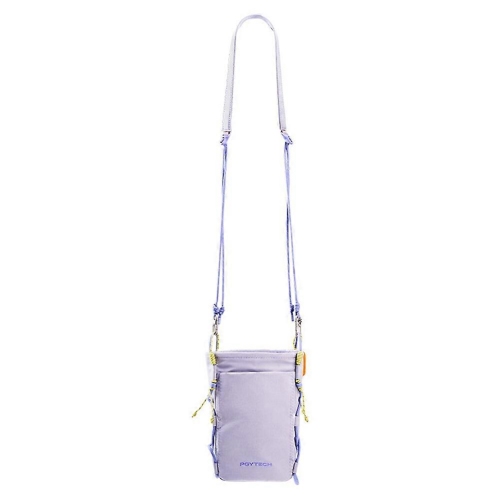
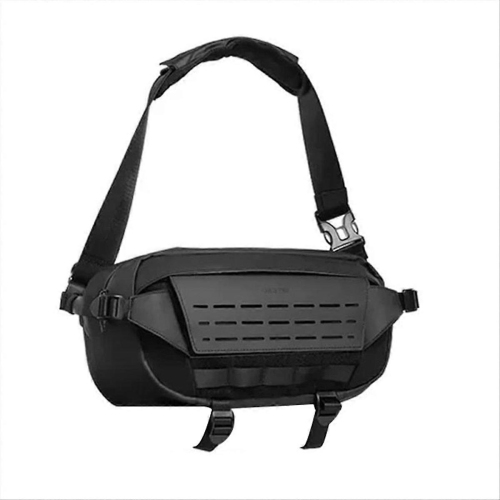
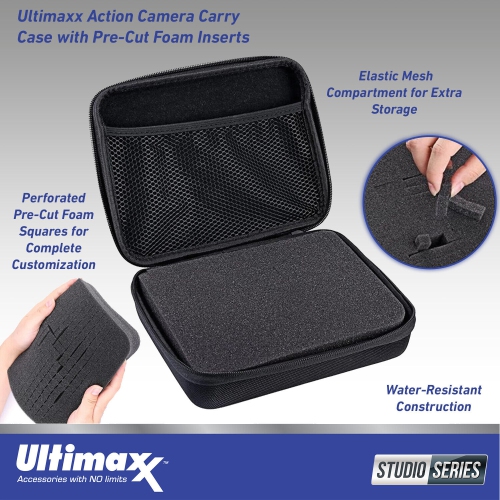
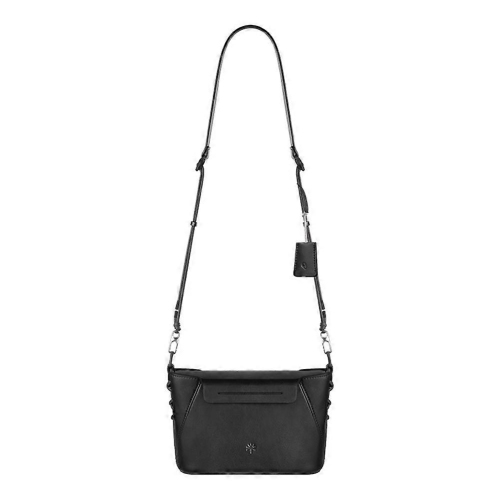
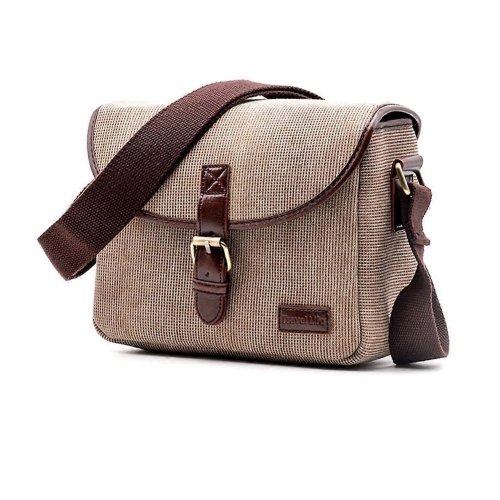
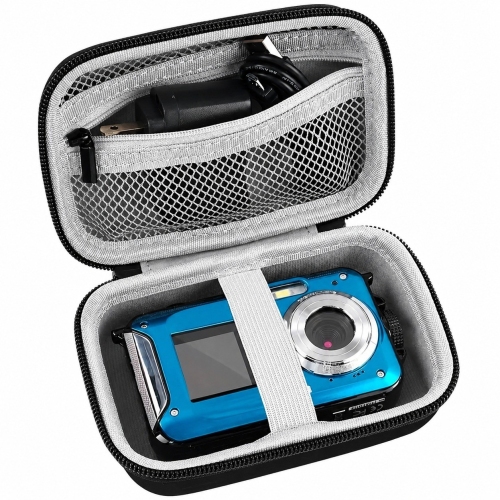
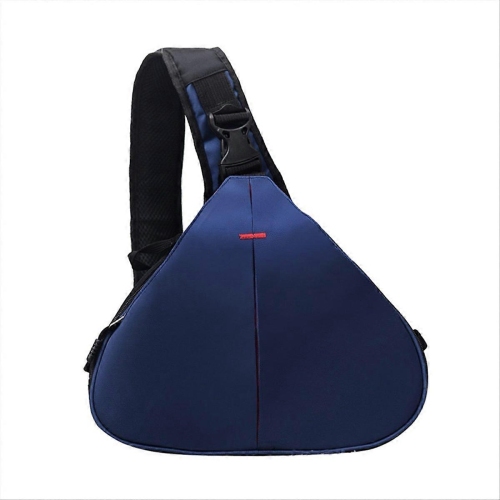
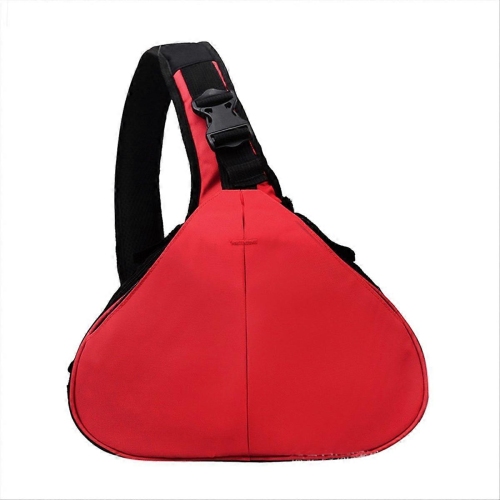
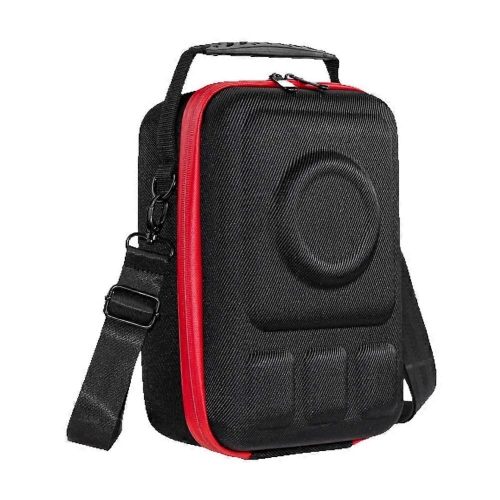
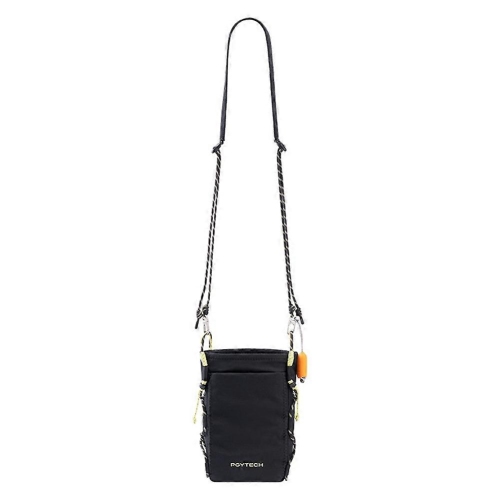
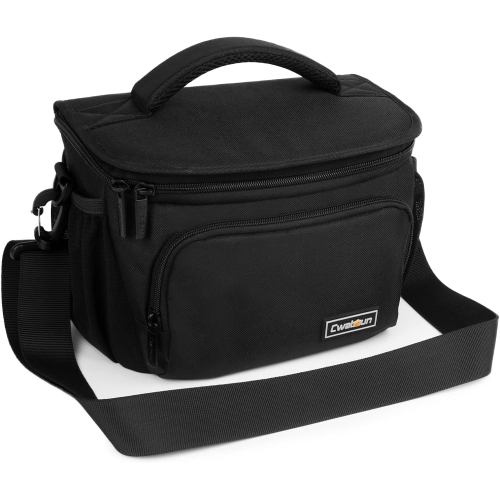
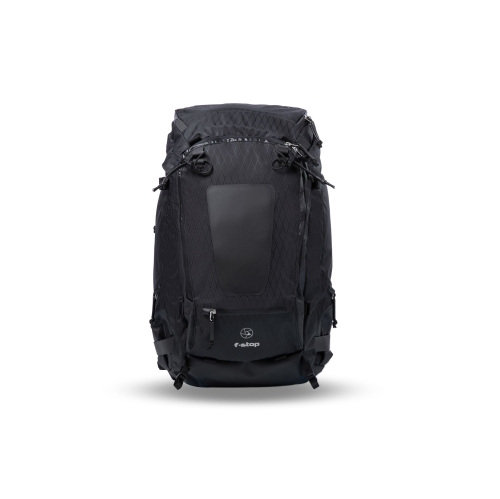



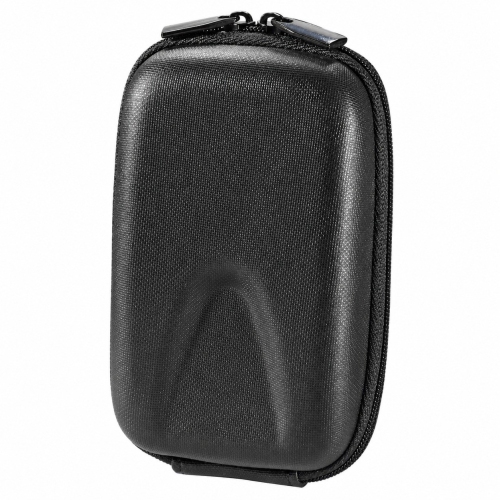
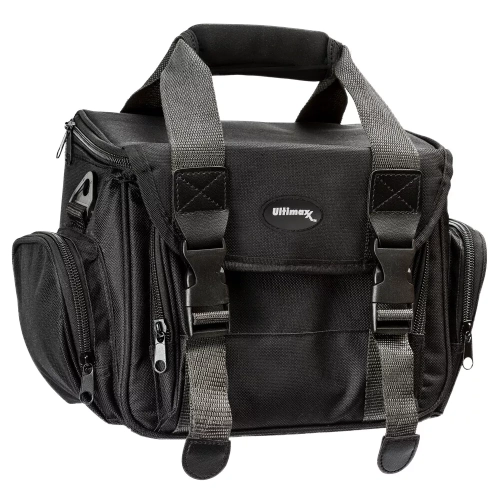
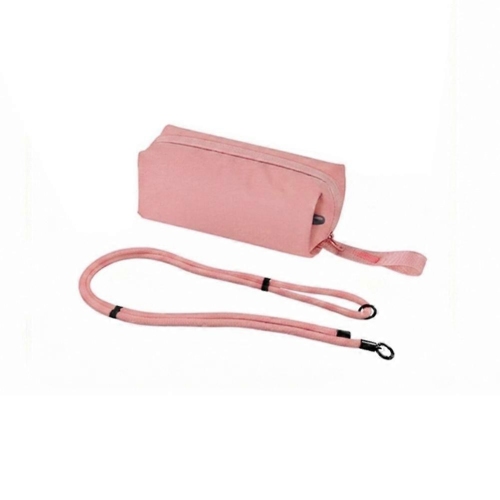
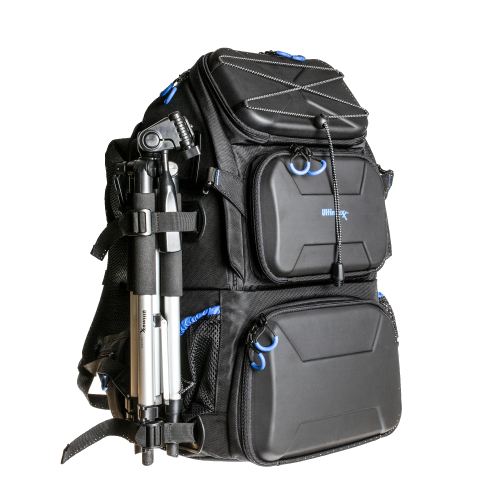

What to look for in a travel-ready camera bag
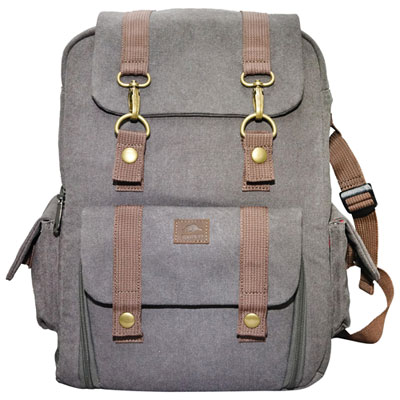
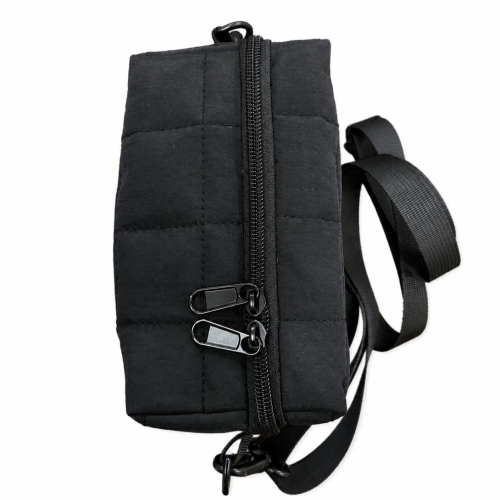
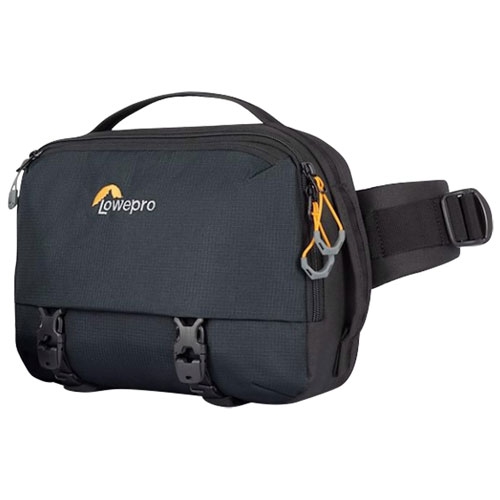
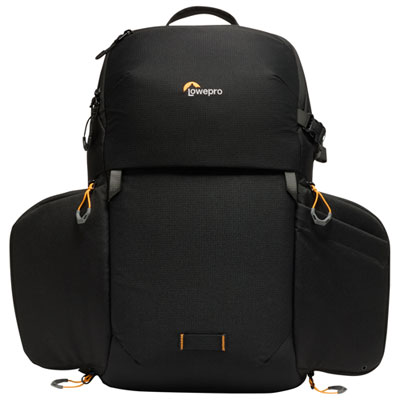
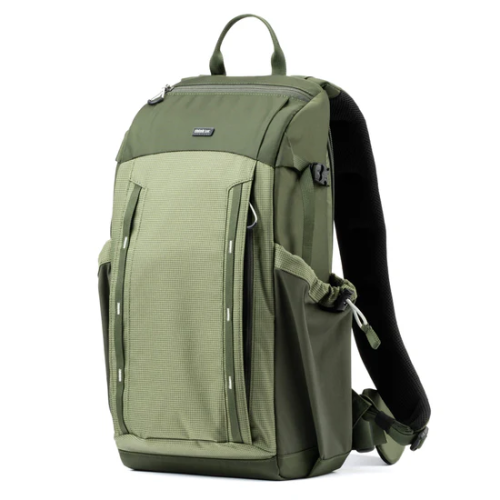
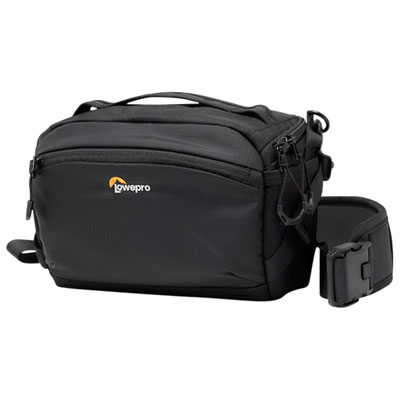
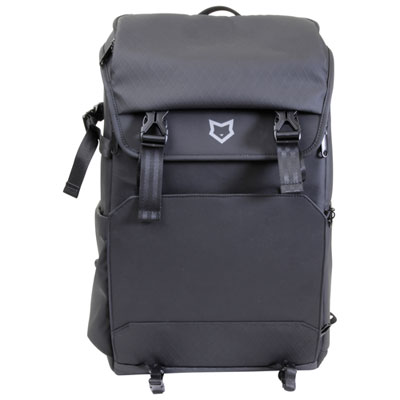
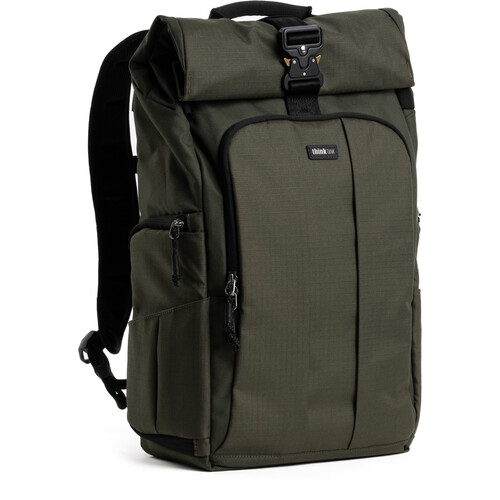
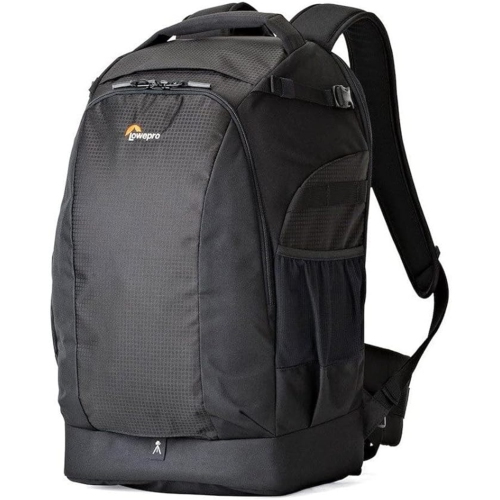
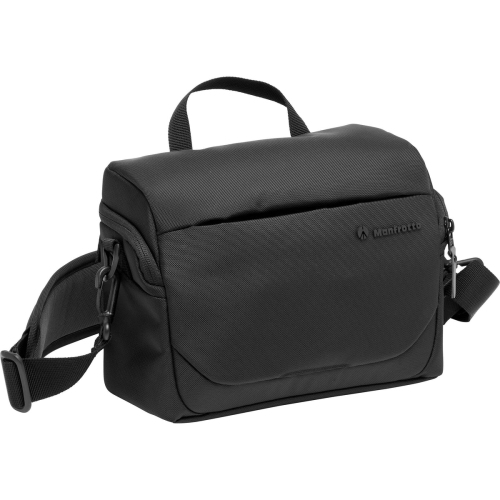
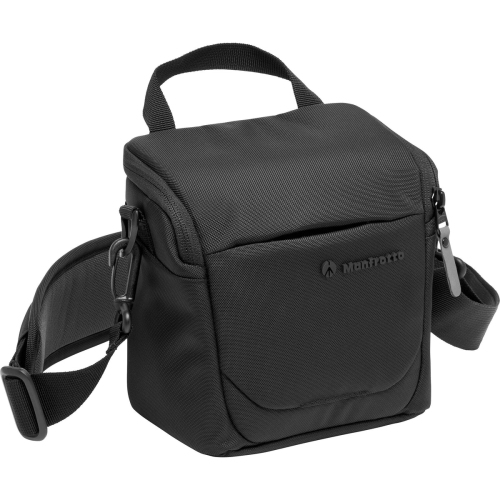
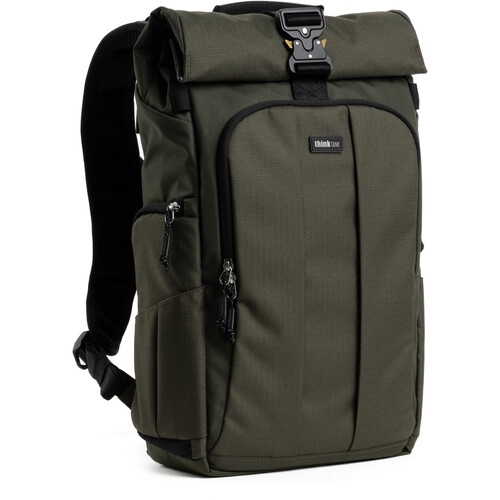
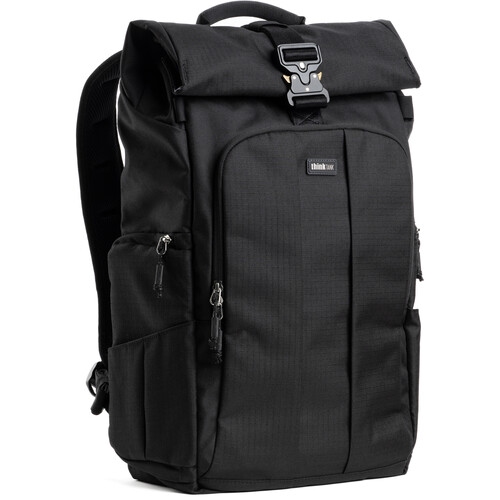
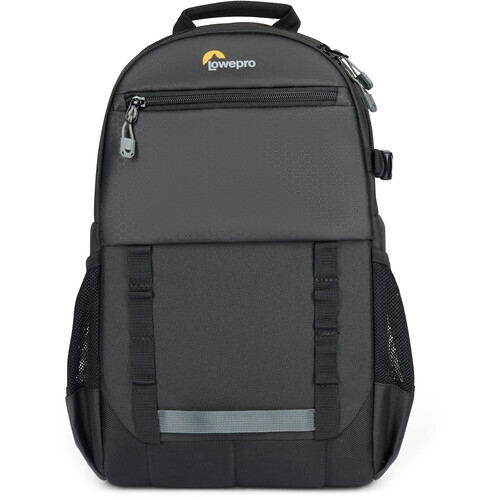
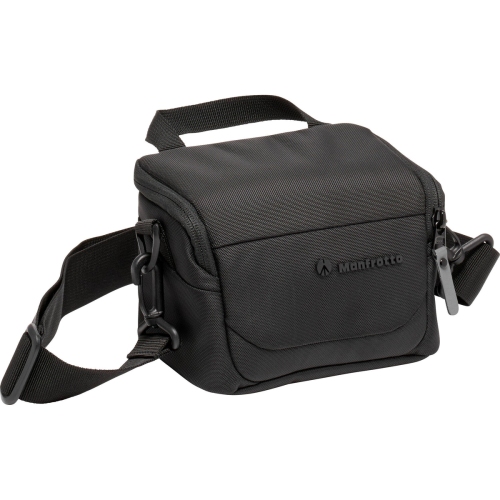
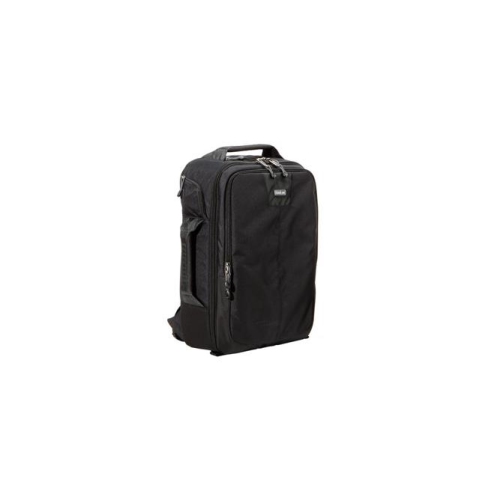
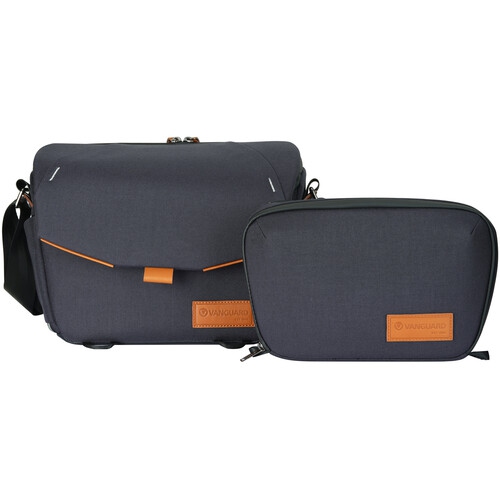
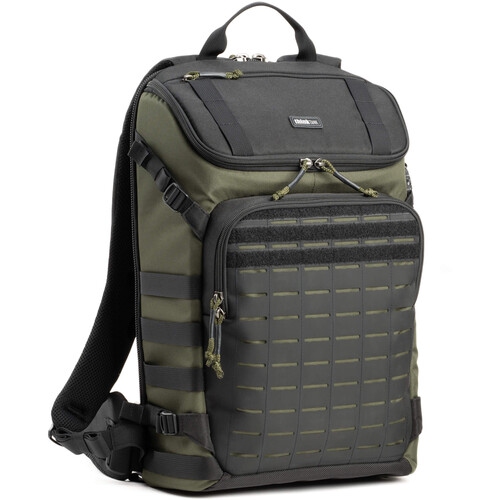
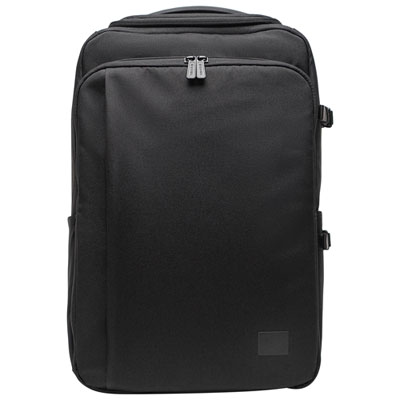
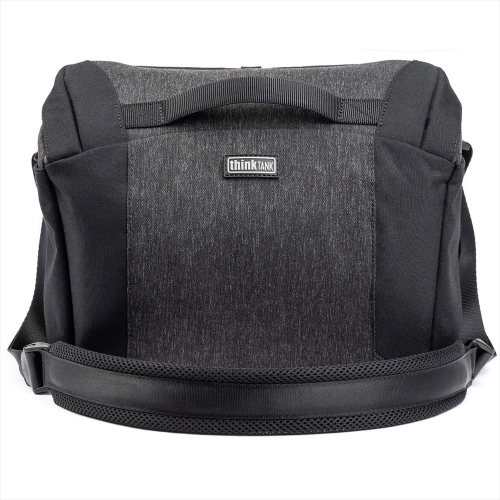
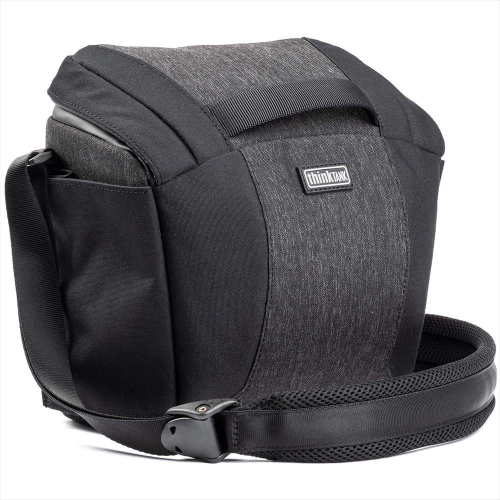
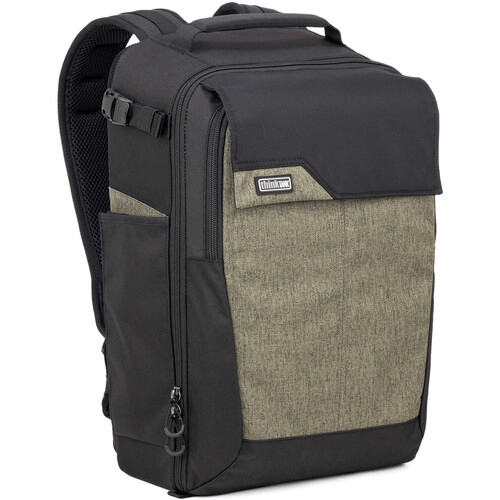
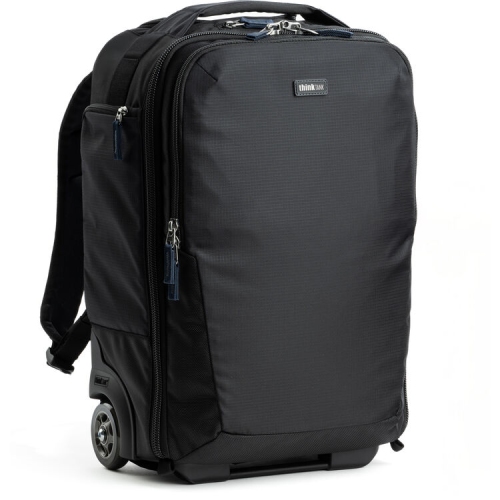
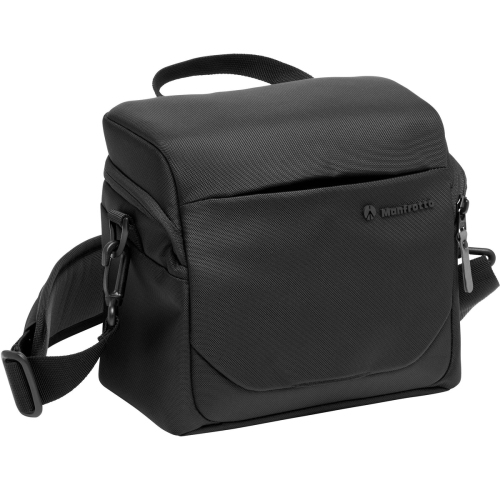
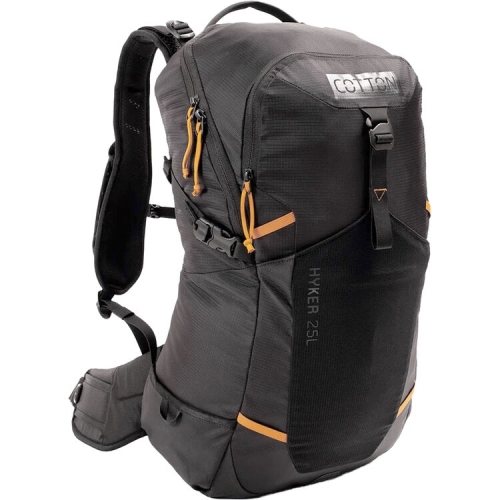
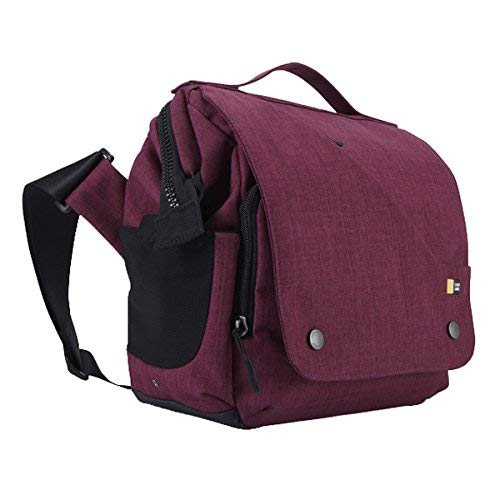
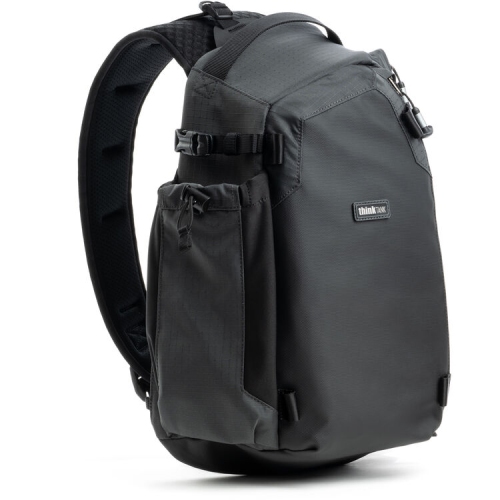
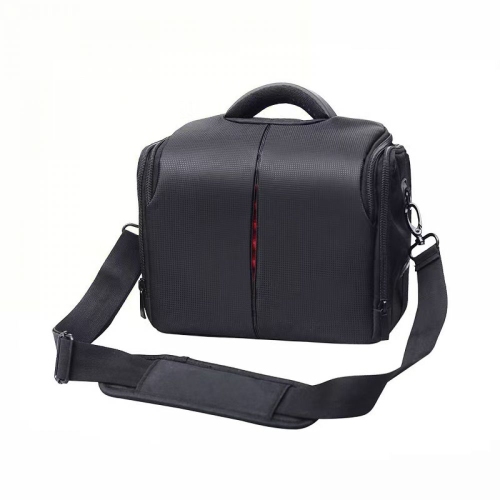
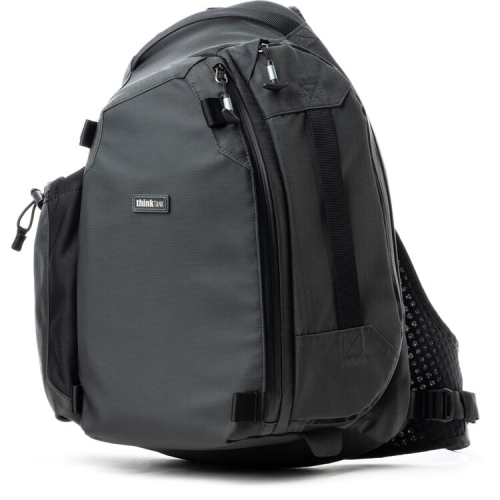
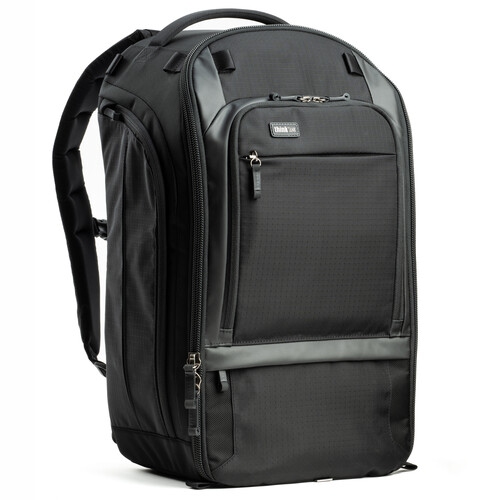
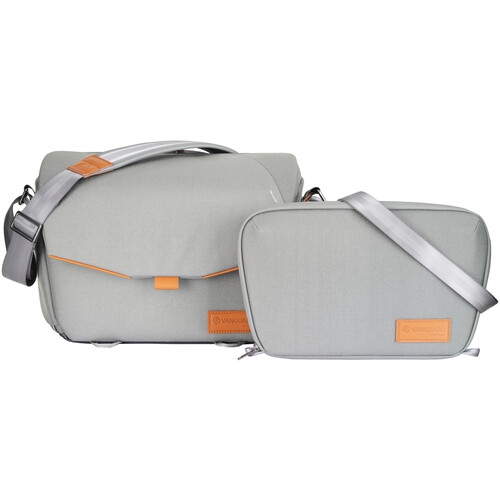
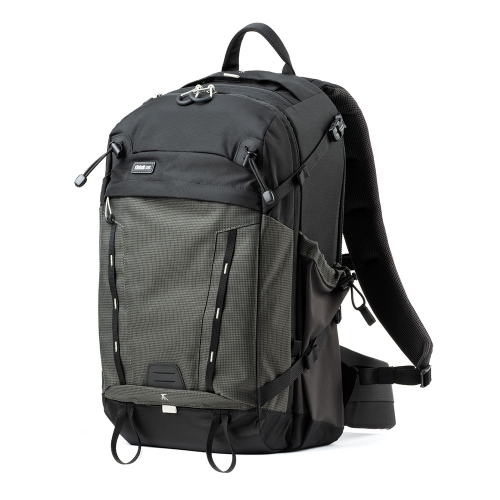
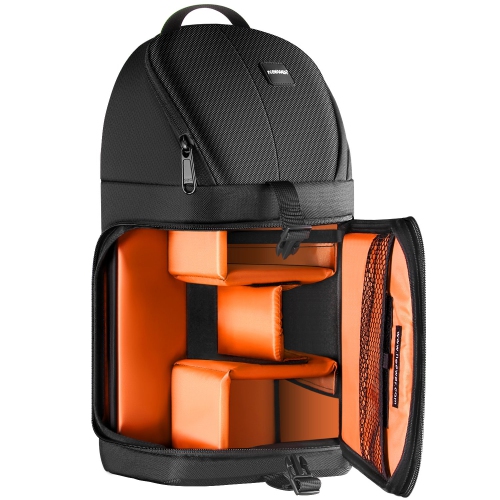
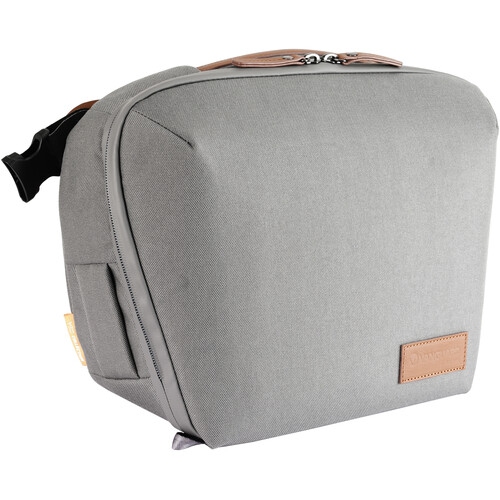
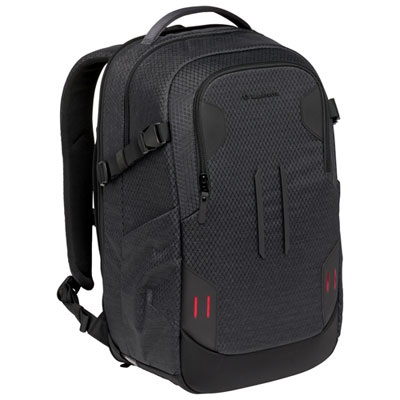
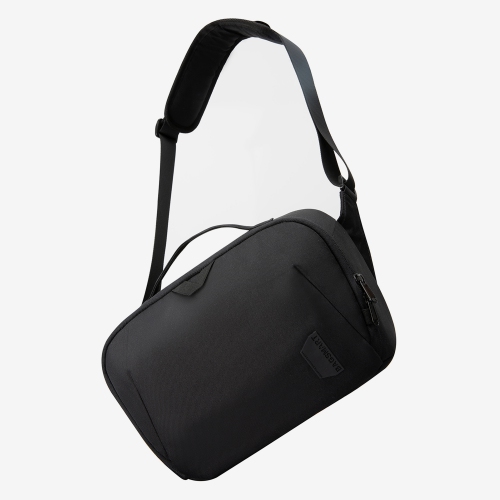
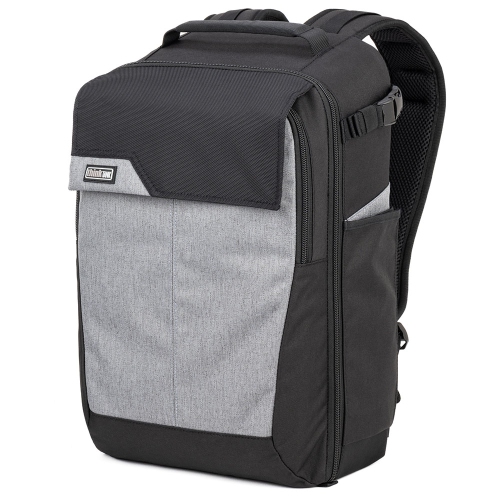
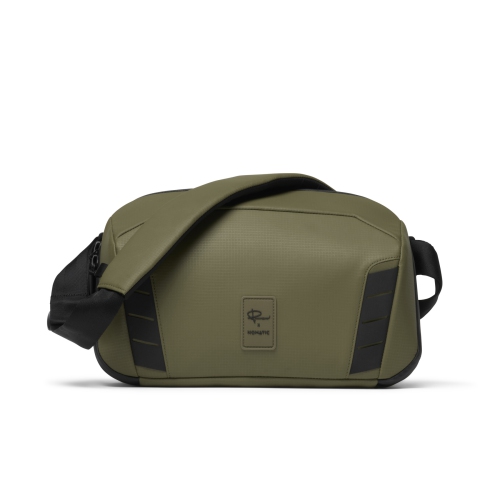
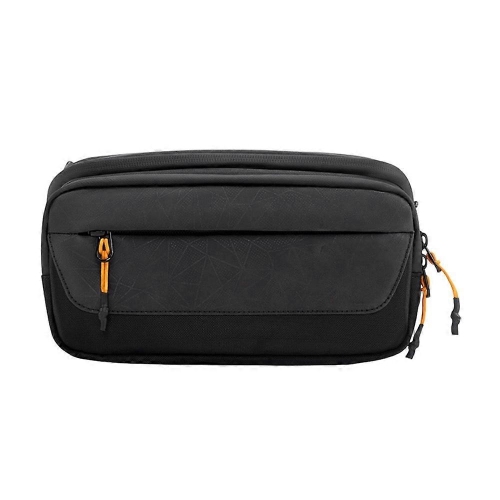
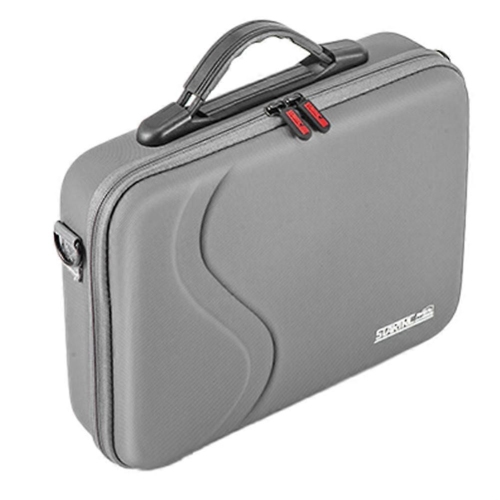
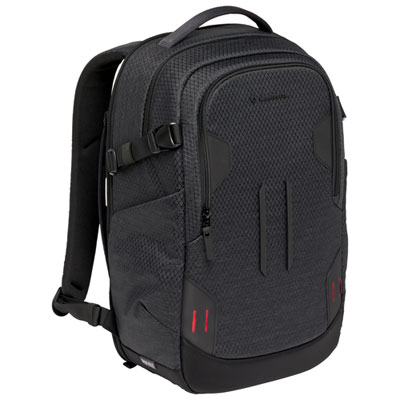
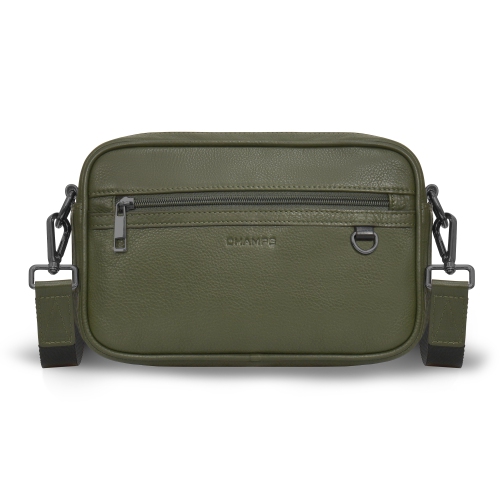
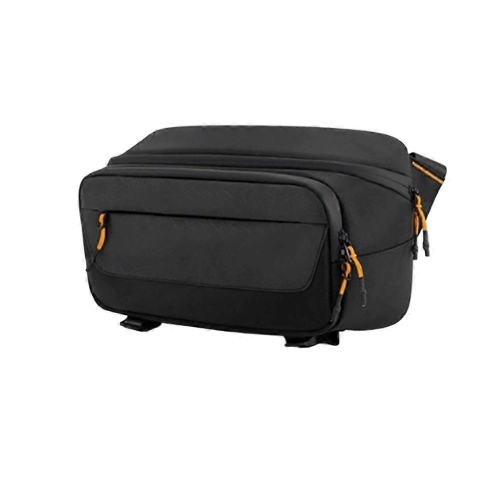
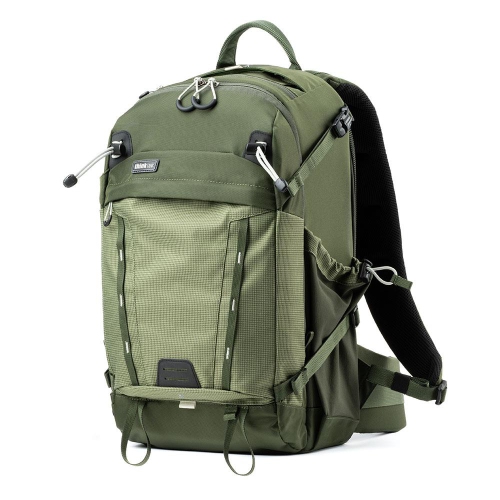
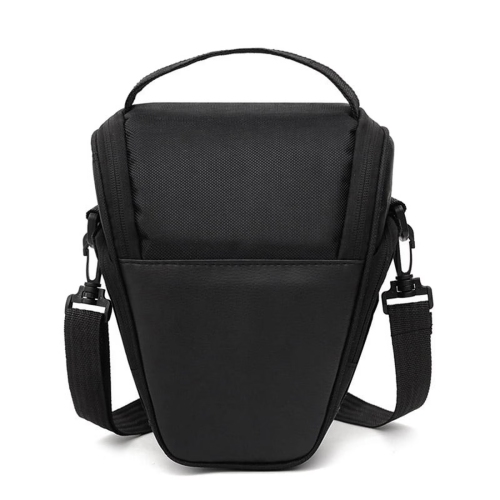
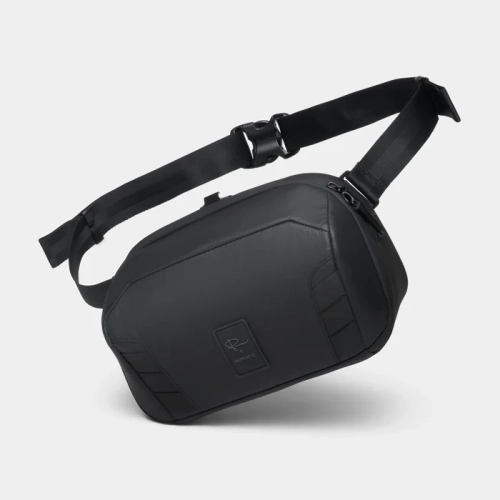
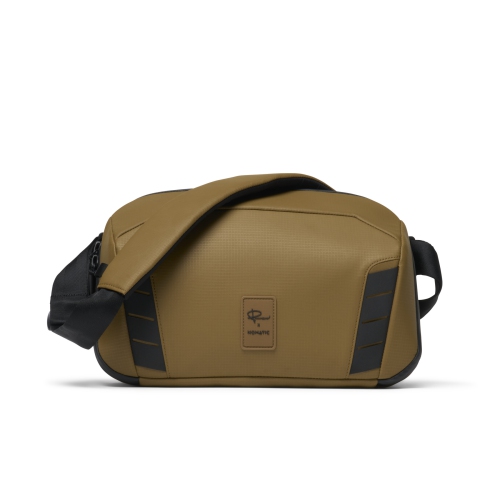
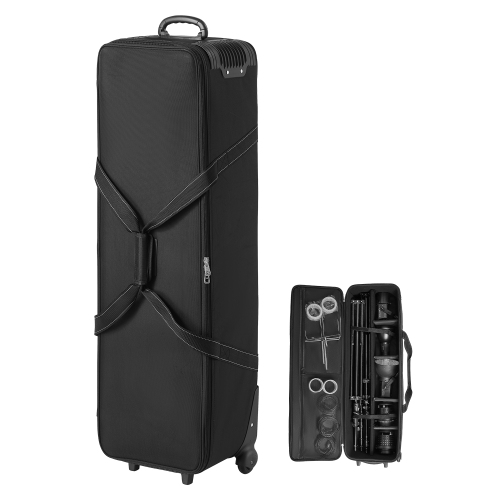
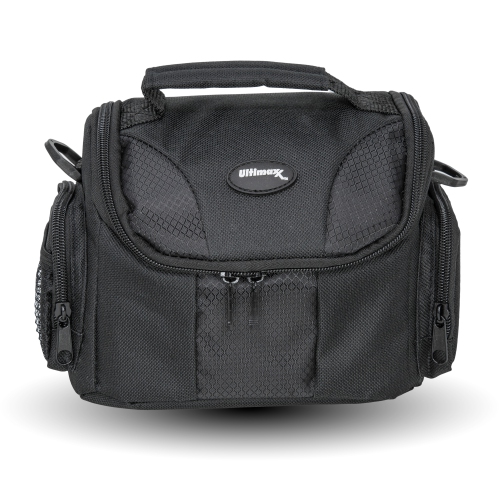
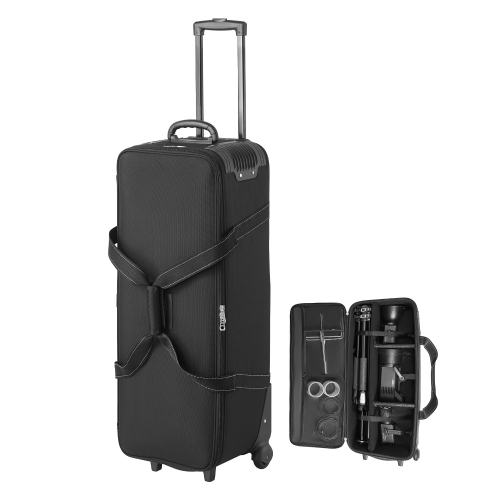
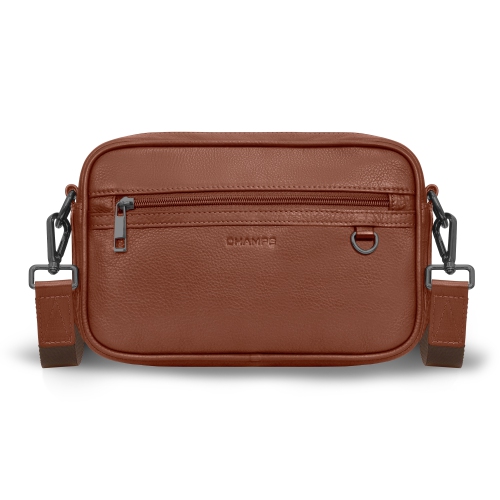
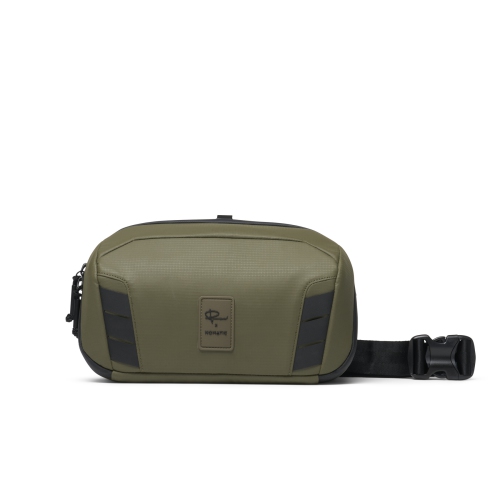
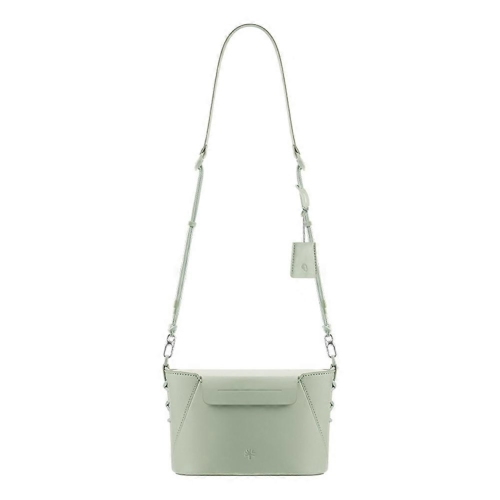
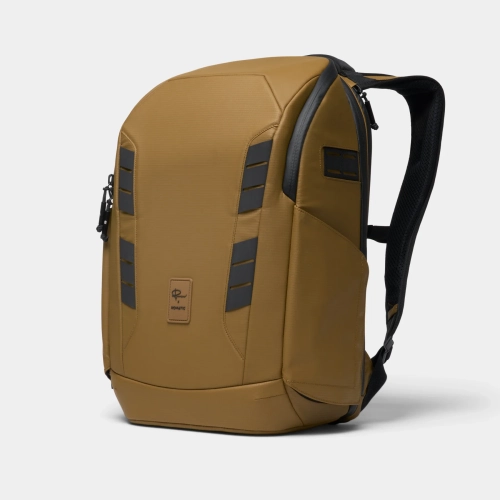
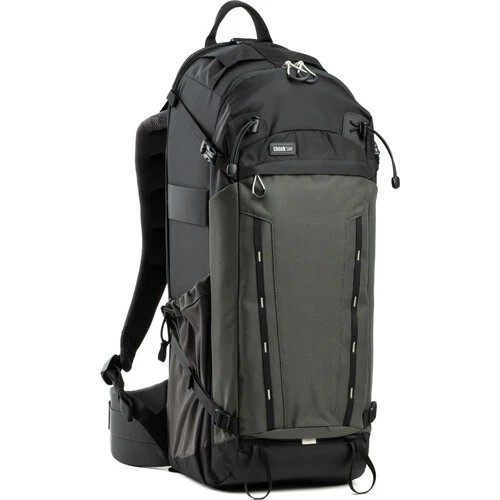
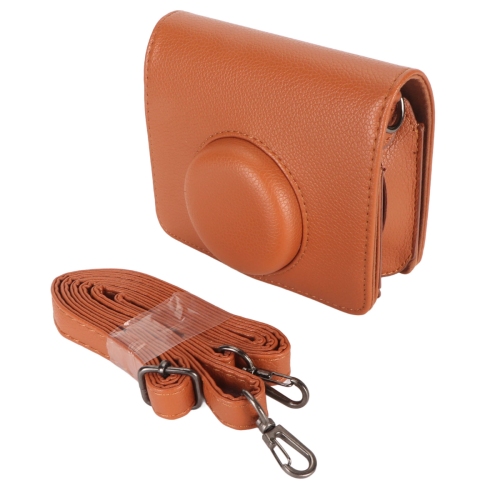
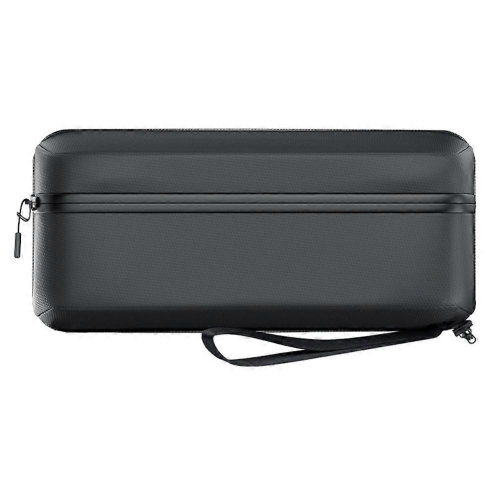
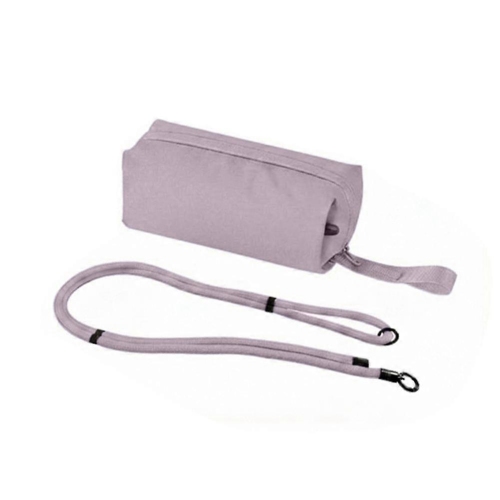
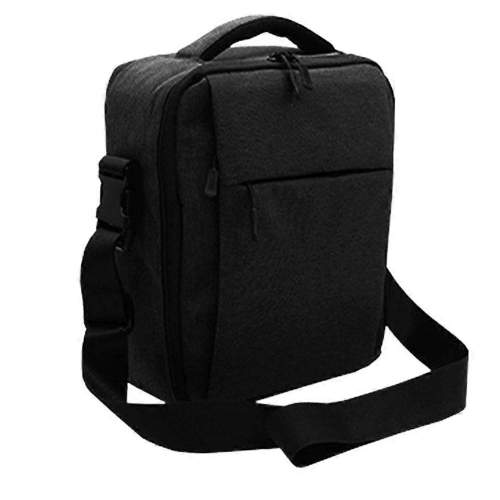
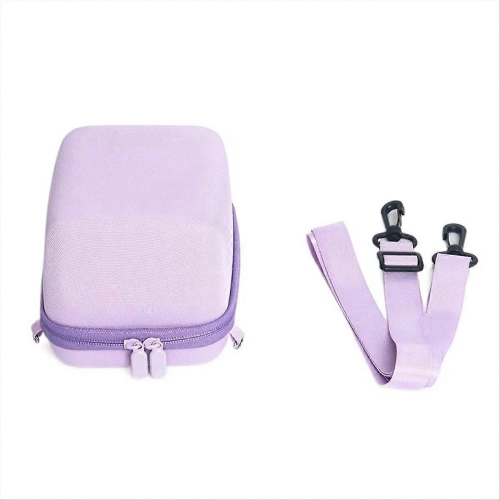
Lightweight camera bags for travel are designed to protect your equipment without adding unnecessary bulk to every step of a trip. A well-chosen bag can make a noticeable difference when you are walking between train platforms, exploring a busy market, climbing a viewpoint, or carrying your camera through an airport alongside your personal items. Look first at the bag’s empty weight, with options under 1 kg (2.2 lbs) often providing a useful balance between protection and portability. The lighter the bag is before you add a camera body, lenses, batteries, memory cards, and personal essentials, the more comfortable it will feel after several hours of sightseeing. Compact sling bags are often a practical match for a mirrorless camera with one or two lenses, while small backpacks can offer room for a larger kit, a water bottle, a light layer, and a tablet or laptop. The right shape depends on how you travel: a sling keeps your camera close and can rotate to the front for quick access, whereas a backpack spreads the load across both shoulders and can feel steadier during long walks. Travellers who prefer to keep both hands free may appreciate a backpack for navigating luggage, maps, or a child’s hand, while photographers who take spontaneous street scenes may favour a crossbody design that allows fast, one-handed access. For a broader selection of compact equipment to carry in your new bag, explore Lightweight Travel Cameras.
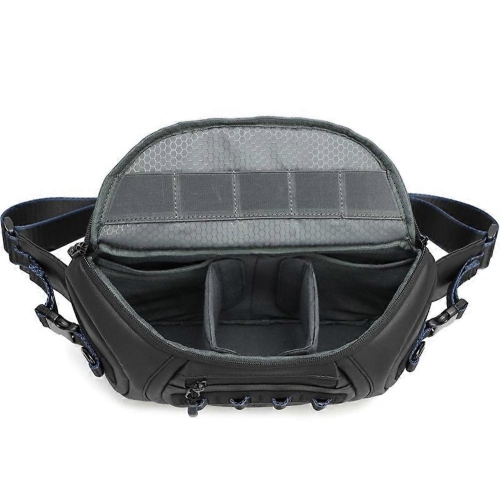
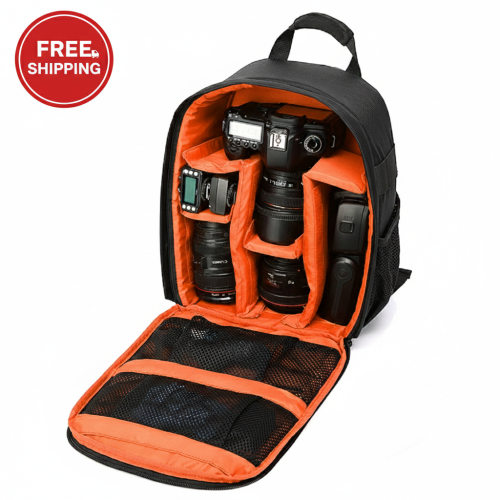
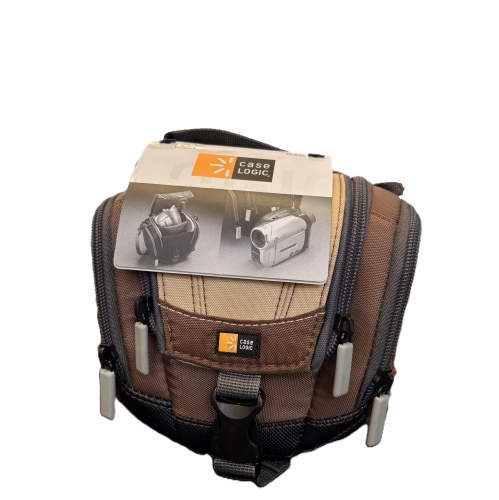
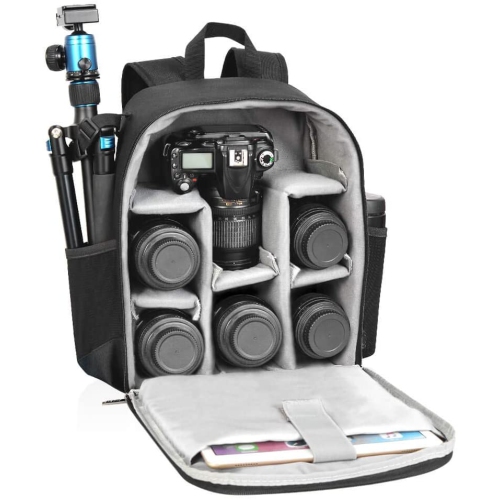
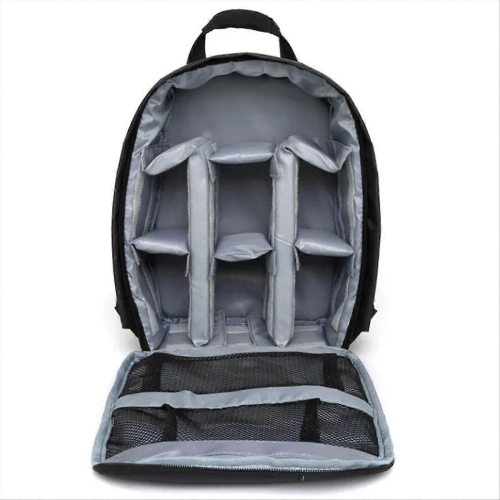
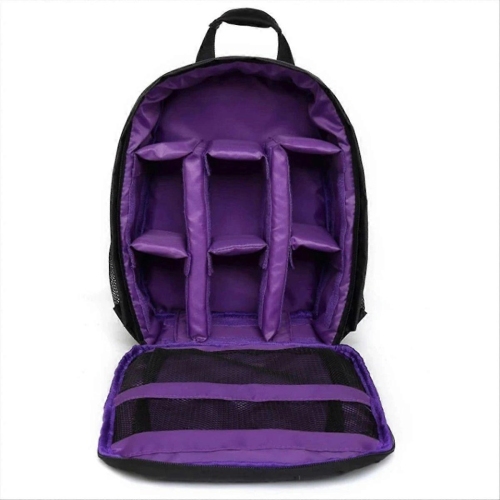
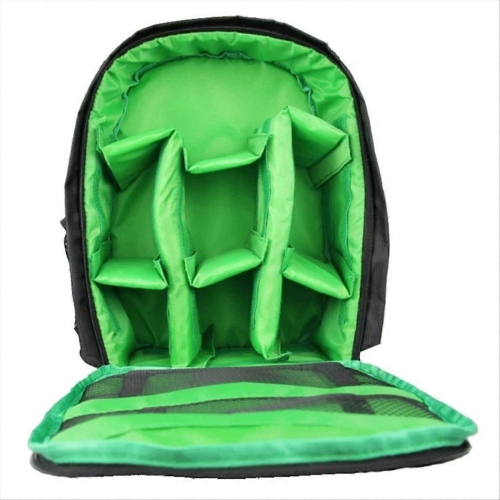
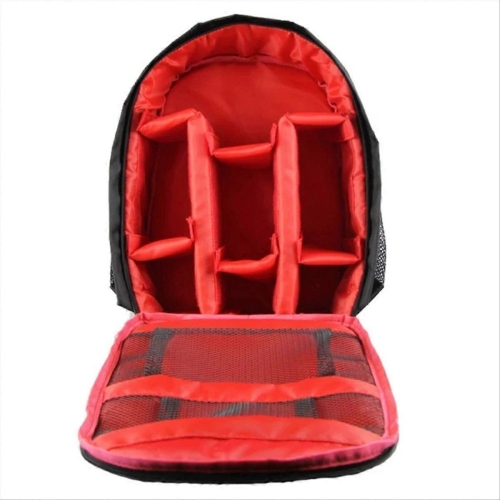
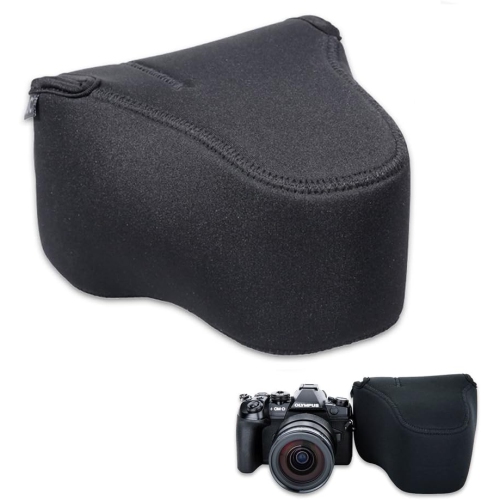
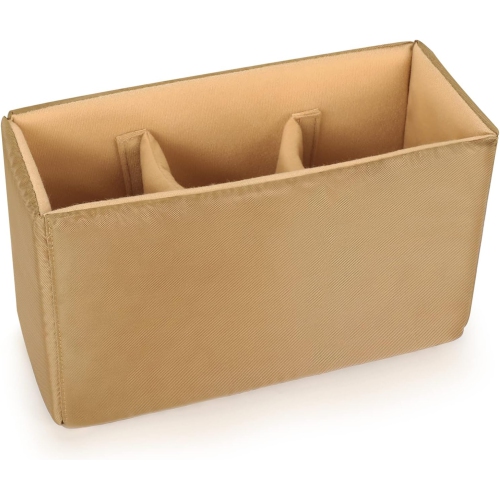
Protection and access are equally important when comparing lightweight camera bags. Look for padded compartments with adjustable dividers so a camera body and lenses remain separated instead of knocking together as you move. Flexible dividers are especially helpful when your kit changes from one outing to the next; you might carry a wide-angle lens for architecture one day, then switch to a telephoto lens for wildlife or a family event. A reinforced base can help protect your gear when the bag is placed beside a café chair or on a station floor, while a structured front panel can add resistance against everyday bumps. Side-opening or rear-opening compartments make it easier to reach your camera without unpacking the entire bag. Side access is convenient when the bag is swung around to the front, and rear access can provide an extra layer of security in crowded areas. Exterior pockets are useful for batteries, charging cables, passports, and snacks, but avoid placing loose items in the main camera compartment where they can press against delicate controls or screens. Weather-resistant fabric, coated nylon, durable woven materials, water-repellent zippers, and an included rain cover can help protect your kit during an unexpected shower or damp walk. No soft-sided bag should be treated as waterproof unless the manufacturer clearly states that it is, so consider how often you will be travelling near water, through wet streets, or during the cooler months when rain and slush may be part of the journey. A comfortable strap or harness matters just as much as the compartment layout. Padded shoulder straps, breathable back panels, adjustable sternum straps, and wide waist belts can reduce pressure when the bag is carried for hours. Before choosing a size, measure the camera body and longest lens together, then leave room for the items you will realistically bring rather than selecting a bag based only on its maximum capacity.
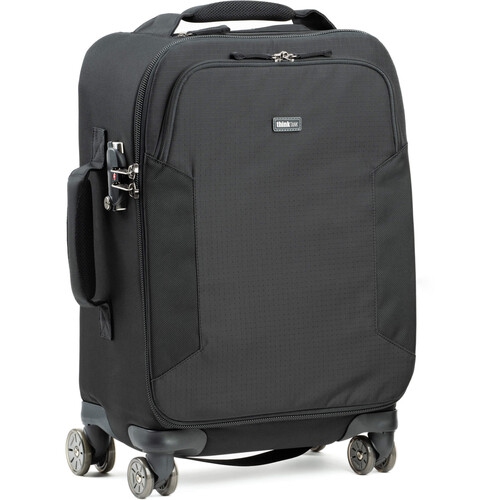
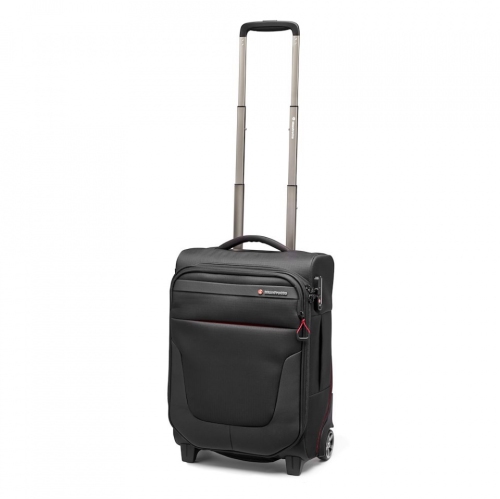
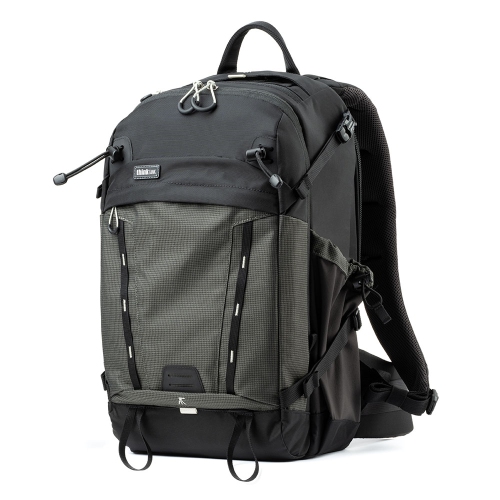
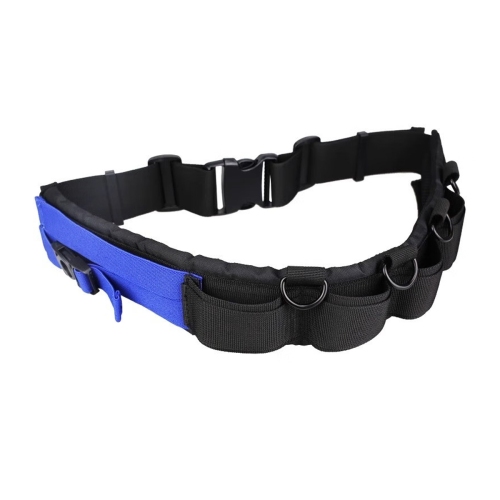
These bags suit a wide range of travellers, from first-time photographers documenting a weekend away to experienced creators carrying a carefully selected kit across several destinations. A compact sling can be a thoughtful gift for someone who has recently purchased a mirrorless camera and wants a more convenient way to carry it than a general-purpose backpack. A lightweight daypack may be better for a parent photographing family trips, a student commuting with a camera and tablet, or a traveller who wants space for personal items without bringing a separate bag. Frequent flyers may value a low-profile design that fits beneath a seat or inside a larger carry-on, while urban photographers may prefer a discreet exterior that does not draw attention to expensive equipment. Consider how the bag will be used on a typical day: a short city walk calls for quick access and a streamlined profile, while a full day on trails or at an outdoor attraction may require room for extra layers, water, a small tripod, and food. A tripod attachment, luggage pass-through sleeve, padded tablet compartment, and lockable or tuck-away zippers can add convenience without making the bag feel oversized. It is also worth checking whether the dividers can be removed, since a camera bag that converts into a regular day bag can remain useful between trips. Pack the heaviest item close to your back, keep spare batteries in a protected pocket, and avoid overfilling the compartments until the zippers strain. When the fit is right, a lightweight camera bag becomes part of the travel routine rather than another burden: it keeps equipment organised, makes changing lenses less awkward, and lets you focus on the details that make a place memorable, from warm light on an old building to a candid moment shared along the way.
Top selling and popular products
-
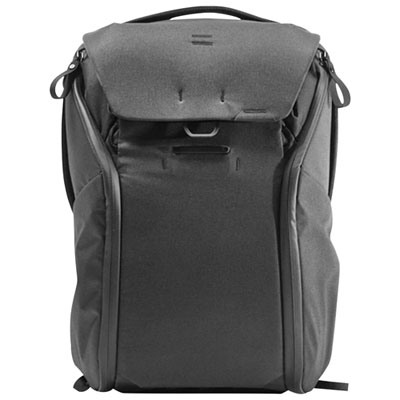 Your price for this item is $389.97
-
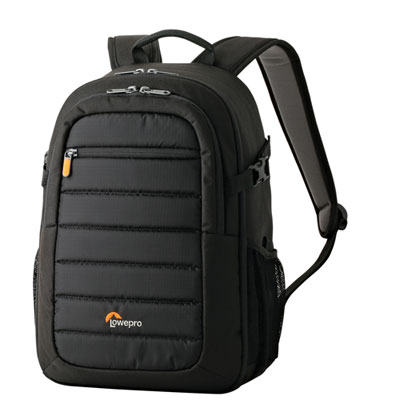 Your price for this item is $98.98
-
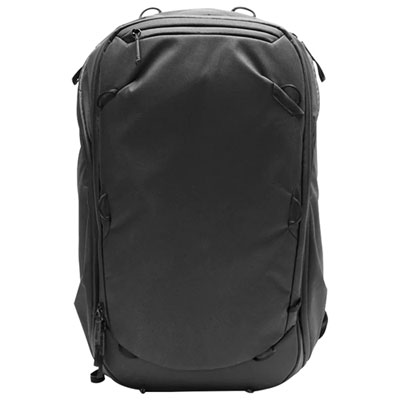 Your price for this item is $399.97
-
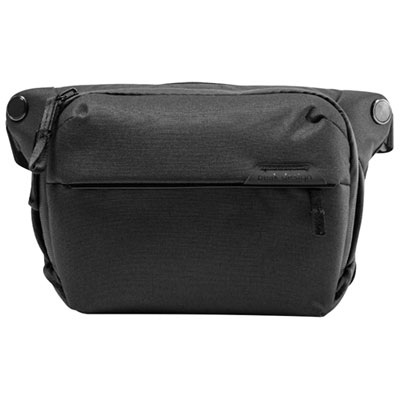 Your price for this item is $139.99
-
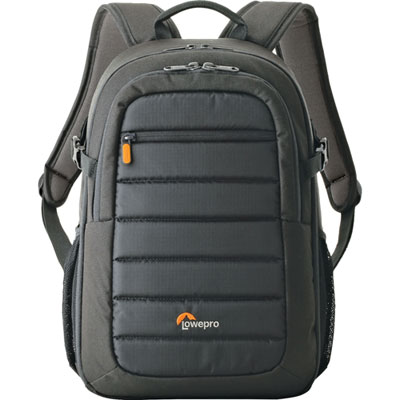 Your price for this item is $134.99
-
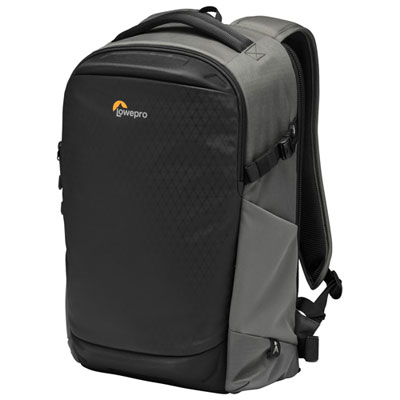 Your price for this item is $229.99
-
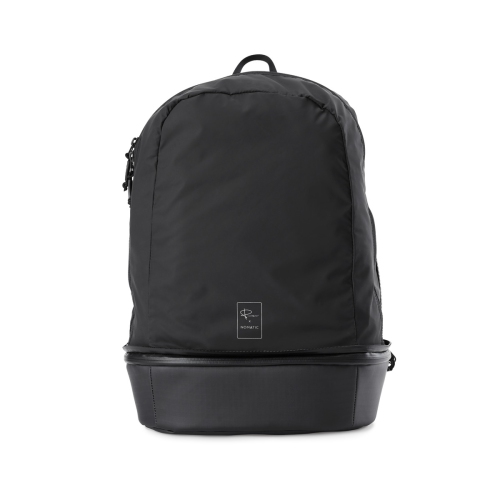 Your price for this item is $179.99
-
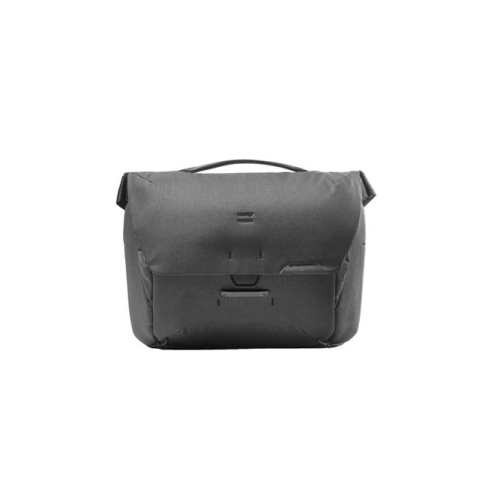 Your price for this item is $349
Discover more categories related to Lightweight Camera Bags for Travel
Top Collections:
Pokemon Centers, Best Cameras for Sports Photography, Kindle Devices, Samsung Galaxy Phones, Canon G7X Cameras, Pokémon 30th Celebration Cards, Refurbished Apple Laptops, iPhone 15 Apple, Laptops for Students, Budget Smartphones
Some products may be subject to Environmental Handling Fees
(EHF) depending on your province.
Learn more about EHFs.