Small DSLR Camera Bags for Travel
If you're a photographer who travels, you know the importance of a good bag. You need something that can hold all your gear and still look good. You want something that's comfortable to carry, but also has enough room for all your stuff. And you want something that will protect your gear from the bumps and bruises of travel. Here are some great camera bags for small DSLR cameras.
Sort
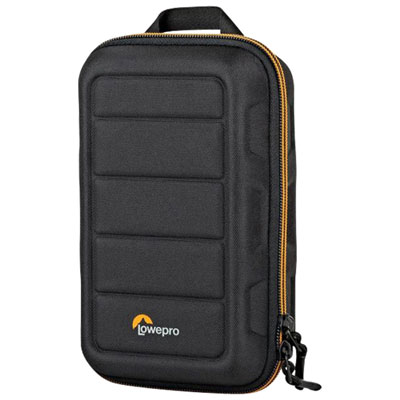
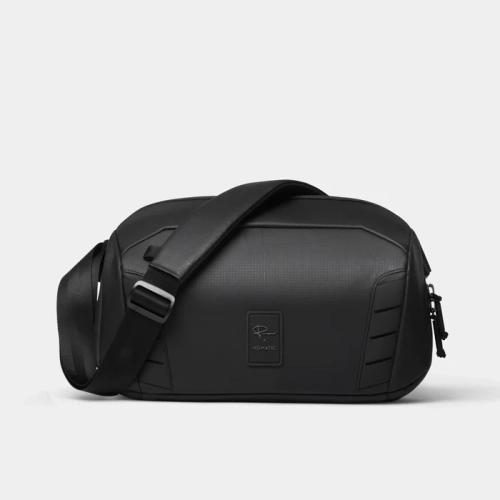
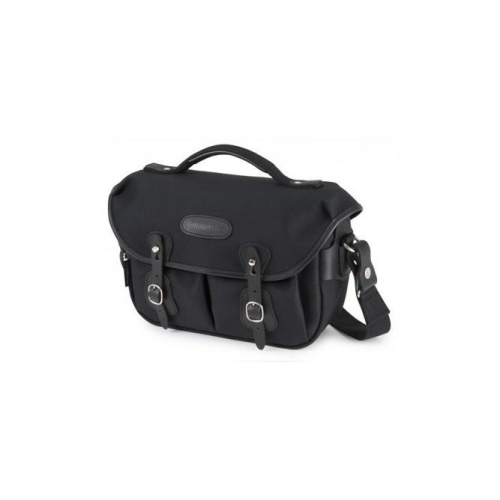
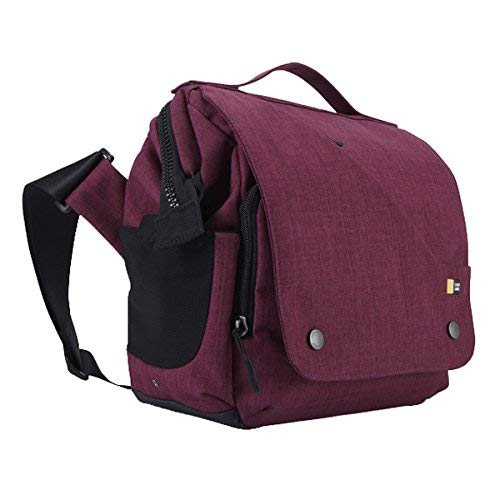
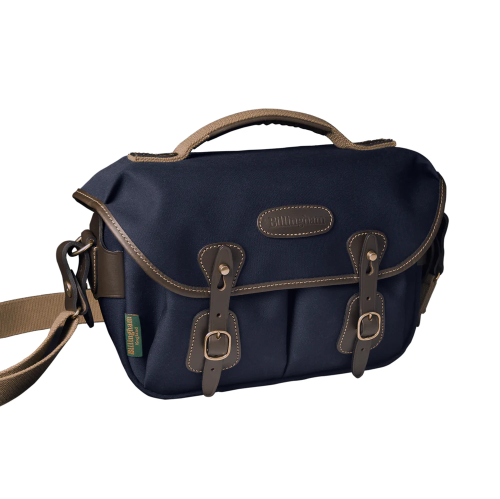
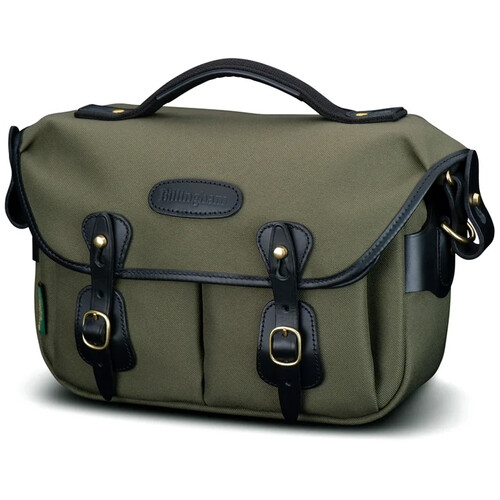
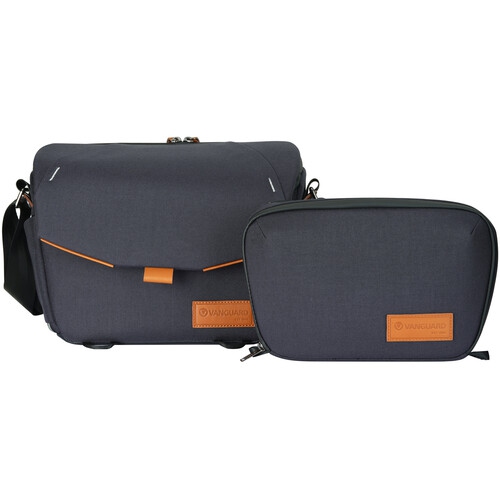
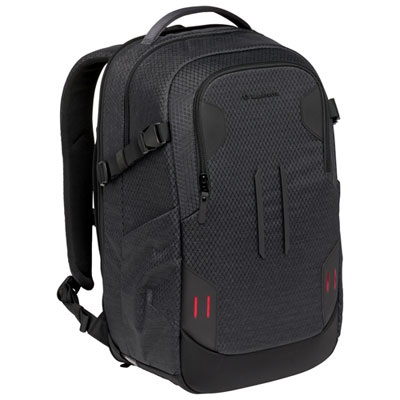
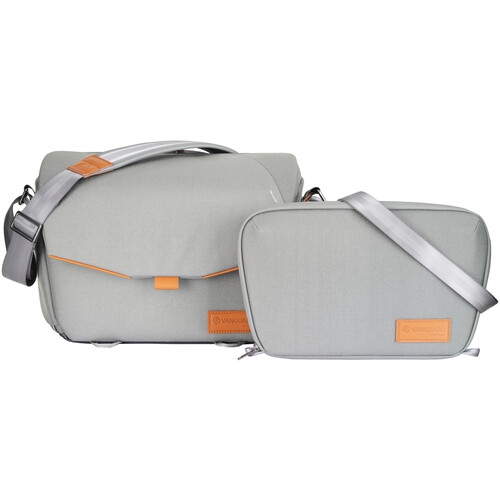
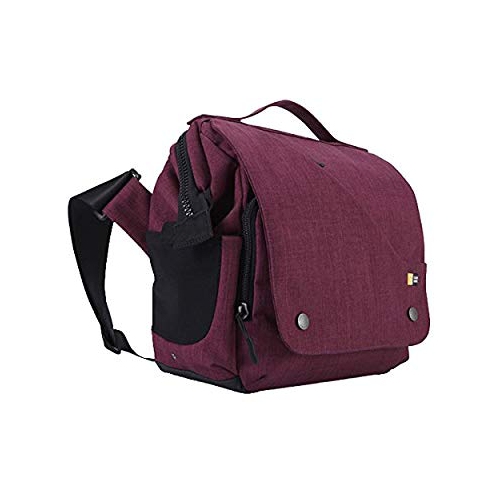
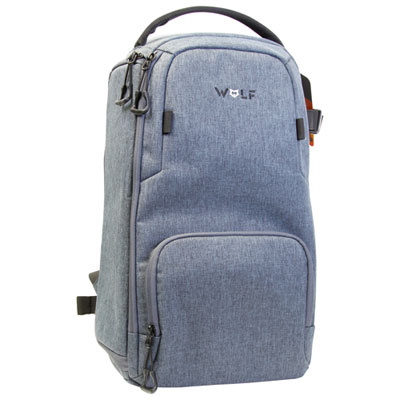
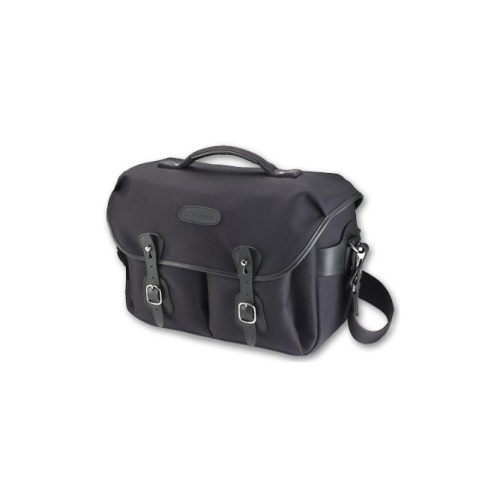

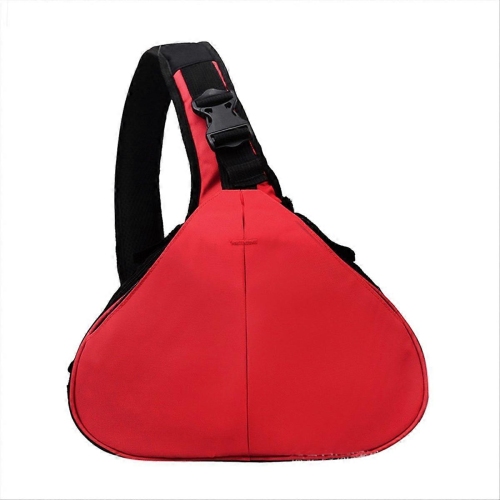
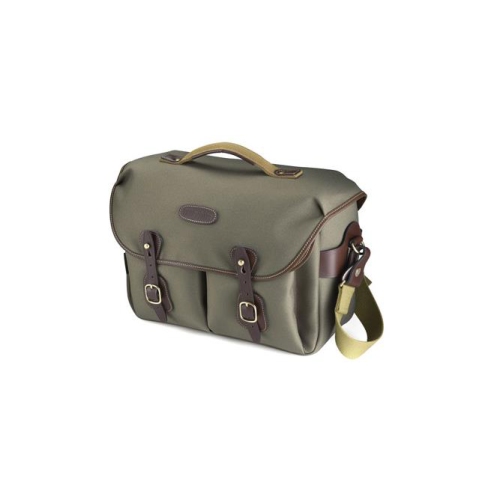
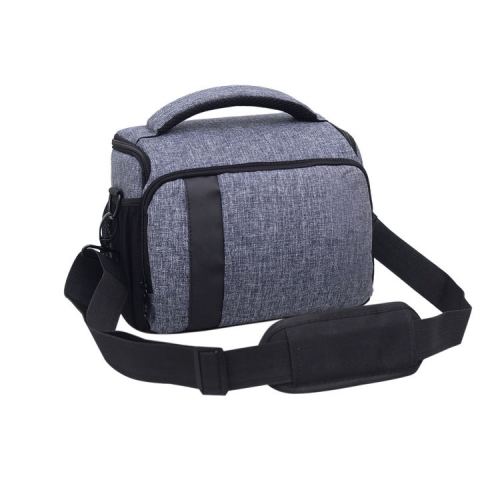
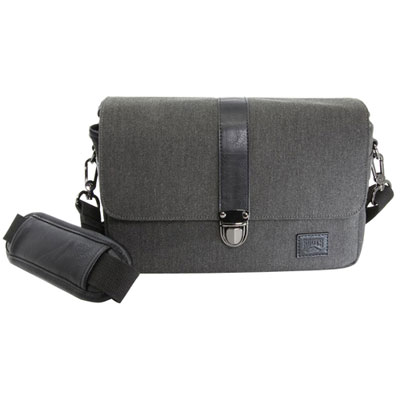
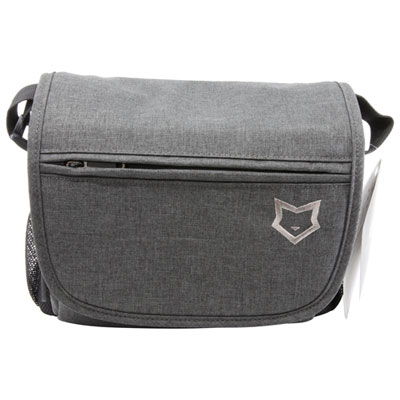
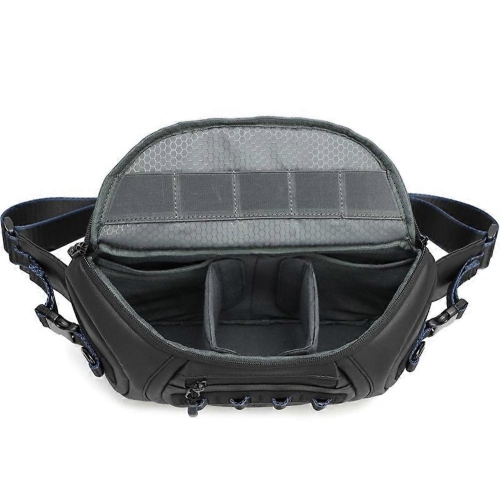
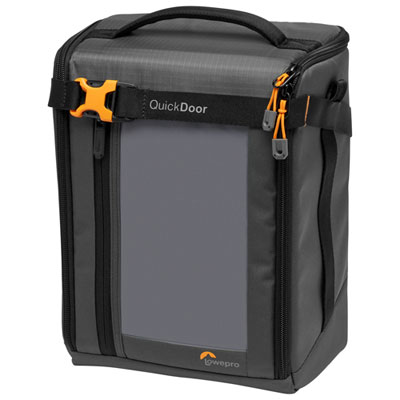

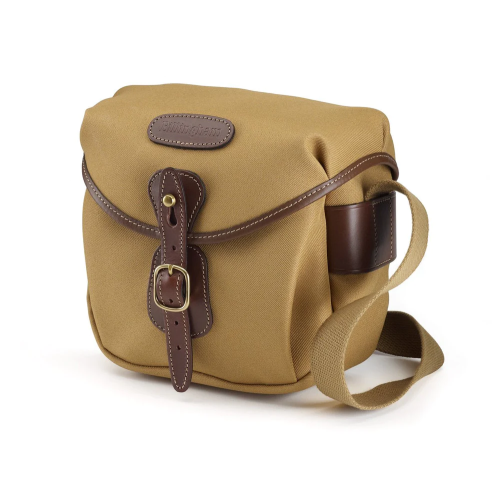
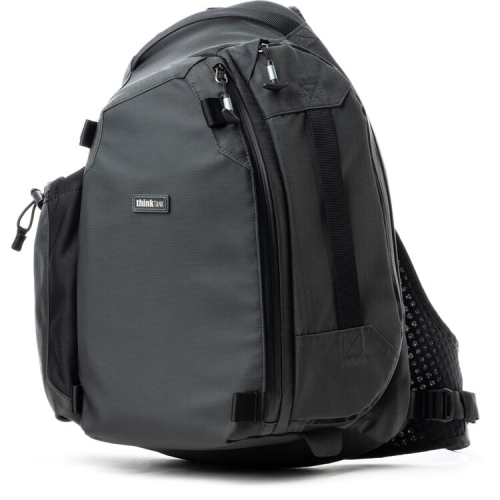
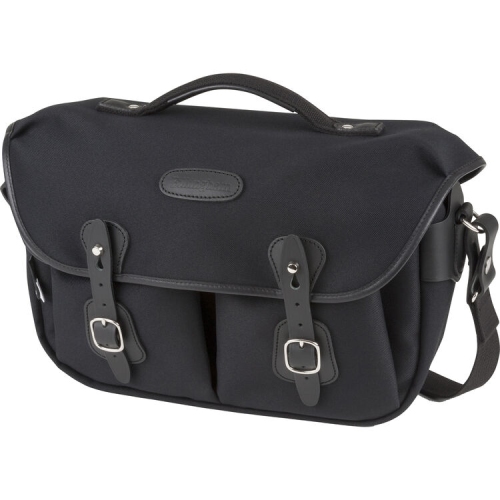
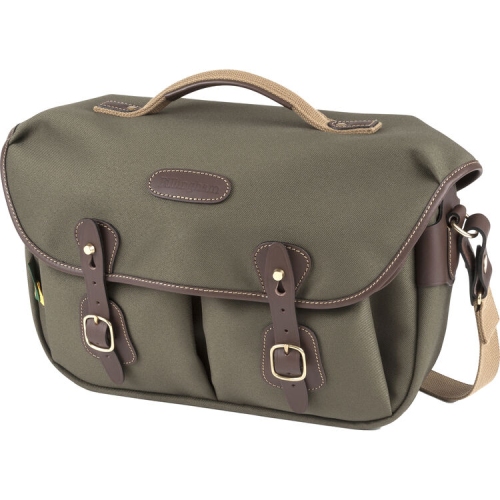
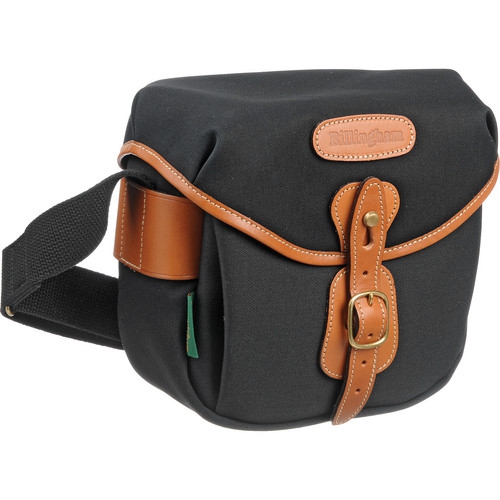
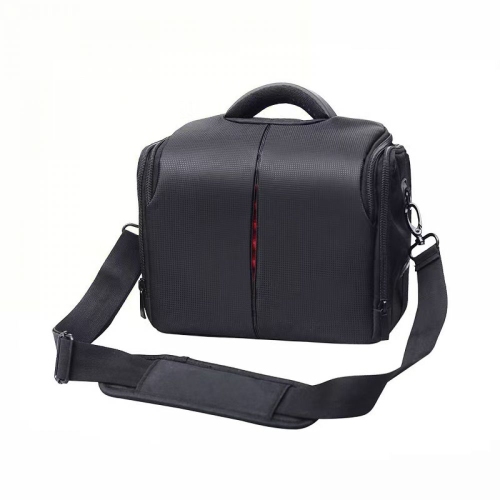

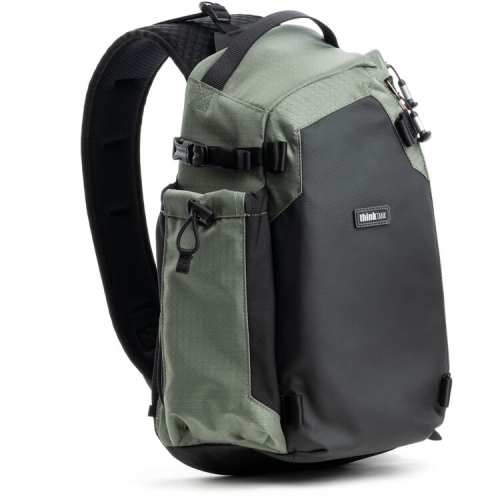
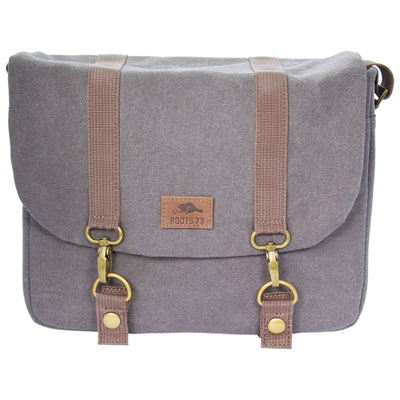
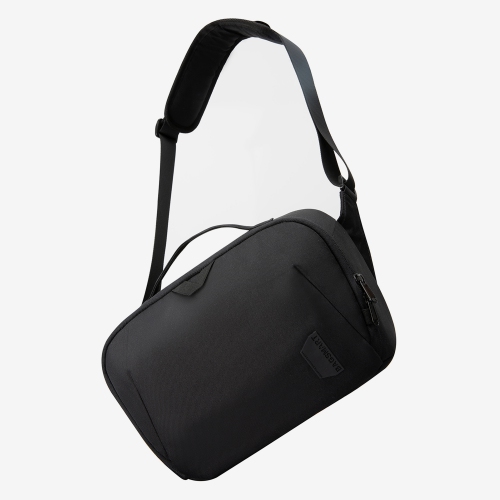
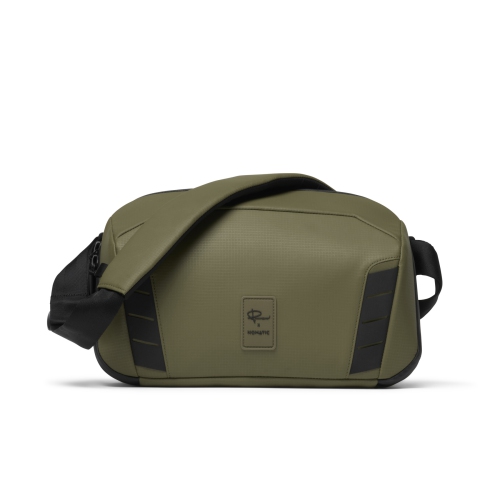
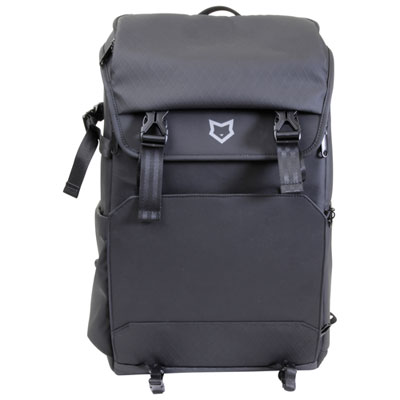
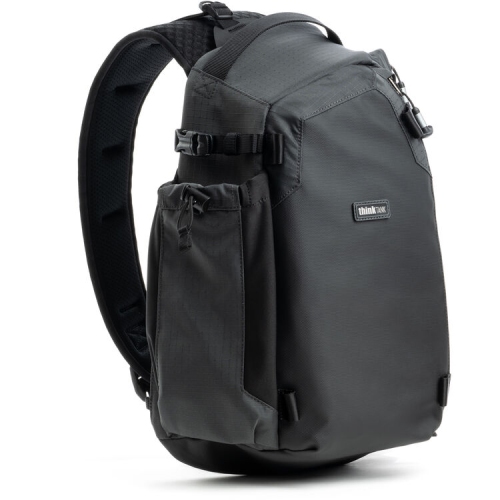
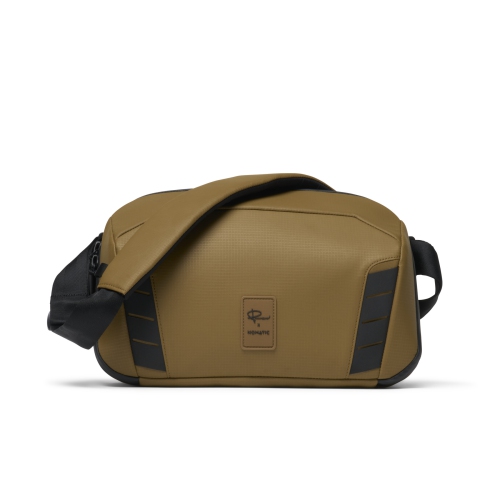
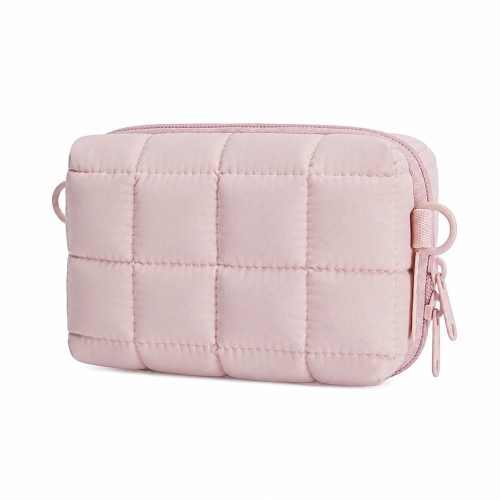
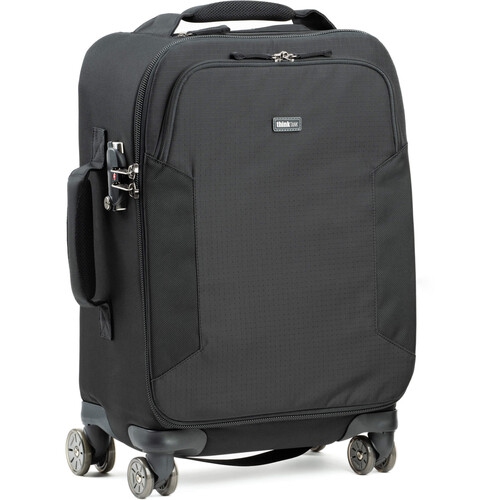
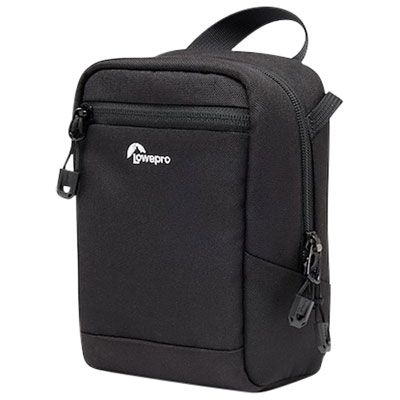
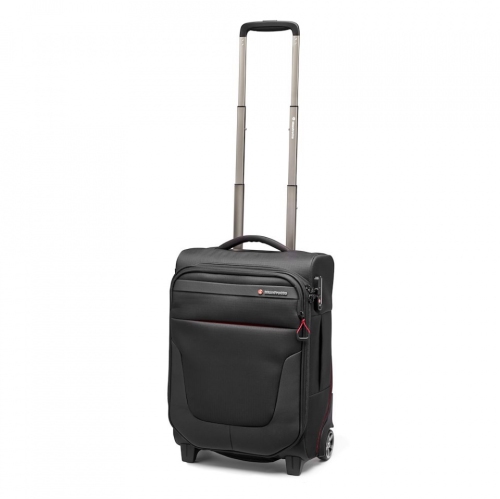
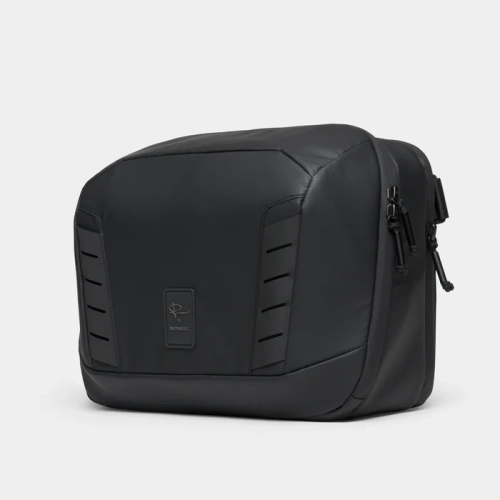
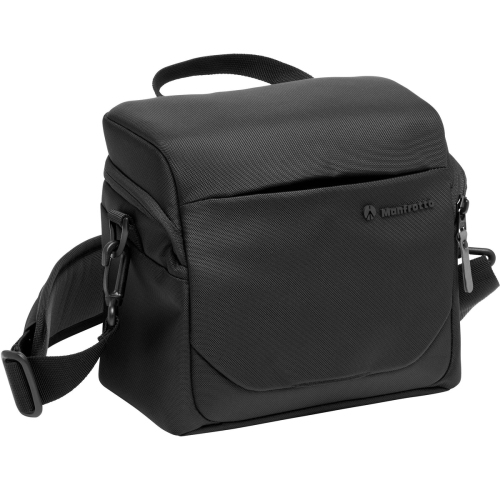
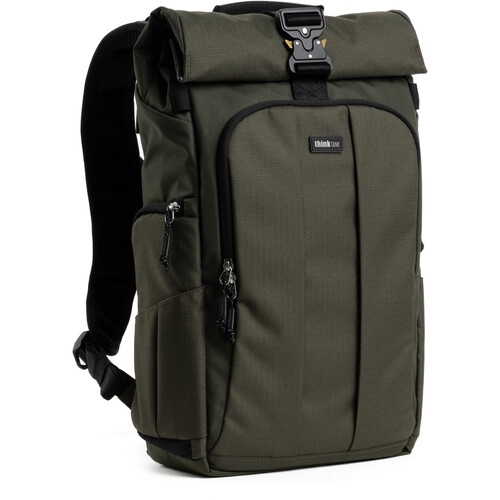
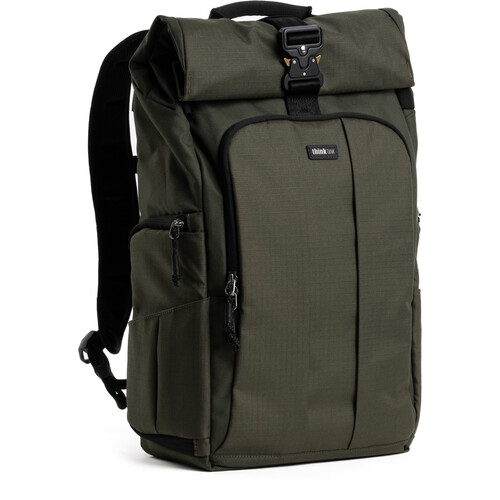
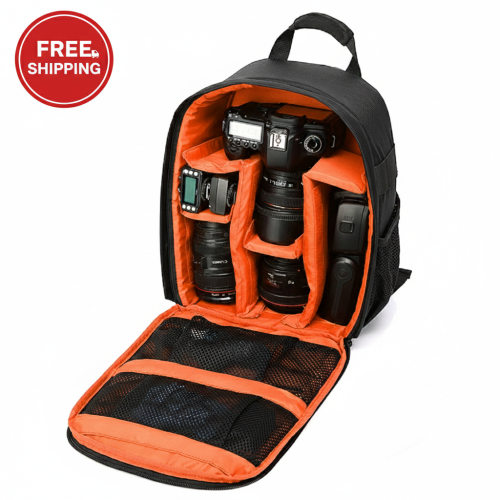
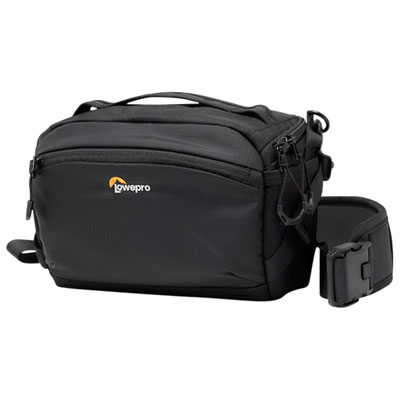

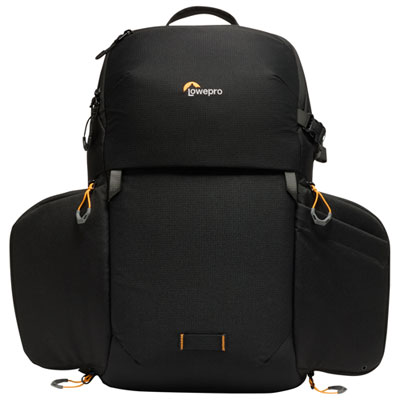
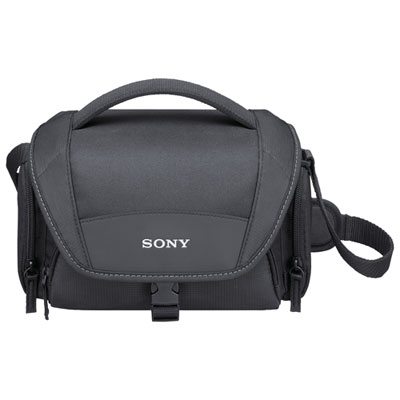
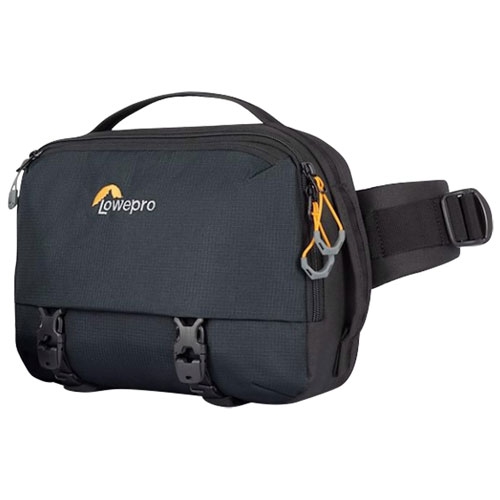

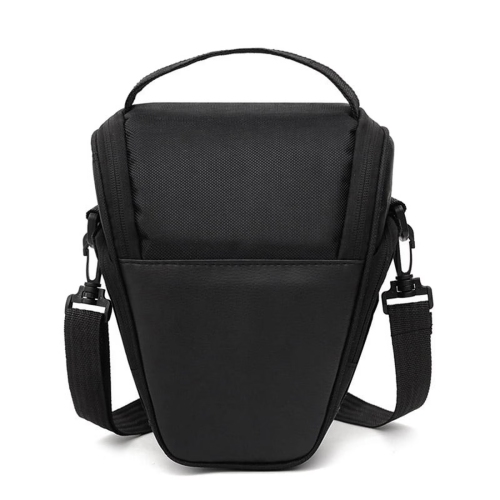
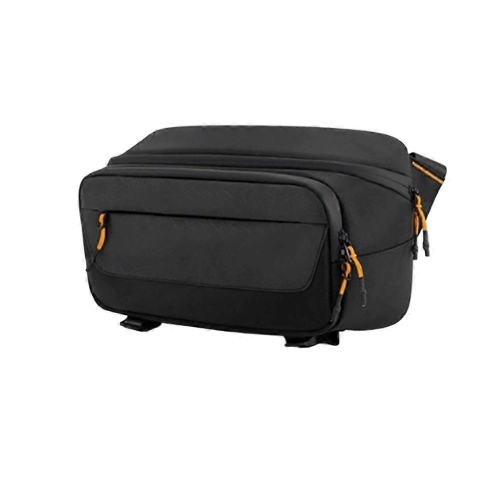

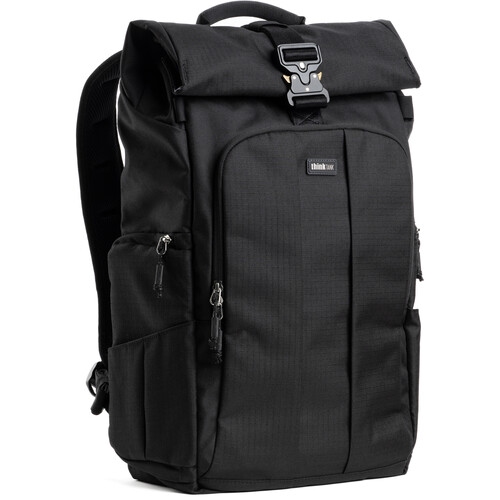
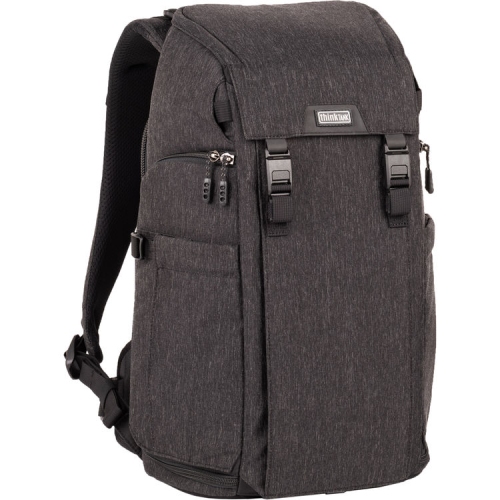
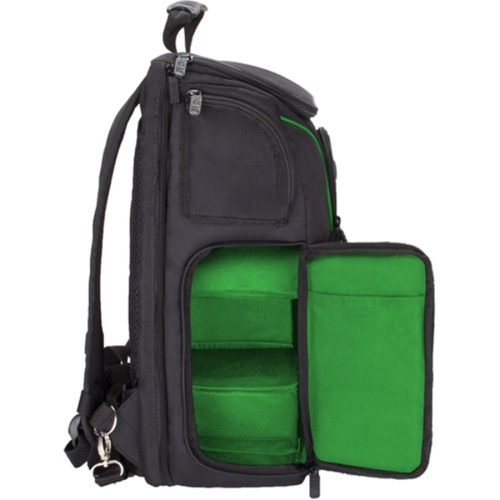
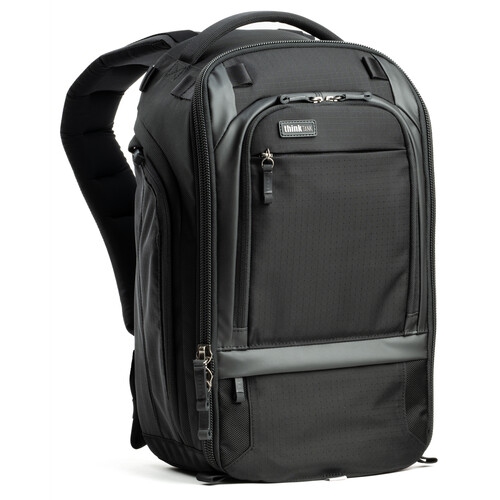
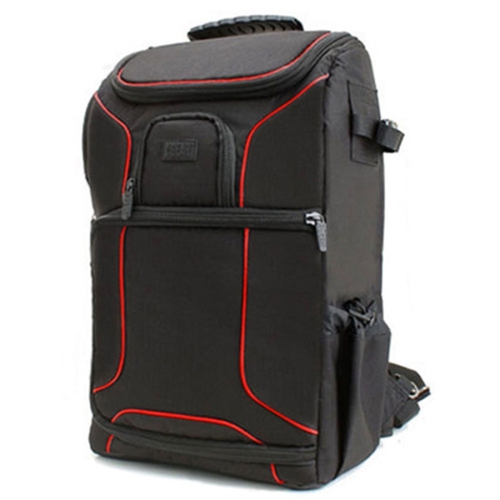
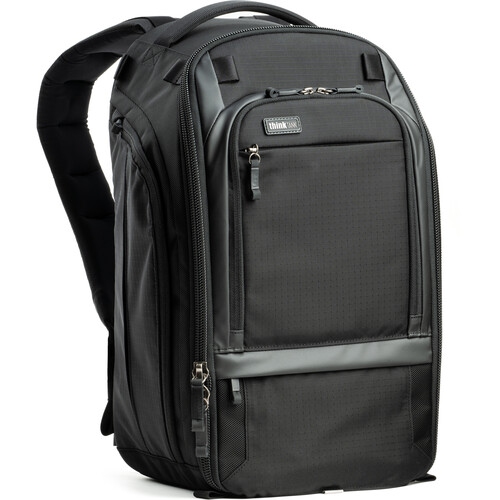

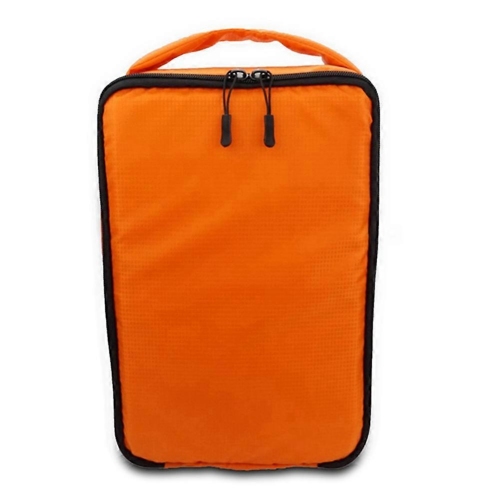
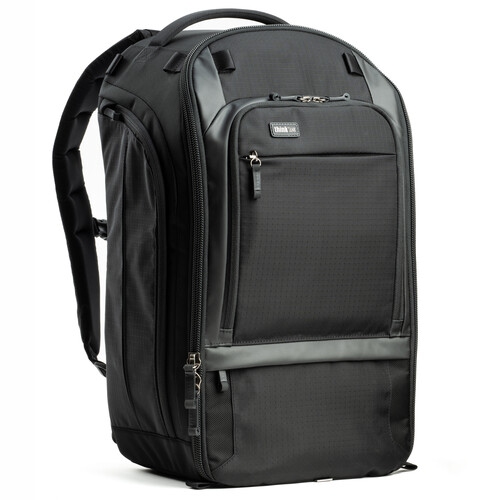
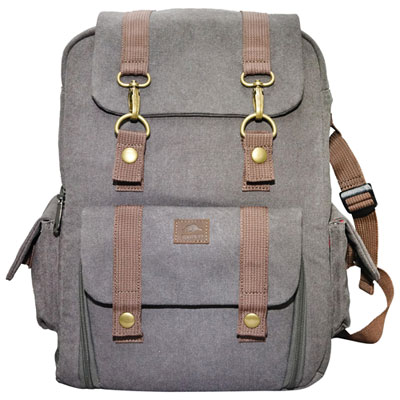
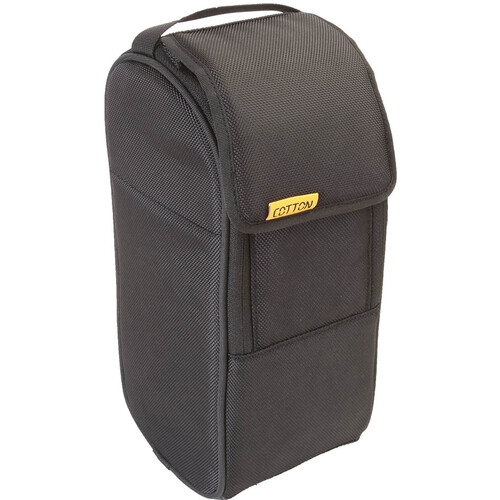
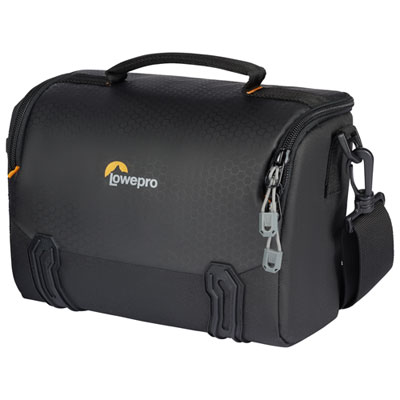
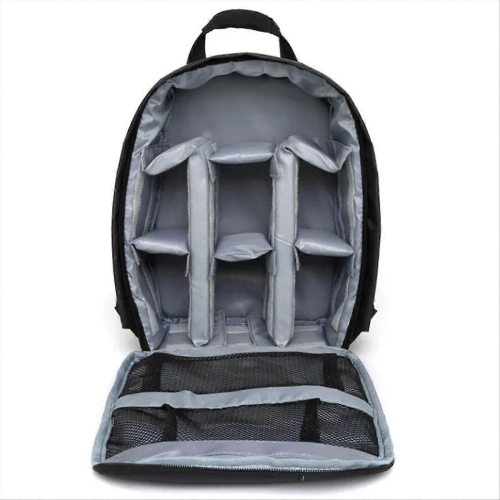
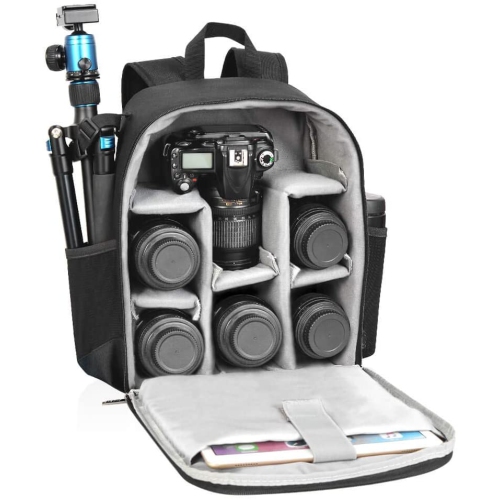
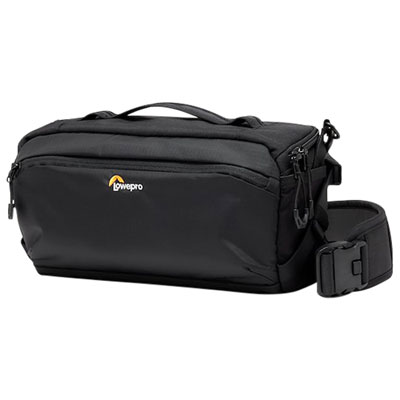

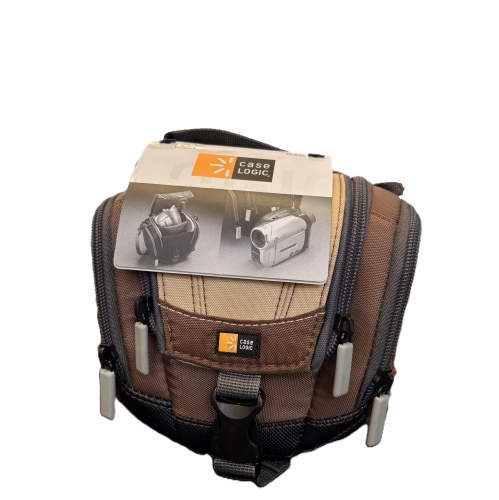

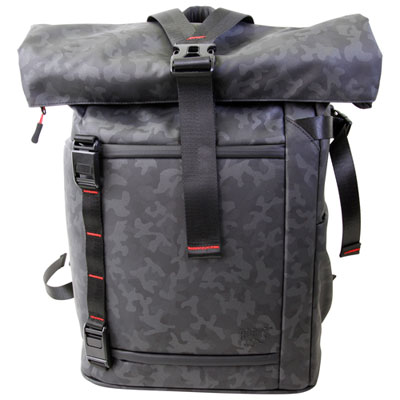
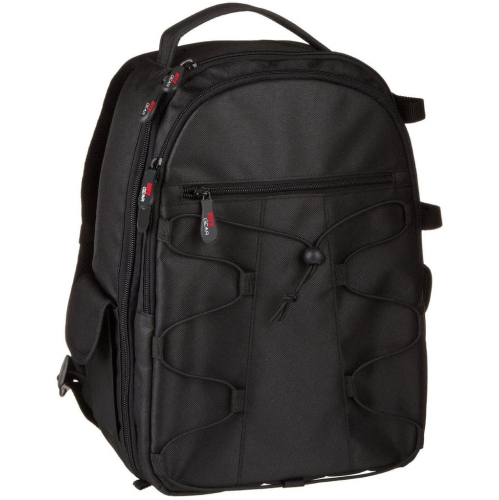
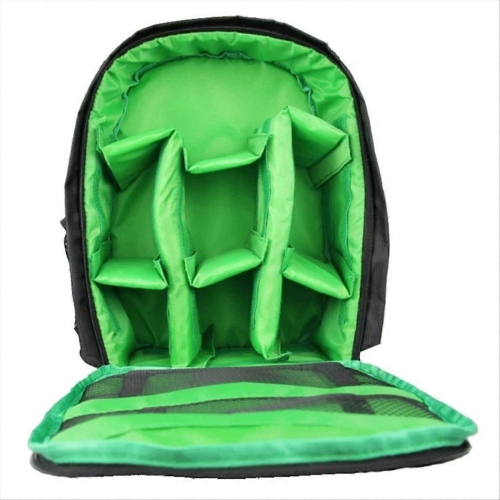
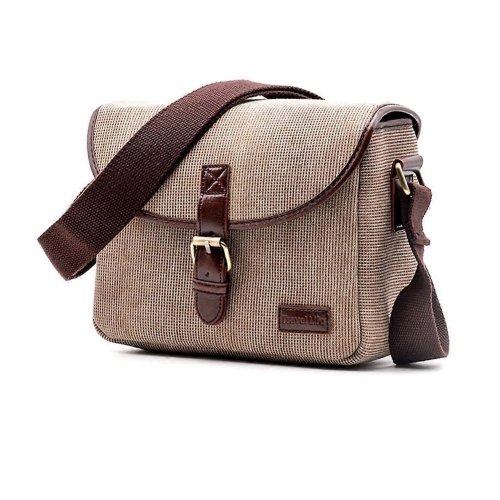
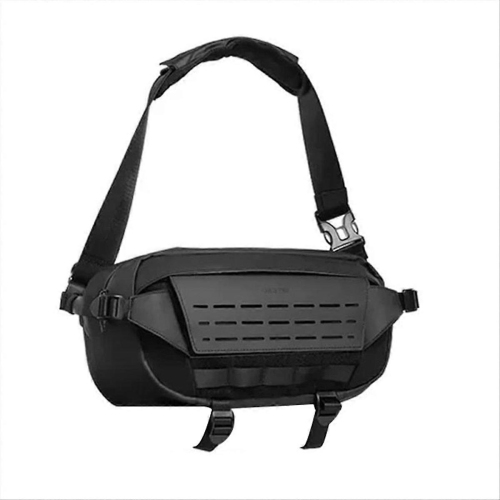
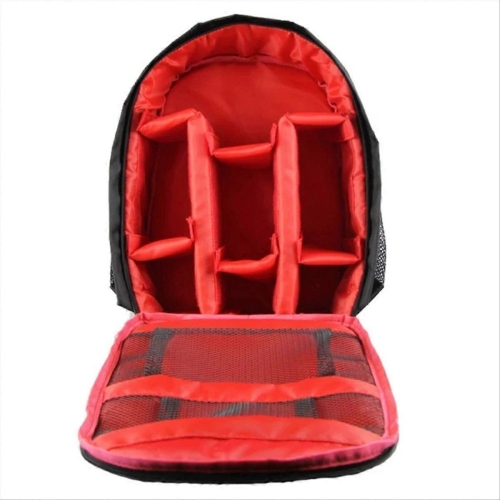
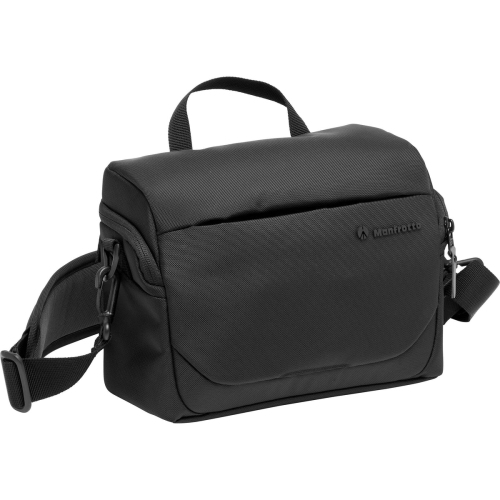
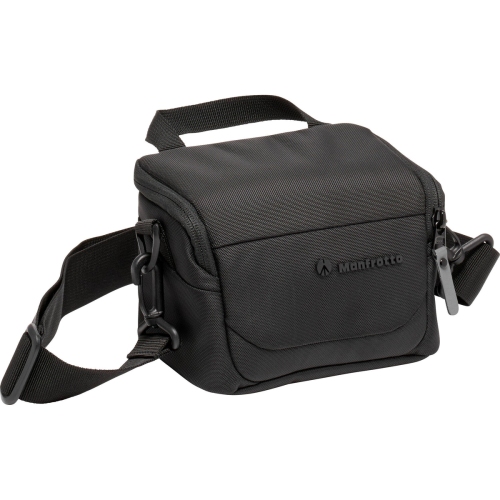
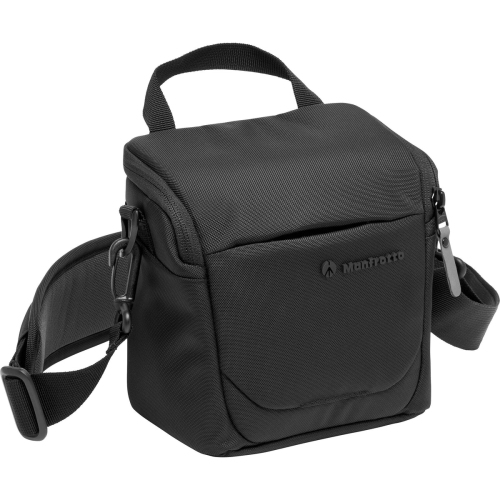
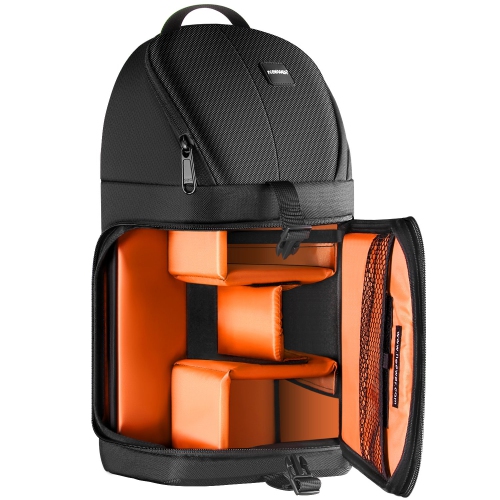
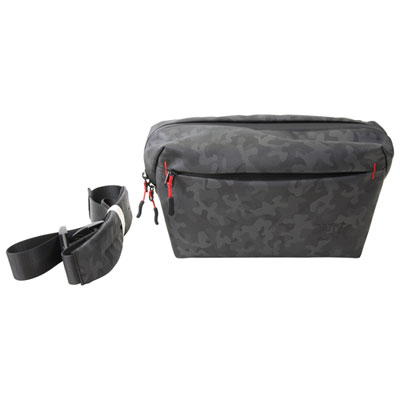

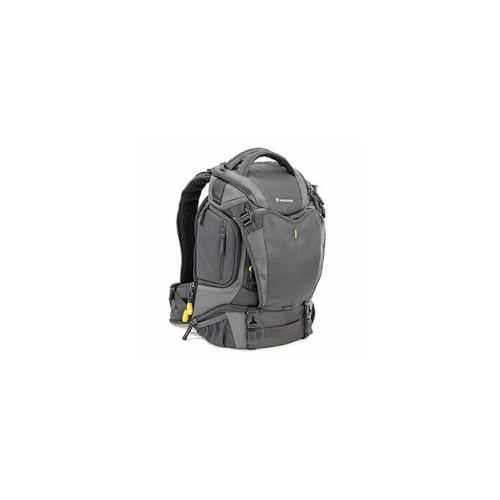
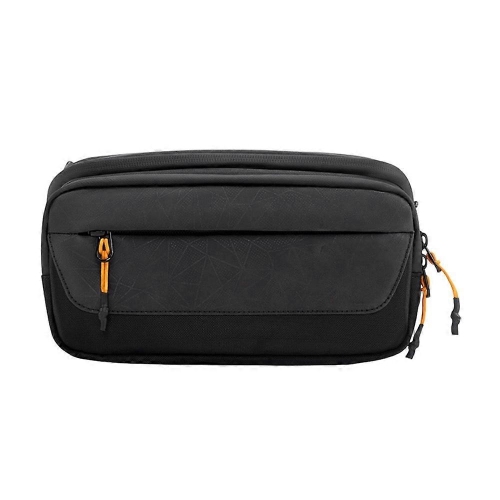

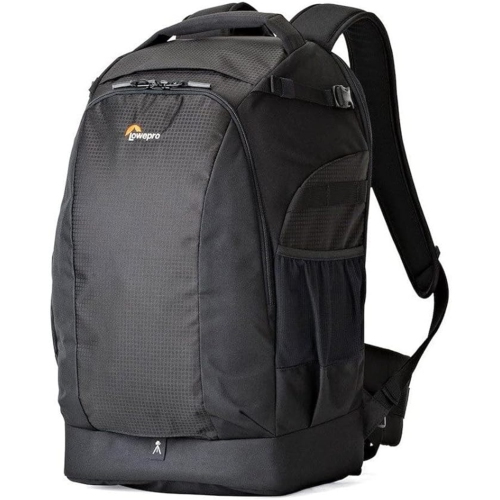
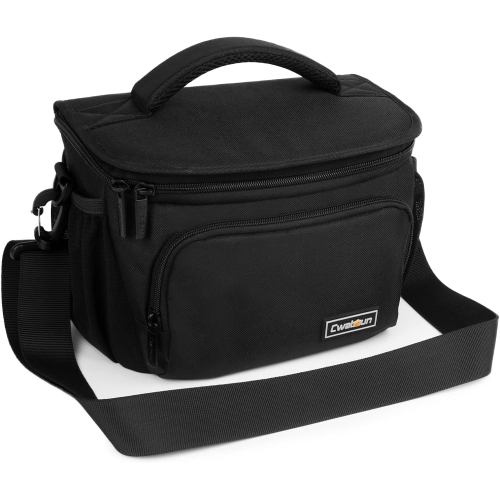
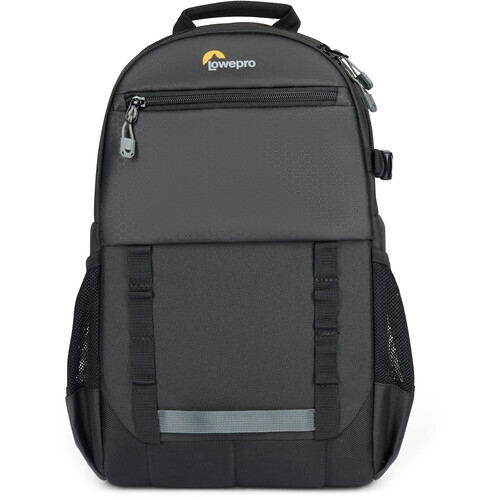

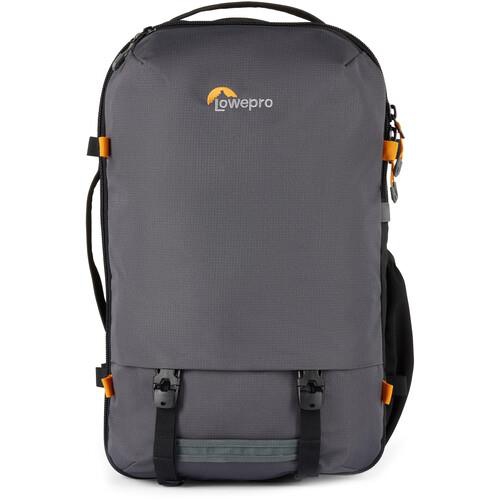

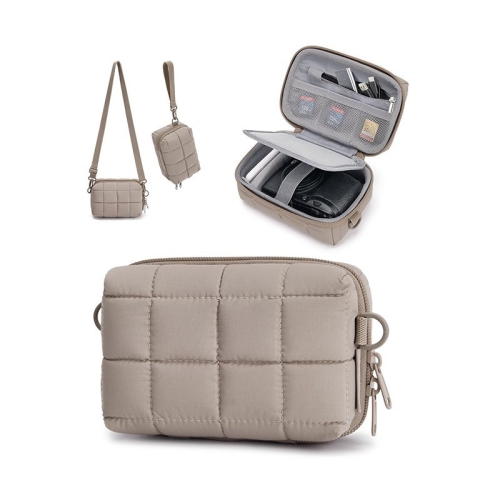
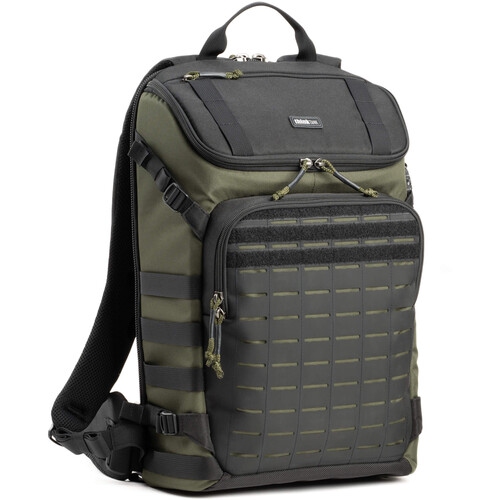
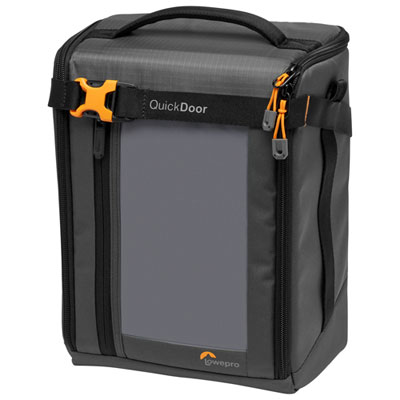
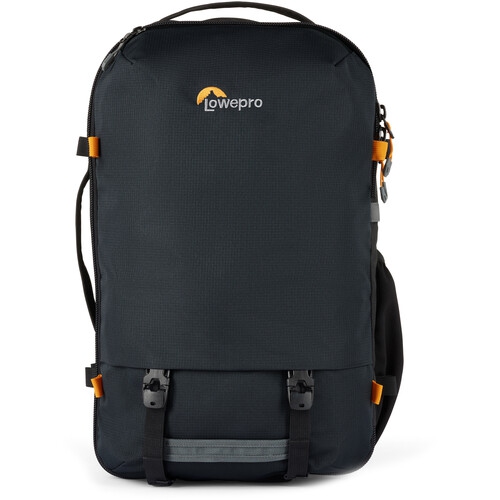
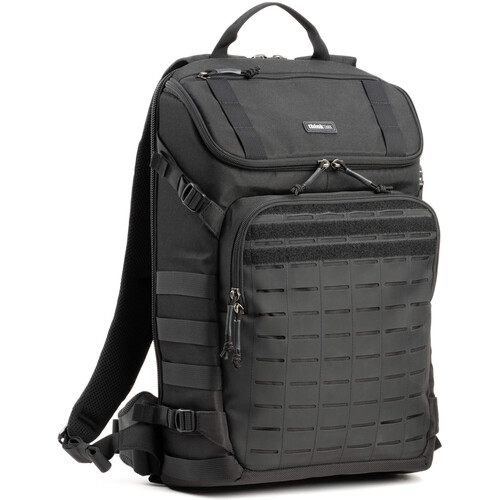
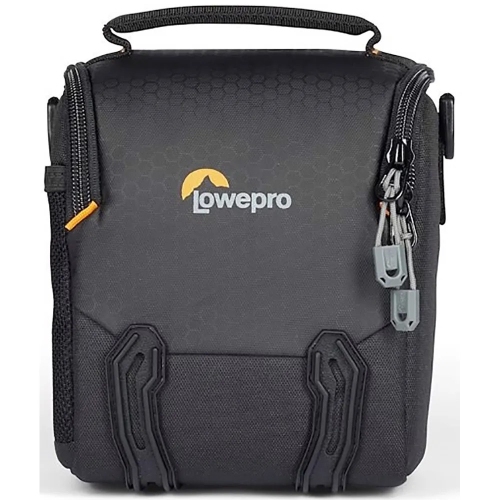
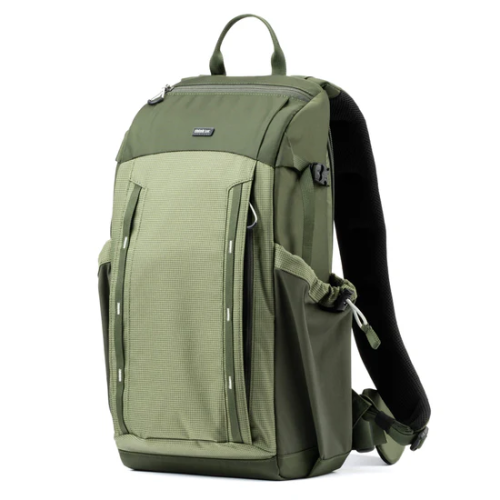
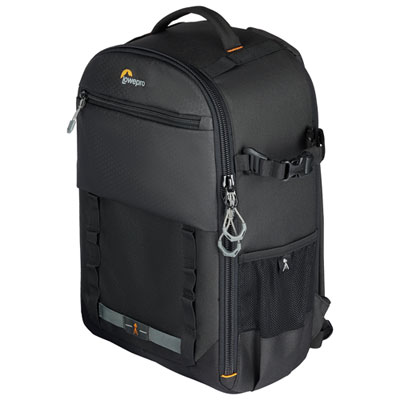
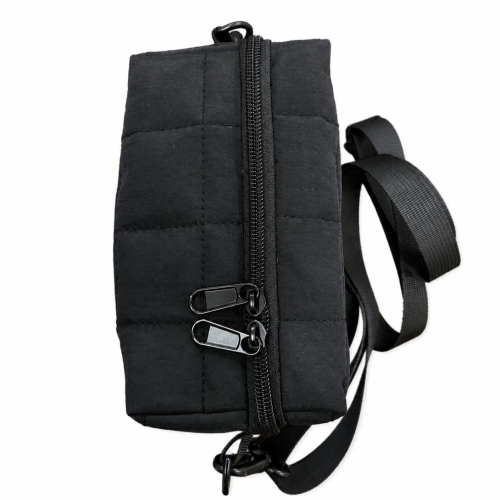
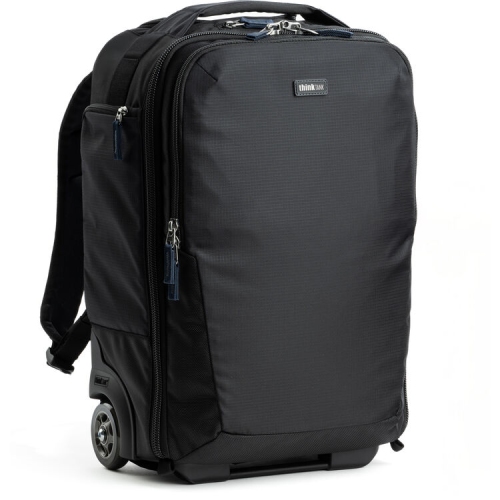
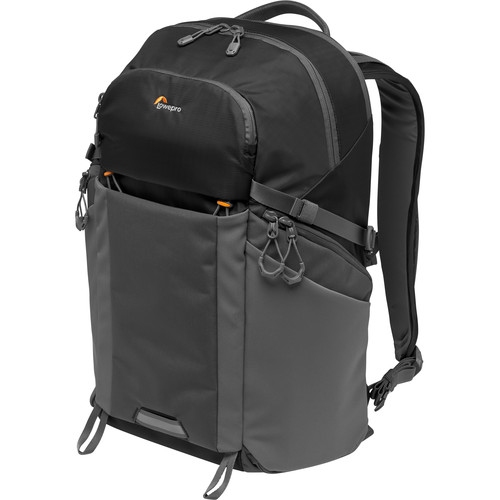
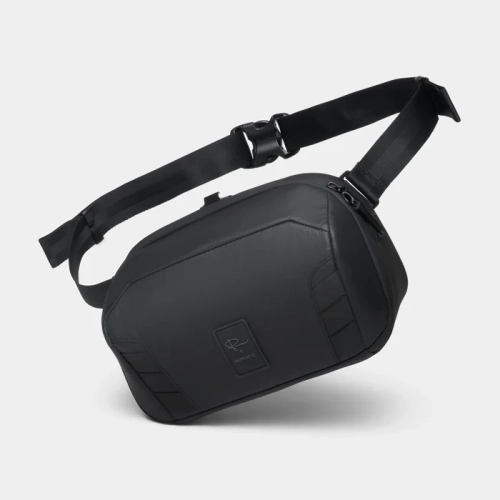
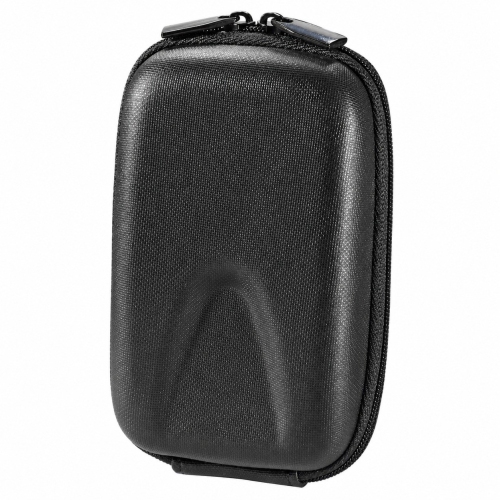
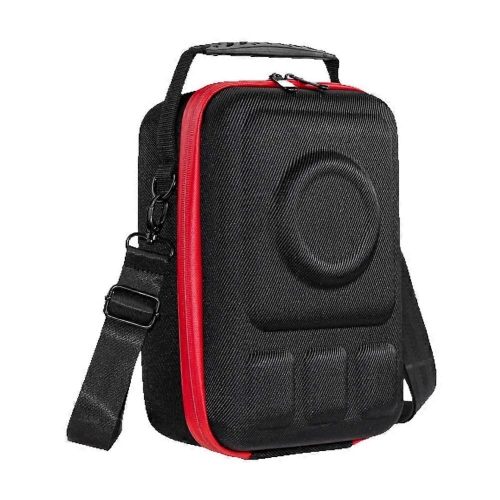
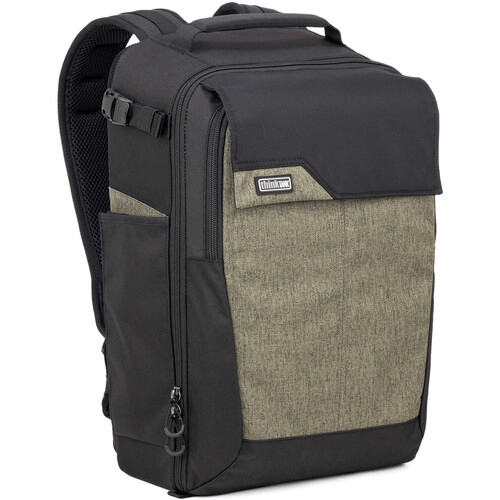
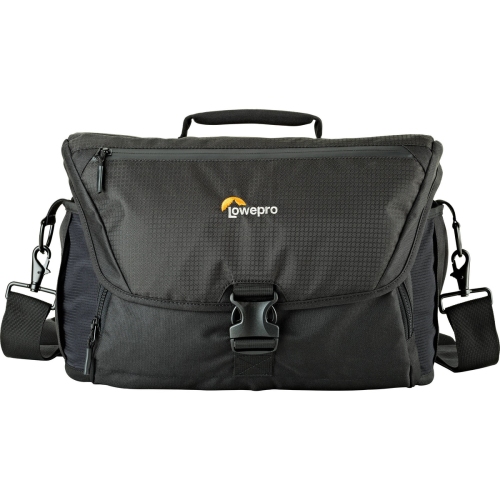
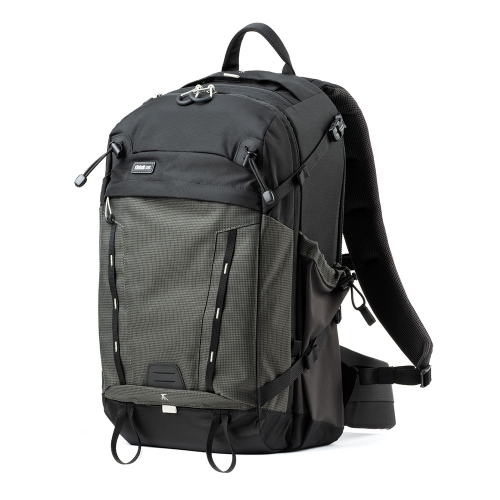
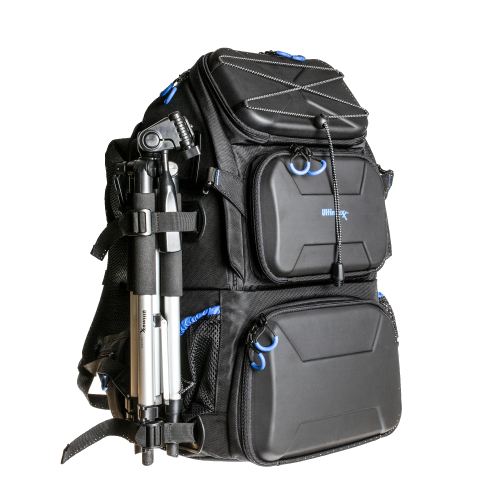
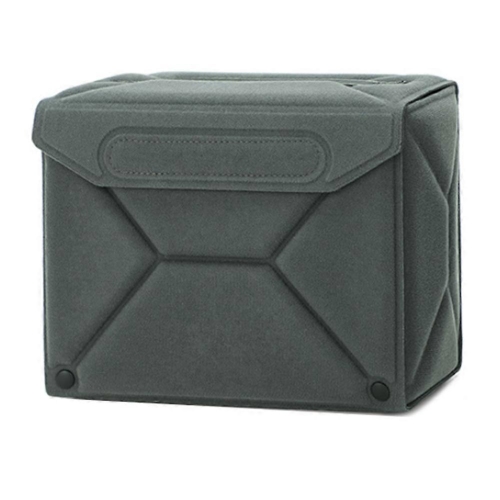
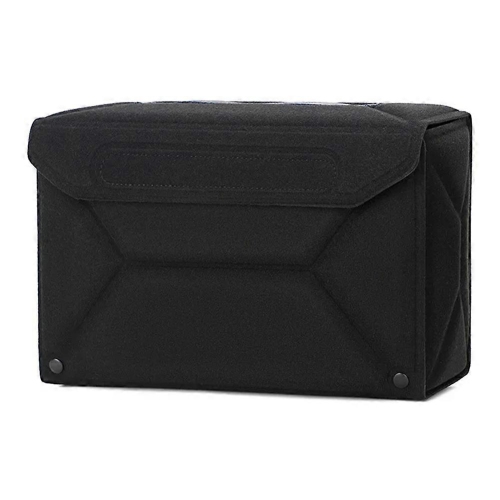
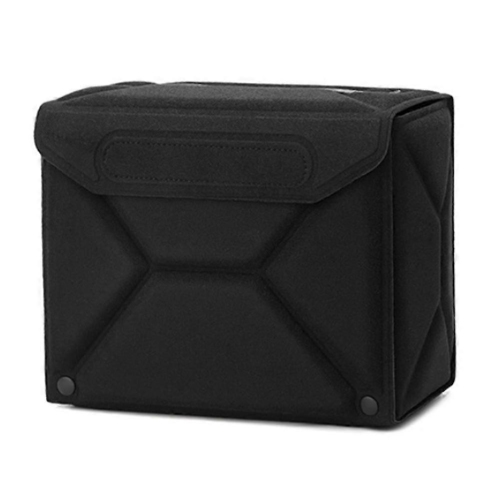
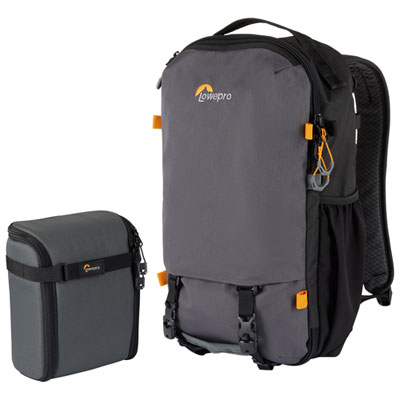

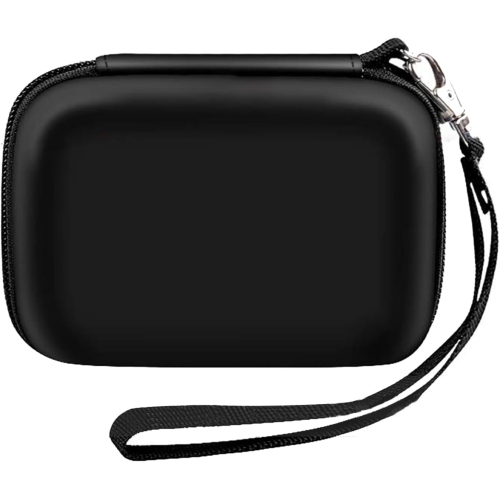
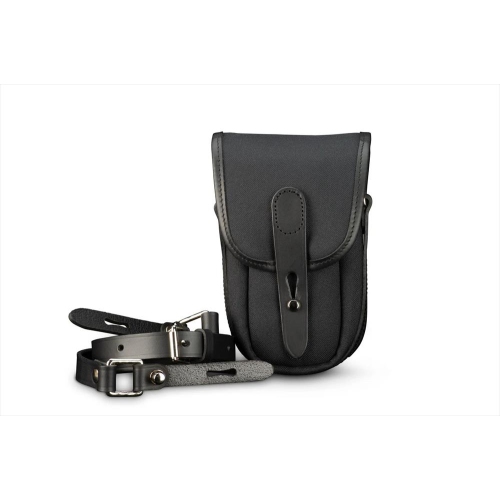
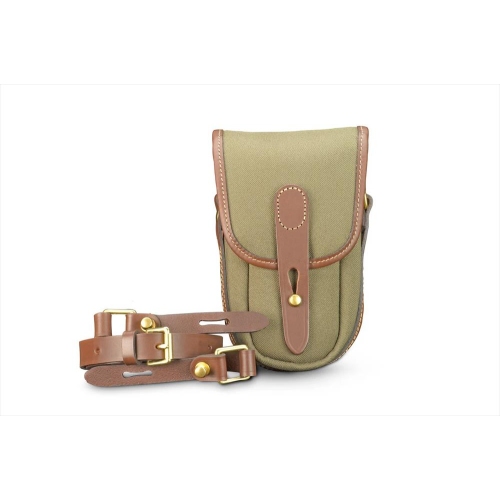
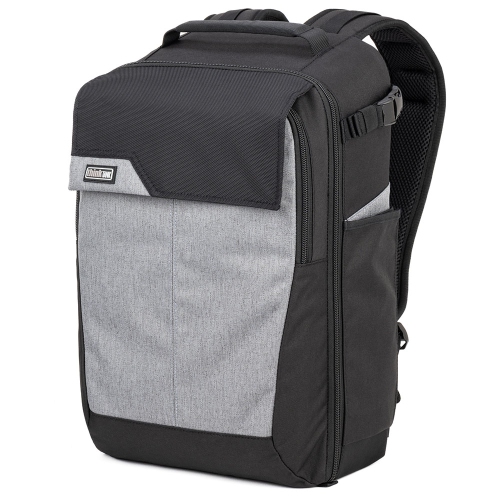
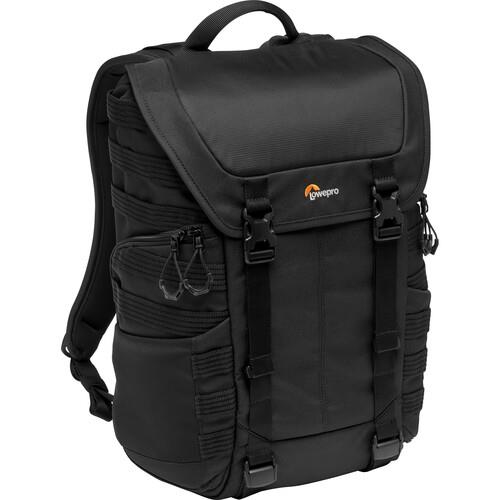
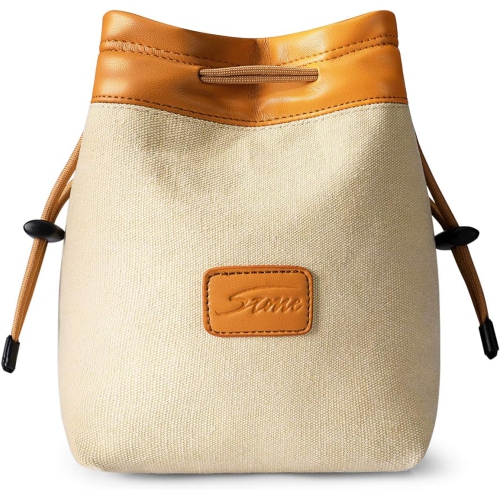
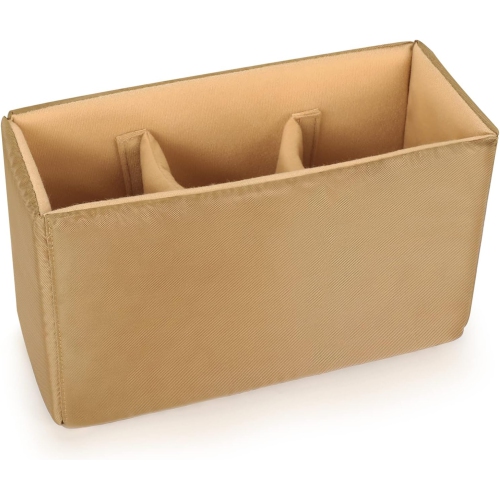
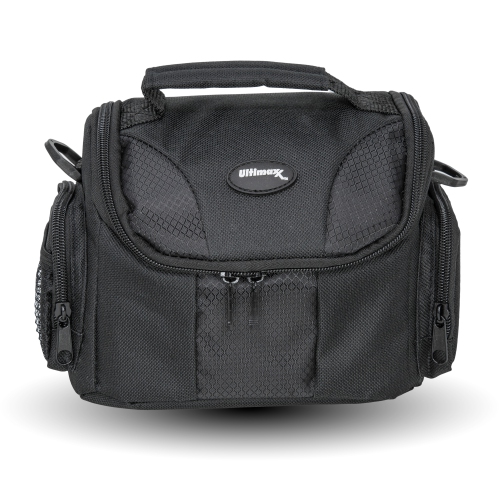
Room for your DSLR without the backpack bulk
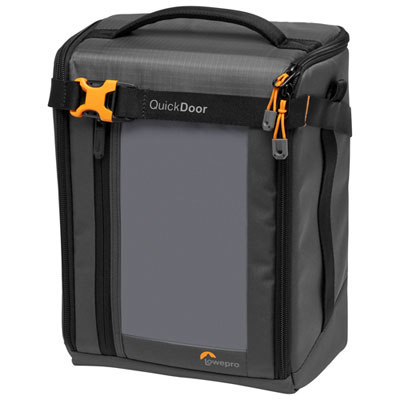
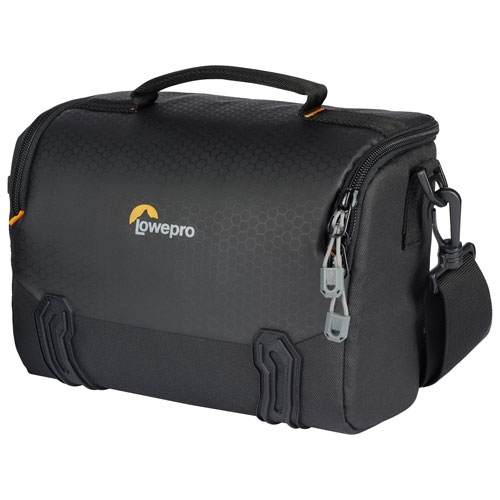
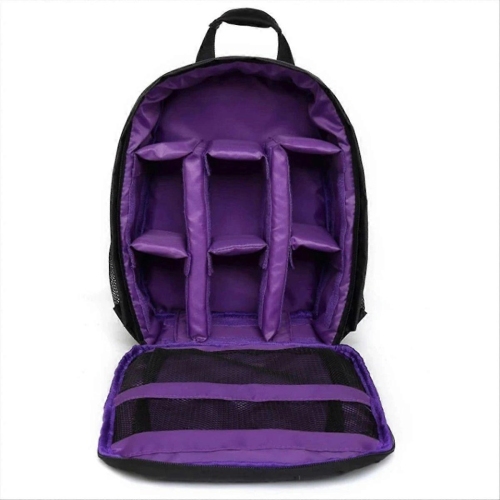
Small DSLR camera bags for travel keep a modest camera kit close at hand without taking up the space of a full photography backpack. Their appeal is straightforward: room for a camera body with an attached lens, practical protection between stops, and enough organization to keep a spare battery or memory card from disappearing into the bottom of a bag. For a day spent exploring a city, visiting a museum that permits photography, or taking family pictures on a weekend away, a compact bag can make carrying a DSLR feel less cumbersome. Some bags in the 5 to 7 litre range suit a pared-down setup, but capacity alone does not establish fit. Internal compartment dimensions matter more than the outside measurements, especially when a camera has a deep handgrip, an attached zoom lens, or a lens hood. The useful comparison is the camera’s full width, height, and length in the configuration it will actually be carried, allowing space for padding without forcing the closure. A close fit helps limit movement; an overly tight compartment can catch on the camera strap or make removal awkward. Adjustable dividers make the interior more adaptable, separating an extra lens from the camera body or creating a small section for accessories. Travellers comparing camera size alongside bag size can explore Lightweight DSLR Cameras for Travel to consider how the body and lens combination will shape the overall load. A small bag is most useful when its layout matches the kit rather than encouraging extra packing. One versatile lens, a charged spare battery with protected contacts, and a memory card in a case may be all that is needed for an afternoon out. Photographers who regularly carry a larger zoom, a flash, or several lenses generally need more internal space, even when the camera body itself is relatively compact.
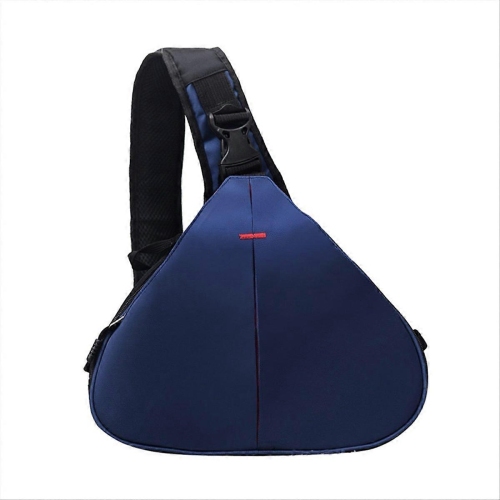
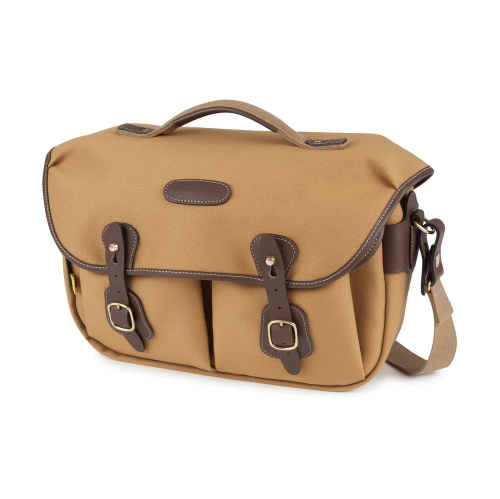
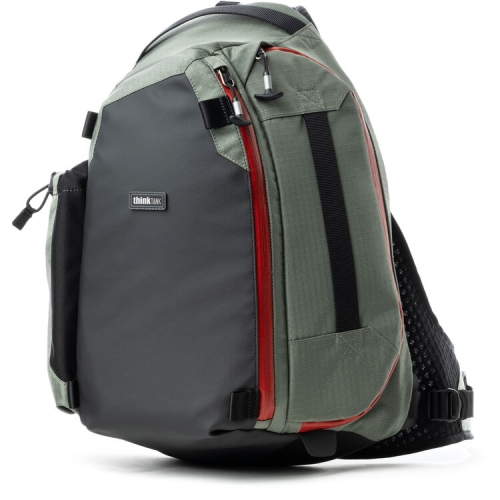
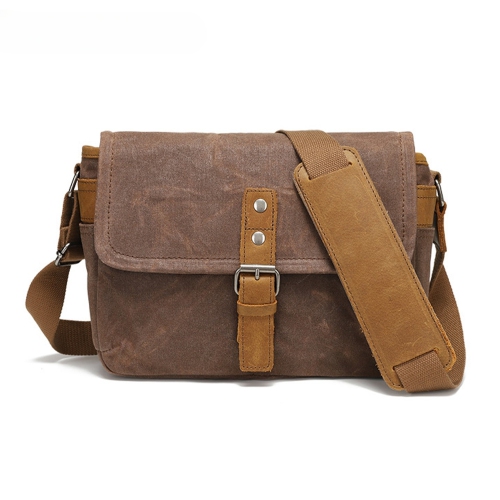
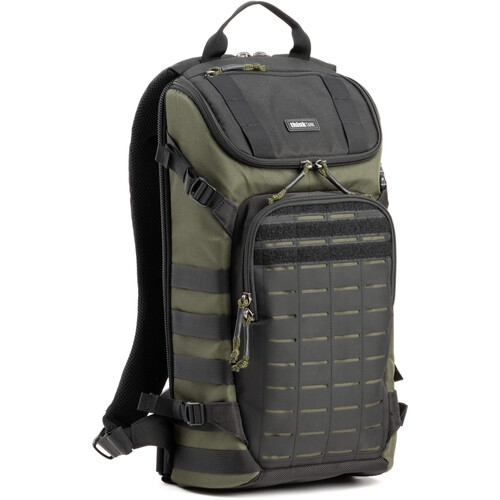
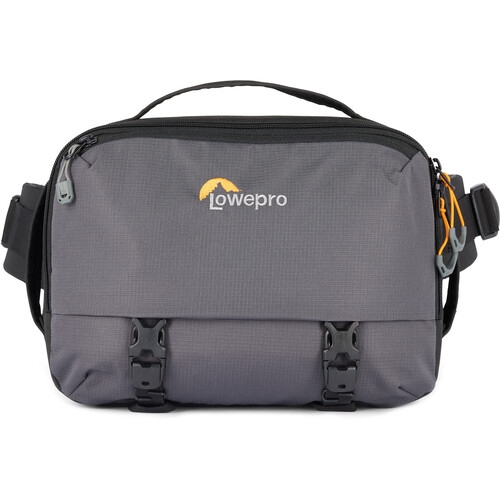
The way a travel camera bag sits against the body is just as important as its capacity. A compact shoulder bag offers a familiar layout with the camera accessible from above, while a crossbody strap can help keep the bag close when walking through a busy station or boarding a train. Sling designs may allow the compartment to move from the back towards the front for access, depending on their strap arrangement. For longer walks, strap width, padding, and adjustment range influence comfort more than an empty-bag weight figure alone. A broad, well-positioned strap can distribute the load more comfortably, while a bag that hangs too low may swing against the hip with every step. The weight of the camera, lens, accessories, and bag all contribute to the carrying experience. Compact nylon and polyester constructions are common choices where low weight and easy upkeep matter; canvas can offer a more structured feel, although fabric weight and lining vary considerably. Smooth interior linings help reduce snagging, and padded dividers keep hard surfaces from rubbing together. Base padding is particularly useful when setting the bag beneath a café chair or on a luggage shelf, but soft padding is not a substitute for a rigid protective case where crushing is a concern. Reinforced strap attachments, securely finished seams, and zippers that move cleanly around corners are worthwhile construction details. Access also changes how a bag works during a trip. A wide opening makes it easier to lift out a DSLR without catching the viewfinder, while two-way zippers offer flexibility in positioning the opening. Flaps and latches should close securely without leaving loose straps in the way. In crowded places, a compartment positioned towards the body can make it easier to keep the opening in view. No closure makes a bag theft-proof, so keeping it fastened and within reach remains important, whether it is worn across the chest or placed beside a seat.
Thoughtful pocket placement gives a small DSLR travel bag much of its everyday usefulness. A slim compartment for memory card cases, a separate space for a cleaning cloth, and a secure pocket for lens caps can save repeated unpacking at each stop. Those pockets work best when filling them does not push hard accessories against the camera or take away the depth needed for an attached lens. Loose keys, charging plugs, and other rigid objects belong away from exposed screens and glass. An exterior pocket may be convenient for a folded ticket or a small personal item, but overfilling it can distort the bag and make the main zipper harder to close. A top handle is useful for lifting the bag from beneath a seat, and a luggage pass-through, where included, can help keep it positioned on a rolling suitcase between destinations. Airline personal-item limits vary, so external dimensions still need checking rather than assuming that any small camera bag will qualify. For care, the bag’s own cleaning directions take priority: many fabric designs can be emptied, gently brushed inside, and spot-cleaned with a soft cloth rather than machine-washed. Removable dividers make it easier to clear grit from corners before it rubs against equipment. The interior should be completely dry before the camera is packed, and closures, strap hardware, and stitching benefit from occasional checks for wear. When not in use, storing the bag without heavy objects pressing on it helps preserve its shape and padding. These compact carrying options suit casual travel photographers, students documenting a trip, and experienced DSLR users leaving a larger kit behind for the day. They can also make a thoughtful gift for someone who already owns a camera, provided the body, attached lens, and preferred carrying style are known. A comfortable strap, a well-sized compartment, and dependable organization are the details that make a small bag useful from the first departure to the last photograph of the trip.
Top selling and popular products
-
 Your price for this item is $389.97
-
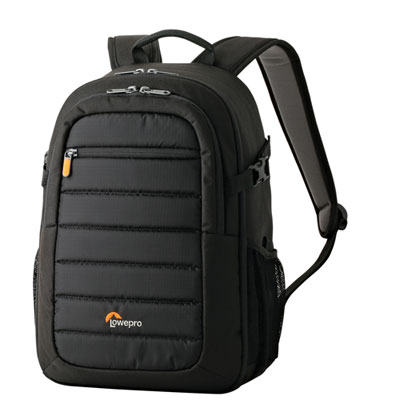 Your price for this item is $98.98
-
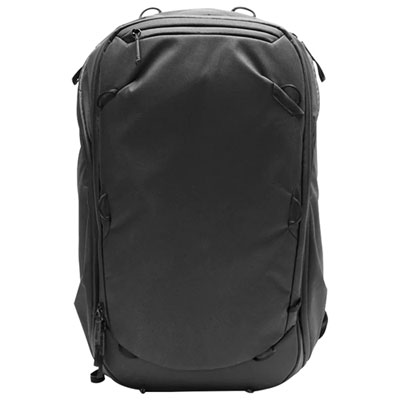 Your price for this item is $399.97
-
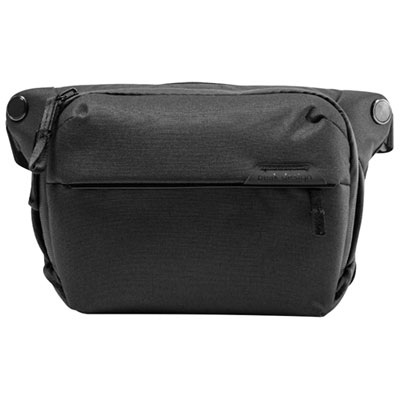 Your price for this item is $139.99
-
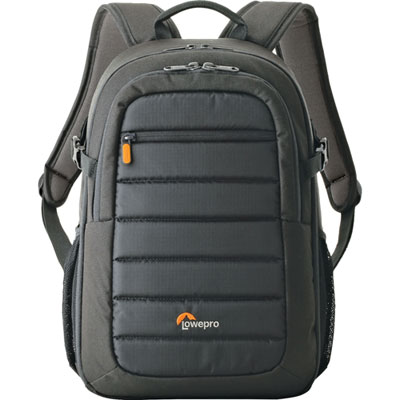 Your price for this item is $134.99
-
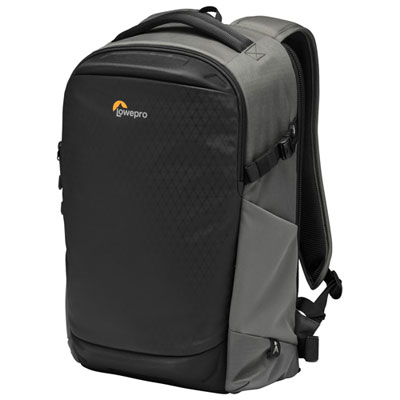 Your price for this item is $229.99
-
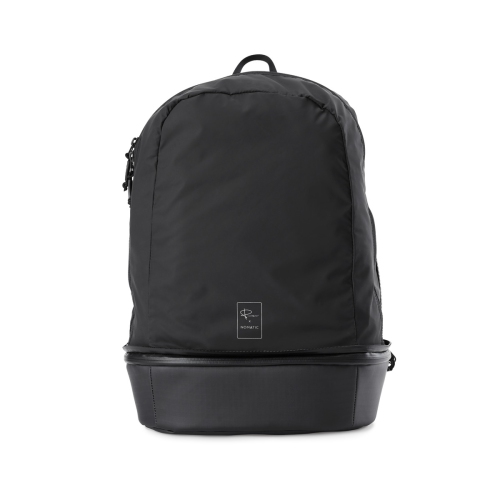 Your price for this item is $179.99
-
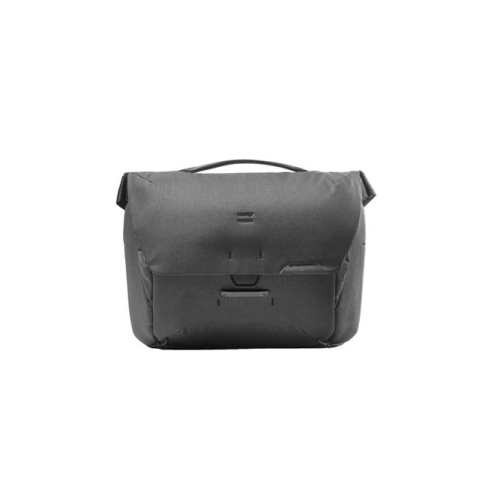 Your price for this item is $349
Discover more categories related to Small DSLR Camera Bags for Travel
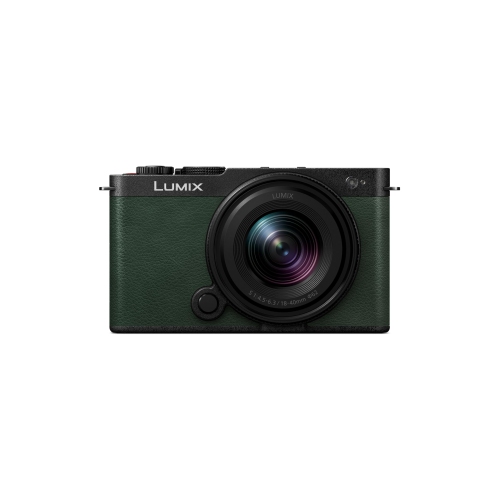
Top Collections:
Pokemon Centers, Best Cameras for Sports Photography, Kindle Devices, Samsung Galaxy Phones, Canon G7X Cameras, Pokémon 30th Celebration Cards, Refurbished Apple Laptops, iPhone 15 Apple, Laptops for Students, Budget Smartphones
Some products may be subject to Environmental Handling Fees
(EHF) depending on your province.
Learn more about EHFs.